Wettest counties in Vermont
Rain, sleet, snow, hail, wintry mix. Precipitation takes on many forms, and the degree to which climate change affects precipitation levels comes down to something almost everyone learns about in school鈥擡arth's water cycle. A system in endless motion, the water cycle through which water exists in its three primary phases鈥攍iquid, solid, and gas鈥攁s it moves perpetually between the Earth and its atmosphere.
Increases in precipitation frequency and intensity are . When temperatures rise and oceans grow warmer, the amount of water that evaporates into the atmosphere鈥攁nd the speed at which it does so鈥攁lso increases. As carries the moisture-rich air over land or pushes it into a storm system, heavy rain or snow is often the result.
The continental U.S. on average received about between March 2022 and February 2023. Traditionally "wet" regions鈥攕uch as Washington state and Alaska in the northwest and Georgia and Mississippi in the southeast鈥攃ontinue to have some of the rainiest counties in the United States. Other areas such as Oklahoma, Kansas, and Nebraska, as well as pockets of the South and of California, experience the opposite extreme: also largely a .
cited data from the to identify the counties in Vermont that receive the most precipitation through rain, sleet, or snow. Counties are ranked by five-year precipitation averages in inches as of February 2023 with rainfall over the past year serving as a tiebreaker. Supplementary data on how last year's precipitation compares to the 100-year average for the area is also included.
#14. Grand Isle County
- Precipitation over the past year: 44.59 inches (#127 rainiest year since 1895)
- Precipitation compared to 1901-2000 average: 9.89 inches above norm
#13. Chittenden County
- Precipitation over the past year: 40.20 inches (#81 rainiest year since 1895)
- Precipitation compared to 1901-2000 average: 1.92 inches above norm
#12. Addison County
- Precipitation over the past year: 40.04 inches (#79 rainiest year since 1895)
- Precipitation compared to 1901-2000 average: 1.86 inches above norm
#11. Orange County
- Precipitation over the past year: 37.84 inches (#49 rainiest year since 1895)
- Precipitation compared to 1901-2000 average: -1.46 inches below norm
#10. Caledonia County
- Precipitation over the past year: 39.30 inches (#55 rainiest year since 1895)
- Precipitation compared to 1901-2000 average: -1.05 inches below norm
#9. Washington County
- Precipitation over the past year: 39.43 inches (#54 rainiest year since 1895)
- Precipitation compared to 1901-2000 average: -1.00 inches below norm
#8. Franklin County
- Precipitation over the past year: 45.77 inches (#97 rainiest year since 1895)
- Precipitation compared to 1901-2000 average: 4.04 inches above norm
#7. Essex County
- Precipitation over the past year: 45.42 inches (#91 rainiest year since 1895)
- Precipitation compared to 1901-2000 average: 3.53 inches above norm
#6. Lamoille County
- Precipitation over the past year: 45.07 inches (#76 rainiest year since 1895)
- Precipitation compared to 1901-2000 average: 1.51 inches above norm
#5. Rutland County
- Precipitation over the past year: 46.68 inches (#103 rainiest year since 1895)
- Precipitation compared to 1901-2000 average: 5.65 inches above norm
#4. Windsor County
- Precipitation over the past year: 45.15 inches (#86 rainiest year since 1895)
- Precipitation compared to 1901-2000 average: 3.32 inches above norm
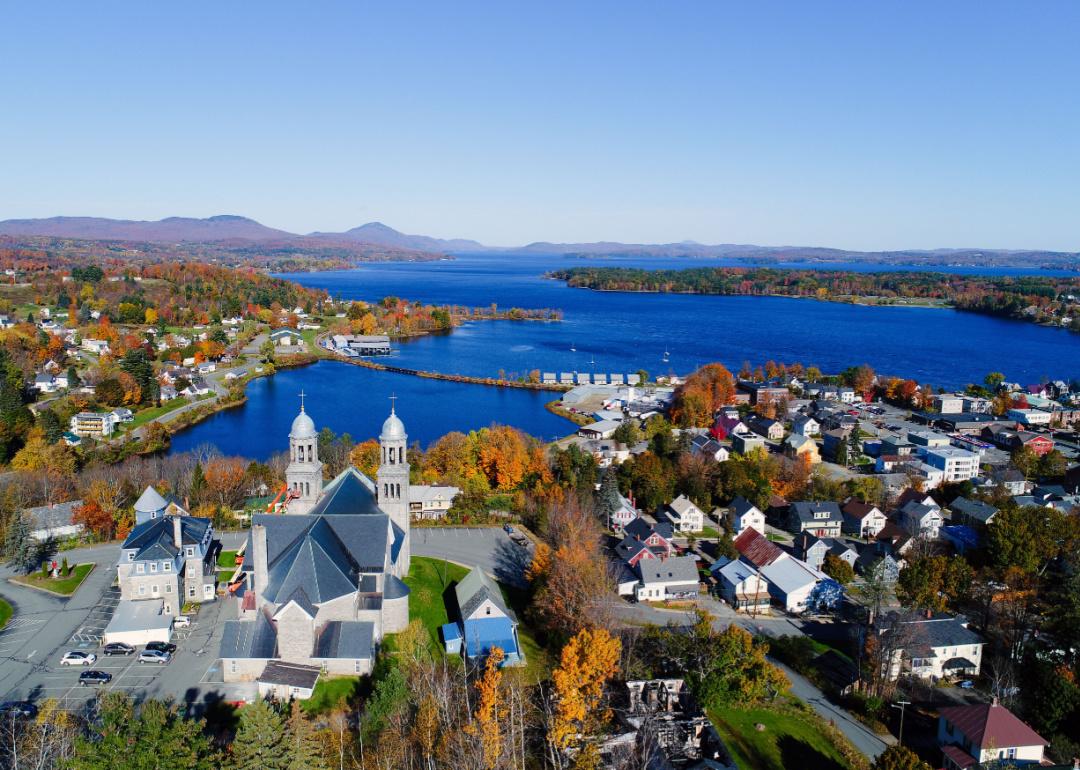
#3. Orleans County
- Precipitation over the past year: 49.55 inches (#106 rainiest year since 1895)
- Precipitation compared to 1901-2000 average: 6.05 inches above norm
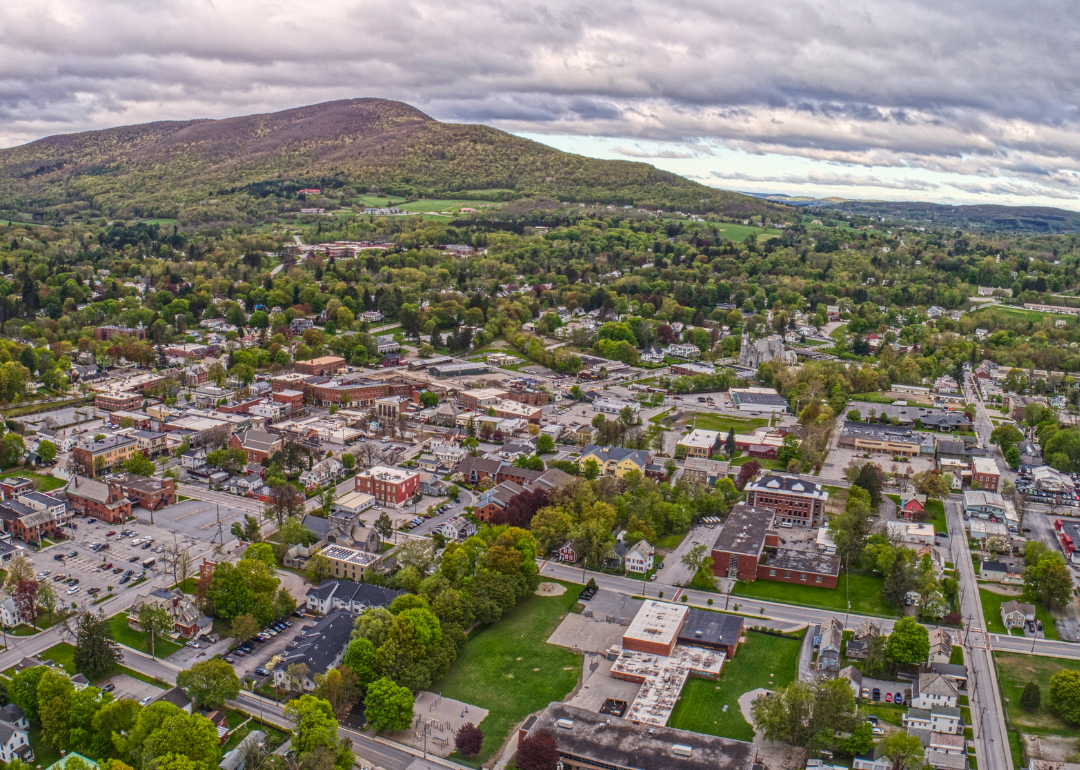
#2. Bennington County
- Precipitation over the past year: 47.51 inches (#76 rainiest year since 1895)
- Precipitation compared to 1901-2000 average: 1.96 inches above norm
#1. Windham County
- Precipitation over the past year: 48.83 inches (#81 rainiest year since 1895)
- Precipitation compared to 1901-2000 average: 2.75 inches above norm