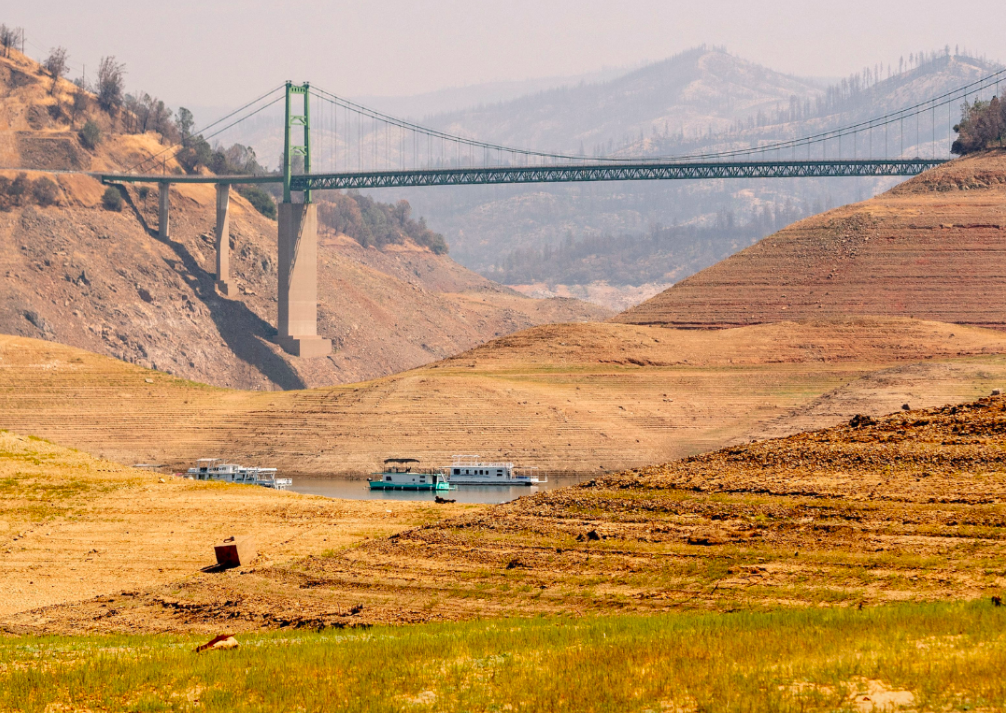
A look at the West's megadrought
A look at the West's megadrought
The United States, specifically the Southwest, has not experienced a drought as severe as the one it is presently withstanding in . Any drought lasting longer than 20 years is considered a megadrought. The American West is entering year 23 of devastating dryness, and by most measures, the situation is worsening. Experts say these conditions could .
Between 2000 and 2021, temperatures in the West were, on average, 1.6 degrees Fahrenheit warmer than during the previous 50 years. As a result, about 75% of all land in the in the continental U.S. are facing drought conditions; 35% of the land in those states is baking under drought conditions classified as extreme or exceptional. And while the situation is worst in the West, is facing abnormally dry conditions, according to the .
Major systems pivotal to daily life and economic stability in the West are under threat. The flow of the Colorado River, a lifeline for in the upper and lower river basins, has declined by 20% since the start of the megadrought. Reservoirs along the river, like Lake Mead and Lake Powell, are central to agricultural and utility operations, and they are drying up at certain times of the year at a rate of .
A 2022 UCLA study found that human-caused climate change has led to a , which is among the most serious consequences of drought. As temperatures rise, moisture is sapped from the soil, leaving behind poor-quality or unworkable farmland. Seasonal snowmelts, which help to quench dry lands, are happening and cannot adequately replenish moisture. Moisture reductions in the vegetation also lead to an increased risk of wildfires, turning entire landscapes into tinderboxes.
Droughts are likely to be a . To better understand what our future might look like, and how we could be better prepared, 麻豆原创 cited data from the U.S. Drought Monitor, USDA , and to visualize the current megadrought in the West and its impact on the region.
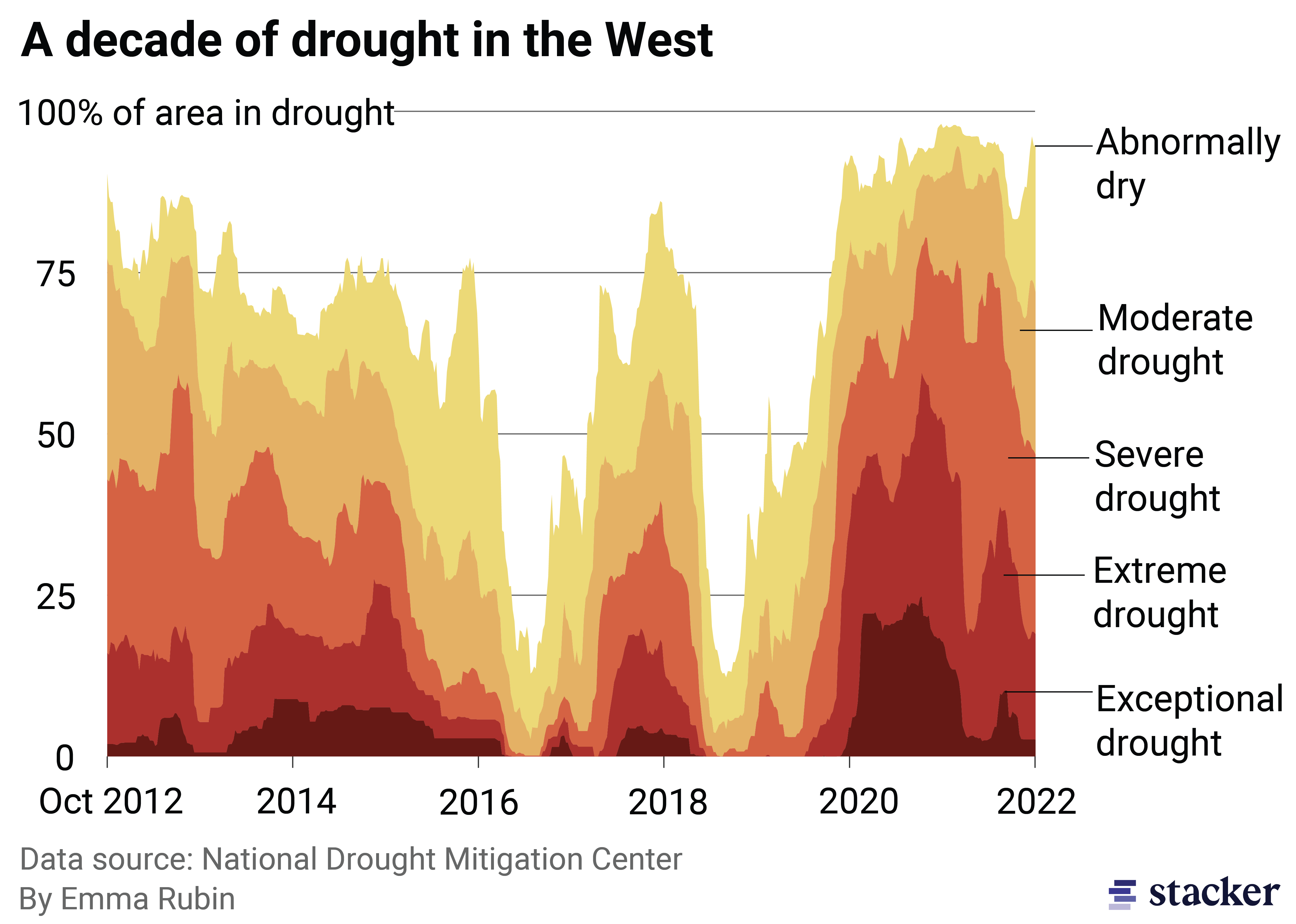
Almost all of the West is experiencing drought
Over a quarter of all land in the West experienced exceptional drought conditions during the summer of 2021. This designation is defined primarily by widespread and exceptional loss of agricultural lands like crops and pastures and water emergencies due to extensive reservoir, river, stream, and well depletion, according to the U.S. Drought Monitor. The central valley region of California, home to more than , is among the hardest hit by exceptional drought.
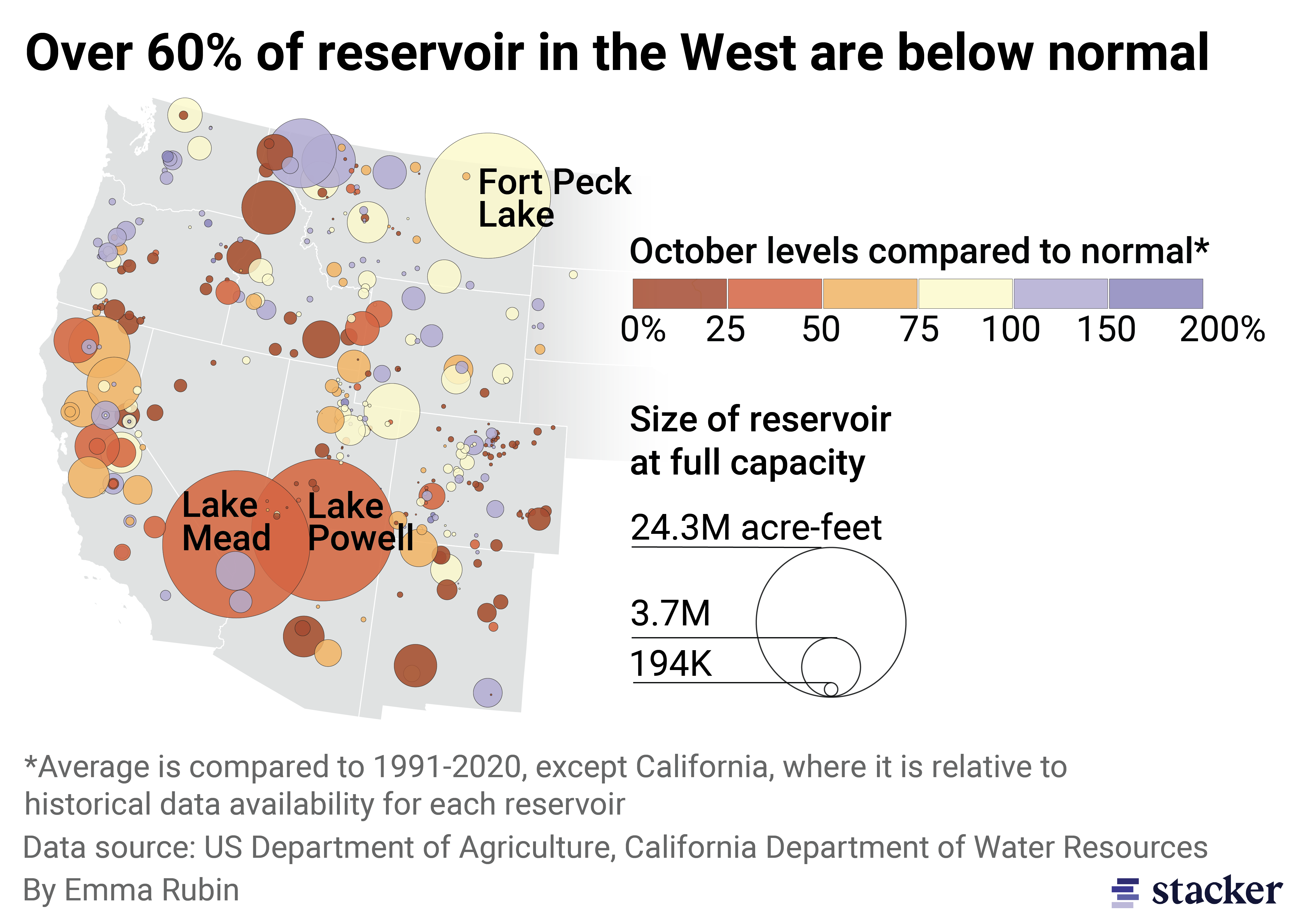
Low-reservoir levels impact water availability and hydroelectricity generation
Prolonged drought exacerbated by human-driven climate change is depleting reservoirs throughout the West. In California alone, nearly every major reservoir is below鈥攐ften significantly below鈥攈istorical averages, according to data collected by the . Due to drought conditions, hydroelectric power in California was in 2021.
Lake Mead and Lake Powell, the two largest reservoirs in the U.S., recorded . Over the last two decades, Lake Mead has been depleted from roughly 1,200 feet to 1,041 ft. If the reservoir falls below 895 feet, reaching what experts call "dead pool" status, water will not be able to flow downstream from the Hoover Dam, impacting hydroelectric capacity, drinking water access, and irrigation for more than who rely on the lake for daily life. Experts believe this possible outcome is still years away.
To preserve the Colorado River system, the U.S. Bureau of Reclamation announced the for Lake Mead in August 2022, instituting water usage restrictions for millions throughout lower basin states, including a one-fifth reduction in Arizona.
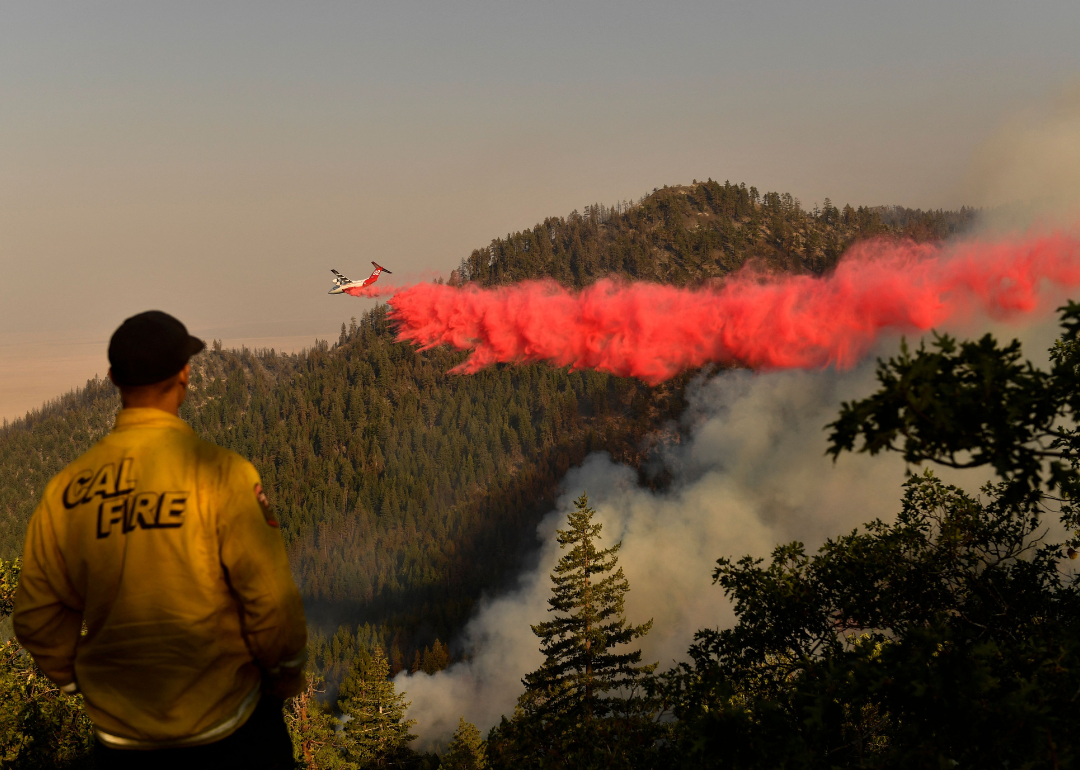
Dry landscapes heighten wildfire risk
As extreme drought dries out and kills plant life, this natural waste acts as vegetative fuel, or tinder, for wildfires. The , when ignited, can lead to hotter, larger fires that spread faster and burn longer. Carefully planned controlled burns executed by fire professionals are essential to maintaining a healthy ecosystem by clearing vegetative fuel, unhealthy flora, and overgrowth. The U.S. Forest Service has acknowledged the agency's fire mitigation efforts have not matched the worsening conditions on the ground and, as a result, is committed to of government-owned, tribal, and private lands against wildfires. These intentional burns are not without risk, however. The 鈥嬧��, which took place in May 2022, resulted from a controlled burn that escaped its confines.
Another factor that makes dry landscapes so dangerous and prone to wildfires is humans. People ignite about in the U.S., often in regions called the wildland-urban interface where human development meets wild, often drought-ridden land. Highly desirable real estate regions in the West and Southwest, including the Sierra Nevada foothills, San Francisco Bay, San Diego, and San Antonio, have some of the largest swaths of land covered in this type of low-moisture vegetative fuel. In recent years, they have also experienced significant population increases, creating a volatile mixture of tinder and spark.
Farmers are confronting water scarcity
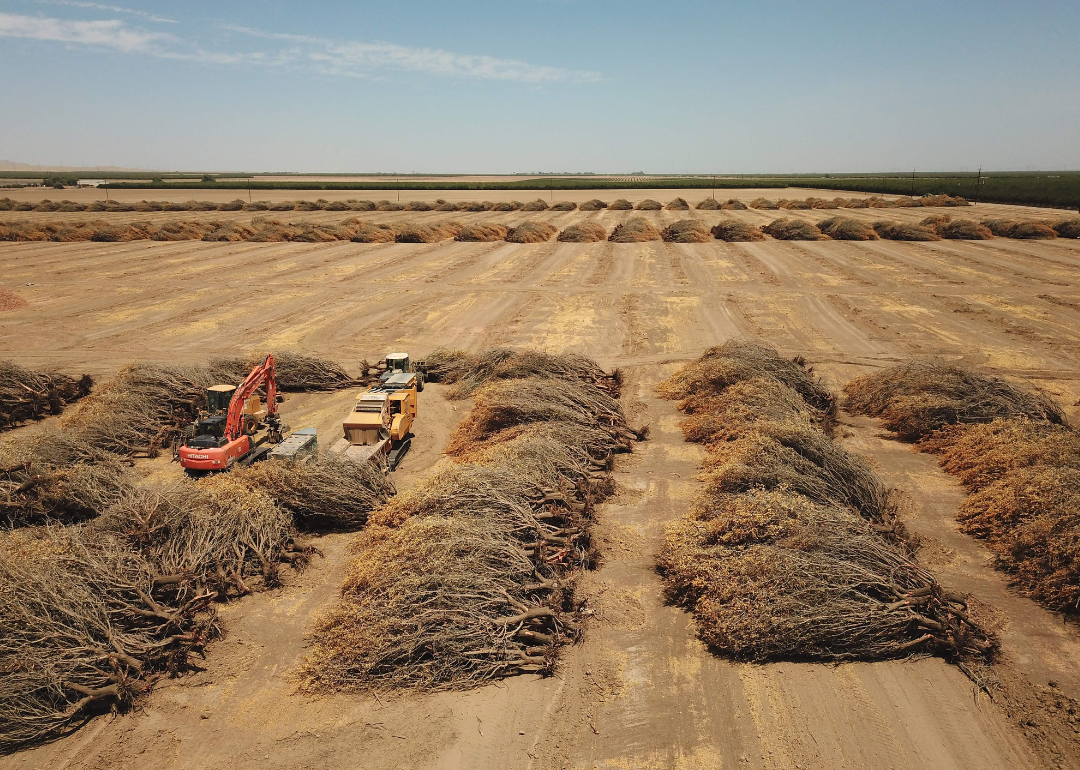
The agricultural industry in the American West is contending with severely low soil moisture, record-low precipitation rates, and severely reduced water allotments to irrigate farmlands. In 2021, drought in California led to economic , as well as the elimination of nearly 9,000 jobs for farmers and thousands more that touch the agricultural sector. According to the California Department of Food and Agriculture, about 400,000 acres of farmland were fallowed due to water scarcity.
In Texas, cotton farmers anticipate half a normal yield in 2022 and . Drought impacts crops like cotton, grains, fruits, and nuts, as well as the pastures livestock farmers rely on to feed their herds. More than two-thirds of livestock farmers in the West have had to reduce the size of their herds and fallow rangelands due to water scarcity, according to a 2022 .
Wildlife populations are also impacted
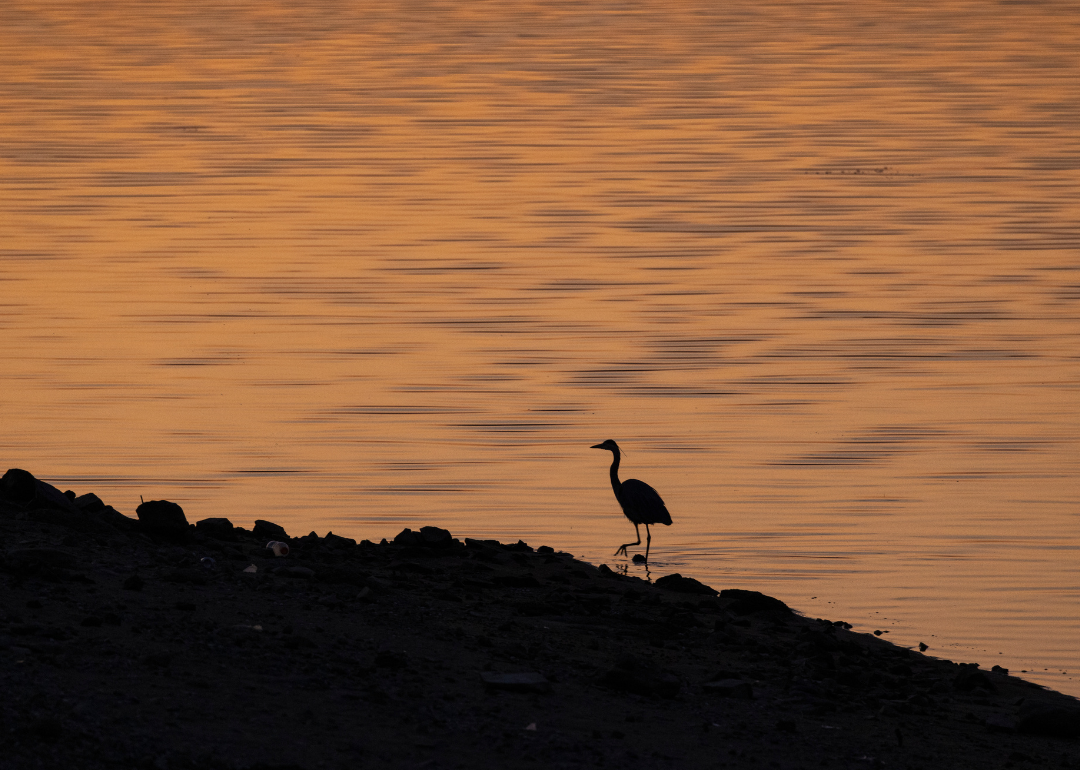
Food shortages, dehydration, habitat loss, and even are all causes of declining animal populations in the drought-stricken West, with ripple effects echoing throughout the food web. The food supply for foraging species like the mule deer is and, as a result, so are their populations. Cold-water fish struggle to breathe in warmer, less oxygenated water and must compete for resources with invasive species that thrive in warmer temperatures. Less food availability means certain species cannot reach full maturity, which is critically important for animals like elk who use antlers鈥攁 sign of their physical maturity鈥攖o joust for territorial or mating rights. These environmental changes also push more species into contact and often conflict with humans as they seek water and food in the communities abutting their natural habitats.