What to do after a house fire

Written by:
November 23, 2021
Canva

What to do after a house fire

The sound of a smoke alarm can strike terror into even the bravest person's heart. Though it can give the warning you need to escape a disaster, it also heralds a potentially deadly situation. In 2020, fire departments in the United States responded to a fire on average. Death in a fire occurs every two hours and 31 minutes. Even home fires that don't result in death can cause injuries and leave thousands of dollars of damage behind.

Though most people know the basic steps to take for fire preparedness, few probably realize how difficult it can be to recover from a house fire. 麻豆原创 researched official recommendations from the , the , and other experts to compile this list of 17 steps you should take after a fire. If a fire does start in your home, take care of yourself, your loved ones, and your pets first鈥攜ou can worry about your property and belongings once everyone is safe and the fire is out. Read on for tips about filing an insurance claim, cleaning up damaged property, and rebuilding after a fire.

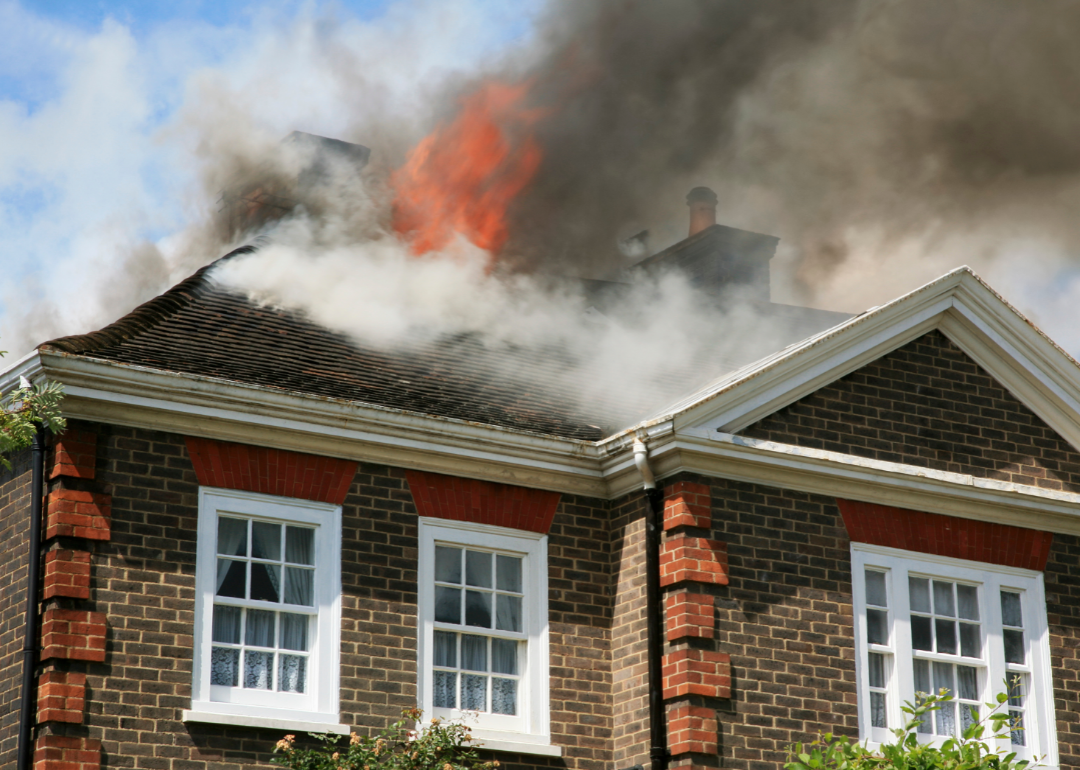
1 / 17
M.Moira // Shutterstock

Call 911

As you smell smoke, hear your smoke alarm, or see flames, evacuate the building and . A quick response from the fire department can potentially save your home or your life.

2 / 17
Canva

Seek medical help immediately if anyone was injured

If you or a loved one has been burned, with a as soon as possible. Take anyone who is hurt to the hospital immediately to prevent further injury. That includes your pets or livestock: If they were burned or injured in the fire, they need veterinary treatment ASAP.

3 / 17
Nejron Photo // Shutterstock

Let family and friends know you鈥檙e OK

to let them know what happened and that you鈥檙e safe. You don鈥檛 want them to worry unnecessarily.

4 / 17
Katherine Welles // Shutterstock

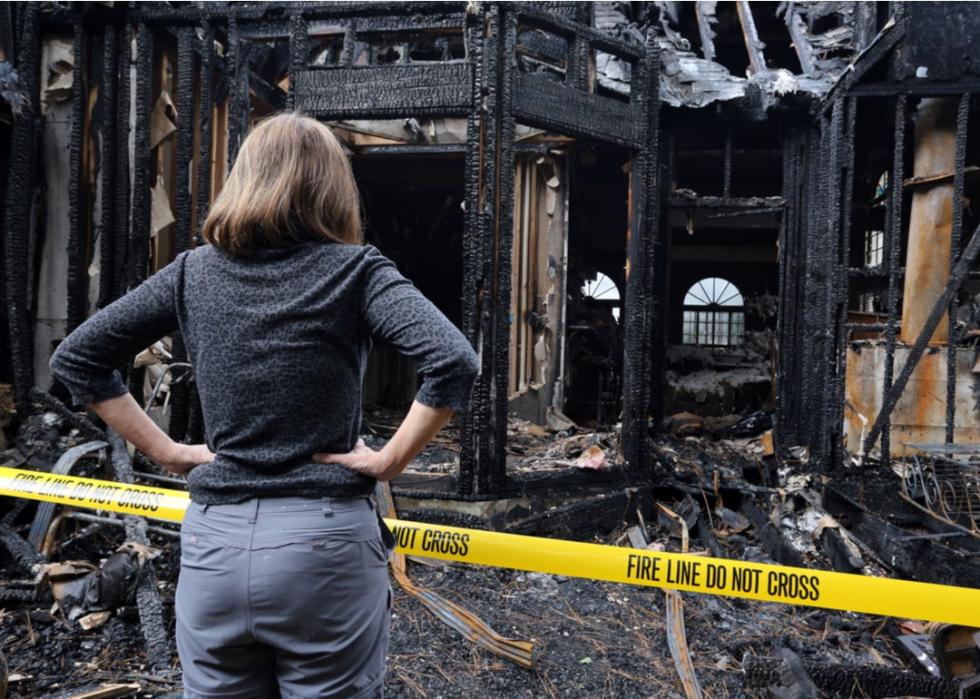
Stay out of your damaged home

Just because the flames have been extinguished doesn鈥檛 mean it鈥檚 safe to re-enter your home. to go back inside and check out the damage. If the structural integrity has been weakened by the fire, you could be putting yourself back in harm鈥檚 way.

5 / 17
Caftor // Shutterstock

Secure the site

If your home is damaged enough that you need to live somewhere else for a while, you'll want to lock it up before you leave. Bad weather, vandals, and thieves can cause further damage to your property. Remove all remaining valuables from the property, , and lock all the doors before you leave. Talk with trusted neighbors to let them know that the home will be sitting empty until it can be repaired.

6 / 17
a katz // Shutterstock

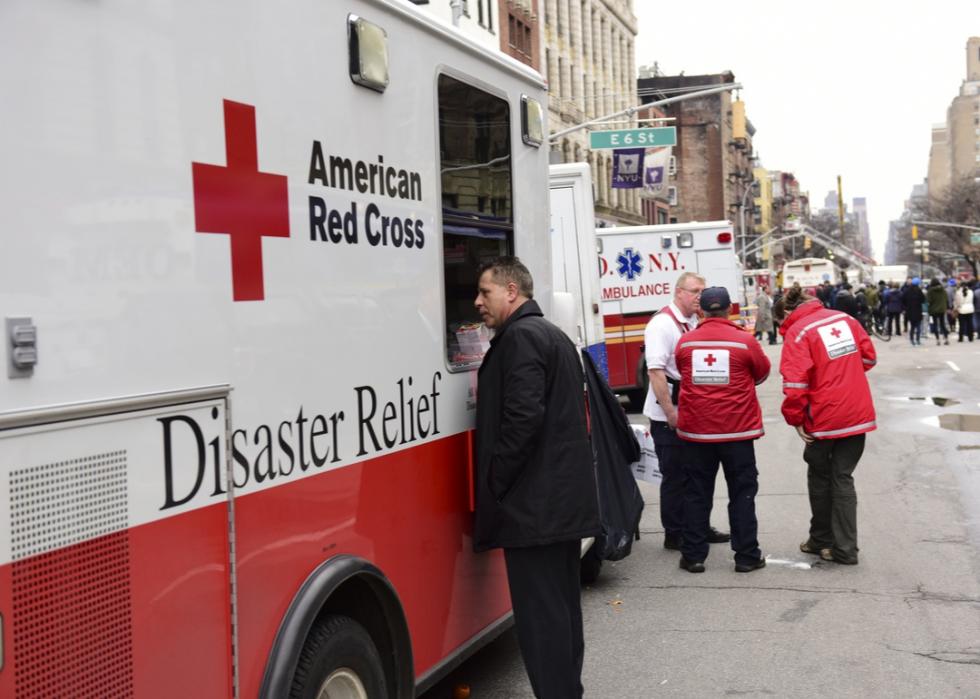
Get help from local disaster relief services

It might be helpful to get in touch with like the and . These charity organizations can help you find somewhere to stay, procure emergency supplies, get a hot meal, and deal with the emotional trauma of a disaster.

7 / 17
Canva

Call your landlord

If you rent your home, about the fire and any damage.

8 / 17
Canva

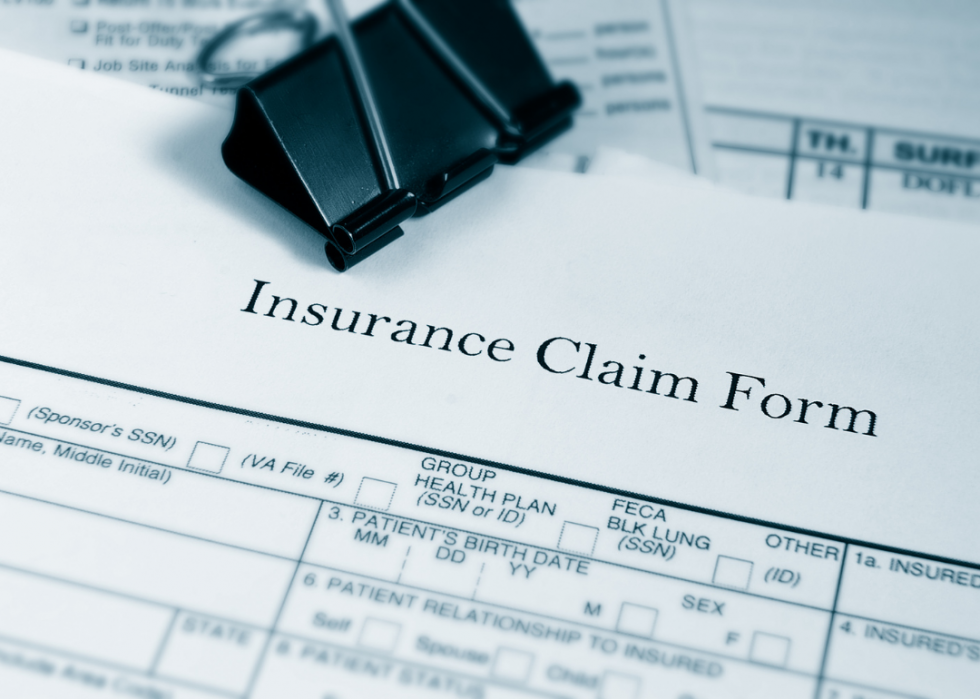
Contact your insurance company

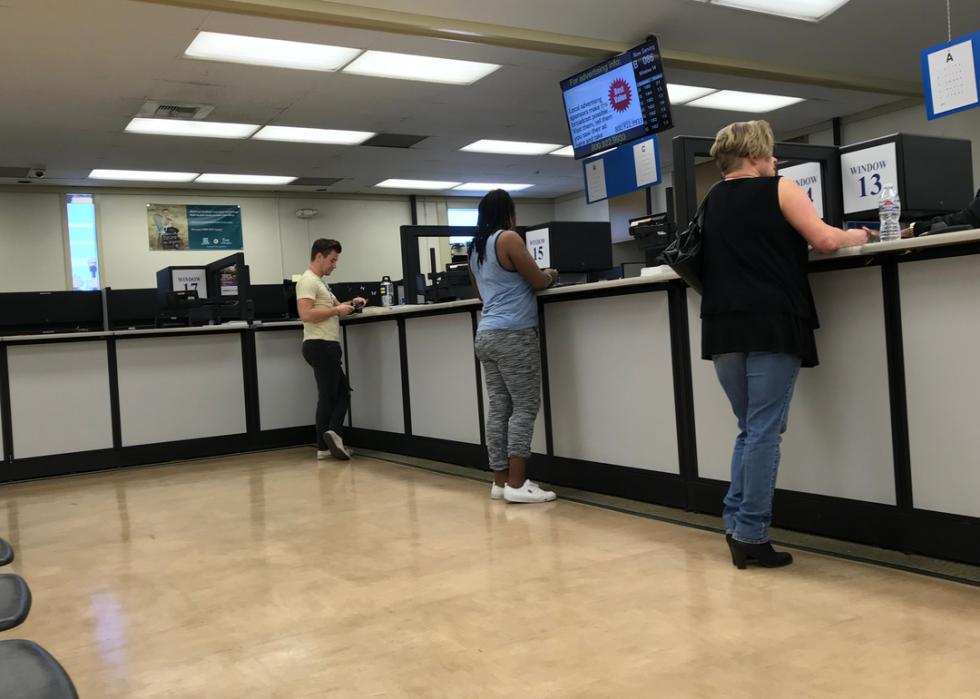
You鈥檒l want to right away to find out what you need to do to file a claim ASAP. They might have you make a list of everything that was damaged in the fire or take photos of the damage to your property. You can also to help pay for supplies you need right away.

9 / 17
Alex Millauer // Shutterstock

Replace important documents lost in the fire

When you hear your smoke alarm beeping, you don鈥檛 want to waste any time grabbing your belongings: Just get out of the building as quickly as possible. That means that many important documents might be damaged in a fire. your driver鈥檚 license, car registration, insurance policies, passports, birth certificate, Social Security card, credit cards, titles to deeds, medical records, income tax papers, and any other important documents that were lost in the fire.

10 / 17
Canva

Save your receipts for any spending related to the fire

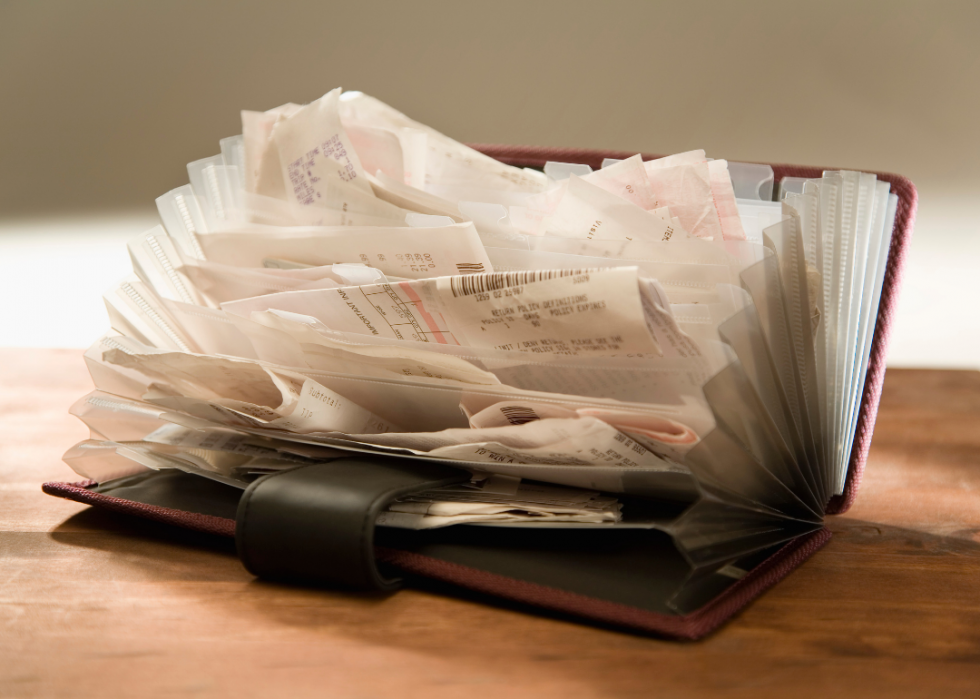
If you have to pay out of pocket for lodging, supplies, and other necessities, save your receipts: These costs . You might also need them to write off the losses on your taxes.

11 / 17
Canva

Check for structural damage

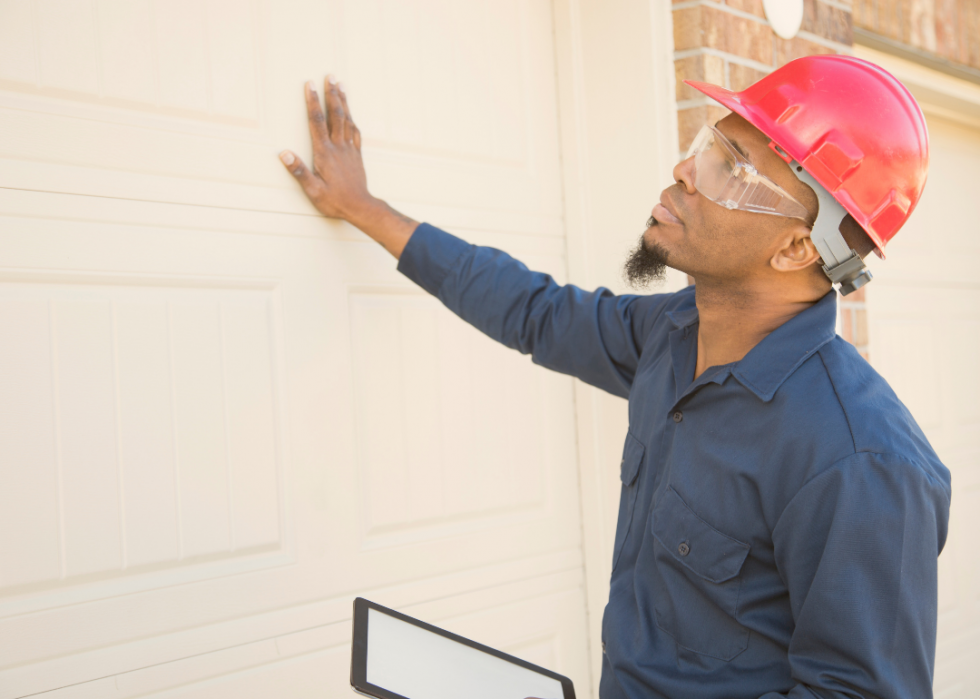
Before you go inside your home after a fire, for signs of structural damage. Keep an eye out for loose power lines, cracks in the foundation, broken walls, missing support beams, and other damage. It鈥檚 best to ask a contractor or building inspector to formally inspect your home before you re-enter it after a fire.

12 / 17
XiXinXing // Shutterstock

Check your utilities

Next, inspect your utilities to make sure they still work. If you smell gas, and call the fire department. If you see sparks, spot broken or fraying wires, or smell hot insulation, turn the electricity off at the circuit breaker. Refrain from using the sinks, showers, or toilets if you suspect your sewer or water lines may be broken. Call in electricians, plumbers, and contractors to help repair any broken lines or pipes.

13 / 17
Canva

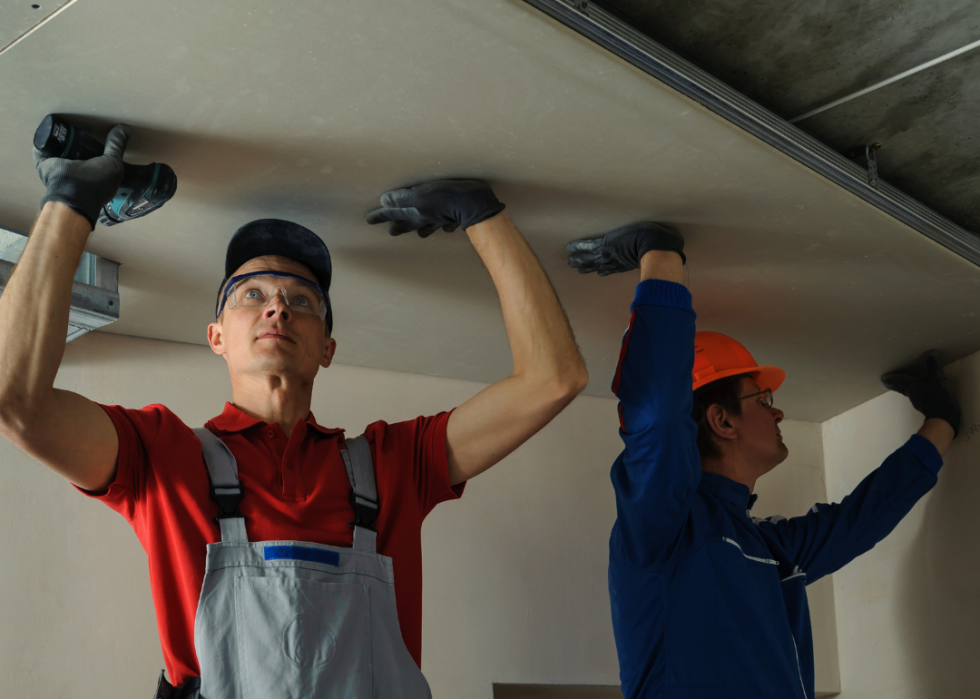
Replace your drywall

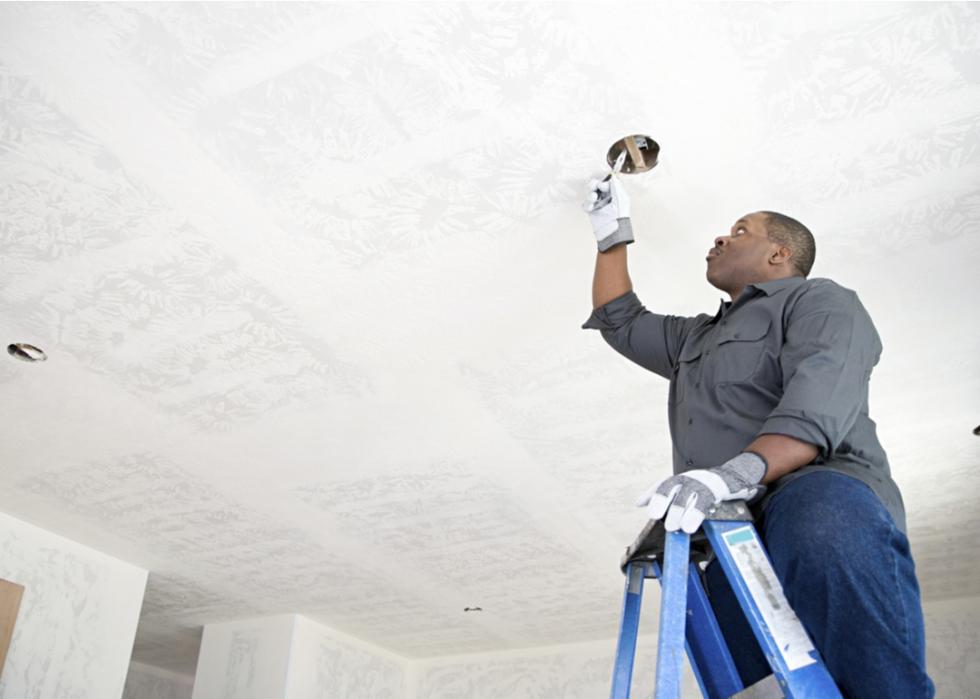
Any drywall or insulation that appears sagging or wet will need to be replaced鈥攚ater not only damages its structural integrity but also opens you up to the risk of mold or mildew growth. Hire a professional to replace any drywall or insulation that was soaked by fire hoses.

14 / 17
Gumbariya // Shutterstock

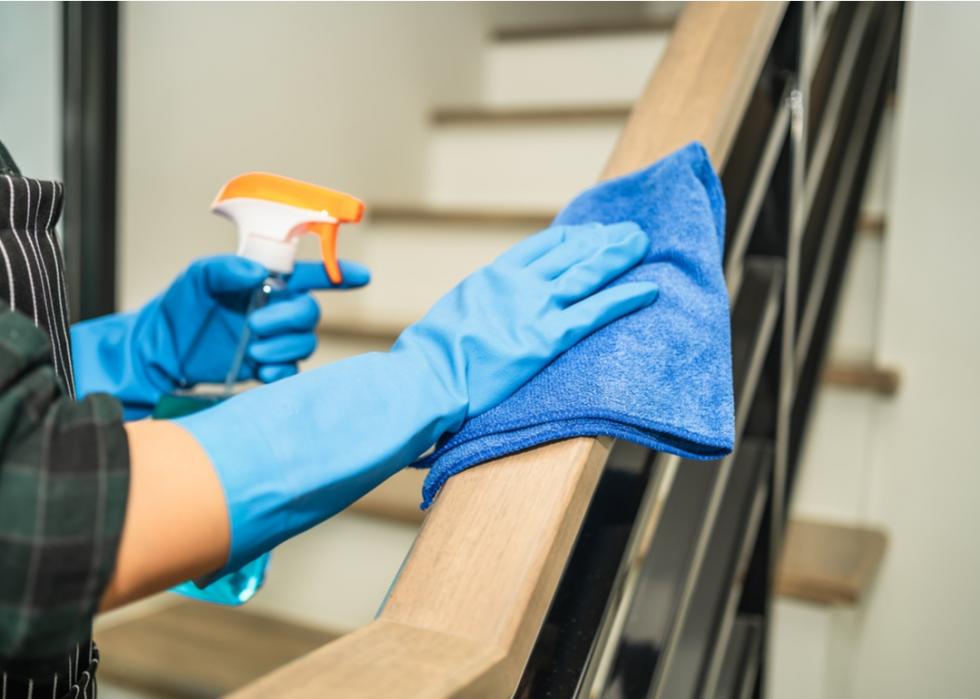
Clean out your home

Once you鈥檝e dealt with the major damage, it鈥檚 time to start cleaning out your ruined property. Throw away any food, beverages, or medicine exposed to heat, smoke, or soot. Wipe down walls, floors, and furniture with a mild detergent or a solution of trisodium phosphate and water to remove smoke and soot. Wash all pots, pans, and other kitchen utensils thoroughly. Wipe down leather goods with a damp cloth, dry them, then use saddle soap to remove any lingering dirt or soot. Remember not to throw out anything until you鈥檝e taken an inventory, though: You will most likely need this to file an insurance claim or replace things like medications.

15 / 17
Canva

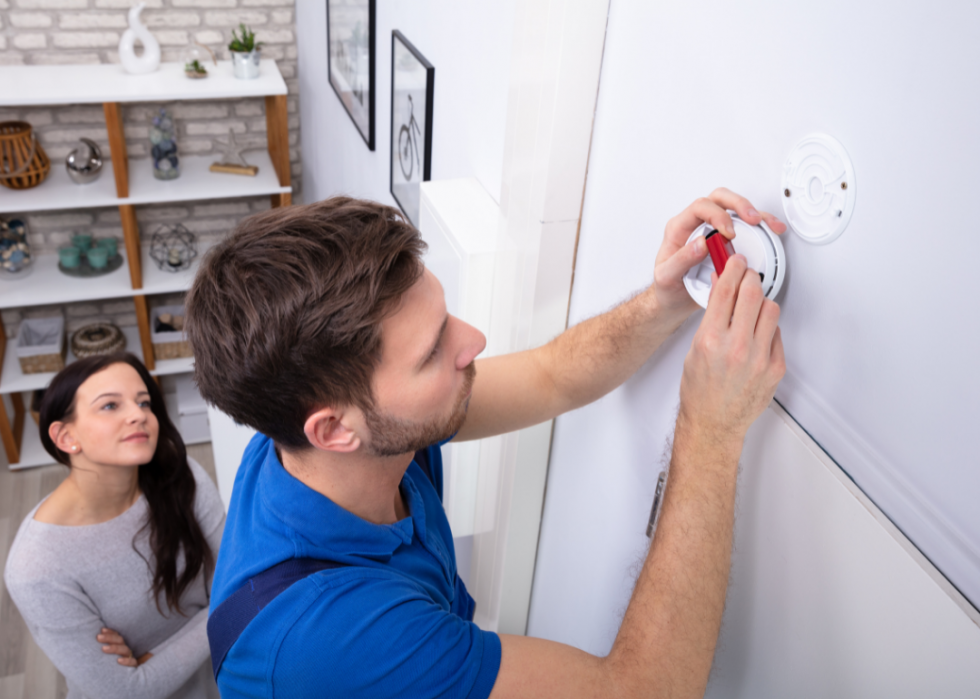
Install new smoke alarms

Protect yourself from a future fire by installing new hard-wired, interconnected smoke alarms with battery backups on every floor as well as inside and outside each bedroom. By hard-wiring them together, you'll ensure that they will all sound if one is triggered.

16 / 17
Canva

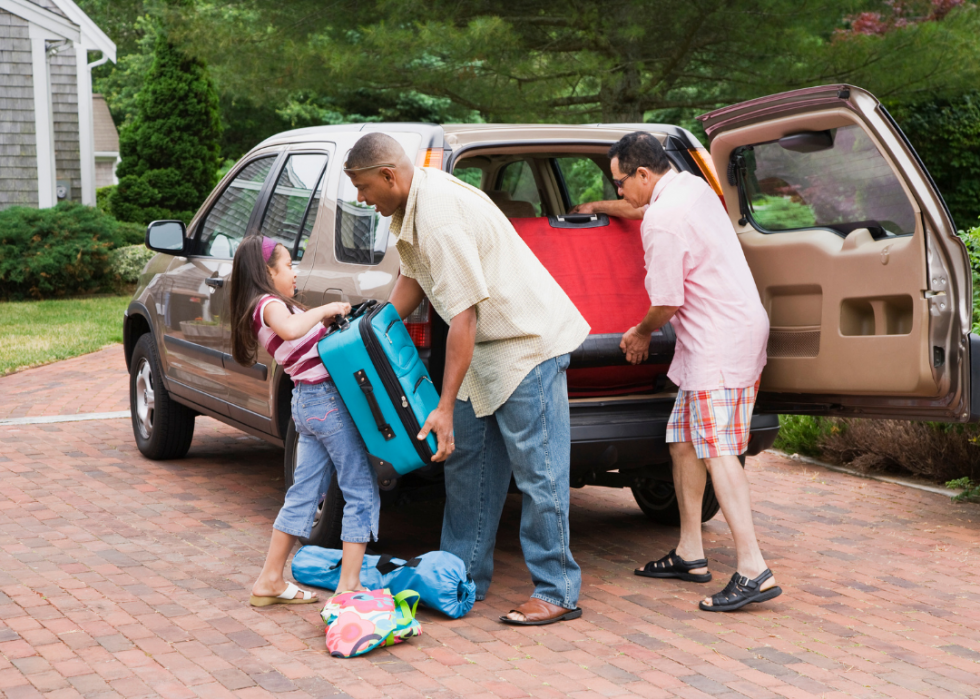
If you have to move, notify others of your new address

If you can鈥檛 return to your home within a few days of the fire, find somewhere else to stay and . Your family, friends, insurance company, employer, and landlord should all know where to reach you in case of emergency.

17 / 17
Canva

Look out for emotional distress

No matter how busy you are, make time to take care of your emotional health after a disaster. physical exhaustion, inability to make decisions, arguments with loved ones, changes in appetite, and loss of sleep. Take care of yourself emotionally and physically by eating healthy, getting enough rest, remaining patient with yourself, and reaching out for help when you need it. The is staffed 24 hours a day if you need to talk to someone.

Trending Now