Countries that have mandatory voting
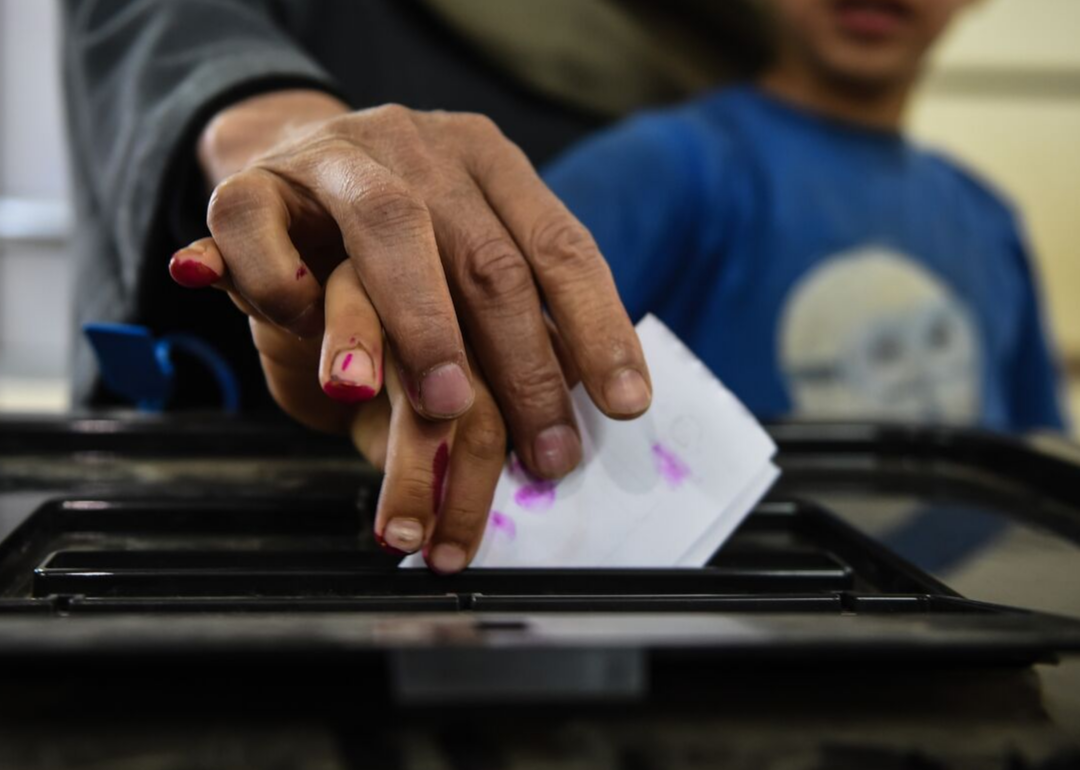
Mandatory voting, also referred to as compulsory voting, is a concept born from a fundamental belief that political participation is an essential, non-negotiable aspect of democracy鈥攁 civic duty, and not just a right. In countries around the world, compulsory voting has been written into laws and constitutions, into the bedrock of societies where it becomes an expectation rather than an option.
This idea is not new. The first country to implement compulsory voting was Belgium in 1893. Since then, countries have been adapting and iterating this system in myriad ways鈥攑articularly in the area of enforcement. In some, nonvoters are fined. In others, the sanctions are more severe like holds on salary or voter disenfranchisement. Stricter yet are the countries who employ both. Then there are democracies where mandatory voting is legal but not enforced, or where sanctions are not delivered consistently. Though the concept is not new, it is far from perfect and far from agreed upon.
In a democracy, the government is meant to represent the will of its constituents. Proponents say that compulsory voting, which mandates that each eligible person cast a vote, is the . With mandatory voting, more time and energy can be spent focusing on issues that matter most to the electorate while fewer resources are spent convincing people to exercise their right to vote. Advocates also hope that if everyone is required to vote, people will educate themselves on candidates and their policies.
There is a reason鈥攕everal, in fact鈥攖hat not every democratic government (including the United States) has adopted compulsory voting. One of the biggest arguments against mandatory voting is the inherent contradiction to democracy in forcing people to vote. Abstention, for some, is an important right. Another major consideration is the increased risk of , when the voter ranks each candidate in the order that they have appeared on the ballot paper or apathetic votes from people who are uninformed and are only there to fulfill a civic duty.
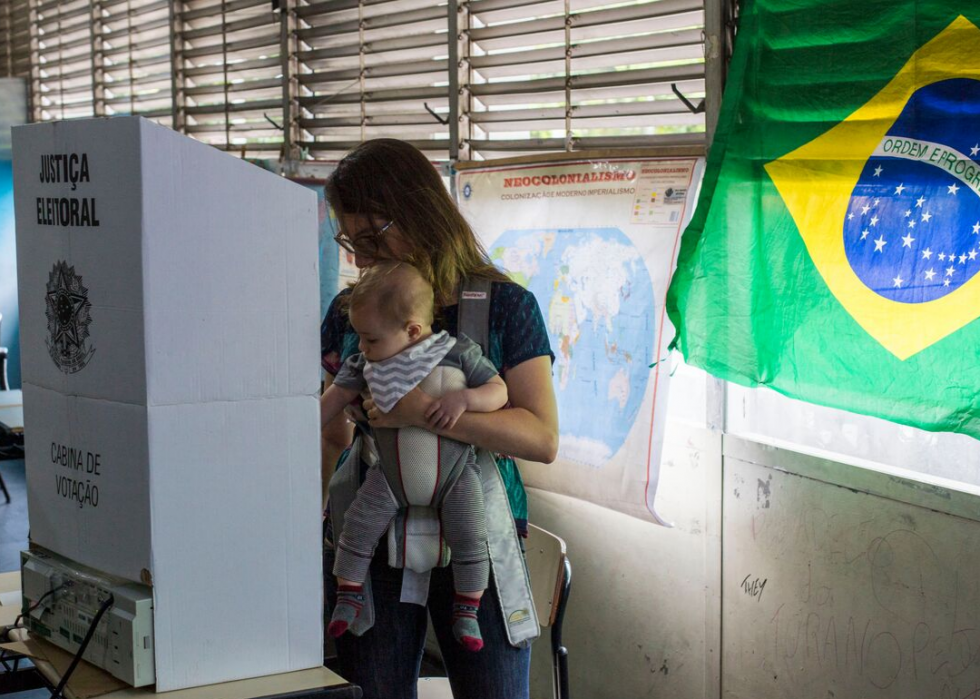
An illustration of that point is in Rio de Janeiro, where submitted a blank or annulled ballot. This trend was observed throughout Brazil, the largest country that implements a compulsory voting system.
麻豆原创 used the CIA World Factbook to compile a list of the 22 countries which require eligible citizens to vote. The populations (as of 2019) of each country are also included, via the . Although it is a relatively small number of countries who have endeavored to systematize compulsory voting, each one takes a different approach in doing so. The nuances of each system鈥攆ines vs. no fines, manual vs. automatic voter registration, varying degrees of additional civil sanctions鈥攕erve as notes for other democratic nations mulling over the idea of mandatory voting.
Keep reading to learn which countries practice compulsory voting, which actively enforce it, and how.
You may also like:
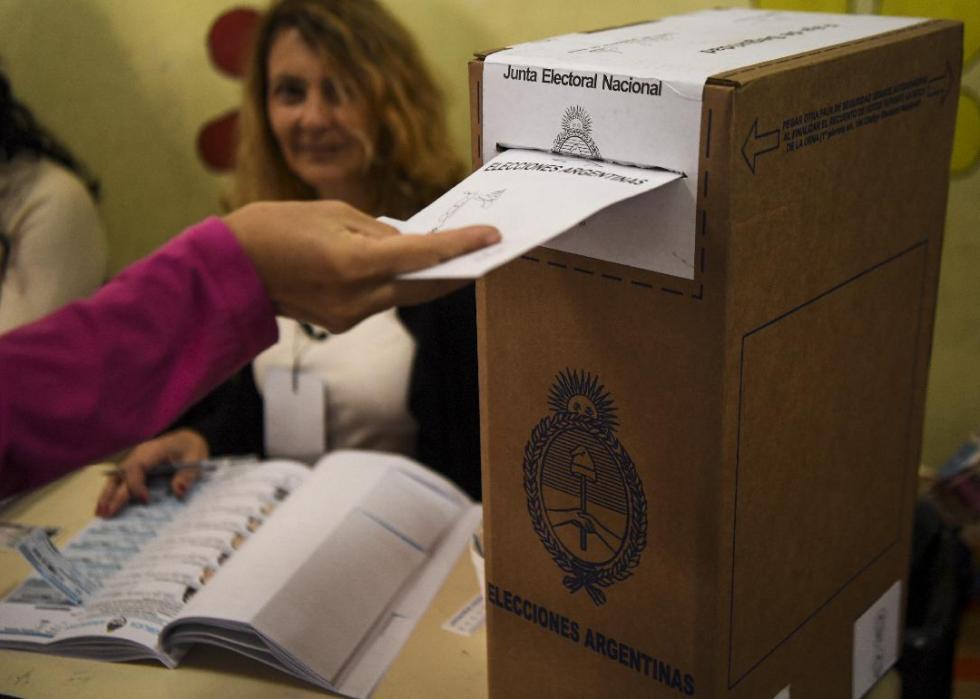
Argentina
- Mandatory voting age: 18
- Population: 44.8 million
Voting is compulsory for all Argentine citizens, but sanctions for nonvoters are rarely and inconsistently enforced. Argentina has one of the oldest mandatory voting systems, with compulsory voting laws introduced in 1912.
Australia
- Mandatory voting age: 18
- Population: 25.2 million
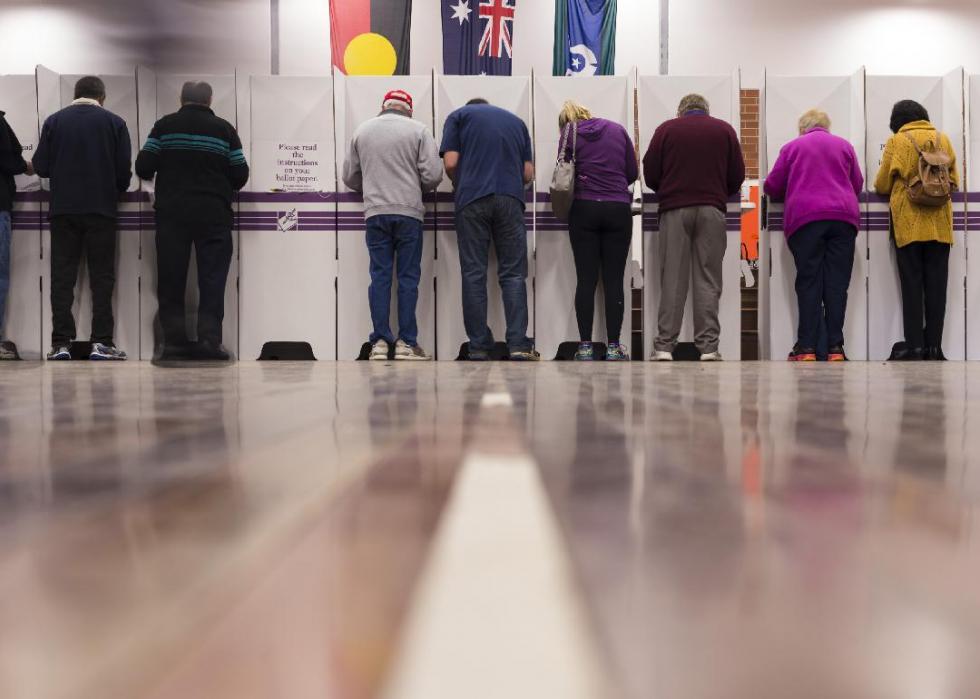
Compulsory voting was introduced in Australia in 1924 in response to low voter turnout in the 1922 federal elections. Anyone who fails to vote in a federal election without a valid reason is required to pay a $20 fine. More than are registered and voter turnout has never dropped below 90%.
Belgium
- Mandatory voting age: 18
- Population: 11.5 million
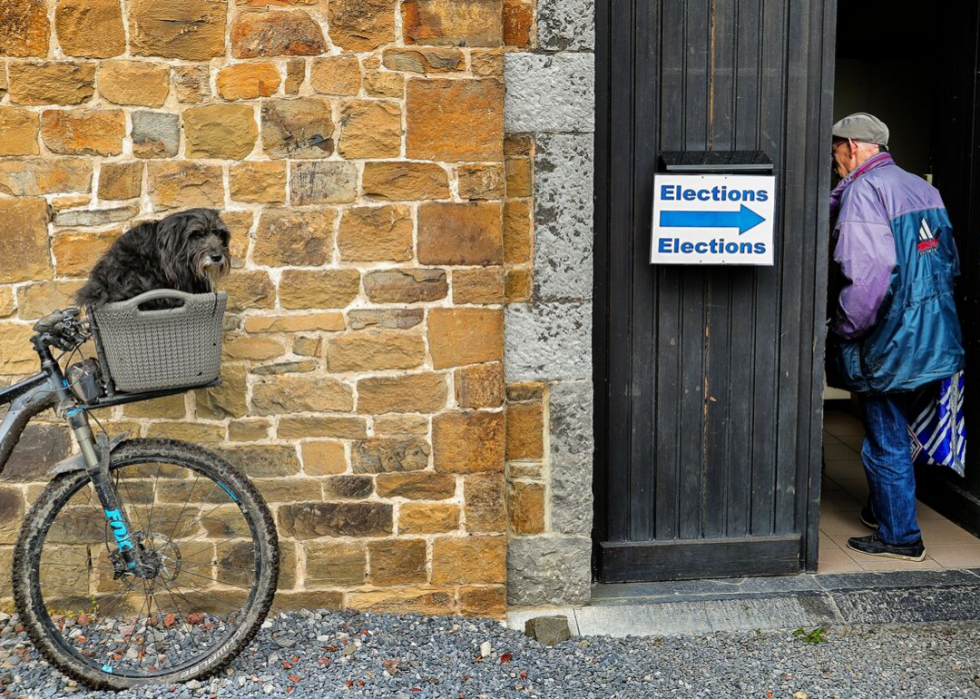
Belgium鈥檚 compulsory voting system, introduced in 1893 for men and 1948 for women, is the oldest in the world. Voters who do not present themselves on election day may be subject to fines. Failure to vote four times over the course of 15 years results in a and employment restrictions.
Bolivia
- Mandatory voting age: 18
- Population: 11.5 million
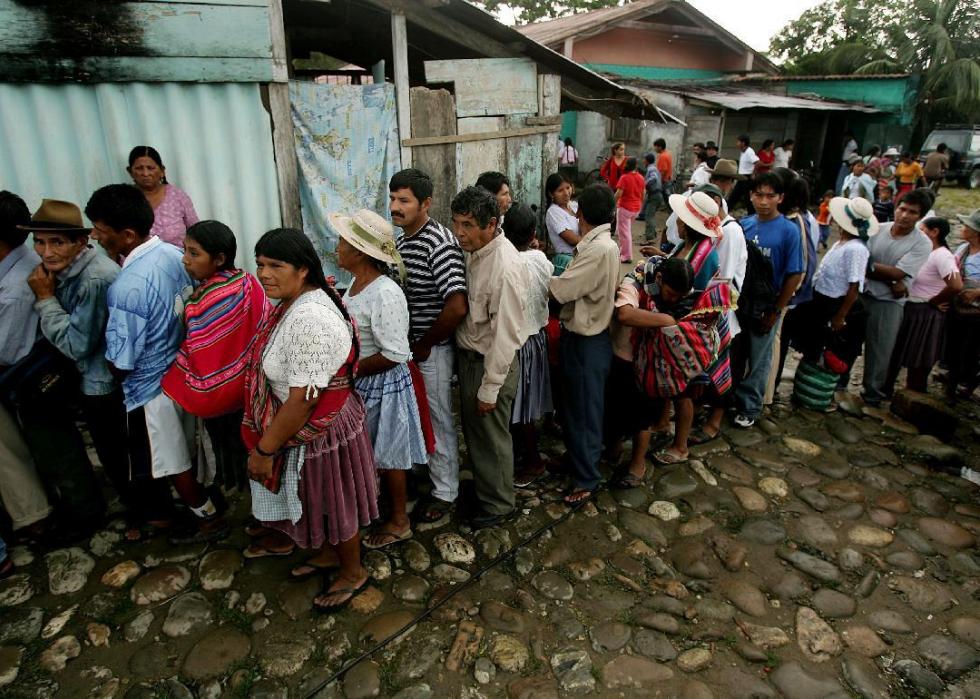
Bolivia adopted a compulsory voting system in 1952 along with strict enforcement methods. Voters are given cards as proof of participation. Inability to produce this card during the three months following an election from the bank.
Brazil
- Mandatory voting age: 18
- Population: 211.1 million
In Brazil, the largest country with a compulsory voting system, voting is mandatory for all literate adults between the ages of 18 and 70 and optional for those over 70. While voters are required to show up to the polls, by submitting blank ballots or by writing names of people who are not officially on the ballot. Brazil鈥檚 fines for nonvoters are relatively small ($1.50), but the additional sanctions are more severe: Nonvoters may face difficulties obtaining passports, loans, jobs, and even salaries from current employers.
Democratic Republic of the Congo
- Mandatory voting age: 18
- Population: 86.8 million
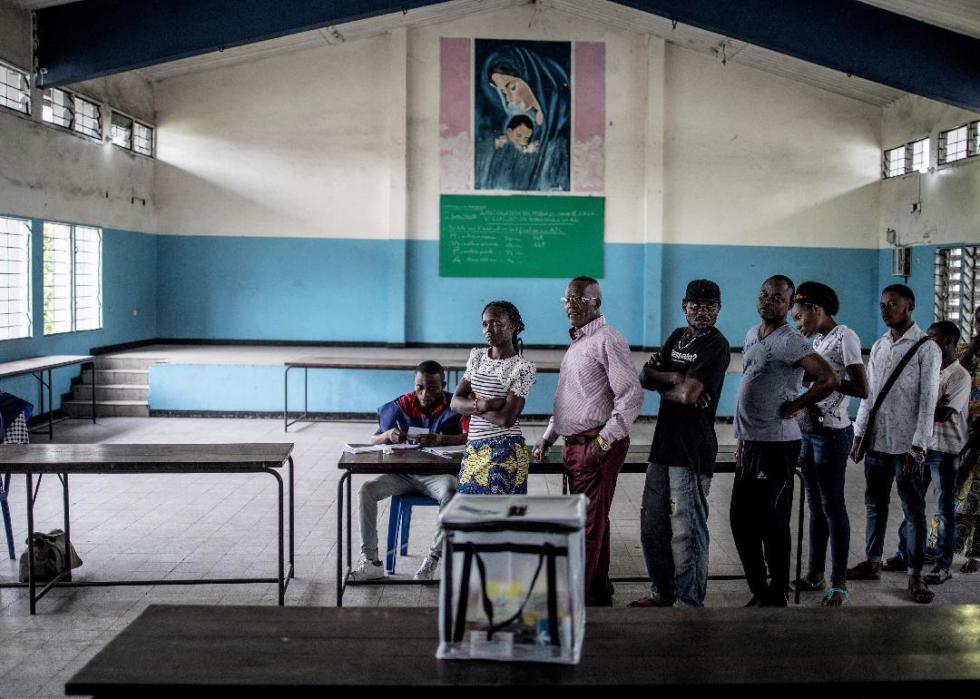
Voting in the Democratic Republic of the Congo can be a challenging, dangerous, and opaque process. Rebel violence, faulty voting machines, and a lack of transparency about voter registration made voting in the 2018 elections extremely difficult for DRC citizens. Perhaps for these reasons, compulsory voting in the Democratic Republic of the Congo is not enforced.
Costa Rica
- Mandatory voting age: 18
- Population: 5.0 million
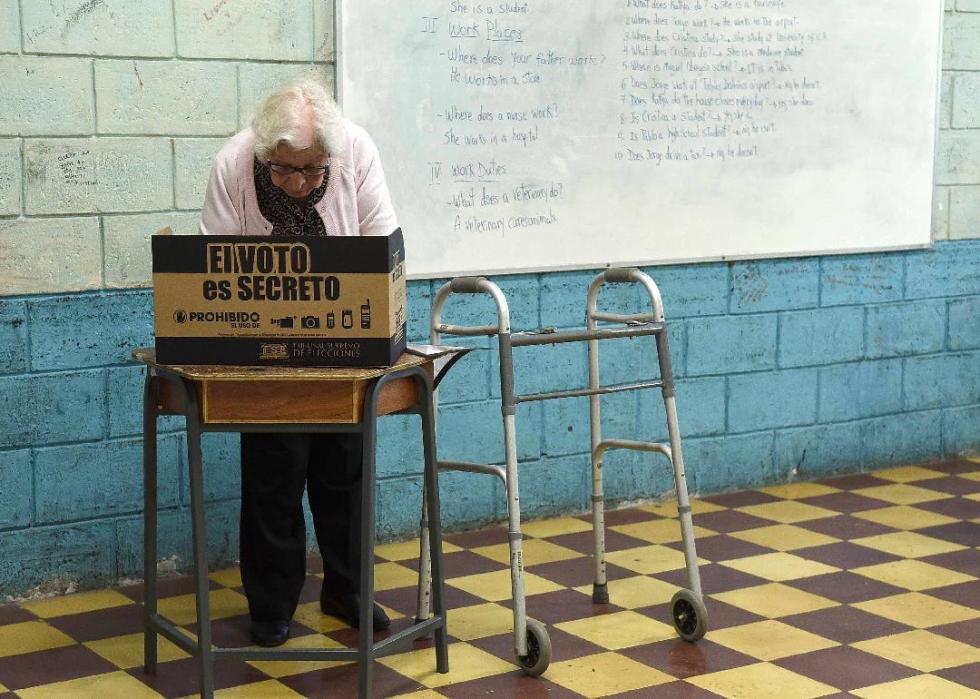
While voting is legally required in Costa Rica, there are no fines or penalties in place for nonvoters. Voter turnout in the was 66%.
Dominican Republic
- Mandatory voting age: 18
- Population: 10.7 million
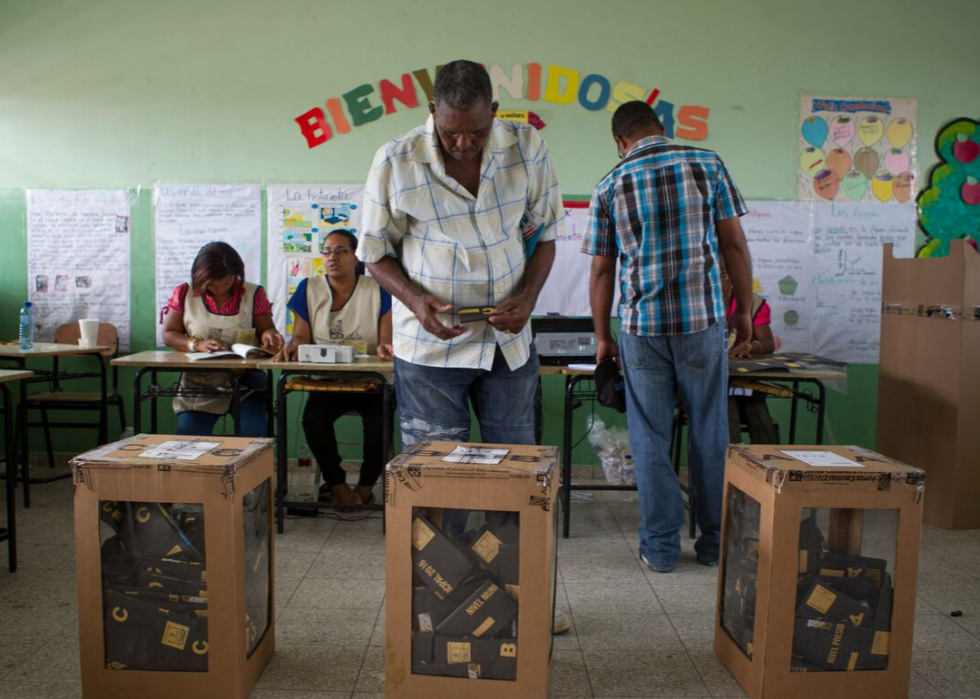
In the Dominican Republic鈥檚 constitution, voting is outlined as a right. Nevertheless, that right does not apply to everyone equally. Military members and national police officers are not permitted to vote, while all married persons鈥攅ven if they are younger than the mandatory voting age鈥攃an exercise this right. Although voting is compulsory, there are no penalties for nonvoters.
Ecuador
- Mandatory voting age: 18
- Population: 17.4 million
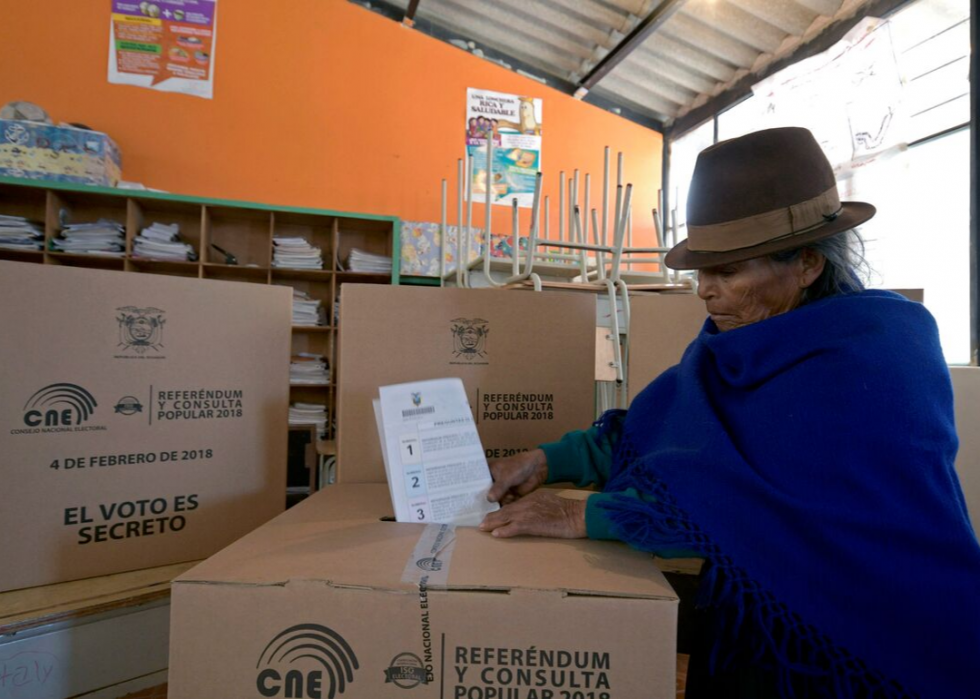
Mandatory voting, written into Ecuador鈥檚 constitution and electoral laws, was instituted in 1936. Voting is compulsory for literate Ecuadorians between the ages of 18 and 65. Fines for nonvoters are calculated as , similar to a monthly minimum wage. In 2017, for instance, nonvoters were fined $37.50.
Egypt
- Mandatory voting age: 18
- Population: 100.4 million
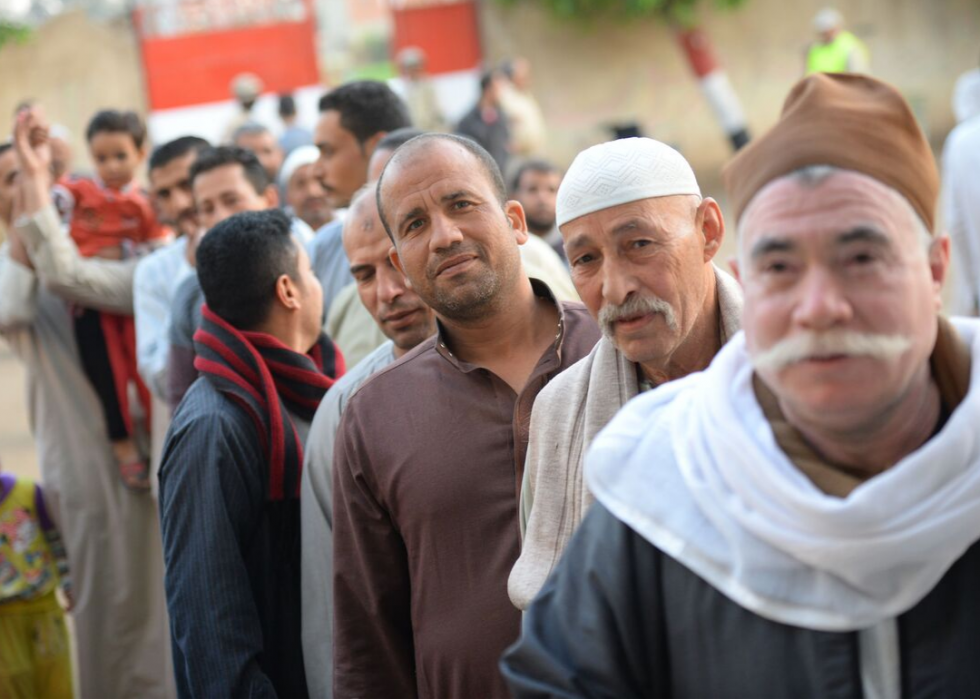
Mandatory voting in Egypt is enforced for all eligible voters through fines. But fines aren鈥檛 the biggest problem voters face. Egypt鈥檚 2018 presidential election drew for distorting the democratic process into something that more closely resembles a dictatorship. Incumbent President of the vote.
Greece
- Mandatory voting age: 18
- Population: 10.5 million
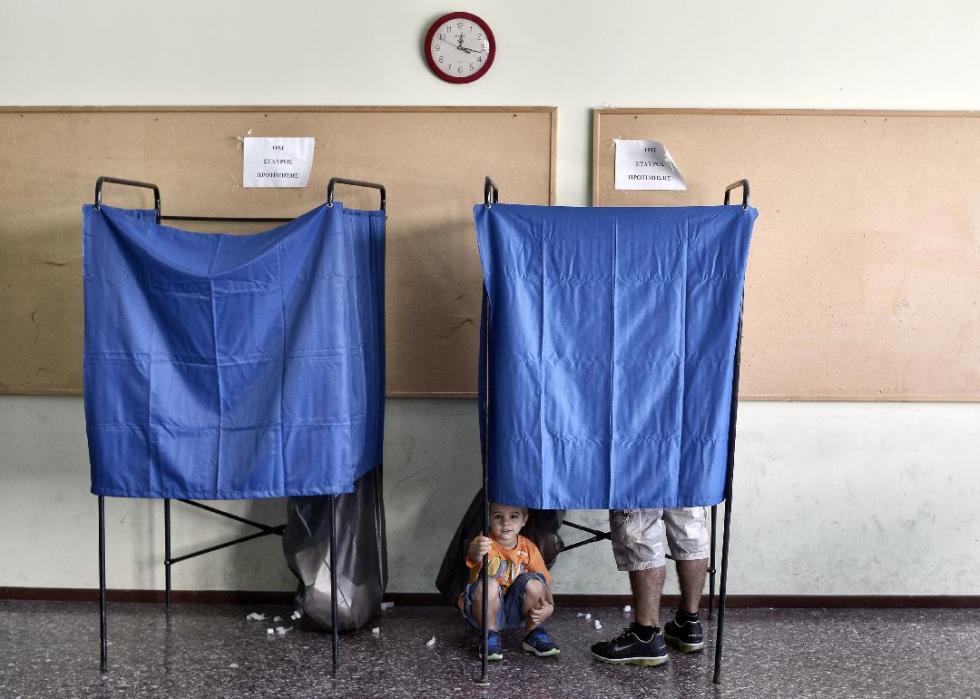
Greece鈥檚 compulsory voting system was instituted in 1926. Until 2000, failure to vote resulted in the inability to obtain a passport, license, or occupational license. No sanctions are currently enforced for nonvoters.
Honduras
- Mandatory voting age: 18
- Population: 9.7 million
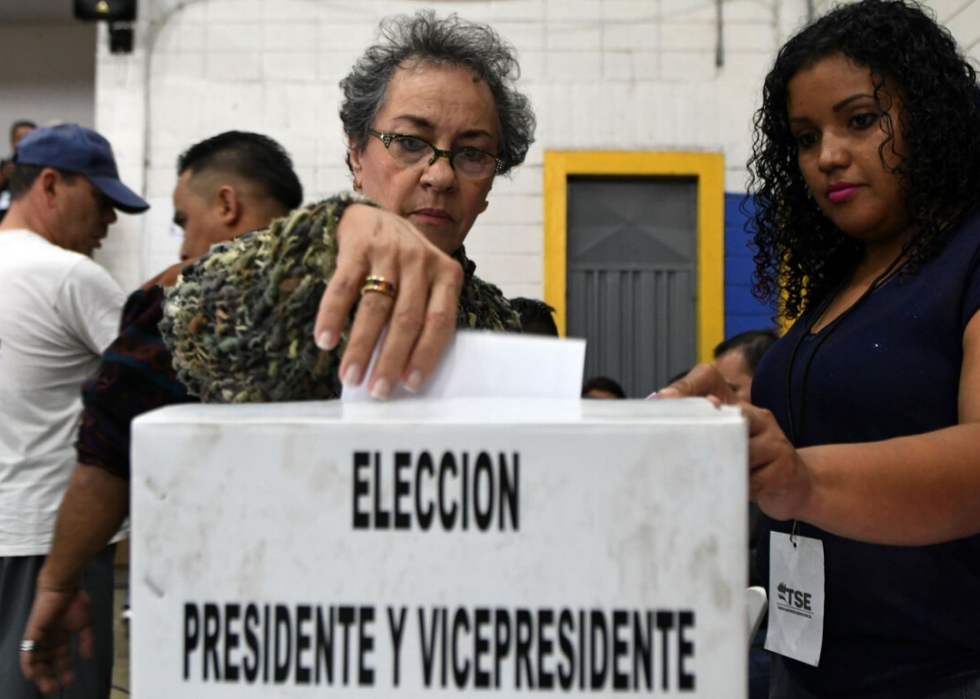
Voting in Honduras is compulsory by law but not enforced. was 57%, keeping in line with the country鈥檚 historical voter turnout average of 55% spanning 17 years.
Lebanon
- Mandatory voting age: 21
- Population: 6.9 million
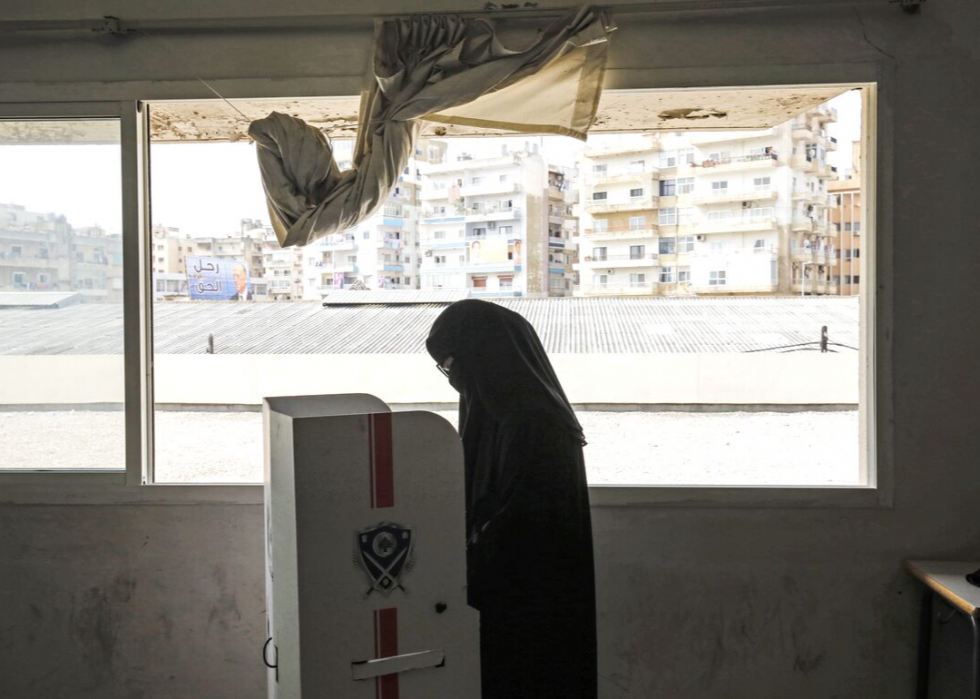
In Lebanon, gender and education disparities are a defining characteristic of the country鈥檚 compulsory voting system. Voting is mandatory for all men over the age of 21 while only if they have obtained at least an elementary education.
Luxembourg
- Mandatory voting age: 18
- Population: 616,000
is mandatory for all Luxembourg nationals under the age of 75, including those who live abroad. Roughly half of Luxembourg鈥檚 total population is eligible to vote. Nonvoters are subject to fines.
Mexico
- Mandatory voting age: 18
- Population: 127.6 million
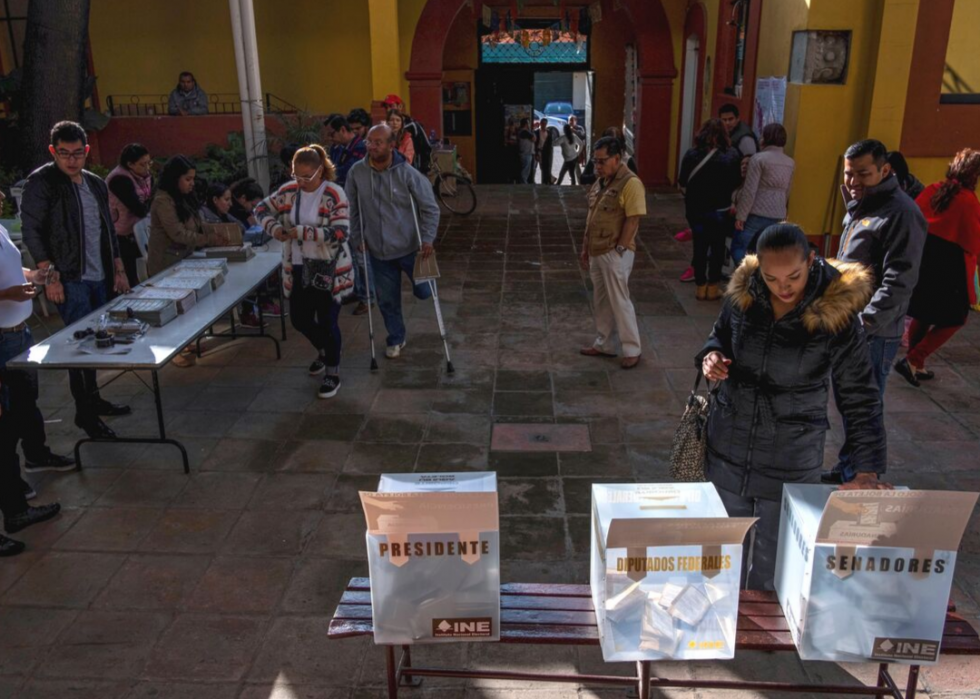
Voting in Mexico is compulsory by law but not enforced. All eligible Mexican citizens are required to obtain a voter identification card to be able to vote. Voter turnout in the 2018 presidential election was 63%.
Nauru
- Mandatory voting age: 20
- Population: 11,000
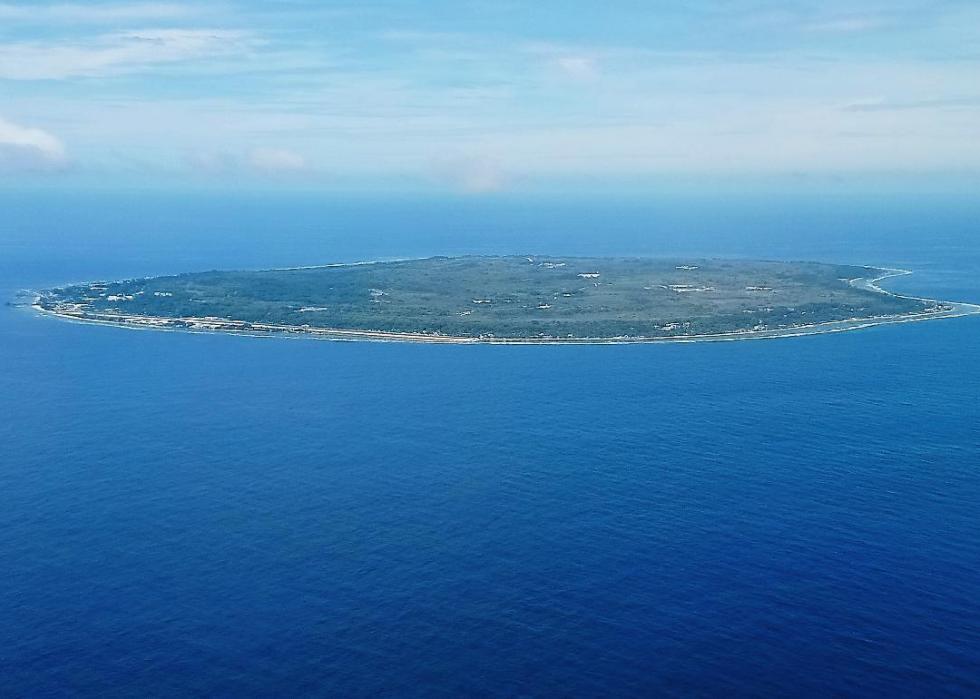
Compulsory voting began in Nauru in 1965. Nauru citizens are automatically upon turning 20. Nonvoters must explain their absence and may be subject to additional sanctions such as fines.
Panama
- Mandatory voting age: 18
- Population: 4.2 million
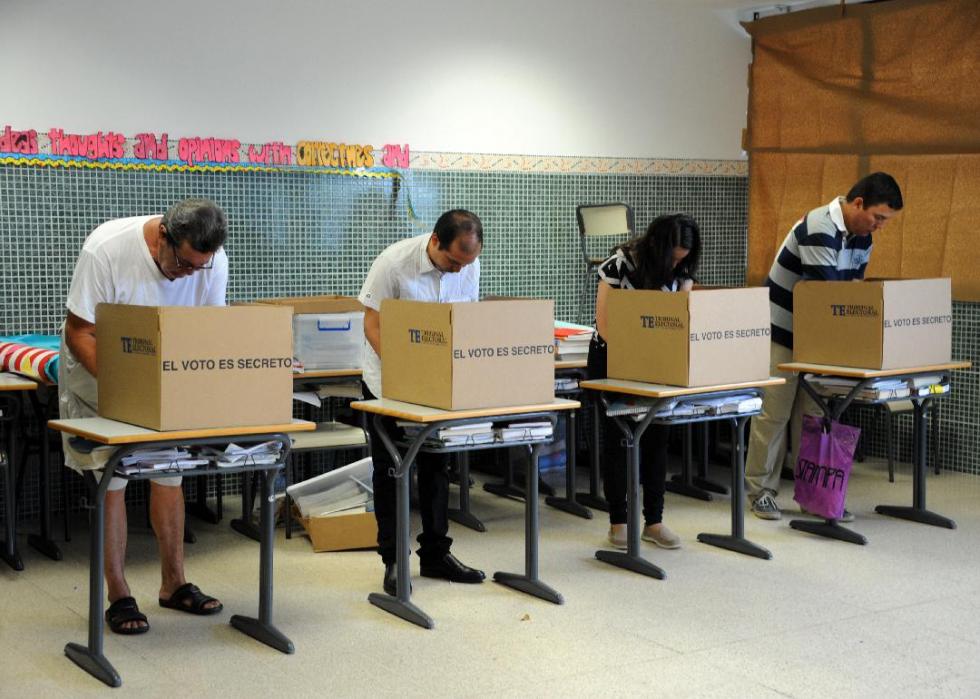
While voting in Panama is legally compulsory, it is not enforced. Despite the absence of sanctions, .
Paraguay
- Mandatory voting age: 18
- Population: 7.0 million
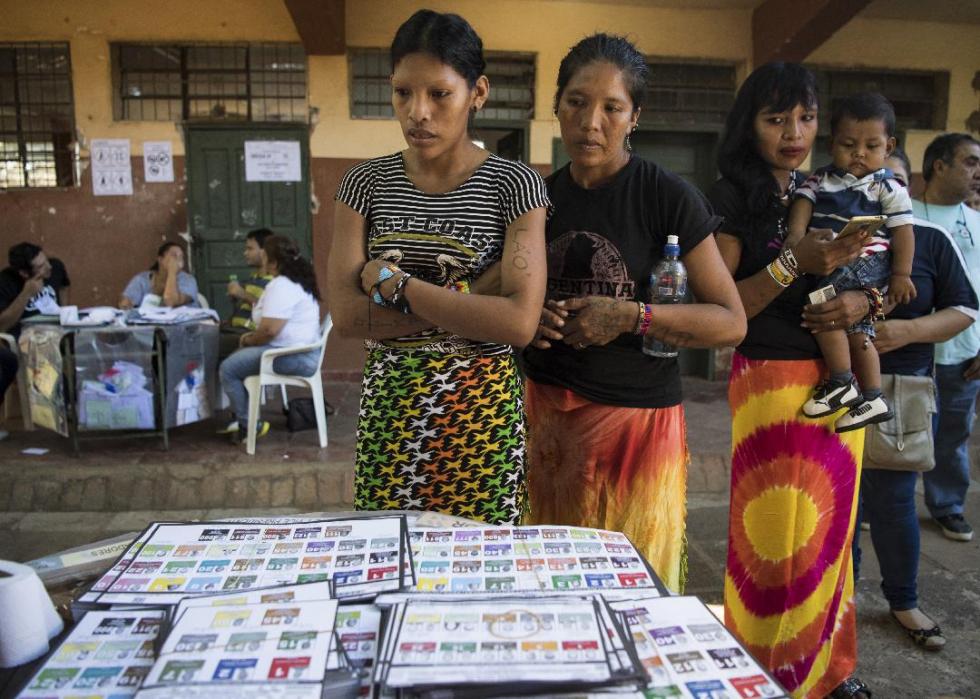
Paraguay transitioned to a democratic government and made voting compulsory in 1992. Voting is mandatory for all Paraguayan citizens ages 18-75. All citizens are automatically registered to vote upon turning 18. Paraguay鈥檚 peak year for voter participation was 1998 with
Peru
- Mandatory voting age: 18
- Population: 32.5 million
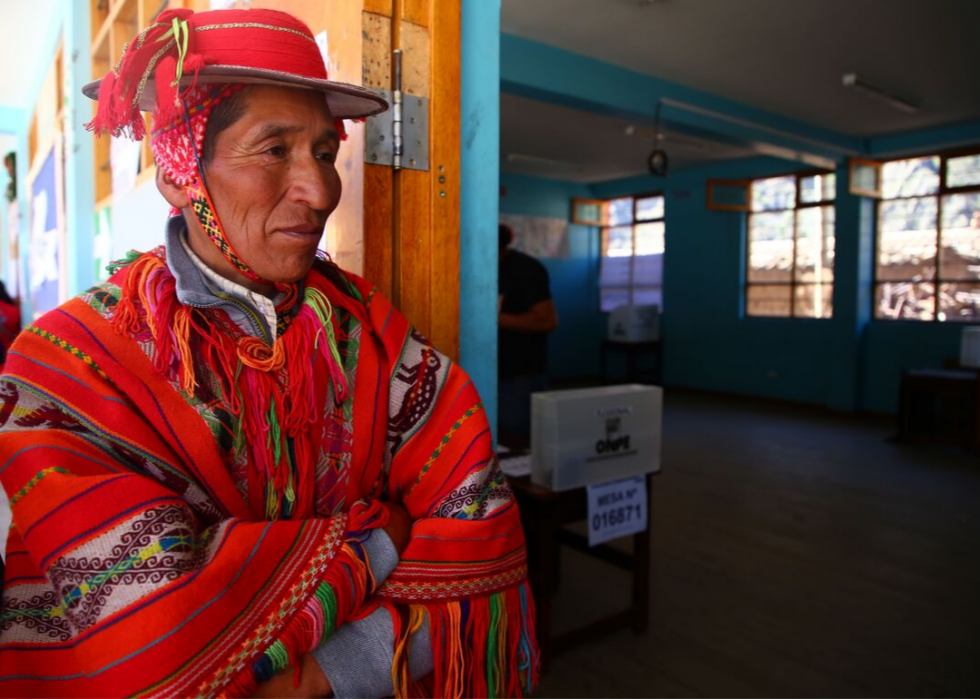
Voting is mandatory for all citizens between the ages of 18 and 70. Fines imposed on nonvoters can range between $6 and $25. in elections spanning nearly 20 years is 83%.
Singapore
- Mandatory voting age: 21
- Population: 5.8 million
Compulsory voting is strictly enforced in Singapore. Citizens who miss voting in a single election will subsequently have their , making them ineligible to vote in future presidential or parliamentary elections. Names can be restored to the register by submitting an application with an official reason for missing the election. Acceptable reasons include giving birth, illness, and being overseas. A fee of $50 is charged to anyone with invalid reasons for their abstention.
Thailand
- Mandatory voting age: 18
- Population: 69.6 million
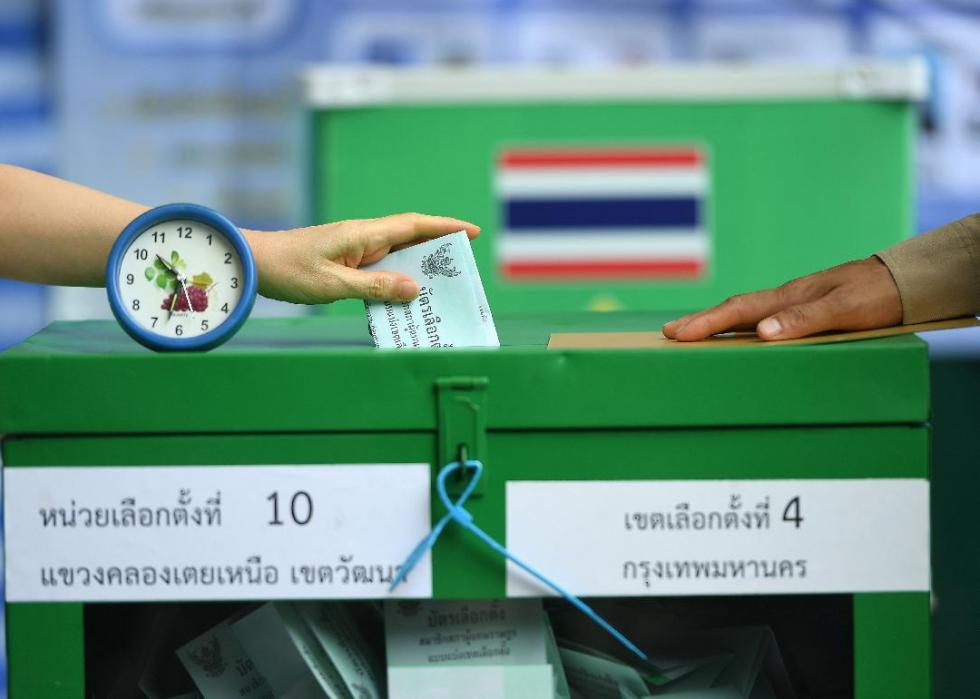
Compulsory voting in Thailand is not enforced. But how far does a person鈥檚 vote go in Thailand? Since a coup d'etat in 2014, Thailand has been ruled by a military junta called the National Council for Peace and Order. A March 2019 House of Representatives election organized by NCPO drew for failing to give voters the right to freely and fairly choose their new government leaders.
Uruguay
- Mandatory voting age: 18
- Population: 3.5 million
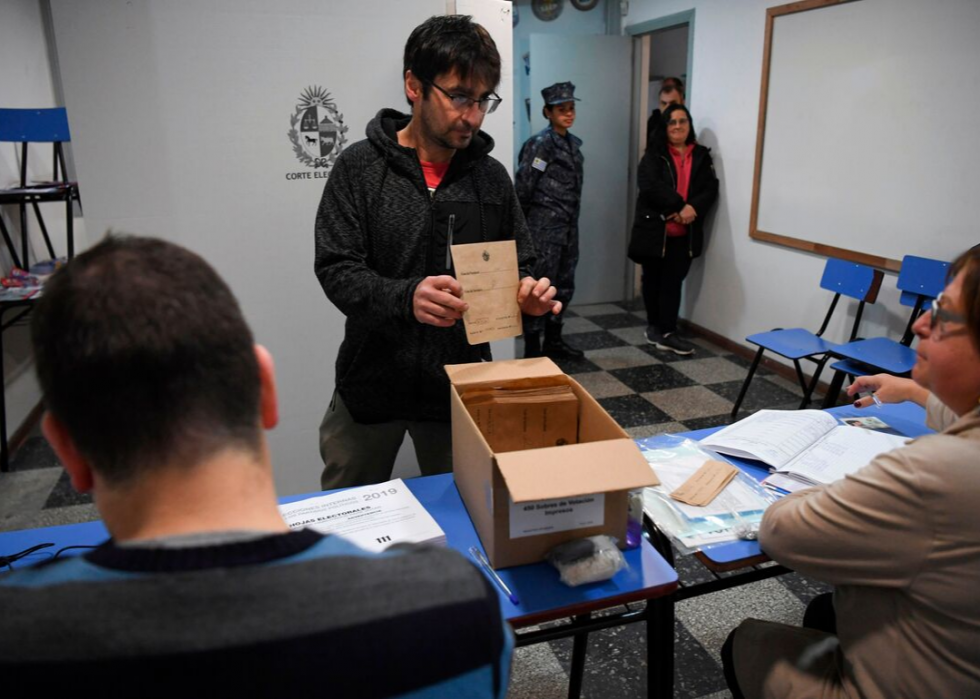
Compulsory voting鈥攊ntroduced in Uruguay in 1934 but 鈥攊s enforced through sanctions such as fines. in elections spanning nearly 20 years is 90%. More than 2.7 million people are eligible to vote in the upcoming .
You may also like: