
These 9 countries will make up half the world's population growth by 2050
These 9 countries will make up half the world's population by 2050
It's no secret that the world's population is growing. Despite an overall decline in birth rates, the is likely to hit 10 billion by the year 2050. This is due to several factors that include decreasing death rates and continued high birth rates in developing countries. The for the world, calculated at 72.6 years in 2019, is expected to increase to 77.1 years by 2050, which means continued surges in the world's overall population.
Much of this growth is confined to a small number of countries, from those experiencing higher levels of immigration to those that still have relatively high birth rates compared to other parts of the world. Many countries have seen and will continue to see a large influx of migrants from other areas, which both increases those region's populations while decreasing others. And while fertility rates are expected to decrease, going from 2.5 in 2019 to 2.2 in 2050, those countries with higher birth rates are expected to grow faster than some of their counterparts. This level of rapid population growth can create challenges in areas where overcrowding is already at a peak, and countries struggle to improve the quality of health and education while preserving their natural resources.
Nine countries are projected to make up half the world's population growth by 2050, according to the . 麻豆原创 has provided a breakdown of these nine countries, ranked by their projected population increases between 2018 and 2050, as well as information on why these countries are growing so quickly and how this population spike could affect them.
Check out this data on the nine countries that are anticipated to grow the most between now and 2050.
You may also like:

#9. United States of America
- Projected population increase 2018-2050: 52 million (2.5% of global population increase)
- Current population: 327 million (4.3% of global population)
- Projected population in 2050: 379 million (3.9% of global population)
- Projected annual population growth rate 2020-2050: 0.46% (62.8% below world rate)
The percentage of Americans under the age of 18 has declined, while longer overall life expectancies mean a growth in the population of the older generations. Immigration is considered one of the major contributors to population growth in the U.S., and immigration will remain an important factor as birth rates continue to go down and the population ages.
With immigration鈥攏ot birth rates鈥攊ncreasing population projections, some Americans worry the influx of diversity could adversely affect the U.S. economy. That has historically proven to be untrue: than they reap in benefits.
#8. Egypt
- Projected population increase 2018-2050: 62 million (2.9% of global population increase)
- Current population: 98 million (1.3% of global population)
- Projected population in 2050: 160 million (1.6% of global population)
- Projected annual population growth rate 2020-2050: 1.49% (50.2% above world rate)
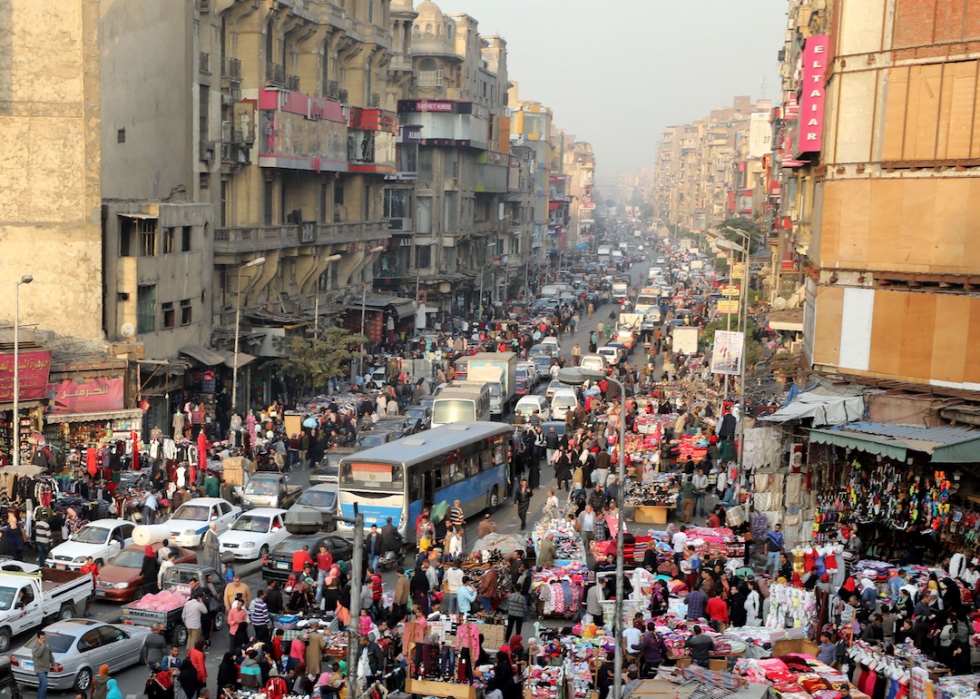
With approximately , Egypt鈥檚 population is already quite dense, equal to 1.3% of the world population. And while the country鈥檚 overall fertility rates have fallen, birth rates in some parts of the country remain high with reproductive education at a minimum and people living in those areas unable to regularly access contraception.
A population spike could hinder and put , prompting the government to take preemptive action. Egyptian Minister of Planning, Follow-up, and Administrative Reform Hala Al-Saeed in September 2019 unveiled a . Cornerstones of that plan are improved family planning services, promoting employment for women, and promoting literacy.
#7. Indonesia
- Projected population increase 2018-2050: 63 million (3% of global population increase)
- Current population: 268 million (3.5% of global population)
- Projected population in 2050: 331 million (3.4% of global population)
- Projected annual population growth rate 2020-2050: 0.64% (16.8% below world rate)
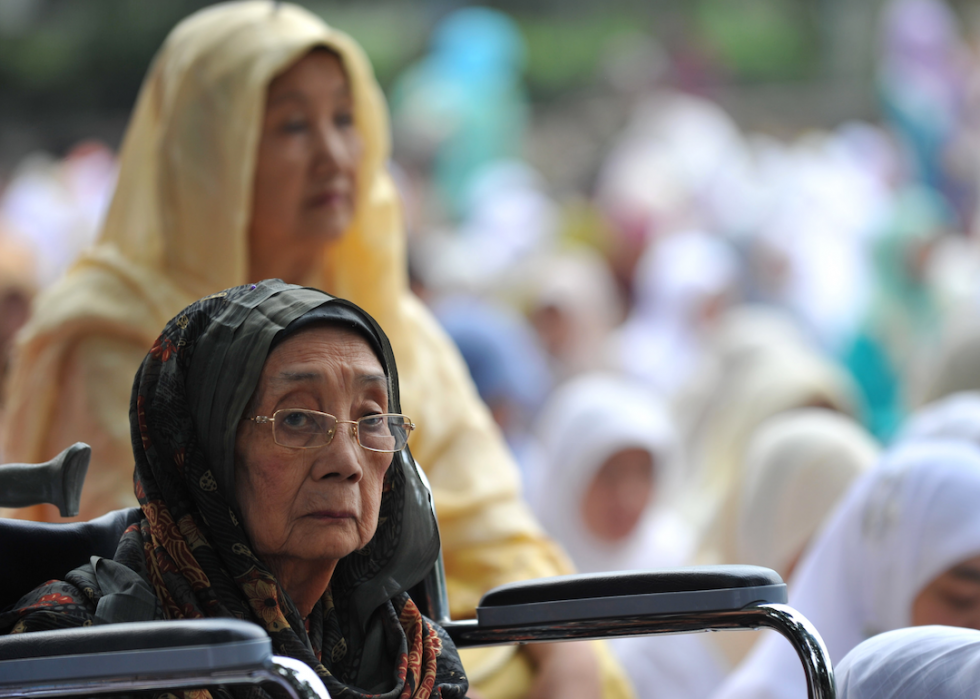
Indonesia鈥檚 current population of 268 million is slated to grow to 331 million by 2050, in part due to what is still a fairly healthy birth rate and fertility that remains above replacement levels. Indonesia also has a fast-growing demographic of elderly people, with those in the over-65 age group expected to nearly double. As Indonesia is already one of the most populated countries in the world, such an increase in population can have detrimental effects on natural resources, health services, and the availability of education.
#6. United Republic of Tanzania
- Projected population increase 2018-2050: 73 million (3.5% of global population increase)
- Current population: 56 million (0.7% of global population)
- Projected population in 2050: 129 million (1.3% of global population)
- Projected annual population growth rate 2020-2050: 2.58% (71.2% above world rate)
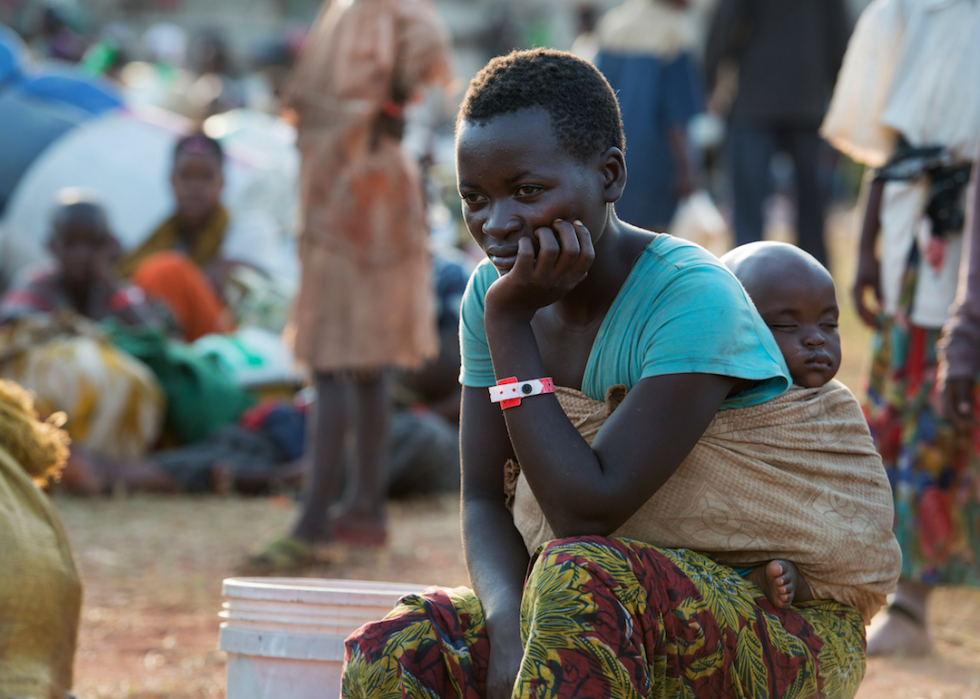
, home to 0.75% of the global population. By 2050, the country is projected to grow from 56 million to 129 million, due to and increased life spans, as well as minimal migration to other countries.
The country also accepts a high volume of refugees and asylum seekers鈥擳anzania currently has around 335,000 refugees, according to the , making it one of the friendliest countries to refugees on the planet.
This kind of rapid growth can have an impact on any region, but in a country as heavily populated as Tanzania, it can mean increased poverty and income inequality, alongside overcrowding, pollution, and stripped land due to increased food production. The country has been making inroads on all three, including a in June 2019 as a way to head off increased pollution.
#5. Ethiopia
- Projected population increase 2018-2050: 96 million (4.6% of global population increase)
- Current population: 109 million (1.4% of global population)
- Projected population in 2050: 205 million (2.1% of global population)
- Projected annual population growth rate 2020-2050: 1.94% (61.7% above world rate)
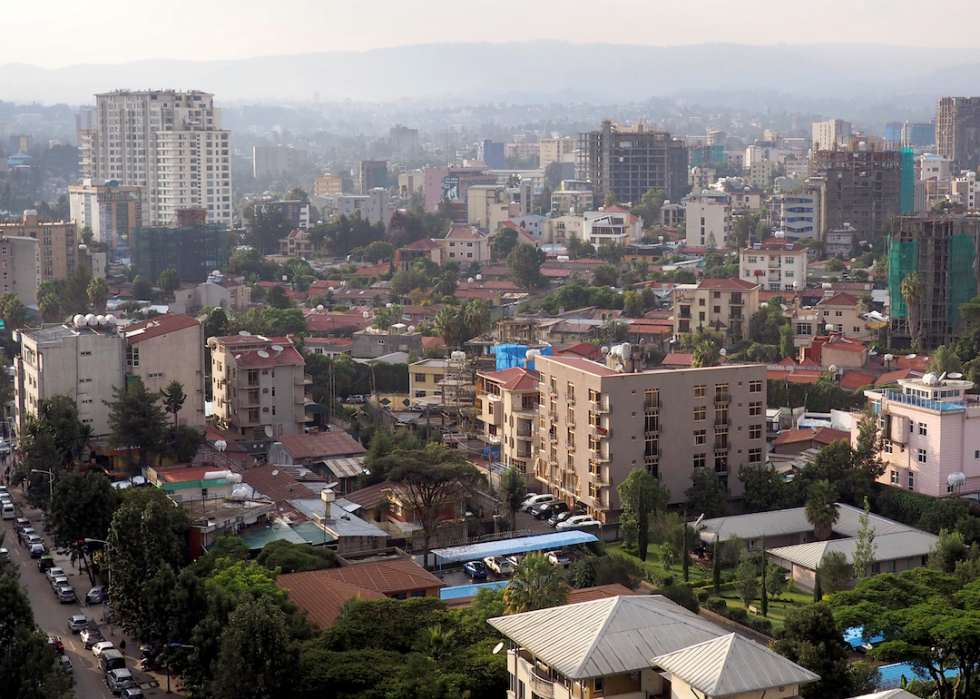
Ethiopia has a population of 109 million, which is anticipated to almost double by 2050. As with other fast-growing countries, lower mortality rates coupled with expanding longevity in the African country have led to a growing populace that doesn鈥檛 look to be slowing down. Ethiopia鈥檚 annual growth rate is projected at 1.94%鈥攎ore than 60% above the world rate.
The fewer available jobs, a lack of resources to support demand, and a shortage of available social services. Starvation, malnutrition, access to health care, and education are all pain points for the Tanzanian government to address in the coming years.
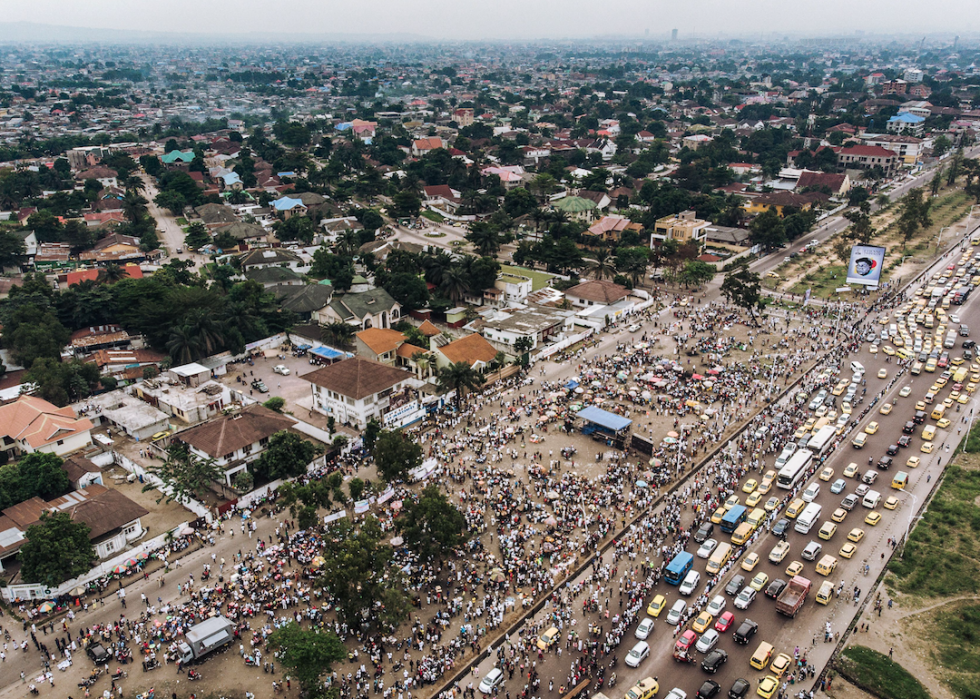
#4. Democratic Republic of the Congo
- Projected population increase 2018-2050: 110 million (5.2% of global population increase)
- Current population: 84 million (1.1% of global population)
- Projected population in 2050: 194 million (2.0% of global population)
- Projected annual population growth rate 2020-2050: 2.58% (71.2% above world rate)
With a populace that is already equivalent to and a population density of 99 people per mile, the Democratic Republic of the Congo is on a rapid growth spurt. While the country is considered one of the world鈥檚 richest, with vast untapped resources in raw minerals, it also has a history of political instability and a declining economy, which could be further impacted by the continued increase in population.
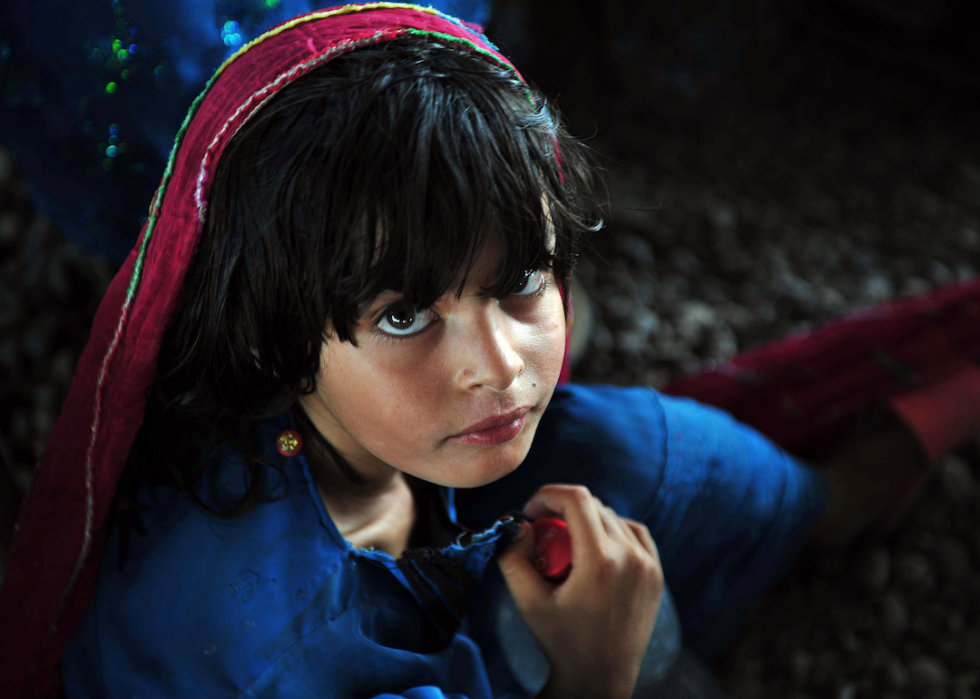
#3. Pakistan
- Projected population increase 2018-2050: 126 million (6% of global population increase)
- Current population: 212 million (2.8% of global population)
- Projected population in 2050: 338 million (3.5% of global population)
- Projected annual population growth rate 2020-2050: 1.42% (47.7% above world rate)
from 212 million to 403 million by 2050. The country is among South Asia鈥檚 most urbanized, with more than . This high level of urbanization has contributed to the population growth, as well as a large influx of refugees from other countries. An means less land being used for food and stresses virtually every government service and natural resource well beyond capacity.
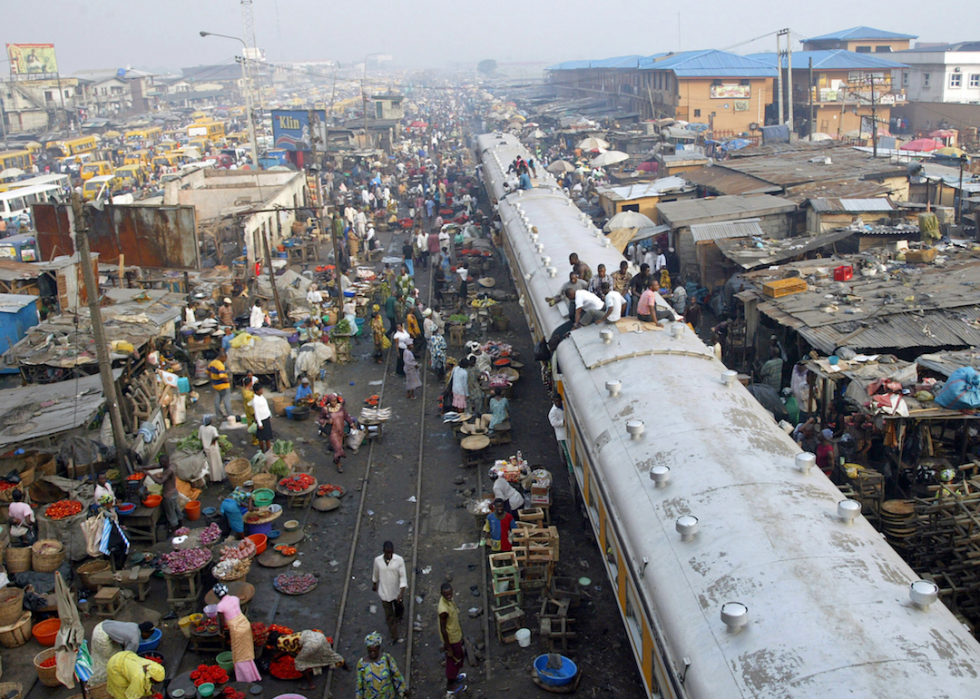
#2. Nigeria
- Projected population increase 2018-2050: 205 million (9.8% of global population increase)
- Current population: 196 million (2.6% of global population)
- Projected population in 2050: 401 million (4.1% of global population)
- Projected annual population growth rate 2020-2050: 2.22% (66.5% above world rate)
Despite having one of the lowest life expectancies in the world at just 54.5 years of age, Nigeria is expected to grow from its current population of 196 million to 401 million by 2050. Higher than average birth rates are part of the reason for the growth, and government leaders have by offering free contraception and trying to discourage people from having large families.
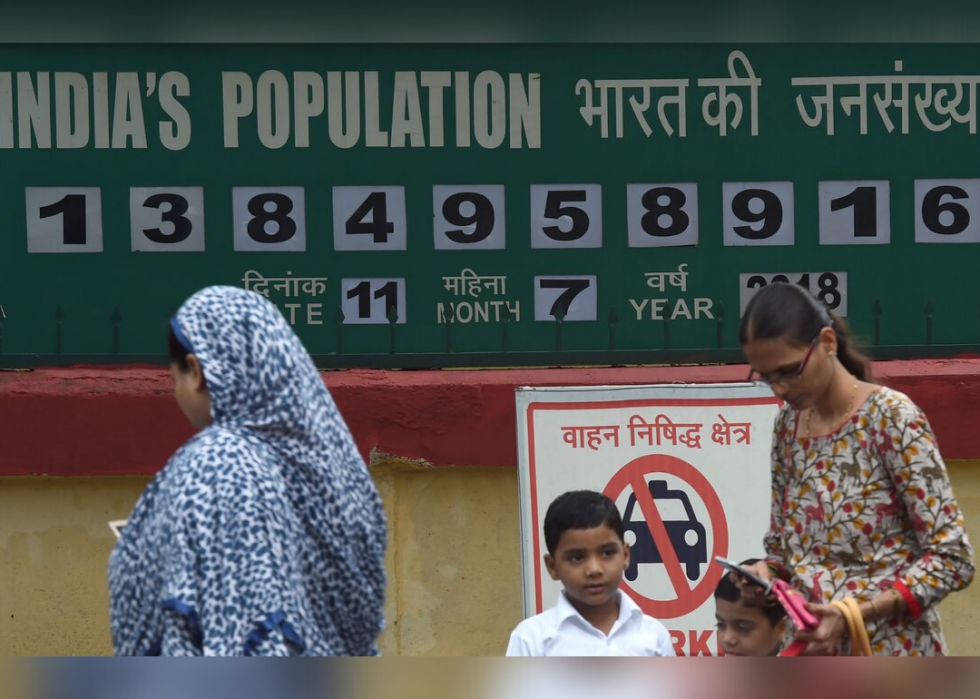
#1. India
- Projected population increase 2018-2050: 287 million (13.6% of global population increase)
- Current population: 1.4 billion (17.7% of global population)
- Projected population in 2050: 1.6 billion (16.8% of global population)
- Projected annual population growth rate 2020-2050: 0.58% (28.9% below world rate)
India鈥檚 population is relatively young, with the median age being 27.1 years. The country鈥檚 already high population of 1,190 people per mile is expected to expand even more, going from 1.4 billion to 1.6 billion by 2050. India鈥檚 growth stems from birth rates that are still comparatively high despite government policies to curtail it, as well as declining death rates and increased longevity. India already struggles with issues such as scarcity of resources, food production that cannot keep up with demand, and unemployment, all of which directly correlate with a fast-growing population.
You may also like: