20 megacorporations you didn't know run the economy
This story originally appeared on CouponBirds and was produced and distributed in partnership with 麻豆原创 Studio.
20 megacorporations you didn't know run the economy
If you like to support small brands when you shop, you might be surprised to find out that many labels that seem to be small are really owned by larger conglomerates. are company structures that combine multiple businesses together as subsidiaries under one parent company. These subsidiary companies are often in different industries that may not relate to one another.
analyzed the to identify 20 U.S.-based conglomerates with a high overall value of their assets and acquisitions over time, as well as major sway in the economy.
Company leaders opt for a conglomerate structure because it can increase corporate revenues, help a company expand into other countries, create greater efficiencies through , spread out market risk, and prevent takeovers.
The conglomerate model in the U.S. may be losing its Midas touch, as some companies are starting to into distinct companies in hopes that better product alignment will stimulate growth鈥攁nd stock prices. By the end of 2023, for instance, to split its global snacks and North American cereal businesses into two separate companies called Kellanova and WK Kellogg Co., respectively.
Colgate-Palmolive
Sales: $17.42 billion
Market value: $68.17 billion
Number of companies/divisions: 4
The 1928 merger of Colgate and Palmolive-Peet founded this conglomerate, blending the two companies' oral care and home care brands. Over the next 94 years, the company grew by acquiring Hoyt Laboratories, Softsoap, Murphy's Oil Soap, Mennen, Tom's of Maine, and Hello Product. Today, this global player has in the oral care, pet nutrition, personal care, and home care.
Altria Group
Sales: $21.11 billion
Market value: $100.66 billion
Number of companies: 4
When it comes to tobacco products, Altria is a major conglomerate with that cover the major industry channels. Cigarette manufacturer Philip Morris has a 47.9% market share in the U.S., led by Marlboro. Altria's other companies include U.S. Smokeless Tobacco Company, which makes Copenhagen and Skoal; John Middleton, which makes pipe tobacco and cigars; and Helix Innovations, which manufactures nicotine pouches.
Albertsons
Sales: $71.89 billion
Market value: $15.57 billion
Number of companies/divisions: 20
Your local grocery store may actually be part of a conglomerate. Albertsons groceries, gas stations, and in-store pharmacies for 20 brands in 34 states and Washington D.C., including Safeway, Vons, Jewel-Osco, Shaw's, Star Market, and Randalls. The grocer is planning another megamerger: In October 2022, it , which, if approved by the Federal Trade Commission, would be one of the largest grocery mergers in U.S. history.
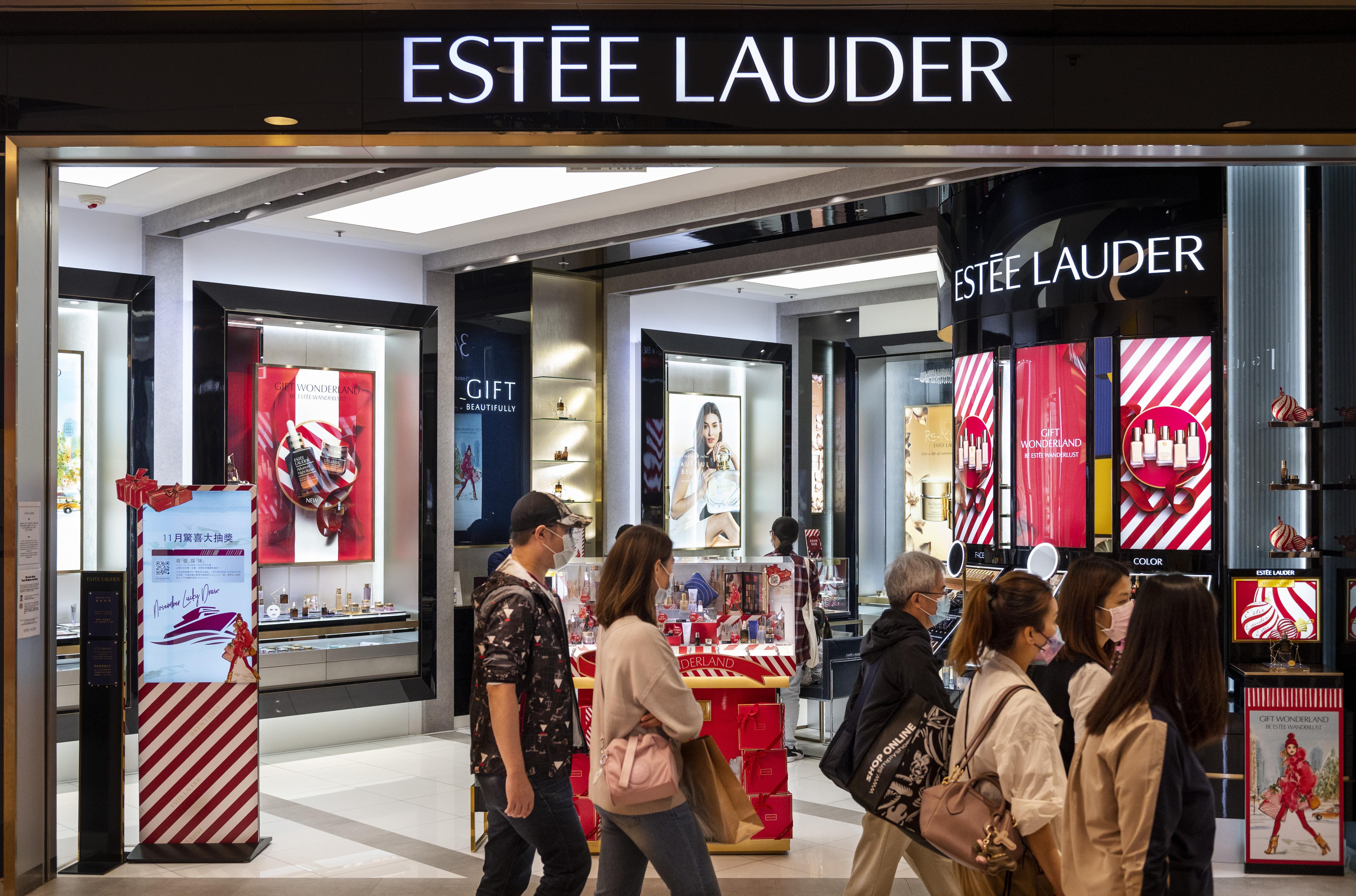
Estee Lauder Companies
Sales: $17.77 billion
Market value: $94.7 billion
Number of companies/divisions: 4
Est茅e Lauder her beauty company in 1946 with four skin care products. Since then, the company has expanded to encompass within the skin care, makeup, fragrance, and hair care categories. With in November 2022, Est茅e Lauder now has a presence in the apparel industry.
General Mills
Sales: $18.63 billion
Market value: $43.66 billion
Number of product categories: 8
General Mills has a in nearly every aisle of the grocery store. The company made acquisitions throughout its history鈥攊ncluding a foray into the restaurant business in 1970 with the of Red Lobster, which it in 1995. However, it sealed its status as a conglomerate in 2001 with the of the Pillsbury Company, which spread the company's interests to more food categories beyond cereal.
Kraft Heinz
Sales: $26.04 billion
Market value: $52.89 billion
Number of product categories: 8
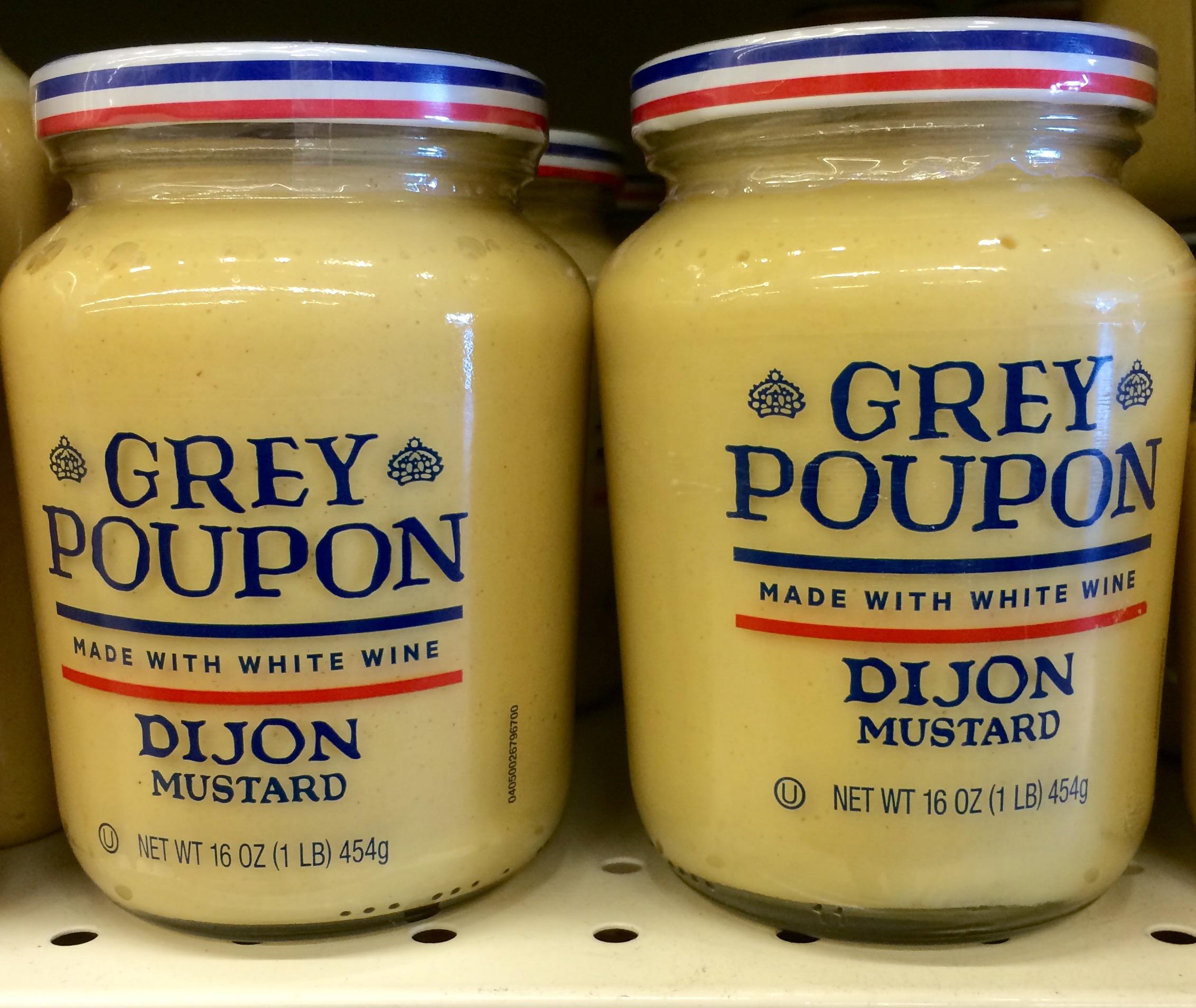
Conglomerates look to mergers and acquisitions to boost growth, and the between food giants Kraft and Heinz created an even more major player in the industry. Its include Oscar Mayer, Ore-Ida, CapriSun, Maxwell House, Jell-O, Stove Top, and Grey Poupon. Kraft Heinz has subsidiaries based in over 25 countries worldwide.
Tyson Foods
Sales: $49.52 billion
Market value: $33.74 billion
Number of companies/divisions: 5
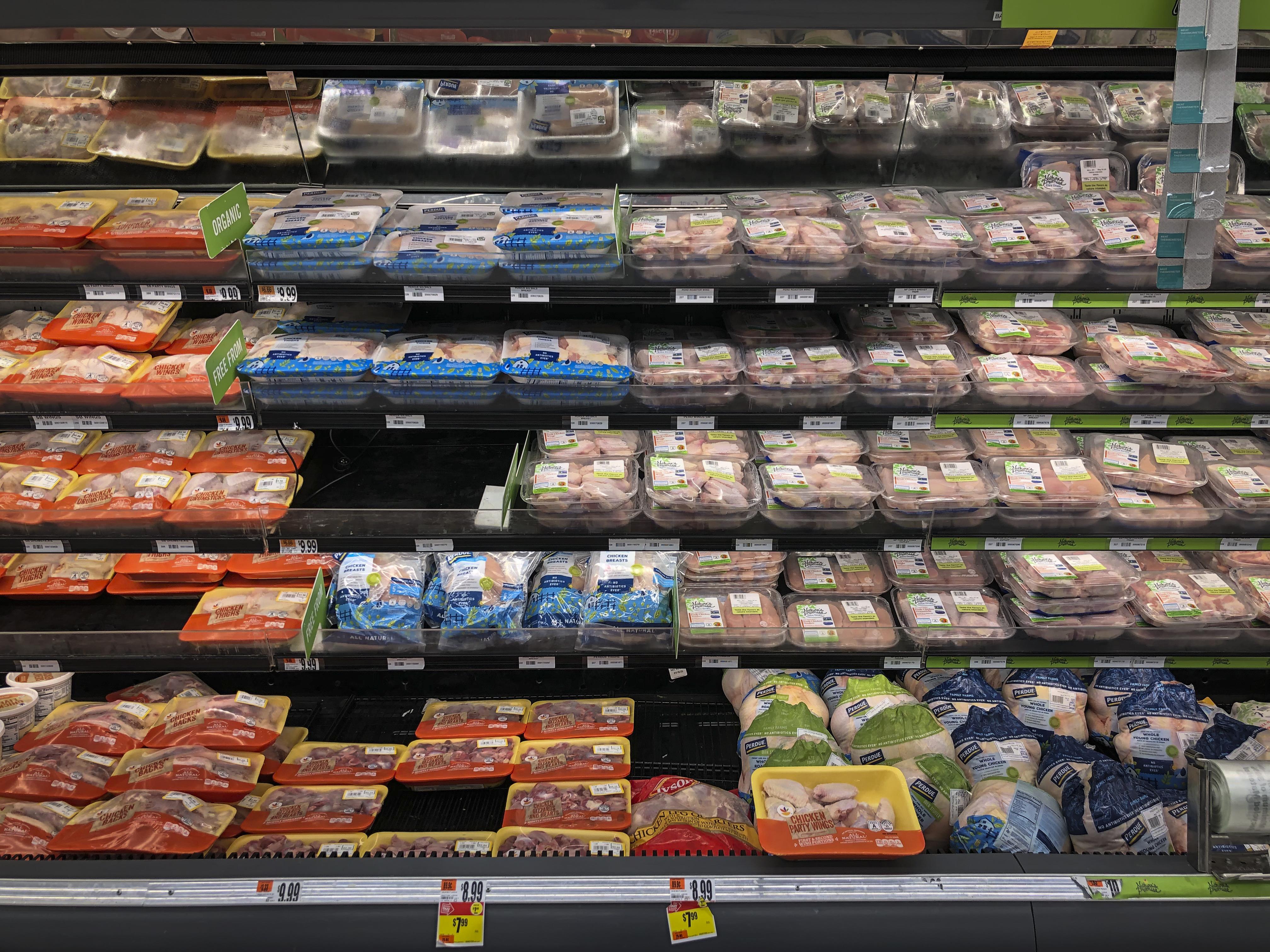
One of the in the U.S., Tyson is synonymous with chicken, but it also produces beef, pork, and prepared foods under such brand names as Jimmy Dean, Hillshire Farm, and Sara Lee. Tyson has also gotten into the plant-based meat alternative market with its Raised & Rooted line of nuggets, burgers, and plant-based sausages.
KKR
Sales: $19.02 billion
Market value: $30.6 billion
Number of companies/divisions: 10
KKR is a financial services company whose activities include real estate, hedge funds, and credit investments. It also has a that owns part or all of 250 companies throughout the world, including 97 U.S.-based companies such as and Epic Games.
Archer-Daniels-Midland Company
Sales: $85.26 billion
Market value: $51.85 billion
Number of companies/divisions: 5
This agricultural commodities conglomerate creates for foods, beverages, and supplements鈥攆or humans and animals alike. Its industrial biosolutions division makes ingredients for a wide range of industries, including home cleaning, beauty, construction, and renewable energy. In the late 1990s, Archer-Daniels-Midland Company was in the spotlight as company executives were , a case that became the basis for the Matt Damon movie
Mondelez
Sales: $28.72 billion
Market value: $89.98 billion
Number of companies/divisions: 4
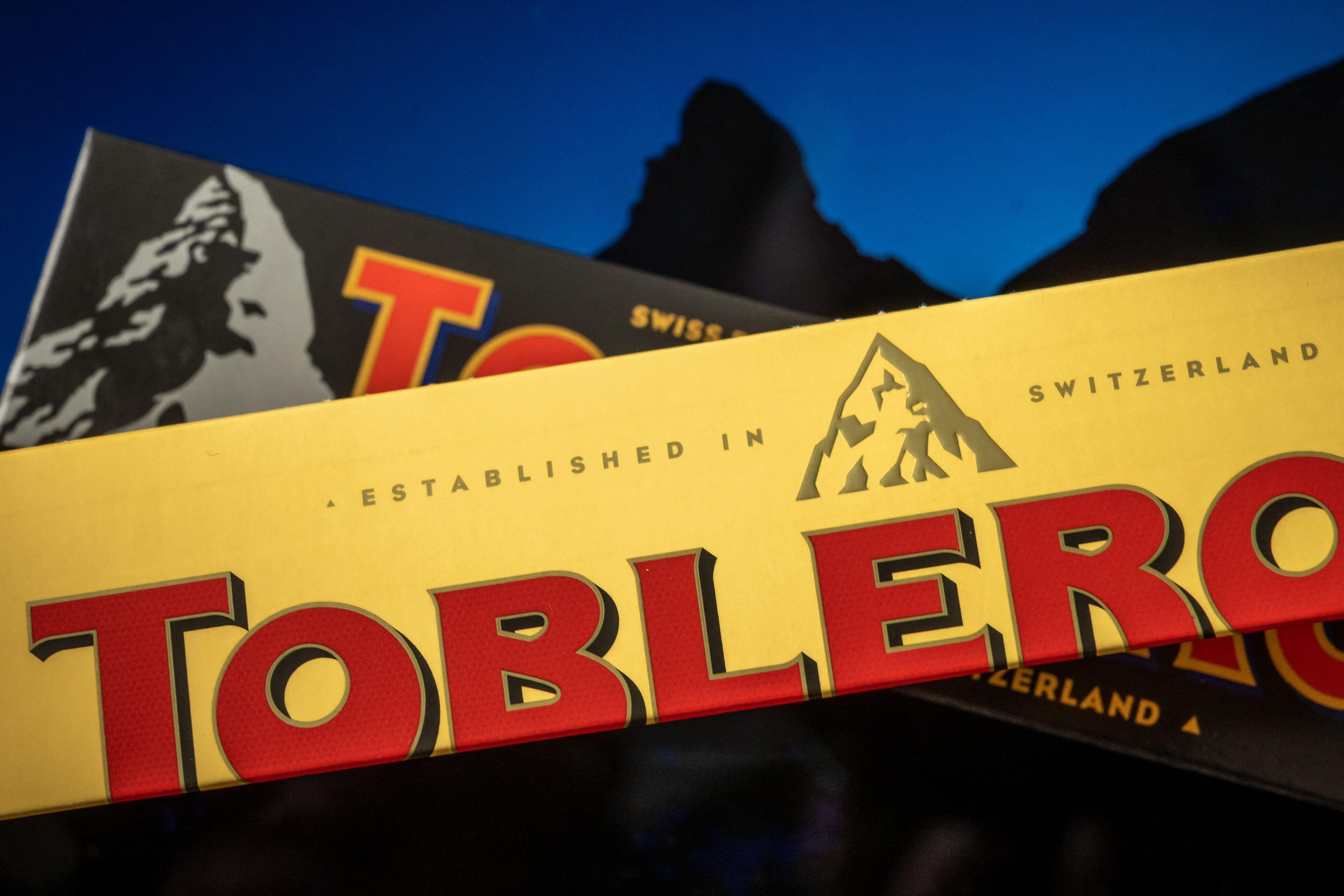
Conglomerates will sometimes spin off parts of their company, which is how Mondel膿z came into being. It formed in 2012 when its snacks and grocery businesses; the grocery business eventually became Kraft Heinz. Mondel膿z is a in biscuits, crackers, cookies, confectionery, and gum, with a product portfolio that includes Cadbury, Milka, Toblerone, Oreo, and Ritz.
Dow
Sales: $58.35 billion
Market value: $50.35 billion
Number of companies/divisions: 3
Since 1897, Dow has been an innovator in chemicals and material sciences鈥攊t's Styrofoam and Saran wrap. Its products cover 17 markets touching virtually every aspect of life. Throughout the company's history, it has grown and shrunk by acquiring companies or selling off divisions. Its current incarnation is a of the 2017 megamerger of Dow and DuPont.
Honeywell
Sales: $34.39 billion
Market value: $130.67 billion
Number of companies/divisions: 4
Honeywell is an industrial goods giant that creates components and technologies that go into many homes, office buildings, airplanes, and even space. Its innovations include pioneering the and developing parts for the .
Abbott Laboratories
Sales: $44.51 billion
Market value: $210.98 billion
Number of companies/divisions: 4
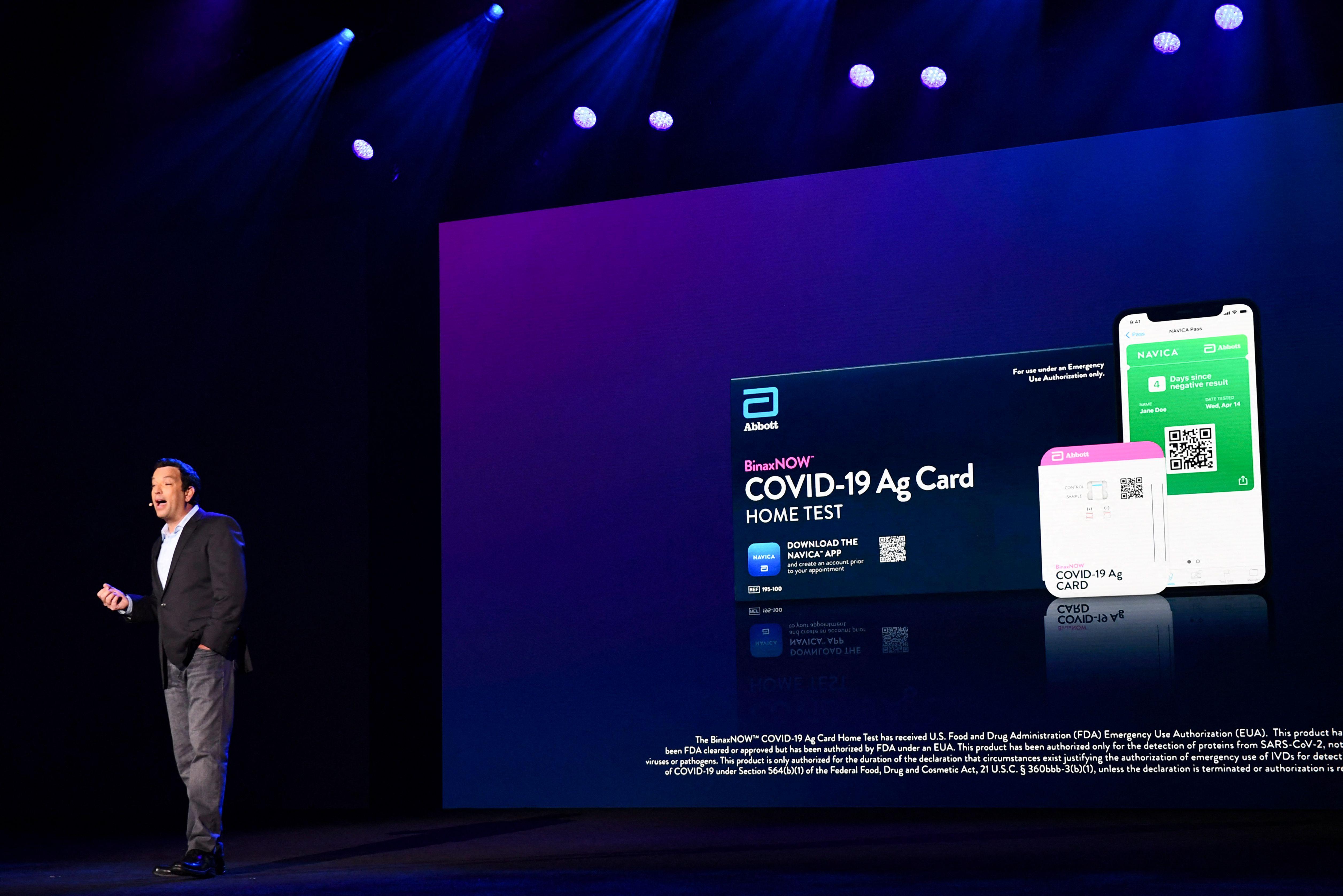
This health care conglomerate is a major in medical devices, and it's also responsible for diagnostics tests like the BinaxNOW COVID-19 test. Abbott also had about for baby formula until a factory shutdown created a nationwide formula shortage. The debacle has since prompted an ongoing led by the Securities and Exchange Commission and Federal Trade Commission.
Coca-Cola
Sales: $38.73 billion
Market value: $282.86 billion
Number of companies/divisions: 5
What began as a soft drink company in 1886 has become a worldwide beverage conglomerate with any beverage you want, including water, juice, coffee, and ready-to-drink cocktails. Its 200 brands are found in almost every country and territory in the world, although the company that it was pulling out of Russia due to the war in Ukraine.
Walt Disney
Sales: $72.98 billion
Market value: $215.33 billion
Number of companies/divisions: 3
The Walt Disney Company rules the entertainment world. In 2022, it was the , and it also to become the top streaming service, with 234.7 million subscribers across Disney+, Hulu, and ESPN+ compared to Netflix's 230.8 million. The company also lures people away from their screens to vacation at its six theme parks, on its cruise ships, and at its other resort properties.
Johnson & Johnson
Sales: $94.88 billion
Market value: $477.38 billion
Number of companies/divisions: 3
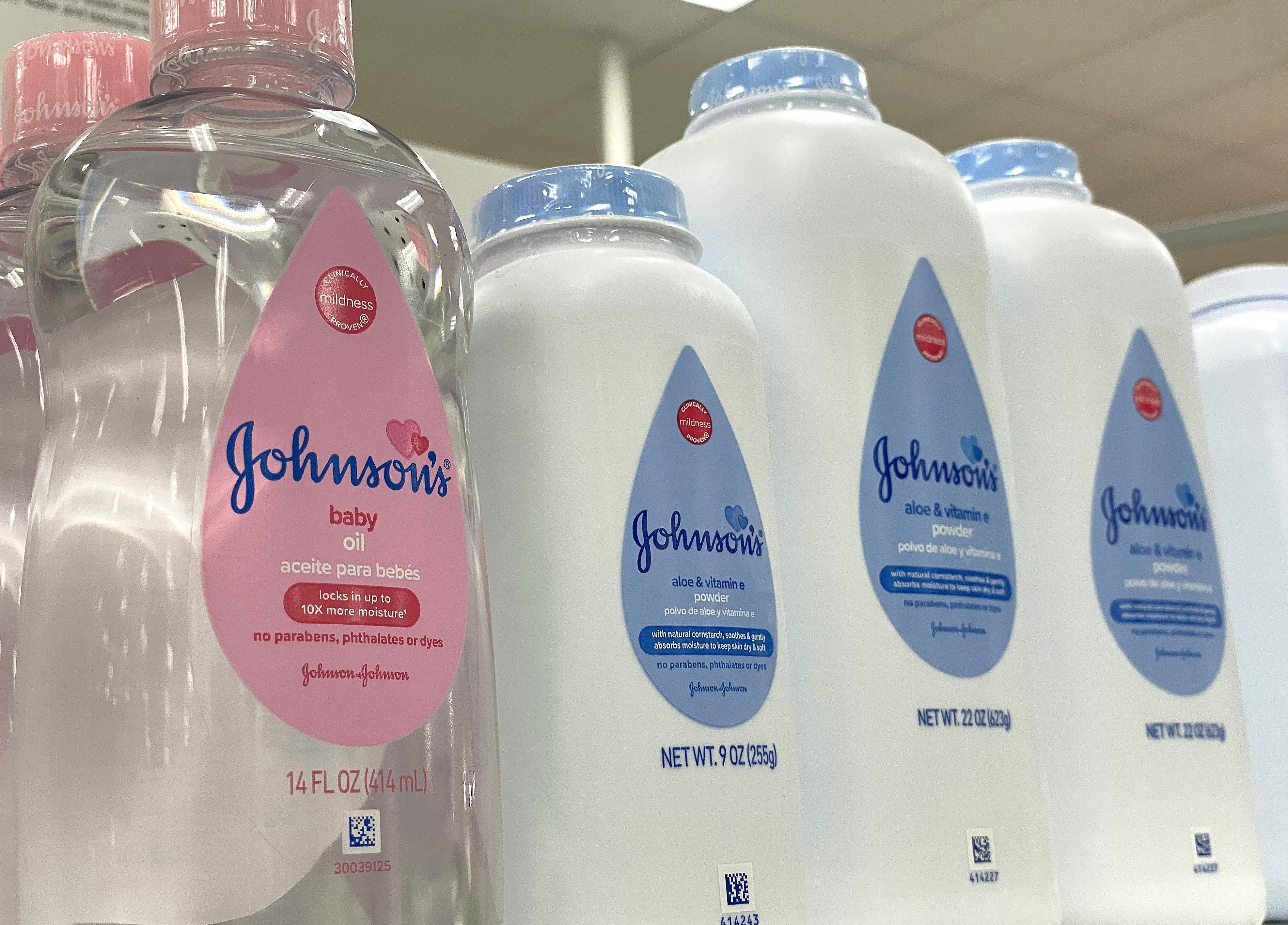
Johnson & Johnson produces pharmaceuticals, medical devices, and consumer health products. Its 46 include Listerine, Neutrogena, Aveeno, Rogaine, Band-Aid, Tylenol, Nicorette, Motrin, Visine, Pepcid, Stayfree, and Sudafed. The company won't be a conglomerate much longer鈥攊n 2021, it a plan to spin off its consumer division into a new publicly traded company by November 2023.
Procter & Gamble
Sales: $79.62 billion
Market value: $386.53 billion
Number of companies/divisions: 5
Although it's still a major consumer goods conglomerate, over the last 12 years, Procter & Gamble many brands like Duracell and 鈥攚hich it invented鈥攖o focus on personal care, cleaning, and baby products. It has a commanding market share , including 60% of the global razors and blades market and 35% of the global fabric care market. It's also a key competitor in hair care, oral care, and diapers, with 20% of the global market in each category.
PepsiCo
Sales: $79.47 billion
Market value: $238.13 billion
Number of divisions: 7
When it comes to convenience, PepsiCo is up to the challenge. Beyond its namesake soft drinks, it also manufactures numerous brands under the Frito-Lay label, quick breakfast foods under the Quaker label, and Gatorade sports hydration drinks. In 2018, it as a new way to reach customers who mix their own beverages at home.
Amazon
Sales: $469.82 billion
Market value: $1.5 trillion
Number of divisions: 3
What started in as an online bookseller has become a behemoth most Americans use daily. The company is the in the country; it manufactures electronic devices like Alexa, Ring, and Kindle; and it produces media content for Amazon Prime. However, its sole profitable division is Amazon Web Services, which of the cloud services market.
Berkshire Hathaway
Sales: $276.09 billion
Market value: $741.48 billion
Number of divisions: 8
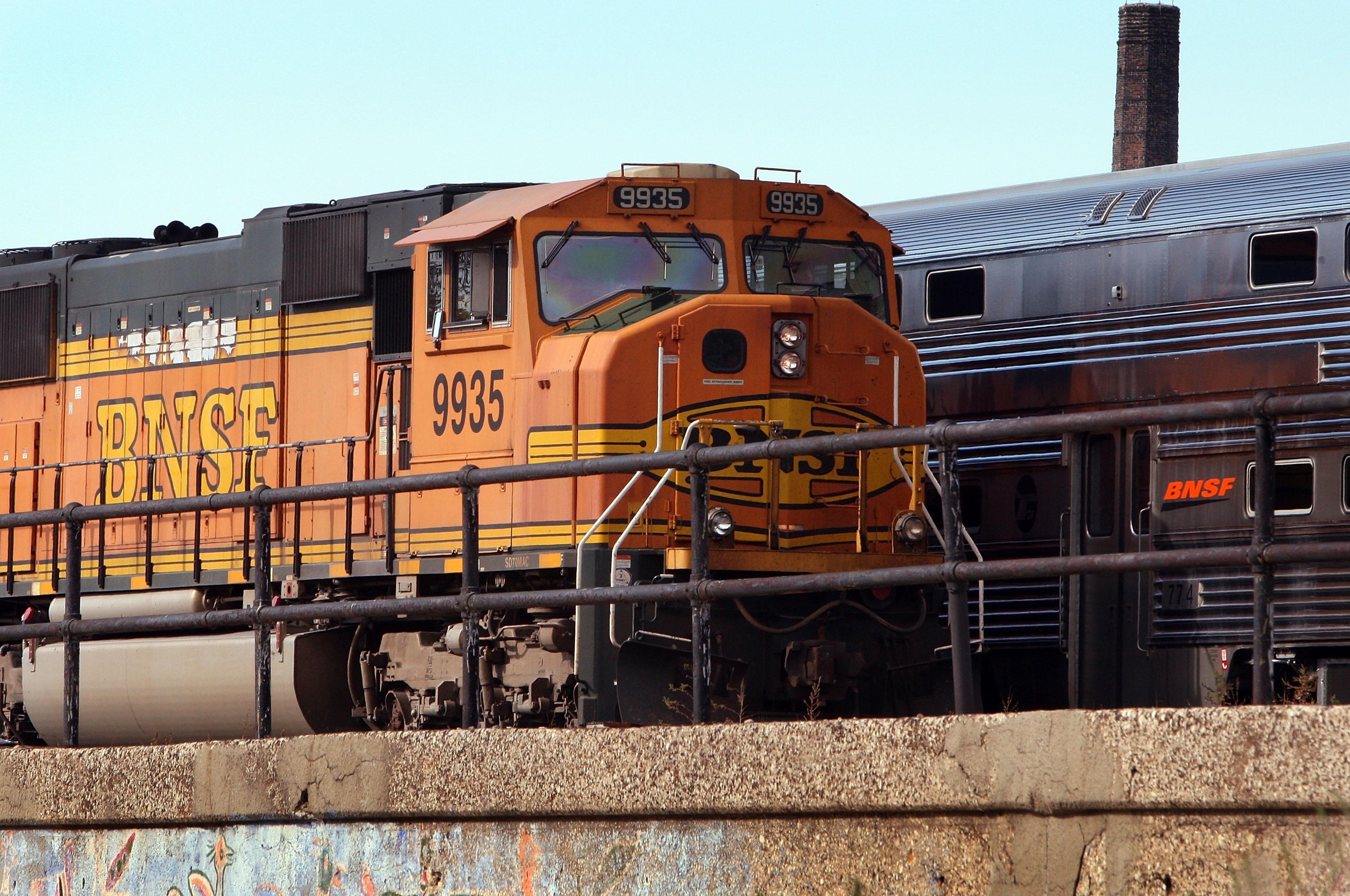
Legendary investor Warren Buffett's holding company is vast and varied, based on a of acquiring troubled companies with the goal of turning them around. In the car insurance market, its GEICO brand is in the country in market share. It also owns Burlington Northern Santa Fe railroad company, numerous energy utilities and gas pipelines, the business jet charting company NetJets, and consumer manufacturers and retailers such as Fruit of the Loom and Duracell.