7 fast-growing business trends in retail and e-commerce
7 fast-growing business trends in retail and e-commerce
Brick-and-mortar and online retail shoppers want more personal experiences, more convenience and more products that fit their values — and small business owners are meeting those needs as they evolve. With AI leveling the playing field and trends like social commerce, resale and wellness booming, 2026 is full of opportunity for business owners who are ready to start their own business.
Based on what has observed with small business trends nationwide, these seven things are topping the list of what’s new for Main Street and online shopping for the year.
1. Hyperpersonalization: The shift from mass to micro marketing and sales
Retail is moving from “one size fits all” to experiences that feel built for every customer. Shoppers want smarter recommendations, tailored offers and interactions that feel personal, not generic.
Here are some signals you can’t ignore: Deloitte calls hyperpersonalized shopping and targeted promotions one of GenAI’s quickest wins. They expect a . And a report from SmarterHQ found that say they only engage with marketing messages that match their interests. If they feel a company doesn’t get them, they move along.
For small businesses just starting out, many e-commerce platforms handle personalization for you — no coding needed. It’s one of the fastest-growing AI tools in retail because it works with the data small businesses already have.
Small businesses own their customer relationships and the data that comes with it. That means you can segment customers with a few simple rules, use low-cost AI tools to tailor emails or product suggestions and turn your POS into a mini sales engine. Even a quick cart-abandonment message referencing the exact product viewed by a prospect can make a real difference in conversion.
2. AI visual search: Help customers find what they can’t describe
AI visual search — the technology behind Google Lens, Pinterest Lens, and TikTok’s in-app camera — is changing how shoppers discover products. Instead of typing keywords and hoping for the right match, people snap a photo of what they want and get instant results.
That jump from “I saw this” to “I found it” is becoming an expectation, especially for young shoppers. More than shoppers prefer visual over text search when it’s available. Google Lens handles about , with four billion related to shopping; Amazon has seen a 70% year-over-year increase in visual searches worldwide.
Why is this trend so potentially profitable for your business? Visual search shoppers convert and yield a 16% higher average order value than text-search users. When customers find the exact thing they’re looking for, they buy.
Small businesses can tap into this trend without expensive tech. If you’re posting products for sale online, share high-quality images with multiple angles, clean backgrounds and lifestyle shots that give AI context. Use descriptive and file names so search engines know what they’re looking at.
Turn on in your e-commerce platform to help Google index your images correctly. And treat Pinterest like a visual search engine by posting clear, keyword-rich pins that link back to your products.
3. Social commerce-based business missions
Social commerce–based businesses sell where people already scroll, turning a post or video into an instant purchase. It works because it feels effortless: Shoppers discover a product while they scroll, see it in action and can buy it in seconds in the app.
U.S. social commerce sales are projected to , securing its spot as a core retail channel. Globally, the market is expected to hit $2.6 trillion, with growth across every major category. With over , social commerce is the mainstream.
For small businesses, winning in social commerce doesn’t require a huge ad budget. It’s all about keeping things simple and real. Use native shopping tools so customers can check out without ever leaving the app — fewer clicks mean higher conversions.
You can also lean into microinfluencers whose smaller communities offer deeper trust and better engagement at a lower cost. Let AI tools do some of the heavy lifting by helping you brainstorm video ideas, write product descriptions and create quick content variations.
4. Live shopping and interactive commerce
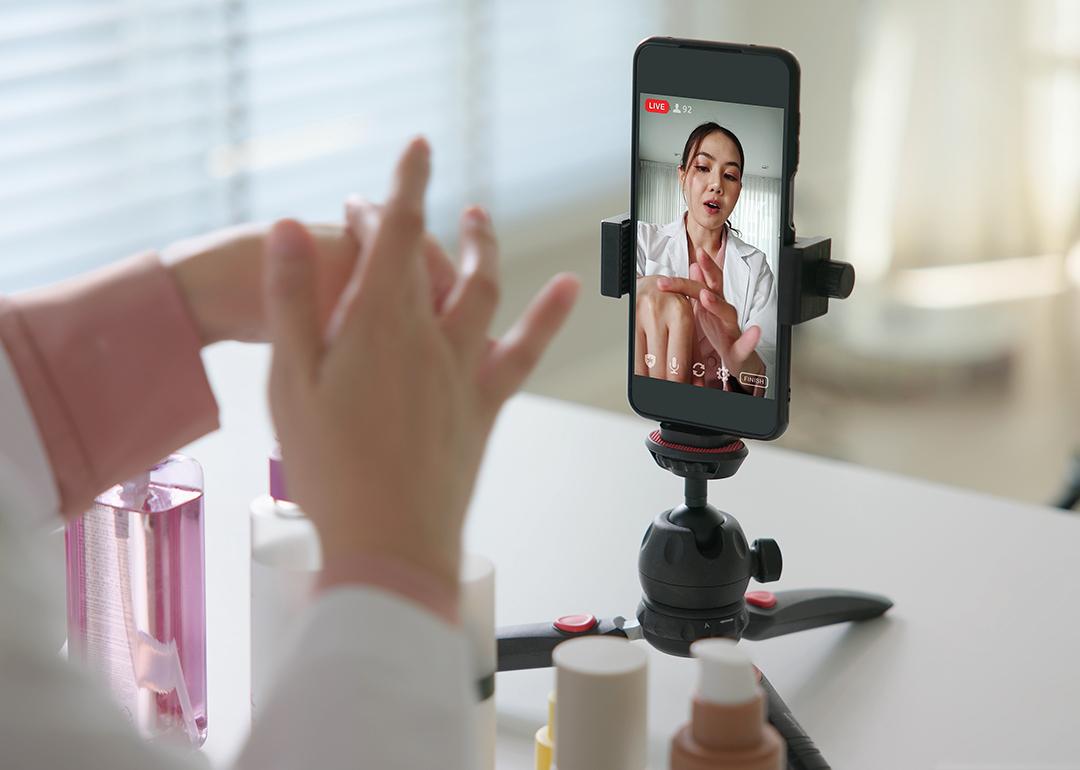
Previously, live shopping was confined to home shopping channels on TV. Now it takes place on social platforms like TikTok, Instagram and YouTube — and increasingly on brands’ own commerce sites using embedded livestream tools.
Shoppers like it because it feels interactive and human: They can ask questions about products in real time, get instant feedback and buy with confidence. And it’s growing fast: U.S. live commerce buyers doubled from approximately 25 million in 2022 to 41 million in 2024. And they’re expected to surpass .
This next live shopping era is all about interaction and personalization. Shoppable replays extend the life of every event. Customer relationship management (CRM) integrations let brands track who watched and follow up with tailored offers.
Using a phone camera, augmented reality (AR) try-ons can help customers test products instantly — like previewing glasses on their face or seeing how furniture fits in their room — without stepping into a store. And handle scripted demos while human teams answer real questions to give this shopping experience a futuristic feel.
To get started, all you really need is a phone, a steady internet connection and a story about your products worth sharing. Small businesses can use livestreams as launch moments or to spark urgency for limited inventory. Keep viewers engaged with real-time Q&A and simple product demos. And take advantage of TikTok and Instagram’s built-in tools — such as polls, reactions and on-screen shopping — to boost conversions.
5. K-Beauty and other Asian beauty products
Korean beauty products and regimens are driving a skincare boom in this country. Total sales — up 37% year over year — were supported thanks to TikTok buzz, dermatologist-backed routines and big retail expansion. In 2025, the U.S. became the (surpassing China), topping .
What’s trending now in the Asian beauty realm? . Consumers want clinic-level ingredients like PDRN, Exosomes and PLLA — plus fewer steps and smarter, multiuse products. Think “intelligent minimalism,” not a 10-step cosmetic marathon.
Entrepreneurs can ride the wave by curating standout Asian beauty brands and leaning into what shoppers care about most: efficacy. Stock products with clinical claims, dermatologist testing and clear ingredient stories. Then teach people how to use them. Workshops, livestreams and quick demos can turn curious shoppers into loyal customers.
Keep an eye on tariffs for these product lines. Import rules are shifting, and higher costs for overseas activities may squeeze margins. Diversify suppliers when you can, or partner with brands that already have U.S.-based fulfillment.
6. Secondhand and circular reselling
The secondhand market isn’t slowing down; it’s more mainstream than ever. Global resale apparel is on track to hit , growing 2.7x faster than the overall global apparel market. What’s driving it? Value, sustainability and the thrill of finding something unique.
Millennials and Gen Zers are leading the way. According to ThredUp’s 2025 Resale Report, they make up roughly 68% of new secondhand spending and are choosing pre-owned pieces for both ethics and resale value. Buying used has become a badge of being a smart, conscious shopper.
And the secondhand market is not just limited to clothes. The wider category — which includes things like vintage furniture and décor to sporting goods, musical instruments and electronics — is worth nearly . Platforms like Chairish, SidelineSwap and Reverb prove customers will pay for curated, high-quality finds.
This wave is also pushing big brands toward circular retail. Take-back programs and in-house resale are becoming the norm with brands like Patagonia, Eileen Fisher and Arc’teryx, who offer repair and resell programs. In 2024, purchased directly from a brand offering its own resale option. And 86% of retailers who aren’t in the resale game yet say they plan to join.
For small business owners, this shift creates a real opening. Sell high-quality vintage pieces, run a buy-back or consignment model or specialize in a niche like outdoor gear or designer accessories. Add services like repairs, cleaning or authentication and you can move faster, curate better and build the kind of community big brands are still trying to catch up to.
7. Functional foods and personalized nutrition
are moving from a wellness buzzword to the mainstream in 2026. are curating what they eat with functional foods at least once a week. Shoppers want everyday meals and snacks that support their goals, and .
The sweet spot for small businesses sits right where food, health and personalization meet. For example, retailers can turn their shops into mini “health hubs” by offering simple DNA or microbiome test kits, short nutrition consults or curated bundles focusing on niches like gut health, focus or energy.
Technology makes personalization even easier. A basic loyalty tool can match products to dietary needs and display tailored recommendations or offers. And since shoppers love convenience, stocking ready-to-go functional meals with ingredient benefits explained can turn curious shoppers into regulars.
was produced by and reviewed and distributed by Â鶹ԭ´´.