
How social selling targets customers online and helps companies sell you products
This story originally appeared on Vocal Video and was produced and distributed in partnership with Â鶹ԭ´´ Studio.
How social selling targets customers online and helps companies sell you products
Effective sales tactics tend to shift and change over time. Think back to the era of door-to-door sales. At that point in time, smooth-talking salespeople would spend their days going from one house to the next to demonstrate what their products—whether vacuums, cleaning products, or housewares—could do for potential buyers. Later on, other wide-reaching sales tactics—like home shopping networks on cable TV—were introduced to businesses and customers, and door-to-door sales declined. By utilizing home shopping networks like QVC, brands could easily reach large audiences of potential buyers and still showcase the advantages of using their products.
That’s just one example of the shift in sales tactics that have occurred over the past few decades. How products are bought and sold is always evolving—and that continues to this day. Thanks to the internet and e-commerce channels, it’s now easier than ever to buy what’s needed. Sites like Amazon or eBay make it simple to find what you’re looking for without ever stepping foot outside the house. Consumers can now purchase products with one click and social media has made it easy to discover new products or find out what others think about a purchase.
Social media hasn’t just impacted what you buy or discover online, it has also impacted how you buy, too. Social selling has exploded in recent years—and it’s now one of the best and easiest ways for companies, businesses, and brands to sell products. How exactly are they targeting you? And how are companies so effective at using social selling to market products? compiled a list of 10 ways that social selling targets customers online and helps companies sell products. Here’s what you should know about this incredibly effective sales trend.

Virtual events are virtual sales events
Throughout the COVID-19 pandemic, people have been looking for ways to connect and better themselves—or their opportunities—while social distancing. These days, it’s not uncommon to sit in on a virtual learning seminar or an online talk with an industry leader with the expertise to share. We’re all looking for ways to better ourselves and make connections, even if from a distance. This has, in turn, led to free virtual education opportunities and online social events doubling as sales tools for savvy sellers who use these direct introductions to push products, seminars, or more classes. As such, sales reps are spending a lot more time in front of their screens to make the sale. According to Salesforce’s , the time reps spend with online customers is now 3.2 times more than the time spent meeting with customers in person.

Sales shift away from cold-calling and pushy tactics
At one point in history, cold-calling potential customers was a common sales tactic, but that has gone by the wayside. Social selling now lets sales agents engage with prospective buyers or customers for longer periods of time, and these tactics are typically a lot less pushy than traditional sales methods. As such, antiquated sales practices like cold-calling have been replaced with more customer-friendly social selling tactics instead. Sellers now take an approach that focuses on providing value to potential customers through their social media content and posts, and these social selling tactics have proven extremely effective. About 78% of social sellers who aren’t on social media—which bolsters the idea that social accounts are a must for anyone trying to make a sale online.

Brands bank on relationships and emotions to close the deal
The digital ads you once scrolled past on social media platforms—or the unsolicited direct messages you received in your social messaging systems—just don’t cut it these days. In order to be effective at social selling, businesses can’t just spam users with tweets or direct messages. Adding new contacts and then reaching out without building relationships won’t cut it either. Effective social selling requires sellers to via meaningful interactions instead. This is done by offering solutions to problems, displaying insightful action or responses to social issues, or using other interactive tactics to build relationships with you, the social media user. Without tugging at emotions or building relationships, other brand or seller sales tactics are widely ignored, no loyalty is built, and the deal isn’t closed.
Regular people—not salespeople—help sell you products
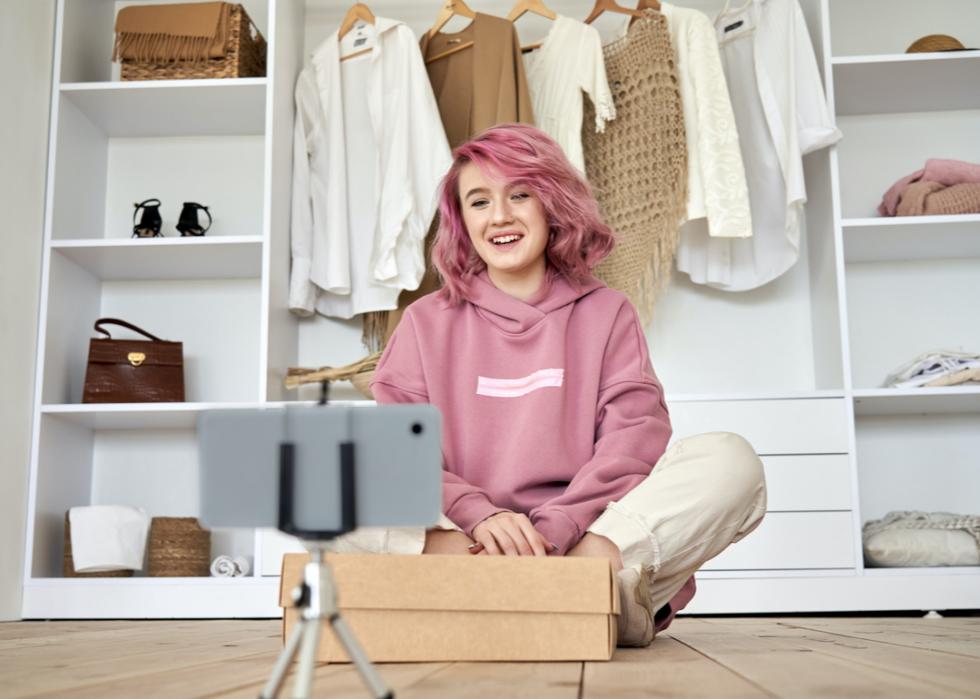
Ever wonder how the person with a million-plus followers is traveling to Dubai or the Maldives without a care in the world? It’s because they’ve managed to turn their timeline or feed into a cash machine by effectively engaging and building relationships with their followers. Once those relationships have been fostered, they can partner with businesses, brands, or other lucrative parties to sell their followers on all sorts of items for purchase: makeup, clothing, hair products, or even travel. Their followers see the posts from the social sellers as more genuine and accessible than the brands and models who would otherwise push the sales. All it takes is the hashtag #linkinbio for the item the person is wearing or using to promote the sale. And, considering that are researching products and services on the platform, there are a significant amount of sales to make if these social sellers use the right tactics.

Global businesses have a much wider reach
The COVID-19 pandemic pushed social selling into high gear, and it’s now extremely common for businesses of all sizes and kinds to use social selling to get more customers. In fact, as of 2020, about 25% of e-commerce businesses across the globe—or a whopping one in four global businesses—said they had plans to sell their products or services via social media. There’s a good reason for this shift. Social selling makes it extremely easy for businesses—whether they’re located in China, Dubai, or the United States—to reach a huge pool of buyers quickly and easily, and without the traditional hurdles that would otherwise be in place. That has led to a huge uptick in sales for businesses that take advantage of the wider buyer pool. According to LinkedIn research, the businesses that have managed to become leaders at social selling are capturing than other businesses by turning their focus to social media.

The social media checkout process is extremely easy for buyers
Closing the sale on social media isn’t just about making the products accessible or the advertising relatable. The sales funnel also has to be streamlined, which is precisely what social media platforms and businesses have been working on throughout the COVID-19 pandemic. Take, for example, , which launched in 2020. This checkout process makes it easy to complete a purchase right on Instagram—all it takes is a shoppable ad or post, coupled with the in-app checkout tool, to make the purchase from start to finish in a matter of seconds. Other platforms have incorporated similar tactics, like “Shop Now” or related tools, to streamline the checkout process. These types of tools and shoppable ads have made it almost too easy for users to make a purchase directly on the platform, driving more and more money to the social media sellers who benefit from it.

All ages and generations are targets for social selling
Social selling may sound like a tool geared toward the younger generations, but the reality is that no age or generation of shopper is immune to it. Social media has grown in its appeal over the past decade, and the user base that can be targeted on these platforms is vast. The seller pool is also vast—and all generations are being targeted by social media sales tactics. According to a , about 51% of baby boomers and traditionalists say they have interacted with a business on social media, and 69% of Generation X has done the same. Unsurprisingly, about 86% of Generation Z and millennials have interacted with businesses on social media, meaning that nearly all members of the younger generations are actively engaging with brands and businesses via social media. And it’s not likely to stop any time soon, as the younger, digitally savvy generations who aren’t yet active on social media will be ripe for the social selling pickings as they get older and have more purchasing power.

Brands craft their entire presence to appeal to shoppers
When it comes to social media selling, it’s not enough for a business to craft a clever or post. Studies show that social media users want to feel connected to a brand’s full social media presence, so businesses and companies are working to make sure they do. This is especially important because discover their new purchases via social media, and 74% of shoppers will visit the brand’s social media page before completing the purchase. If the brand doesn’t meet their expectations, it puts a hamper on the sales process—so brands are taking a closer look at how they can best appeal to their social media presence. In turn, they’re cultivating their entire social media vibe to appeal to the shoppers they want to target.
Social selling tools make it easy to capture the right audience
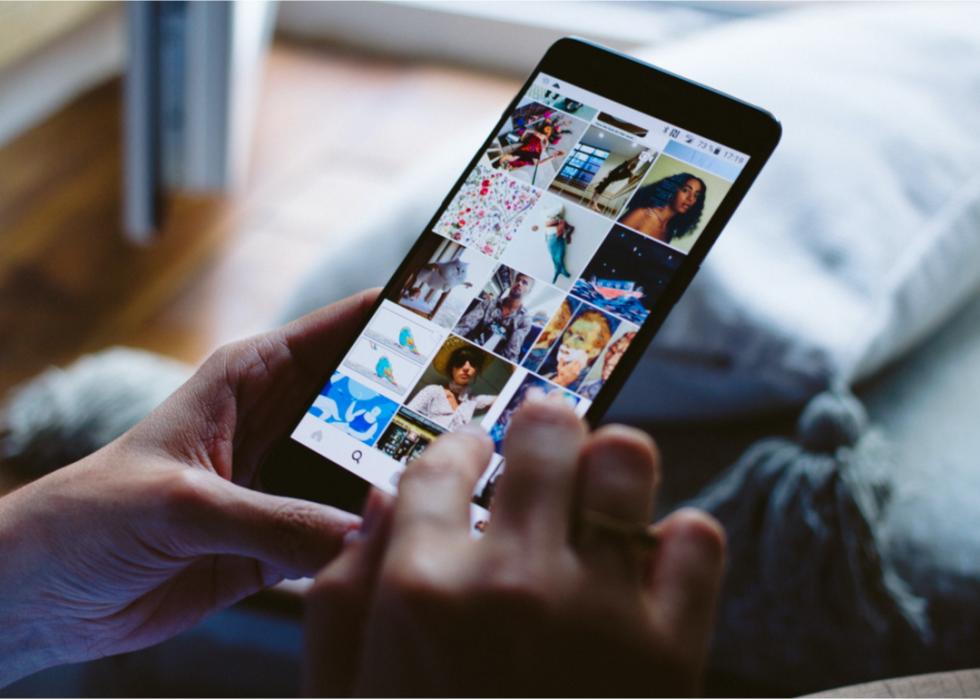
Social selling shopping tools aren’t just helping you get through the checkout process quickly while shopping via social media, they’re also helping businesses target the right audience. There are tons of that let social sellers take a deep dive into who’s interacting with them online, what their customers want, who they should target, and other pertinent customer information. With these tools, sellers can figure out how to appeal to what their buyers want, whether it’s an insightful sales pitch, a solution to an issue, or an emotional native ad campaign. This helps social sellers’ tactics to be shifted to become much more effective in getting you to part with your hard-earned money—and will even let them keep tabs on what competitors are doing to sell to you.

Face-to-face interactions still play a part—but they’ve gone virtual
Face-to-face sales tactics have always been important to certain customers, and the COVID-19 pandemic’s shift to social selling hasn’t changed that. Interactive customer service tools——are still being used to close the deal, even on social media platforms. Most social sellers still offer some form of live customer service to buyers who prefer a more personal interaction during the sales process. These tools are especially important for businesses focused on business-to-business sales, which have historically used face-to-face meetings to make the sale but are now focused on selling their products to other businesses on social media instead.