The industry AI can’t replace, but can’t run without
The industry AI can’t replace, but can’t run without
HVAC, long relegated to the background, is suddenly front and center—propelling sustainability, supply chains, and even the AI revolution itself.
As artificial intelligence reshapes boardrooms and threatens routine office roles, there’s an unexpected guardian quietly keeping the future from overheating—and it’s not a robot. , a B2B marketing agency, shares how HVAC—heating, ventilation, and air conditioning—has emerged not just as a bulwark against AI-driven displacement, but as the very infrastructure powering the AI boom.
Behind your walls and inside datacenter cooling floors, technicians, engineers, and installers are building more than comfort—they’re sustaining an economy AI can’t automate, and a world it can’t function without.
An Industry Hidden in Plain Sight
HVAC systems are the lungs of modern buildings, yet they rarely get attention unless something breaks. Now, they’re getting more than a maintenance call. Driven by climate goals, labor market shifts, and the explosion of AI data infrastructure, the sector is experiencing a rapid transformation.
In the U.S., the HVAC market is to soar from $29.9 billion in 2024 to $54 billion by 2033. Globally, it’s expected to reach a staggering $445.7 billion in that time. This isn’t just about more homes and offices. It’s about smarter, cleaner, and more adaptive systems—and the skilled workforce needed to install and maintain them.
According to the U.S. Bureau of Labor Statistics, more than 40,000 new HVAC jobs will be added each year through the next decade. These are hands-on roles that AI can’t easily replicate. They require problem-solving, technical training, and physical presence. They can’t be offshored. And they can’t be replaced by code.
Cooling the Cloud
The irony is thick: As AI drives automation across industries, it simultaneously increases the need for real-world infrastructure that AI depends on—and that only people can manage.
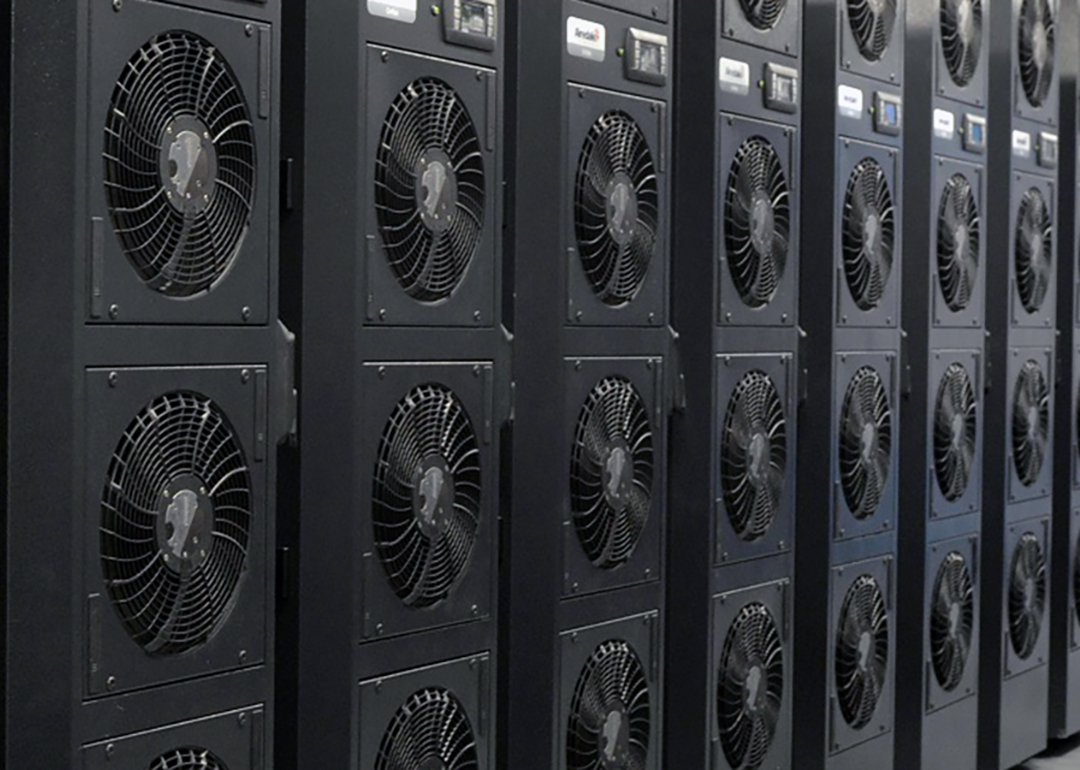
Consider data centers, the beating heart of the AI economy. These facilities, packed with servers running around the clock, generate immense heat. Keeping them cool isn’t a luxury; it’s a necessity. That’s where HVAC specialists come in.
is one of the companies leading this charge. Their precision cooling systems are designed specifically for data centers, balancing performance with energy efficiency. In this environment, even a 1% gain in efficiency can save millions.
Heat Pumps and the Climate Equation
Beyond tech infrastructure, HVAC plays a starring role in another important issue: climate change.
Buildings account for nearly 40% of U.S. energy consumption, and heating and cooling make up more than a third of that. Improving HVAC efficiency is one of the fastest, most cost-effective ways to reduce emissions.
The star of this green transition? Heat pumps. These devices, which both heat and cool spaces using electricity rather than fossil fuels, are rapidly becoming mainstream.
is at the forefront, offering high-efficiency mini-split systems that make heat pumps more affordable and easier to install. With support from federal and state incentives, heat pumps are turning American homes into battlegrounds for climate progress—and HVAC techs into frontline workers.
Breathing Easier, Living Smarter
The COVID-19 pandemic made indoor air quality a public concern. Suddenly, clean air wasn’t just about comfort—it was about safety. HVAC systems moved from background noise to health infrastructure.
is one innovator in this space, using needlepoint bipolar ionization (NPBI) technology to reduce airborne pathogens, allergens, and particles. The result? Healthier spaces and more efficient systems.
Cleaner air also means systems work better, last longer, and require less maintenance—reducing operational costs and environmental impact.
The Quiet Side of Sustainability
Not all HVAC innovation is high tech. Some of it is surprisingly simple.
DuraPlas manufactures the , an ultra-durable mounting pad for outdoor HVAC units, protecting them from corrosion, ground shifts, and early failure. It also produces the , a smart, low-profile drain pan that prevents water damage and extends the life of HVAC systems. Neither product sounds glamorous, but together they keep equipment running longer and service calls down.
That matters—a lot. In sustainability, longevity is underrated. A longer-lasting system means fewer replacements, less waste, and fewer emissions from manufacturing and transportation.
A Skilled Trade With Staying Power
While artificial intelligence upends white-collar professions, HVAC provides something increasingly rare: true career security.
These roles are grounded in work that is physical, local, and consistently in demand. They offer solid paychecks, on-the-job apprenticeships instead of crippling student loans, and the kind of stability that doesn’t vanish with the next software update.
This resilience puts HVAC workers squarely within a larger movement of skilled careers that don’t require a four-year degree but are gaining prestige as tuition costs soar and AI eats away at office jobs.
A , which trains aircraft mechanics alongside pilots and dispatchers, underscores the trend: Hands-on careers are rising in both status and appeal, attracting workers who want opportunity without the burden of college debt or the fear of automation.
Investors Are Warming Up
It’s not just job seekers who are paying attention. Investors are moving in.
The HVAC sector is drawing capital from private equity, venture firms, and clean energy funds. From advanced refrigerants to smart sensors, there’s a growing ecosystem of startups tackling everything from sustainability to service efficiency.
, for example, has seen rising demand for its specialty financing solutions as HVAC retrofits and new system installations surge. The company helps subcontractors cover payroll, materials, and equipment costs up front, ensuring that projects don’t stall for lack of working capital. In an industry where delays can be costly and timelines are critical, that support has become indispensable.
The logic is clear: HVAC isn’t speculative. It’s tangible. It’s essential. And it’s growing fast.
A Future Built in the Background
HVAC doesn’t trend on TikTok. It doesn’t show up in glossy tech expos. But it’s quietly becoming one of the most consequential industries of our time.
It powers AI’s infrastructure while remaining immune to AI’s disruption. It shrinks emissions while extending opportunity. It keeps us comfortable, yes—but more than that, it’s helping keep the climate livable and the economy human.
In an age obsessed with disruption, HVAC is quietly delivering stability, sustainability, and jobs. The industry no one noticed is now the one we can’t live without.
was produced by and reviewed and distributed by Â鶹ԭ´´.