Canada just made national parks free this summer. Can we love nature without hurting it?
Canada just made national parks free this summer. Can we love nature without hurting it?
For us humans, there are plenty of benefits to spending time in nature. It can reduce our stress levels and our risk of chronic disease, boost our creativity and our overall happiness.
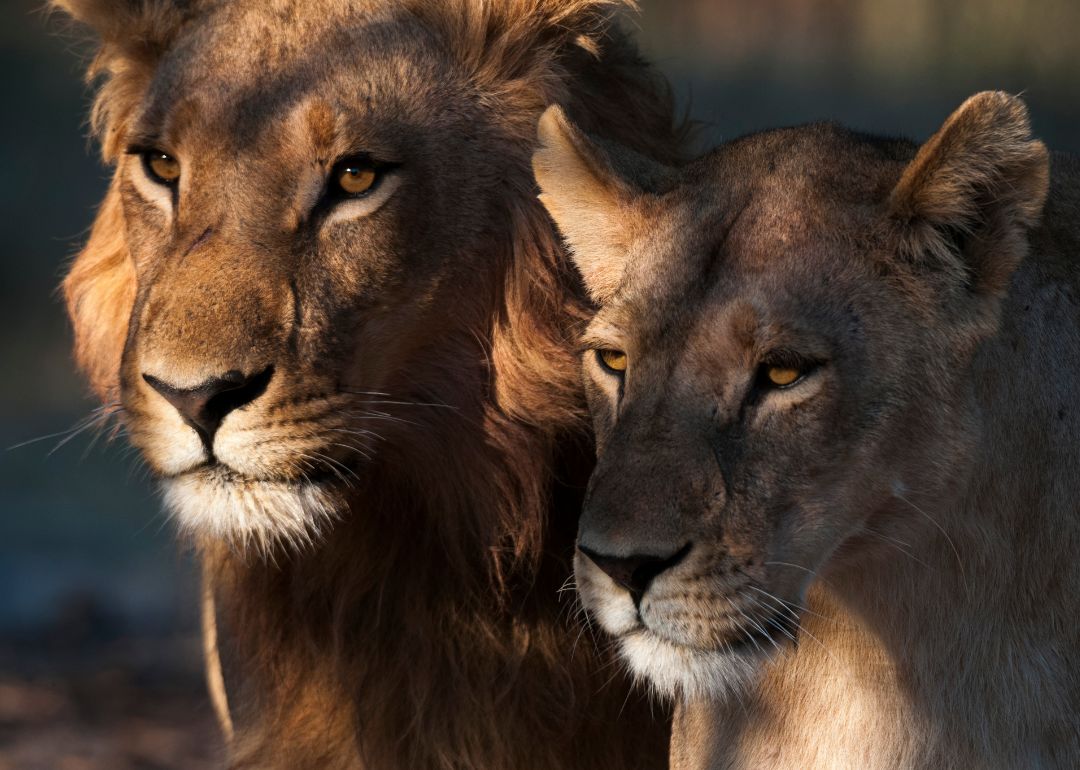
There can be benefits for nature, too. The more people who care about the health of all the plants and animals we share this planet with, the easier it may be to protect vulnerable ecosystems from harm. But when too many of us descend on popular parks all at once, there can be unintended consequences for wildlife.
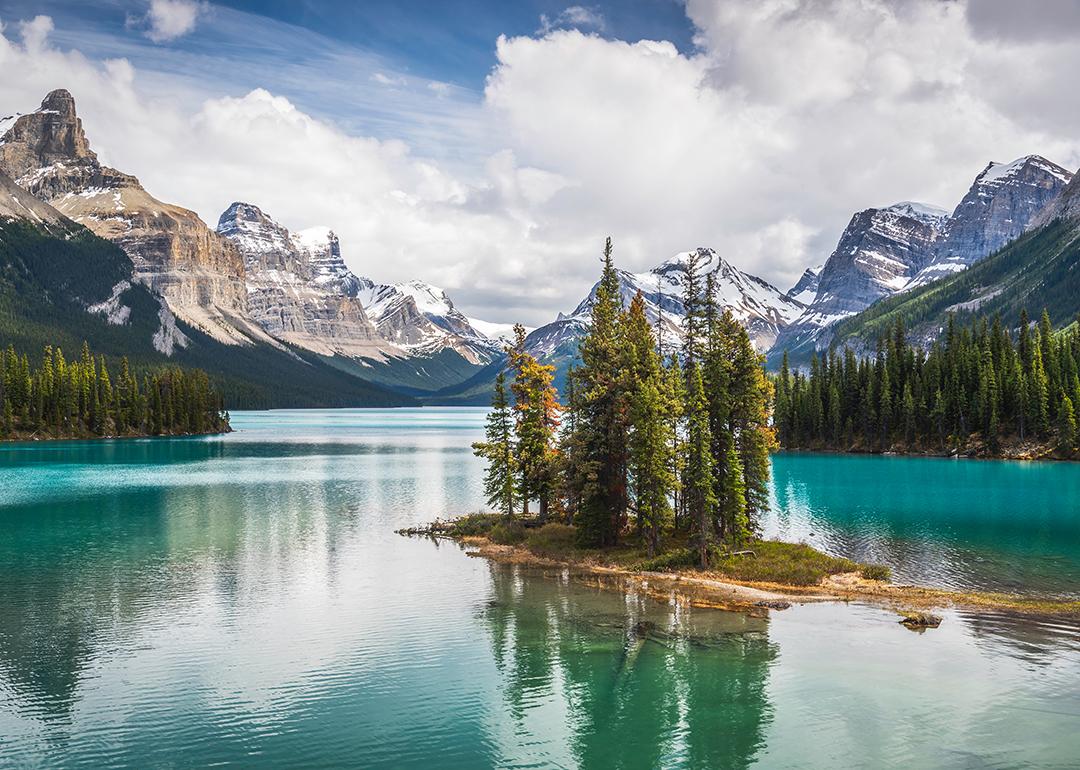
reports on how, as promised, the Canadian federal government is making it a little bit easier to access some of the most awe-inspiring landscapes in the country this summer, fulfilling the pledge Prime Minister Mark Carney made during April’s election campaign. From June 20 to Sept. 2, access to national parks and marine conservation areas administered by Parks Canada will be free as part of the . The pass, framed as part of the federal response to the ongoing trade war with the United States, aims to make it a bit more affordable for families to “choose Canada” this summer.
“Canada’s natural landscapes are a pillar of our identity and are vital for our well-being,” Nathalie Provost, the secretary of state for nature, said in a statement announcing the initiative.
The pass — a $70 million initiative — will also cut camping fees in national parks by 50%, and give children aged 17 and under free access to national museums and free travel on Via Rail. A federal spokesperson said the government will cover the lost revenue from park entry and camping fees.
Conservationists say they support the initiative, but want the government to ensure it protects wildlife and their habitats as well.
“When you add more people, it adds more pressure to these special places,” said Nadine Raynolds, the communities and coexistence program director with the Yellowstone to Yukon Conservation Initiative.
Yellowstone to Yukon calls for investment in park management, new protected areas to balance recreation and conservation
Raynolds, whose organization is working to protect the connected ecosystems of the Rocky Mountains, commended the federal government for taking steps to reduce the costs that can limit access to national parks. “Parks and protected areas really should be for everyone,” she said, adding that spending time in these areas “can foster a love for nature.”
But that must be balanced with care for nature itself. Too many people can force wildlife to abandon their habitats, she said. They sense “it’s not safe to eat there, it’s not safe to mate there, it’s not safe to sleep there because there are just too many people,” she explained.
Balancing human recreation with the needs of nature can be a particular challenge in popular areas like Banff National Park, which sees more than 4 million visitors each year.
In its latest , Banff’s high visitor numbers were highlighted as both “a source of pride” and “one of the park’s greatest challenges.” Protecting sensitive species like , mountain goats, and wolverines depends on managing the impacts of human use, the plan says, noting the park will focus on raising public awareness, minimizing human-wildlife conflict and improving habitat quality.
Alongside improving access to national parks, Raynolds said she hopes the federal government will also invest in better monitoring and management of protected areas. At the same time, she wants to see the government fulfill its international commitments to conserve . Establishing more parks and protected areas could help keep visitation levels sustainable by giving people more options, Raynolds suggested.
In the meantime, there are simple steps all of us can take to help limit our impact on sensitive species and ecosystems: Stay on the trail, pack out your trash, keep your dog on a leash, give wildlife space and stay out of any closed areas.
“I really hope people enjoy their summer out there and stay respectful and responsible to ensure that nature has its safe place as well,” Raynolds said.
‘Almost no limit to the mental and physical health benefits’ of spending time in nature
Dr. Melissa Lem, president of the Canadian Association of Physicians for the Environment, called the Canada Strong Pass a “great move.”
“There’s almost no limit to the mental and physical health benefits that you can see when you spend time outdoors in nature,” she said.
Research has found spending time in nature can reduce anxiety and depression, improve blood sugar levels, reduce cholesterol and improve heart disease and immune function, she said.
Lem advocates for spending regular time in nearby nature, like your local park. “But every so often, maybe once a month or once a season, going further afield into an even more biodiverse, nature-rich area can provide an even bigger dose of nature,” she said.
The challenge is “sometimes we can love nature to death,” she cautioned.
“I hope that in addition to people just excitedly heading outside, that they take time to learn and think about what it means to caretake these beautiful spaces that we have,” she said. And “hopefully, when people spend the summer connecting to these beautiful outdoor spaces that sustain our health, they will also be inspired to do something to protect the health of the planet.”
was produced by and reviewed and distributed by Â鶹ԭ´´.