States with the most untapped wind energy potential

Written by:
August 2, 2021
engel.ac // Shutterstock

States with the most untapped wind energy potential

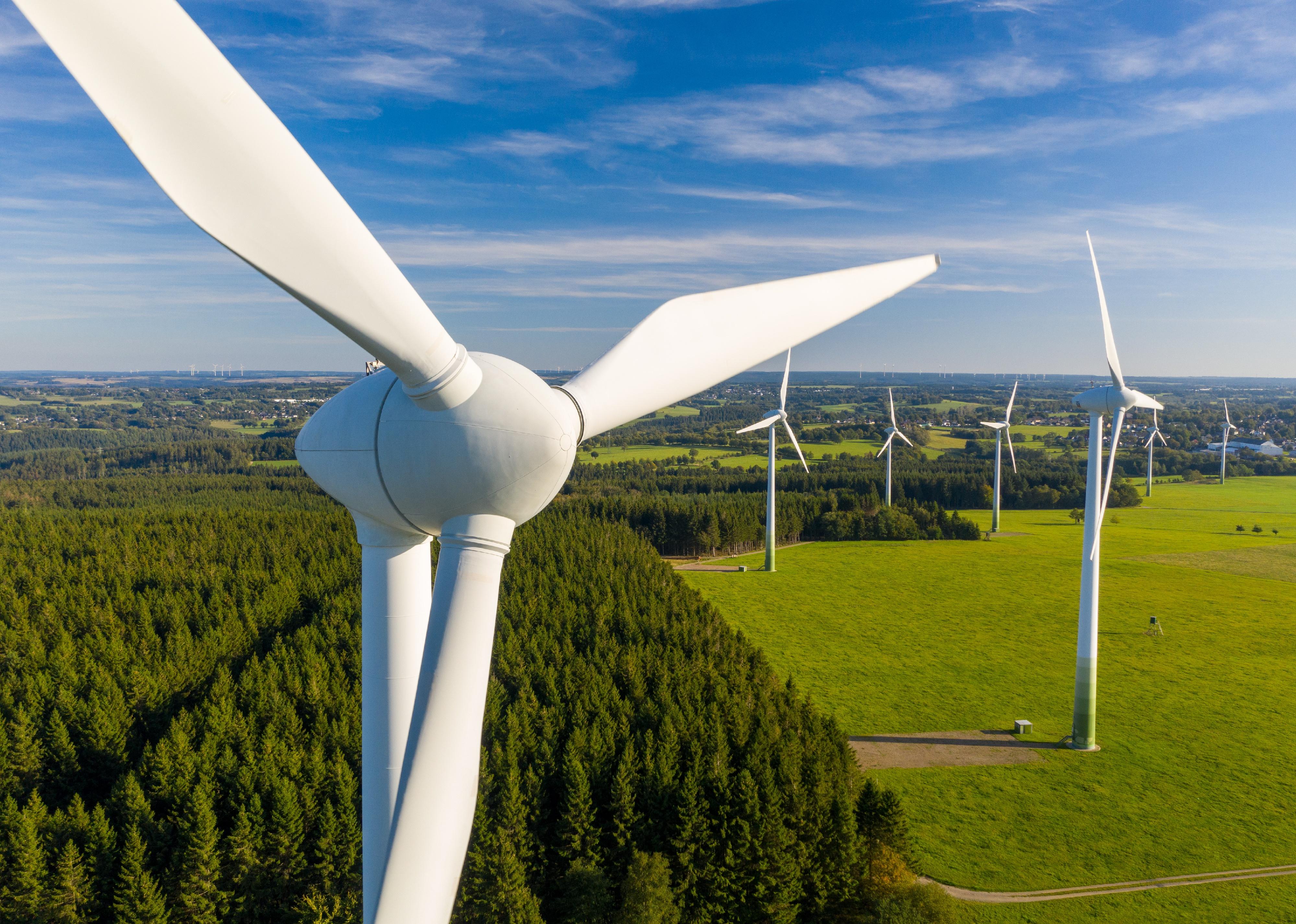
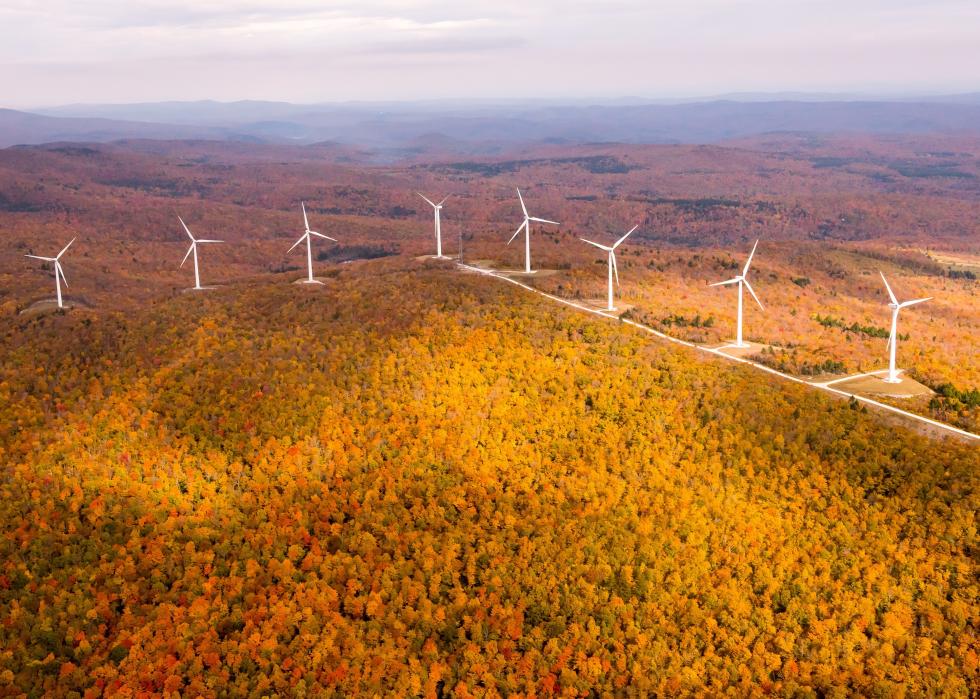
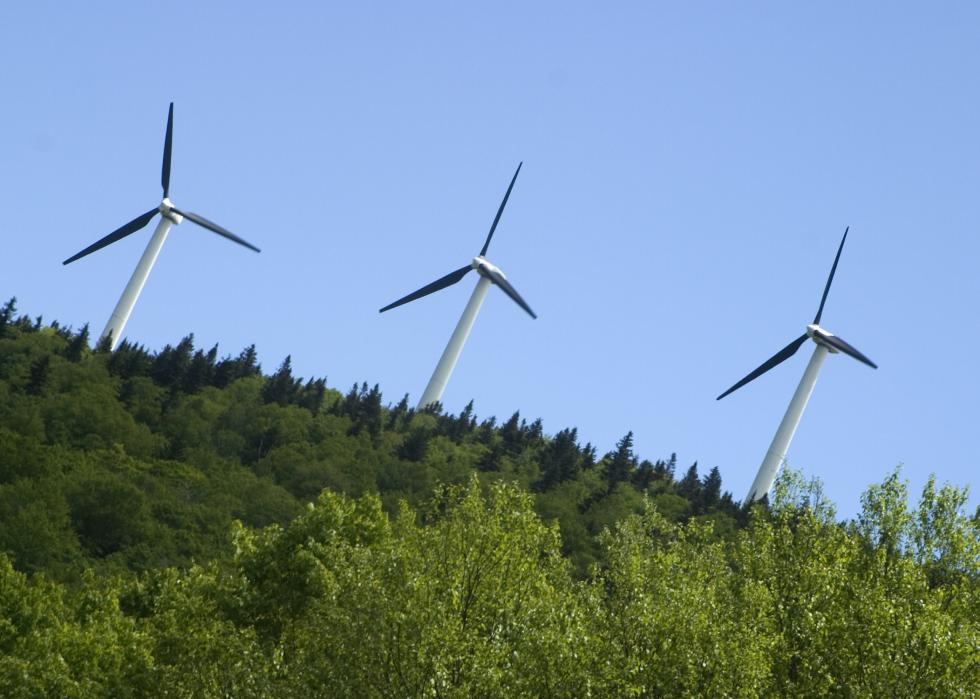
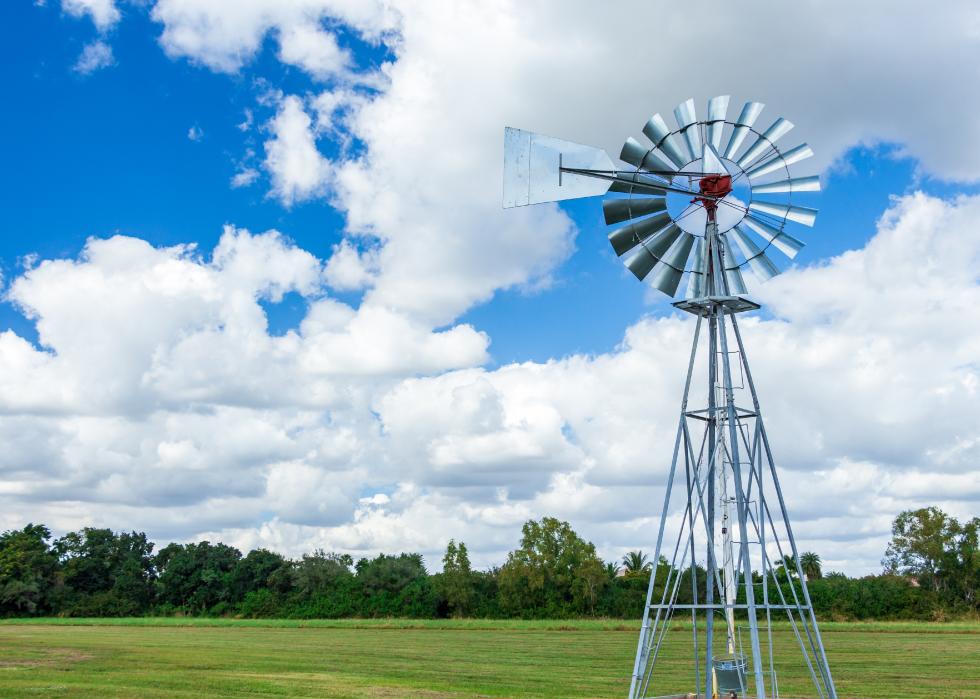
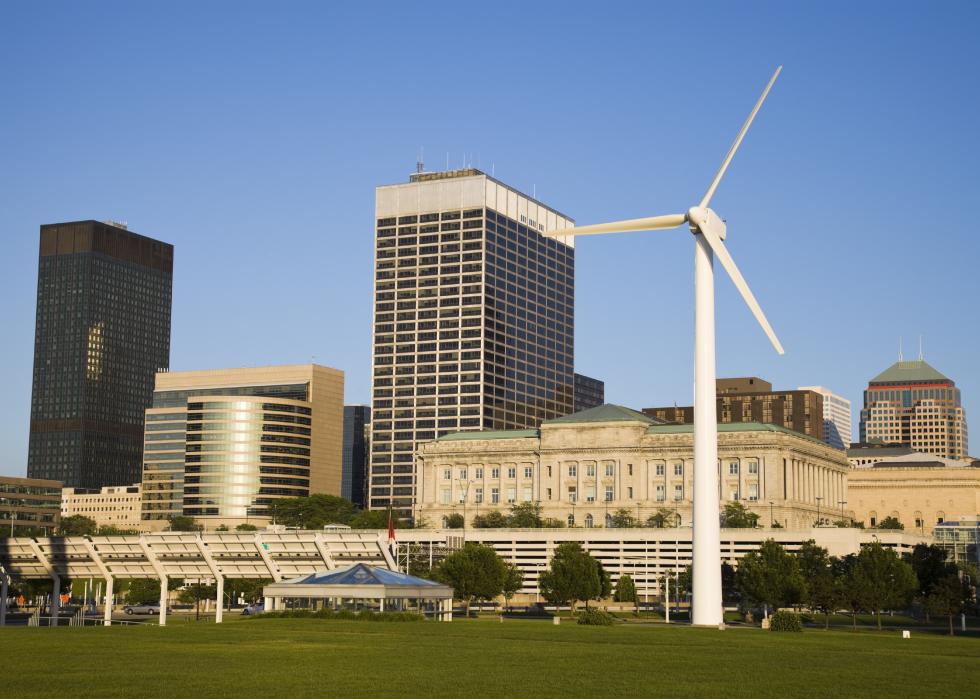
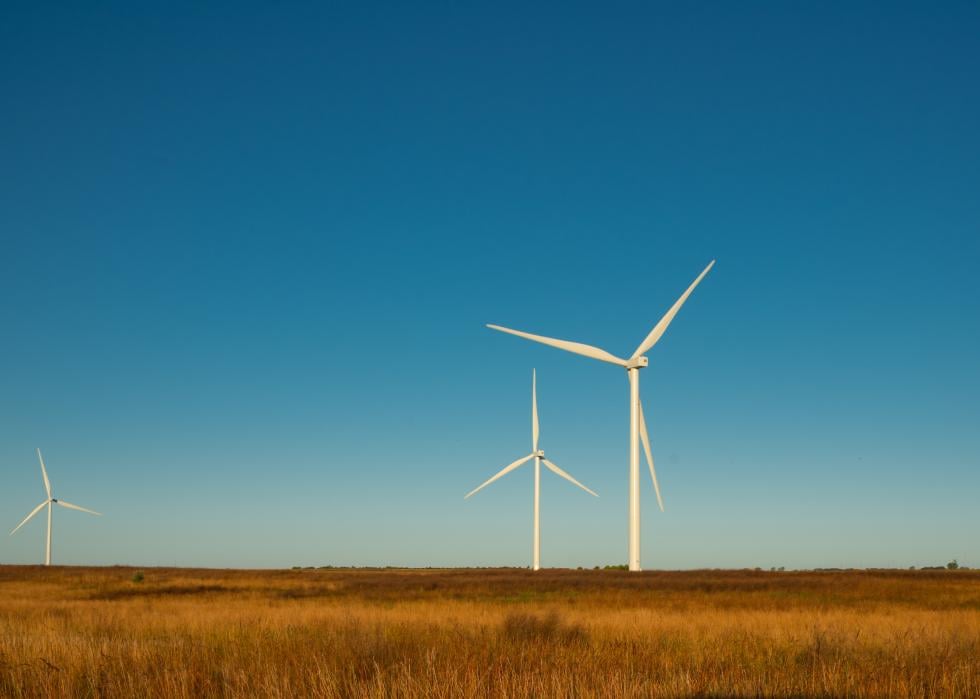
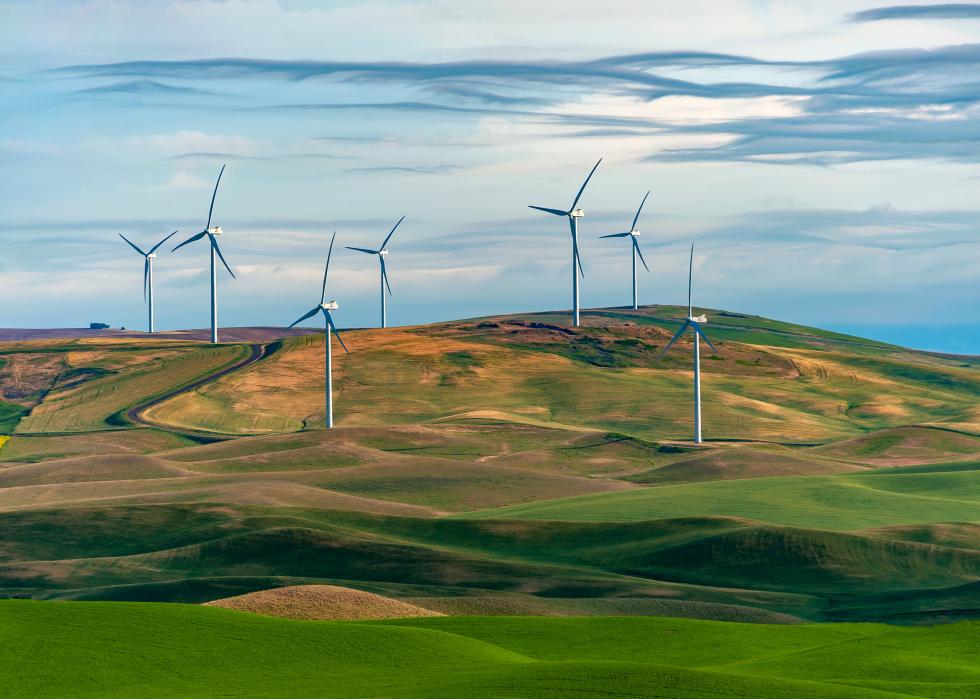
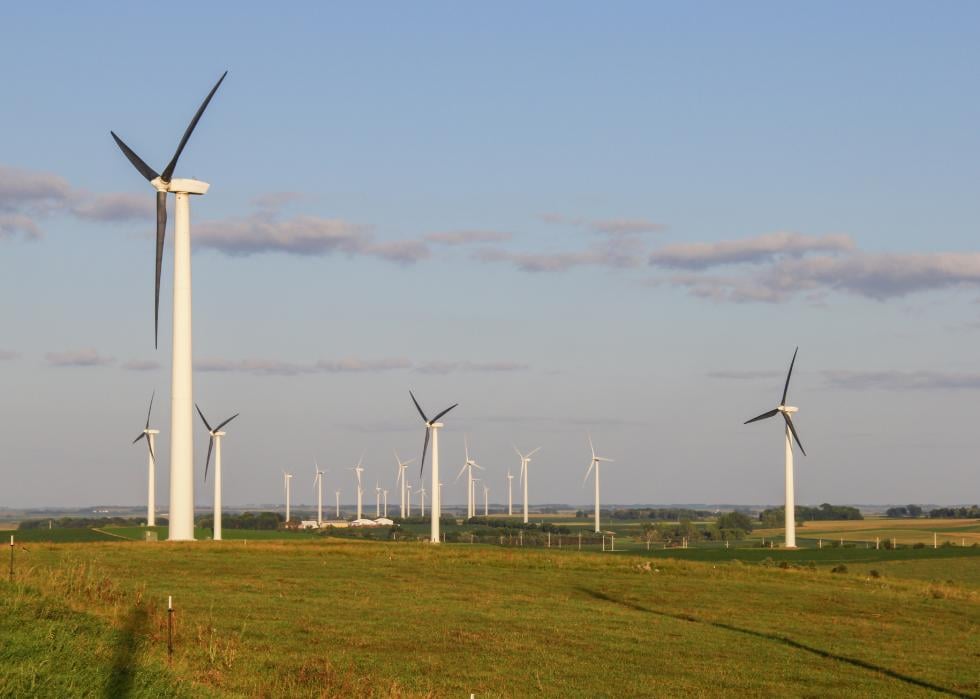
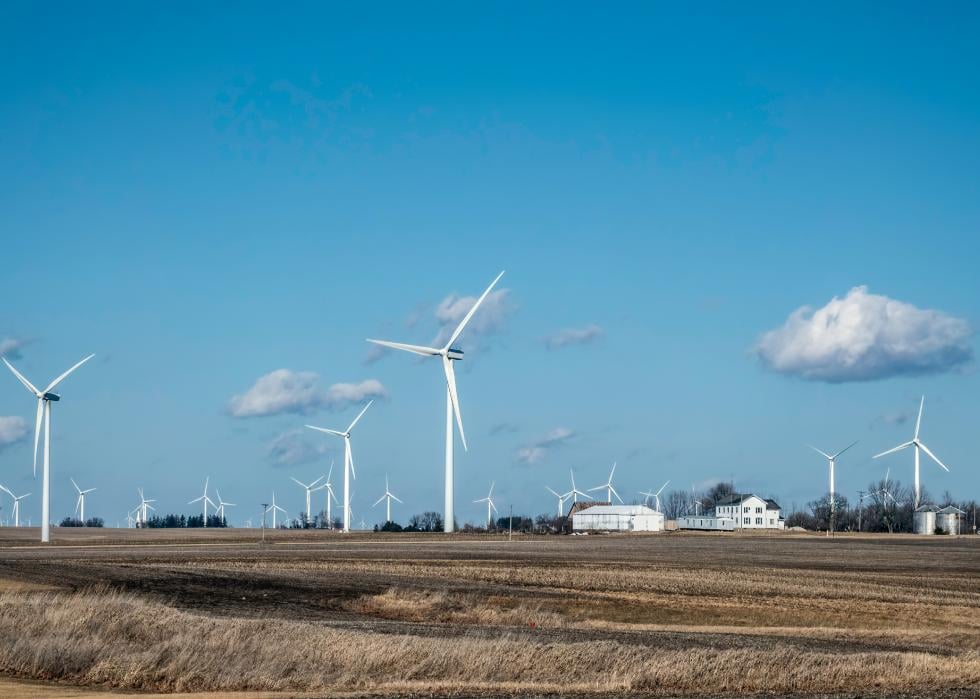
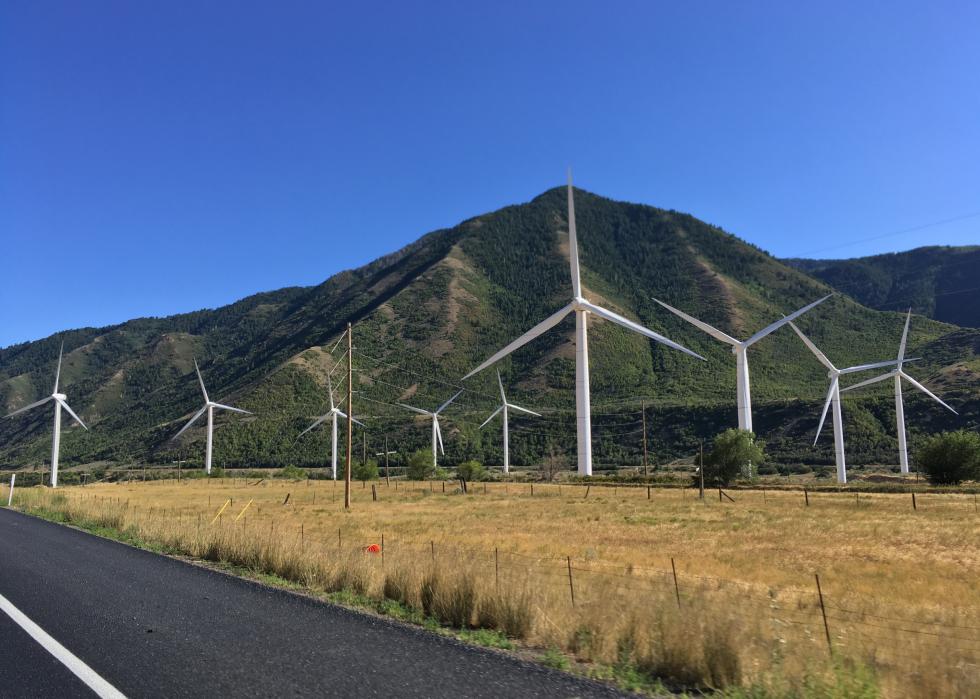
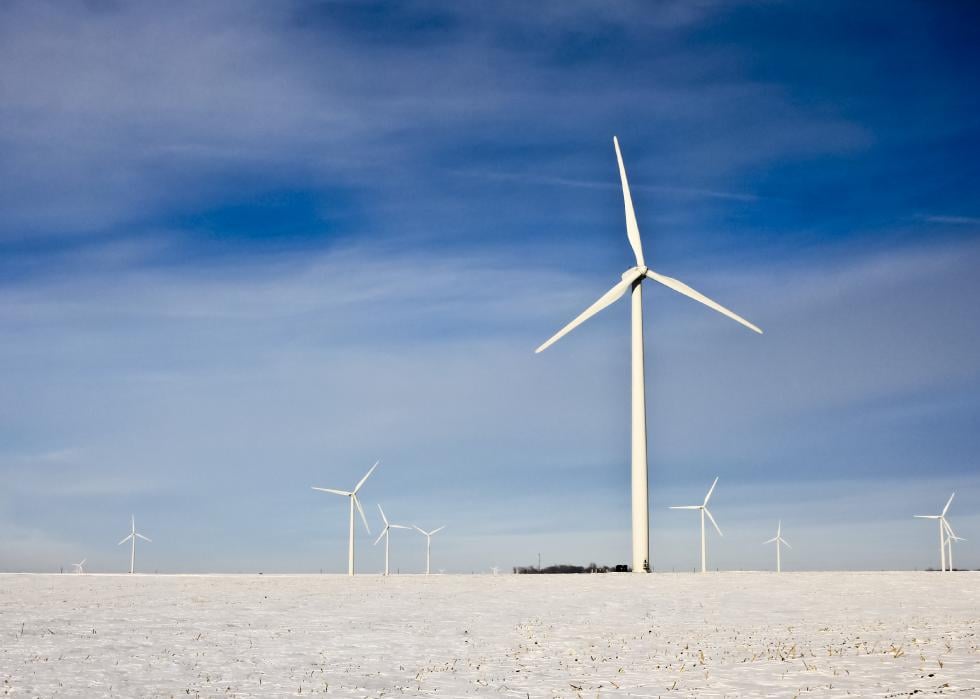
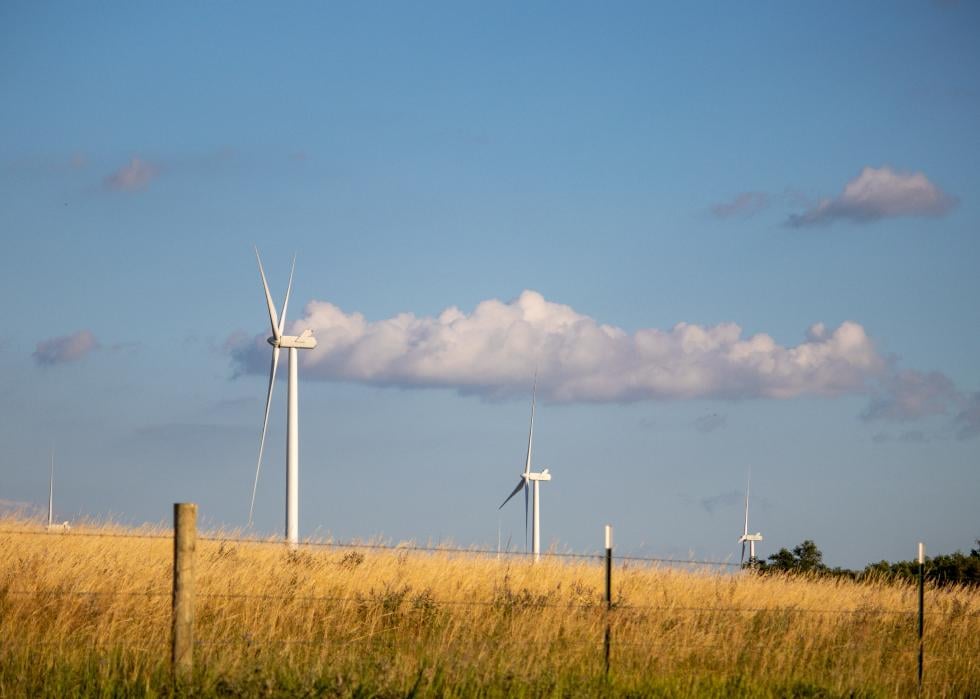
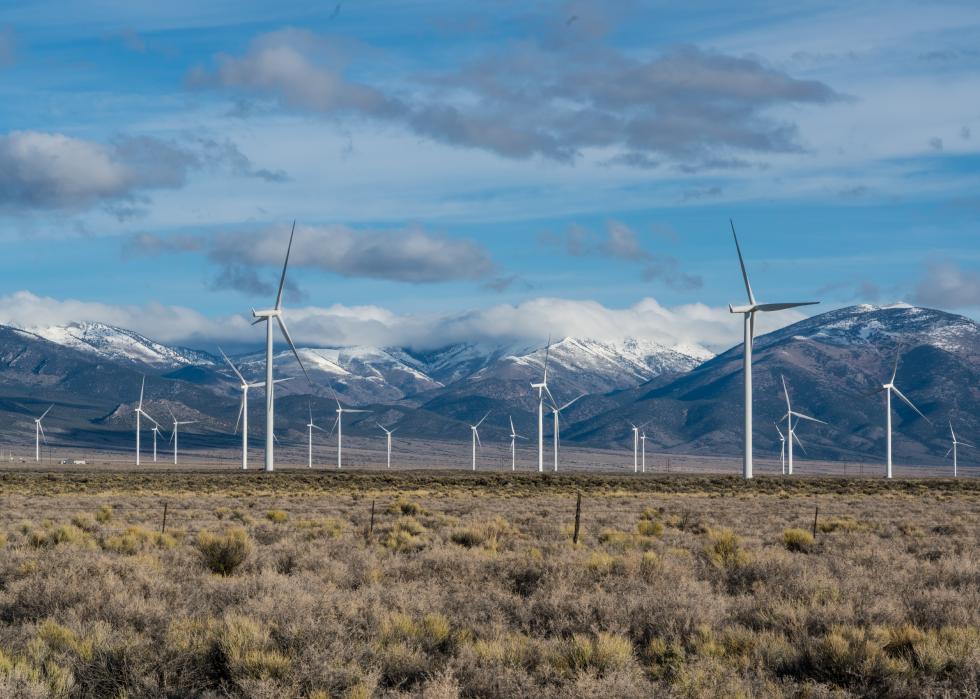
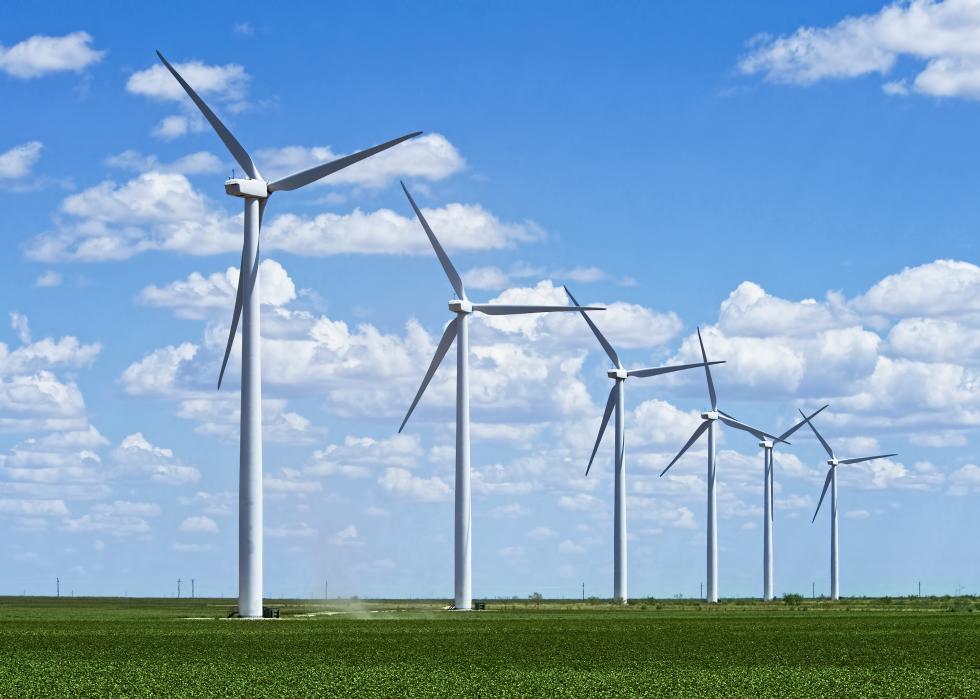
Wind power is generated when kinetic energy from turbine propellers is converted to mechanical energy.

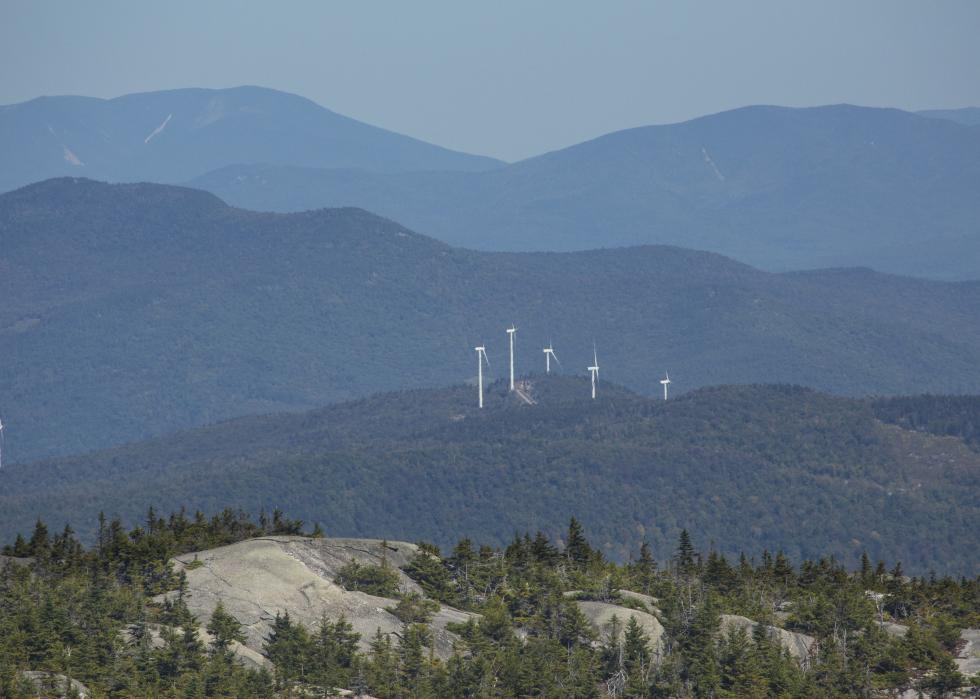
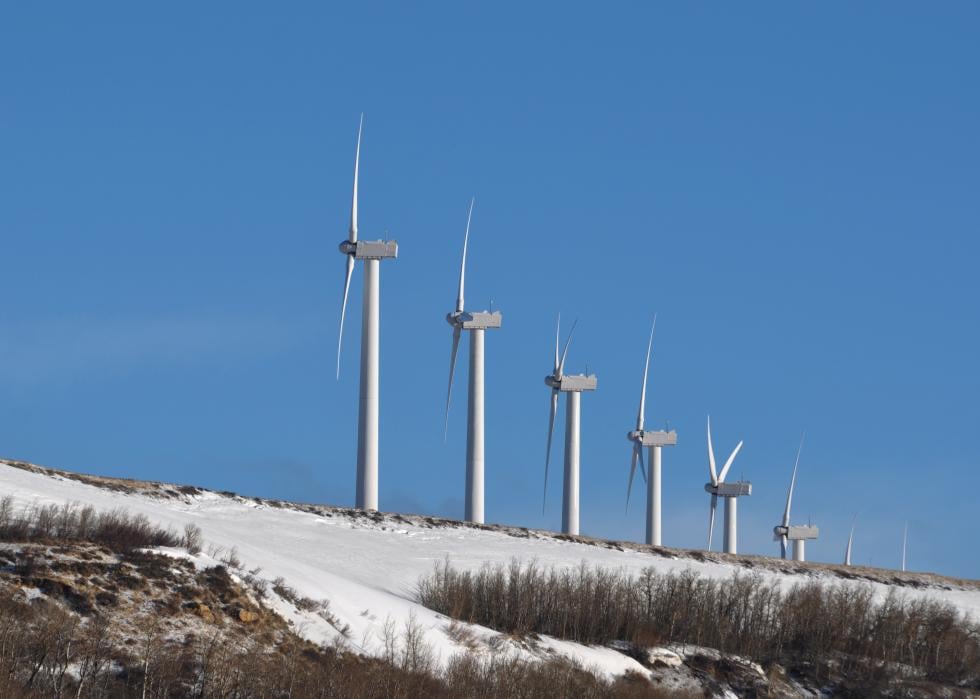
Even though wind isn't always present, turbines can still actively generate energy 90% of the time. Turbines typically need to be located at higher elevations, where winds tend to be steadier and stronger, but there are alternate ways to utilize wind energy alongside other renewable sources, as has been shown with projects in Oregon and Nevada. Turbines can also be placed on offshore floating platforms, as planned in California.

Nationally, the sets the intention to achieve carbon-free electricity by 2035, and wind is an obvious component in this game plan.

However, there has been pushback in response to aesthetic and , even though many are located miles offshore, and noise is less than that from a close-up, two-person conversation.

Statistics for the national capacity of wind energy in 2017, the most recent data available, stands at almost 85,000 megawatts, versus just short of 17,000 10 years earlier.

Comparatively, potential wind energy stands at 10,640,079 megawatts at 80 meters.

Many of the statistics noted here comment on the kilowatt capabilities of the different wind energy projects. For context, the U.S. Energy Information Administration reports that an (kWh) monthly, or more than 10,000 kWh annually.

One notable insight in this state-by-state review of wind energy is there is a dearth of wind energy in many southern states. in some regions, alongside solar energy availability that makes investment in a new form of renewable energy less appealing.

Using data from the (EERE), 麻豆原创 compared installed wind energy capacity in the continental U.S. to potential wind energy capacity. The EERE calculated wind energy potential through surveying wind patterns at 80 meters throughout the country and selecting suitable wind turbine locations, accounting for legal and technical factors. 麻豆原创 also utilized data from the to contextualize what percent of electricity generation is currently sourced from wind power in each state. 

Continue reading to learn what's happening near you in terms of wind power.

1 / 48
Diane Diederich // Shutterstock

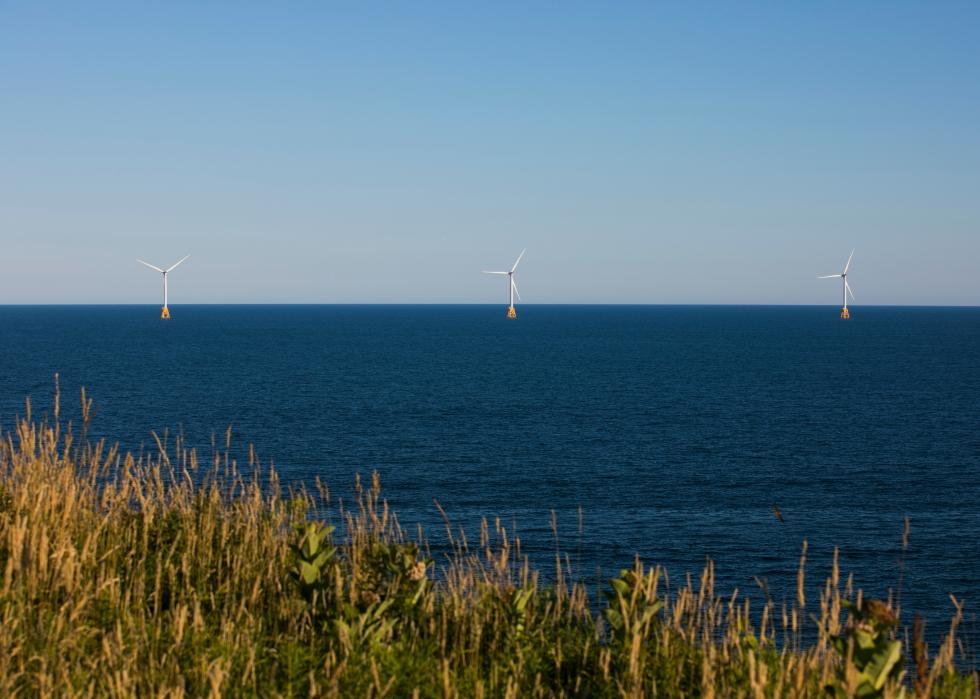
#48. Rhode Island

- Potential wind energy capacity: 192 megawatts
- Currently installed wind energy capacity: 75 megawatts
- Current wind energy generation as percent of state's electric grid: 2.9%

Rhode Island won鈥檛 be the only winner from $40 million in wind energy development in Providence: Power will also be delivered to New York and Connecticut. More than half of that investment is planned for a that will also bring 40 union jobs to the area.

The state鈥檚 governor vetoed a bill in July 2021 that would have that provides most of the state鈥檚 power from gas and electricity.

2 / 48
Khairil Azhar Junos // Shutterstock

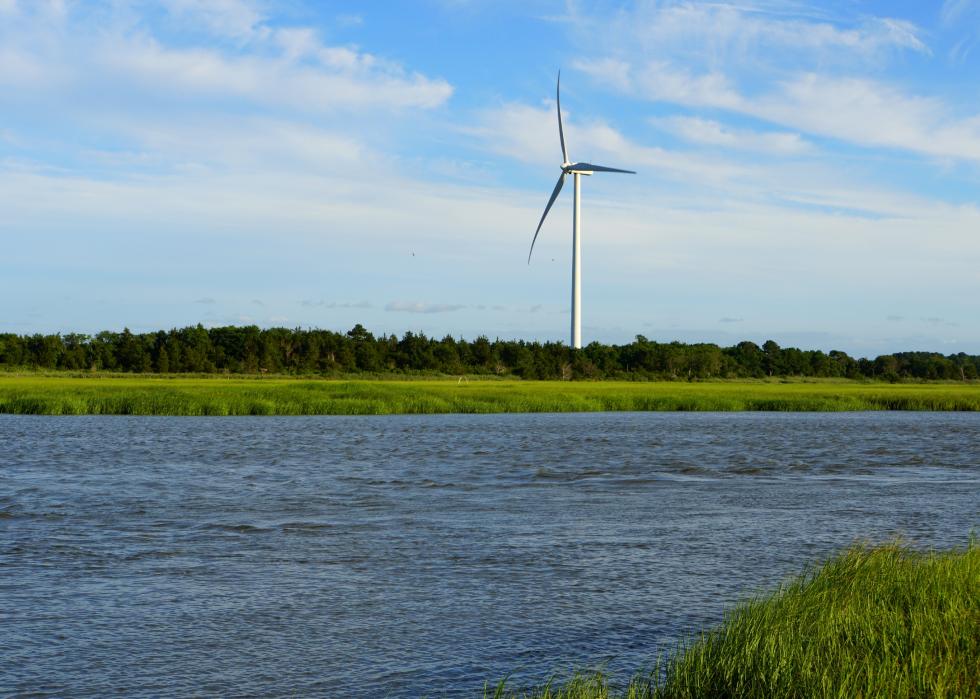
#47. Delaware

- Potential wind energy capacity: 755 megawatts
- Currently installed wind energy capacity: 2 megawatts
- Current wind energy generation as percent of state's electric grid: 0.1%

Delaware has experienced pushback against wind energy in the region. Residents don鈥檛 mind the technology, but some object to the size of the turbines and want to see them offshore due to the , shoreline property owners, and wildlife.

The major wind energy developer in the area efforts.

With the last scheduled to close in Delaware in 2022, the state is exploring different energy options and has made a of its power from renewable sources by 2035.

3 / 48
Gary Paul Lewis // Shutterstock

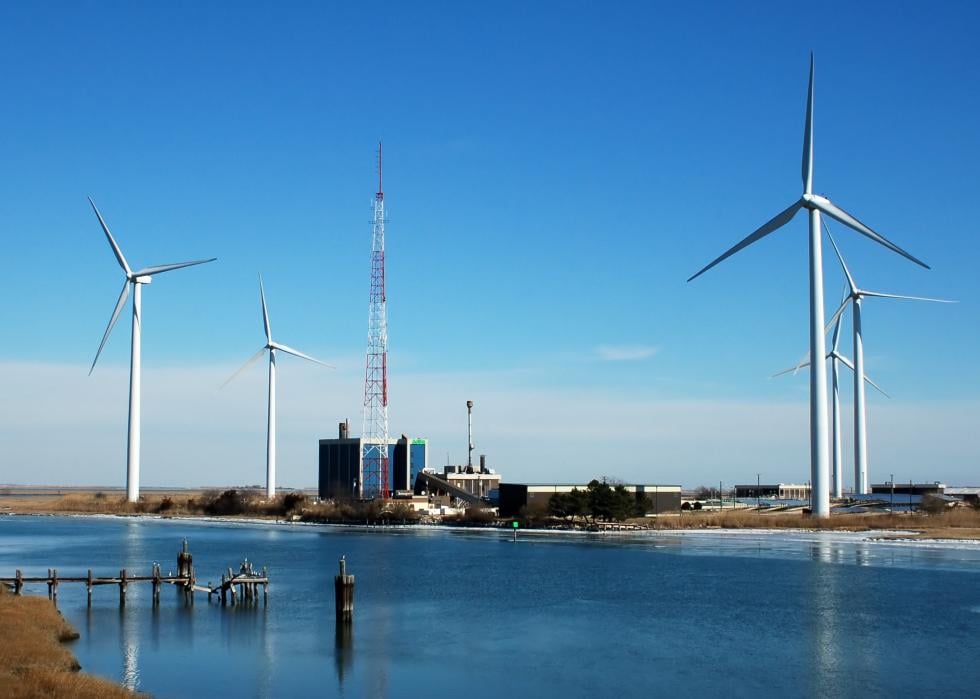
#46. New Jersey

- Potential wind energy capacity: 945 megawatts
- Currently installed wind energy capacity: 9 megawatts
- Current wind energy generation as percent of state's electric grid: 0%

The benefits of wind energy are being somewhat overshadowed in New Jersey over 15 miles from the Atlantic City shore that will extend more than 850 feet above the surface of the water.

General Electric, which developed the technology, reminds locals that one positive impact is the annual reduction in emissions is equivalent to removing 10,000 cars from the roads.

The project will also power 500,000 homes and help the state reach its by 2050.

4 / 48
Shanshan0312 // Shutterstock

#45. Connecticut

- Potential wind energy capacity: 1,679 megawatts
- Currently installed wind energy capacity: 5 megawatts
- Current wind energy generation as percent of state's electric grid: 0%

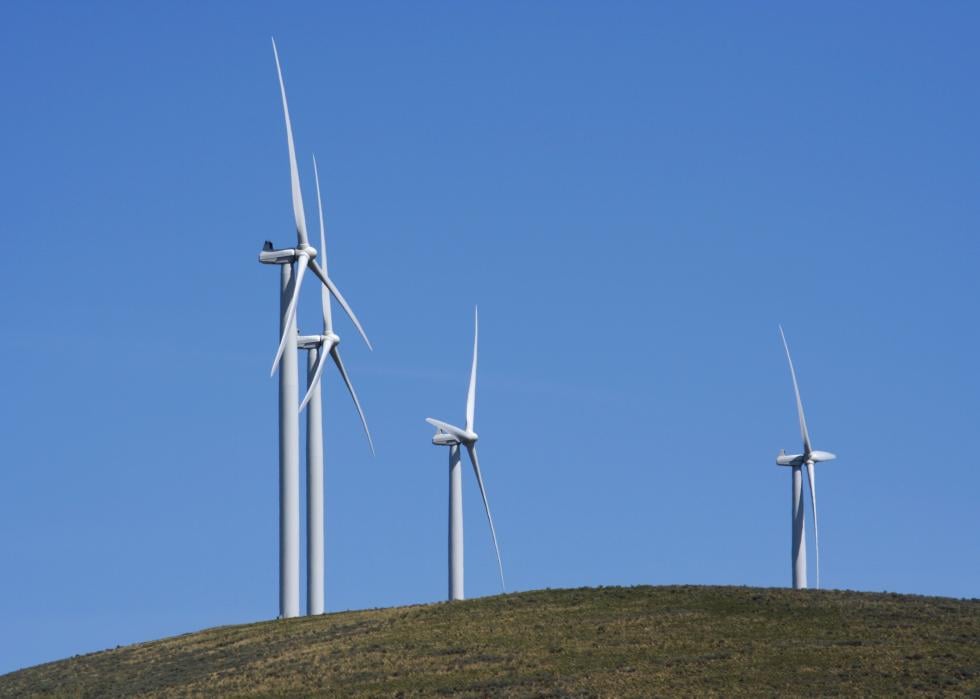
Connecticut has committed to reaching its goal of sourcing , and offshore wind farms are a major component of that plan. The of the state鈥檚 power.
5 / 48
Dene' Miles // Shutterstock

#44. Massachusetts

- Potential wind energy capacity: 4,749 megawatts
- Currently installed wind energy capacity: 120 megawatts
- Current wind energy generation as percent of state's electric grid: 1.5%

Massachusetts was an development, but neighboring states are ramping up the construction of onshore infrastructure to support the industry. The state has plans to increase wind energy procurements to 5,600 megawatts from the original plan for 1,800 megawatts.

6 / 48
Kim Howell // Shutterstock

#43. Maryland

- Potential wind energy capacity: 7,283 megawatts
- Currently installed wind energy capacity: 191 megawatts
- Current wind energy generation as percent of state's electric grid: 1.5%

脴rsted Offshore North America, the green energy company responsible for wind energy expansion in Rhode Island, submitted a bid in July 2021 to develop a that would deliver 760 megawatts of energy. This would be their second project in the area. Between the two, power would be delivered to almost 300,00 homes in the area.

The state plans to source half of its power via renewable energy sources, including wind, by 2030.

7 / 48
Jeff Holcombe // Shutterstock

#42. New Hampshire

- Potential wind energy capacity: 12,661 megawatts
- Currently installed wind energy capacity: 214 megawatts
- Current wind energy generation as percent of state's electric grid: 3.1%

Nearby neighbors are frustrated with the visual and auditory , even though noise is below state limits. One person compared the sound to 鈥渁 jet airplane in the distance,鈥 noting that he could still hear the sound without his hearing aids.

State policymakers, however, intend to .

Unions in the state are seeing member interest in wind energy projects, and they want to ask the state for a requirement that future projects utilize New Hampshire labor.

8 / 48
Michael Levy // Shutterstock

#41. Vermont

- Potential wind energy capacity: 22,193 megawatts
- Currently installed wind energy capacity: 149 megawatts
- Current wind energy generation as percent of state's electric grid: 16.2%

Education and local municipalities in Vermont both benefit from wind energy projects. Each receives more than $1 million annually from this renewable source of energy.

Despite this, elected officials and citizens alike have pushed back against new wind energy development, stating some of the voiced by other states. Governor Phil Scott even included opposition to the energy source in his campaign platform.

9 / 48
Holly Guerrio // Shutterstock

#40. Florida

- Potential wind energy capacity: 38,245 megawatts
- Currently installed wind energy capacity: 0 megawatts
- Current wind energy generation as percent of state's electric grid: 0%

Florida has experimented with wind energy on a very small scale鈥攁s in creating turbines to power electric cars鈥攂ut the state hasn鈥檛 yet embraced the full capabilities of this energy source. This is mostly because winds in the state don鈥檛 generate enough consistent force, so the only workaround is to use above the landscape鈥攖he types that have faced opposition in other states.

However, the state is exploring using turbines with ocean currents to generate energy.

10 / 48
Tracey Patterson // Shutterstock

#39. South Carolina

- Potential wind energy capacity: 41,709 megawatts
- Currently installed wind energy capacity: 0 megawatts
- Current wind energy generation as percent of state's electric grid: 0%

Though South Carolina is behind in terms of installed wind energy capacity, a needed to power offshore wind farms in the U.S. and worldwide.

to avoid the catastrophe faced by Texas when freezing temperatures shut down wind turbines in the Lone Star State in February 2021. The governor asked power companies to investigate the capabilities of the state's power grid.

11 / 48
William A. Morgan // Shutterstock

#38. Louisiana

- Potential wind energy capacity: 56,729 megawatts
- Currently installed wind energy capacity: 0 megawatts
- Current wind energy generation as percent of state's electric grid: 0%

A to build wind turbines being used in Rhode Island, and the southern state is exploring how to create jobs and revenue by developing its own wind farms.

The state is getting help from the federal government, as of June 2021, the to assess the interest of private companies in developing offshore wind projects in the Gulf states.

12 / 48
Adam Parent // Shutterstock

#37. West Virginia

- Potential wind energy capacity: 69,098 megawatts
- Currently installed wind energy capacity: 742 megawatts
- Current wind energy generation as percent of state's electric grid: 3.3%

After decades of relying on coal, West Virginia started construction in early 2021 on a $200 million wind farm that will .

The shift in focus is also expected to help the state鈥檚 struggling coal industry, which lost one-third of its jobs in a nine-year period ending in 2019. By 2030, wind energy is expected to bring over 1,000 full-time jobs to the state.

West Virginia will also be contributing to the advancement of wind energy elsewhere, as are being produced for projects in the Atlantic region.

13 / 48
Danita Delimont // Shutterstock

#36. Maine

- Potential wind energy capacity: 69,797 megawatts
- Currently installed wind energy capacity: 996 megawatts
- Current wind energy generation as percent of state's electric grid: 24%

The governor of Maine is a strong proponent of wind energy but signed a bill in July 2021 after . Some went as far as related to a planned turbine, while others participated in an 80-boat protest.

However, the state can still benefit from the renewable energy source by siting wind farms farther out, in federal waters. A compromise is being considered that would place a site somewhere between 20 and 40 miles from the Maine coast, which includes a .

14 / 48
Kate Scott // Shutterstock

#35. North Carolina

- Potential wind energy capacity: 77,643 megawatts
- Currently installed wind energy capacity: 208 megawatts
- Current wind energy generation as percent of state's electric grid: 0.4%

A could power 700,000 residences by generating 2,500 megawatts. The wind farm would be sited 27 miles from shore, which would likely reduce the level of complaints by citizens and some industries that have been seen in other states, where developments were planned much closer to shore.

Other expected hurdles for the development are related to regulations and financing鈥攖he state needs to prove it can sell energy generated by the project in order to secure funds.

15 / 48
MichaelAnthonyPhotos // Shutterstock

#34. Michigan

- Potential wind energy capacity: 81,311 megawatts
- Currently installed wind energy capacity: 2,681 megawatts
- Current wind energy generation as percent of state's electric grid: 6.4%

to include wind energy from eight turbines sited on their property. The turbines are part of a 130-turbine development that is expected to deliver electricity to 120,000 homes and provide tax revenue for the region.

Ford Motor Company, General Motors, and the University of Michigan are among the as a power source for their operations.

the electric power used by residential customers in the state in 2019, according to a report from the National Renewable Energy Laboratory.


16 / 48
Andriy Blokhin // Shutterstock

#33. Virginia

- Potential wind energy capacity: 89,119 megawatts
- Currently installed wind energy capacity: 0 megawatts
- Current wind energy generation as percent of state's electric grid: 0%

Would-be wind turbine technicians are able to train for the profession at a Virginia trade school, in a 12-month immersion program, which includes hands-on training in climbing, rappelling, rigging, and rescuing. Graduates will be prepared for up to 5,000 wind energy jobs forecast for the region. The school, situated in Norfolk, has the strong support of the city鈥檚 mayor.

A is already generating power in the area.

17 / 48
Bruce MacQueen // Shutterstock

#32. New York

- Potential wind energy capacity: 91,648 megawatts
- Currently installed wind energy capacity: 1,987 megawatts
- Current wind energy generation as percent of state's electric grid: 3.8%

Unlike those in Texas, by utilizing technology that helps to prevent ice buildup on turbine blades and detects and removes ice when it can鈥檛 be prevented.

Given Gov. Andrew Cuomo鈥檚 plans to create the , and an "energy superhighway" to expedite distribution, the state will need to count on those types of tools to reach those goals. Six million homes will be served by the plan when completed.

In addressing issues that have arisen in other states about the aesthetic impact of turbines, Cuomo assured, 鈥淒on鈥檛 worry, neither [project] will be visible from the shore.鈥

18 / 48
Levan Javakhishvili // Shutterstock

#31. Georgia

- Potential wind energy capacity: 93,639 megawatts
- Currently installed wind energy capacity: 0 megawatts
- Current wind energy generation as percent of state's electric grid: 0%

Since Georgia currently has no capacity for wind energy, the state has plenty of potential for increasing access to this type of renewable energy. The state can utilize onshore development on mountain ranges or offshore projects along the Atlantic coastline, according to the U.S. Energy Information Administration.

A report from Environment Georgia Research & Policy Center and Frontier Group noted the state could than it used in 2019. Given the usual discrepancy between what the state can generate and what it uses, this is significant.

19 / 48
Christina Richards // Shutterstock

#30. Pennsylvania

- Potential wind energy capacity: 108,946 megawatts
- Currently installed wind energy capacity: 1,459 megawatts
- Current wind energy generation as percent of state's electric grid: 1.7%

from the Republican-led Pennsylvania legislature, which claims consumers and the private sector need to push for changes.

Beyond that, the state is losing renewable energy jobs, including those at an . The company had operated at that location for 10 years but is now moving operations to Mexico.

Only 4% of Pennsylvania鈥檚 electricity needs are met by renewable energy, but of that amount, .

20 / 48
Henry C Jorgenson // Shutterstock

#29. Wisconsin

- Potential wind energy capacity: 114,314 megawatts
- Currently installed wind energy capacity: 746 megawatts
- Current wind energy generation as percent of state's electric grid: 2.9%

One advocate for renewable power in Wisconsin noted  for farmers and other landowners, with no responsibility for maintenance. Smaller projects in the state are also not subject to the creation of environmental impact statements or public comments and review processes.

Renew Wisconsin reports there are 435 wind turbines in the state, which are capable of powering 172,000 homes.

21 / 48
traveler jordan // Shutterstock

#28. Mississippi

- Potential wind energy capacity: 114,539 megawatts
- Currently installed wind energy capacity: 0 megawatts
- Current wind energy generation as percent of state's electric grid: 0%

Construction is scheduled for a 鈥檚 Tunica County, which will be supported with tax breaks from local government that reduce assessments from 15% to 8%. The $250 million project will power up to 7,000 homes and bring $800,000 in tax revenues to the area.

Local leaders are excited about the prospect of , which has been dependent on gaming and agriculture, and they predict wind energy is one good option.

22 / 48
Nick Marks // Shutterstock

#27. Tennessee

- Potential wind energy capacity: 115,857 megawatts
- Currently installed wind energy capacity: 29 megawatts
- Current wind energy generation as percent of state's electric grid: 0.1%

Tennessee has only minimal wind generation, and in the state or its cities, according to WINDExchange. The state also has , which are designed to introduce higher education students to career options in the industry. And because the state also has , it鈥檚 likely that will provide advocates with the most options to increase installed capacity.

But wind energy is becoming more sustainable in Tennessee after the University of Tennessee learned how to into composites that can be used in vehicles, sports equipment, and components for other types of renewable energy development.

23 / 48
Kenneth Keifer // Shutterstock

#26. Indiana

- Potential wind energy capacity: 118,388 megawatts
- Currently installed wind energy capacity: 2,968 megawatts
- Current wind energy generation as percent of state's electric grid: 7.3%

Indiana is currently struggling between of project development, but progress is being made at the state level, and it would negate county-level rules. The state now ranks 12th nationwide for installed energy capacity.

Because the industry generates , more in the state are favoring more development.

Elected officials are exploring legislation that would define how close projects could be sited to power lines and other projects.

24 / 48
Henryk Sadura // Shutterstock

#25. Ohio

- Potential wind energy capacity: 119,128 megawatts
- Currently installed wind energy capacity: 864 megawatts
- Current wind energy generation as percent of state's electric grid: 1.9%

for wind energy in Ohio, even as the Biden administration pushes for renewable options. A state bill reduces鈥攖hen eliminates鈥攔enewable portfolio standards. Setback requirements in place for seven years hamper new project development and have resulted in significant rollbacks in the number of turbines and expected power generation for a current project.

25 / 48
Shackleford Photography // Shutterstock

#24. Alabama

- Potential wind energy capacity: 142,886 megawatts
- Currently installed wind energy capacity: 0 megawatts
- Current wind energy generation as percent of state's electric grid: 0%


Alabama will be one of the beneficiaries as the Biden administration researches . Even though the state has no installed capacity for wind energy, there is due to the creation of components used to generated wind energy.

26 / 48
J K Laws // Shutterstock

#23. Kentucky

- Potential wind energy capacity: 150,957 megawatts
- Currently installed wind energy capacity: 0 megawatts
- Current wind energy generation as percent of state's electric grid: 0%

as one way to power the La Quinta Inn in Louisville via renewable energy. Ultimately, the hotel expects to generate 25% more of its energy needs via wind and solar options.

But state and local governments are still lagging, with in the works.

27 / 48
Konoplytska // Shutterstock

#22. Arkansas

- Potential wind energy capacity: 162,330 megawatts
- Currently installed wind energy capacity: 0 megawatts
- Current wind energy generation as percent of state's electric grid: 0%

The Arkansas Electric Cooperative Corporation has for a wind-generated agency, even though the state has no current wind projects. The of wind farms is in the Ozark Mountains in the northwest part of the state, according to the U.S. Energy Information Administration.

28 / 48
Edmund Lowe Photography // Shutterstock

#21. Washington

- Potential wind energy capacity: 174,223 megawatts
- Currently installed wind energy capacity: 3,395 megawatts
- Current wind energy generation as percent of state's electric grid: 7.3%

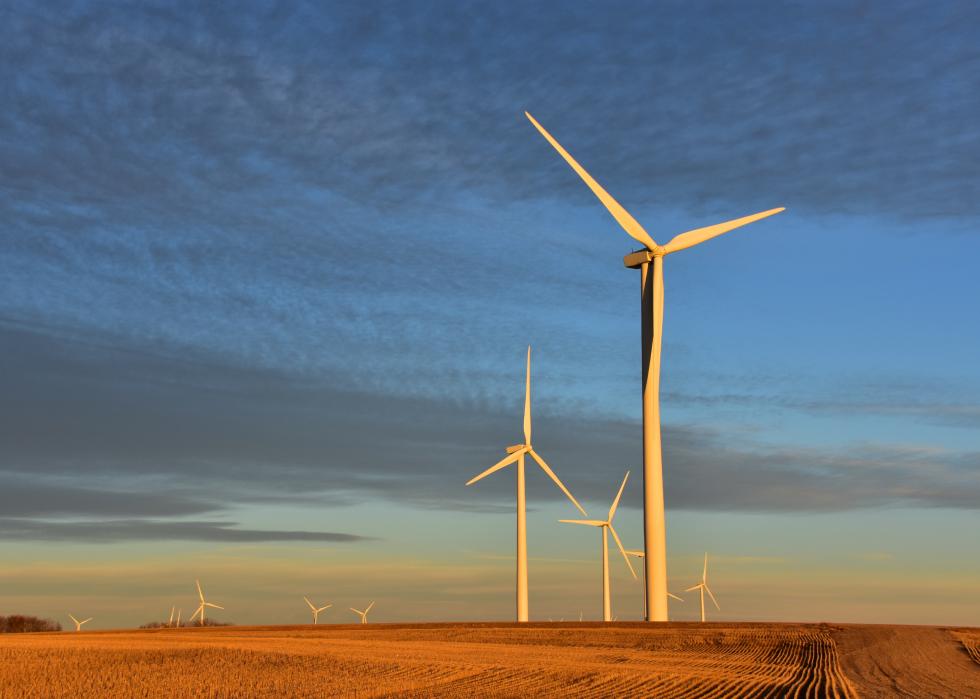
Twenty wind farms generate power in Washington state. The in the middle of the state has its own visitor center. Others in the southern part of the state are run by the utility Puget Sound Energy.
29 / 48
PBouman // Shutterstock

#20. Minnesota

- Potential wind energy capacity: 182,826 megawatts
- Currently installed wind energy capacity: 4,299 megawatts
- Current wind energy generation as percent of state's electric grid: 21.6%

in Minnesota are powered by wind-generated energy. The state ranks in the top-10 nationwide for the percentage of power sourced from wind, and a has another wind farm in the works.

30 / 48
Ken Schulze // Shutterstock

#19. Illinois

- Potential wind energy capacity: 191,349 megawatts
- Currently installed wind energy capacity: 6,409 megawatts
- Current wind energy generation as percent of state's electric grid: 9.9%


Illinois not only powers over 1.2 million homes via wind energy but, it's home to that create products for the industry. The state is also investing millions to create more capacity and maintain existing farms.

31 / 48
Edward Bruns // Shutterstock

#18. Idaho

- Potential wind energy capacity: 212,830 megawatts
- Currently installed wind energy capacity: 973 megawatts
- Current wind energy generation as percent of state's electric grid: 14.2%

is available to pre-college students: There are seven high schools involved with the Wind for Schools Project. Those who want to continue their education can attend three state colleges and universities. One proposed wind farm would and power 300,000 homes.

32 / 48
M Outdoors // Shutterstock

#17. Utah

- Potential wind energy capacity: 277,746 megawatts
- Currently installed wind energy capacity: 391 megawatts
- Current wind energy generation as percent of state's electric grid: 2.2%

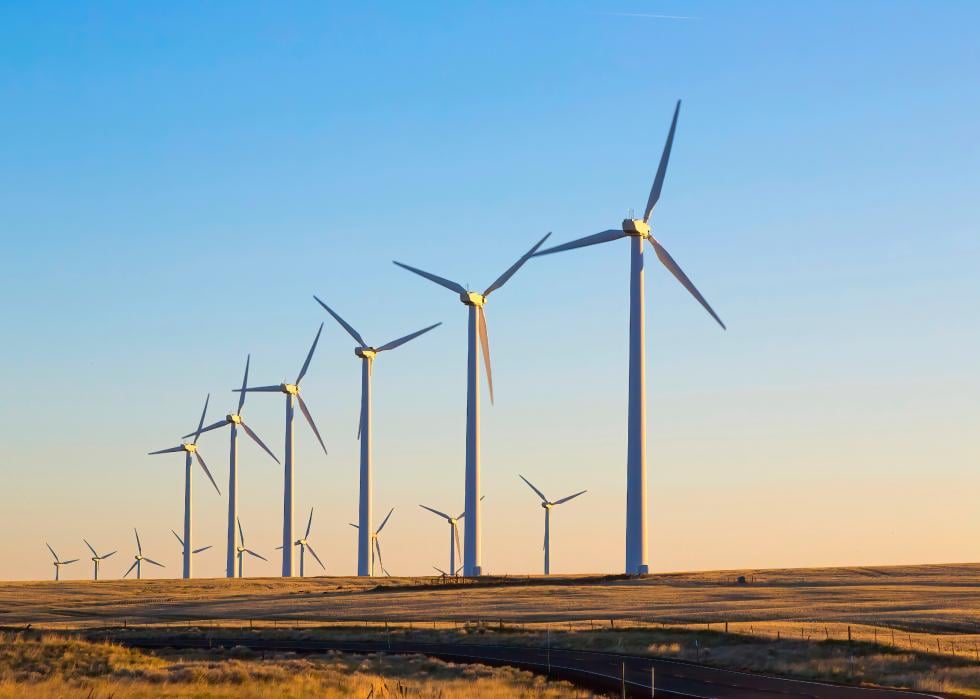
One of the benefits of wind energy as Utah and other states face droughts is A Utah State University professor noted shifting to wind, along with solar, could save billions of water in the state each year.
33 / 48
MaxMaximovPhotography // Shutterstock

#16. Missouri
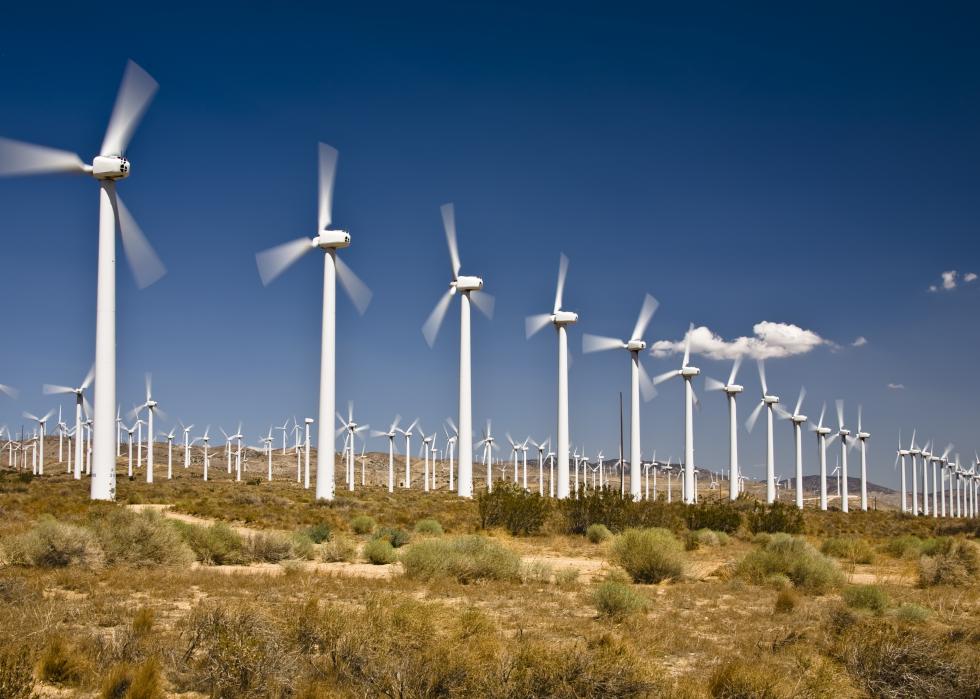
- Potential wind energy capacity: 278,695 megawatts
- Currently installed wind energy capacity: 1,987 megawatts
- Current wind energy generation as percent of state's electric grid: 4.7%

Missouri is home to the that operates solely on wind energy. Meanwhile, the state鈥檚 Buchanan County voted to in 2020.

34 / 48
Jim Cork // Shutterstock

#15. Iowa

- Potential wind energy capacity: 279,568 megawatts
- Currently installed wind energy capacity: 11,660 megawatts
- Current wind energy generation as percent of state's electric grid: 57.5%

of the Midwestern state鈥檚 power is generated via wind.

Iowa is also home to a , who find bats killed by the turbines. Experts say there are ways to mitigate danger to wildlife鈥攐ne of the nationwide concerns about wind power鈥攊ncluding temporarily idling the machines, or using ultrasonic white noise.

35 / 48
northlight // Shutterstock

#14. North Dakota

- Potential wind energy capacity: 296,084 megawatts
- Currently installed wind energy capacity: 3,989 megawatts
- Current wind energy generation as percent of state's electric grid: 30.8%

dot the North Dakota landscape.


As the state explores more wind development, one of the challenges has been of coal and wind energy advocates. Several counties have imposed moratoriums on new wind farms.

36 / 48
Loyd Towe Photography // Shutterstock

#13. Oregon

- Potential wind energy capacity: 297,334 megawatts
- Currently installed wind energy capacity: 3,737 megawatts
- Current wind energy generation as percent of state's electric grid: 13.2%

in Oregon is generated via wind, and the state has a mandating that 50% of electricity come from renewable sources by 2040.

One project focused on that goal is the Wheatridge Renewable Energy Facility, the first in the country to in batteries.

Another option, , could power two-thirds of the state鈥檚 homes.

37 / 48
Greg Randles // Shutterstock

#12. California

- Potential wind energy capacity: 303,376 megawatts
- Currently installed wind energy capacity: 5,922 megawatts
- Current wind energy generation as percent of state's electric grid: 7%

Currently, wind turbines are nearly all throughout the state, and that can fearlessly scale traditional turbines.

are the focus of future development. Mooring lines would secure them in place and give California more options as it loses hydropower capacity due to drought.

38 / 48
Bob Pool // Shutterstock

#11. Oklahoma

- Potential wind energy capacity: 359,434 megawatts
- Currently installed wind energy capacity: 9,048 megawatts
- Current wind energy generation as percent of state's electric grid: 35.4%

Wind power is getting some surprising allies in Oklahoma. The beauty company for a wind farm in the state.

The renewable power source was in the state and saved customers more than $1 billion.

39 / 48
Thomas Barrat // Shutterstock

#10. Colorado

- Potential wind energy capacity: 395,378 megawatts
- Currently installed wind energy capacity: 4,692 megawatts
- Current wind energy generation as percent of state's electric grid: 23.5%

Wind farms are one way that Xcel Energy is bringing more renewable energy to Colorado. But customers are balking at the that would fund the company鈥檚 projects but also increase power bills for residential customers by up to 20% over just one year.

40 / 48
Wan Norazalini Wan Hassan // Shutterstock

#9. South Dakota

- Potential wind energy capacity: 417,878 megawatts
- Currently installed wind energy capacity: 2,305 megawatts
- Current wind energy generation as percent of state's electric grid: 32.9%

One of the arguments for renewable energy is that jobs will be created as the industry evolves, but one . And despite high levels of wind potential, the .

However, the state does have training for jobs as they are created: North Dakota has . The program offers students the chance to , from basics at the elementary school level to technical training for those in college. 

41 / 48
Gwells // Shutterstock

#8. Nebraska

- Potential wind energy capacity: 465,474 megawatts
- Currently installed wind energy capacity: 2,531 megawatts
- Current wind energy generation as percent of state's electric grid: 23.6%

Nebraska is another state that has conflicting opinions about wind and other renewable energy: Residents see the benefits but don鈥檛 want their home values and views to be diminished. This perspective is behind a .

42 / 48
Olmez // Shutterstock

#7. Nevada

- Potential wind energy capacity: 468,034 megawatts
- Currently installed wind energy capacity: 152 megawatts
- Current wind energy generation as percent of state's electric grid: 0.8%

Nevada is looking at 鈥渢ime-shifting renewable energy鈥 by to power a hydropower turbine that would generate energy to the grid at peak usage times. Storing power would help prevent rolling blackouts.

43 / 48
Brett Jorgensen // Shutterstock

#6. Wyoming

- Potential wind energy capacity: 472,418 megawatts
- Currently installed wind energy capacity: 2,738 megawatts
- Current wind energy generation as percent of state's electric grid: 12.3%

New installations in 2020. Beyond that, profits from the industry are , even though funds from fossil fuels are disappearing over time.

44 / 48
V_E // Shutterstock

#5. Arizona

- Potential wind energy capacity: 474,967 megawatts
- Currently installed wind energy capacity: 618 megawatts
- Current wind energy generation as percent of state's electric grid: 0.6%

Arizona utilities are now required to transition to source by 2070. Though this extends the timeline by 20 years, compared to the original plan, this mandate will benefit wind energy developers.

45 / 48
LHBLLC // Shutterstock

#4. Kansas

- Potential wind energy capacity: 506,182 megawatts
- Currently installed wind energy capacity: 7,016 megawatts
- Current wind energy generation as percent of state's electric grid: 43.3%


in Kansas in 2020, surpassing coal. But the state still has plans to create its ever. The will bring landowner payments and about $100 million in revenues for roads, services, and schools.

46 / 48
rawf8 // Shutterstock

#3. New Mexico

- Potential wind energy capacity: 652,575 megawatts
- Currently installed wind energy capacity: 2,723 megawatts
- Current wind energy generation as percent of state's electric grid: 20.9%

is expected to power more than a million homes in New Mexico and bring $1 billion in economic benefits to the state. State leaders note the projects will help New Mexico reach its goal of being carbon neutral by 2045.

47 / 48
BGSmith // Shutterstock

#2. Montana

- Potential wind energy capacity: 678,978 megawatts
- Currently installed wind energy capacity: 880 megawatts
- Current wind energy generation as percent of state's electric grid: 12.6%

Montana ranks in the . Electricity generated there benefits not only Montanans but also the of Washington state.

48 / 48
W. Scott McGill // Shutterstock

#1. Texas

- Potential wind energy capacity: 1,347,992 megawatts
- Currently installed wind energy capacity: 33,133 megawatts
- Current wind energy generation as percent of state's electric grid: 19.6%

The creation of wind energy also supports almost alone. Despite this and other benefits, the industry has its opponents, like Gov. Greg Abbott, who claimed the in the state could be blamed on wind and other renewable power sources. 

Trending Now