Climate change's impact on the wine industry
Climate change's impact on the wine industry
Climate change directly affects many aspects of our lives—including what some of us may drink on a Saturday night.
Â鶹ԭ´´ curated a list of how climate change affects the wine industry and how wineries are working to combat climate change. To round out our reporting, we also sought the perspective of experts in viticulture and the wine industry. We spoke, for example, to the authors of a on climate change and viticulture, Associate Professor of Geography at the University of South Alabama Steven Schultze and Associate Professor of the Department of Horticulture at Michigan State University Paolo Sabbatini. Additionally, we sought the perspective of a small-business winery directly affected by climate change, . Shannon Brock is the co-owner and estate manager of Silver Thread, located on Seneca Lake in the Finger Lakes region of upstate New York. The also provided additional background information.
Wineries across the world face devastating wildfires, polar vortexes, torrential rainfalls, hail storms, and more in addition to the constant rising temperatures year to year. The tradition of grape-growing in regions around the world—which in some instances span hundreds of years and are deeply rooted in the cultures of these countries—continues to be disrupted. Climate change has pushed the entire industry to new limits, from new growing regions and hybrid developments to how the wine tastes when it reaches the table.
The wine industry at large, though conscious of carbon emissions, still . The growing process represents a small factor in overall greenhouse gases, while transportation, bottling, and waste represent of total emissions across the industry. Despite the carbon footprint of winemaking and distribution, it pales in comparison to the of global emissions, of which not a single wine operation made the list. Climate change forces wineries to deal with the ramifications of rising temperatures and extreme weather, leaving vineyards vulnerable in the face of an environmental crisis.
Keep reading to see how climate change is affecting the wine industry and how its leaders are working to mitigate those effects.
You may also like: How climate change has affected each state
Traditional wine regions cannot support their usual crops
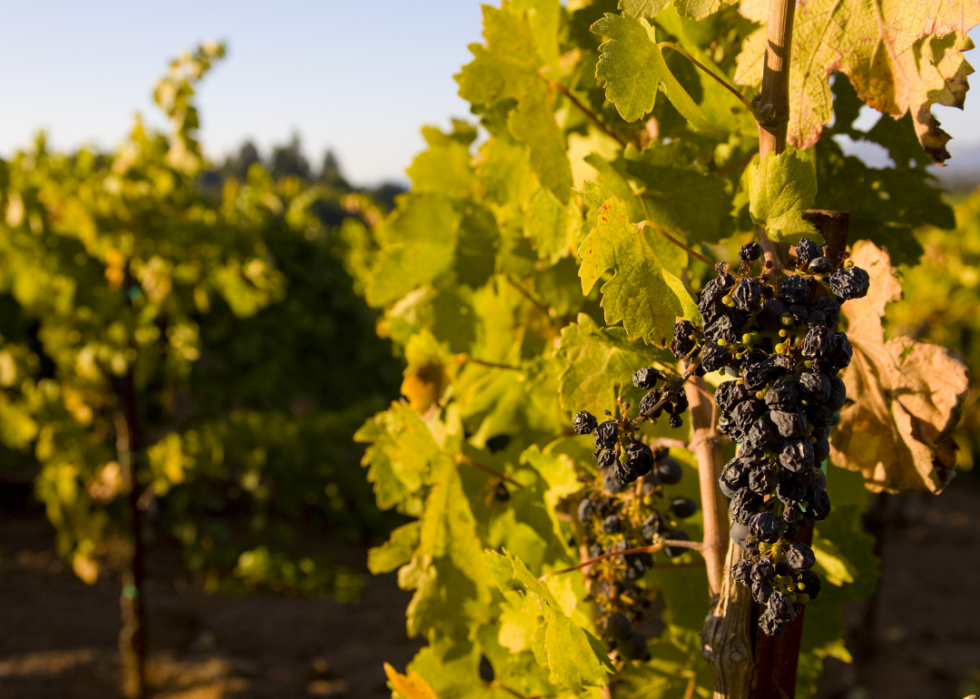
As the climate continues to change, regions across the globe known for specific varieties of wine have had difficulties growing their usual grapes—if they can sustain any wine grapes at all.
In the U.S., many viticulturists have had to make decisions about where to begin or continue operations due to rising temperatures. Some wineries in central California previously known for hot climate varieties have shifted operations to producing raisins, Schultze said. Viticulturalists can cool down vineyards by increasing the amount of water to their crops, but that ups the cost of production and contributes to a winery's overall carbon footprint thereby further aggravating climate change. To complicate matters more, these vineyards must also survive the uptick in .
“If all of a sudden you’re getting much warmer summers and your [merlot] growing season starts getting thrown out of whack, how that merlot will taste will be different than how it tasted 20, 30, or even 50 years ago,” Schultze said. “Then, you have to start asking yourself as a grower, ‘Is it worth growing merlot?’”
New wine regions are emerging
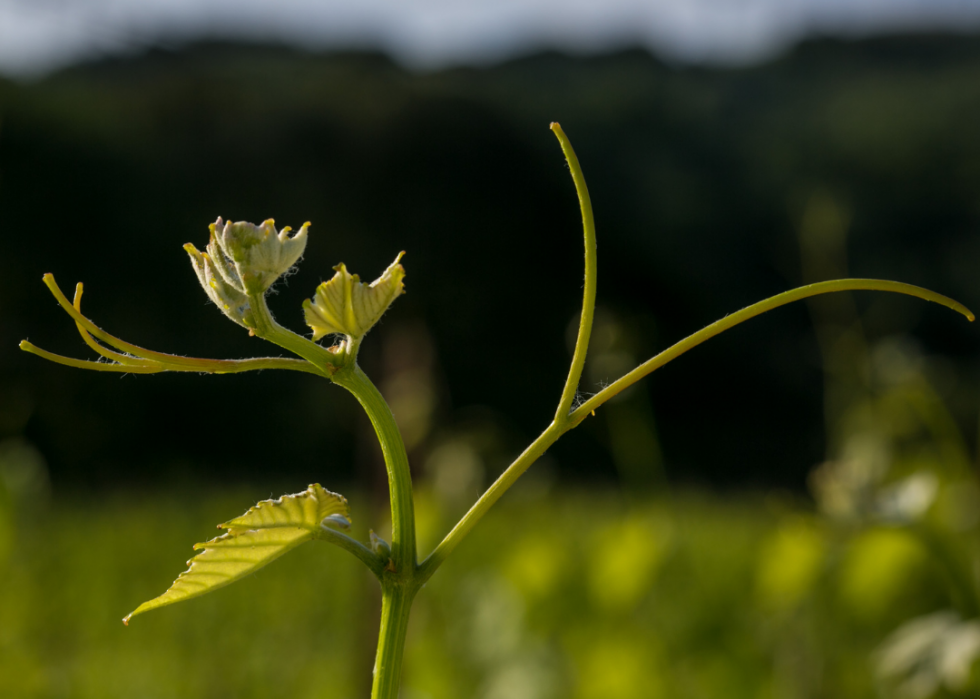
Overall rising temperatures have led new parts of the world to experiment with viticulture. Michigan has seen significant growth over the years, along with Oregon and Washington increasing grape-growing acreage in the last two decades. Southern Ontario has taken to viticulture along with historically cold and mild England.
“Sparkling wine in England? That would have been unthinkable in the past,” Schultze said. “You see climatically in England now what you would have seen in northern France about a century or two ago. It follows that they would try that.”
Choosing the location of a vineyard has been paramount for many wineries. When Brock and her husband sought to buy their own winery after several years of living in the frigid Finger Lakes region, temperature and climate factored into their decision. They were aware of rising temperatures and the dangers of climate change before they took over Silver Thread Vineyard about 10 years ago, and its location was precisely why they purchased the vineyard.
“Silver Thread is really ideally situated: It’s very close to the water,” Brock said. “Seneca Lake is the deepest lake, it stays the warmest during the winter. So as far as protecting against that winter damage and fluctuation of temperature you can get now in the winter, picking the right location for your vineyard is very important.”
Grape harvesting begins earlier
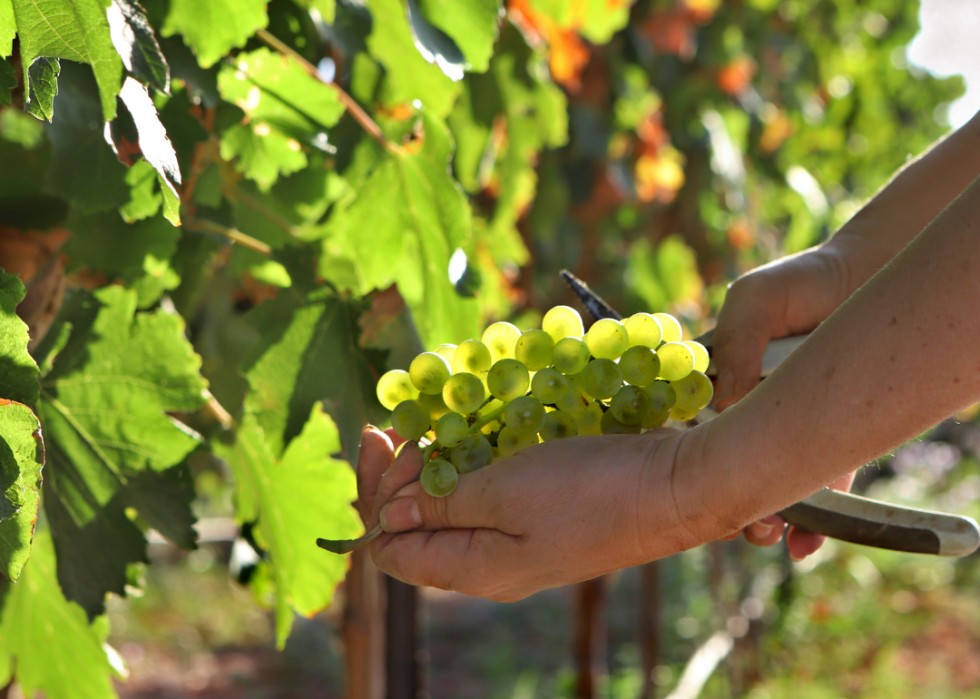
“In 30 years, they lost a month,” Sabbatini said of grape growers harvesting in the DOC region of Italy.
The ripening process of the grape gets expedited with rising temperatures. Vineyard owners then need to keep a better eye on how their crops mature through the season—and with extreme, unpredictable weather events such as flooding and polar vortexes—planning ahead becomes difficult. Without proper foresight, harvests will not survive
Grapes, unlike other fruits like apples or oranges, have delicate skins that can burst easily if harvested too late, Brock said. This also makes the grapes more vulnerable to fungus and rot during extreme weather events. When the crops become infected, it can have lasting effects on the vineyard as a whole. While the growers can kill the fungus in one season, the roots may still be infected for future seasons.
“The grapes are ready to grow earlier in the season because the winters are so mild,” Sabbatini said. “The buds start to break very early on. ... The maturity of grapes is probably the most important topic related to viticulture.”
Grapes are ripening too quickly—which throws off the wine’s flavors and alcohol content
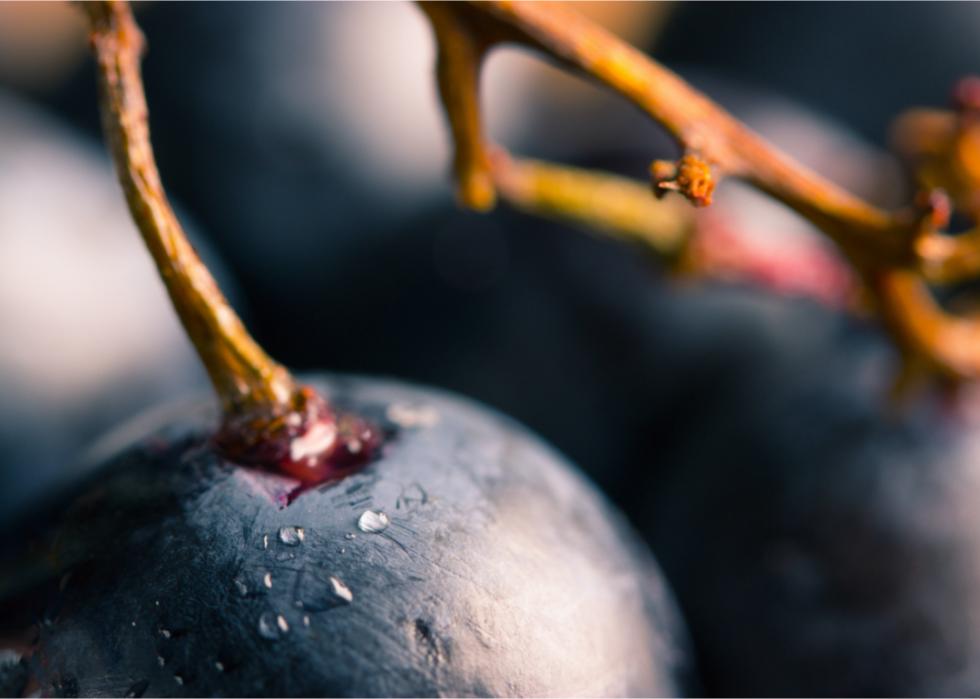
As over the years, they lose the time to develop their familiar flavors. Sugars accumulate rapidly as budding happens sooner each season, which means the grapes have less time to mature before fermentation. As a result, the delicate balance between sugar, acidity, and alcohol content gets thrown off completely.
“The aromatic compounds, the color compounds, the tannins, the polyphenols [are affected],” Sabbatini said. “So you have wines with a lot of alcohol, but not a lot of mouth feels and other components.”
Sommeliers traditionally could taste a wine and know its origins and how it was grown, as . Shorter harvesting seasons mean many wines will have higher alcohol contents with lower flavor profiles. Like the grape growing process, flavor compounds are fickle and sensitive to the climate as it continues to change.
Preparing vineyards season to season
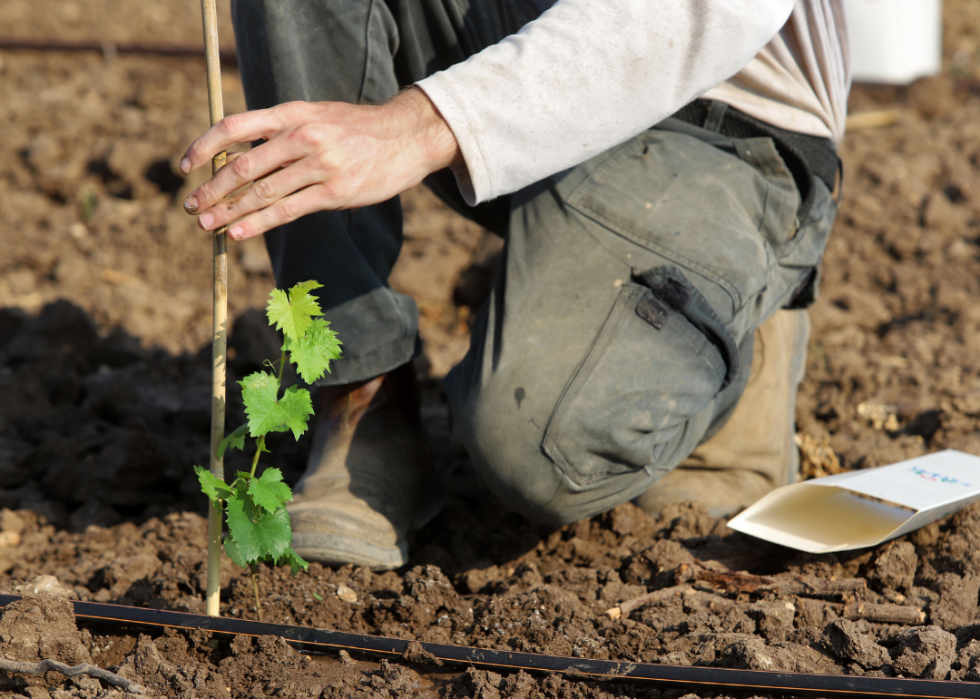
"Over the last 10 years since we've been the owners [of the winery], the incidents of extreme weather have gone up a lot," Brock said. "No question that it's been warmer on average. ... But the troubling thing to us is the extreme weather events that we are seeing along with the unpredictability of the weather."
Planning ahead for the growing seasons year to year has been nearly impossible for many vineyards. For Brock's vineyard in the Finger Lakes, she experienced the driest season in 2016 and the wettest in 2018—two opposite extremes only a couple of years apart. When she took over Silver Thread Vineyard, the main concern in the region among other wineries was winter temperatures, Brock said. The conversation has now pivoted to extreme weather events like premature frosts and flash floods.
The potential fruit for each year depends on the health of the plant from the previous year. The buds for next year's fruit exist now, and they must survive between harvesting seasons. For upstate New York, this means surviving through the cold winter. And when a polar vortex swept through the area in 2015, the —a notably long stretch of bone-chilling cold for an area accustomed to harsh winters.
"You can't really prepare for anything," Brock said. "I feel like every time we have one of these extremes, you get through it, and you file away that information."
You may also like: History of droughts in the US
Preparing vineyards for the long term
Preparing vineyards on an annual basis has become a recurring challenge due to climate change, but planning for the long term complicates the process even further.
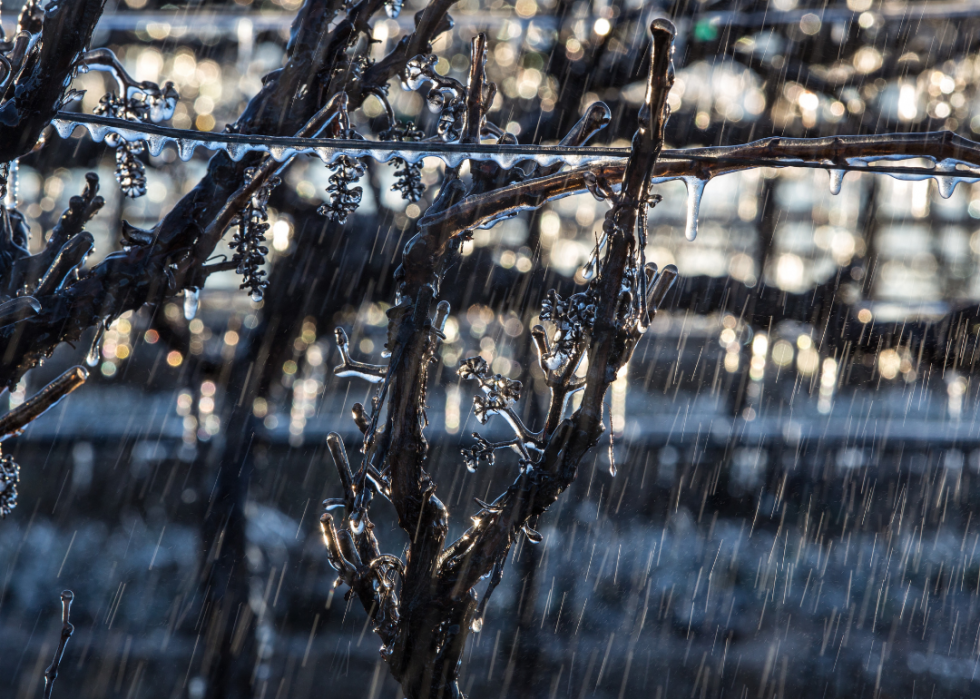
“This is what we expect to see in a climate change world," Schultze said. "We see mild winters, and we see the dormancy period ending earlier and we see bud bursts happening earlier. Then all of the sudden, it just takes one frost—and one frost can really be a kick in the shorts. Because we weren’t worried about how many of our grapes were out of dormancy and in a bud burst.”
Global temperatures on average steadily, perhaps the most predictable outcome of climate change. But the effects of these changes—like rogue frosts, wildfires, and freak storms—defy typical patterns. Some vineyards that sidestep climate change by moving north encounter new uncertainties to contend with.
“If I need to solve the problem in the next 10 years, for me it’s very simple, Sabbatini said.” : I assume the weather is consistently inconsistent,” “So one year is hot, one year is cold. One year is frost, one year is drought. So this is pretty consistently inconsistent.”
More hybrid varieties emerge
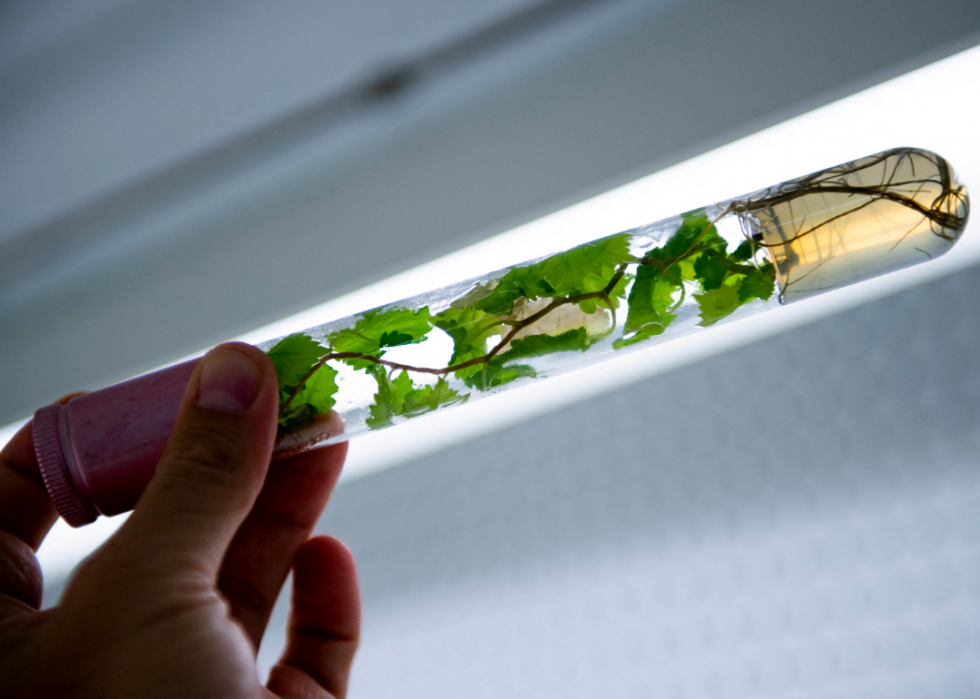
“Old World” practices of viticulture, primarily in Europe, do not experiment with hybrid varieties due to strict growing laws and deep-rooted tradition. But in “New World” viticulture—primarily in the U.S.—hybrid varieties of wine have become more prevalent. Engineering a new grape that can withstand extreme temperatures and develop its flavors at a steady pace sets it apart from traditional varieties. When created, these grapes will likely be easier to grow without the need for special water treatment or pesticides as they are bred to withstand weather and even certain pests.
In the new world U.S., Sabbatini said French-American hybrids can be grown in colder climates like Michigan. These hybrids have the characteristics that fought off the in 19th century France and can withstand extreme cold.
“When we first got to the Finger Lakes 16 years ago, people were sort of embarrassed about hybrids,” Brock said. “A lot of wineries were trying to disguise them under fancy and made-up names and not reveal they were using hybrids. But I think, with the change of generations and younger people starting to get interested in wine, they don’t have those preconceived notions about what makes a wine good. People just seem to be a lot more open to trying new things.”
Bottling beyond heavy-weight glass
The wine industry also contributes to climate change. The biggest offender of the process, according to the nonprofit International Wineries for Climate Action, is packaging and transportation. This sector of the industry accounts for .
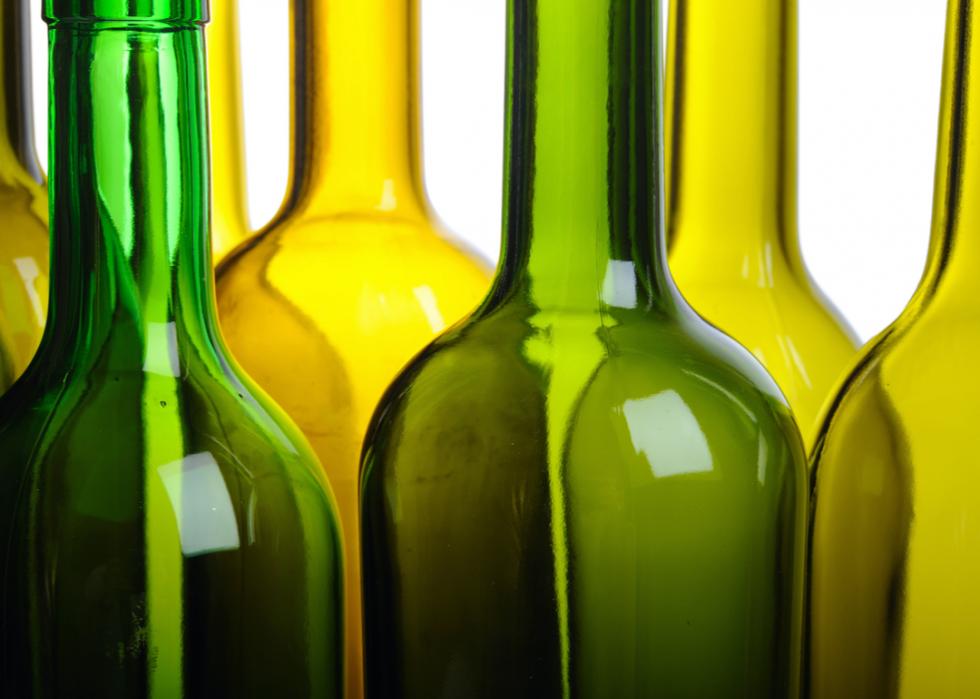
Wineries around the world have combated the issue of packaging by thinking outside of the traditional wine bottle stopped with corks. Canned wine has , along with the innovative flat wine bottle created from recyclable material. Some companies, like Silver Thread Winery, use lightweight glass bottles made domestically. Working with lighter glass made in the same state or country reduces emissions both in transportation and manufacturing.
“If you walk around a wine store and start picking up bottles, some are in really heavy glass and they don’t need to be,” Brock said. “It’s this subliminal message that ‘Oh, this is a really good wine that you should put in your cellar,’ but the weight of the bottle has absolutely no bearing on the quality or how that wine is going to age.”
Environmental threats continue to harm wine regions
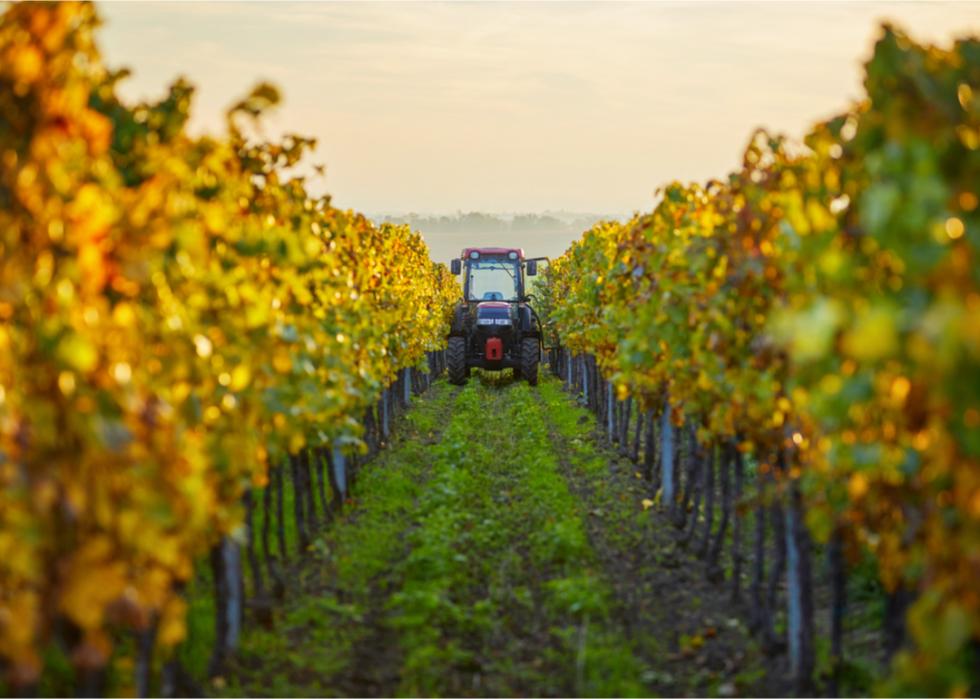
Beyond successfully growing grapes and running a vineyard, wineries continue to face the imminent threats of climate change—sometimes in their own backyards.
Brock said in the Finger Lakes region, Bitcoin mining facilities powered by fossil fuels have opened, using more energy in one year than . Seneca Lake also faced the of petroleum gas being stored underneath it, but the proposal was struck down after protest.
“It’s never-ending,” Brock said. “It seems like every year there’s this new kind of crazy proposal where somebody wants to dump their undesirable materials or do their undesirable activity here in this beautiful natural region ... Industry members will speak at rallies, write letters to the governor, and send delegations to Albany in protest.”
The Finger Lakes region accounts for the in the state per year outside of New York City, meaning the wineries in theory have more pull in the state legislature. This makes activism on the part of local vineyards critical.
Consumers' voice in the industry
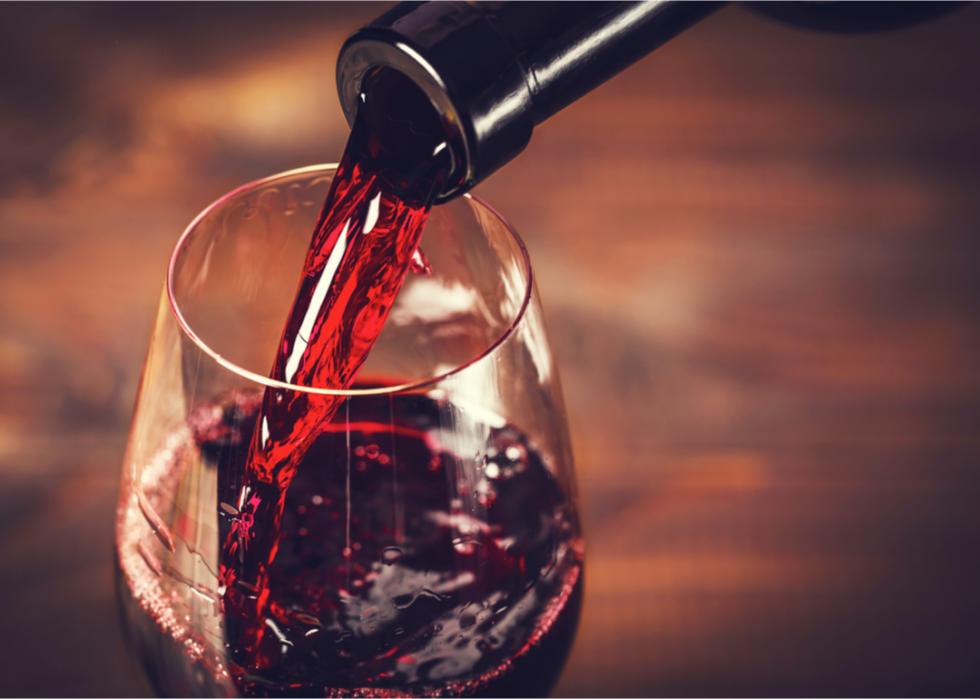
Climate change disrupts wineries, which in turn disrupts the lives of the consumers who drink wine. Through their studies, Schultze and Sabbatini found the flavors of traditional wines like merlots and pinot noirs taste different than they did decades ago because of the erratic climate.
While consumers to curb greenhouse gas emissions in their daily lives, they can start by making eco-friendly decisions when shopping for wine.
"The biggest source of carbon from the wine industry is transportation of product from where it's made to the consumer," Brock said. "If you live in [New York] and buy California wine, the carbon footprint of that wine that was trucked or trained across the country is higher than if you were getting wine from Europe: Coming on a boat uses less energy than coming on a truck."
Since wineries—especially larger business operations—perpetuate climate change through their means of production far more than the individual does. Consumers can play a small part by buying locally from sustainable wineries. Increasing demand and stimulating the local economy can make a small impact on the wine industry as vineyards brave the storms of climate change.
"I think every place has its own challenges," Brock said. "And it just sort of expands your understanding of what is possible."
You may also like: US cities with the dirtiest air