What the REAL ID delay tells us about implementing proof-of-citizenship laws
What the REAL ID delay tells us about implementing proof-of-citizenship laws
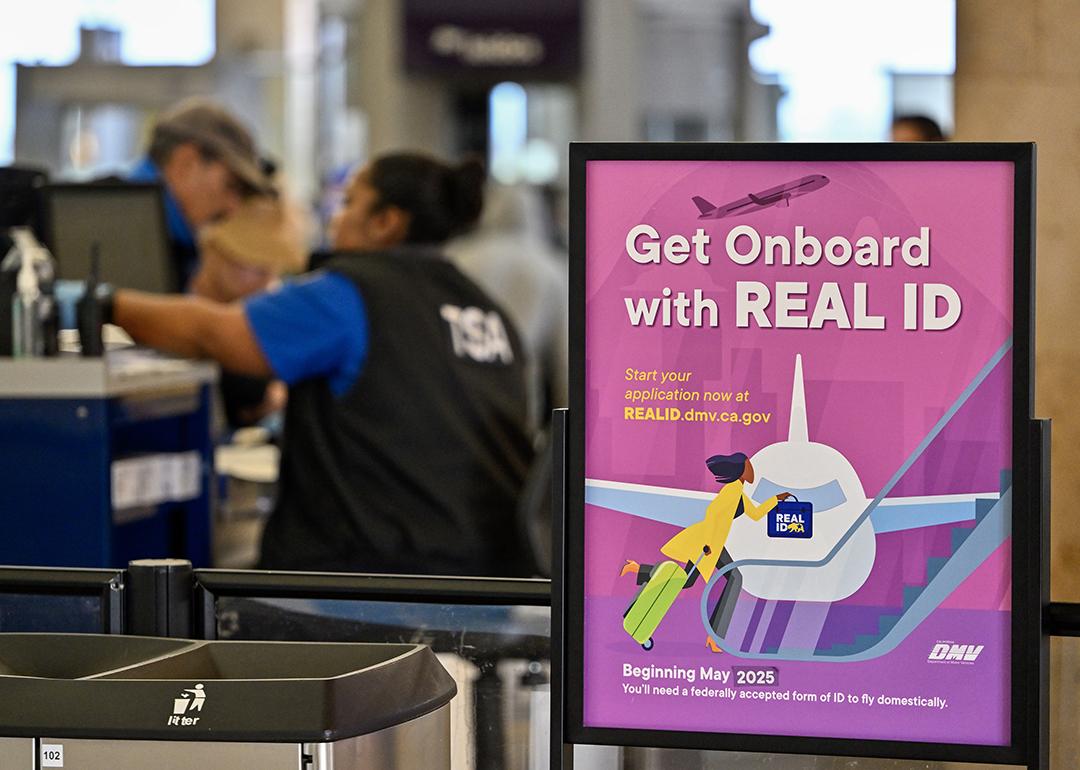
You know the REAL ID that you need if you want to board a plane? The deadline to get one was supposed to be May 7. But just days before that, , again. Twenty years after Congress passed the REAL ID Act, too many people still didn鈥檛 have the right kind of ID, so enforcement was delayed 鈥� as it has been .
It鈥檚 easy to see why. In states like , residents seeking a REAL ID faced long lines, limited DMV appointments, and widespread confusion over which documents to bring. In , hundreds of complaints poured in from residents who were denied IDs despite having paperwork they thought would qualify. Some were turned away because of paperwork errors, others because staff misinterpreted the rules.
Meanwhile, nationwide, , and once the law takes effect, they will face added hurdles if they want to travel by plane. offers context on how the REAL ID rollout delay reveals potential challenges for implementing proof-of-citizenship laws in voting, risking voter access.
So what does this have to do with voting?
President Donald Trump鈥檚 on elections called for requiring voters to show documentary proof of citizenship to register to vote in federal elections. It lists passports and military IDs as , but not much else. Meanwhile, the federal and state bills to require proof of citizenship all have slightly different versions of what would constitute acceptable documents.
Proponents of these laws describe them as a commonsense step, and a minimal burden, to ensure that only eligible voters cast ballots. But the REAL ID saga shows that a proof-of-citizenship requirement might not be such a simple step. And it鈥檚 not just voters who might have trouble with it.
For now, a federal judge has blocked the proof-of-citizenship provision in Trump鈥檚 executive order amid a volley of legal challenges. In one of those cases, a parade of Democratic state election officials made clear that enforcing such a requirement is not just difficult, but unworkable.
In Michigan, most residents don鈥檛 have a passport, military ID, or a REAL ID that indicates citizenship, Elections Director Jonathan Brater said in a . Getting those documents, he noted, 鈥渨ould require time, travel, and in many cases significant fees.鈥� His team would have to rewrite manuals, retrain staff, and launch a $2.5 million education campaign just to get voters up to speed.
In Nevada, that he had to drop critical preelection tasks to start mapping out how election officials would comply with the executive order. 鈥淭hose are days and hours that I was unable to spend on other office priorities ... time that my staff and I cannot get back,鈥� he said.
Donna Barber, New Jersey鈥檚 election director, warned that pulling staff to implement the order 鈥�,鈥� especially as her team prepares for two statewide elections this year. She added that losing federal election funds 鈥� as the executive order threatens for noncompliance 鈥� could cripple local governments鈥� ability to run elections, including ensuring access to polling places for voters with disabilities.
Arizona Secretary of State Adrian Fontes pointed out that the documents cited in Trump鈥檚 order requiring proof of citizenship to vote in state and local elections. That would mean rewriting state forms and creating a new set of different processes for state and federal voters 鈥� a recipe for voter confusion. He estimated that the education campaign alone would cost over $1 million before the 2026 elections.
Massachusetts鈥� election team is already racing to implement a new statewide voter registration system that complies with expanded vote-by-mail laws. Michelle Tassinari, first deputy secretary of the commonwealth, said that diverting time and tech resources to implementing the executive order . Just updating online forms would take six months, and overhauling the entire database would take much longer. And the state hasn鈥檛 budgeted for the $750,000 public outreach needed to explain it all.
REAL ID鈥檚 rocky rollout has already left travelers confused and frustrated, and it still hasn鈥檛 been fully implemented. But if similar dysfunction plays out in the country鈥檚 elections, the stakes are much higher than a missed flight. State officials are warning that voter registration tied to documentary proof of citizenship could create massive delays, confusion, and voter disenfranchisement, and they鈥檙e not equipped to carry it out.
Expecting underfunded, understaffed state election offices to roll out something so complex nationwide on a tight timeline is unrealistic.
Government is a big ship. Turning it takes time, money, and substantial political will. And even then, success depends on the willing cooperation of tens of millions of Americans who are busy with other things.
So the next time someone insists this kind of policy shift will be simple, tell them the truth: It鈥檚 not. It鈥檚 expensive. There will inevitably be mistakes and delays, even if the courts allow the policy to move forward. And amid that turmoil, people鈥檚 right to vote will be at stake.
was produced by and reviewed and distributed by 麻豆原创.