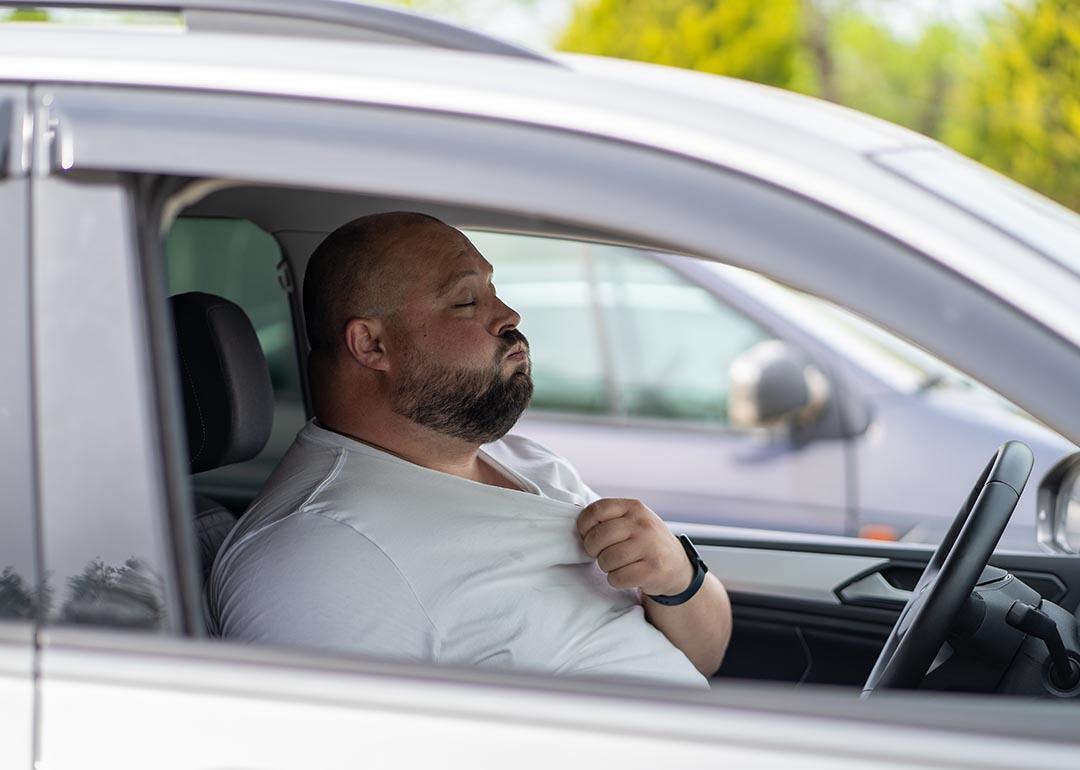
The heat is making you anxious. Here’s the science and the fix
The heat is making you anxious. Here’s the science and the fix
Even if you’re doing everything right: drinking water, getting sleep, keeping a routine — when the temperatures rise — you can still feel … off. More irritable. More tired. Maybe even more anxious. If that sounds familiar, you’re not imagining it and you’re certainly not alone.
As temperatures climb during summer days, so can stress levels. While most expect a little discomfort in the heat, what often goes unnoticed is the mental toll that high temperatures can take. From disrupted sleep to rising cortisol levels, extreme heat doesn’t just affect the body: it impacts mood, mental clarity, and overall emotional resilience.
Vivian Chung Easton, a mental health clinician at , a therapist-enablement technology platform, shares information about what’s actually happening in your mind and body when temperatures spike —– as well as what you can do to feel like yourself again.
Why Heat Affects Your Mind as Much as Your Body
Physiologically, high temperatures can trigger your body’s built-in stress response. When you get hot, your body works harder to regulate temperature. Your heart rate increases. So does your level of cortisol, the hormone responsible for managing stress. As hormones are closely tied to mood, rising temperatures can be associated with higher levels of psychological distress, including anxiety and irritability.
What’s more, according to research published in Science magazine, heat can lead to increased levels of norepinephrine, a brain chemical involved in the “fight or flight” response. In other words, your brain reads heat stress as a potential threat—even when there’s nothing particularly stressful happening. These biological changes can make you feel wired, short-fused, or just … not yourself.
Heatwaves and Mental Health: What the Data Shows
While it’s normal to feel more fatigued in the summer heat, more serious effects can also occur, especially during heatwaves. In fact, heat waves tend to make mental health concerns worse, with emergency rooms often seeing spikes in visits for anxiety, panic attacks, and mood disorders when temperatures soar.
According to a 2021 meta-analysis published in “Environment International,” on days with extreme heat (when temperatures exceeded 93 degrees), there was a 7.8% increase in emergency department visits for mental health concerns. This isn’t just due to discomfort — it’s tied to real physiological changes, particularly among people with existing mental health conditions, the elderly, or those without access to adequate cooling.
Sleep is another big factor. A 2024 study on nighttime temperature and rest found that when overnight temperatures exceed 77°F (25°C), people are more likely to report poor sleep quality — a known contributor to anxiety and depression.
Poor sleep, higher stress, and overworked internal systems? That’s a tough trifecta for anyone, especially in the middle of a heatwave.
Why Anxiety Gets Worse in the Heat
Ever notice how the symptoms of being overheated, like sweaty palms, a racing heart, and lightheadedness, feel a lot like anxiety? That’s because the physical symptoms of heat stress and panic overlap significantly. And for people who are sensitive to bodily sensations (especially those with anxiety disorders or PTSD), that overlap can be especially triggering.
This can create what clinicians call a “feedback loop”: You start to feel physically off due to the heat, and your brain interprets those changes as a sign of danger or panic. That reaction increases adrenaline, which amplifies the same symptoms, leading to even more anxiety.
Long story short, your brain misreads heat exhaustion as emotional panic, and the cycle continues — until you cool down, physically and emotionally.
How to Cool Down Your Body (and your Brain)
There are simple, science-backed ways to interrupt this cycle and feel more grounded, even on the hottest days. Here are a few that clinicians recommend:
- Cold face immersion: Splashing your face with cold water or using an ice pack on your forehead can activate the vagus nerve, which helps shift your body into a calmer state.
- Time your errands wisely: Try to avoid strenuous activities during peak heat hours (usually 11 a.m. to 3 p.m.).
- Hydrate strategically: Don’t just drink water. Consider adding electrolytes if you’re sweating more than usual. Dehydration, even mild, can worsen fatigue and mood swings.
- Prioritize nutritious meals: When it’s hot, we can be less likely to eat proper, nutrient-dense meals, which can make dehydration worse, especially for vulnerable populations like elderly adults, young children, those with psychosis, pregnant persons, and outdoor workers.
- Layer in comfort: Use fans, damp washcloths, or cooling sprays. A simple cool-down routine can help your body return to baseline faster.
- Slow your pace: Give yourself permission to move slower, reschedule non-urgent tasks, and reduce expectations when the heat is intense.
- Check in with your doctor: Being under-hydrated can make heat-related health problems worse. Especially if you take medications, it can be helpful to check in with your health provider to see if your treatment plan and/or medications have to be adjusted for heat waves.
And importantly: Don’t beat yourself up for feeling off. It’s not about weakness, it’s about physiology.
A Smarter Summer: Plan Ahead for Emotional Resilience
Whether you enjoy hot weather or count the days until fall, one thing is certain: Hotter days change how we feel, and it’s worth paying attention to those changes.
By being proactive — staying hydrated, cooling off regularly, pacing your schedule — you’re not just taking care of your body. You’re protecting your mental stamina, too. That matters whether you’re raising kids, working outdoors, or just trying to feel steady through seasonal shifts.
Even more importantly, recognizing that heat can affect your mood can help you extend grace to yourself and others. If you or someone you love seems more irritable or anxious than usual, it might not be personal. It might just be hot. A few small changes — a glass of water, a cool towel, a slower afternoon — can make a real difference.
So the next time you’re feeling tense for no clear reason, check the thermostat. Your nervous system might just be asking for a little bit of shade.
was produced by and reviewed and distributed by Â鶹ԭ´´.