How COVID-19 is changing the way the world eats
The COVID-19 pandemic has forced people to make radical changes in their lives. Not only are they wearing masks in public, staying home as much as possible, and washing their hands all the time, but they're also adopting vastly different eating habits鈥攆or better or for worse.
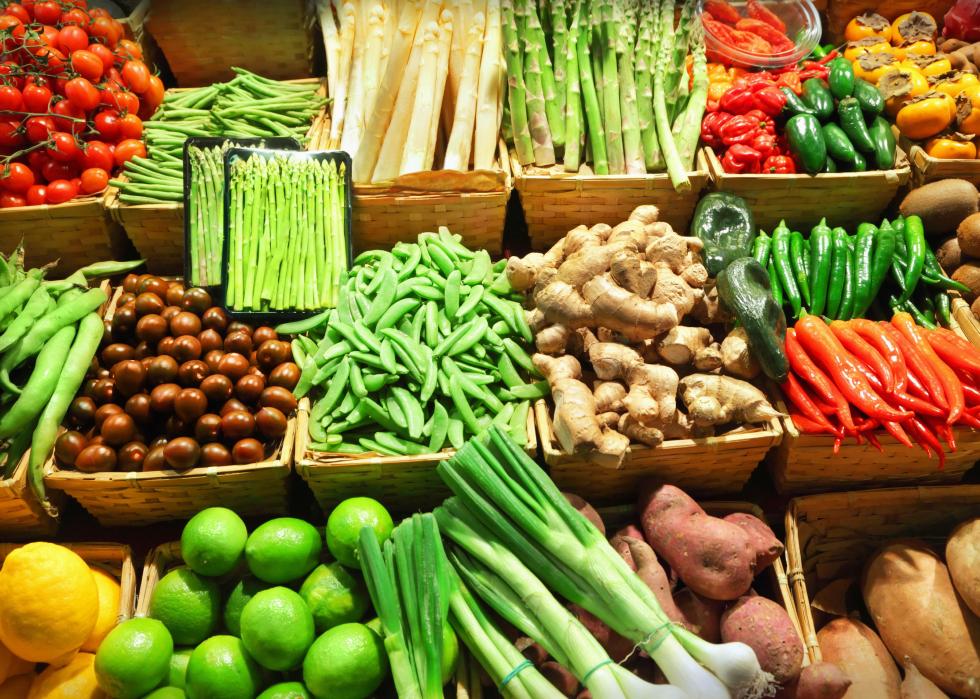
On the one hand, being forced to stay at home has given many more people time to cook and focus on healthy eating. Home baking has become trendy and tons of people have been sharing Instagram posts of the bakery-worthy breads, cookies, and cakes they've made from scratch. Some people say their diets have gotten a lot more healthy during the pandemic, and they've been keeping their pantries stocked with fruits and veggies鈥攚hen their grocery stores have them in stock鈥攖o prepare nutrient-packed meals.
But on the other hand, the stress of the pandemic and the disruptions to the economy and the food supply have manifested in some less-than-healthy eating habits. Being in close proximity to the kitchen while working from home has made it easier for many people to graze throughout the day, and ultimately increase the amount of calories they're consuming. Empty supermarket shelves have people worried about how they'll feed their families, while meat plant closures have people wondering if the hamburger they had for dinner might be their last for a while. And many people have started drinking more alcohol, potentially as a coping mechanism amid all the uncertainty.
Most of us have noticed changes in our own eating habits, but how has the pandemic shifted people's diets on a macro level? To examine how eating habits have changed around the world during the COVID-19 pandemic, consulted two consumer reports from the, released in and, as well as other surveys and public health sources. In each of the IFIC Foundation reports, 1,000 interviews were conducted among adults 18 and older, over two days at the beginning of April and two days at the beginning of May, and were weighted to ensure proportional results.
Whether you've found yourself with a chronic case of the munchies, a deep desire to make your meals more sustainable, or a longing for the day you can finally go back to your favorite restaurants, you're not alone. Read on to find out how COVID-19 is changing the way the world eats, and see how your habits compare.
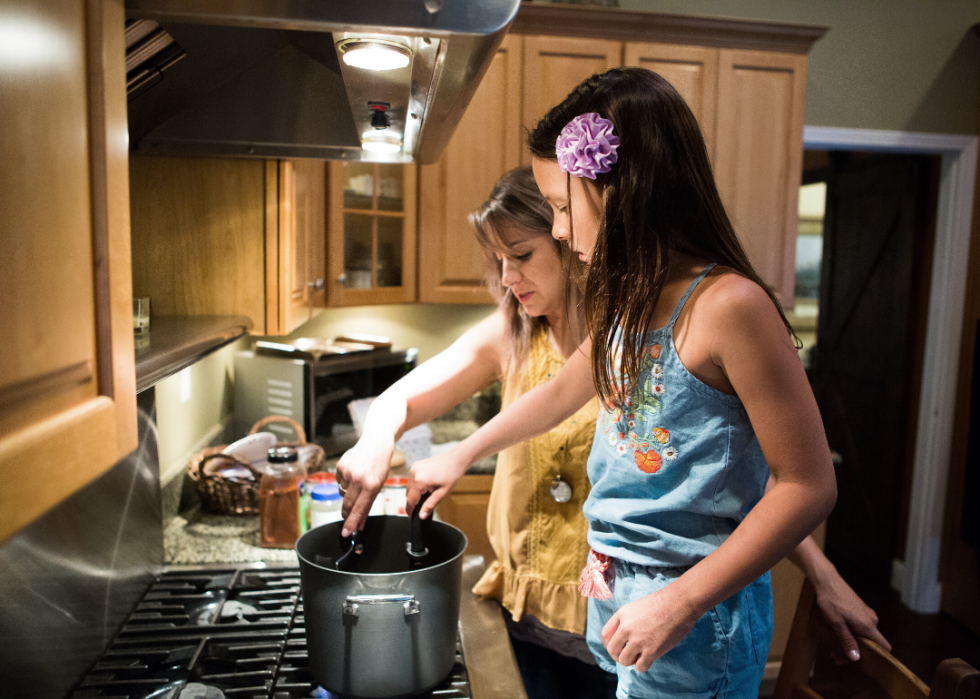
47% of people are eating more homemade meals
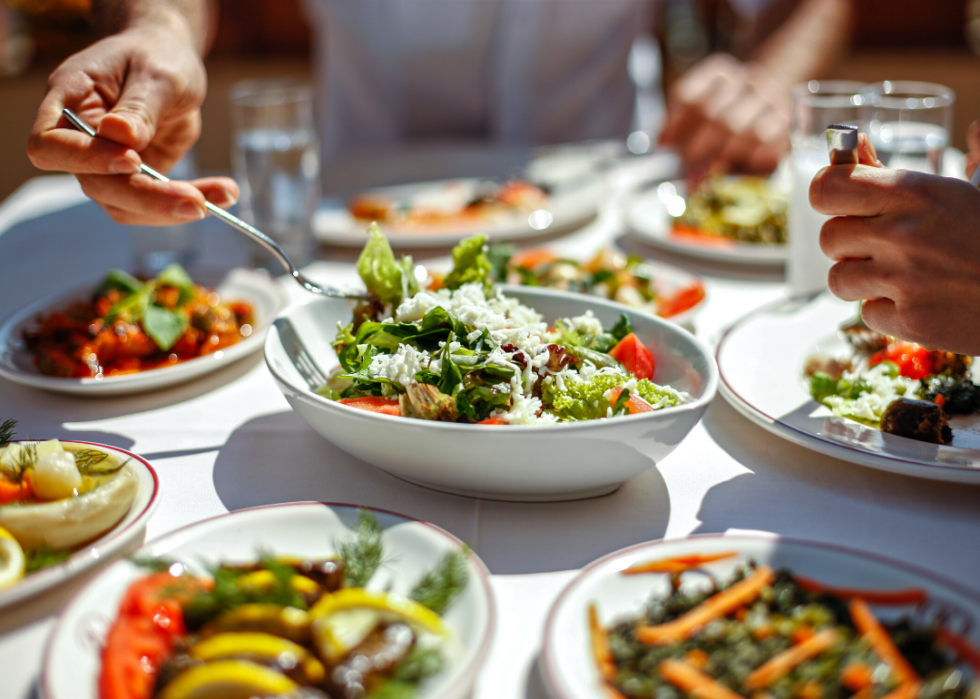
With restaurants in most states closed, almost half of the people surveyed by the IFIC Foundation in April reported that they鈥檝e been eating more home-cooked meals since the COVID-19 outbreak. Online searches for 鈥渞ecipes鈥 spiked in late March and early April, and still remain relatively high compared with data over the past five years, according to Google Trends.
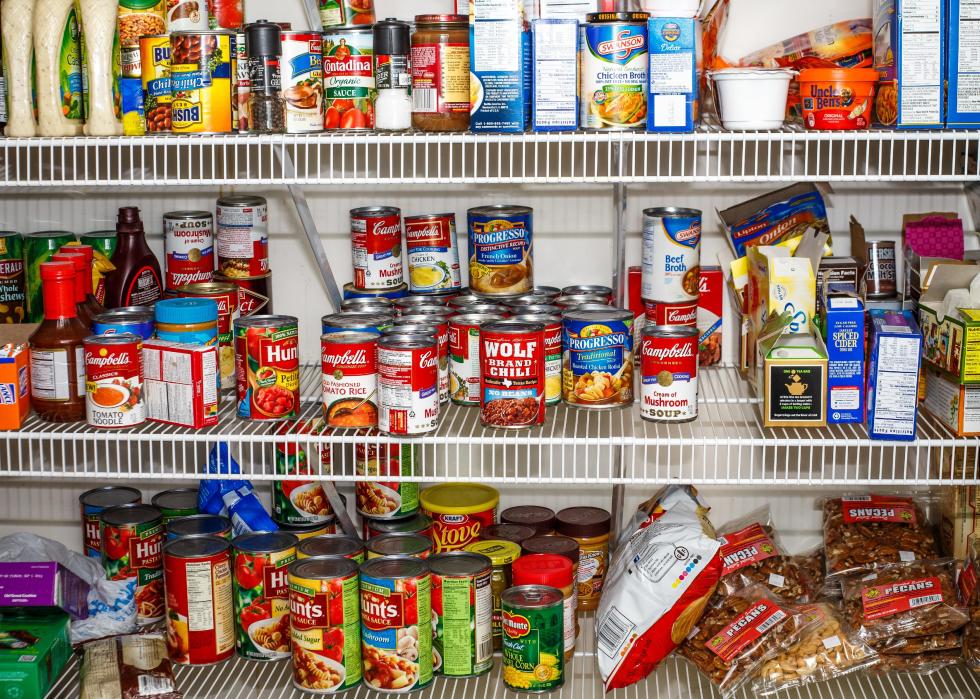
Nearly 4 in 10 people are stocking up on grocery runs
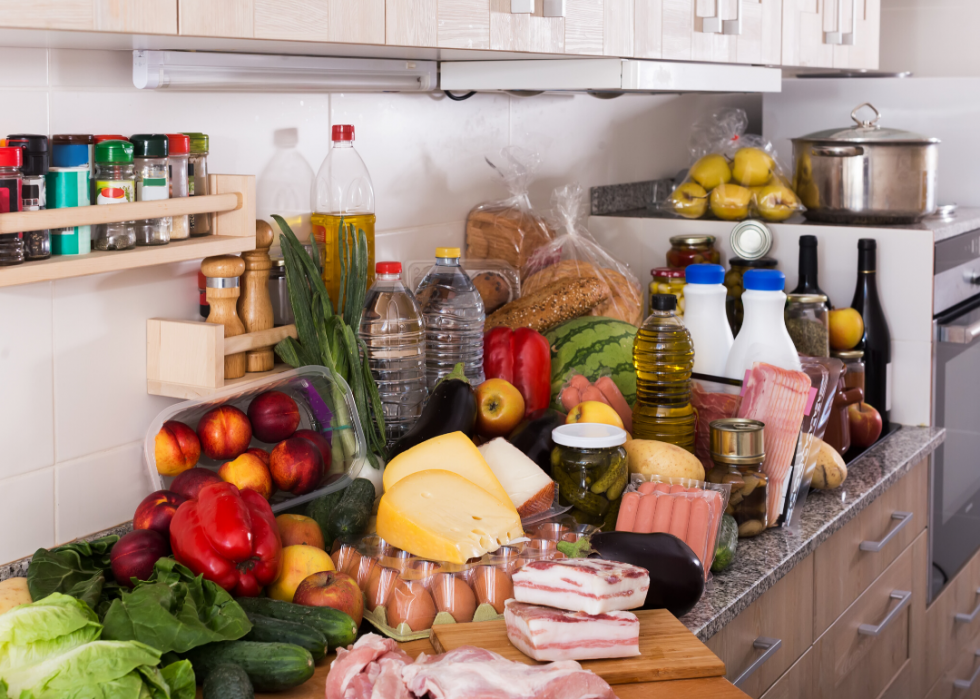
Nearly 40% of people say they鈥檙e buying more groceries, especially shelf-stable pantry foods, on each trip to the store during the pandemic. Everyone stocking up is causing significant increases in grocery sales across the country. A report from Earnest Research found that there was a 78.7% spike in the week of March 12鈥18 compared with the same week in 2019.
28% of people are getting food delivery less often
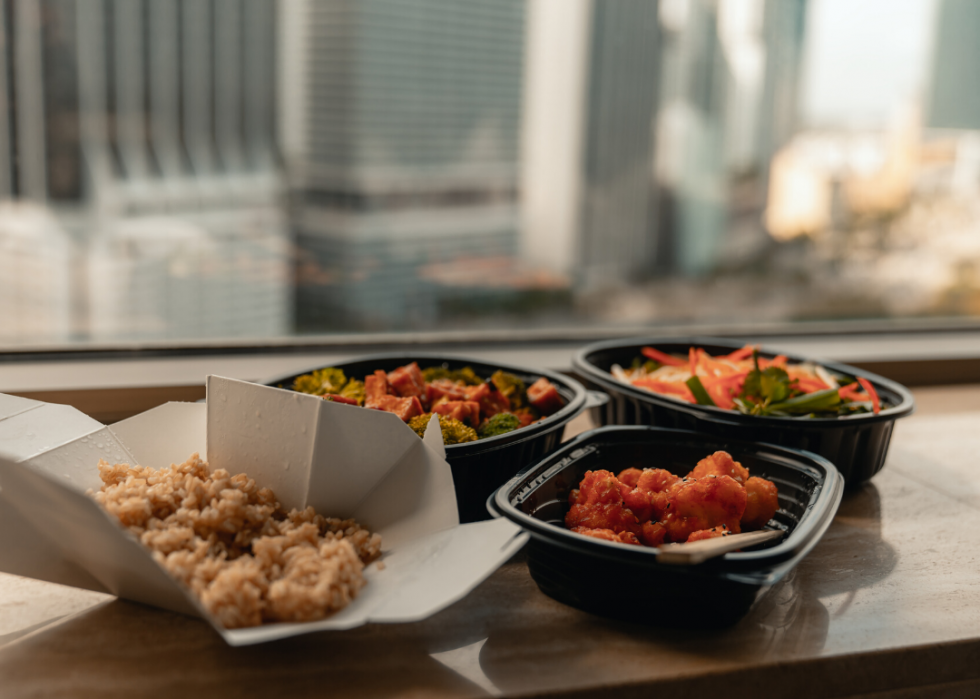
More than a quarter of people cut back on takeout and delivery in March and early April, possibly out of concern that they may catch the coronavirus from contaminated food or containers. Centers for Disease Control and Prevention (CDC) has since released guidance indicating that there is minimal risk of spreading the virus through food and packaging, which may help people feel more comfortable ordering from their favorite restaurants again.
82% of people are confident in the safety of their food
According to the IFIC Foundation survey, 39% of people feel somewhat confident, while 43% felt 鈥渧ery confident,鈥 that their food is safe to eat. This is a significant jump from a year ago, when the found that just 68% of people felt confident in the safety of the food supply.
50% of people are visiting grocery stores less frequently
In 2019, people visited the grocery stores an average of 1.6 times per week, according to data compiled by Statista. That may change in 2020, though, as 50% of people have started going to grocery stores less frequently due to COVID-19, according to the IFIC Foundation.
13% of people are eating smaller meals or less often
The pandemic is reducing the size and frequency of meals for about 13% of people, according to the IFIC Foundation survey from April. While some may just have less of an appetite, others may be actively trying to curb the so-called 鈥淨uarantine 15鈥濃攚eight gain while stuck at home.
11% of people are buying more plastic-wrapped food
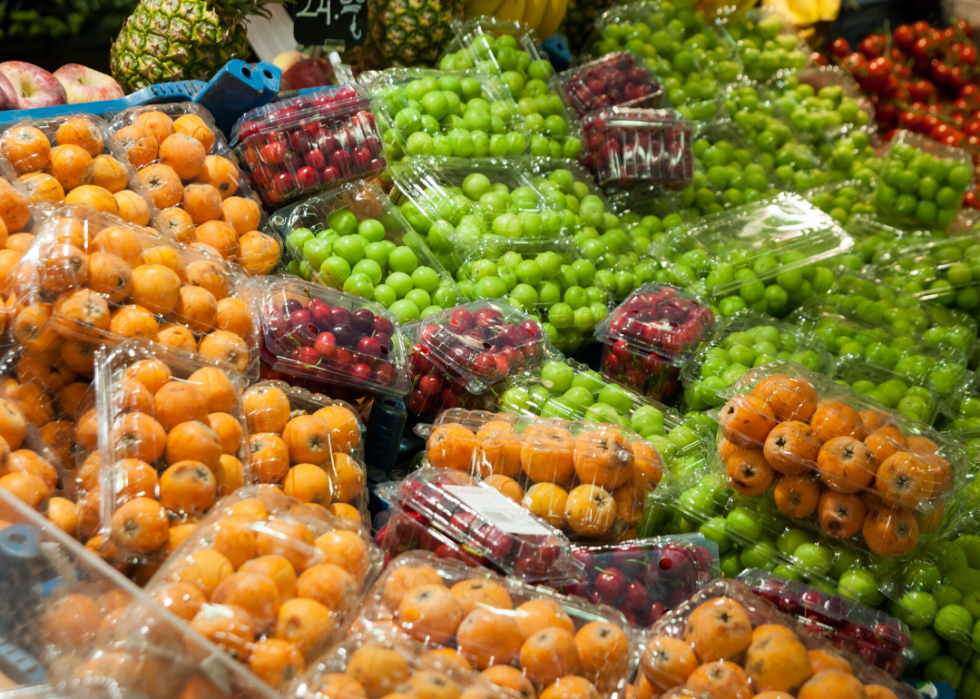
More than 1 in 10 people have started buying more plastic-wrapped food during the COVID-19 crisis, despite guidance from CDC that indicates a very low risk of spreading the coronavirus through food. The increase was largely driven by people under 45, of which 15% report to buying more plastic-wrapped items at the grocery store.
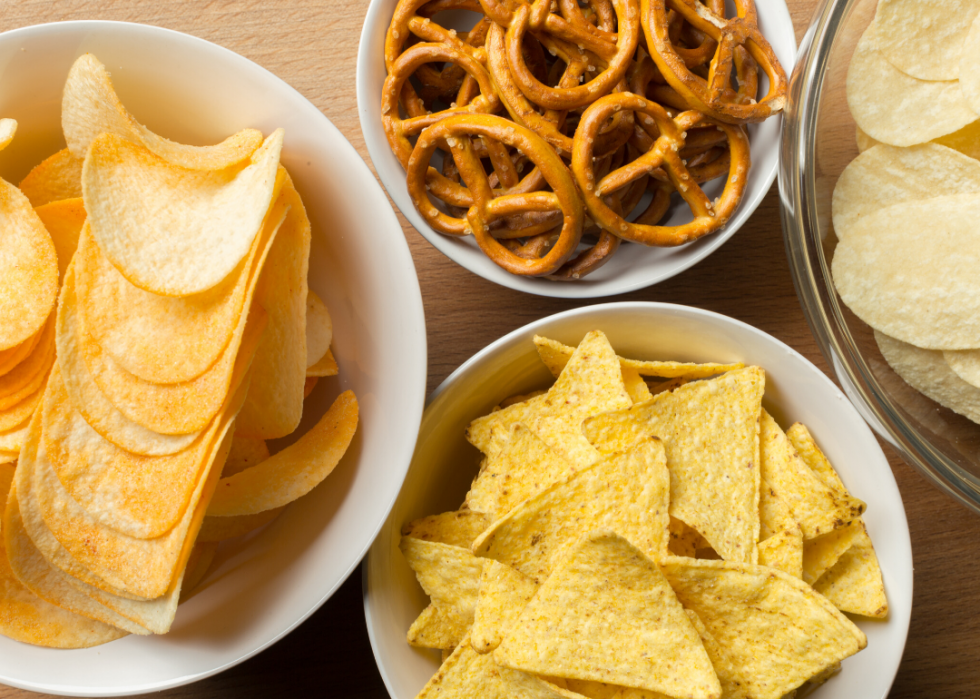
27% of people snacking more often
There鈥檚 not much else to do while stuck at home than eat, and more than a quarter of the people surveyed report snacking more often these days. Baking ingredients, Campbell鈥檚 Goldfish crackers, and Kellogg鈥檚 Cheez-It crackers have all seen a boost in sales as of April 9, according to Nathan Bomey of .
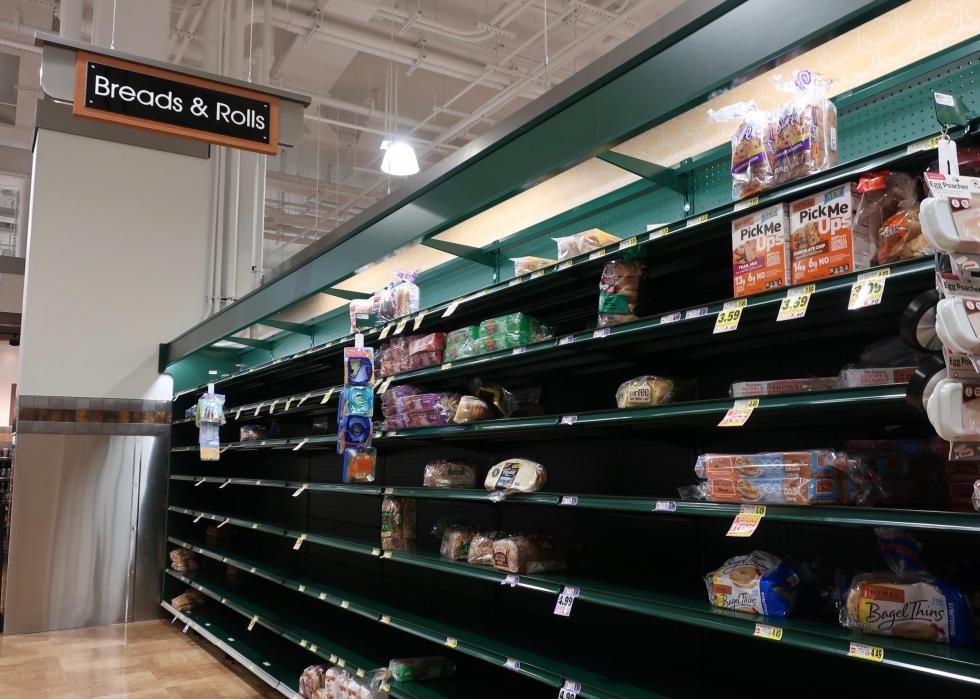
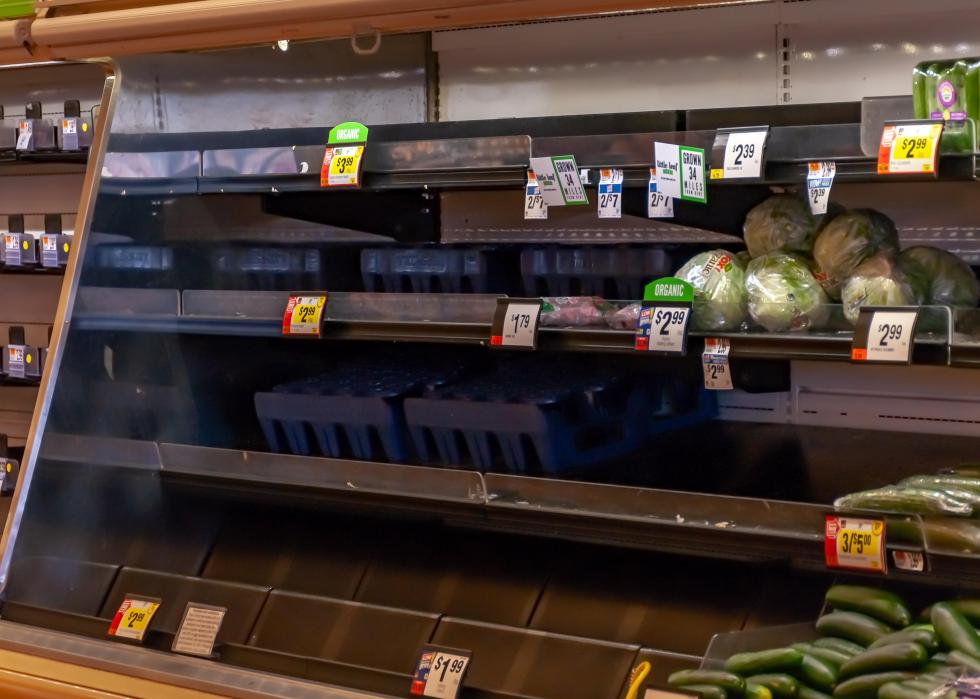
28% of people worry about running out of staples
Groceries have been flying off the shelves during the pandemic, preventing some people from getting everything on their shopping lists. As a result, running out of staples has become one of the biggest food shopping concerns for at least 28% of people, according to the IFIC Foundation.
22% of people see packaged foods as healthier than before COVID-19
COVID-19 may have given some people a change of heart about packaged foods, which are now perceived as healthier by around 22% of people. Data on food doesn't necessarily support their views, though. A 2019 study from the journal Nutrients, which looked at more than 230,000 products, found that score an average of 2.7 out of 5 stars on a healthfulness scale.
15% of people are eating more food or more often
The kitchen is an alluring place to go when you鈥檙e stuck at home, and around 15% of people are giving in to temptation, eating more food and more frequently throughout the day. Stockpiled kitchens and stress may be among the reasons some people have started eating more during the pandemic, according to Lauren Muhlheim of .
43% of people are eating healthier food
More than 4 in 10 say that they've adopted somewhat or much healthier eating habits during the pandemic, according to a of 1,000 people conducted by the IFIC Foundation from May 7鈥12. That number jumped from the April survey, which found that just 15% of people were eating healthier food than usual.
26% of people are eating more meat
More than a quarter of the people surveyed by the IFIC Foundation in May have started eating more meat since the coronavirus outbreak. Carnivores may need to consider new sources of protein, though. in May warns that meat plant closures from the coronavirus may lead to meat shortages and higher prices on animal protein this summer.
Packaging is a growing concern for nearly 20% of people
With plastic-wrapped food sales on the rise, nearly 1 in 5 people are now paying more attention to the type and amount of packaging used on their food, according to the IFIC Foundation鈥檚 May survey. They have valid reasons to be concerned鈥攏ot only is food packaging loaded with toxic chemicals, it鈥檚 also harmful to the environment.
1 in 4 people pay more attention to food waste
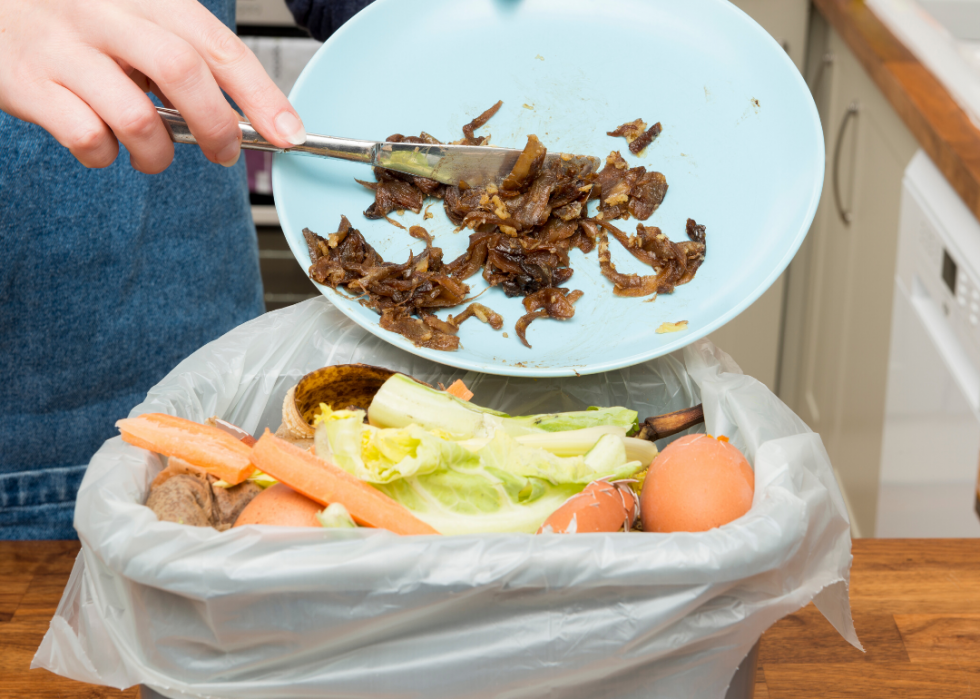
Food waste has become a growing concern for about 25% of people during the pandemic, according to the IFIC Foundation's May survey. The estimates that around 219 pounds of food per person goes to waste every year.
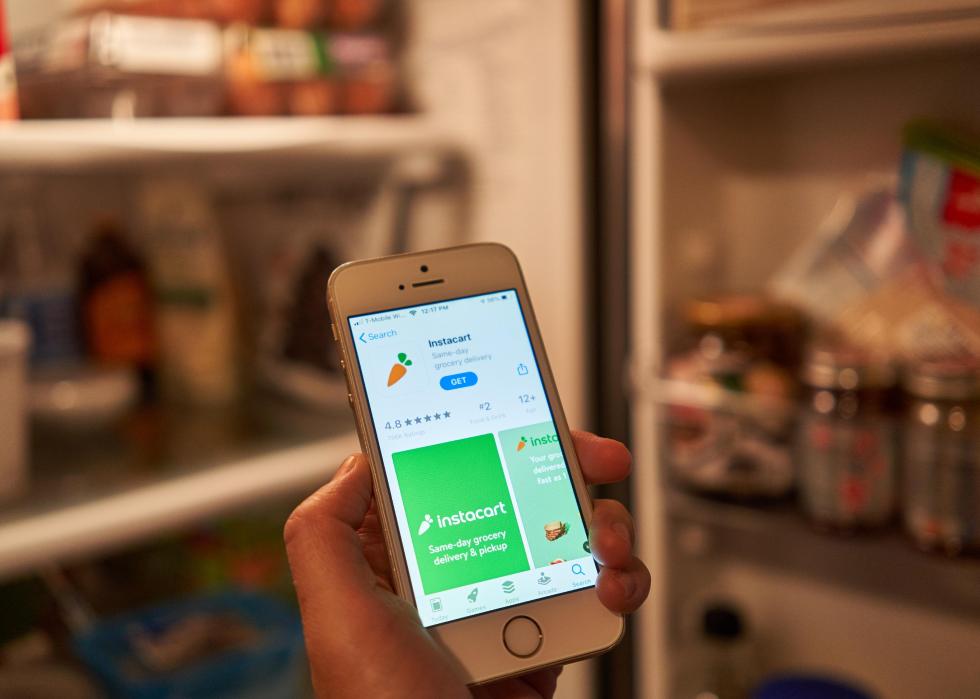
Nearly a quarter of people order groceries online
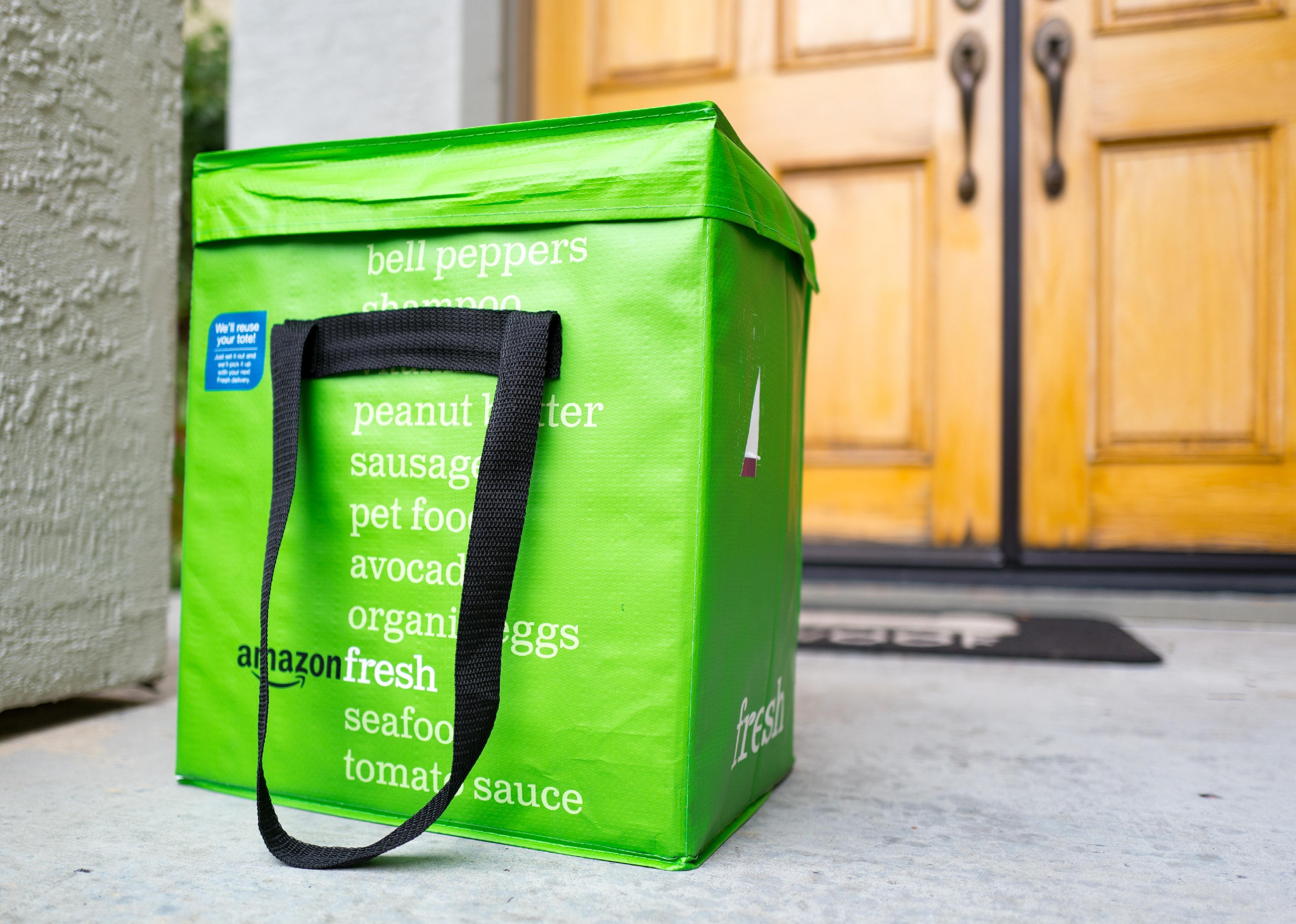
Growing numbers of Americans are relying on online delivery services for their groceries during the pandemic. Around 24% of people started ordering groceries online in May, up from 16% in April, according to the IFIC Foundation鈥檚 surveys.
16% worry they鈥檒l run out of healthy food
Worries about running out of healthy food have been rising during the pandemic, with 16% of people expressing that concern in May compared with 9% in April, according to the IFIC Foundation鈥檚 surveys. Availability of fresh food had already been a problem for communities in prior to the public health crisis, but empty grocery store shelves may now be bringing the issue to the forefront for people in other communities.
20% are concerned about providing enough food for their families
Just putting food on the table has become a concern for 1 in 5 people during the pandemic, according to the IFIC Foundation鈥檚 May survey. In late April, the United States Department of Agriculture made it easier for low-income families to afford groceries when it gave the , formerly known as food stamps, a 40% boost.
38% of people pay closer attention to grocery costs
started scrutinizing how much they鈥檙e spending at the grocery store as a result of COVID-19, according to the IFIC Foundation鈥檚 May survey. The price of groceries has recently had its biggest spike in 46 years, according to David Pitt of the Associated Press.
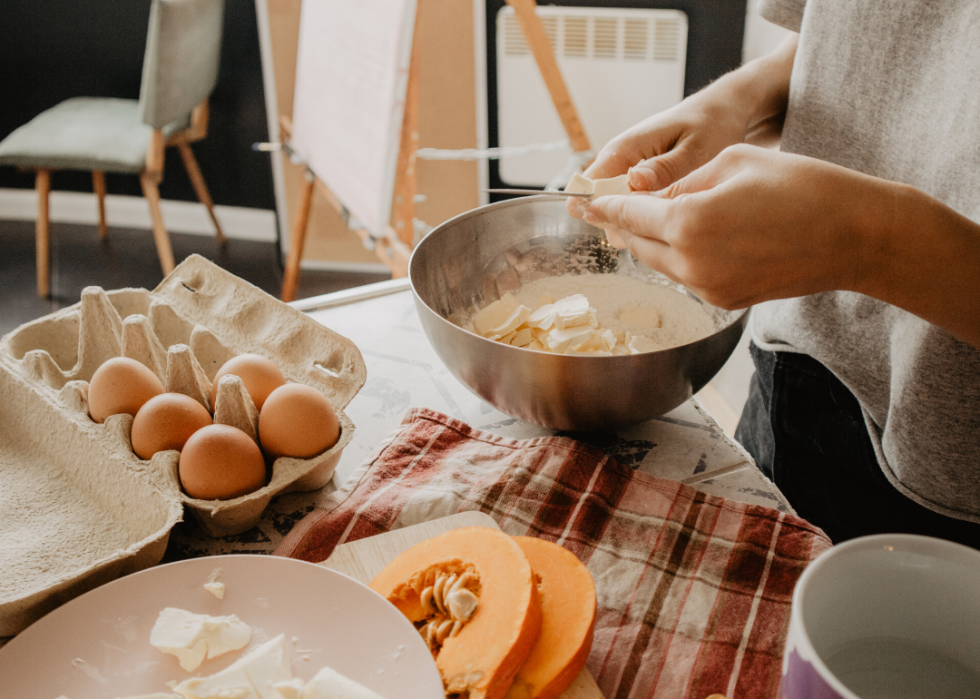
46% of people are baking more often
Baking is becoming a trendy hobby, with 46% of people reporting that they're baking more than they were before COVID-19, according to a survey of 1,005 people conducted by on April 2. Google searches for baking keywords, like yeast, brioche, bread, flour, and pastry, skyrocketed from March to April, according to an analysis of Google Trends data from .
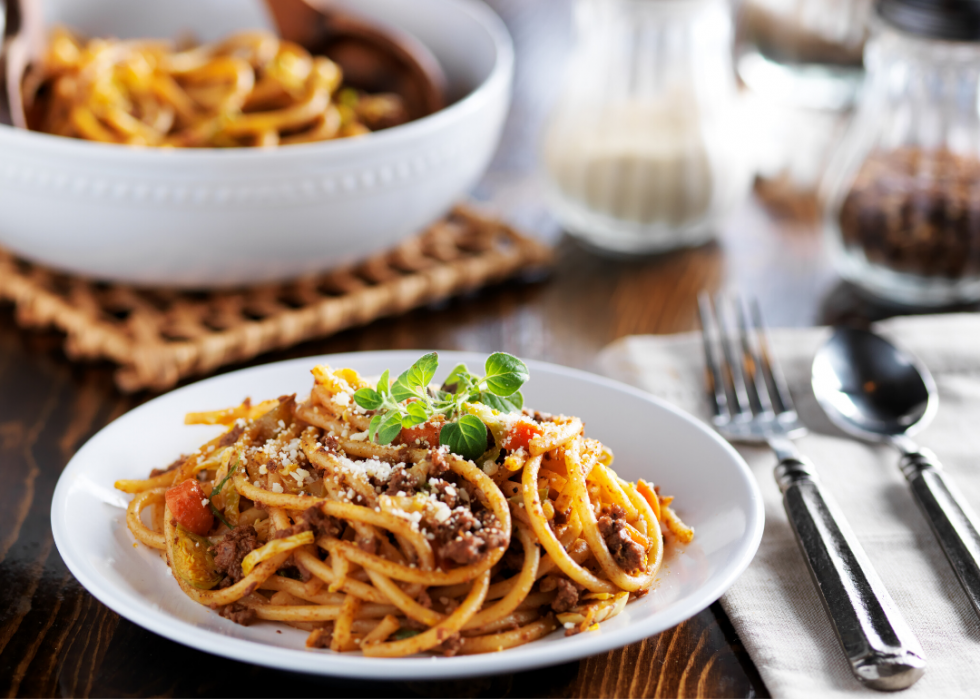
72% are making more pasta and rice
Carb cravings are on the rise during the pandemic. A whopping 72% of people are preparing more often now than before the COVID-19 crisis, according to an April 2 survey from Hunter. People are also cooking a lot more eggs, veggies, red meat, salad, and stews.
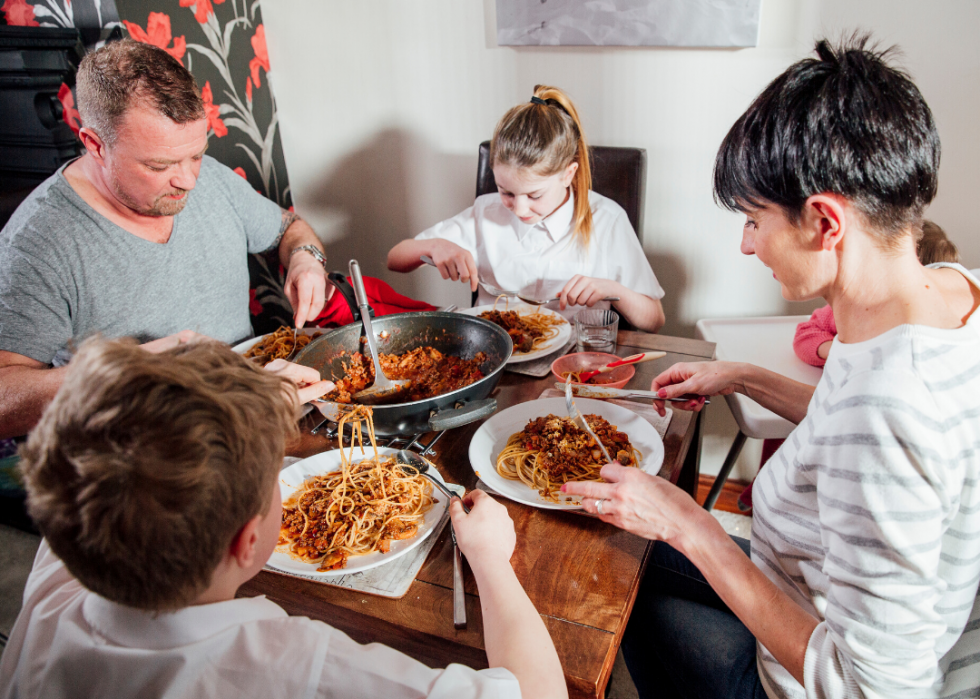
Eating together as a family on the rise
Nearly 50% of people are more frequently than they did before the pandemic, according to the April 2 survey from Hunter, and kids might be better off for it. Studies show that children tend to eat more fruits and veggies, have lower rates of obesity, experience better body image, and earn better grades at school when they regularly eat with their parents, according to Tara Parker-Pope of .
Higher income households drinking more alcohol
Nearly 3 in 10 people say they鈥檙e drinking more wine, beer, and spirits during the pandemic, according to the April 2 survey from Hunter. Higher-income households are driving the increase in alcohol consumption, while more than a third of people earning less than $35,000 per year have cut back on booze.
Plant-based food sales spike during the pandemic
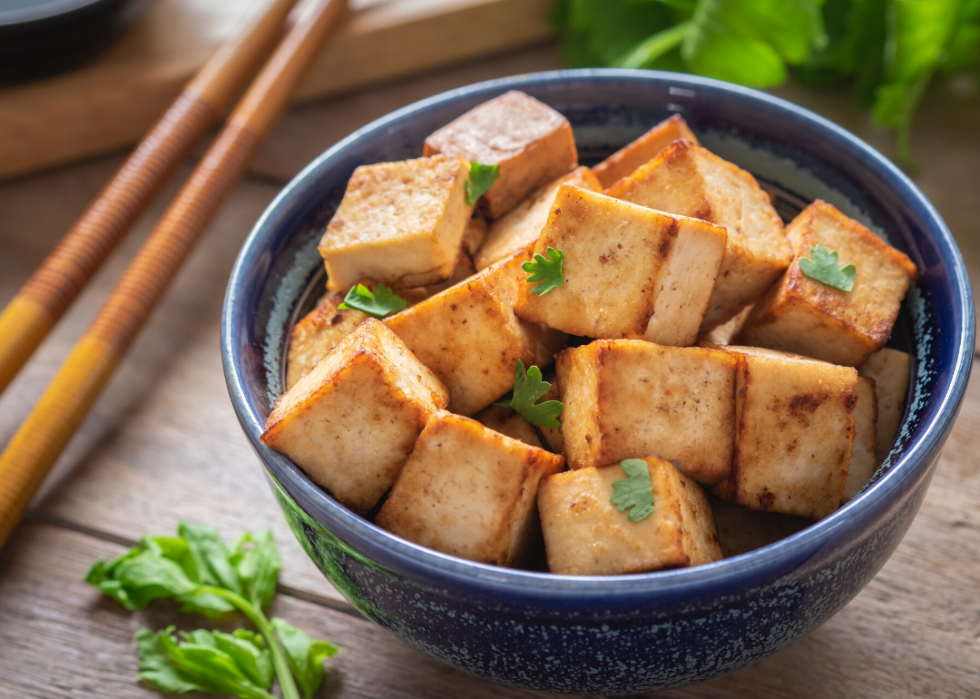
, like faux meat, tofu, dairy-free cheese, and tempeh, outpaced all other food sales by 35% in the 16 weeks ending April 19, according to data from Spins. Plant-based foods had already been increasing in popularity, but they鈥檝e seen a spurt in sales during the pandemic.
Calorie consumption increased for 50% of U.S. adults
Half of all American adults are during lockdown, according to a survey of 1,500 people conducted by Field Agent on April 8. What's more, 7% of all respondents say they've been eating "much more" calories in recent months, which could lead to unhealthy weight gain.
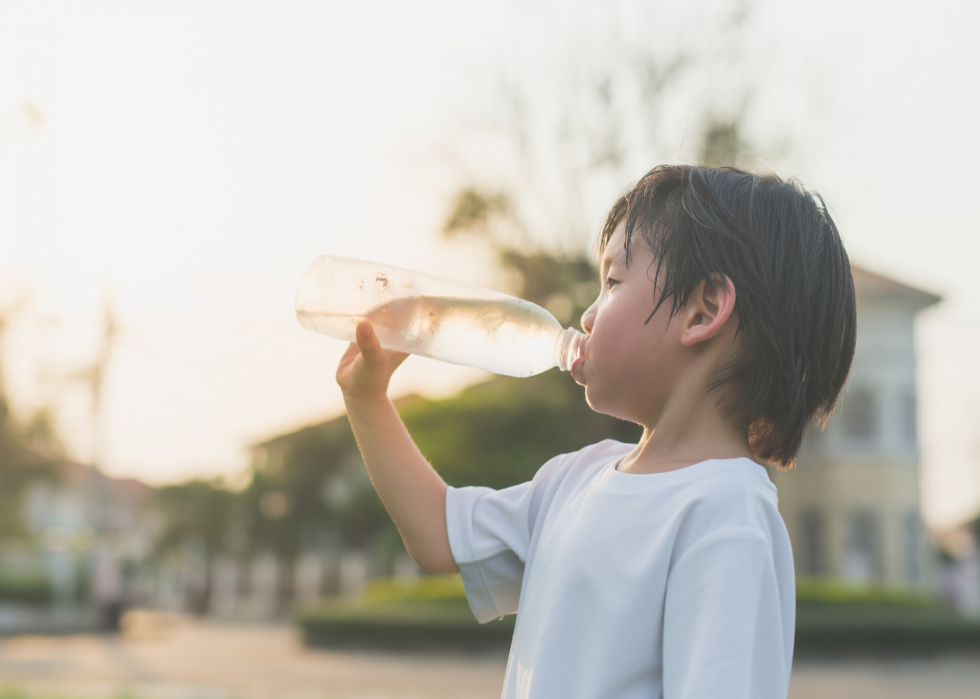
52% of people drinking more water
More than half of the respondents to Field Agent鈥檚 April 8 survey said they have been consuming more water since the coronavirus outbreak鈥攁nd they鈥檙e expected to continue staying hydrated long after the crisis ends. The 鈥淕lobal Bottled Water Industry鈥 report, released on May 21, expects per capita between 5 liters to 8 liters by 2025.
Organic foods getting more popular
There鈥檚 been a around the world during the pandemic, according to a recent report from Ecovia Intelligence. Organic food sales had already been on the rise over the past decade at least, but increased concerns over health in recent months have driven greater interest in products grown without pesticides and chemicals.
Soda and coffee consumption increasing
Eager for a , 23% of people say the COVID-19 crisis has made them drink more coffee, according to Field Agent鈥檚 April 8 survey. More than 1 in 5 respondents also say that they鈥檝e been drinking more soda.
55% seek out mood-boosting foods
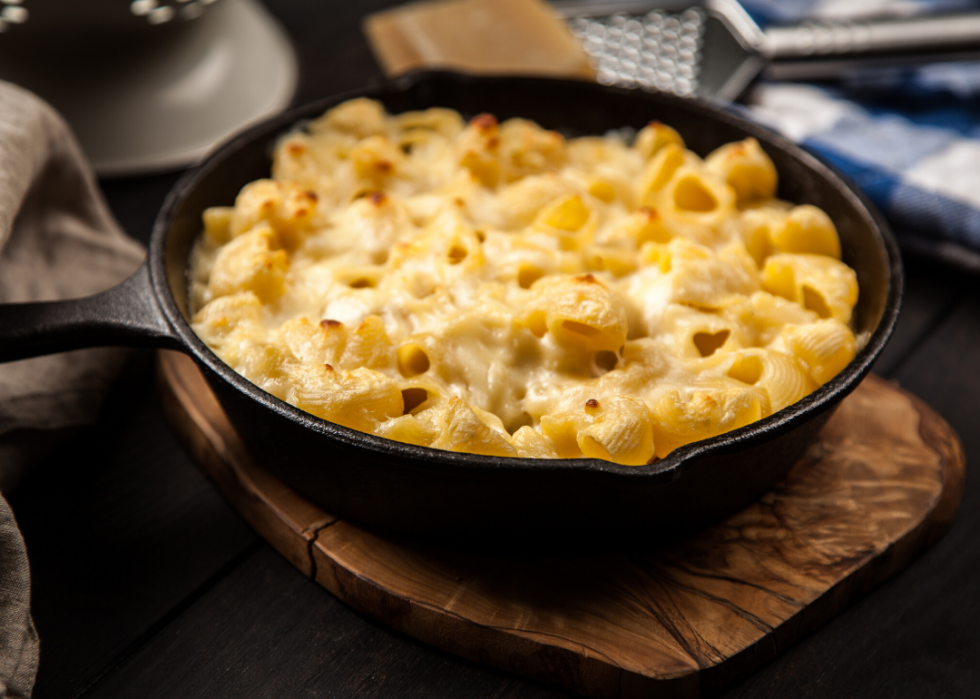
More than half of people have been buying foods they hope will boost their moods, according to an April 22 survey of people in 18 countries conducted by fast-moving consumer goods market researchers at FMCG Gurus. That might mean chocolate and mac 鈥檔鈥 cheese for people craving comfort foods, or fresh fruit and salads for more health-conscious consumers.
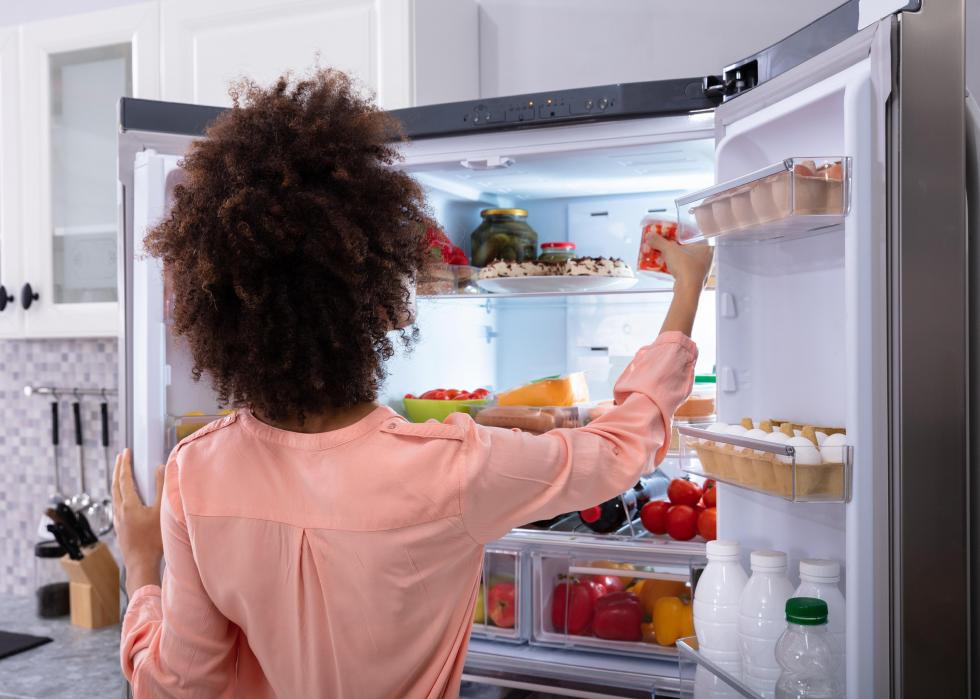
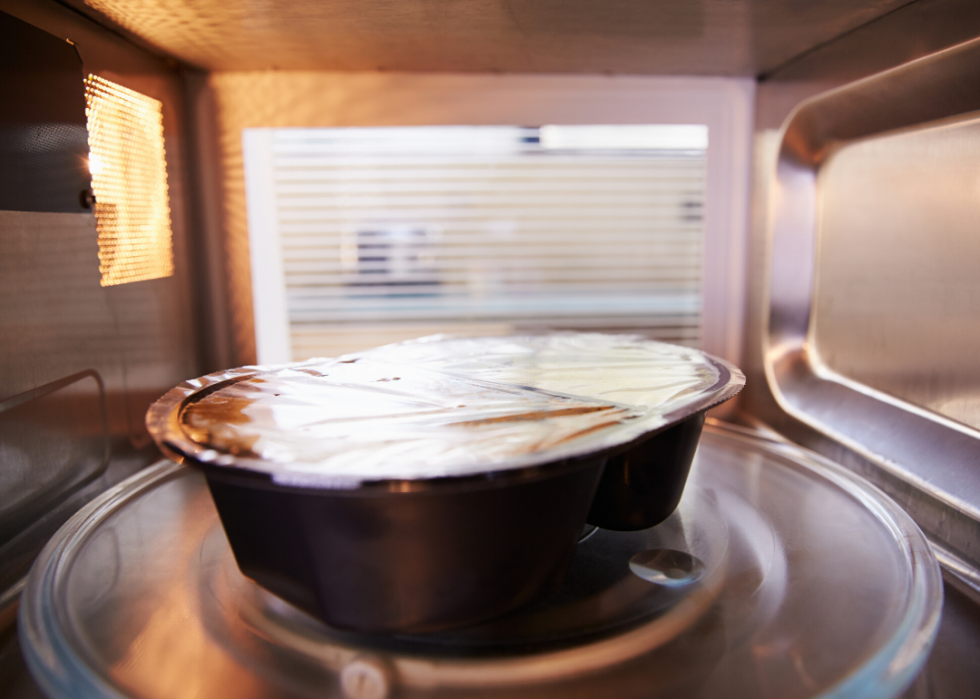
Microwaveable meals on the decline
When researchers from the University of Antwerp in Belgium surveyed people in Ireland, Australia, Brazil, Canada, Belgium, Chile, Uganda, France, Austria, Greece, and the Netherlands from April 17 to May 7, they found that people from all countries have been buying. Instead, they've been stocking their fridges with fruits and veggies to use in homemade meals.