Mindful meditation, yoga, and 23 other ways to relieve stress
Mindful meditation, yoga, and 23 other ways to relieve stress
The world is facing a dissemblance of normal life, and whether you have been directly or indirectly affected by COVID-19, chances are high your stress levels are increased. You may feel like you lack control of this situation, and to some extent, that's true; however, there are strategies you can try to relieve the stress you are experiencing day to day.
One approach is to limit your exposure to your own stress triggers. If having the news on all day or habitually scrolling through headlines or social media on your phone is causing you emotional distress, it is OK to take a step back. The World Health Organization (WHO) notes that anyone would be worried by "." You can stay informed while also taking care of your mental health by limiting the number of times you check the news in a day and making sure to only follow reputable sources. One Johns Hopkins Medicine psychologist also recommends getting , not social media posts.
Another approach to relieving stress is to actively participate in activities that are known by researchers and medical professionals to reduce stress. 麻豆原创 looked through scientific journals and news reports to research 25 scientifically supported ways to relieve stress. The activities people often partake in to reduce these feelings may be off the table right now, such as a trip to the gym, attending church service, or even spending time in-person with friends and family, but each of the suggestions in this slideshow can be done from the comfort of your home. And it's likely at least one of these stress-reducing activities is already something you take part in.
From mindful meditation and yoga to reading and gardening, here is a list of 25 strategies you can try to help lessen the weight on your shoulders.
Related:
Breathing exercises
Inhale for five seconds, exhale for five seconds, and repeat the pattern for a few minutes鈥攜ou鈥檝e just practiced what is known as . When your heart and mind are racing and you need a quick way to destress, breathing exercises can help bring your body to a relaxed state in seconds. The University of Michigan Health System recommends several : belly breathing, 4-7-8 breathing, roll breathing, and morning breathing.
Chewing gum
Experts often recommend chewing gum to help with focus or alertness, such as in the case of taking an exam. Researchers have also wondered whether chewing gum can help reduce stress: In a 2016 review of studies exploring the , Andrew P. Smith of Cardiff University鈥檚 School of Psychology suggested chewing gum could be 鈥渁 simple, cost-effective method of reducing stress and improving quality of life and well-being.鈥�
Drinking tea
While people around the world have long believed drinking tea brings a myriad of health benefits, both mental and physical, scientists are still trying to figure out exactly why and how. Researchers have discovered 鈥攁 stress hormone鈥攁nd also believe an antioxidant present in tea, epigallocatechin gallate, could be responsible for the drink鈥檚 calming effects.
Napping
Fatigue is a common symptom of stress, which can also be an obstacle to getting enough sleep in the first place. Taking a 30-minute midday nap could be enough to after a bad night of sleep, according to a 2015 study published in the journal Endocrine Society. The Sleep Foundation , as it could interfere with getting a restful night.
Laughing
The Mayo Clinic reports that laughing activates and , while also lessening physical stress symptoms by boosting circulation and relaxing muscles. Laughter can also deliver long-term health benefits, including mood improvement, pain relief, and even increasing one's immunity.
Check out 麻豆原创's list of , if you're in need of some laughter.
Kissing
Kissing the right person can lower cortisol levels. Smooching can even protect participants from the physiological impact of stress, according to a 2009 Santa Clara University study about . Affection exchange theory asserts that people receive stress-ameliorating effects from communicating affectionate behavior in close relationships. This method, and the next one, are of course not accessible or recommended to those living on their own during the current pandemic.
Sex
鈥攂ecause your body is focused on surviving, not procreating, licensed psychologist and sex therapist Rachel Needle, explained to Self. But having : Sex is known to offer a release of mood-elevating hormones, such as endorphins, and it can reduce cortisol levels, too.
Watching TV
Full disclosure, this tip may be more effective for women than men: A found that a woman鈥檚 cortisol levels became lower with the more television she watched鈥攖hough this was the case for some genres more than others. The study鈥檚 lead author Robin L. Nabi suggests stress levels may drop since watching TV is usually a passive activity.
Music
Listening to , according to a study published in 2013 in the journal PLOS One. Stanford University also researchers reported in 2006 that as it can be by taking medication. While more than others鈥攔hythmic drumming, classical, light jazz, and nature sounds, to name a few鈥攁 person鈥檚 music preference does come into play. If the sound of an approaching thunderstorm stresses you out, listening to music depicting thunder is not going to have calming effects.
Reading
Reading is proven to , according to a frequently cited 2009 study by researchers at the University of Sussex. Regular book reading over a long period of time might even be able to , according to researchers involved in the , a longitudinal panel study of an estimated 20,000 Americans over age 50. When choosing a book to read in order to reduce your stress levels, avoid anything that might upset you.
Check out 麻豆原创's list of to find inspiration for your next read.
Religion and spirituality
While slightly less tangible than other strategies on this list, the Mayo Clinic reports that by offering a sense of purpose and a community for support. Religion and spirituality can also allow people to accept the lack of control they have in some aspects of their lives.
Cooking and baking
Cooking when you must isn鈥檛 always fun; however, if you have some time to spare and find , it could be just what you need to reduce stress. Cooking and baking, which can be categorized as creative activities, may be able to , according to a 2016 study published in the Journal of Positive Psychology.
Healthy eating
The COVID-19 crisis has tossed many schedules right out the window and that lack of structure may be preventing you from eating nutritious meals. Nutrition doesn鈥檛 just affect your weight and your : A healthy diet can help the body deal with . Foods that may be able to include fatty fish, eggs, yogurt, turmeric, pumpkin seeds, Brazil nuts, and dark chocolate, according to a medically reviewed article published by Medical News Today.
Exercise
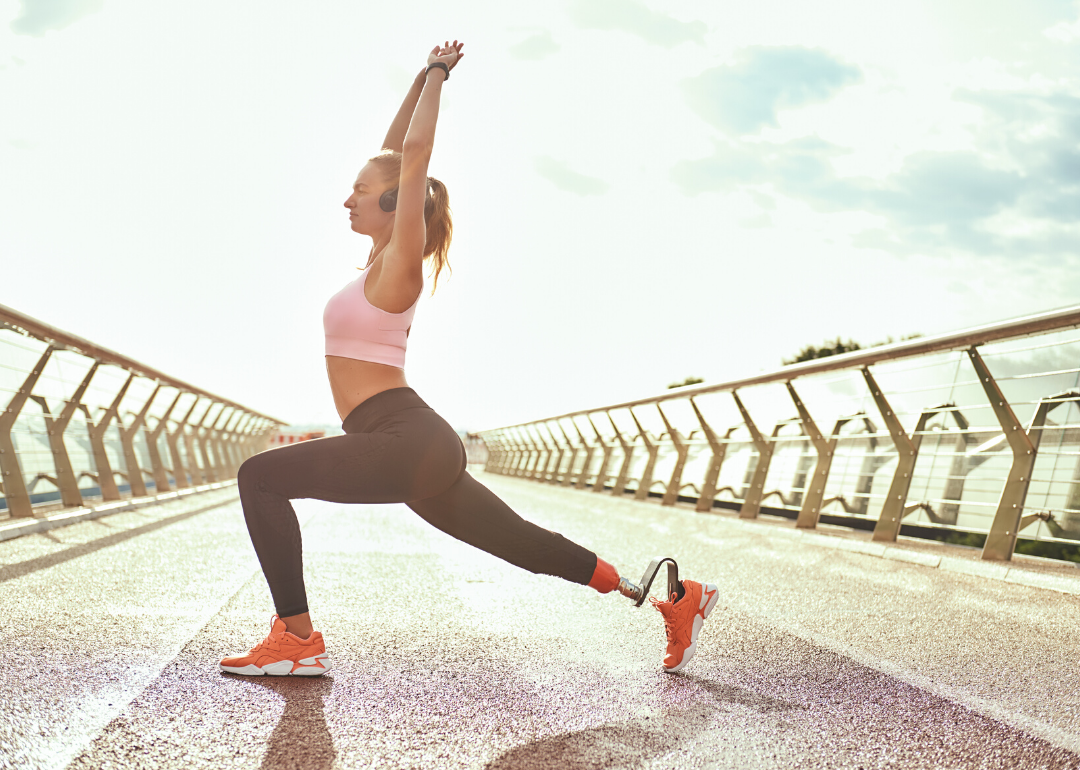
and increase relaxation, according to an article by Harvard Medical School鈥檚 Harvard Health Publishing. Clinical trials have shown aerobic activity such as walking, running, swimming, or cycling is capable of treating clinical depression and anxiety disorders because it decreases adrenaline and cortisol, while also stimulating endorphin production.
Yoga
Researchers at the University of Utah reported that "," in a 2012 article published in the International Journal of Preventive Medicine. There are countless free and paid-for online yoga classes for every age and ability, including the popular YouTube channel and , which allows for personalized practice.
Massage
Research suggests the benefits of massage are more than simply physical, with the Mayo Clinic noting that are two conditions massage may improve. Though in most parts of the world, making an appointment at a spa is not an option right now, if you live with a partner, learn some massage techniques online and treat each other to an at-home session. There are also products available to improve self-massage, such as balls and rollers.
Mindful meditation
Mindfulness may come off as a buzzword, but in practice, it means to be present, aware, and to avoid becoming overwhelmed. It is a practice inspired by the in 1979 at the University of Massachusetts Medical School. Over the course of decades, the program鈥檚 research showed how this practice could be used to reduce pain from chronic disease and can lessen the occurrence of stress-related illness. And clearly it works: Institutions from to help people cope with stress. Typing 鈥渕indful meditation鈥� into a search engine will offer endless guides and resources to getting started.
Guided imagery
Guided imagery is a learning process in which you engage your senses to take part in imagination. It may seem a bit abstract at first, but according to the Mayo Clinic via ScienceDaily, guided imagery has been shown to help people manage stress, sending 鈥�.鈥� Meditation app , or there are countless that can help you get started.
Aromatherapy
Aromatherapy can be an , according to the Cleveland Clinic, as well as many other scientific studies. Psychology Today recommends lavender, lemon, bergamot, ylang ylang, clary sage, and jasmine . Use a carrier oil like olive, jojoba, or avocado oil to topically apply essential oils to your skin (some may be too strong to be directly applied), or add drops of your favorite scents into a diffuser.
Hypnosis
Hypnosis is a widely misunderstood tool in the mental health field, and while it won't work for everyone, this . A hypnotist, or a recording of one, will guide you into a focused, but deeply relaxed state, which will help you to subconsciously accept something (i.e. to be happy or to not be afraid). Healthline provides a brief guide to .
Journaling
Researchers have found that journaling is an effective tool in dealing with anxiety and stress. or situations, according to Dr. James W. Pennebaker, the chair of the psychology department at the University of Texas, Austin. The University of Rochester Medical Center suggests that journaling helps 鈥溾�� and allows you to identify negative behaviors or thoughts.
Cleaning
Being in a messy, unorganized environment can make some people feel more anxious and stressed, so it makes sense why for some people, . Control comes into play here, too, which may be all too relatable with the threat of COVID-19: Cleaning can be a self-soothing technique. Cleaning also has the benefit of being a light form of exercise, which is known to relieve stress on its own.
Petting dogs and cats
Relieving your stress might be as easy as petting your dog or cat for just 10 minutes, according to a 2019 study by Washington State University. A common practice for universities across the country is to bring cats and dogs to campuses to offer a for students. A study published in a 2018 issue of Social Development, reported there is clear evidence that .
Crafts
Experts believe for those dealing with chronic pain, anxiety, or depression. The phenomenon of getting enthralled in a craft such as crocheting can be described as 鈥渇low,鈥� a term coined by psychologist Mihaly Csikszentmihalyi, who suggests flow is the secret to being happy.
Gardening
Time in nature has been shown to . While that may be difficult for the many currently in quarantine, gardening may offer a similar benefit. Gardening, or "," was found to decrease the severity of clinical depression in a 2009 study published by Research and Theory for Nursing Practice. If you don't have access to outdoor space, indoor plants in pots can bring all the benefits of gardening inside.
Related: