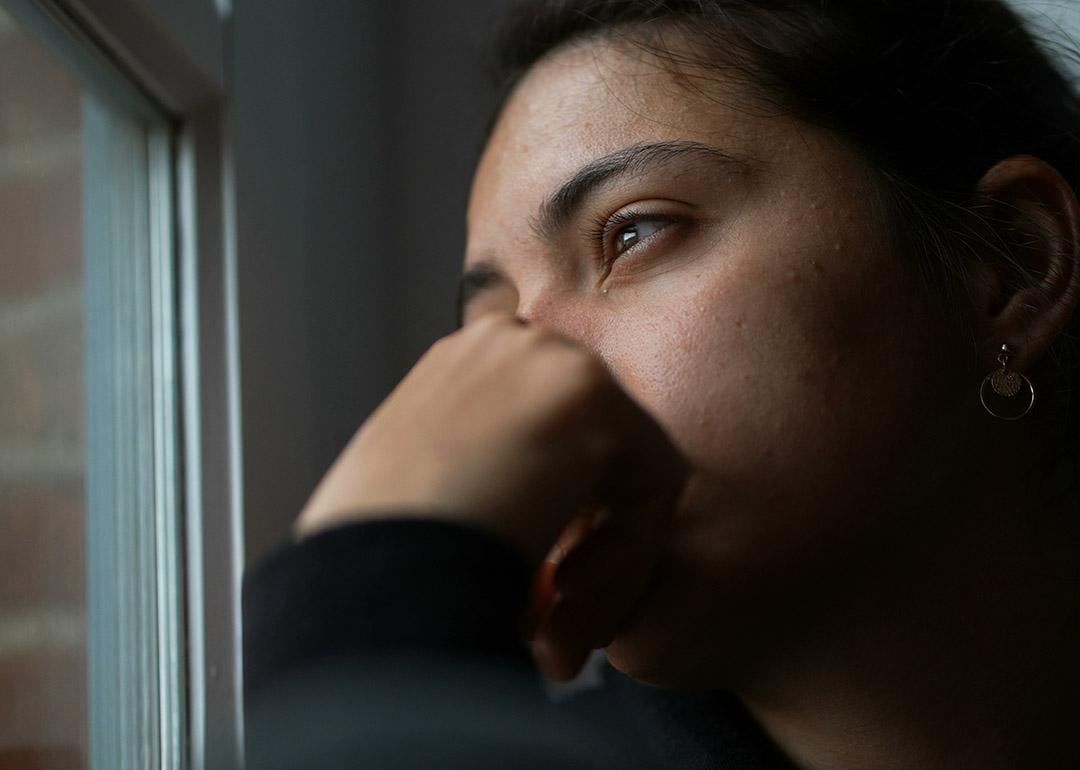
A rising crisis: How to help young girls with low self-esteem
was produced by and reviewed and distributed by 麻豆原创.
A rising crisis: How to help young girls with low self-esteem
Young girls have long been a vulnerable group. But in the past few years, alarming trends have been witnessed that need to be swiftly addressed by families, communities, and society as a whole. Managing the physical changes of puberty alongside cognitive, emotional, and social changes means teenagers and preteens are juggling a lot.
The Centers for Disease Control and Prevention found that between Feb. 21 and March 20, 2021鈥攄uring the height of the COVID-19 pandemic鈥攕uspected suicide attempts resulting in an emergency department visit compared to the same period in 2019鈥攁s well as compared to an increase of only 3.7% for boys.
reports that there are a number of factors contributing to this public health emergency. The COVID-19 pandemic caused severe isolation for everyone. At a critical developmental time in their lives, young children were cut off from peers and in-person social interactions. Instead, they spent more time online and interacting on social media. Yet, as is known, social media presents highly edited versions of people's lives, which skews perceptions of what real life looks like鈥攁nd can significantly impact mental well-being. In fact, showed a significant relationship between the frequency of Instagram use and body dissatisfaction, drive for thinness, and low self-esteem in girls aged 14-24.
The global phenomenon of girls going through puberty at younger ages may also be a contributing factor. Studies have long shown that self-esteem and confidence decrease for girls in middle school鈥攂ut with girls going through puberty at younger ages, that may be happening earlier. That may even affect how girls participate in activities that used to protect against self-esteem and body image issues. For example, participation in sports boosts confidence and encourages in-person social interaction. Recently, however, a found that girls are quitting sports when they become teens, reportedly due to lower self-esteem and more concerns about their bodies and appearance, exacerbated by more exposure to social media.
And while it may seem unrelated, the nation's ongoing battles over women's health and reproductive rights are not unnoticed by girls. They're forced to reckon with how their society sees them and their bodies and how their autonomy is undermined.
Altogether, we have seen distressing events among children, especially girls, including severe school avoidance, depression so severe they cannot get out of bed, anxiety-induced vomiting, sudden and extreme fluctuations in body weight or eating habits, persistent changes in personality, and self-injury. Across the country, .
Girls are particularly vulnerable, but all the stressors they experience鈥攖oo much social media exposure, loneliness, and even divisive politics, are pervasive. To help them, solutions need to address entire communities. That means more mental health care, quickly and in ways that are easy for all families to access when they need it.
Here's how to ensure that communities, families, and young girls can find the mental health care they need without judgment or unnecessary barriers:
- Develop community-based screening and care resources. Just like children get routine vision and hearing screening at school鈥攚ithout judgment, the need for health insurance, or separate medical appointments鈥攑artnerships can be built between medical providers and schools for mental health screening and care for communities. It will go a long way to ensure families find and receive regular, coordinated care when they need it, and not just when a crisis requires a visit to the emergency department.
, for example, in 2020, which has since grown to more than 30 school districts, that provides care coordination for children and families, formal school consultations, and ongoing mental health education for school administrators and teachers. We learned with the communities what they needed. In just three years, we expanded from five districts to 30 and from one site to three, with services available to more than 150,000 students. Since then, we've recorded more than 5,000 visits. Ultimately, schools may be the ideal place for screening because children interact more with schools than with pediatricians. In school, mental health screenings and access to resources can also reduce the burden of finding care for families and reduce the stigma of seeking and receiving regular mental health care. - Integrate more social-emotional instruction for children and families. Social-emotional learning means developing needed skills for self-control, positive interpersonal interactions, and coping with challenges. Studies have shown that social-emotional . New York State developed with an update in 2022 that outlines goals for increased self-awareness, a strong sense of identity, interpersonal skills, intentional decision-making, and overall independence.
- Rebuild connectedness at home, school, and in the community. Taking breaks from social media and online interactions is good, but simply forbidding screen time will only work if children are provided with alternatives. Create opportunities for children to connect with adults and their peers. Daily activities can do double duty鈥攚atching TV, playing games, listening to music, cooking, taking a walk鈥攃an provide opportunities for nonjudgmental, open communication.
Mental health is a serious public health issue for girls and all kids, but there are tools to address it. It can be scary to see children in distress, but they can be equipped with the skills to thrive.