Suicide risk rises in fall. Here’s what we can do about it.
Suicide risk rises in fall. Here’s what we can do about it.
Every September, Suicide Prevention Month brings a flurry of hashtags, awareness walks, and online tributes. But here’s what often gets left out: suicide risk doesn’t peak during the holidays, as many believe; it actually climbs in the fall.
This seasonal uptick isn’t just anecdotal. A study published in the Journal of Affective Disorders found that suicide rates consistently spiked across September and October across multiple countries. And these aren’t isolated patterns, they show up year after year — after school starts, after summer routines dissolve, just as workloads intensify and social connection thin out. Vivian Chung Easton, a mental health clinician at therapist-enablement technology platform , shares insights into how people can help drive more than awareness all month long.
The Seasonal Spike People Don’t Talk About
You’re probably used to hearing that the holidays are a “hard time” for mental health. And they can be, but statistically, fall is more concerning. Some contributing factors may include:
- The return-to-school and work schedules increase stress and disrupt sleep.
- Less sunlight and shorter days begin to affect mood regulation.
- For many, the loss of summer’s flexibility means less time for relationships and self-care.
It’s important to note that these shifts don’t cause suicide. But they do intensify risk factors — especially for people already struggling with mental health, chronic illness, trauma, or economic instability. According to the CDC, as of 2022:
- Suicide is the 11th in the U.S.
- It’s the second leading cause of death among people ages 10 to 14 and 25 to 34, and the third leading cause for those 15-24.
- Suicide rates are higher among youth, working-age adults, and people in lower-income or rural zip codes.
Veterans are especially vulnerable. A found that suicide rates among veterans were a staggering 57.3% higher than those of nonveterans in 2020. This is not just a mental health crisis, it’s a public health issue.
Why Awareness Alone Isn’t Enough
In September, social media is filled with messages about “breaking the stigma” or “reaching out.” You’ll see PSAs, mental health hashtags, and maybe a few celebrity endorsements — which have their own merit.
The problem? Most of this messaging is vague, soft-edged, and low-risk, avoiding naming suicide outright. It rarely tells people the critical part of the conversation: how to help or what real prevention looks like. And it doesn’t address the barriers that prevent people from getting care. For example:
- Over 20% of U.S. adults with a mental illness say they , according to the Substance Abuse and Mental Health Services Administration’s 2024 report.
- Many communities still lack access to affordable care, trained providers, or culturally appropriate support.
- Structural barriers (i.e., insurance denials, appointment waitlists, stigma in healthcare systems) go unmentioned in most public campaigns.
Suicide prevention requires infrastructure, training, and policies that make help available and effective. You don’t need to be a therapist to help. There’s no single solution to suicide prevention, but we know what doesn’t work: euphemisms, silence, and surface-level messaging. What’s helpful is to be willing to ask questions, listen without flinching, and guide someone toward support.
Signs Someone Might Be Considering Suicide
If you’re worried about someone, take changes in their words, behavior, or mood seriously. Not everyone shows obvious signs, and some mask their distress. Mental health clinician Vivian Chung Easton shared some patterns to watch for:
Changes in what they say
- Talking about feeling hopeless, trapped, or like a burden.
- Mentioning death or suicide directly, or making vague statements like “I won’t be around much longer” or “What’s the point?”
- Speaking as though the future doesn’t matter or isn’t part of their plan.
Shifts in behavior
- Giving away possessions, especially items of personal value.
- Withdrawing from friends, family, and usual activities.
- Saying goodbye in a way that feels final.
- Increasing use of alcohol or drugs.
- Engaging in risky or self-destructive behavior without concern for consequences.
Mood and demeanor changes
- A sudden lift in mood after a period of depression. Sometimes it’s a sign they’ve made a decision about ending their life.
- An eerie sense of calm or relief that doesn’t match the situation.
- Noticeable agitation, anxiety, or rage.
Context matters. These signs may not always mean someone is suicidal, but if they appear together, intensify, or feel out of character, it’s time to check in. You don’t need to have the “perfect” words; your willingness to notice and ask can interrupt a dangerous spiral.
Actions to Take If You’re Concerned About Someone
Here’s what to do:
- Ask directly: “Are you thinking about suicide?” or “Do you want to hurt yourself? or “Have you had thoughts of wanting to die?” Instead of skirting around the topic, asking directly is important to get to the center of the issue. How you ask these questions is also important — ask them directly, without raising your voice or joking about it.
- Stay calm and listen. You don’t need to “fix” it in the moment. The urge might be strong to tell them a lot of people love them or that this is not the right decision — but when someone gets to this point, it's a decision they’ve thought a lot about. In this moment, what they need is you, and you to be present with them.
- Be honest about the unknowns, leveling with them is important. Don’t say things like “You’ll be ok,” or try to relate to them, or give your own personal story. Remember that this isn’t about you, this is about their struggles.
- Don’t promise secrecy. If someone is at risk, you need to connect them to help. Instead of saying you won’t tell anyone, you can say something like, “Keeping you safe is a priority of mine, and I need to do that.” This communicates that it’s important that you share this information.
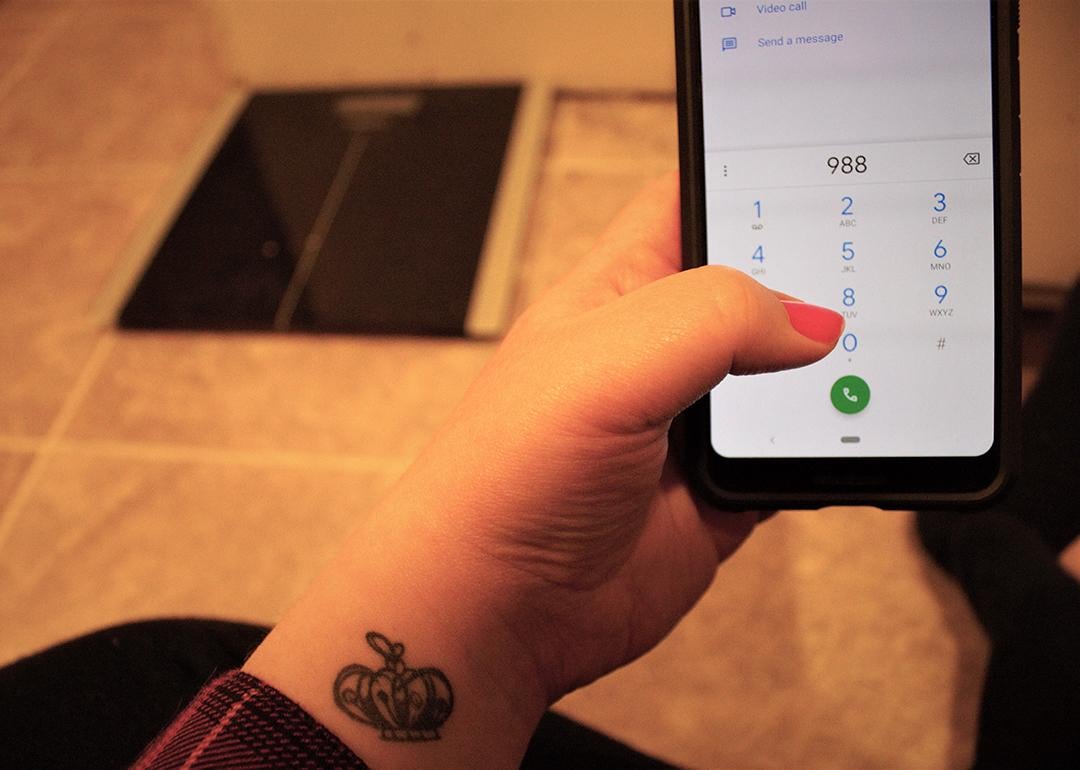
- Call or text 988, the national suicide and crisis line, for immediate support and guidance.
If you're in a position of influence, like HR, education, healthcare, or faith leadership; consider getting trained through programs like and , which teach everyday people how to spot signs and intervene — which can be especially useful in rural or under-resourced communities. But no matter where you are, the ability to spot risk and respond early saves lives.
Fall Brings Risk, But Also Opportunity
We talk about seasonal changes all the time: migraines, allergies, back-to-school anxiety. Now it’s important to talk about suicide the same way: as something shaped by our environments, relationships, and access to care.
The numbers back it up: Fall is a high-risk time. But it’s also a time for intervention. Kids are returning to school. Workplaces are ramping up. People are reconnecting after summer. This is the moment to ask better questions, to build stronger safety nets, and to push for better systems.
Because suicide prevention doesn’t start with awareness, it starts with action.
was produced by and reviewed and distributed by Â鶹ԭ´´.