Things you should watch out for while outside this summer
There's nothing like basking in the first rays of summer sunshine. The sudden warmth conjures up memories of summer camps, pool parties, and July Fourth barbecues filled with hot dogs and beer. However, harsh realities like mosquitos, bees, sunburns, smog, and heat strokes can seriously shorten the love affair people have with summer. For many, the idea of summer is significantly better than the reality. However, people can fully enjoy the season if they learn what to avoid.
To aid readers in their quest for the perfect summer, Â鶹ԭ´´ created a list of things people should pay special attention to during the hottest season of the year. This list was compiled by identifying risks from multiple sources like insects, unpredictable weather, poisonous plants, and air pollution. Click through to find out how to stay safe when bees attack as well as where you should be vacationing to avoid tropical storms.
Also:
Poisonous plants
A great summer hike could mean coming into contact with plants that will make life difficult. Poison ivy, poison sumac, and poison oak all have . That’s the oil that causes the blistering rash that comes with an unbearable side of itchiness 12 to 72 hours after contact. , use calamine lotion or corticosteroid cream to relieve the itch.
Hot dogs
Hot dogs are big part of summer, especially during July Fourth’s annual . However, those tubes of meat aren’t so innocent, with. Choking is the 19th most common cause of death in the United States, and during a hot dog-eating contest in South Dakota in 2014.
Drowning
Summer and swimming go hand in hand, but every day . In June, world champion skier Bode Miller after she fell into a pool. To keep kids safe, the erecting a pool fence that has self-closing and self-latching gates.
Burning hot pavement
While shoes may keep human soles safe during summer, to dogs and other animals. Look for limping, refusal to walk, and blistering as signs that a pet’s foot has been burned by the pavement. A vet should be contacted for medical advice immediately.
Tropical storms
as warm oceanic temperatures and atmospheric conditions combine to reach peak conditions for cyclone formation. , meaning southeastern United States and other tropical areas are more prone to storm activity compared to dryer, cooler areas.
Mosquito bites
Americans are currently , according to data from the Centers for Disease Control and Prevention. Scientists believe rising global temperatures are to blame for the increase in mosquito-related illnesses like dengue fever, West Nile virus, and the Zika virus. The Environmental Protection Agency products containing DEET, Picaridin, and lemon-eucalyptus oil to help keep mosquitoes away.
Summer allergies
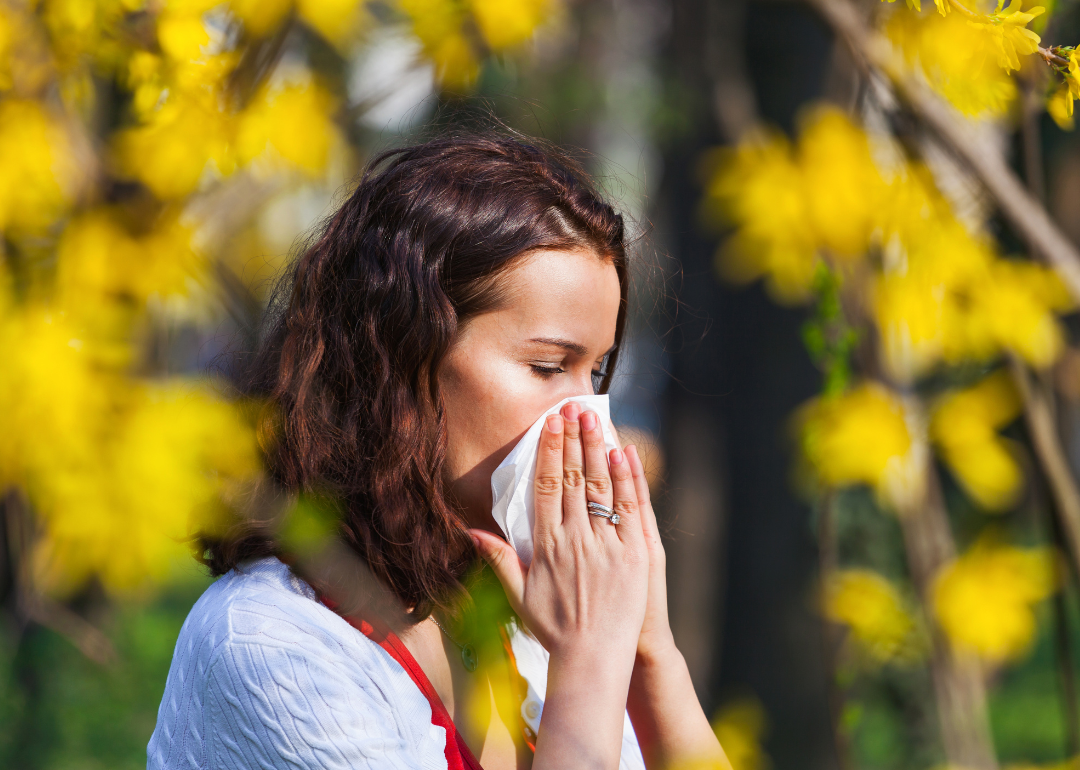
are just a few culprits that can lead to summertime allergy outbreaks. include dark circles under the eyes, mouth-breathing, and lines across the nose. Common symptoms like sneezing and watery eyes are also signs to take seriously. Over-the-counter antihistamines and nasal sprays can provide immediate relief. However, an appointment with an allergist may be in order if symptoms last for more than two weeks.
Monsoons
normally occur between April and September, and bring heavy rains with them. Monsoons happen more often in places like India, Myanmar, and other Southeast Asian countries that depend on rain for their agriculture. between July and September, and can lead to in places like Mexico and southwestern states.
Sharks
It’s not just Great White sharks that pose danger to humans. if they come into contact with swimmers. If a shark appears, don’t panic. Try . As long as the shark is visible, it’s less likely to attack.
Bees
It feels like bees are everywhere when the temperatures start to rise. That's because bees are most active during the warmer months,. If a swarm of bees heads your way, the as fast as you can and pulling your shirt over your face to protect from stings. Jumping in water may seem like an effective way to escape a swarm, but it's not—the bees will just wait until you come up for air.
Heat stroke
Staying out in the sun too long can lead to serious consequences. When body temperature reaches above 104 degrees Fahrenheit, and bring symptoms like confusion, agitation, nausea, rapid breathing, and headache. If you see , move them to a cooler place and place cool towels on their head to lower their internal temperature. Seek medical attention as soon as possible.
Smog
When temperatures rise in the summer, bad ozone gas gets trapped in the atmosphere and creates smog. The result is air that’s hard to breathe, as smog and reduces lung function. When smog and ozone levels are at unhealthy levels, it’s best to avoid spending time outside.
Boating accidents
Boating accidents were the . Close to 85% of people that drowned in boating accidents weren’t wearing life jackets, meaning many of those deaths could have been prevented. When enjoying time on a boat this summer, putting on a life jacket could ultimately save lives.
Lightning storms
Lightning strikes the planet . When it strikes, the electrical current can travel up to 100 feet over the ground. The to avoid laying down during lightning storms and to stay away from water. More than anything, they recommend staying indoors when thunder can be heard because lightning is on the way.
Skin cancer
than all other cancers combined—90% of non-melanoma skin cancers can be traced to UV ray exposure from the sun. To , use sunscreen with an SPF of 15 or higher and stay out of the sun from 10 a.m. to 4 p.m.
Scorpions
can be extremely painful and potentially fatal. , 30 of the estimated 1,500 species of scorpions have . If stung, and head to the emergency room for treatment that may include anti-venom.
Fireworks
July Fourth is a popular time for firework celebrations. However, fireworks . What’s more, over 7,500 of those injuries occurred during the month surrounding the holiday. Firework injuries most often include . Never let children play with fireworks, and to trained professionals.
Electricity
Since electrical outlets are everywhere, it may seem silly that electricity is on this list. However, summer is when people most enjoy aquatic activities like swimming and sailing. Sailboats with tall masts can . is another danger that’s often fatal and occurs when electricity—from a dock, marina, hot tub, etc.—seeps into water and effectively paralyzes those swimming in the water. A good rule of thumb is to stay away from any source of electricity when engaging in aquatic activities.
Ticks
This summer is supposed to be . The mild winter and lack of acorns have led to an explosion in tick population. and spread them by biting humans. in the Midwest, the East Coast, and California, ticks staying away from wooded areas, walking in the center of trails, and using EPA-registered insect repellents. It's vital to seek medical attention immediately if bitten by a tick.
Picnic food poisoning
Food safety rarely enters the discussion during summer picnics, but the to keep food poisoning at bay. Raw meats should be kept in containers with temperatures below 40 degrees Fahrenheit, and food should be cooked at high temperatures to kill harmful germs. Hand washing is the best way to keep bacteria from spreading when preparing meals.
Hot cars
Staying inside a hot car on a summer day isn’t just uncomfortable—it can be deadly. Since 1998, as a result of being left in hot cars. On a 100-degree day, a car left out in the sun Fahrenheit. This environment can kill a toddler in less than an hour. that’s been left in the sun, fan the doors to let some of the excess heat escape and then drive around with the air conditioning on at maximum capacity.
Bicycles
Kids wait all year until it’s warm enough for them to ride their bikes outside, but bicycle accidents are a serious problem. that 467,000 bicycle-related injuries occurred and over 1,000 bicyclists died in 2015. Simple ways to include wearing a helmet, following the rules of the road, and avoiding night-riding as occur between 6 p.m. and 9 p.m.
Snake bites
The majority of snakes in North America aren’t poisonous, but , coral snakes, and water moccasins. Venomous snakes in every state in America except Alaska and bites become . If bitten, or trying to suck out the venom, and get to a hospital immediately.
Dust storms
Dust storms can appear anywhere, but in the desert regions of Central Asia, North America, Central Africa, and Australia. created a 19-car pileup and killed three people. Dust and sand storms are easy to identify because visibility drops to almost zero. The a dust storm is to take shelter or cover up airways to prevent inhaling dust and sand.
Bears
Bears aren't much of a threat during winter because they're hibernating. However, bears are known to wreck serious havoc in the summer months. Since 1980, by grizzly bears in Yellowstone National Park. Since 2000, , with Alaska being the most fatal state for death by bear. Keep yourself safe by carrying bear repellent in areas known to have bears. Pepper spray-like repellent has been found to be 92% effective in fending off bears.
Water skiing accidents
While ankle injuries are the most common result of water skiing accidents, from getting hit by a bigger boat, coming into contact with propeller blades, and . Always wear a life jacket and helmet, and to minimize water ski injuries.
Wildfires
As global temperatures rise and rainfall declines, the number of summer wildfires will continue to increase worldwide. On average, every year. If a wildfire occurs nearby, the listening to the radio for up-to-date information, preparing to evacuate at a moment’s notice, and obtaining a well-stocked emergency kit.
Alligators
Humans aren’t traditionally prey for alligators, but since 2007 in Florida alone. Gators can be found in the southeastern states: Florida, Louisiana, Alabama, Georgia, South Carolina, Mississippi, and Texas. However, . Like bears, , meaning summer is the season to be on alert for attacking alligators.
Urban heat islands
Heat islands are phenomena occuring in urban areas where excessive heat gets trapped by tall buildings, lack of vegetation, and increased heat exhaust from vehicles. Once a heat island forms, an extremely hot day becomes even hotter. This can lead to an increased risk of heat stroke and organ damage, especially in older people. , cities should install cool pavement and reflective roofs.
Dehydration
Summer's most dangerous threat is also most inconspicuous. Dehydration occurs or electrolytes to function normally. Dehydration symptoms include dizziness, dry skin, and extreme thirst, with later stages leading to death. The simplest way to is to remember to drink lots of water and beverages containing electrolytes.