What are the best prescription weight loss pills?
was produced by and reviewed and distributed by 麻豆原创.
What are the best prescription weight loss pills?
that affects millions of people worldwide. And while BMI (body mass index) is not the be-all and end-all assessment of obesity (it's not without its problems), more than over the age of 20 have measurements in the overweight or obese range in the United States. That's more than two out of every three adults.
For some people, diet, and exercise are not enough to lose weight and keep it off. This is where weight loss medication, including weight loss pills, comes in. When combined with diet and exercise, the best weight loss pills can help you lose weight鈥攁nd keep it off鈥攂y:
- (decreasing your desire to eat).
- Reducing how much fat you absorb from the foods you eat.
- Making you feel full faster within a meal and longer in between meals.
What is the best weight loss pill for you? That depends. shares the strongest weight loss pills available today.
The Strongest Prescription Weight Loss Pills
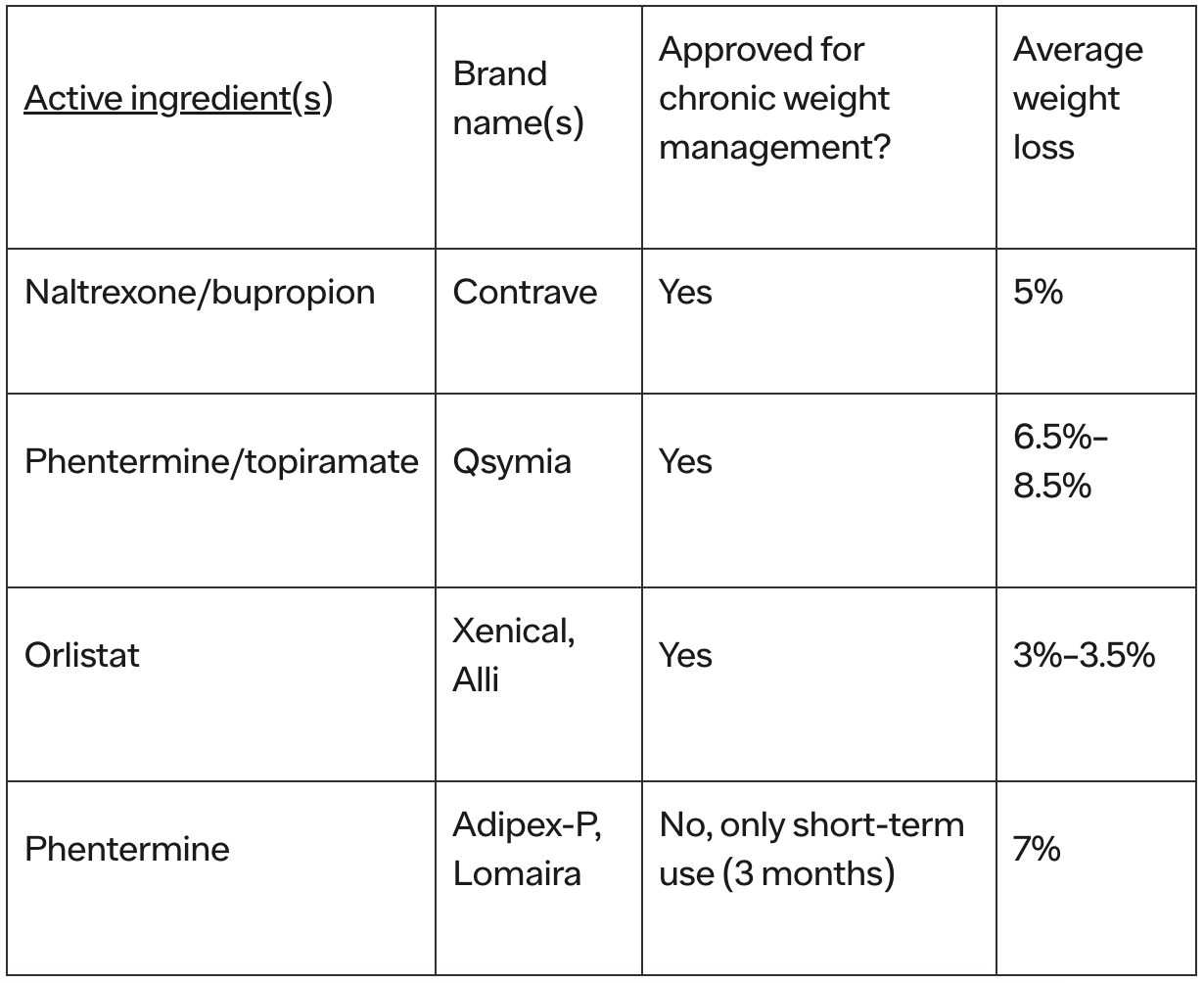
Antiobesity medications are most effective when combined with healthy lifestyle changes, such as improved diet and exercise routines. Making those changes while taking prescription weight loss pills can lead to a significant amount of weight loss鈥� over the course of one year. Some of the strongest weight loss pills available today include:
- Naltrexone/ (brand name Contrave)
- /topiramate (brand name Qsymia)
- Orlistat (brand names Xenical, Alli)
- Phentermine (brand names Adipex-P, Lomaira)
Naltrexone/Bupropion (Brand Name Contrave)
In clinical trials, of people taking naltrexone/bupropion lost at least 5% of their body weight within one year. That's twice as many people who implemented lifestyle changes alone. One analysis of these same clinical trials reported the overall average weight loss on naltrexone/bupropion to be a relative to placebo.
Naltrexone treats drug and , while can improve and help people quit smoking. The combination of these two medications may affect dopamine, a brain chemical. By doing so, this drug and decreases appetite.
Common side effects of include nausea, headaches, constipation, insomnia, vomiting, dizziness, and dry mouth. Some people also notice elevations in blood pressure and heart rate while using naltrexone/bupropion. Since this combo medication includes bupropion, an , it may increase the risk of suicide in young adults with depression when they first start treatment (a known side effect of antidepressants).
People with uncontrolled high blood pressure, seizure disorders, , chronic opioid use, and severe liver failure should avoid using this drug. Also, anyone who has used monoamine oxidase inhibitors () in the past 14 days should not take naltrexone/bupropion because of the risk of .
Phentermine/Topiramate (Brand Name Qsymia)
In clinical trials, 75% of people taking phentermine/topiramate lost at least 5% of their body weight within one year, compared with only 23% of those taking a placebo. One observational study of real-world practice found that people lost of their body weight within five months of starting phentermine/topiramate and about 8% after one year鈥攚hich translates to nearly 20 pounds.
is a combination of phentermine and the anti-seizure/anti-migraine drug ; using both drugs together works better than either drug alone to reduce appetite. Because of phentermine's potential for abuse, the DEA considers it a scheduled drug.
Those with kidney stones, acute angle glaucoma, heart arrhythmias, high blood pressure, or should avoid using phentermine/topiramate. Side effects include dry mouth, constipation, paraesthesias (numbness/tingling), depression, , and elevated heart rate.
Orlistat (Brand Names Xenical, Alli)
In one analysis, taking orlistat lost at least 5% of their body weight within one year鈥攏early twice as many as those taking a placebo. Other studies have found that people taking orlistat lose at least 2% of their body weight within five months and after one year.
Orlistat works by decreasing the absorption of fats from food鈥攊t reduces fat absorption by . Orlistat is available in prescription strength (brand name Xenical) and a lower strength over-the-counter formulation (brand name Alli).
Most of the affect the gastrointestinal system, including stomach rumbling, abdominal cramps, bloating, and constipation. Some of the more distressing GI effects include:
- Passing gas (sometimes with oily spotting).
- Diarrhea, loose stools, or greasy stools.
- Frequent bowel movements that are hard to control.
- Liver damage (rare effect).
Fortunately, most of these issues improve after using it for a while and can be avoided by sticking to a low-fat diet. Other side effects include poor absorption of fat-soluble vitamins (vitamins , , , and ) and kidney stones.
Phentermine (Brand Names Adipex-P, Lomaira)
People taking phentermine can lose of their body weight, or at least 8 pounds.
is just one of the active ingredients in phentermine/topiramate. Phentermine is a that suppresses appetite. It's one of the most commonly prescribed weight loss pills and is FDA-approved for weight management on a (12 weeks). As a stimulant, phentermine is a controlled substance that has a potential risk of abuse and dependence.
People with anxiety disorders, heart disease, a history of seizures, glaucoma, or high blood pressure should not use phentermine. Side effects include headache, insomnia, dry mouth, dizziness, and increased heart rate and blood pressure.
Who Is Eligible for Weight Loss Medications?
Most weight loss pills are meant for adults over 18 years old with the following, according to :
- or more.
- Overweight with a BMI of 27 kg/m2 or more with a weight-related health problem, like , , or .
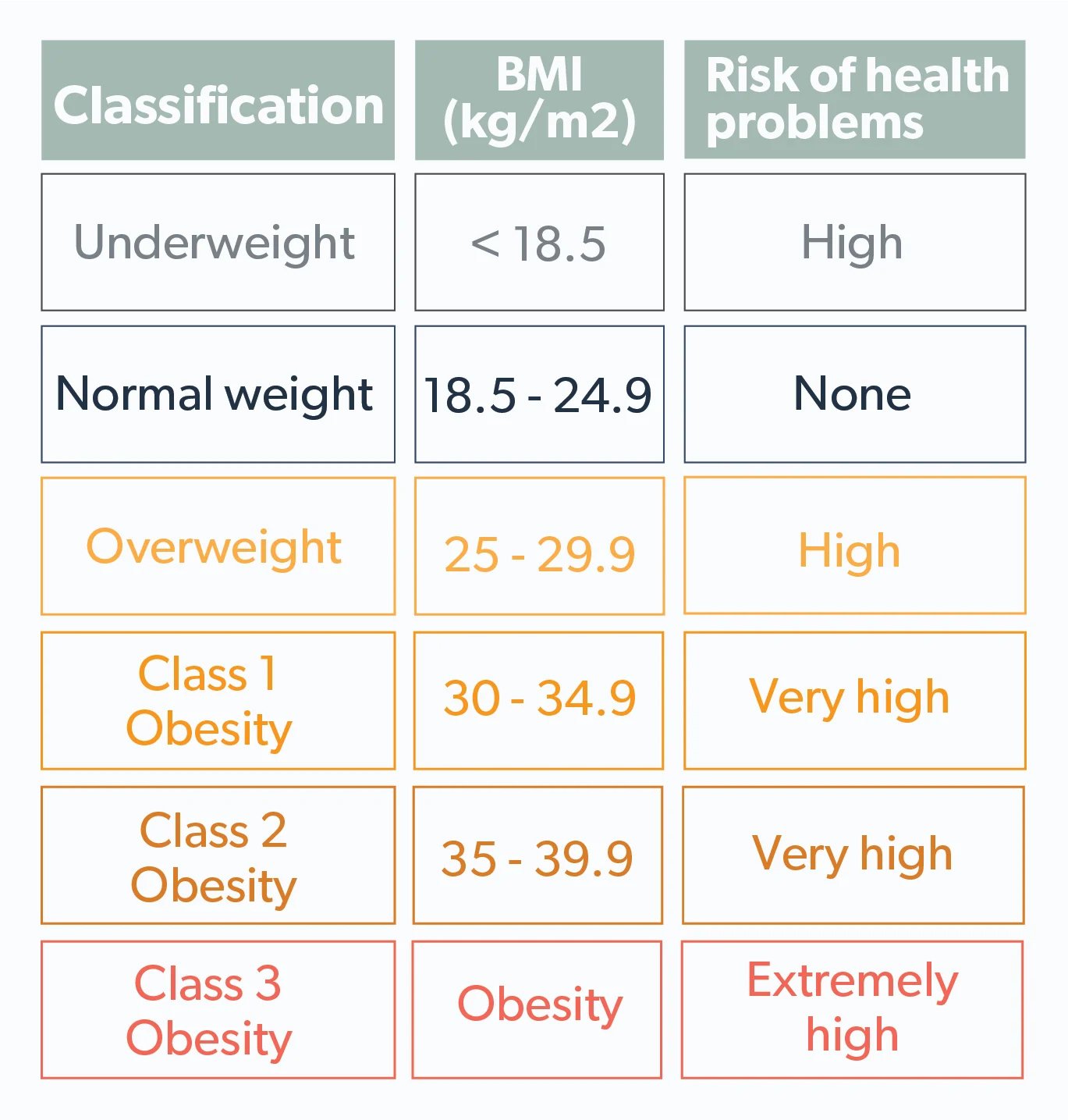
The easiest way to determine your weight category is to measure your . BMI is a measurement of body weight in kilograms (1 kilogram equals 2.2 pounds) divided by height in meters squared (1 meter equals about 3 feet 3 inches). You can easily calculate your BMI by clicking . Using your BMI, you can determine which of the following categories applies to you:
What Do Different BMI Levels Mean and How Can Weight Loss Medications Help?
If your BMI is higher than 25, you have an increased risk of several health conditions, including heart disease, stroke, , and severe . Losing as little as can significantly improve your health. Weight loss medications, in addition to , , and lifestyle modifications, are appropriate for some people to help with their .
It's important to keep in mind that BMI does not account for factors like sex, , and more. Additionally, research to support BMI as an assessment tool lacks racial and ethnic diversity.
Many weight loss pills are contraindicated for certain health conditions or medications. For example, people who are pregnant or breastfeeding should not take weight loss pills. Other common contraindications include uncontrolled high blood pressure and MAO inhibitors.
Review the prescribing information for any weight loss pill you are considering, and be sure to tell your healthcare provider about any health conditions you have as well as any medications you are taking. Sharing this information with them can help them determine the best weight loss pill for you.
How Well Do Weight Loss Pills Work?
Unfortunately, there is no magic pill to cure obesity. However, weight loss pills can help make a weight loss journey more successful, especially when combined with diet and exercise. And, the strongest weight loss pills have been tested for efficacy and safety in clinical trials.
These FDA-approved weight loss pills mainly work by suppressing your appetite. Some do so by activating parts of your brain involved in appetite regulation鈥攕uch as naltrexone/bupropion, phentermine/topiramate, and phentermine鈥攍eading to fewer cravings and less hunger. Others, such as orlistat, work by blocking how much fat you absorb from food, so you absorb fewer calories overall.
How much weight you lose on weight loss pills can depend on the medication and other lifestyle changes you make. Improving your diet and increasing your physical activity may weight loss. In general, people tend to lose between 3%鈥�9% of their body weight after one year of taking weight loss pills, in combination with lifestyle changes.
How Long Do I Need to Take Weight Loss Pills?
How long you need to continue taking weight loss pills depends on several factors and will vary from person to person. Depending on the side effects you experience and the success of your weight loss, your healthcare provider may need to adjust your dosage.
If your weight loss is successful and you don't experience negative side effects, your health care provider may recommend taking weight loss pills long-term to help you keep the weight off. If you take your medication as prescribed and aren't seeing results, your health care provider may prescribe you a different weight loss pill.
That said, the Food and Drug Administration has approved certain weight loss pills for short-term vs. long-term use. As mentioned above, phentermine is only FDA-approved for short-term use (up to 12 weeks). For long-term weight management, the FDA has approved three weight loss pills: phentermine/topiramate (Qsymia), naltrexone/bupropion (Contrave), and orlistat (Xenical, Alli).
Other Medications That May Help With Weight Loss
The drugs mentioned above are the ones that carry FDA approval. However, other drugs may be used "off-label" to help with weight loss. Off-label simply means that a drug is being used for a condition that it was not originally approved to treat.
Take metformin, for example. is approved to treat type 2 diabetes but is used off-label to treat prediabetes based on data from the , which showed a reduction in diabetes incidence by 30%. Nowadays, metformin is also used off-label to treat other conditions, like obesity, .
Antidepressants, drugs used to treat depression, are another class of medications that may help people lose weight. Bupropion, one of the drugs in the FDA-approved weight loss medicine Contrave, is an antidepressant that may aid .
Other Weight Loss Treatments
Other options are available if prescription weight loss medications aren't right for you.
Weight loss surgery
While surgery is the most invasive form of weight management, many of these procedures have been shown to , including:
- : An inflatable band is placed around the stomach to create a smaller pouch, effectively reducing how much food can be eaten and making patients feel fuller faster.
- : Most of the stomach is removed in this procedure, leaving patients with a smaller stomach that takes less food to feel full. It has the added benefit of affecting the gut hormones that play a role in hunger, feeling full, and blood sugar control.
- : Also called Roux-en-Y gastric bypass, is a complicated surgery that reduces the size of the stomach and rearranges the small intestine to decrease calorie absorption. It can also affect gut hormones.
Weight loss surgery is an effective option for managing weight, but it does come with a risk of side effects and potential complications, such as nausea, vomiting, heartburn, abdominal pain, and infections. Some of these procedures can increase your risk for like , , and deficiencies.
Will I Gain Weight Back if I Stop Weight Loss Medication?
Unfortunately, even the strongest weight loss pills only work as long as you take them鈥攚hen you stop them, . Think of medications as another tool to manage your weight鈥搄ust like diet and exercise. If you stop exercising, you are likely to gain weight back; similarly, stopping the medication can result in weight regain as well.
Do Weight Loss Pills Replace Diet and Exercise?
Weight loss pills shouldn't replace diet and exercise. Weight loss drugs should be part of a comprehensive treatment plan that includes , like diet and exercise, counseling, and behavioral interventions. Adding lifestyle changes may also help you minimize weight regain if you stop the weight loss pills.
People taking weight loss pills along with lifestyle modifications lose, on average, after one year. These compounding effects may improve your risk of multiple health problems like type 2 diabetes and high blood pressure.
Weight loss pills may be the added boost you need to help you lose weight. However, they're not for everyone. Talk to your health care provider about prescription medications for weight management to determine if any are right for you.