What your first aid kit is missing that could make a big difference
From half-used gauze rolls to expired antibiotic ointments, most American first aid kits have one thing in common: They鈥檙e woefully out of date. These kits are meant to be our go-to solution for minor injuries, whether it鈥檚 a scraped knee on the playground or a nasty cut during vacation, but they鈥檙e only as helpful as what they contain.
It鈥檚 important to regularly check the supplies in a first aid kit and replenish when needed. The gap between what we have and what we need could mean the difference between quick healing and lingering infection. offers guidance on what essential items are often missing from typical first-aid kits.
The usual suspects
Typical first aid kits cover the basics: adhesive bandages, antiseptic wipes, gauze pads, first aid tape, maybe some tweezers and gloves. But as our understanding of wound care has evolved, so should our tools.
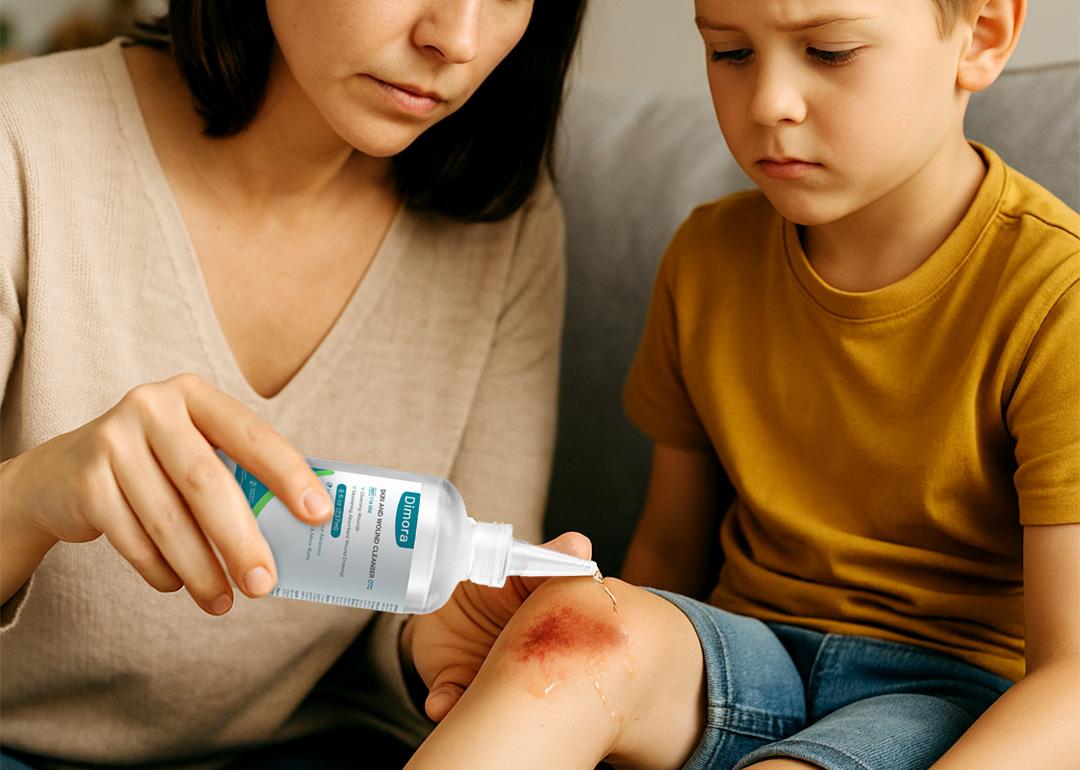
Many antiseptic wipes found in standard first aid kits contain hydrogen peroxide. Cleaning wounds with hydrogen peroxide or alcohol may cause a burning or stinging sensation, which is especially problematic for young children. Beyond that, experts say hydrogen peroxide is no longer the recommended treatment for wound care.
鈥� is actually detrimental to wound healing. It prevents healing rather than promoting it,鈥� said Dr. Michael Yaakovian, a surgeon and wound care specialist at Houston Methodist.
In fact, research has shown that traditional antiseptics like hydrogen peroxide are relatively ineffective against the true microbial challenge facing wounds today: biofilms.
What are biofilms?
Biofilms are microscopic layers formed by colonies of bacteria that essentially build a defensive fortress around themselves. They鈥檙e also notoriously resistant to common disinfectants.
The Centers for Disease Control and Prevention estimates that biofilms are involved in up to . They have also been shown to and if not managed correctly, the wound could progress to infection.
The wound may look fine for a few days 鈥� until it doesn鈥檛. That minor scrape becomes red, puffy and painful. Healing stalls. Infection sets in.
What experts recommend for wound care
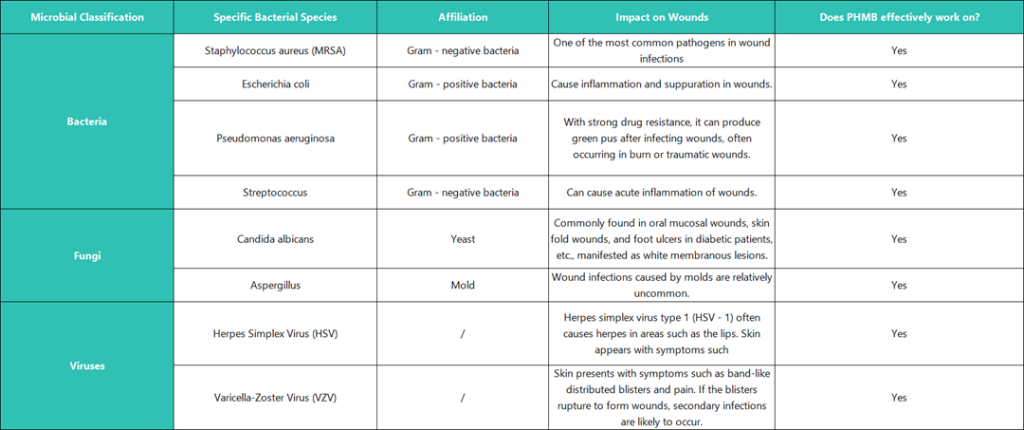
Modern wound care鈥攅specially in hospitals and clinics鈥攈as shifted toward using biofilm-disrupting cleansers that can eliminate bacteria without harming the tissue trying to heal. One of the most widely studied ingredients in these solutions is PHMB (polyhexamethylene biguanide), a gentle antimicrobial also used in contact lens solutions.
In a study published in Wound Management & Prevention, PHMB-based cleansers were found to .
First aid kit checklist
Take an inventory of what you do and do not have in your first aid kit. Every modern first aid kit should include:
- Biofilm-disrupting wound cleanser (preferably PHMB-based)
- Adhesive bandages in various sizes
- Sterile gauze pads and medical tape
- Antibiotic ointment or barrier cream
- Tweezers and blunt-tip scissors
- Gloves (non-latex)
- Digital thermometer
- Cold packs
Replace anything that鈥檚 expired or depleted, especially your stock of adhesive bandages in various sizes. Store your first aid kit somewhere accessible and consider having more than one鈥攑referably one at home, one in the car and one in your suitcase if you travel frequently. And perhaps most importantly: Check your kit twice a year.
First aid is changing. So should your kit.
Wound care isn't just about slapping on a bandage anymore. It鈥檚 about interrupting infections before they start, understanding microbial behavior, and using the correct tools to heal them.
Active kids (and adults) will get cuts and scrapes, but a well-stocked first aid kit will stop a minor wound from becoming a major problem.
This story was produced by and reviewed and distributed by 麻豆原创.