鈥楲azy jobs鈥� aren't lazy: How Gen Z rebranded work-life balance
Traditional 9-to-5 jobs are becoming less appealing to Gen Z. Today's youngest workers are rejecting hustle culture and instead seeking low-stress jobs that offer flexibility, balance, and personal freedom without sacrificing financial stability.
That's where "lazy jobs" come in. Lazy jobs are flexible, low-pressure roles that pay well while allowing workers to prioritize work-life balance and mental health. They are typically remote jobs, like transcriptionists and virtual assistants but can also include on-site positions, like a dog walker or a receptionist. Some Gen Zers think even more outside the box as professional cuddlers and sleep study participants.
Despite the name, lazy jobs aren't about slacking. They involve choosing personal well-being over nonstop hustle. Tech-savvy workers today can use artificial intelligence and to streamline their workflows and stay productive without working long hours.
Here, , an online marketplace for hiring skilled freelancers, explains what lazy jobs are and how Gen Z is using them to redefine work-life balance on their terms.
Where did 鈥榣azy jobs鈥� come from?
According to a Gallup report, U.S. Gen Z workers were, which could explain why many are turning to lazy jobs. The report showed declines in areas including:
- Clarity of expectations
- Recognition
- Support
- Development opportunities
The term "lazy jobs" was coined (at least in large part) by as a response to burnout and toxic workplace culture. and experiencing burnout, she quit her job and began using her TikTok and LinkedIn pages to promote healthier approaches to work.
Judge's message resonates with Gen Z because it reflects what many are going through: say they feel stressed or anxious all or most of the time, with one-third saying their job contributes significantly to their stress, and . She encourages people to find easy jobs that support mental health and a balanced life.
About a niche that Judge has helped foster within the lazy jobs trend.
The lazy jobs movement might sound negative, as if it celebrates laziness or is geared toward lazy people. But underneath the catchy name, it reflects a more intentional approach to career design, one that encourages people to build careers that support themselves fully 鈥� not just financially. The movement prioritizes mental health and well-being and rejects tradition and cultural norms.
Why Gen Z is embracing lazy jobs
Gen Z isn鈥檛 afraid to break the mold and blaze their own trail. This trendsetting generation is asking the question, why? Just because working a 9-to-5, 40-hour workweek has been the standard for past generations doesn鈥檛 mean this structure makes sense for everyone. A mix of personal values and workplace realities drives the shift toward lazy jobs. Some reasons why Gen Z is embracing the shift include:
- Mental health awareness. Gen Zers are conscious of how stress and pressure can impact their well-being. They're not willing to sacrifice mental well-being for a paycheck. In fact,. That's why they're drawn to low-stress jobs that support mental health and promote work-life balance.
- Previous generations' experiences. Gen Zers grew up watching their parents work tirelessly, stay loyal to employers, and still face burnout or layoffs. They've learned that hard work alone doesn't guarantee success, which is why many choose career paths that offer flexibility, well-being, and a healthier long-term outlook.
- Remote flexibility. After the COVID-19 pandemic normalized remote work, Gen Zers came to expect that flexibility as a baseline rather than a perk. Many lazy jobs offer this freedom and autonomy, letting workers manage their schedules and avoid the rigid 9-to-5 grind associated with traditional jobs.
- mindset. Gen Z is rejecting hustle culture and the idea that success requires a constant grind. Instead, they value meaningful work that fits into their lives. Lazy jobs support this mindset by prioritizing achieving quality of life over climbing the corporate ladder at all costs.
- Economic anxieties. Gen Zers grew up during economic instability, from the 2008 recession to the COVID-19 downturn, so traditional full-time jobs haven't always felt secure to them. Many prefer building income through , like freelance gigs or side hustles. Lazy jobs give them more control over their work, income, and collaborators.
The Upwork Research Institute found that are already working as freelancers.
Global context and cultural comparisons
The U.S. isn't the only place where lazy jobs have become popular. Many workers are questioning the glorified hustle culture and the practice of working until burnout, as this typically serves the company rather than the worker.
In China, for instance, the "tang ping" trend, which translates to "lying flat," reflects a quiet rebellion against relentless social and professional pressure. This trend encourages young people to step away from the intense expectations, long hours, and competitive nature of high-pressure jobs. Instead, many are choosing simpler, more manageable roles that prioritize personal well-being over traditional success.
Like lazy jobs, tang ping is about reclaiming balance in a culture that often glorifies overwork.
Globally, quiet quitting is another trend reshaping how people perceive work. It refers to employees who withdraw from their responsibilities over time, often doing only the minimum required before ultimately : no staying late at work, no extra tasks, no overextending. Rather than chasing promotions at the cost of mental health, workers choose to protect their well-being and focus on balance over burnout.
Generally, these trends of lazy jobs, tang ping, and quiet quitting reflect a global anti-hustle movement. People are increasingly less willing to sacrifice their well-being for outdated definitions of success.
Examples of popular lazy jobs
The following are some real-world examples of well-paying jobs that usually don鈥檛 require workers to overextend themselves. Some of these roles are remote, while others require in-person work, but they often appeal to people who prefer low-stress environments, lower social demands, and flexible ways of working.
Popular 鈥榣azy jobs鈥� and their pay
- Data entry keyer: $19.29 per hour
- Freelance writer: $34.75 per hour
- Mystery shopper: varies by assignment
- Video game tester: $16
- House sitter: $17
- Dog walker and pet sitter: $16.28
Data entry
If you want a stress-free way to earn a steady income, data entry might be your dream job. The, with annual earnings around $40,130.
On Upwork, freelance data entry specialists typically make between $10 and $20 an hour, depending on experience. Data entry doesn't require advanced qualifications, just basic computer skills, fast typing, and attention to detail. Because it's fully remote, it appeals to Gen Z professionals who want flexible schedules and the freedom to work from anywhere.
Freelance writer
Writers, such as bloggers and copywriters, earn an average of. On Upwork, freelancers typically charge between $15 and $40 per hour based on their niche and experience.
Freelance writing is often fully remote, giving writers flexibility over their schedules and the amount of work they take on. This makes it an excellent fit for anyone who values independence and work-life balance.
Mystery shopper
is a flexible, low-pressure job that appeals to Gen Z due to its simplicity and freedom. While pay depends on the client and assignment, the role doesn't require special training, just sharp observation and good communication skills. It's ideal for those who want control over their time and still get paid for simple tasks like visiting stores and giving feedback.
Video game tester
Video game testing offers a fun way to earn and work from home. Freelance testers typically make $12 to $20 per hour, according to Upwork data.
Video game testing typically involves playing and reviewing video games to spot bugs. Video game testers don鈥檛 require a formal degree. Attention to detail and excellent analytical skills can allow them to spot issues and report to clients. Unlike traditional tech jobs, video game testing is low-pressure and often project-based, making it a great fit for Gen Z's lifestyle.
House sitter
House sitting is a low-effort job that fits perfectly into the lazy job mindset. Pay varies, but the average is around , depending on the location and responsibilities.
The house-sitting role requires no formal training, but it does call for reliability and basic caretaking skills like watering plants or feeding pets. It can offer more flexibility and personal time, making it a good option for Gen Z workers who value independence and quiet work environments. The schedule flexibility may also make it possible to take on additional work-from-home freelance projects at the same time.
Dog walker and pet sitter
Dog walking and pet sitting are flexible jobs that let Gen Zers earn while spending time with animals. Pet sitters (categorized among animal care and service workers) make an average of.
Pet sitting requires a genuine love for animals and a strong sense of responsibility. It鈥檚 a good fit for people who prefer hands-on work, enjoy spending time outdoors, and want the flexibility to set their own schedules.
What employers can learn from the lazy jobs trend
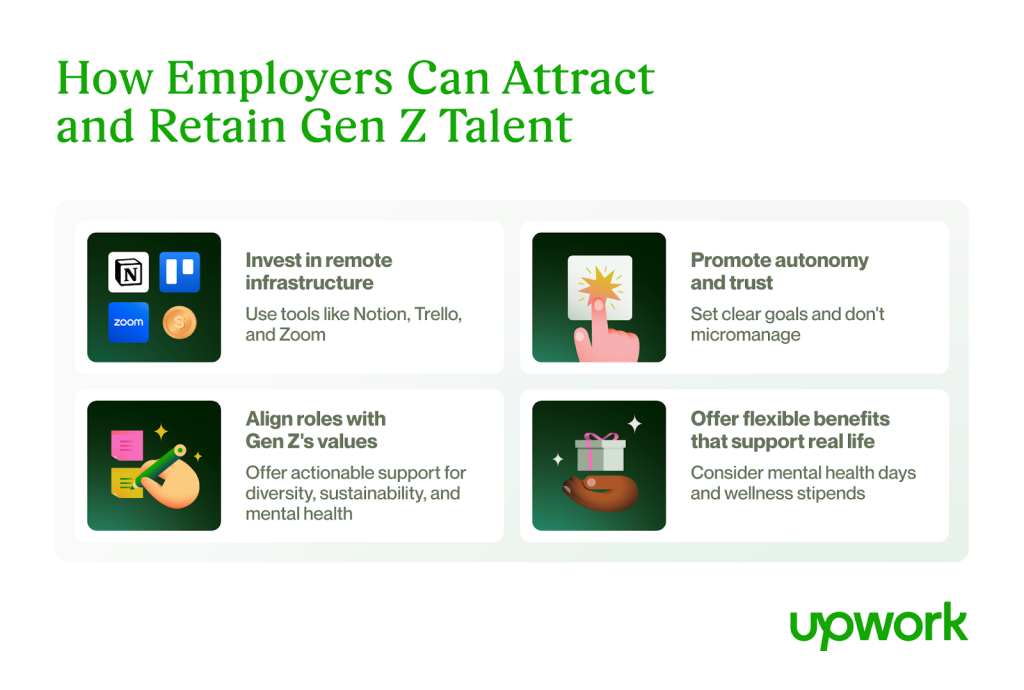
As more Gen Z workers enter the workforce, employers should consider their expectations regarding work-life balance, flexibility, and personal well-being. This will help businesses stay competitive and get the best from their workforces. Follow these practical ways to attract, engage, and retain Gen Z talent.
鈥�
Invest in remote infrastructure
Gen Zers expect digital tools that match their tech-savvy mindset and support flexible work. To meet those expectations:
- Use tools that support async collaboration. like , , and help Gen Zers manage tasks and deadlines without needing constant check-ins or meetings.
- Adopt flexible communication channels. like and let teams stay connected across time zones while allowing Gen Zers to communicate in real time.
- Make onboarding and training remote-friendly., shared guides, and digital mentoring so new hires can get up to speed at their own pace and feel supported from Day 1.
Promote autonomy and trust
Gen Z employees value independence and want to feel trusted to do their work well., you need to:
- Set clear goals. Define what success looks like, then let them choose when and how to get there, whether through flexible hours, part-time work, or hybrid setups.
- Give them ownership of tasks. Build engagement and accountability by allowing Gen Z workers to take the lead on specific projects or suggest new approaches.
- Limit micromanagement. Check in regularly without stepping on their toes. Use project tracking tools like or to stay aligned without constant supervision.
- Measure impact, not hours. based on the quality, relevance, and business value of deliverables rather than time spent at a desk
Align roles with Gen Z's values
Gen Z workers increasingly seek roles where their values align with the company's mission. That's why is important to job satisfaction. When a job reflects what they care about, they're more engaged, motivated, and loyal. To promote shared values in the workplace, you should:
- Clearly communicate your core values. Highlight your stance on key issues like diversity, sustainability, and mental health in your job listings, interviews, and company culture.
- Back your stated values with action. Don't just say you support inclusion; show it through diverse hiring, employee resource groups, and inclusive policies.
- Encourage open conversations. Create space for Gen Z employees to express what matters to them and involve them in decisions that shape workplace culture.
Offer flexible benefits that support real life
Gen Z employees may feel less engaged when their contributions aren鈥檛 recognized or appreciated. This can lead to burnout and decreased morale. Maintain your Gen Z talent by:
- Providing mental health support. Offer access to therapy, counseling apps, or mental health days to help employees recharge.
- Giving wellness stipends. Let workers use a set amount for fitness classes, meditation apps, or other activities that support well-being and health.
- Making paid time off truly flexible. Create time-off policies that allow Gen Zers to step away if needed, without feeling guilty or worrying about consequences.
Lazy doesn't mean unmotivated
Gen Zers aren't lazy; they're just unwilling to let work take over their personal lives and compromise their mental well-being. "Lazy jobs" push for a more intentional, wellness-focused approach that helps Gen Zers maintain the work-life balance they want, making it their version of the perfect job. The shift to lazy jobs is redefining the conventional job search, emphasizing quality of life over relentless hours.
Employers may need to rethink workplace culture, including how success is defined. Focusing less on hours worked and more on results, along with investing in mental health support, can help sustain long-term performance.
was produced by and reviewed and distributed by 麻豆原创.