What the US Air Force looks like today
For the average civilian who has never set foot in a boot camp, the United States military can seem a bit nebulous. Sure, you might know there are . Maybe you know a few tidbits about the from a college friend who enlisted, or watch the Army, Navy, and Air Force football teams every year. Unless you or someone you are close to were in the United States armed forces, however, you probably don't have a solid understanding of day-to-day operations.
Take the U.S. Air Force, for example: Though aviation is an integral part of this military branch, not all Air Force service members are pilots or even flight operations personnel. To provide a clearer picture of what the U.S. Air Force looks like today, analyzed the Air Force's from February 2020. All aircraft data is based on the total aircraft inventory classification. Both personnel and aircraft data are based on the Air Force's "Fiscal Year 2020 Enacted" classification. Keep reading to learn more about the different types of aircraft that make up the U.S. Air Force, and discover the wide variety of careers you could have within this branch of the military.
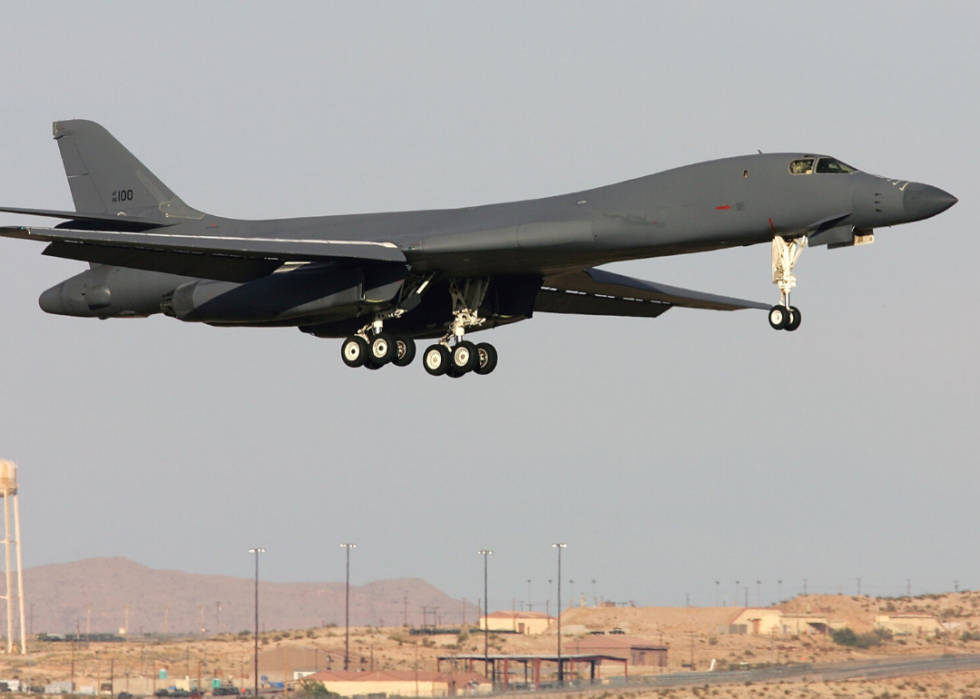
136 Bombers
The Air Force鈥檚 fleet of bombers includes : the B-1B Lancer, the B-2 stealth bomber, and the B-52 Stratofortress. The B-52 first came into service in 1955 and is the longest-serving bomber, though the Air Force uses a newer model that can carry a 70,000-pound payload today. The Air Force has also announced plans to add a new long-range bomber known as , a model that could potentially replace first the B-1 and B-2 fleet, then the B-52 aircraft.
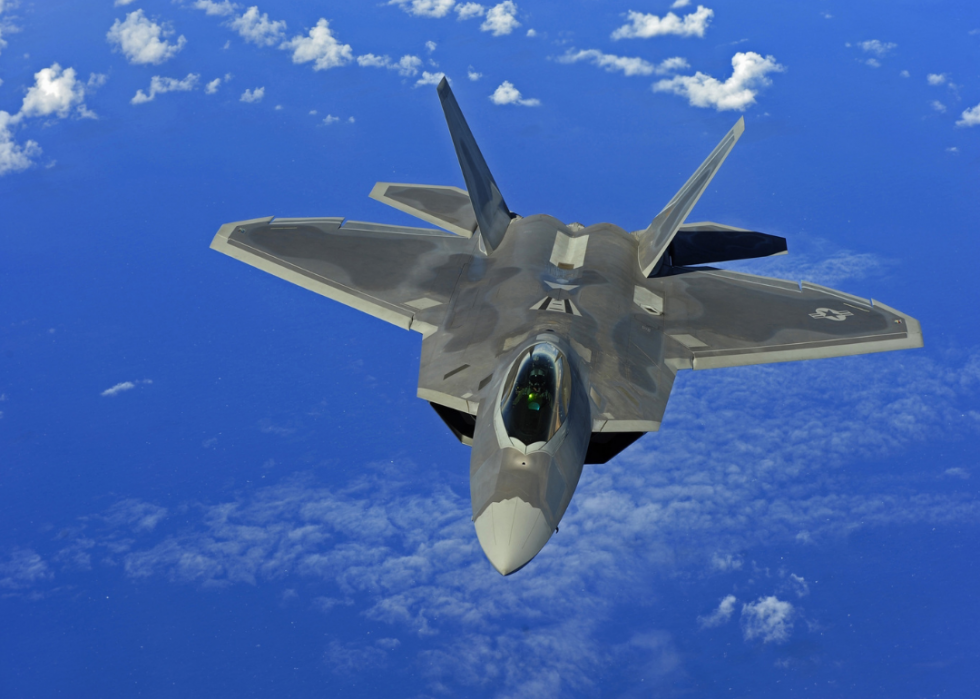
1377 Fighters
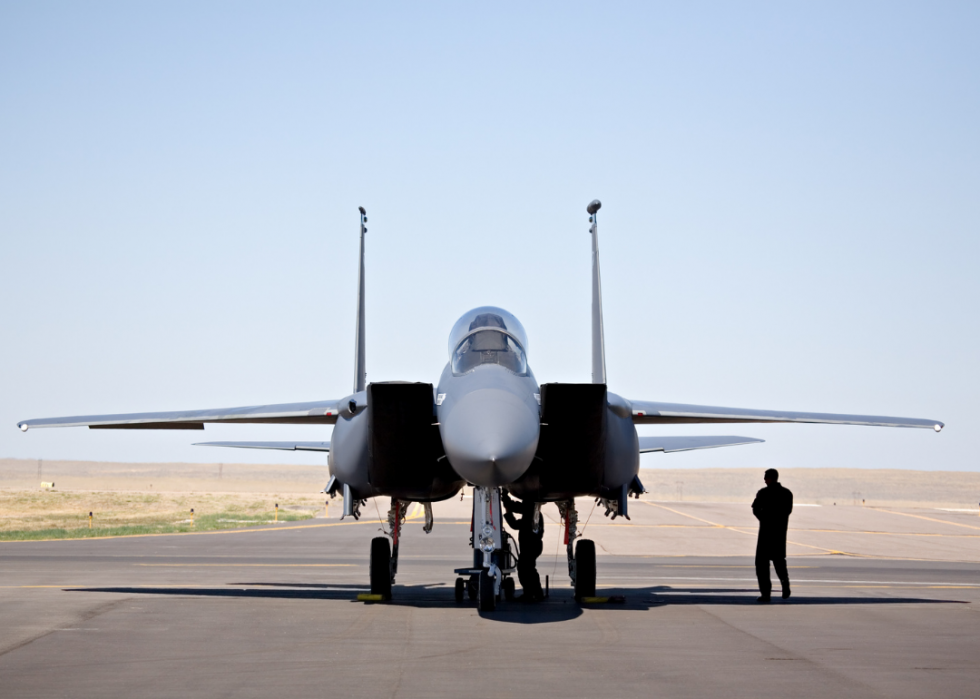
Designed for air-to-air combat, fighter jets comprise a crucial part of the fleet. The Air Force currently flies : the F-15 Eagle, F-15E Strike Eagle, F-16 Fighting Falcon, F-22 Raptor, and F-35A Lightning II. The last is the most recent addition and is designed to replace aging F-16 models, but the roll-out has faced some challenges. In 2018, from Lockheed Martin after a dispute over the cost of a production error.
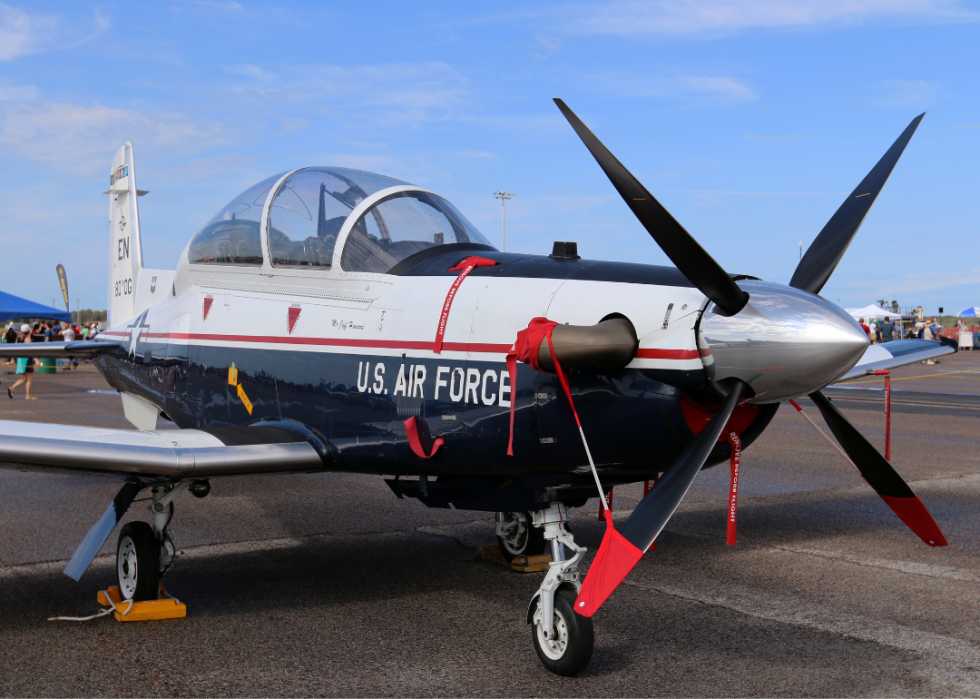
1204 Training Aircraft
The Air Force doesn鈥檛 only need aircraft to run missions: It also needs models for training new recruits. Both Air Force and Navy pilots learn the basic flying skills they鈥檒l need in aircraft. The is used for training pilots to fly airlift or tanker aircraft, as well as for navigator training, while the is used for high-altitude supersonic training for aircrafts like F-22 fighters and B-1B bombers.
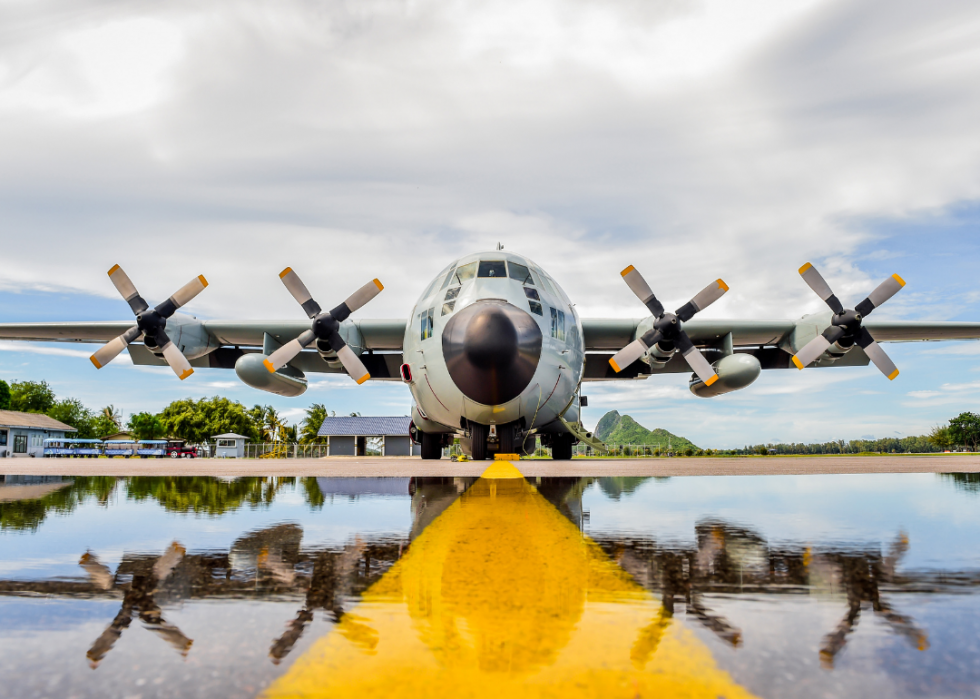
244 Airlift aircraft
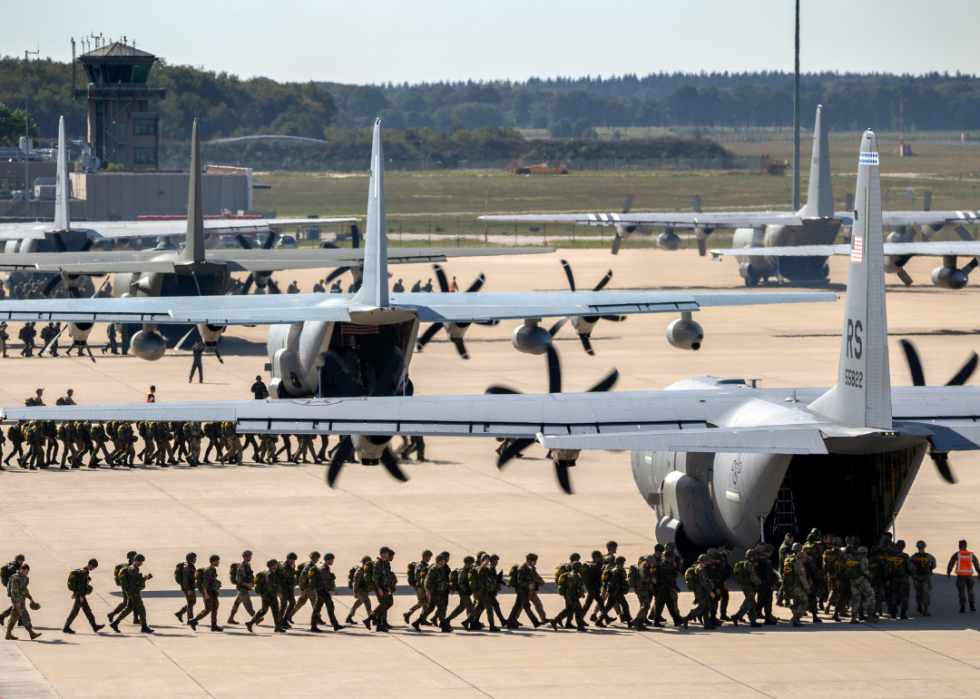
When the Air Force needs to move cargo or personnel into an inaccessible region, it relies on airlift aircraft. Because the can take off from rough, dirt landing strips, it鈥檚 often used for airdropping troops and equipment. The most flexible cargo aircraft of the Air Force鈥攖he 鈥攃an be flown by only three people, but can drop up to 102 paratroopers or carry a payload of 170,900 pounds.
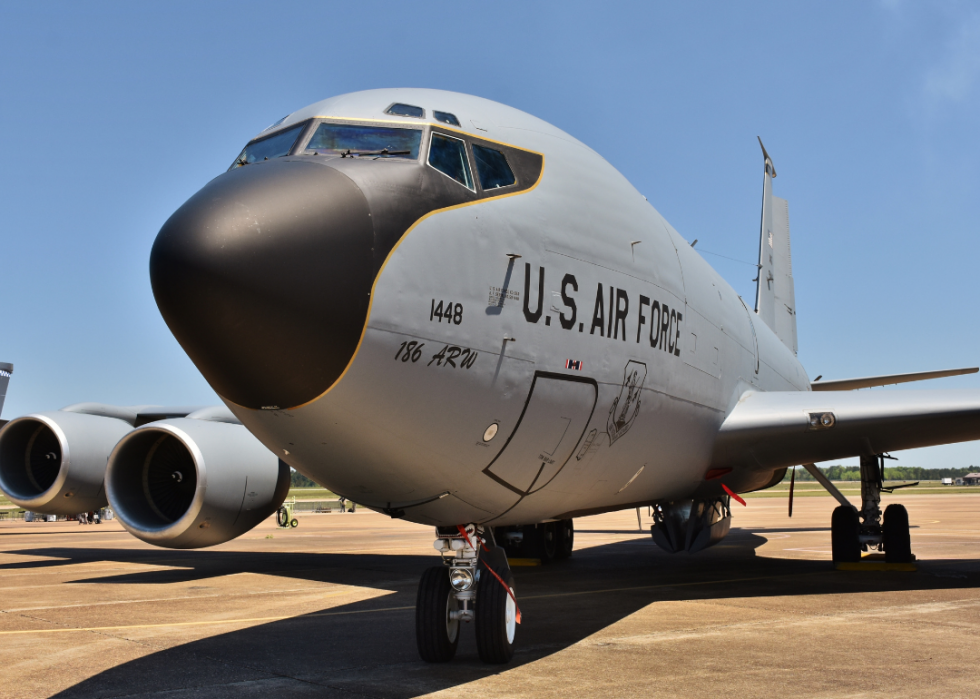
261 Tankers
Tankers provide crucial support for Air Force missions by refueling aircraft mid-flight, . The provides the bulk of refueling for Air Force aircraft, while the not only provides refueling services but can also be used for cargo transport or medical evacuations. However, the Stratotanker fleet will eventually be replaced by the newer, more versatile .
495 Other aircraft
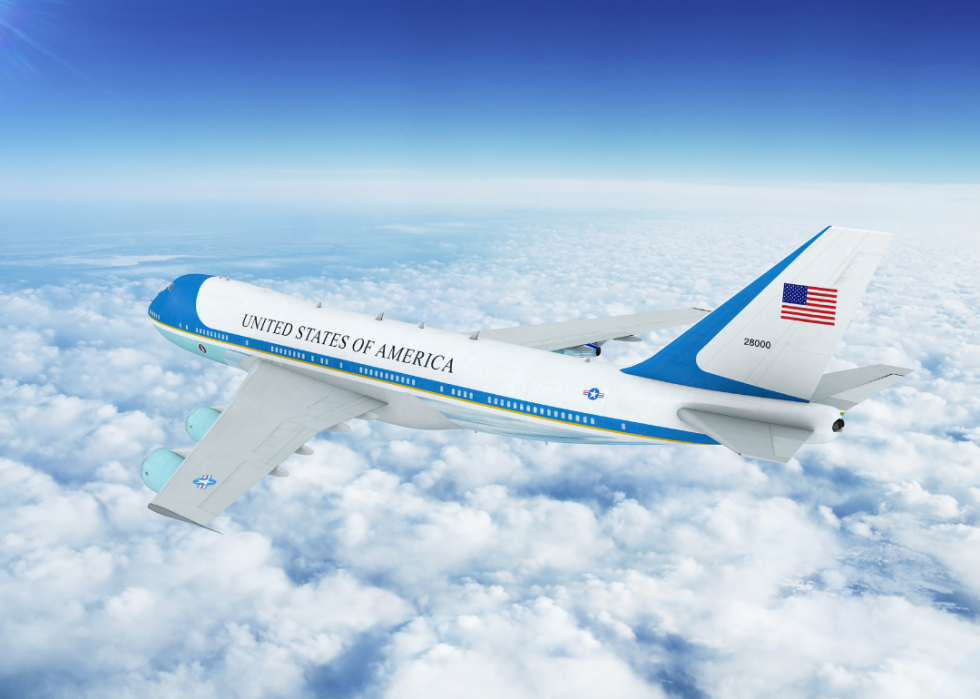
The rest of the aircraft in the Air Force fleet range widely in mission, from (whose only mission is providing transport for the president) to . Other notable aircraft include the , which is flown through winter storms, hurricanes, and other weather events to gather data; the, a single-seat reconnaissance aircraft that captures highly detailed photographic intelligence from a high-altitude; and the , which flies unarmed observation flights to ensure signatories are upholding the Open Skies Treaty.
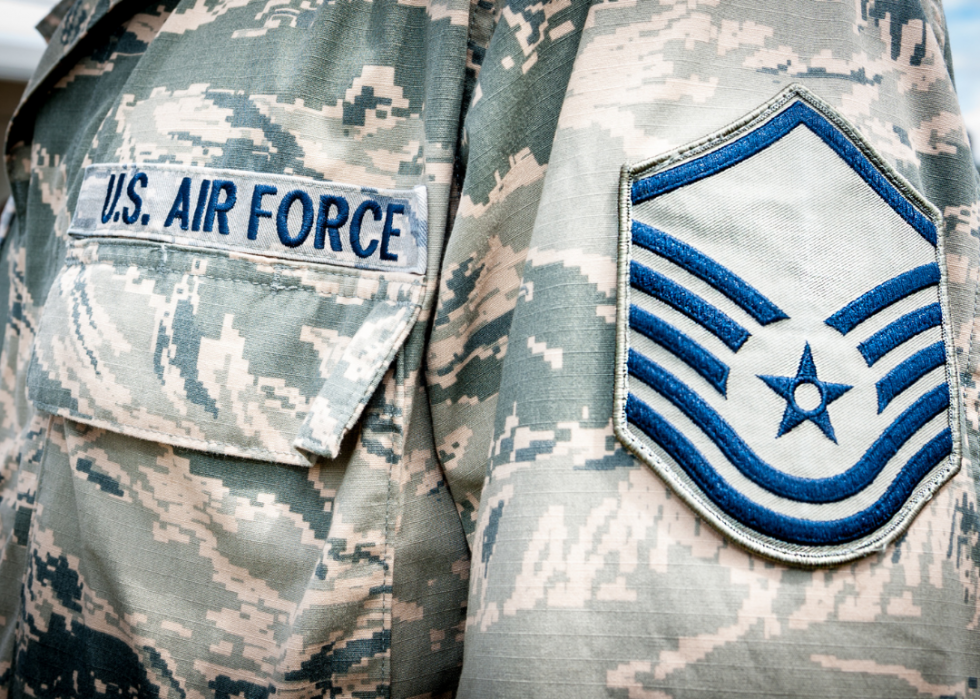
239,999 Air operations personnel
- Active force personnel: 222,098
--- Officer: 33,289
--- Enlisted: 188,809
- Civilian personnel: 17,636
--- US direct hires: 17,636
--- Foreign national direct hires: 174
--- Foreign national indirect hires: 91
Within the ranks of the Air Force, the largest number of personnel work in air operations. This sector includes officer roles as and , as well as jobs in and for enlisted members.
77 Base installations
- Continental US: 56
- Overseas: 14
- Reserve forces: 7 (all continental US)
Air Force bases , so members of this branch of the military could end up serving their country all over the world. Within the United States, you can find Air Force bases everywhere from Fairbanks, Alaska, to Cocoa Beach, Florida. The 14 overseas bases include locations like Trier, Germany; Adana, Turkey; and Tokyo, Japan.
32,668 Base support personnel
- Active force personnel: 2,939
--- Officer: 253
--- Enlisted: 2,686
- Civilian personnel: 29,729
--- US direct hires: 26,719
--- Foreign national direct hires: 2,335
--- Foreign national indirect hires: 675
With so many bases, there鈥檚 a need for plenty of personnel to staff them. Base support jobs may include who maintain hotels, fitness centers, and restaurants on-base; who keep projects running on schedule and within budget; and who provide legal counsel to Air Force members.
Operation and maintenance personnel
- Air Force mobilization: 50,901
--- Active force personnel: 48,001
--- Civilian personnel: 2,900
- Civilian manpower: 84,202
--- US direct hires: 76,027
--- Foreign national direct hires: 4,202
--- Foreign national indirect hires: 3,873
Operation and maintenance personnel keep the Air Force's formidable fleet and bases in working order. Jobs within this sector include who work on Air Force buildings and who keep the lights on, as well as aircraft-related jobs like and .