26 style trends that were popularized by hip-hop
Since its inception in the 1970s, hip-hop has made a mark on culture. One of the main ways is through its impact on style, with hip-hop artists setting trends in clothing, hair, and accessories鈥攁ll with a dash of swagger and braggadocio.
Who can forget the baggy jeans and oversized shirts from the 1980s and '90s (or its revival by a new generation of artists in the mid-'00s)? Ever since held at the Bronx on Aug. 11, 1973, hip-hop has influenced our culture in ways that surpass melodies and lyricism鈥攁nd its style has evolved beyond these early examples.
"We have all of these different influences coming into hip-hop fashion over the last 50 years, and it's really just a huge range of fashion," said Elizabeth Way, associate curator of costume with the Museum at the Fashion Institute of Technology and the co-curator of the institute's "" exhibit, in an interview with 麻豆原创.
Over the decades, hip-hop has fused with luxury brands, as seen with 's custom creations and collaborations with Louis Vuitton and Gucci; remixed clothes and given birth to streetwear as we know it, as in the case of the trailblazing trendsetter ; and allowed everyone a chance to be a part a hip-hop scene through affordable, ready-to-wear fashion lines, like Beyonc茅 and Tina Knowles' .
"Because it's such an impactful cultural force and the music becoming mainstream in popular culture in the 1990s, it's really no surprise that the fashion [of hip-hop] was also going to go mainstream and have a huge impact," Way said.
麻豆原创 compiled a list of 26 style trends that originated or were popularized in hip-hop, citing Way's own words while reviewing the history of hip-hop style trends from the '70s to now.
Kangol hats
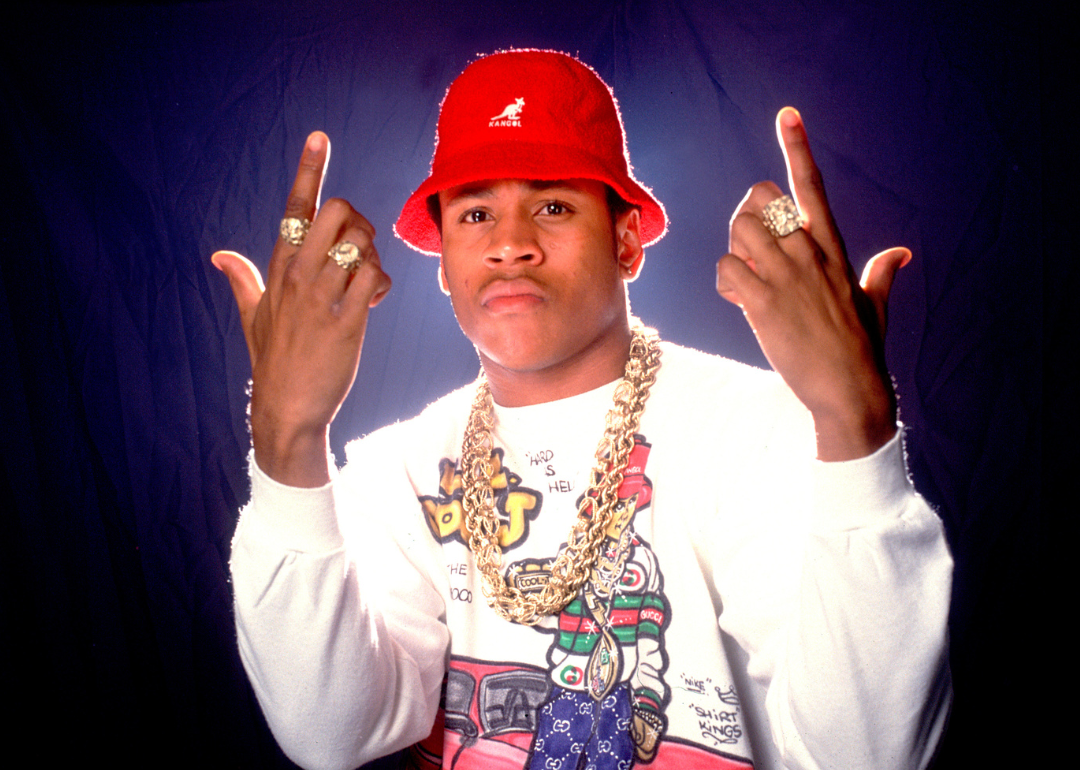
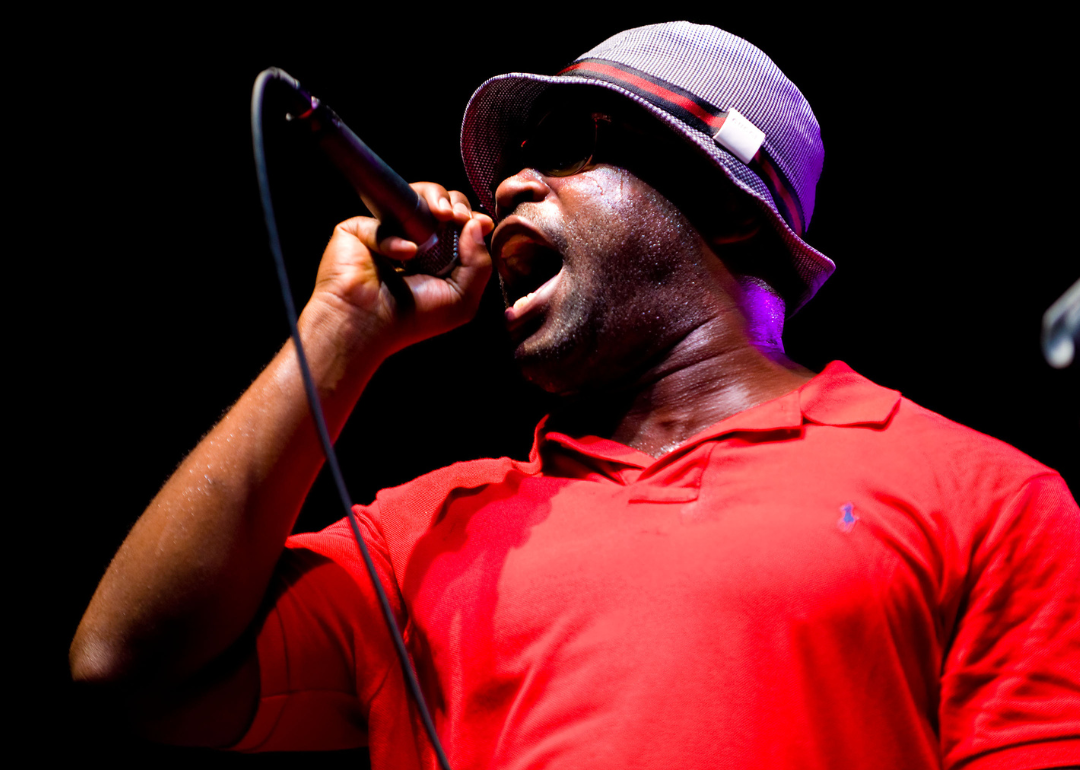
When we think of '80s hip-hop, bucket hats often come to mind. Big Bank Hank of The Sugarhill Gang was the first to wear a bucket hat in a rap video for the group's 1979 track "Rapper's Delight." Run-D.M.C. has also been known to don the caps, but LL Cool J is credited with bringing the Kangol brand hats to popularity in the late 1980s.
Durags
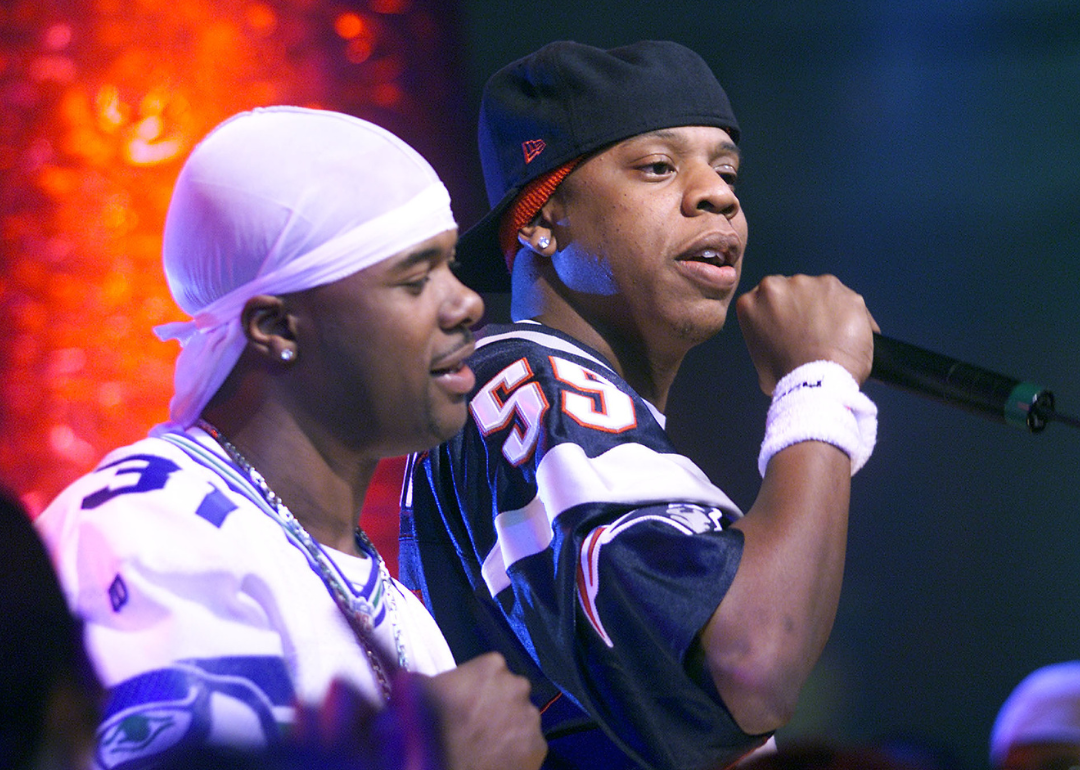
Memphis Bleek was known for rocking a cap over his durag in the late '90s and who opted to showcase his silk cap as a fashion accessory. Functionally, durags are used to preserve and protect hair, but artists shifted their use, making them a staple in fashion throughout the '90s and 2000s. Jay-Z, Nelly, and Cam'ron were early adopters of durags as fashion statements. In 2018, Solange Knowles at the Met Gala. In 2020, Rihanna , undoubtedly influencing how these head garments are publicly received.
Cornrows and braids
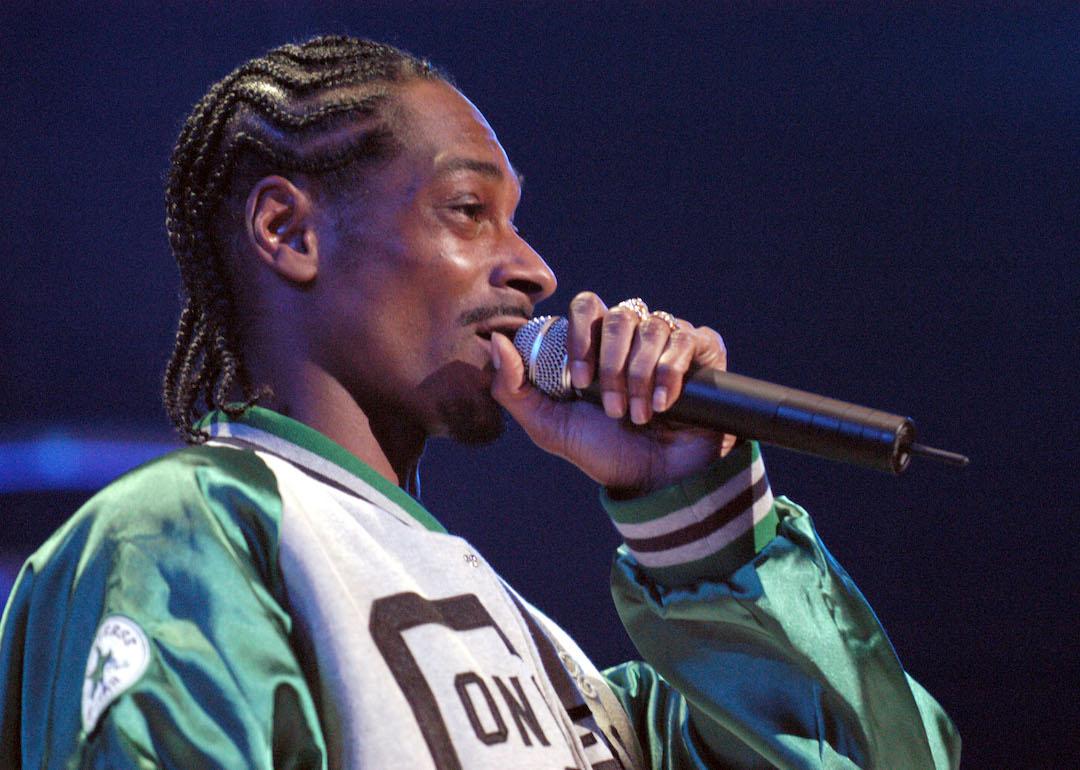
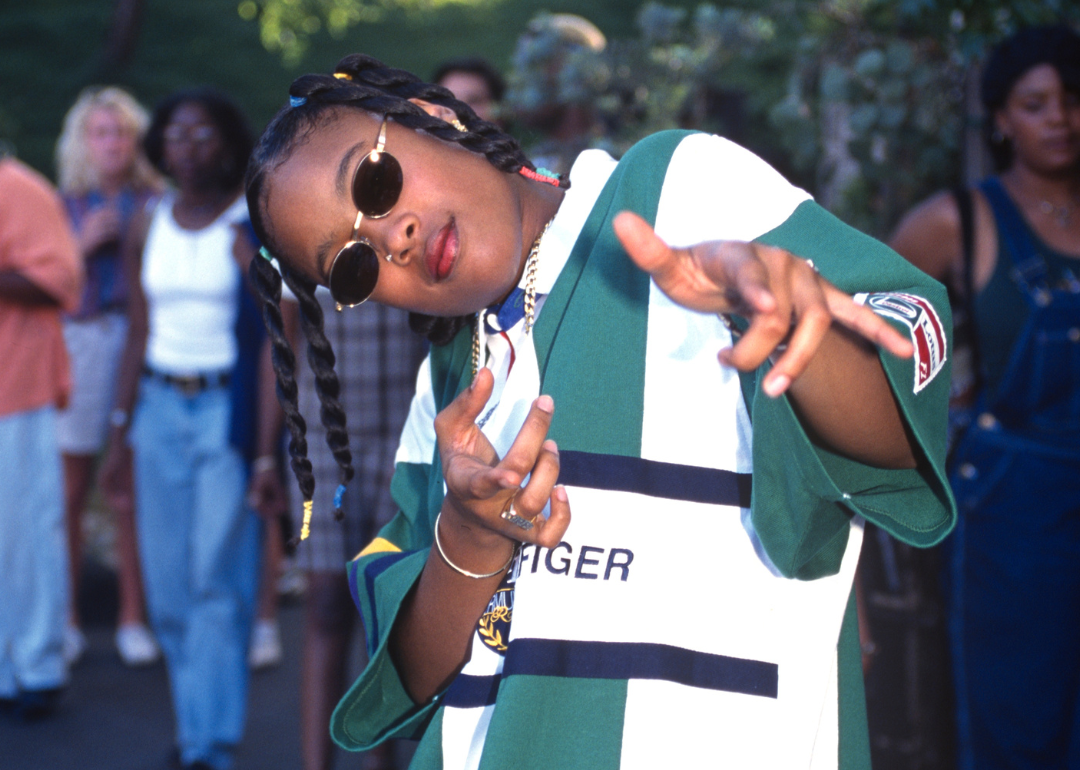
Braids have long been a staple within Black culture, with hip-hop fashion being one of the avenues for making the protective style mainstream. , varied styles of braids and cornrows were worn by rappers like Ludacris, Bow Wow, and Snoop Dogg and R&B artists like Alicia Keys and Janet Jackson鈥攆rom music videos and red carpets. The hairstyles surpassed music, with athletes like Allen Iverson mid-game and actresses such as Brandy .
Hi-top fades
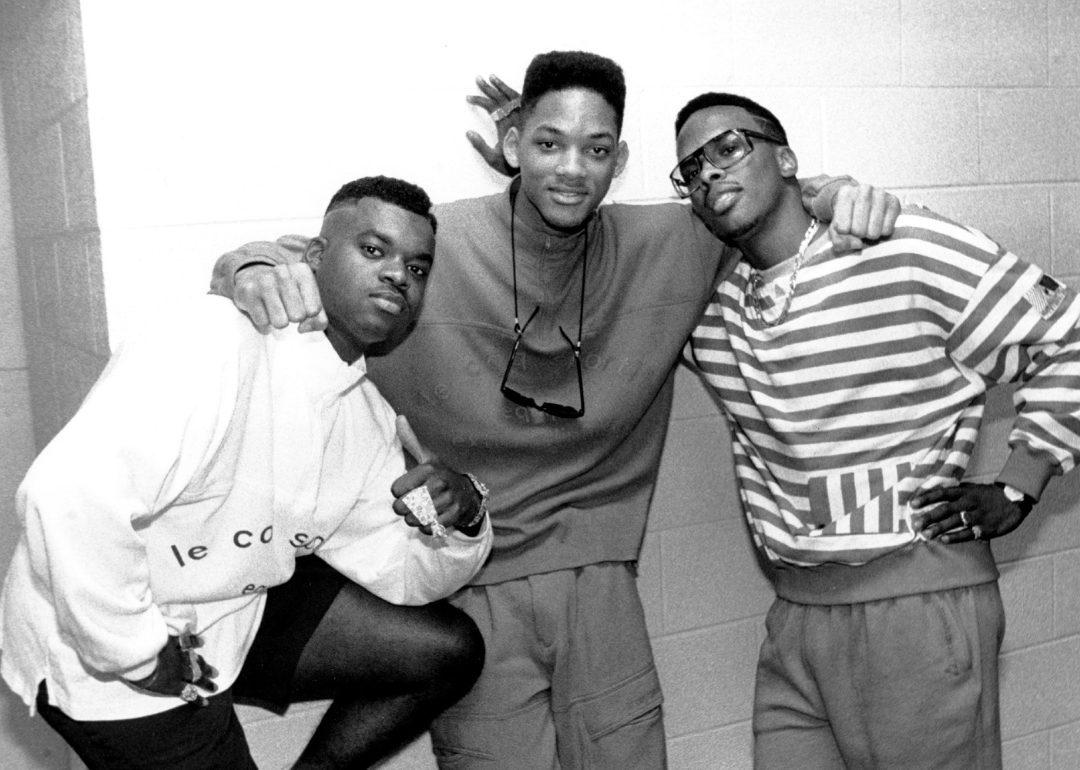
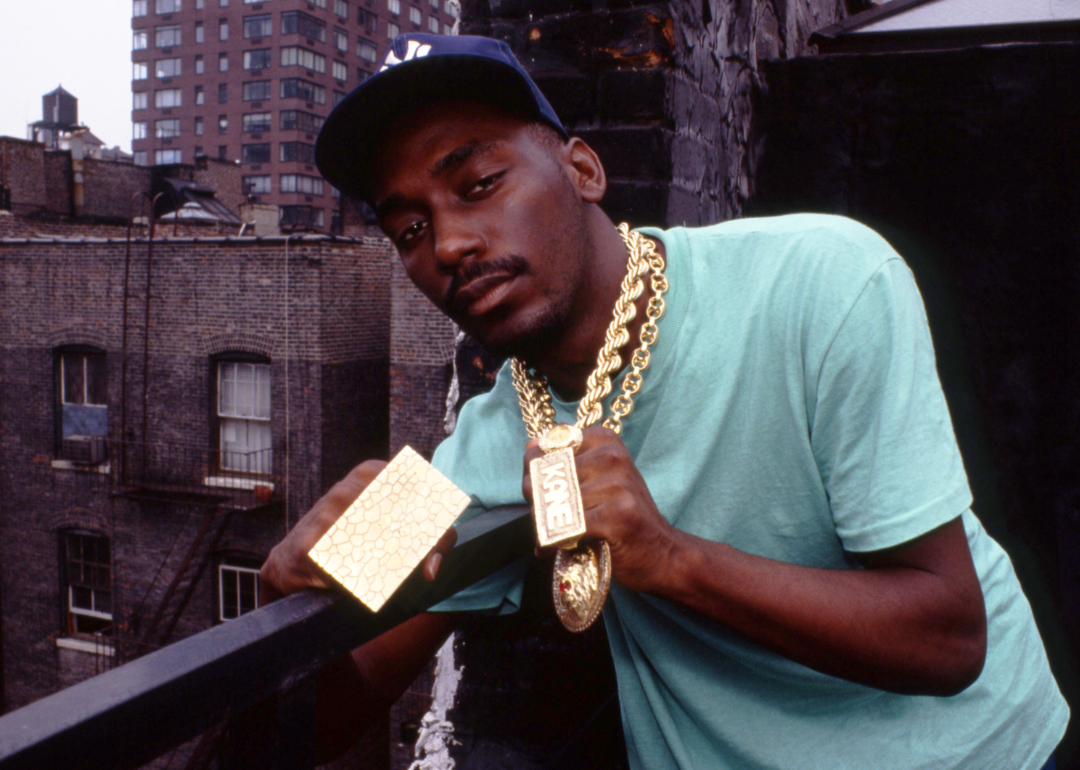
When we think of hip-hop and hair, are one of the first images that come to mind. Big Daddy Kane was the first to rock this look during the rise of rap in the '80s. Since then, the look has moved past hip-hop and made it into popular fashion. Will Smith and Bobby Brown both had long-standing affairs with their fades, which later evolved into the more modern low-cut fades we see today.
Logos, nameplates and 'bling'
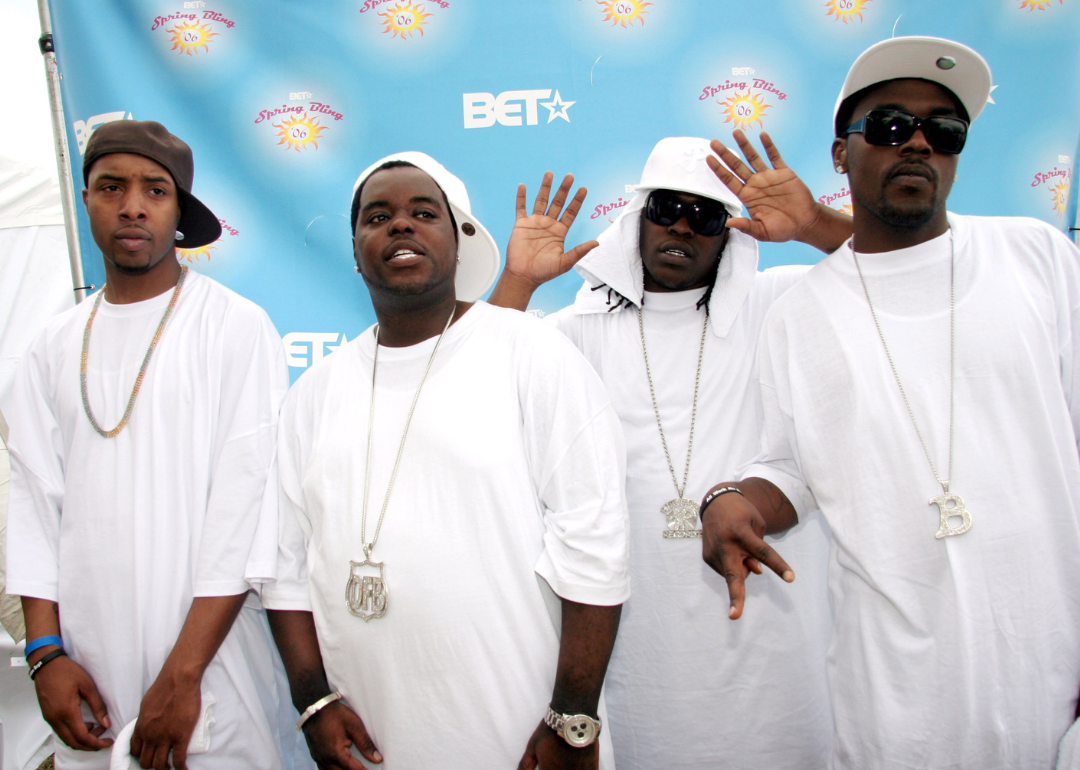
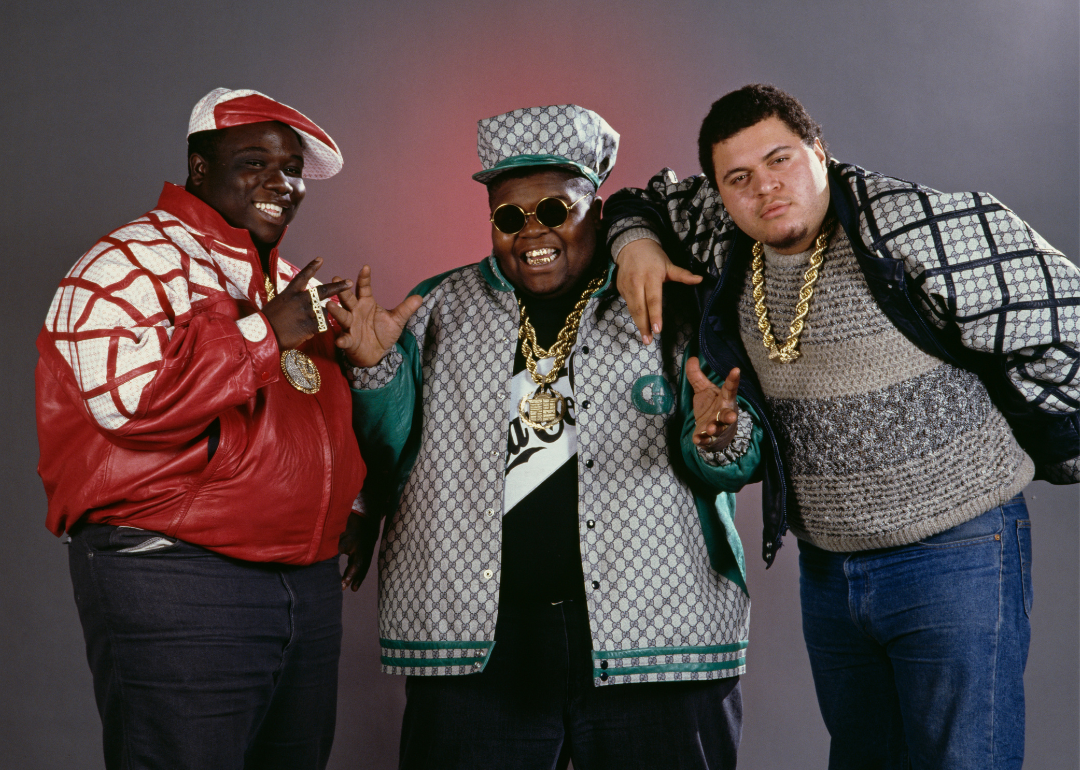
Jewelry has always had a vital role in hip-hop fashion, especially those that make a statement. Following Big Daddy Kane's footsteps, 1999 saw B.G. of the Hot Boys . The term, albeit faded into obscurity today, was used to draw attention to the drapes of expensive and ostentatious jewelry, or "bling," rappers often wore to complement their swag.
Speaking of its influence in the genre, Elizabeth Way said: "A very interesting thing to think about more recently is this association with luxury and how it's taken over hip-hop fashion. For example, a nameplate necklace or nameplate ring鈥攌ids in the 1970s were having them made at the corner store and with a brass belt buckle. We see those same trends being executed by hip-hop artists today, but they're in diamonds. They're in platinum, they're over the top."
Grills
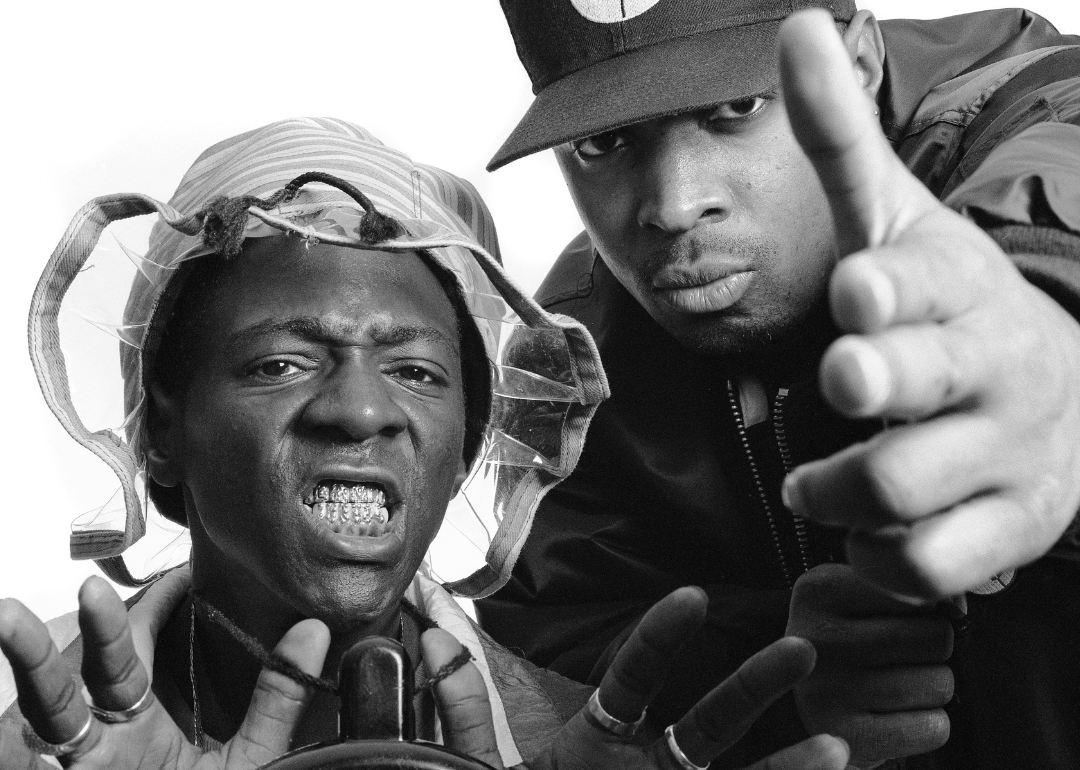
Suriname immigrant Eddie Plein is credited as for New York rappers like Flava Flav and Jay-Z in the '80s. Plein took his business south, leading to the trend booming in places like Virginia and Atlanta throughout the '90s. While there was a bit of a dip in the popularity of grills in the mid-2000s鈥攄espite inspiring 鈥攔appers like A$AP Rocky have been credited with , paying homage to the hip-hop artists from decades prior.
Tracksuits
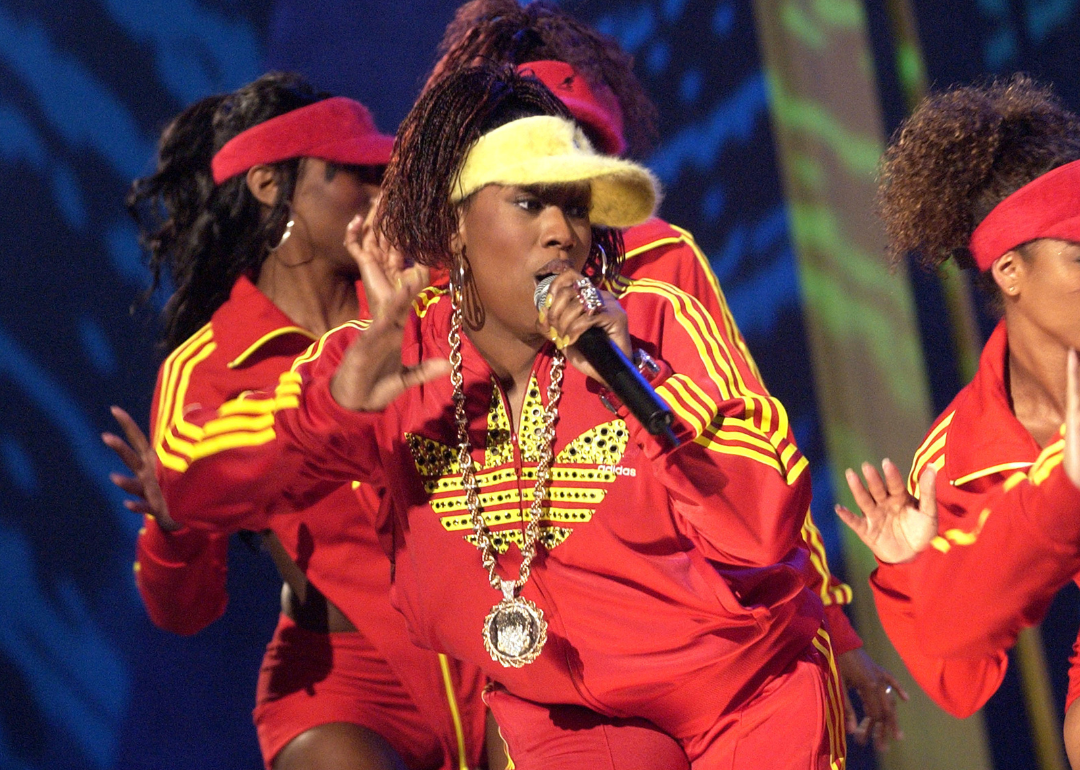
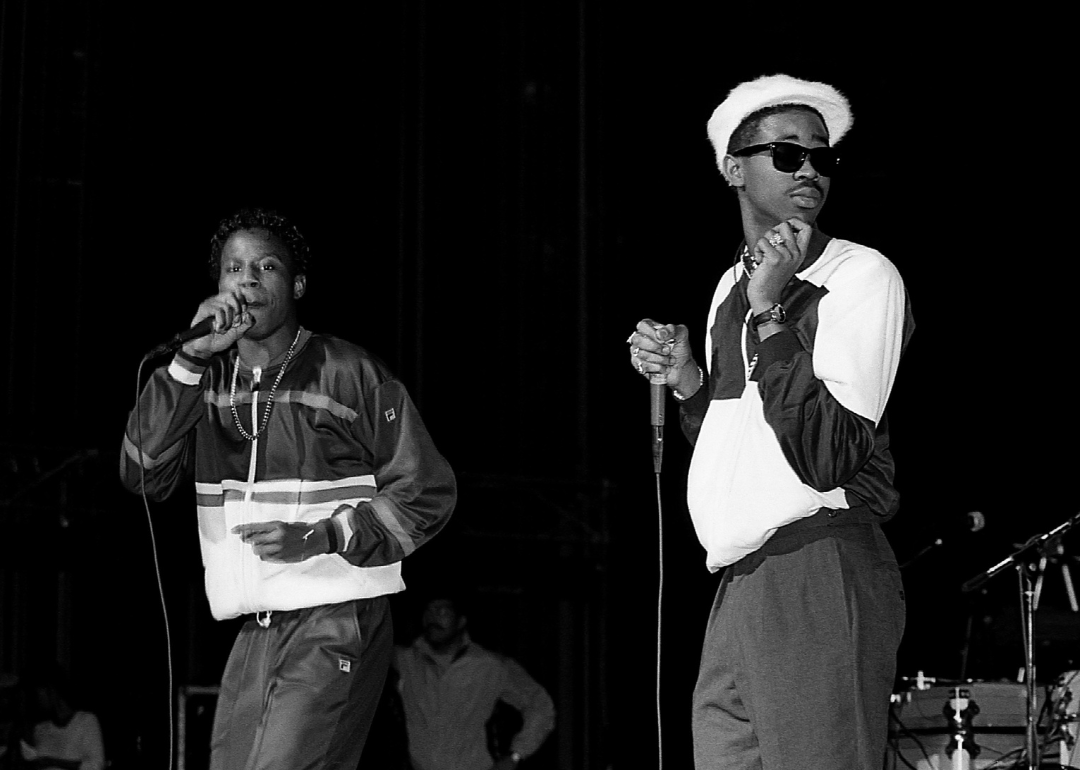
Tracksuits were popular from the '80s to the 2000s, from Missy Elliott's ensembles to fuzzy velour pieces from Juicy Couture. After the rise of the outfits in the '80s (then worn for exercise), artists like Sean "Diddy" Combs and Jay-Z often sported their tracksuits for everyday wear to signal their wealth.
Oversized clothes
Hip-hop style is known for its oversized clothing鈥攆rom lengthy tees to baggy jeans to shorts that reach mid-calf. These tees are a great example of the shift from associating the trend with drug dealing to it being a widespread urban clothing staple, particularly after Dem Franchize Boyz made it a regular outfit choice in the early 2000s.
According to Elizabeth Way: "We look at the idea of playing with silhouette, the idea of playing with proportions鈥攖hese are all things that innovative fashion stylists, designers, and wearers do. In hip-hop, it wasn't recognized that playing with this baggy silhouette鈥攖hat was so influential in the way people dress鈥攚as a fashion innovation."
Remixed urban and luxury wear
Dapper Dan is known for his role in blending streetwear and high fashion, remixing many luxury brands in the '80s. Though in earlier decades this , Dapper Dan's bold move led to the rise of artist-created lines like Sean John by Sean "Diddy" Combs and Wu-Tang Clan's Wu Wear. Instead of waiting for mainstream luxury brands to acknowledge the credibility of hip-hop artists, they paved their own way, making room for the blending of styles and colors down the line.
Fur-trimmed jackets, bomber jackets, and puffer coats
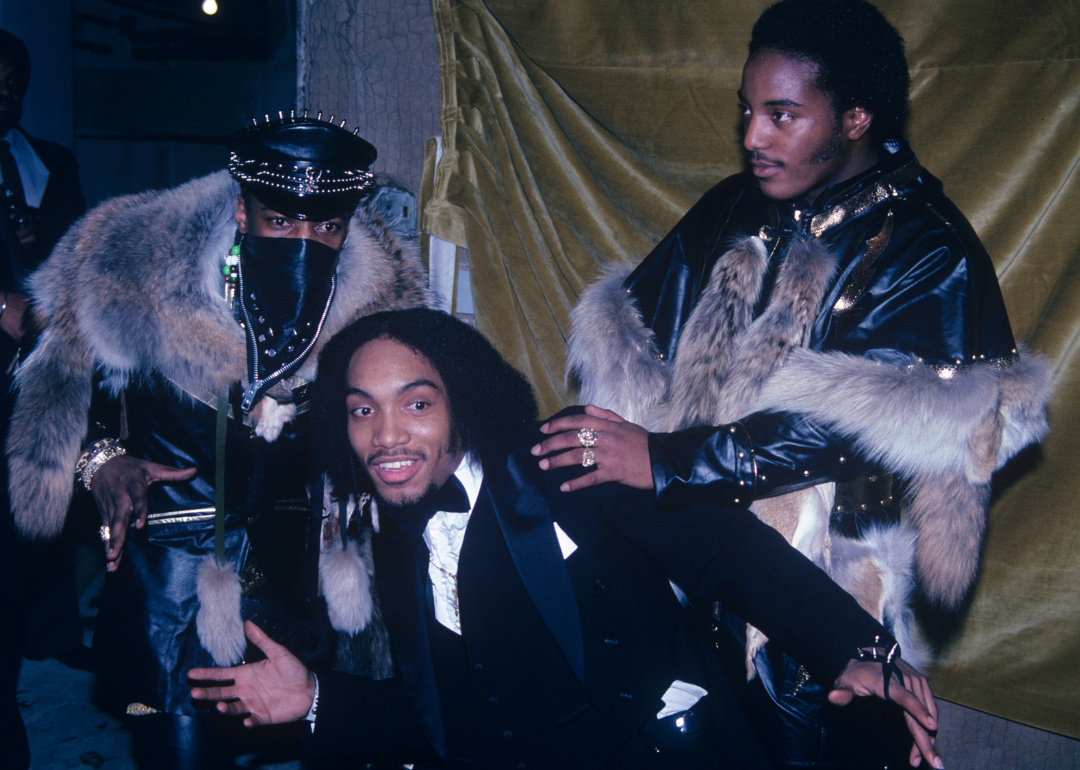
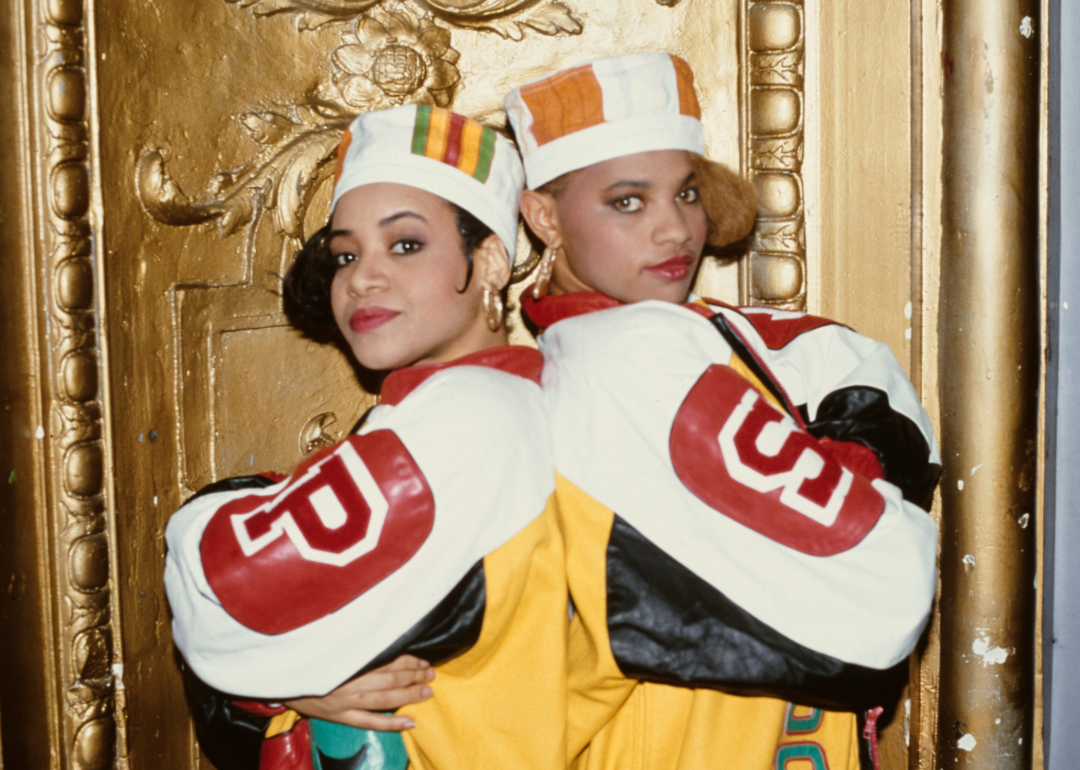
Dapper Dan is also credited with bringing iconic pieces like to the forefront by working with artists like Salt-N-Pepa and Big Daddy Kane. The designer was initially rejected by white-led fashion houses like Gucci, despite the popularity among hip-hop artists. Eventually, Dapper Dan was , receiving his overdue widespread notoriety, and continues to influence fashion to date.
Preppy urban wear
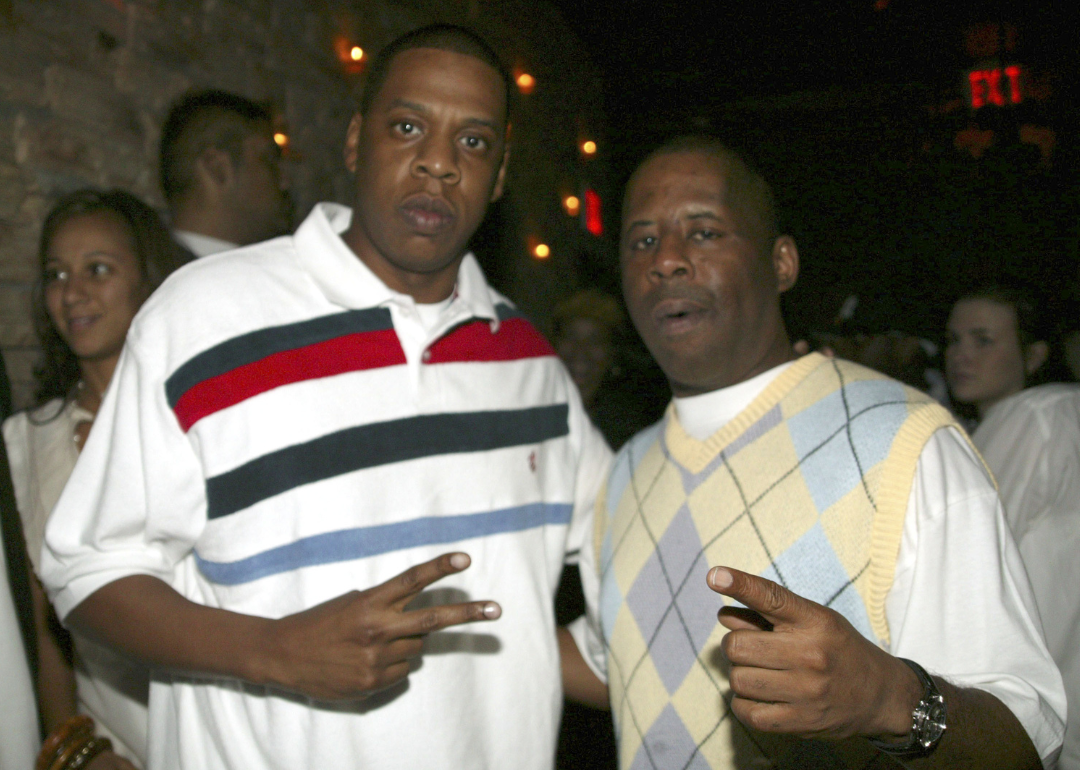
In the early 2000s, we saw an uptick of men wearing button-downs and striped collared shirts to emulate the rapper's shift in style. of wearing button-down shirts with a fitted cap, blending a more "grown-up" style with the street influence of the baseball cap. This pared-down, less boisterous style made way for artists like OutKast, Kanye West, and Mac Miller in the mid-2000s, when pieces like backpacks and more simple and fitted clothing became trendy in hip-hop fashion.
Acrylic nails
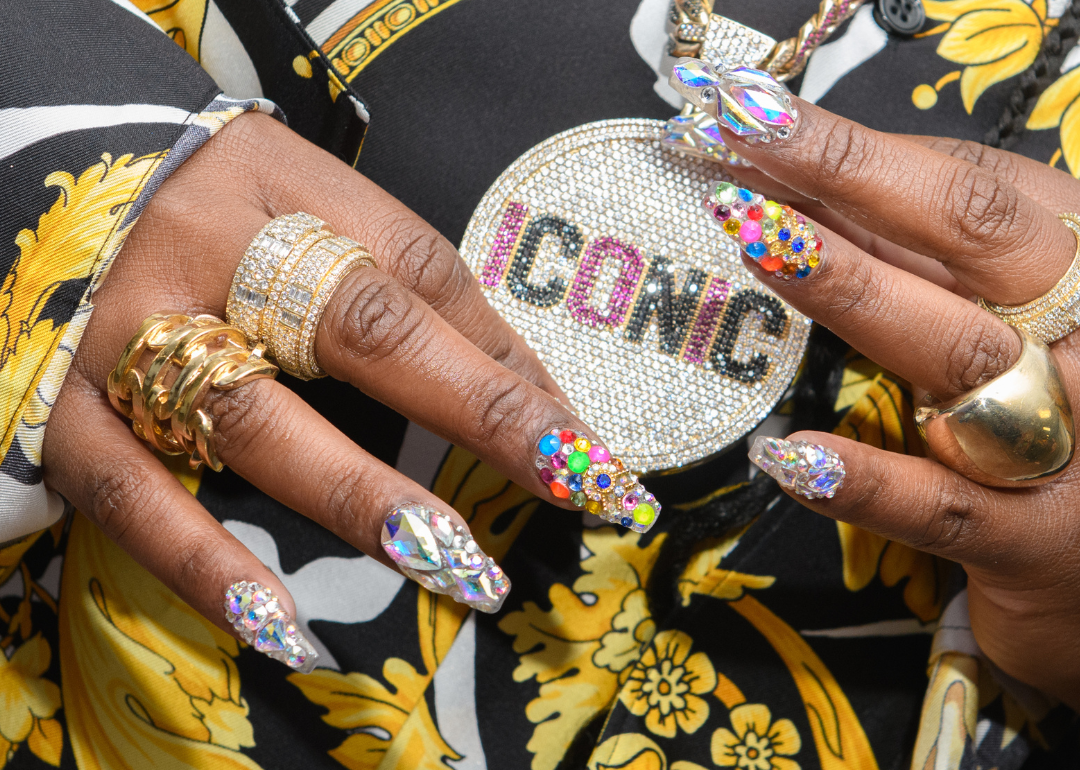
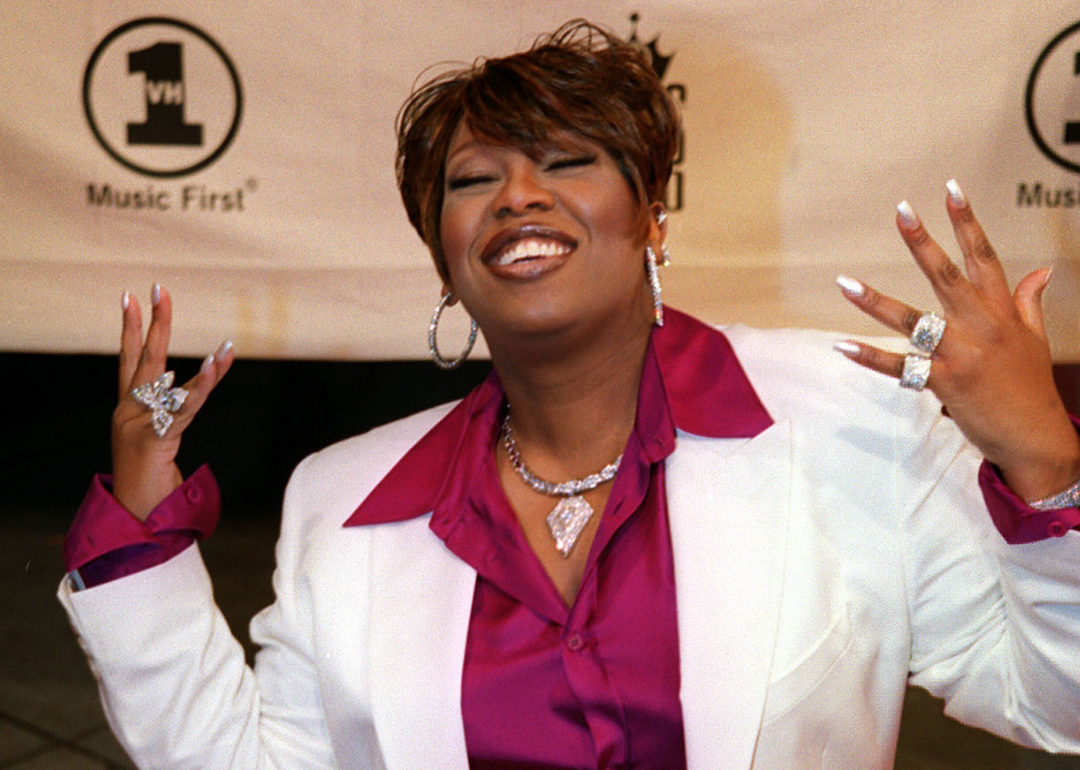
Since , acrylic nails have long been a staple in Black and brown culture, acting as a show of creativity and individuality. Hip-hop artists like and have been known for bringing their personality into their nail designs and rocking jewel- and sparkle-laden tips since the '90s. While highly stylized nails are now a mainstream trend, it's important to remember how Black women like Florence "Flo-Jo" Griffith-Joyner were in the '80s.
White tanks
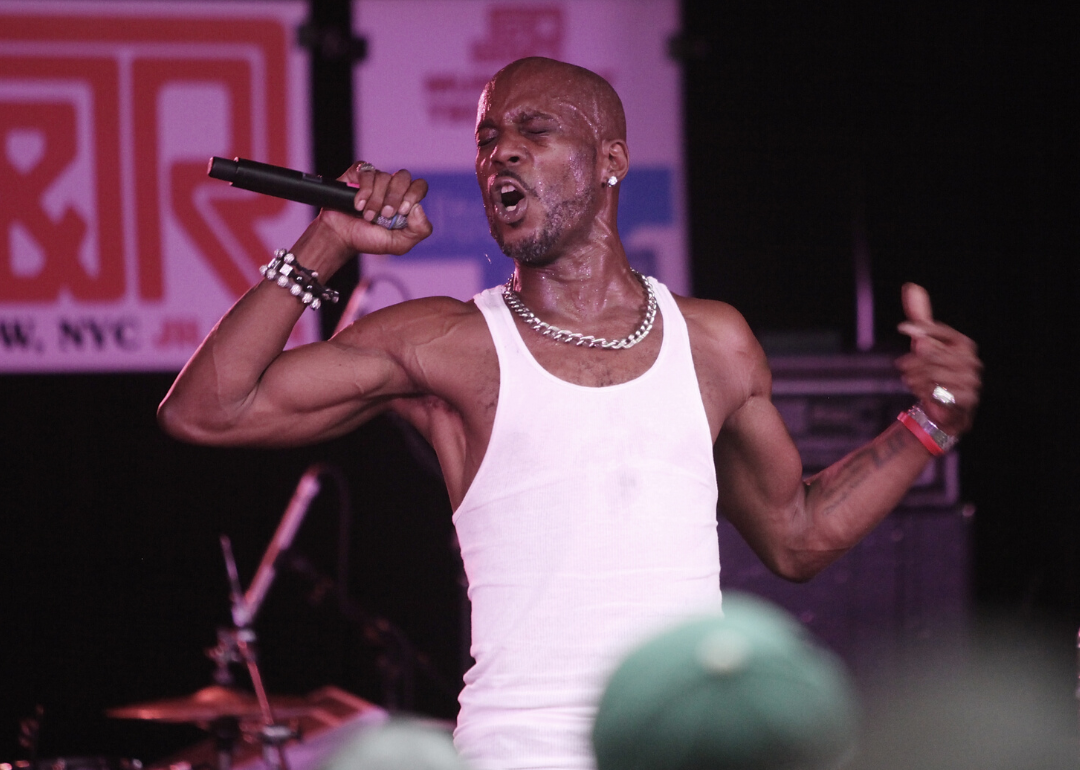
Many popular hip-hop-influenced styles included more over-the-top pieces, like oversized silhouettes, big door-knocker earrings, and blinged-out belt buckles. But for some, a more simplistic style felt grungier, so some simple pieces prevailed. This is best noted by the late rapper DMX, who was known for upholding the simplicity of the white tank and baggy jeans throughout the '90s.
Bright colors and loud graphics
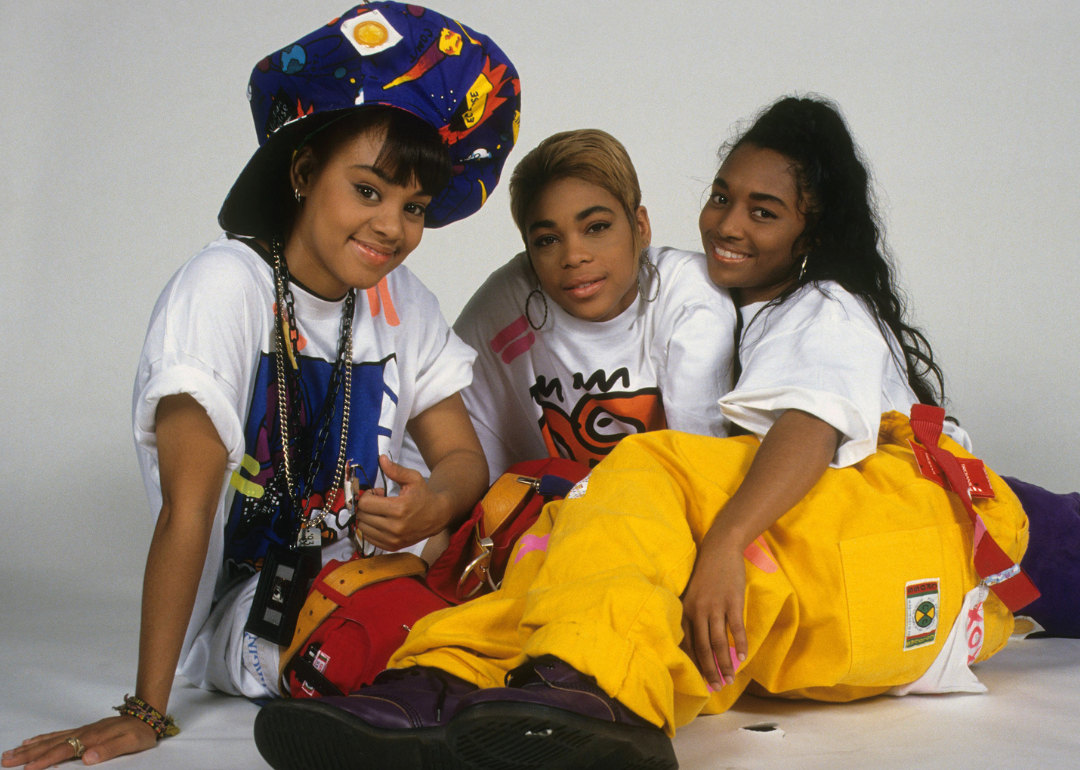
As one of the first streetwear lines, LA-based made its mark across the decades by bringing style staples like tracksuits and jerseys to hip-hop style. In addition to making its once hip-hop artist-centered brand mainstream, founders TJ Walker and Carl Jones through their graphics and extensive use of primary and secondary color palettes.
California subculture
West Coast influences in hip-hop style aren't only seen through the implementation of bright colors, elements of skate and surf style are also a nod to the mix of subcultures swirling throughout California. "They're putting all of these things together to create a look that is very unique to LA, even though we have those designers still looking at what's going on in New York and incorporating that as well," Elizabeth Way explained.
This made way for blended styles from artists like Pharrell, who by wearing skate brand tees and beanies and using skaters in his music videos.
Afrocentrism
In addition to the luxury pieces, Dapper Dan is known for weaving Afrocentric elements into his designs. Artists like Salt-N-Pepa and A Tribe Called Quest will always be remembered for , , and symbols into their fashion, representing their choice to center their roots unabashedly.
Women-led sensuality and personality
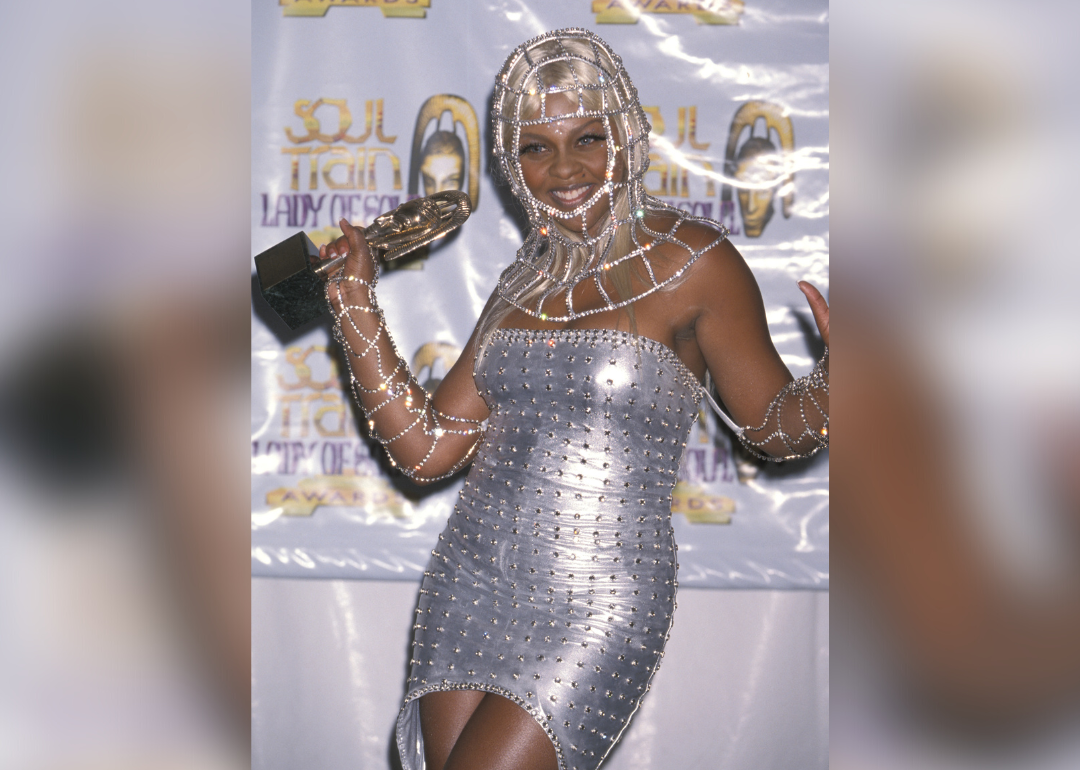
The '90s and 2000s gave way to several women rappers like Lil' Kim and Foxy Brown embracing their sensuality, ultimately creating space for today's rappers such as Cardi B and Megan Thee Stallion to show their confidence in both their bars and bodies.
"We start to see, especially in the '90s, these rappers with these intense personalities. I think Lil' Kim is a perfect example [of rappers] who are embracing their femininity. Because in hip hop, embracing sexuality or the color pink are rebellious acts for female artists," said Elizabeth Way, adding that, even with rising acceptance of sexuality, the style women rappers wore ranged from masculine to intentionally sensual to more casual and pared down.
Androgyny and gender-neutral clothes
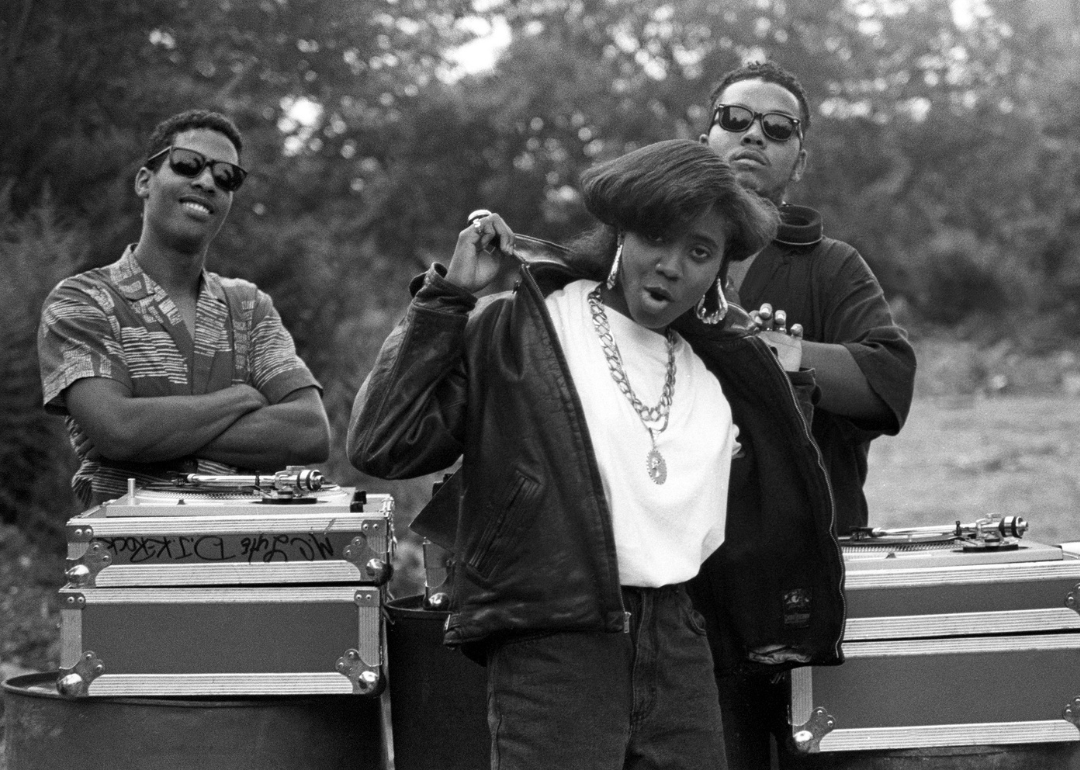
Women rappers during the '80s and '90s often wore oversized clothing, removing their bodies from view to gain and keep the respect of their male peers and audiences. Today's can be connected to these trends from the '80s and '90s alongside the mix of Cali, preppy, and hip-hop fashion with gender-neutral looks largely popularized by hip-hop artists like A$AP Rocky and Lil Nas X.
Sportswear
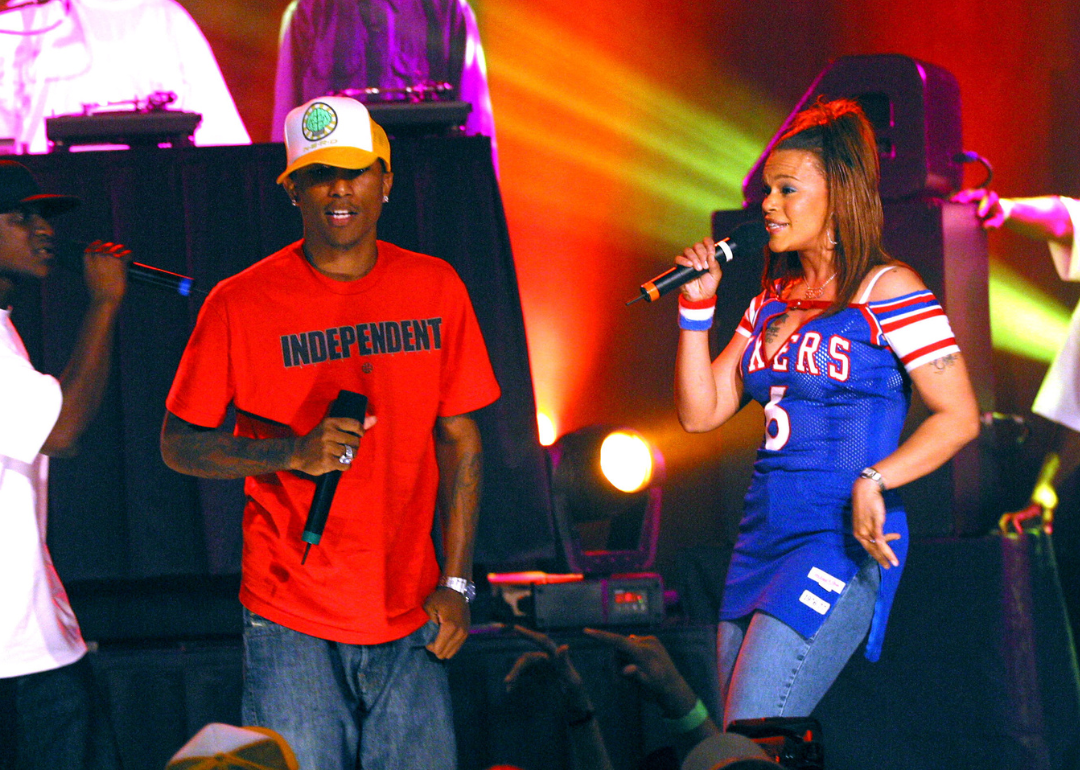
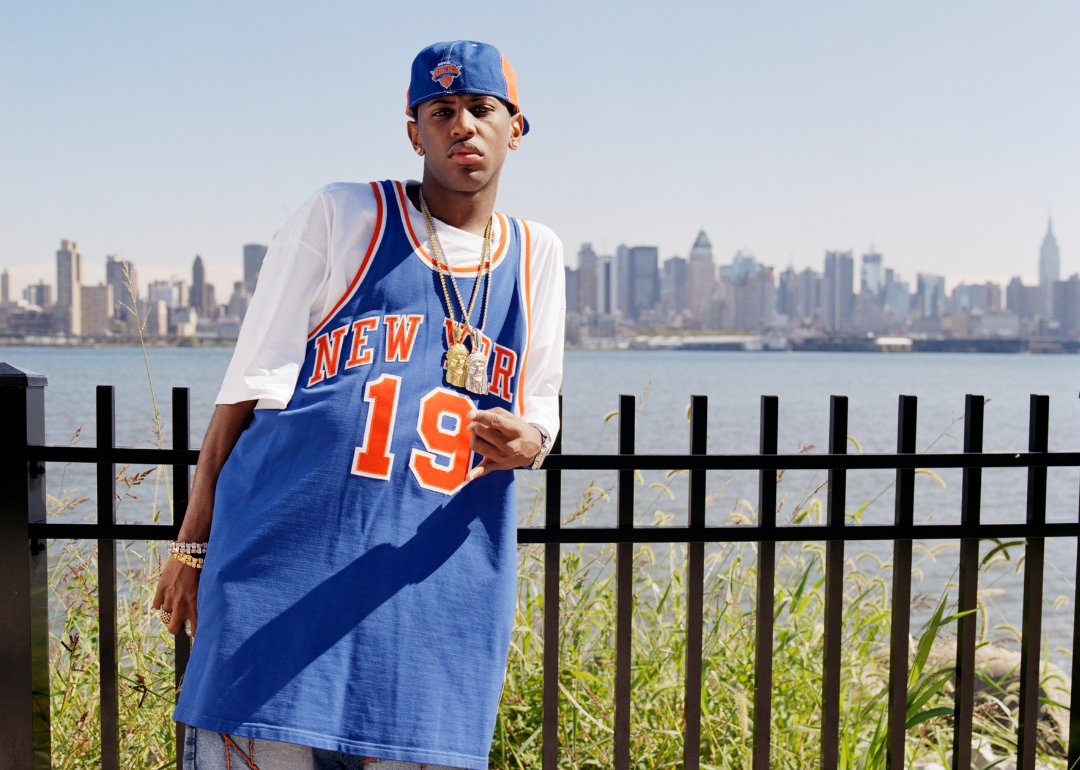
Sportswear as a fashion statement was a major aesthetic shift during the emergence of hip-hop-inspired style. This included baseball jackets and sports jerseys, with "throwbacks," or vintage-inspired looks, becoming popular in the early 2000s. Rapper Fabolous is said to have been one of the first to bring this to the public forefront, and many have continued the trend to date.
Tommy Hilfiger
Tommy Hilfiger was already a big name in the '90s, and Grand Puba is said to have by rapping about the brand on an episode of "Yo! MTV Raps" with Mary J. Blige. But it wasn't until 1994, when Snoop Dogg wore the brand on "Saturday Night Live," that the brand really took off in hip-hop.
Popular brands shut out Black hip-hop artists during the '80s and '90s, and while some took to paving their own way鈥攆rom Dapper Dan and Karl Kani to Sean John and Wu Wear鈥擳ommy Hilfiger to expand his brand and capital.
Ralph Lauren
Ralph Lauren was already a popular brand in the '90s, especially with the country club set, but it rose even higher in prominence thanks to the Black community through hip-hop. Wu-Tang member Raekwon helped make fashion history in 1994 when he wore the brand's Snow Beach jacket in their music video "Can It Be All So Simple."
"Polo was the sporty, young-guy type of clothing brand. And people wanted it 'cause it cost a decent amount of money, and people with money wore it," Raekwon . "We just adopted it because of the colors, the flags on it. 鈥 All it took was people in the rap game to start talking about it and wear it casually to help the brand climb to a level where they won't even acknowledge it."
Adidas
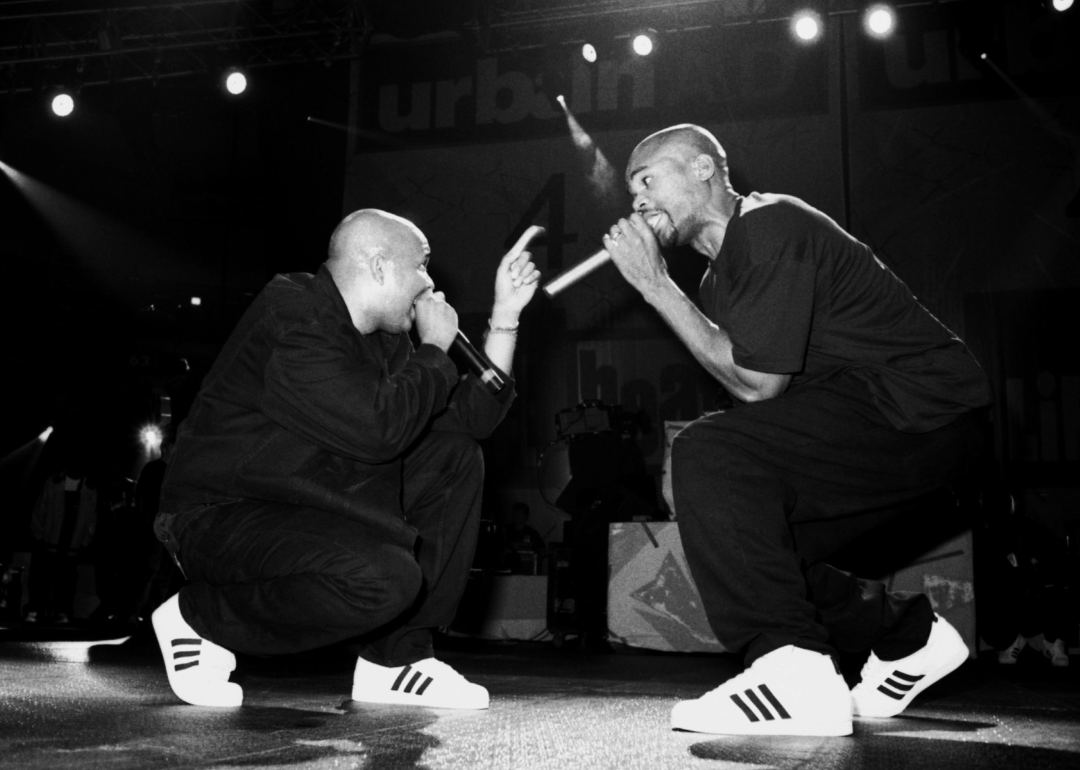
In the 1980s, Run-D.M.C. inked a deal with Adidas. It marked the first collaboration with a major brand for hip-hop, a tradition that has continued and flourished to this day. On Run-D.M.C.'s third album, the group sang an ode to their Adidas: "My Adidas only bring good news / And they are not used as felon shoes."
Nike
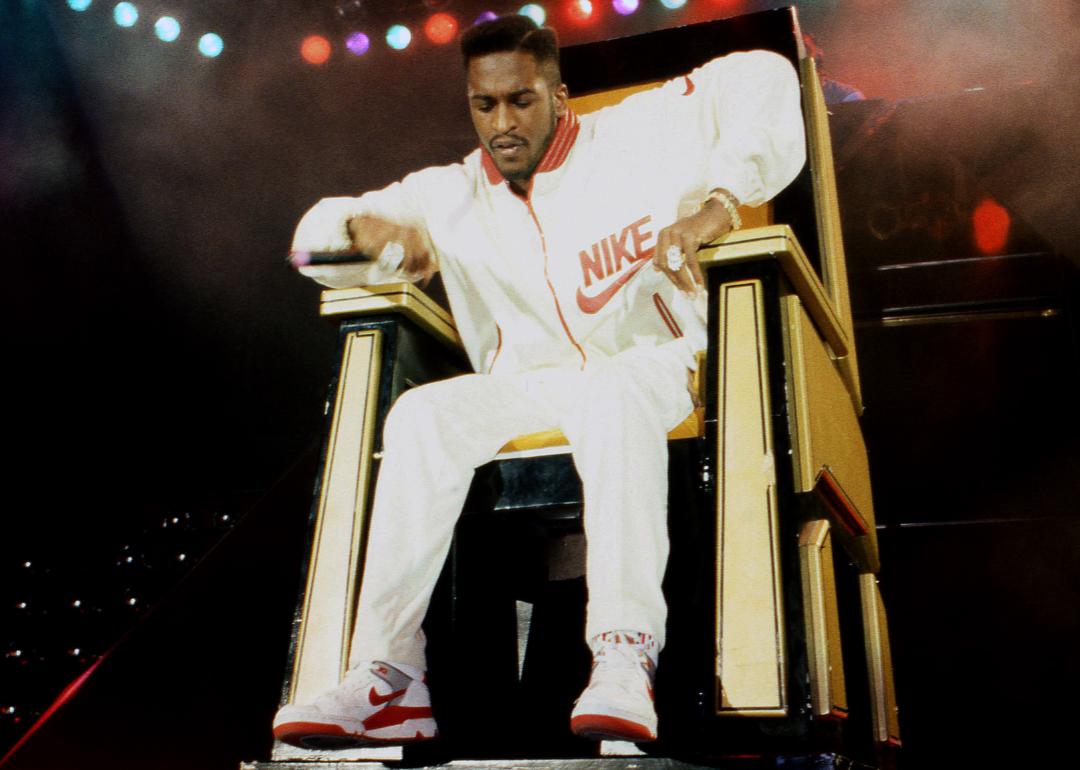
In the early days of hip-hop, specific trends could even be pinpointed to certain neighborhoods, according to Elizabeth Way. During their research, The Museum at FIT spoke to Antonio Gray, a fashion retailer in Baltimore, who talked about the popularity of Air Force 1s.
"For a while you could only buy Air Force 1s in Baltimore," Way said. "Nike sold the production to three retailers in the city because they were going to discontinue the Air Force 1. But that drove fashion trends, and kids would go to the skate skating rink and they would match their ensembles to the swish in their Air Force 1s."
To date, Nikes (and other sneaker brands) remain a luxury must-have item for many, with Michael Jordans' eponymous brand since its origination in 1985.
Chuck Taylor
The popularity of Chucks became another notable footwear moment in hip-hop history, creating a separation between West Coast and East Coast styles. Jordan and Adidas sneakers were popular in New York, but West Coast rappers like N.W.A leaned into the gritty street feel.
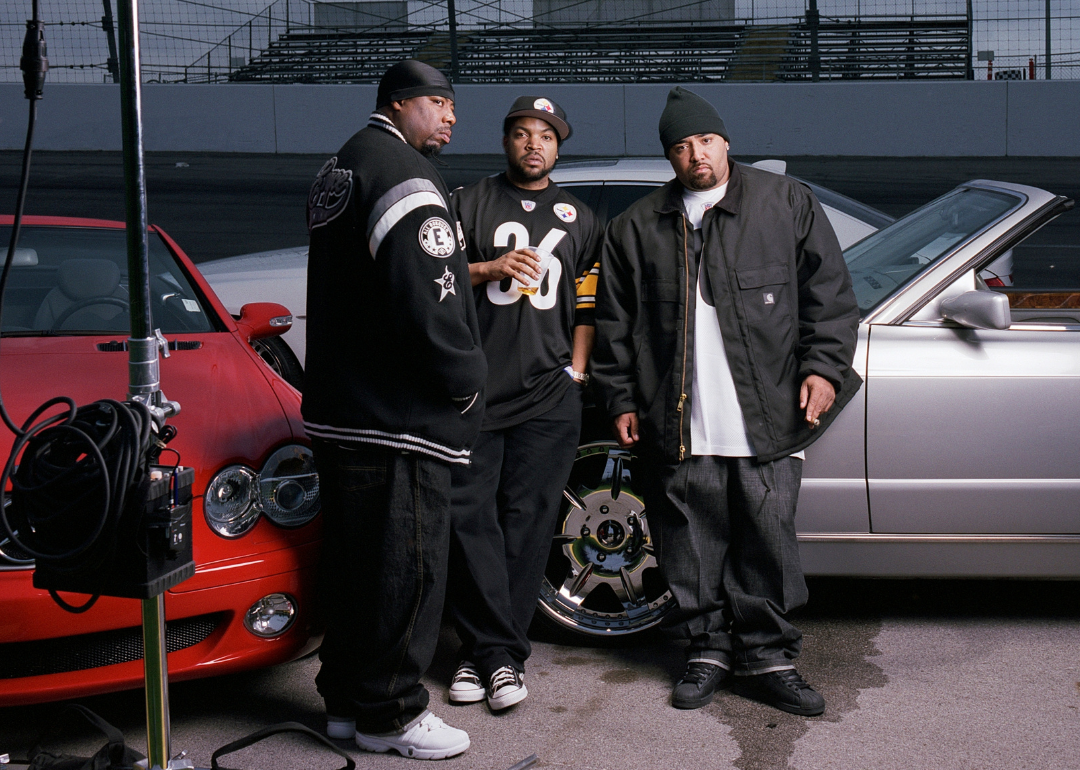
"All the gangbangers wore Chuck Taylors. They were what they made you wear in the prisons and Youth Authority camps," rapper Ice Cube . "Black Chuck Taylors worked with that raw, hard-core street feel that N.W.A wanted."
Timberland
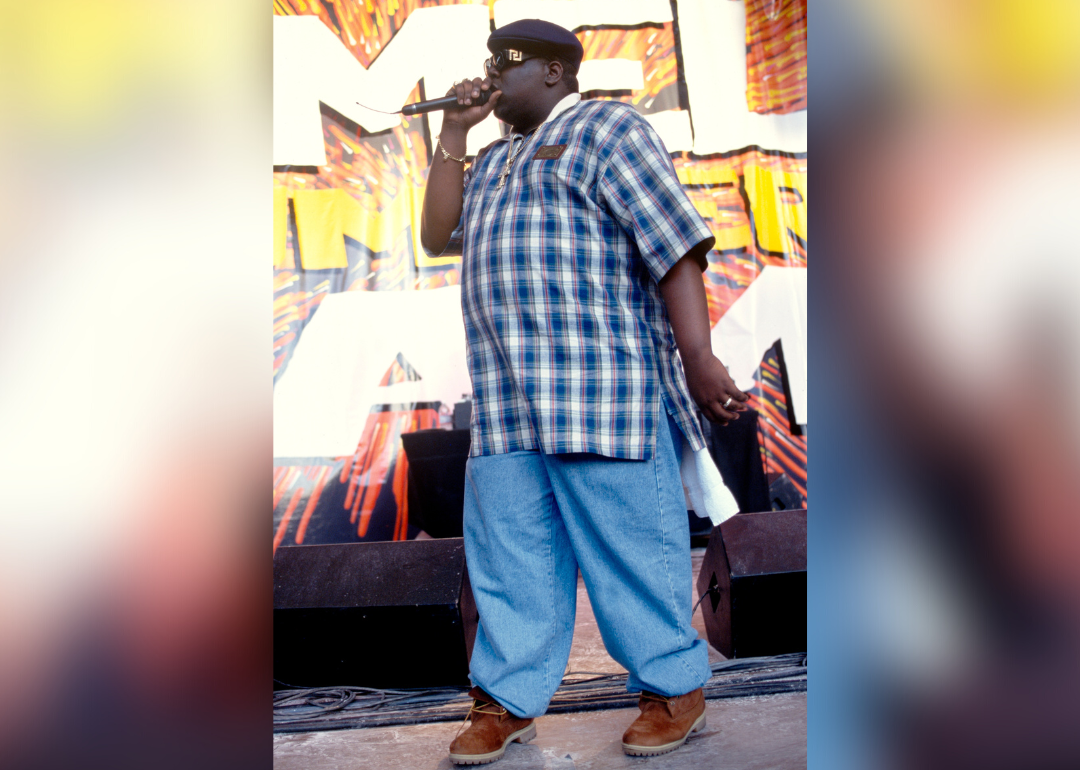
Timberland boots and hip-hop are inextricably linked. Artists like Boot Camp Clik in the '90s, complete with camo prints and butter-colored Timberland boots. Others like Biggie Smalls, Tupac, and Aaliyah wore them in videos, performances, and events.
Timberland, whose boots were created for construction and blue-collar workers, initially. It's said that the boots were first introduced to urban settings for similar reasons鈥攖hey can withstand cold and rough terrain. Over time, the brand's name appeared in lyrics, and the boots were often worn at concerts.
Despite the company's attempt to distance itself from the Black and urban communities, Timbs have made their way鈥攁nd remained鈥攚ithin the popular lexicon and fashion through hip-hop.
Bally shoes
Name-dropping brands within songs is a well-known hip-hop move, but one of the first to do so was Slick Rick in 1985. The rapper mentioned the Bally shoe brand when doing a run-down of his outfit in his classic song with Doug E. Fresh "La Di Da Di" and was for "The Great Adventures of Slick Rick." Popular in the 1980s, in 2019, offering homage to hip-hop for its rise.
Story editing by Carren Jao. Copy editing by Paris Close.