20 examples of therapy animals that aren't dogs
Dogs are not the only animals that can provide emotional support or therapy to humans. Many people keep and care for animals such as pigs, horses, and even snakes that help manage anxiety, boost self-esteem, and foster joy. Riding a horse or donkey, cuddling up with a rabbit, or feeding a carrot to a llama can help instill a sense of happiness, develop emotional stability and physical coordination, and re-establish a sense of purpose in life. who have interactions with therapy animals of various species.
Service animals, as per the (ADA), are dogs and miniature horses specifically trained to carry out tasks for people with disabilities, such as a seeing-eye dog. Therapy animals also require training, which they undergo to learn to people with emotional and physical disabilities. They are not necessarily individual pets that live with their owners. For example, at horse-therapy farms, professionals train horses to interact with humans and follow commands, and are taken to visit children and adults in hospitals, nursing homes, and schools.
Emotional support animals (ESA) are pets owned by individuals who rely on them to . They do not necessarily have specialized training, but some do. Technically, the ADA does not cover ESAs, but if someone with an ESA other than a dog, cat, or mini horse wants to bring their animal into a public place, they can present a note from a mental-health professional designating their clinical disorder. However, it is typically much harder to bring ESAs other than dogs onto airplanes, as evidenced by recent news stories of people with non-traditional animals, like peacocks, getting escorted off planes.
Using sources including ABC News, Wide Open Pets, and Best Life, 麻豆原创 compiled a list of 20 emotional support and therapy animals other than dogs. Read on to discover how rats and lizards can provide as much love and support as "man's best friend."
You may also like:
Miniature horse
Not only can miniature horses make excellent service animals, but they're also used therapeutically. Miniature horse therapy farms, like Mane in Heaven, comprise trained horses that are taken to visit people who suffer from terminal illnesses, have learning disabilities, and those suffering from trauma. Mini horses are calm and easygoing, and their love of humans makes them perfect for petting and hugging. They can also help motivate a child who may be going through physical therapy or while waiting in an airport security line.
Cat
Cats might not have the same reputation as being high energy and lovable like dogs, but their low key and affectionate nature makes them great emotional support companions. A cat with the right personality can quickly form a loving bond with its owner, and they generally emanate a calm, chill vibe that can be contagious. For example, , who helps combat her post-traumatic stress syndrome and fibromyalgia.
Rabbit
These gentle animals make for excellent ESAs鈥攖hey are quick to bond with their caregivers, reasonably low maintenance, and can have a lot of personality depending on the bunny. Plus, they are fuzzy and have twitchy noses, which are characteristics that many find adorable. Caring for lessen her anxiety and depression.
Donkey
Donkeys too can be therapeutic for some, especially for children with disabilities. Their calm nature makes them ideal for petting and cuddling and can instill a sense of comfort in those around them. Riding donkeys is excellent for . Donkeys are keen to forge one-on-one relationships with people. At the Donkey Sanctuary in the U.K., a little girl named Amber was born prematurely and was most likely never going to walk or talk. When she bonded with a donkey named Shocks, who had suffered physical and psychological abuse, both of them benefited from it.
Guinea pig
These cuddly rodents can also be good ESAs. They're easygoing and playful, they can purr when they're being stroked, and they're pretty easy to take care of. by sitting on her chest and letting her pet him. When young guinea pigs are particularly excited, they do what's called "popcorning," or jumping and twisting, which can be amusing to watch.
Snake
Snakes may not immediately come to mind as good options for ESAs, but they too can aid people who deal with depression and struggle with communication. Like many other ESAs, those who suffer from psychological or physical disorders can find a sense of calm and improve their emotional health by handling and caring for snakes. Daniel Greene suffers from epilepsy, and his , gently squeezes Greene when he senses a seizure coming. As such, Greene can ready himself or even evade the seizure outright.
Parrot
These winged creatures make excellent ESAs because of their ability to mimic human speech and their tendency for empathy鈥攂oth useful for mitigating anxiety. They and help prevent emotional outbursts. A well-known example is of a bipolar man whose African grey parrot helps detect rageful episodes by repeating phrases that calm him down.
Miniature pig
Intelligence and sensitivity are what make mini pigs great therapy animals and ESAs. In some cases, pigs have been able to help autistic children with their vocal skills and evoke a feeling of calm. They've even been said to sense low blood sugar in people with diabetes and can detect imminent seizures in humans. Just like mini horses, mini pigs serve as therapy animals in hospitals, nursing homes, and schools. to help him alleviate his PTSD and clinical depression.
Bearded dragon
Those who have an affinity for reptiles can find emotional support in bearded dragons. Other than being small and portable, lizards can provide human companionship as well. , and a salesperson was taking one out of a cage, another smaller dragon ran up her arm and jumped into Curran's hands. Chief, as she was called, came to be the perfect reptile companion to help the teenager stave off anxiety related to high-school bullying.
Sheep
These wooly farm animals are calm, relaxed, and collected, thus viable candidates for emotional support and animal therapy. Like other docile barnyard animals, sheep are perfect for children and adults alike to cuddle and feed. Through the Sheep Heal Project, sessions for humans. April McIlroy lost her son and holding a lamb proves incredibly heartwarming for her.
Squirrel
Even these typically wild rodents can serve as ESAs for some people. In the last handful of years, some people have started keeping squirrels as pets, some for emotional support, some purely for the love of the fuzzy little critters. in the aftermath of Hurricane Matthew and keeps him in his condo to help control his PTSD. Boylan says having a squirrel to care for and play with does as much to ease emotional disorders as other furry creatures.
Chicken
Chickens can be cuddly and loving, making them prime for quelling anxiety, depression, and PTSD. For Nikki Pike, turned into a long-term bond with avian friends Nugget, Noodle, and Nibble, when she realized they kept her anxiety at bay. Having chickens to care for helps motivate her to get up and face the day.
Llama
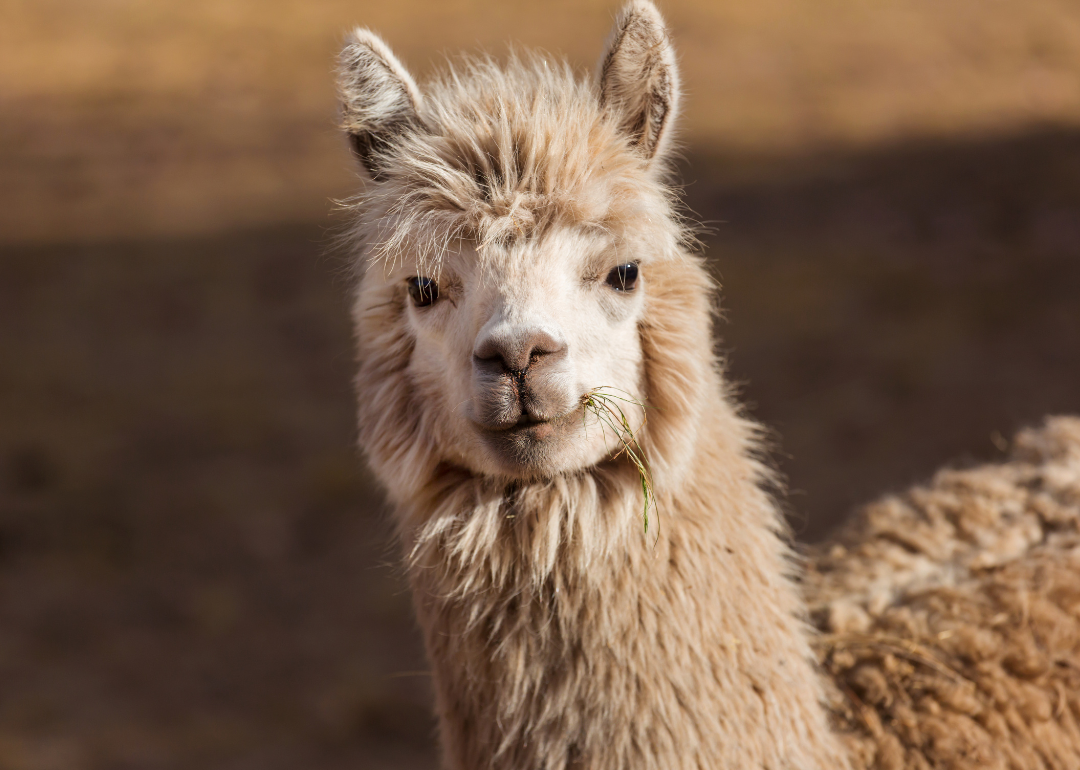
Natural gentleness and soft fur are just two reasons humans seek emotional solace from llamas. These friendly, easily touchable giants are perfect companions for new people to stroke and bond with quickly. After buying a couple of acres of land in Oregon, first bought Rojo the llama and Napoleon the alpaca to keep their grass in check, but ultimately had Rojo certified as a therapy animal. They have taken him to visit hundreds of people who have reaped joy from his mere presence and amiability.
Monkey
Monkeys are technically exotic animals, but small monkeys like capuchins, can make stellar therapy companions. They are very intelligent, can read human behavior, and sense when a person is in emotional distress. Lauren Elizabeth McAna, a veterinary technician from Florida, . McAna survived sexual abuse, so during panic attacks, Emerson comes to her aid and stays by her side. When she's stressed or upset, Emerson kisses her and climbs on her face.
Ferret
Ferrets are social, even-tempered, litter-trainable, and rarely stress during travel, making them perfect fits for therapy animals or ESAs. Though ferrets are playful, a handler can instill a sense of calm by having them snuggle up to their body. This can be quite comforting for people who experience anxiety and stress. ; Gyno and Emily act as a source of tranquility for Woodward after an attack.
Goat
Like horses and donkeys, goats can be excellent therapy animals as well. Some breeds are quite social, amiable, and easily trainable, making them perfect for children to cuddle and feed. Goat therapy programs have even started popping up, like in which people with disabilities or who suffer from trauma can interact with the animals. This helps them ease anxiety and develop their social skills, for example.
Turtle
Few people keep turtles as emotional support or therapy animals, but they work for some people. Box turtles , who he's owned for over 30 years. Spero is a family therapist and uses Florida to help children cope with their feelings; some particularly shy children become animated when they get to hold him, and he's a good option for kids who may be afraid of larger animals.
Rat
Rats might be the underdog of ESAs, but they make great companions. Domesticated rats thrive on being social and playful, and they are intelligent. Plus, they are easy to house and can even be trained to follow commands and do "tricks." Claire Miller struggles with depression, but such that she is able to re-engage in the things that bring her joy.
Hedgehog
Though covered in tiny quills, hedgehogs can spark joy and help people with anxiety, just like other small animals. They can snuggle up to their human caregivers and provide a sense of purpose and comfort and even respond to voice calls sometimes. Some folks rescue hedgehogs through organizations like the in the U.K., starting something of a symbiotic relationship between hedgehog and owner. One young lady rescued a hedgehog, Waldo, via the NEHR, and caring for him helps her control her anxiety and improve her self-confidence.
Duck
When it comes to ESAs, the sky's the limit, including animals that roam the sky. Trained ducks , Carla Fitzgerald's emotional support feathered friend. Daniel helps Fitzgerald mitigate her PTSD and calm her when she travels. Like snakes, ferrets and other ESAs, Daniel is trained to alert Fitzgerald of imminent panic attacks by placing his head on her chest.