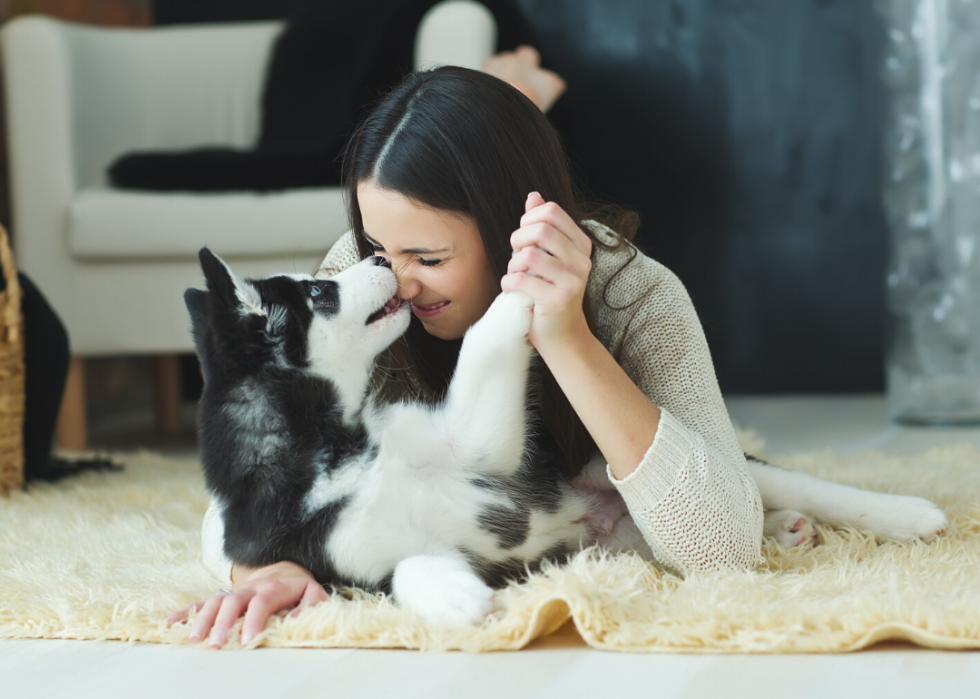
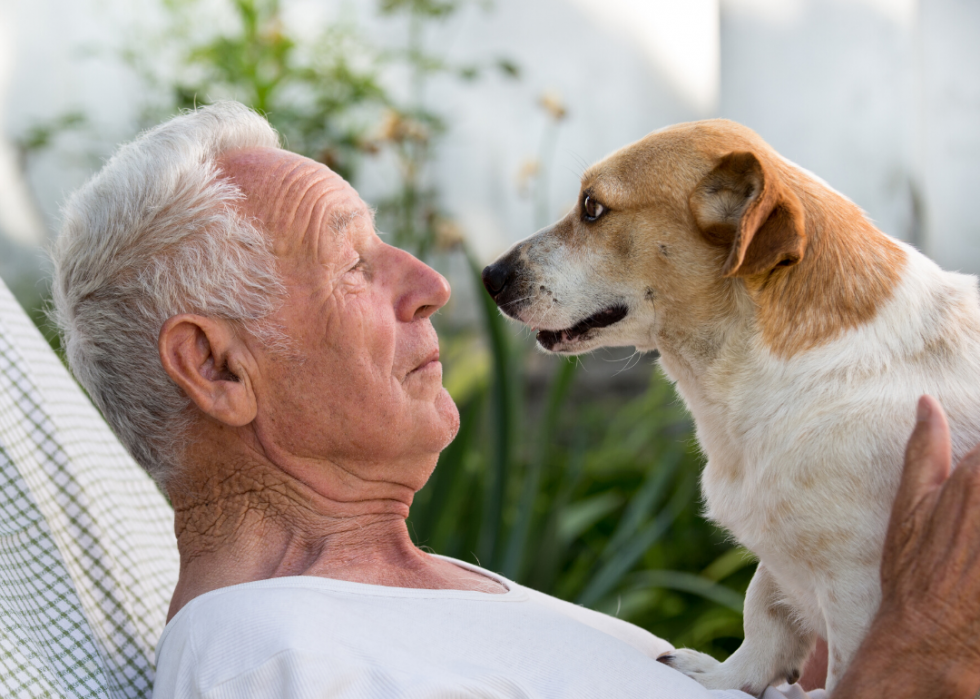
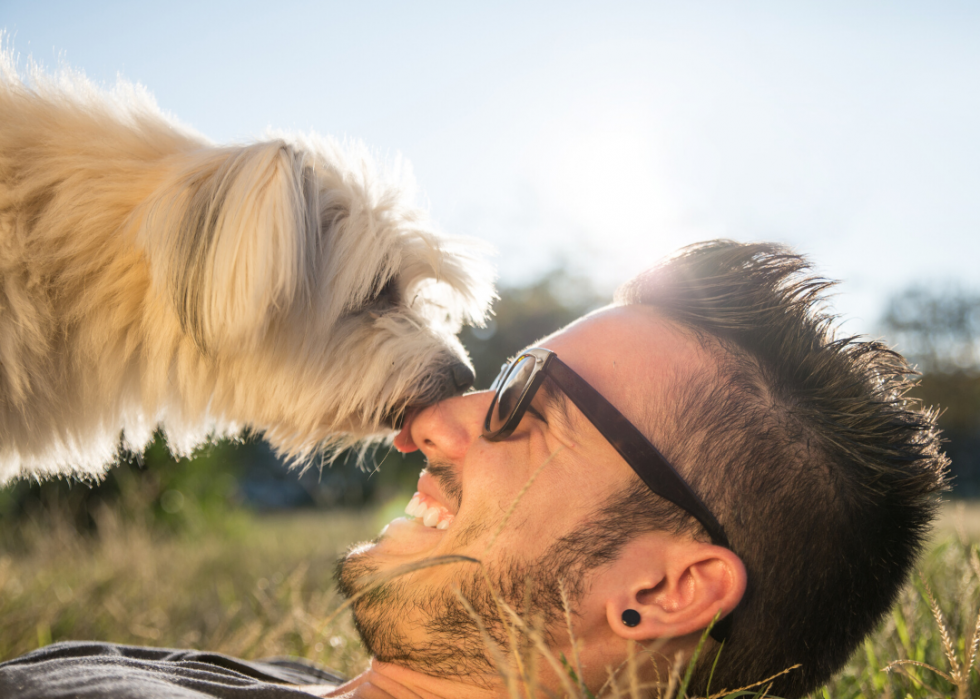
Dog licking face of owner who is smiling and wearing a blue-green top.

50 fascinating facts about dogs

Written by:
August 18, 2020
Canva

50 fascinating facts about dogs

Dogs are all around us, so it's easy to take them for granted. We think we know everything we need to know just by living with them, and for many years, scientists weren't particularly interested in studying dogs compared to more exotic creatures. So most of what we knew about them was based on tradition and conventional wisdom. But recently, there's been an explosion of scientific interest in dogs, including their behavior, intelligence, and perception, and scientists are now more informed than ever about man's best friend.

麻豆原创 scoured scientific journals, news articles, and expert blogs to present 50 interesting facts about dogs. 麻豆原创's slideshow includes information revealing fascinating findings to questions we would have never thought to ask. For instance, did you know that when a dog licks its lips when there's no food around, it means something about how she is feeling? And do dogs actually like baby talk?

The slideshow presents the most up-to-date answers to questions you might have always wondered about, like whether dogs can see color and how a dog's age compares to humans. It also provides details that give a richer understanding of common knowledge: You probably know dogs are excellent smellers, but just how excellent is probably more impressive than you might have imagined. This slideshow also contains some surprising facts about history. For instance, did you know that the current concept of "purebred" only goes back to the late 19th century?

Click through 麻豆原创's slideshow to better understand how dogs feel, think, and perceive the world.

You may also like: Origins of the 50 most popular dog breeds

1 / 50
Pooriwat Muangwong // Shutterstock

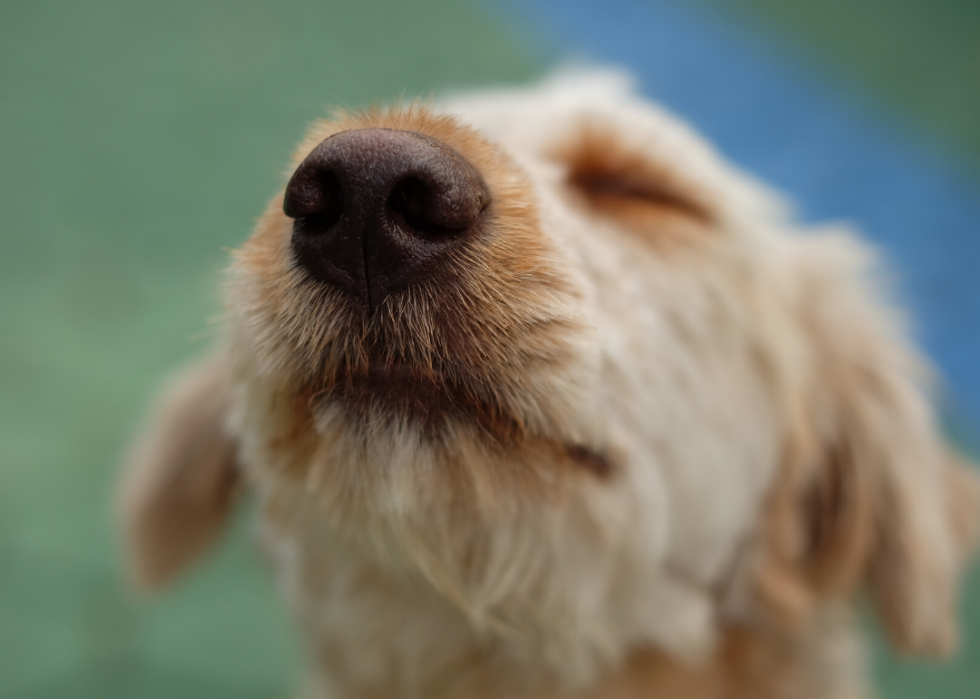
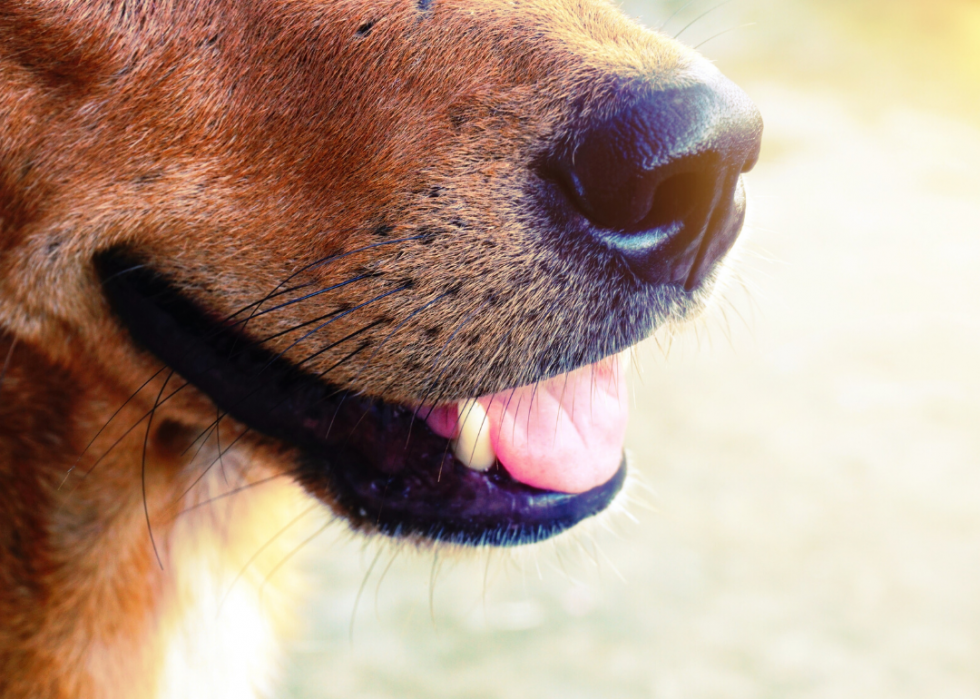
Dogs are built to smell

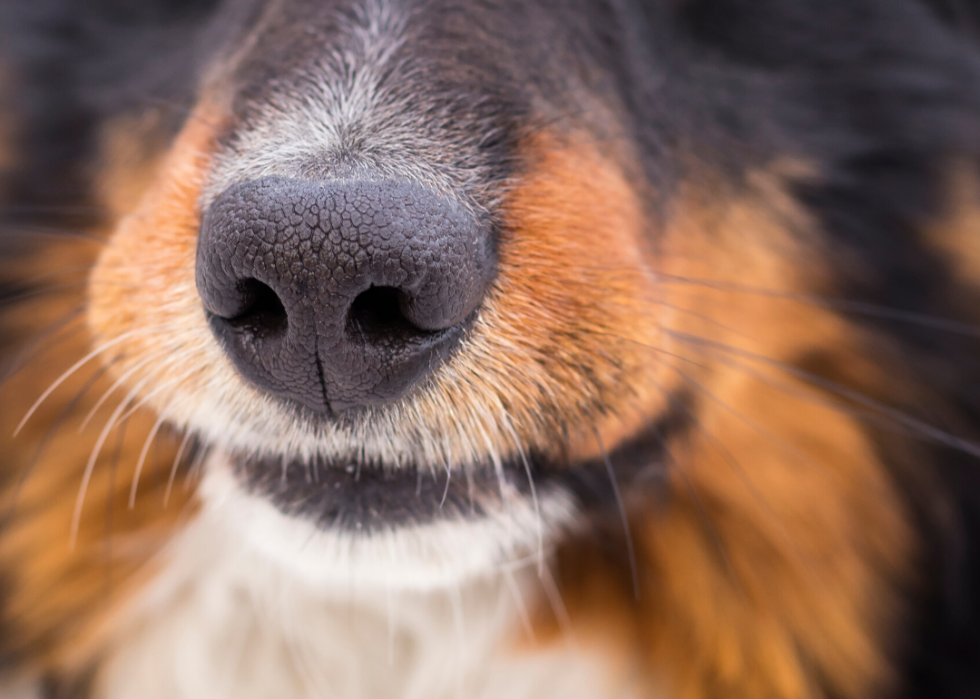
A dog's sense of smell is more sensitive than that of humans. A dog's nose contains around , which is about twice as many as in humans. The olfactory bulb, the part of the brain that processes smells, makes up

2 / 50
Szilvia Pap/Kutasi // Shutterstock

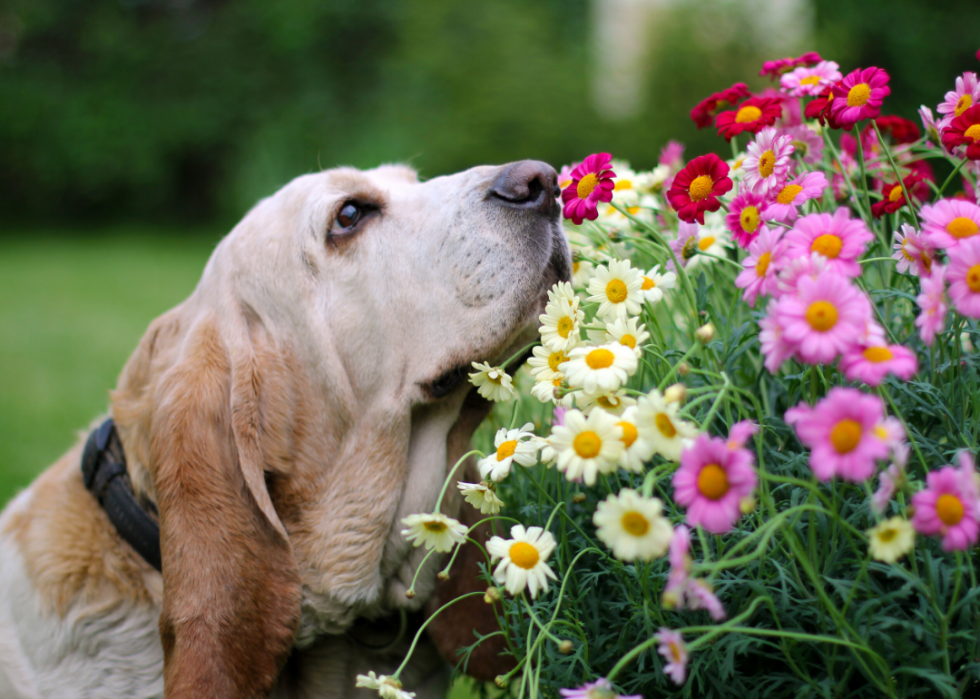
Dogs can detect incredibly faint smells

With that sensitive equipment in their snouts and brains, dogs can detect odors even when they are unbelievably weak. Experiments have shown that dogs can In one experiment, dogs could in a single drop of blood.

3 / 50
Wasitt Hemwarapornchai // Shutterstock

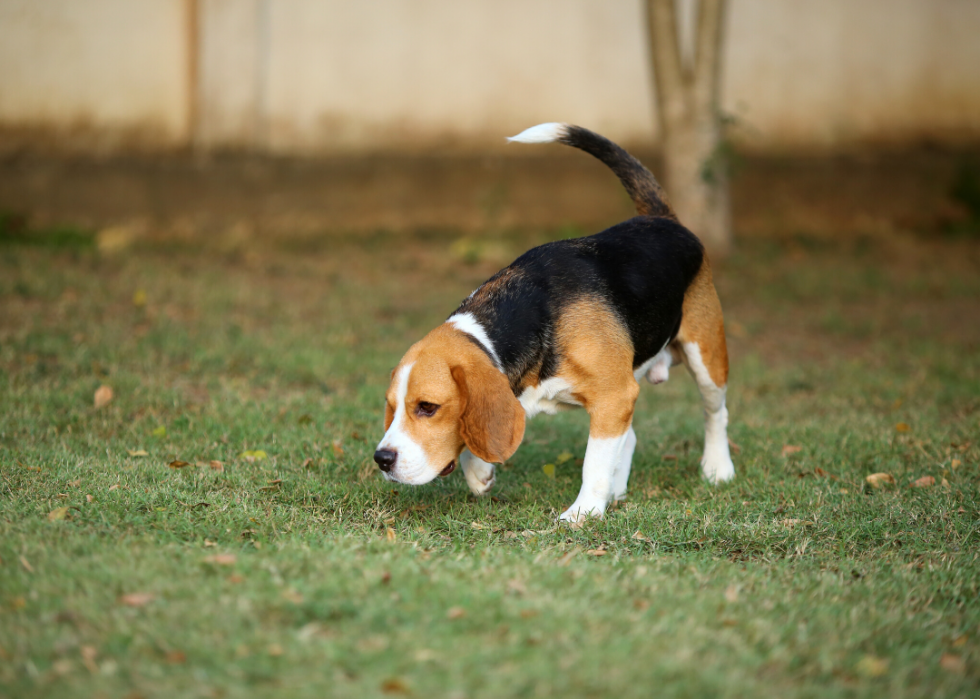
Dogs can detect slight differences in the same smell

Dogs know what direction a smell is coming from because they can tell that it's . Smells also change with age, and dogs can detect that: A tracking dog can tell which way someone went by the .

4 / 50
Au_Cr // Shutterstock

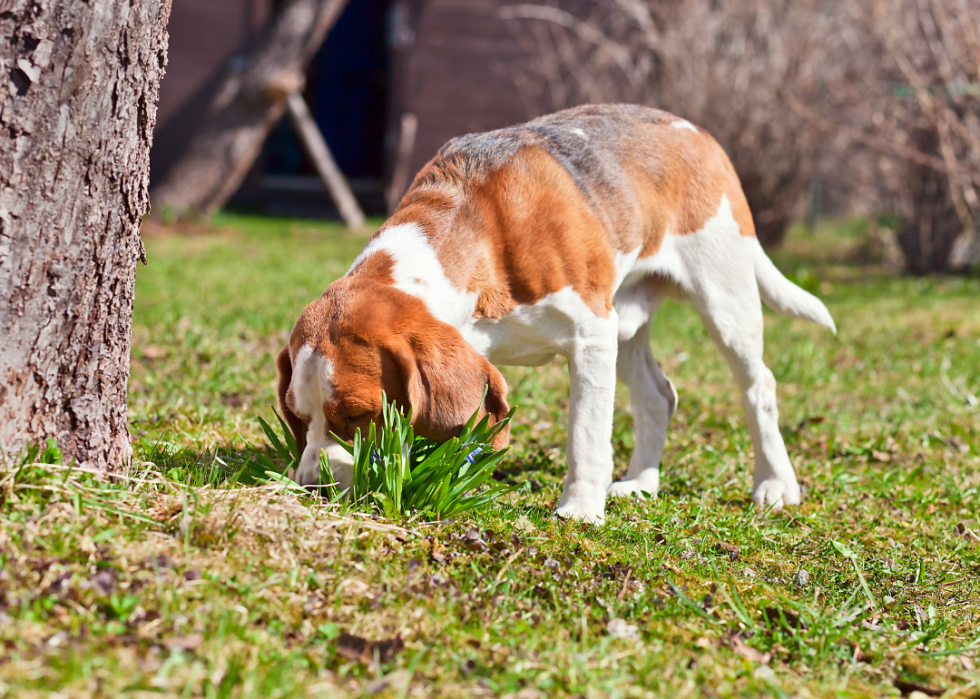
Dogs have another chemical sense in addition to smell

Like many animals, dogs have the vomeronasal organ (VNO) in the roof of the mouth, which detects pheromones. This is one reason dogs may lick things we think are gross, including the urine of other dogs鈥攖o get it closer to that organ. Along with their sense of smell, this lets dogs know many things about other dogs by what they've left behind, such as their sex and how long ago they were there.

5 / 50
First Class 3D // Shutterstock

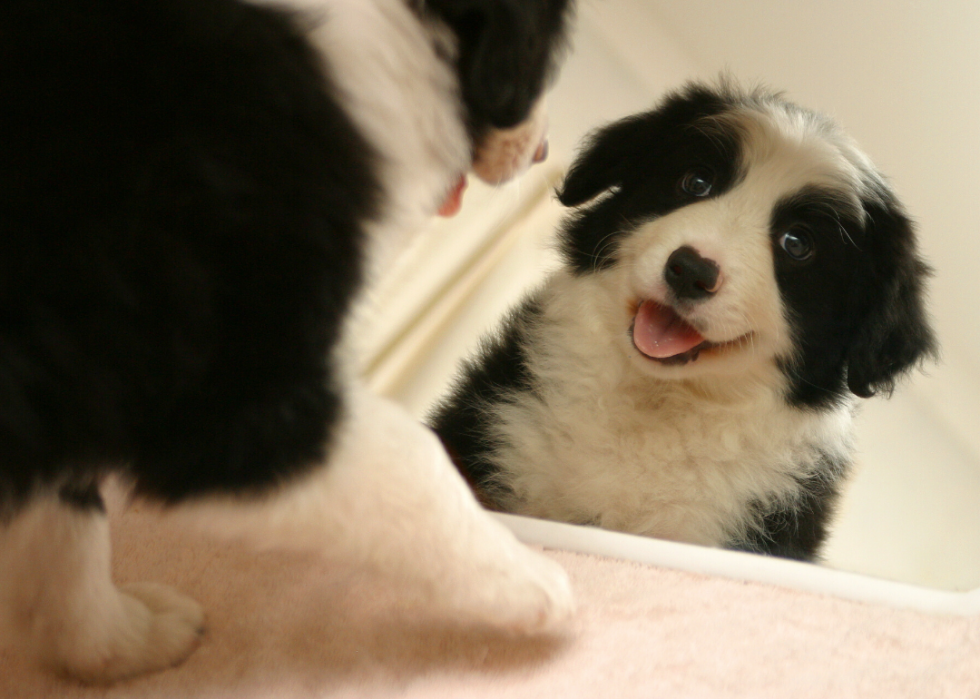
Dogs don't recognize themselves in a mirror but may have self-awareness

The mirror test is an experiment that's supposed to show if an animal has self-awareness. Put a mark on their body when they're unconscious, and if they touch themselves there when looking in a mirror, they know it's their reflection in the mirror. Dogs haven't been able to pass the mirror test. However, one researcher has argued that dogs do pass the test if you do it in a way that tests the sense that's important to them: they can from that of other dogs.

You may also like: 23 dogs that won't make you sneeze

6 / 50
Bilevich Olga // Shutterstock

Your dog can see better than you in dim light

A dog's retina contains mostly the kinds of receptors called rods, which require less intense light to function, and fewer cones, which are responsible for color vision. They have only about 3% cones, compared to a human's 5%, so they can .

7 / 50
Dorottya Mathe // Shutterstock

Dogs can see colors

It's often claimed that dogs can't see color, or that they can't tell the difference between red and green, but this is an oversimplification. Dogs have only two types of cones where humans have three; while is still ongoing, experiments have shown they can distinguish colors. They can also use other cues, including brightness and intensity, so no need to throw away your red balls鈥攖hey can find them on the green grass.

8 / 50
kamilpetran // Shutterstock

Dogs can hear much higher pitches than humans

The highest pitches discernible to the human ear are around . This ability probably evolved so they could hear the high-pitched sounds of small prey like mice. However, while dogs can hear those "silent" dog whistles that you can't, high-frequency sounds don't carry as far or pass through objects, so they're only useful in limited situations.

9 / 50
Page Light Studios // Shutterstock

Dogs can pick their name out of background noise, but not as well as people can

Ever notice how your own name seems to jump out at you from the sounds of a crowd? Scientists call this the "cocktail party effect," and it's been . They can hear their name when it is the same loudness as the background noise鈥攕omething human infants can't do. However, human adults can even hear their name when it's softer than the background, which dogs can't. So be patient with your dog in an extremely noisy place鈥攈e may not just be ignoring you.

10 / 50
Dragosh Co // Shutterstock

Dog noses are still better than human technology

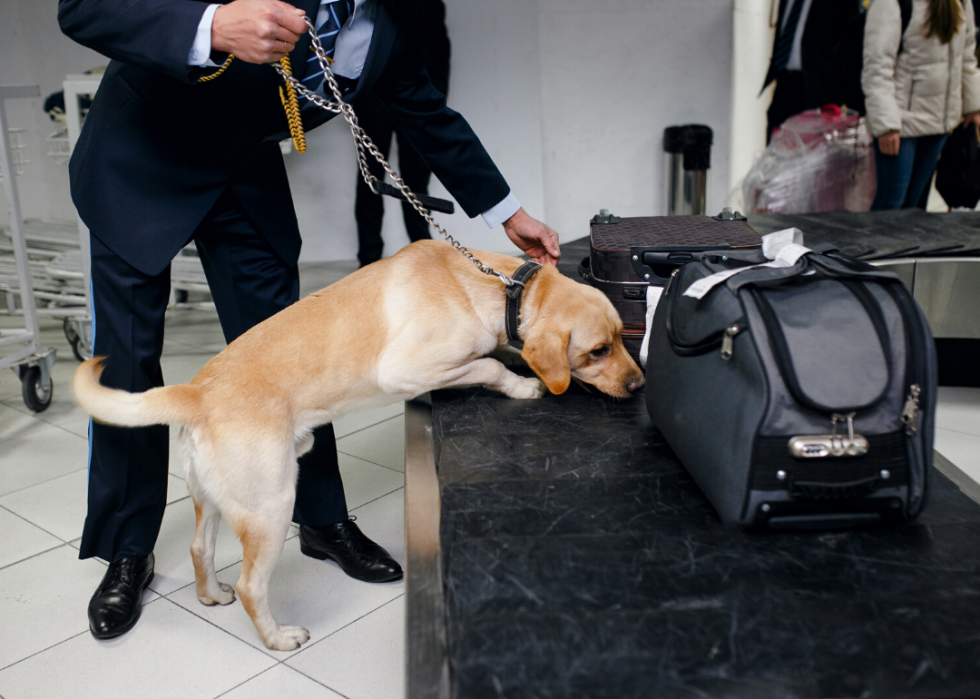
Despite years of research and billions of dollars of investment into artificial scent detection, dogs still beat technology. High-tech sensors built by the military to detect improvised explosive devices (IEDs) . And while we now have systems that can detect a smaller amount of a chemical than a dog can, they're huge and complicated and can't be used in the field. You can bring a sample to the machine, sure, but it can't go out and hunt for it as a dog can.

You may also like: 

11 / 50
Art_rich // Shutterstock

A dog's nose can detect heat, too

A recently published study has discovered that dogs can 鈥攐r warmth鈥攚ith their noses, at a distance. Dogs could reliably tell the difference between two objects, one warm and one room temperature, that were 1.6 meters away, even though they looked and smelled identical. Functional magnetic resonance imaging showed that a particular part of their brain was activated when detecting the warmth.

12 / 50
Nina Buday // Shutterstock

Your dog loves you for more than the treats

Neuroscience has shown that your dog really does think you're special. Functional magnetic resonance imaging of dog brains show that the caudate nucleus, which responds to something pleasurable, than to that of a stranger or a familiar dog. And it's not just because you feed him. In another study, to the expectation that their owner would appear and talk to them as to the anticipation of a treat.

13 / 50
Sinseeho // Shutterstock

Your relationship with your dog is similar to the parent-child relationship

Behavioral research has shown that dogs rely on us in many ways, just like children rely on parents. Both dogs and infants feel more secure about exploring when their caregiver is present. In experiments, when a baby sees something scary, they decide whether to approach depending on whether their parent acts like the thing is OK, and

14 / 50
Mary Swift // Shutterstock

Dogs actually like baby-talk

You may feel embarrassed when someone catches you talking to your dog in a high-pitched voice, but you don't have to be, because a study has shown that . And actually, we don't talk to dogs exactly like we talk to babies鈥攚e use the same pitch and intonation, but we that's thought to help babies learn to speak.

15 / 50
alexei_tm // Shutterstock

Verbal communication works for dogs, but visual is better

Dogs definitely can learn to respond to human language: One famous But visual signals come more naturally to them. In one study, dogs learned to fetch objects by their name and by pointing. Then, experimenters tested what happened . They found that dogs would fetch the object pointed to, rather than the one named. So while using gestures for commands seems a bit awkward if you're not a professional trainer, it's easier for your dog to understand.

16 / 50
Lindsay Helms // Shutterstock

Dogs can tell what our facial expressions mean

Dogs are good at reading our emotions. In fact, they can tell whether we're angry or happy just from our expressions in photos, without the help of body language or our voices. In one study where dogs learned to tell the photos apart by being rewarded with a treat for touching them, dogs , because they seemed to be reluctant to approach it.

17 / 50
Diedov Denys // Shutterstock

That guilty look doesn't mean what you think it does

Owners think they can tell when their dog has done something wrong because they show a "guilty look." But a study showed that  when their owners believed they'd done something wrong, even if they hadn't. And they didn't give a guilty look when they actually had disobeyed, but the owner believed they had been obedient. The look is a reaction to the owner's anger and fear of being punished鈥攏ot to what the dog itself has done.

18 / 50
Josep Curto // Shutterstock

Dogs can tell we are distressed鈥攂ut don't expect them to solve the problem

Your dog may seem to know when you're sick or upset and need comforting, and some studies have supported this. , dogs were in a bigger hurry to push through a door to get to their owner when she was crying than when she was humming. But don't expect them to rescue you like Lassie does in the old movies. In another study, dogs did not try to get help from a bystander underneath a fallen bookcase.

19 / 50
Mark R Croucher // Shutterstock

Dogs have evolved a special muscle to make puppy dog eyes

You know that sad look your dog makes when she wants your food? Dogs actually have a to make that look, which is not found in wolves. To human eyes, the expression makes them look babyish and sad, so we probably accidentally selected for it in the course of domestication because we find it endearing, and it triggers a nurturing response.

20 / 50
Africa Studio // Shutterstock

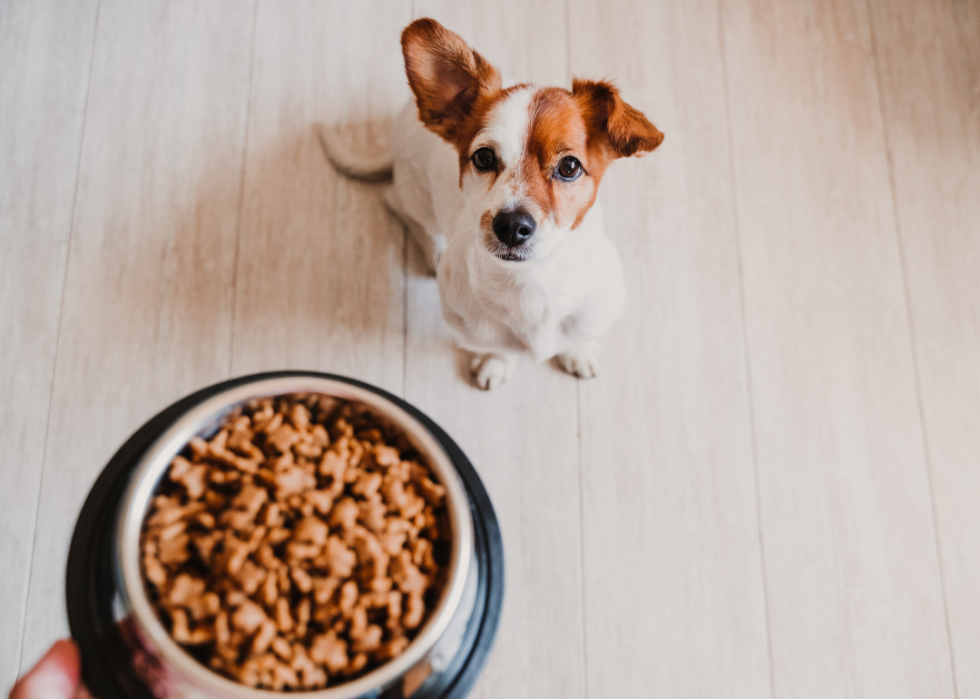
Dogs have evolved to be able to digest grains

Advertisements tempt you to buy dog food because it's full of meat, and grain-free dog food seems to be a trend that is here to stay. But dogs' bodies have changed in many ways in the course of domestication, including their digestive system. found that they have evolved to have more copies of the gene to produce the protein that breaks down the starch in the intestines, and lab studies showed that they should be five times better at digesting it. This change allowed them to take advantage of a wider range of our food sources as they evolved to live alongside humans.

You may also like: Most popular dog breeds in America
21 / 50
Mary Swift // Shutterstock

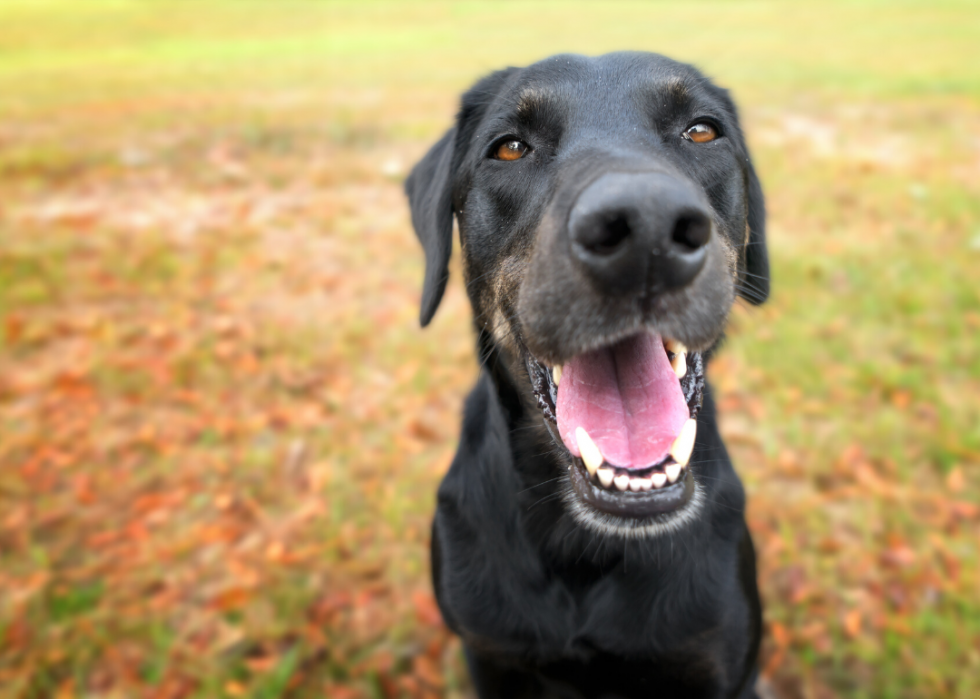
Licking is a sign that your dog is anxious

If your dog licks their lips or 'air-licks' when there's no tasty food around, it probably means they are stressed or worried. It's thought to originate as an appeasement gesture that attempts to defuse conflict with other dogs. In one experiment, when experiencing an unnerving social situation, like a strange person walking directly toward them. In another, than photos of happy faces.

22 / 50
Budimir Jevtic // Shutterstock

The hormonal system of dogs has evolved so they can live with and even love us

Domestication causes , making them less fearful around humans. Rather than fleeing in terror like a wild animal, dogs actually produce fewer stress hormones in our presence. Interacting with a person also associated with pleasure and bonding, including oxytocin, and , a similar effect found in mothers and infants.

23 / 50
Zero Degrees Photography // Shutterstock

Dogs get runner's high

A study found that after running, both dogs and humans have , a neurotransmitter that signals the reward center of the brain that something is pleasurable. Unlike humans and dogs, this pleasurable effect isn't found in ferrets, a species that doesn't run long distances to catch prey.

24 / 50
Anna Hoychuk // Shutterstock

Puppies are the cutest right when they need us most

Mother dogs wean their puppies at around eight weeks of age. In a study where people were asked to rate the cuteness of dogs at different ages, it turns out that . This is when they're sent away to fend for themselves and need to find a human to bond with and care for them, and they've evolved to be most appealing to us at precisely that time.

25 / 50
Mattia Marasco // Shutterstock

Dogs can count, to some extent

Using similar experimental methods as those used on infants, dogs can be shown to have a sense of numbers. If you show them a treat, hide it with a screen, appear to add a treat, and then lift the screen to reveal three treats, than when they see the expected two treats Brain scanning studies also show that they use the .

You may also like: Least popular dog breeds in America
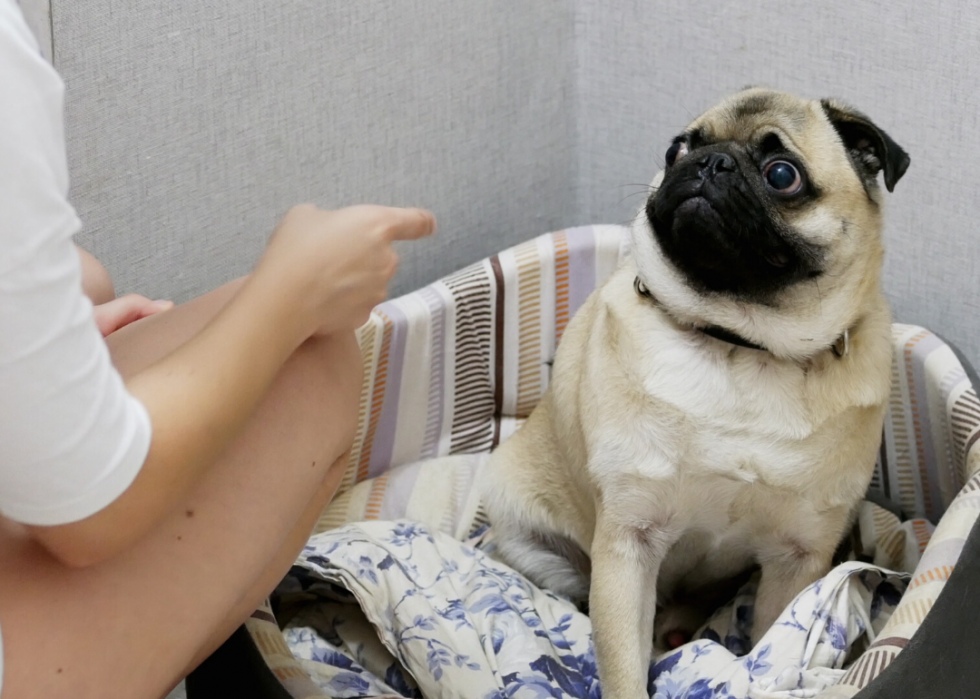
26 / 50
Alex Mladek // Shutterstock

One year of a dog's life does not equal seven human years

This commonly repeated equation has no basis in fact. There isn't one simple number you can use because humans and dogs age at different rates. A 1-year-old dog is in mid-to-late adolescence, not equivalent to a 7-year-old child. A 2-year-old dog is a young adult. After that, you could roughly say but that still doesn't account for the fact that different size dogs have different lifespans (small dogs live longer than large dogs).

27 / 50
geekonaleashuk // Shutterstock

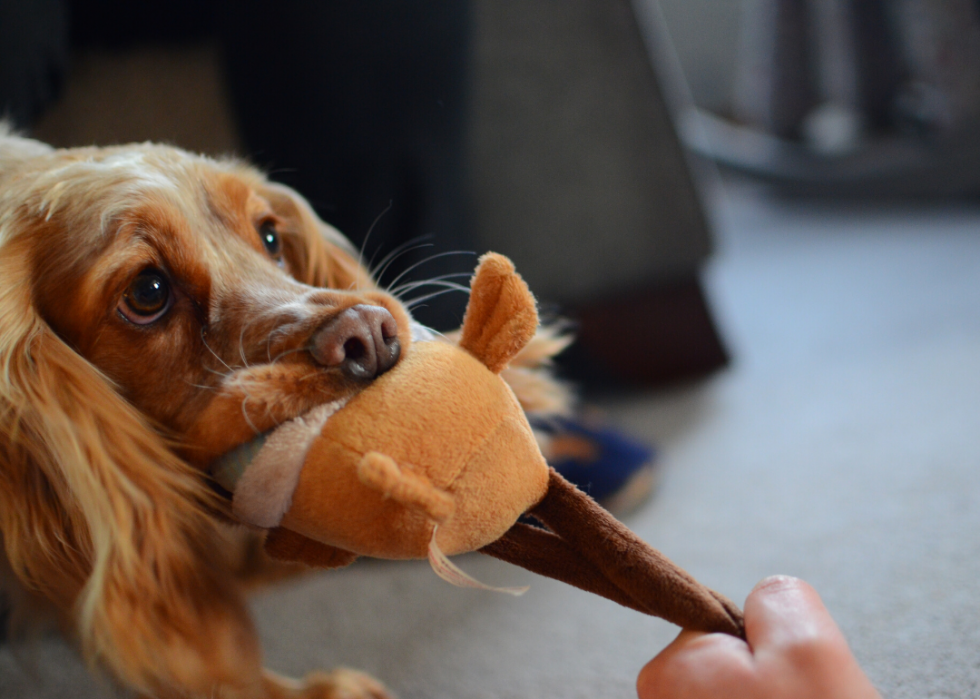
It's fine to play tug of war with your dog

Another commonly repeated bit of conventional wisdom is that you shouldn't play tug of war with your dog, because it will cause behavior problems, especially if you let him win the game. This is also largely a myth. A study before and after playing tug of war and found that they increased on a quality called "obedient attentiveness," regardless of whether they won or not. There was no effect on a measure of confidence, so no evidence that the dogs became bossier or more "dominant." The most playful dogs did seek more play and attention after being allowed to win, so just don't let them win every time.

28 / 50
oneinchpunch // Shutterstock

Your relationship with your dog is not about dominance

Behavior issues in dogs are often attributed to them wanting to be "dominant," but this is based on long-discredited research. It derives from a claim about wolf packs that turned out to be inaccurate because the that did not have natural relationships. What's more, dogs are different from wolves in many ways, and has shown that their groups don't have the same social structure.

29 / 50
Ulyana Khorunzha // Shutterstock

You don't need to ignore your dog when you're leaving her alone

Another behavior myth says that you should ignore your dog before leaving the house, instead of petting and making a fuss, lest you cause separation anxiety. However, a study that compared when owners petted their dogs before leaving them alone to when they didn't found that dogs that had been petted showed .


30 / 50
cynoclub // Shutterstock

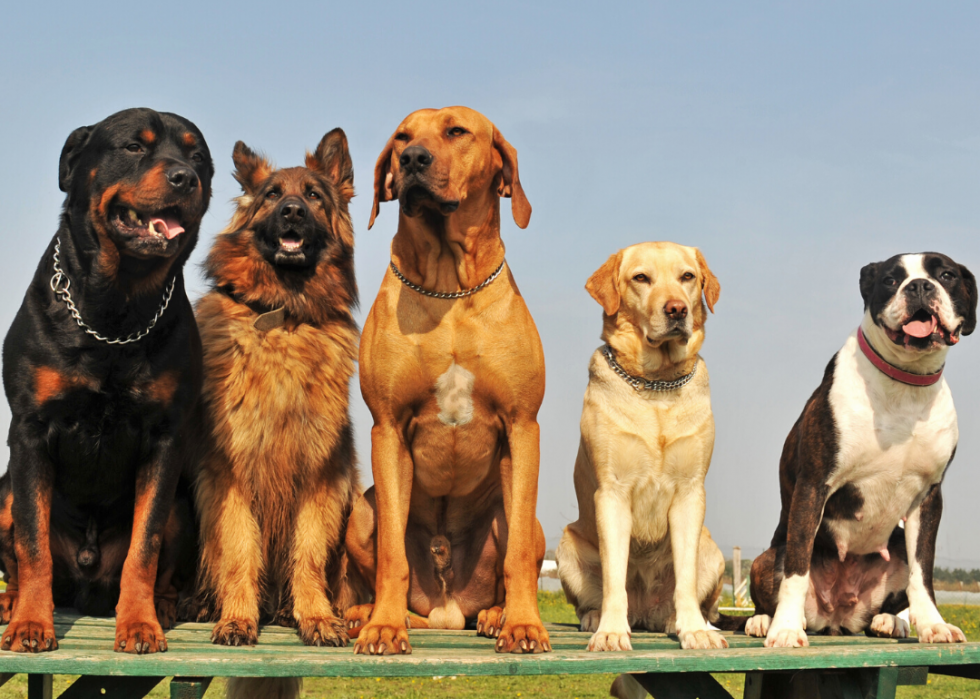
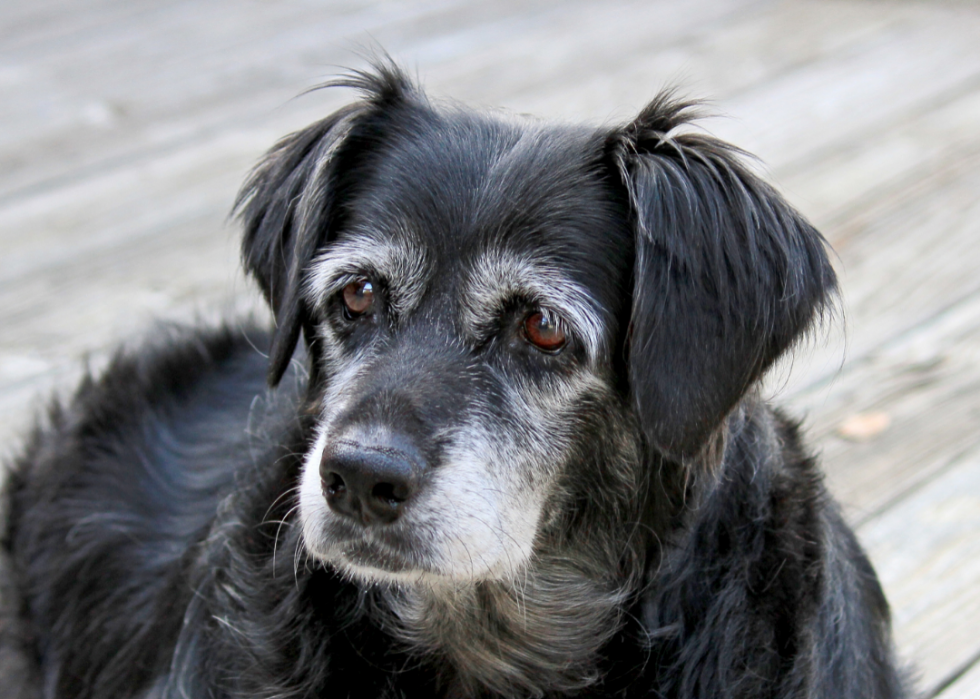
There are more dog breeds than you probably think

The American Kennel Club (AKC), the major dog breeds registry in the U.S., currently But the recognizes more than 300 breeds worldwide.
You may also like: Most popular dog breed the year you were born

31 / 50
Eve Photography // Shutterstock

New breeds get official recognition all the time

It makes sense that there must be more breeds than are part of a registry like the AKC, because the "new" breeds have to come from somewhere. The AKC recognizes new breeds every year.

32 / 50
Ezzolo // Shutterstock

Our concept of breed in dogs is fairly recent

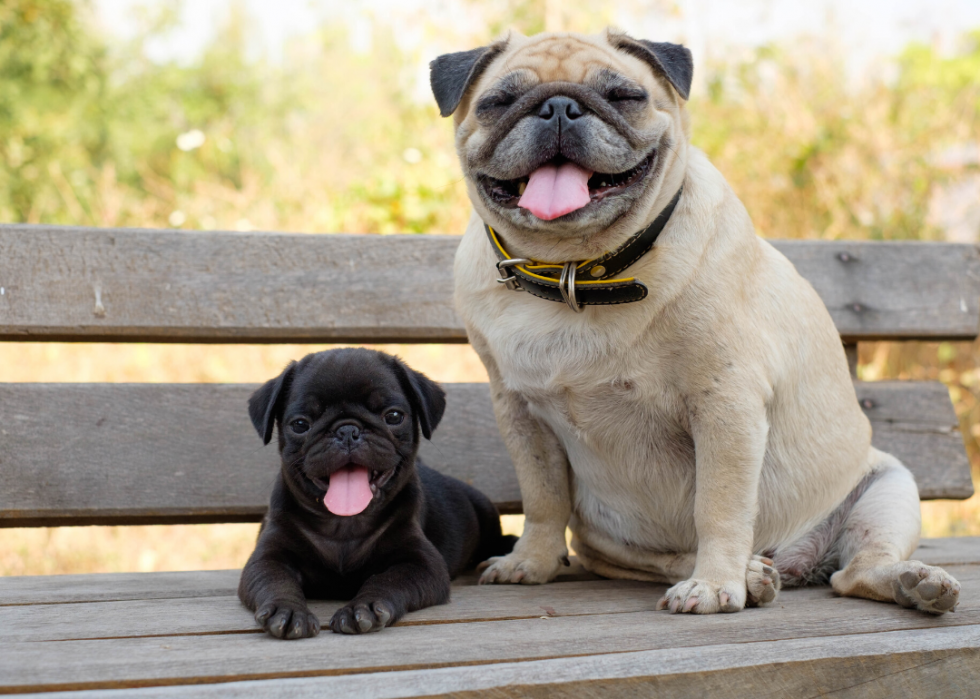
Today a dog breed is defined by pedigree and form: A pug is a pug because both its parents were pugs and because it looks a particular way. But this  only goes back to the late 19th century. Before that, dog breeds and types rather than their looks or who their parents were.
33 / 50
Canden Scales // Shutterstock

The first purebred dogs in the U.S. were recognized in 1878

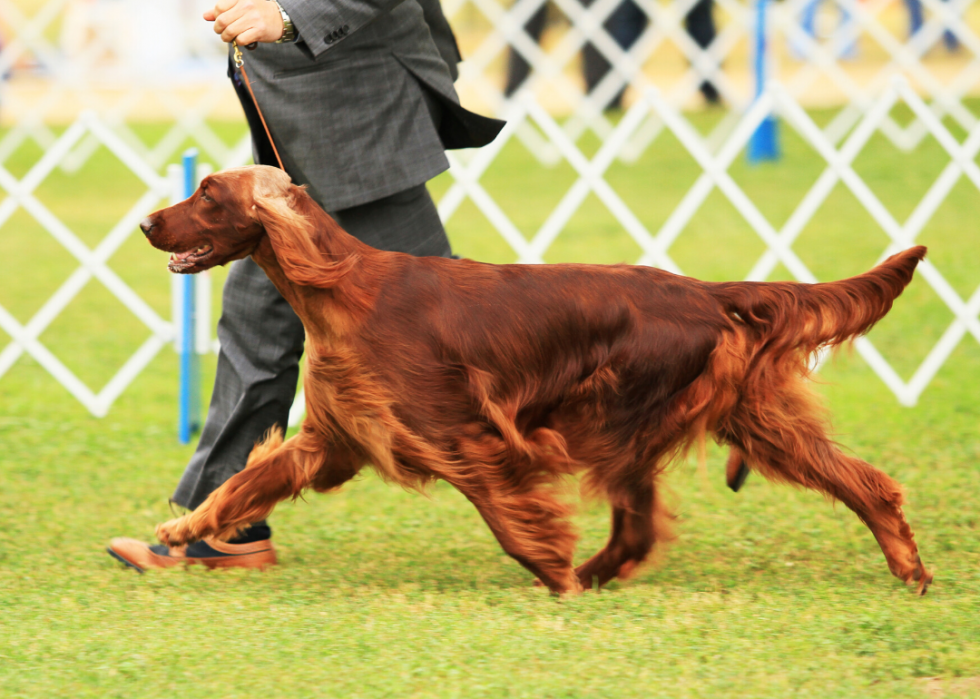
The first nine purebred breeds were . They were mostly hunting and sporting breeds, including some that are uncommon today, like the Clumber spaniel and Gordon setter.

34 / 50
claire norman // Shutterstock

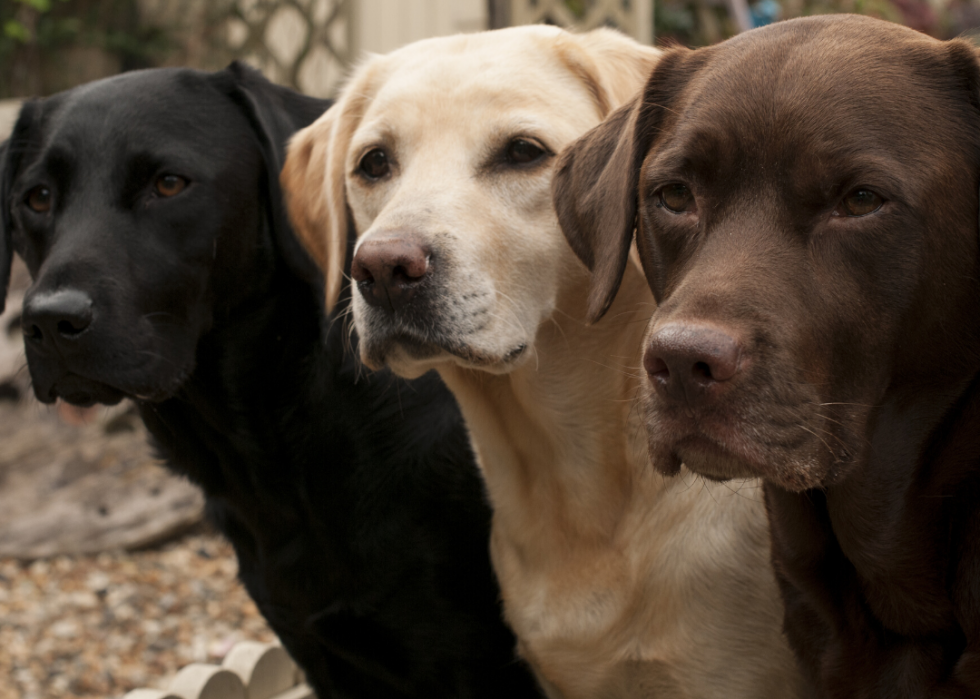
The Labrador retriever is the most popular purebred dog in the U.S.

According to the most recently released AKC statistics, the ; it's held that spot for 28 years. But this is just among dogs registered with the AKC, and there's no way of accurately counting unregistered purebreds and mixed-breed dogs.

35 / 50
L Julia // Shutterstock

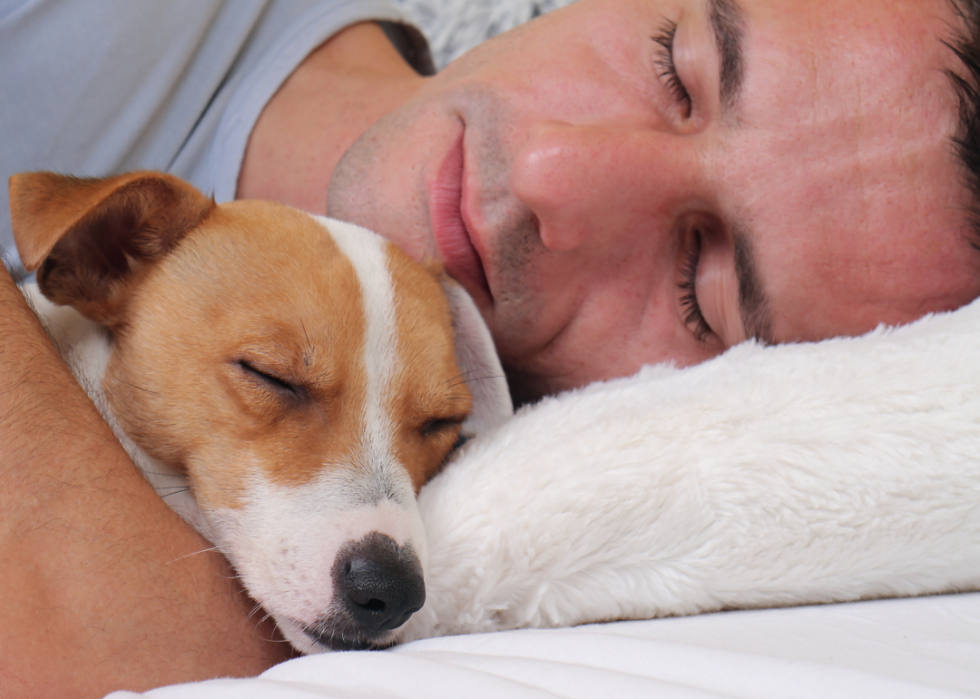
You might get better sleep next to a dog than a spouse

Many of us let our dog sleep on the bed, and advice about whether this is a good thing to do is all over the place. A recent study found that at least for women, than another person. The findings reveal that 55% of the women who responded to a questionnaire shared their bed with at least one dog, and most reported that the .

You may also like: Least obedient dog breeds
36 / 50
Lucia Romero // Shutterstock

Dogs yawn when their people do

Do you feel like yawning when you see someone else yawn? It's called contagious yawning, and dogs do it too. It's thought to be a , and a study at the University of Tokyo found that than from an unfamiliar person.

37 / 50
Chip Somodevilla // Getty Images

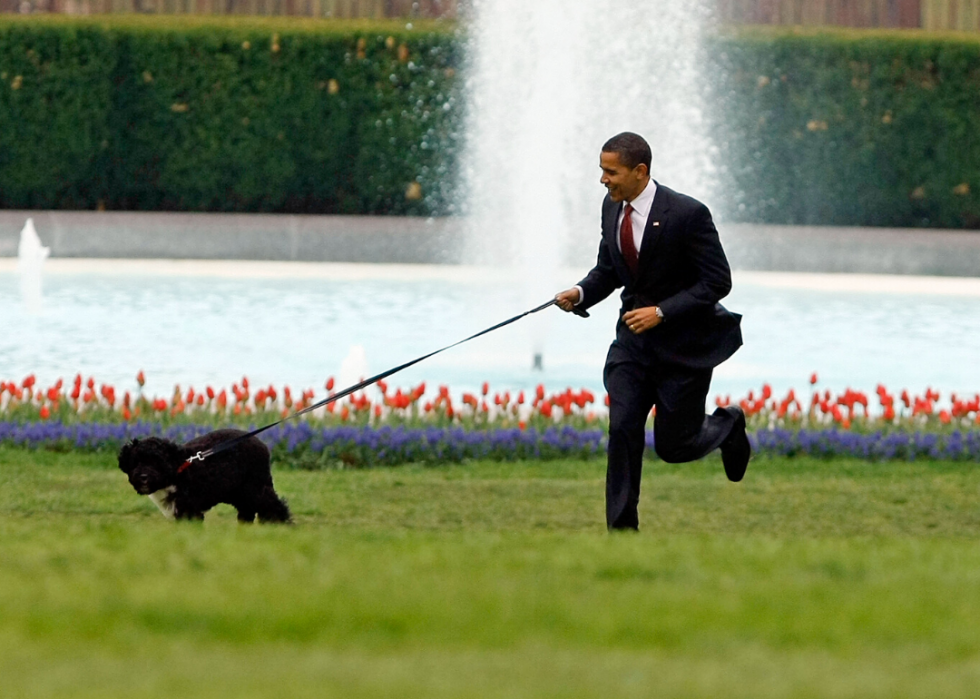
A majority of U.S. presidents have been dog owners

Most U.S. presidents have been dog people; more than two-thirds have had pet dogs while working in the White House. One is even commemorated in a presidential memorial: There's a , Fala, at the FDR Memorial in Washington D.C.

38 / 50
Photo12/Universal Images Group // Getty Images

George Washington helped create a dog breed

The first president of the U.S. was a dog lover, and The American foxhound was derived by he'd been given by his friend Marquis de Lafayette.

39 / 50
eva_blanco // Shutterstock

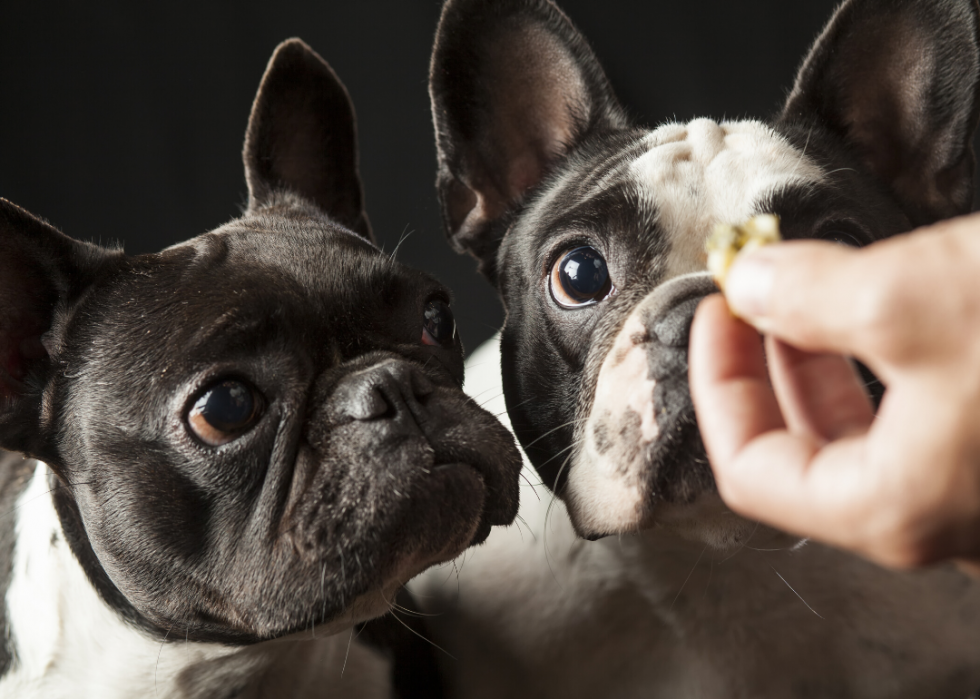
Dogs have a less sensitive sense of taste than humans

Dogs have fewer taste buds than we do: This may be no surprise to anyone who's seen some of the gross things they'll eat. However, like us, , so vary your training treats for the better results.

40 / 50
Cryptographer // Shutterstock

Dogs don't crave salty snacks

Dogs' taste buds respond to the same basic chemicals as ours, but there's one big difference: Because their diet in nature was heavy in meat, which contains plenty of sodium, they didn't need to evolve a drive to seek it out.

You may also like: 29 foods that are poisonous to dogs

41 / 50
Maximilian100 // Shutterstock

Dogs dislike bitterness, but it's not that useful as a chewing deterrent

Dogs do dislike bitterness, but . So those bitter sprays might keep your dog from chewing the furniture, but only once he's taken a nice deep bite of it.

42 / 50
Doucefleur // Shutterstock

A dog's whiskers are an important sense organ

A dog's whiskers are not purely decorative. They are highly sensitive to touch, and of the dog's brain is devoted to processing their messages. They are an important way they sense the world, so they should never be trimmed.

43 / 50
Grigorita Ko // Shutterstock

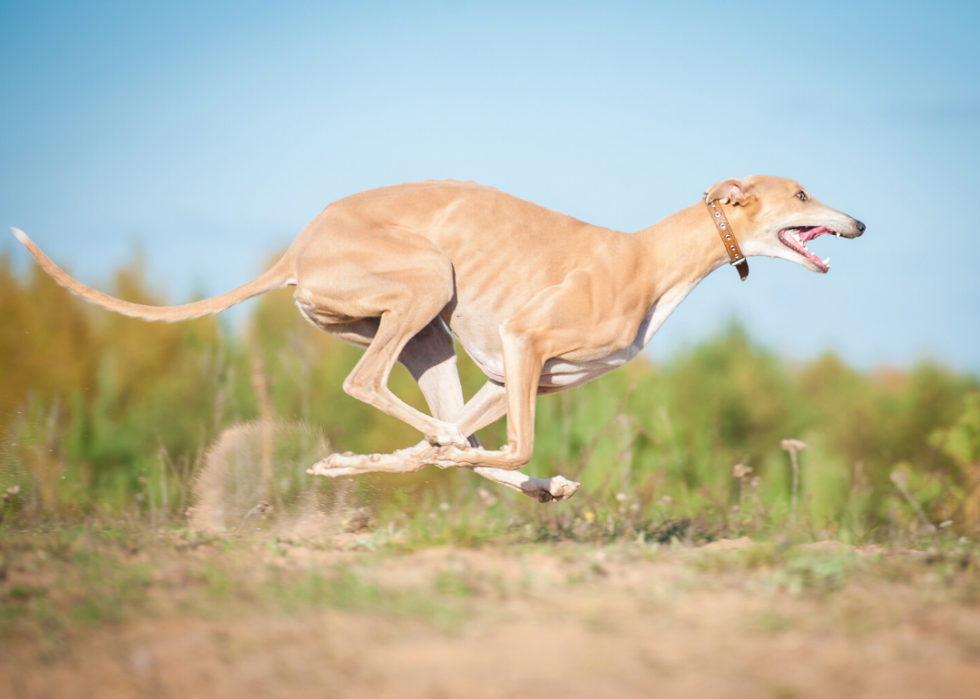
Greyhounds can run faster than the fastest human

Greyhounds are the This beats the fastest recorded speed for a human, which was .

44 / 50
sommart sombutwanitkul // Shutterstock

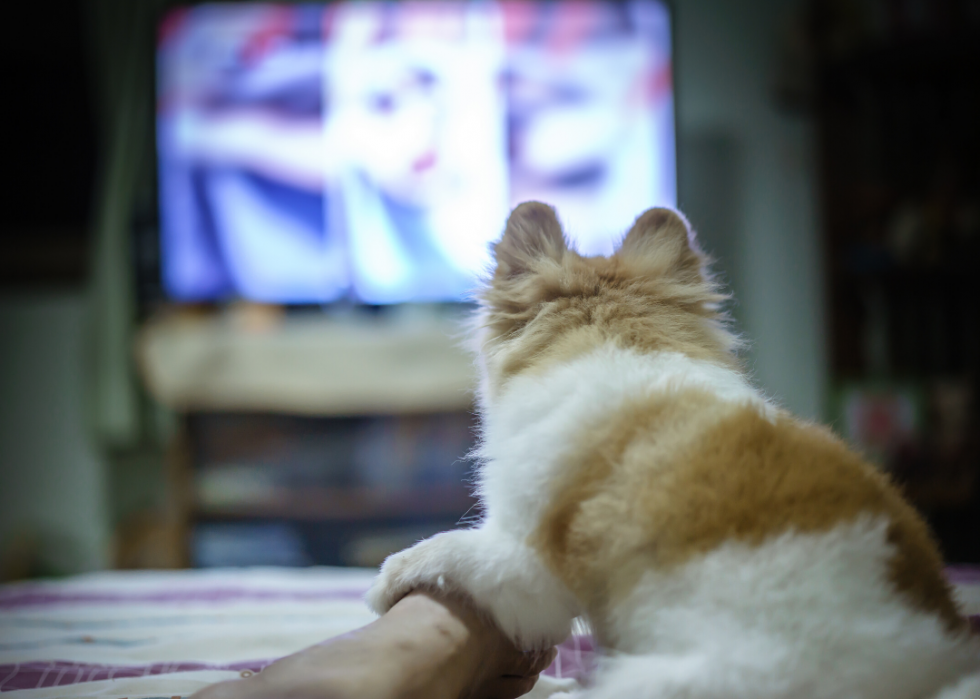
Dogs can watch TV

It's sometimes been claimed that dogs can't watch TV, because their visual system needs a higher refresh rate (number of images per second) to perceive smooth motion. However, many experiments successfully test dogs with video on TV screens, and , so now television looks better to dogs as well as humans.

45 / 50
Rob kemp // Shutterstock

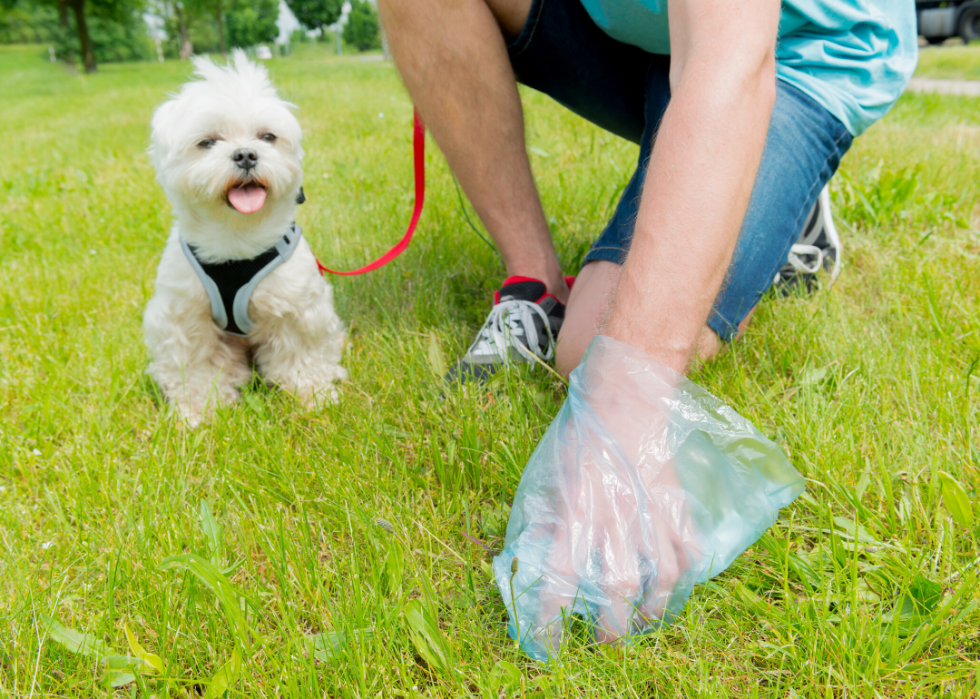
Kicking poop is a marking behavior

Many dogs kick their back legs behind them after they defecate, but they're not trying to cover it up like a cat. Rather, it's one of the ways they with the .

You may also like: Why do dogs lick people? And answers to 50 other canine questions

46 / 50
Perry Svensson // Shutterstock

Dogs do sweat, but it's not really how they cool down

, including in their paw pads, which help them release a little of their body heat. But because the rest of their body is covered with fur, sweat wouldn't evaporate to cool them off, so they mainly cool down by panting.

47 / 50
Grigorita Ko // Shutterstock

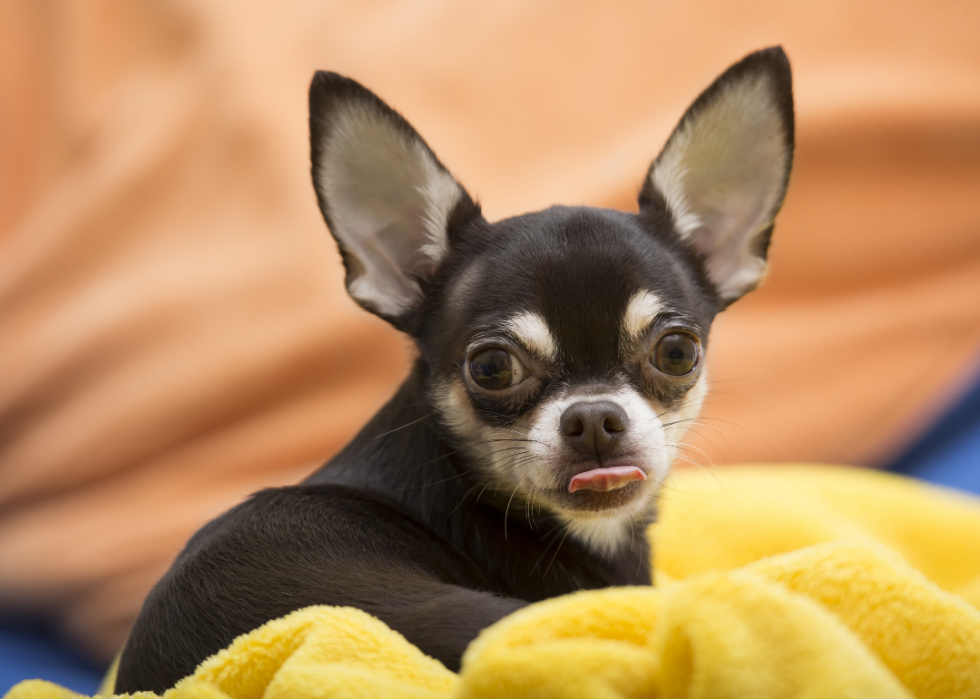
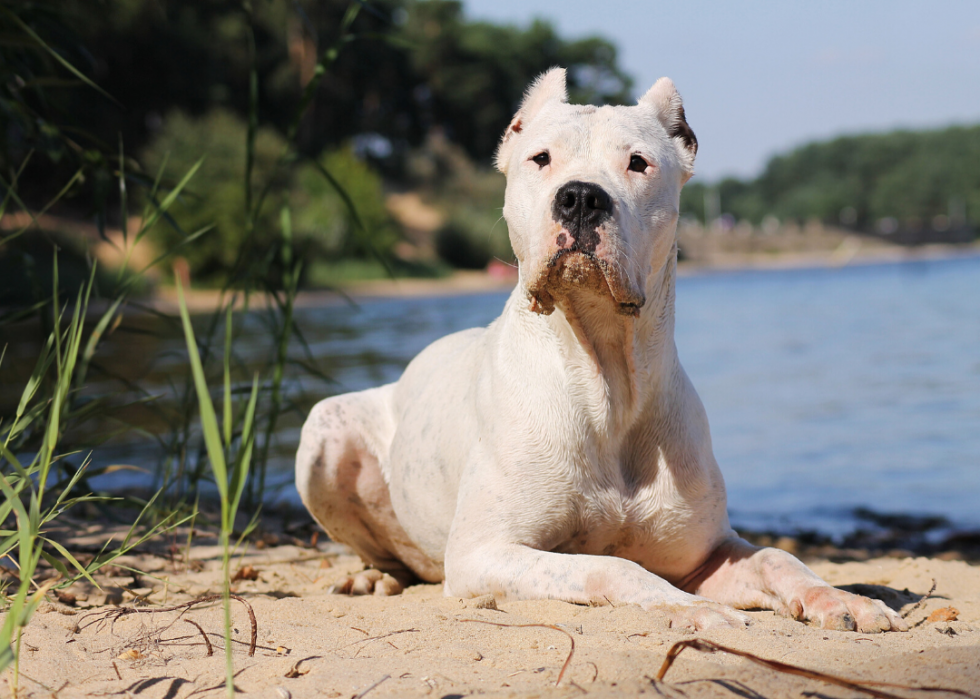
Dogs have a uniquely wide range of sizes

Dogs vary in size . Some breeds weigh less than 10 pounds, and others can weigh up to 200 pounds. You can hold a Chihuahua in one hand, while the Irish wolfhound is typically over 30 inches tall at the shoulder.
48 / 50
Anna Hoychuk // Shutterstock

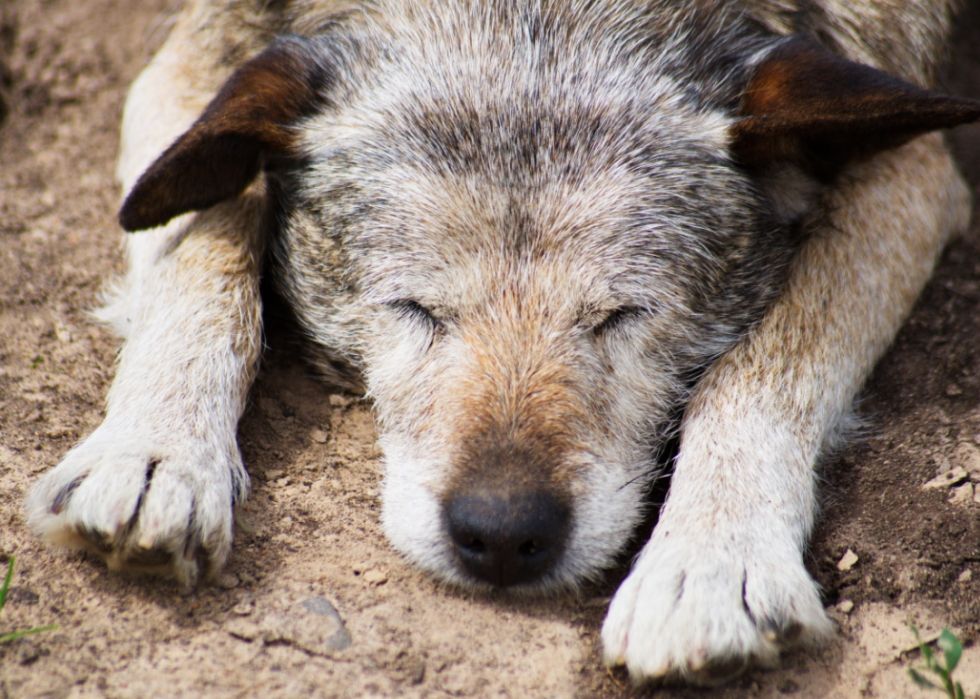
Dogs probably dream

We'll never be able to ask a dog what he dreamed about last night, but evidence suggests that they do. Humans dream when in a state called apid eye movement (REM) sleep, and So when they're twitching, foot paddling, and making noises in their sleep, they're probably dreaming.

49 / 50
Holly Michele // Shutterstock

Elderly dogs can have dementia

Just like humans, dogs' brains may start to have impaired functioning in old age. Signs of what's called canine cognitive dysfunction (CCD) can include. See your vet if you notice these symptoms because some drugs and supplements can help.

50 / 50
Monika Wisniewska // Shutterstock

Dogs can sense the Earth's magnetic field

Ever wonder why your dog takes so long to find the right spot and position to poop? Well, part of it is because dogs when defecating. Scientists don't know why, but it proves that they can sense the Earth's magnetic field.

You may also like: Pets banned in every state

Trending Now