
10 terms to pay attention to while searching for your dream home
This story originally appeared on ZeroDown and was produced and distributed in partnership with Â鶹ԭ´´ Studio.
10 terms to pay attention to while searching for your dream home
Buying a new home can be an extremely exciting time—but it can also be overwhelming for many buyers. After all, the housing market has been particularly unusual for the last couple of years, and that alone has made it tough for buyers across the country who are looking for homes.
With mortgage rates dropping to starting in 2020, buyers and investors clambered to take advantage of the opportunity to borrow money at relatively low expense to purchase homes. That rush by buyers and investors helped drive up home prices as competition became fierce. Over time, the rush of buyers almost completely depleted the available housing inventory in markets across the country—whether small-town North Dakota or downtown Boston. Two years after the rate drops, and prices are higher than they have been in recent history, which makes the market challenging for buyers to navigate.
But it’s not just the unusual housing market causing issues for buyers—homebuying can be confusing for buyers in any market because there are so many moving parts to consider. Buyers have to narrow down their options to the right neighborhoods or ZIP codes and determine the right offer for a home, which can be tricky, too. In this market, if a buyer offers too low of a price, it can knock them out of the running completely. On the flip side, too high of an offer can cause a buyer to exceed their budget.
So how does a homebuyer know what to focus on when searching for their dream home? Real estate platform analyzed real estate listings and compiled a list of 10 key terms to pay attention to when browsing for a home online. Understanding these terms will help homebuyers ask important questions and make informed decisions.
Time on the market
When searching for a home to purchase, the , which is the measurement for how long a property has been listed for sale, is an important metric. The time on market is typically shown as the number of days the home has been on the market without an accepted offer and it can be a good indicator of how desirable a property is to other buyers.
For example, if a home has been listed for much longer than comparable properties in the area or neighborhood, it may indicate that the home is less desirable for one reason or another. It could be that the price point is too high compared to other similar properties, it could be a sign of a buyer’s market, or it could indicate a deal-breaker issue with the home. If a home has spent a long time on the market in a seller’s market, it could signal to the buyer that they may be able to offer a lower price for the property—as the seller may be willing to make more concessions to make the sale.

Type of home (multifamily, single-family, co-op)
The typically has a big impact on the home’s value, the property's amenities, the layout, and other important factors—including the monthly or annual maintenance fees. There are numerous types of homes for sale in most markets, from multifamily properties to single-family homes, co-op units, condos, and townhomes, among others. And each type of property offers something unique to buyers.
A townhome will typically be a multi-story unit connected to other individual units by shared walls. These types of properties generally come with lower per-square-foot prices compared to single-family homes, but they often don’t have large yards—and you will typically have to pay a monthly or annual fee toward maintenance on the units in the development. On the other hand, single-family homes usually offer larger lots and unattached homes, but the price will be higher in most markets. These types of factors will come into play when calculating an offer price, so it’s important to pay attention to the type of home during your search.

Square feet
The square footage of a home is the total footage of the gross living area, or the spaces that can be “lived” in—like the bedrooms, the bathrooms, and the kitchen, but not the garage or unfinished areas like an attic or basement. The square footage of a home will affect a home’s price, and what you pay for it. Smaller homes per square foot, as it costs more to install pricey items like HVAC systems in smaller homes, while the price per square foot tends to be lower for larger homes. Buyers can look at the price per square foot on comparable homes to determine what a good price is for the properties being considered.

Year home was built
The year the home was built can have a big impact on the cost of the home—and the amenities or features it offers (or does not offer). For example, newer homes tend to appraise for higher values, which affects the price of the home. That’s because new homes tend to be move-in ready, and the buyers generally won’t have to make many property improvements, like replacing old appliances or floors.
Older homes, on the other hand, may come with issues like old wiring or deferred maintenance that can cost a buyer a lot to repair or update over time. Plus, a newer home’s features, from the roof to the dishwasher and the foundation, are likely to be in better repair than what you’d get from an older home. As such, you can typically expect to pay more upfront for a new home, but less on updates or renovations over time.

Condition of home
The home’s condition can indicate how much money you’ll need to shell out now or in the future for repairs—and can also play a part in how much you offer for the property. For example, homes with older roofs, aging pipes, or crumbling foundations can cost tens of thousands of dollars in repairs. So, if you’re considering a home in less than perfect condition, decide whether or not you’re willing to take these problems on—and if so, account for the future costs as part of your offer.
Cosmetic issues, like outdated appliances or cracked kitchen tiles, can also add significantly to the cost of the home, so you’ll want to factor those expenses in before buying a home. In some cases, a home in poor condition—or a home that requires major structural fixes—may end up costing you a lot more in repairs than it’s worth, so the condition should be factored into that part of the equation as well.
Cooling and heating features
The cooling and heating features that a home comes with can be an important factor to consider—especially in certain climates. A home in a coastal area of southern California with moderate year-round climates may not need central air conditioning, as it’s common to cool homes by simply opening windows. If you are considering whether to purchase a home with central cooling in this area, factor in the cost of the upkeep compared to the value it adds to the property.
Homes in cold climates need working heating features—and some types of heating systems can be much more efficient than others. The age of the air conditioning or heating system may also matter, as most units will need to be replaced or require major repairs after 10 to 15 years. Other factors, like what the system requires for routine maintenance, or how much it costs to heat or cool the home, also matter, as these elements have a big impact on your costs as a homeowner.

Included amenities
The types of amenities a property comes with—whether a backyard pool, being zoned to quality public schools, or even the walkability of the neighborhood—not only need to align with your preferences, but they can also have a significant impact on how easy it is to sell the property in the future.
For example, if you have young children who will be entering elementary school in the near future, you may want to verify that the property is zoned to a top-ranked public school. Or, if you’re concerned about the cost of your future utility bills, you may want the home to be energy efficient. These amenities will also matter to future buyers if you sell your home—and in many cases, homes with many amenities will retain their value better over time, too.
Price history
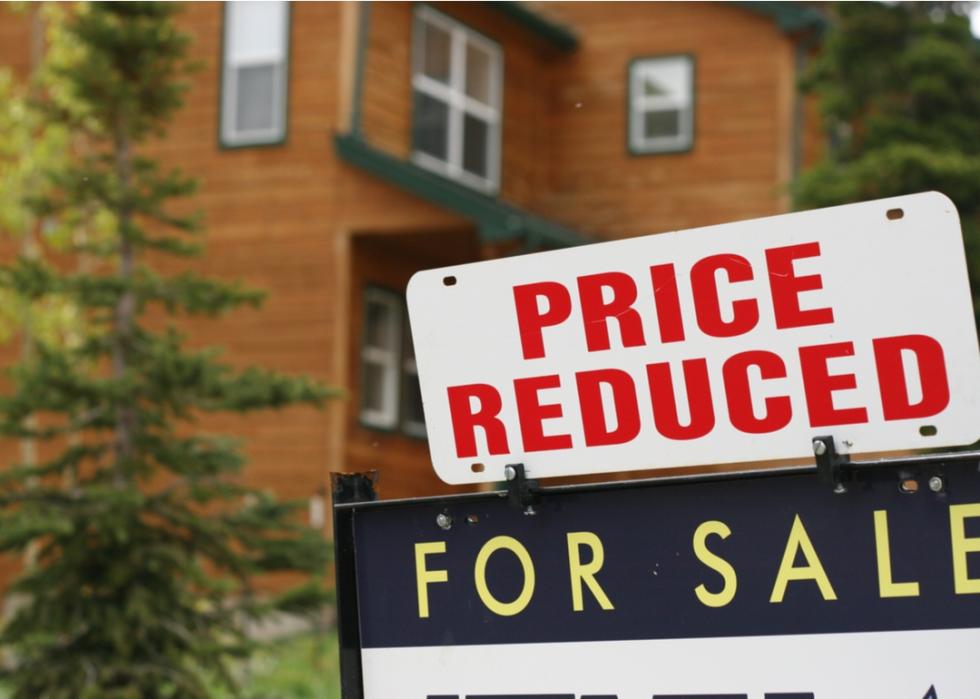
A can tell you a lot about the property—including how motivated a seller may or may not be. For example, if you’re looking at a home that has been on the market for over a year with no drop in asking price, there’s a high chance the seller may not be motivated to sell the home. Homeowners who want to sell their homes quickly will drop the price after certain periods of time if it remains unsold. As such, buyers can typically offer lower than the asking price and obtain the property for a steal. Numerous price drops in a short period of time can also indicate there may be issues to overcome with the home, whether cosmetic or structural.

Market value
The indicates the actual value of the property in normal market conditions. A home is only worth what a buyer is willing to pay for it—and the market value tells you what a buyer would be willing to pay in a typical market. A home’s market value is determined by an appraiser and is based on what buyers have paid for other, similar homes in the area.
In a balanced market, the home’s market price and market value are typically equal, meaning that buyers are paying the home’s value for the purchase. In sluggish markets, the home’s market value may be higher than the market price. Buyers want the market value to be at least as high as the price of the home—and ideally, the market value will be much higher than what the buyer is paying, which shows the buyer they’re paying a fair price.

Projected monthly cost
What you will pay each month for your home costs matters a lot when buying a property—and, as such, it’s important to pay attention to the of a home. But your mortgage note isn’t the only cost considered in the projected monthly cost of a home. Other related costs, like your home insurance premiums, real estate taxes, homeowners association fees, and special assessments, should also be factored in.
By understanding the totality of these costs, you will have an idea of whether or not you can afford the properties you’re considering. The projected monthly cost of a property will vary, sometimes significantly, based on factors like a monthly condo association fee or the premium for mortgage insurance, so it’s important to calculate these costs for each property you’re considering. That way, you’ll know whether each individual property fits into your monthly budget.