What retirement is like in 50 places around the world
In its survey, the American Psychological Association reported that 60% of American adults identified money as a significant source of stress in their lives. Aside from simply trying to make ends meet, is often reported as folks' primary money concern. In fact, only 45% of people feel confident that they'll be able to pay for their retirement dreams.
While financial experts stress starting to save for retirement early, and common wisdom dictates that individuals should be setting aside 10% to 15% of their yearly incomes as early as in their 20s, that doesn't always happen. A variety of factors like the recession, downturns in the stock market, and supporting adult children or elderly parents make it impossible for many to put money aside even though they know they should. As a result, in 2019 was down 7.5% to 8% from 2018's average.
Retirees in the United States would need . That amount of wealth is unattainable for many, and as a result, those reaching retirement age have started looking for other options. One such option? Retiring overseas. In 2019, it was reported that , an increase from the 400,000 receiving their benefits overseas in 2000.
In this article, 麻豆原创 looks at what it would be like to retire in 50 places around the world. Using independent sources, we've checked key components like the cost of living, safety, health care, ease of obtaining a visa, popular activities, and cultural similarities to give you an idea of what it would be like to start your third act somewhere new.
From sunny Costa Rica to glacial Iceland, read on to get a basic idea of what your golden years would look like spent outside the United States.
You may also like:
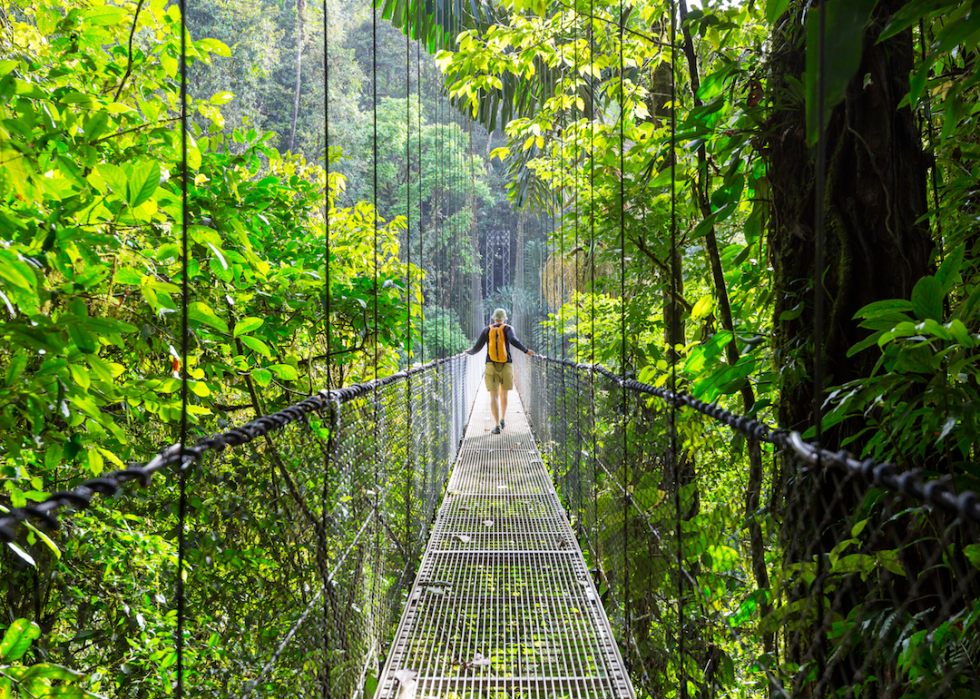
Costa Rica: A tropical haven for outdoor lovers
The stable democracy, affordable health care, low cost of living and tropical climate of Costa Rica make it . The average cost of retiring in the Central American country is certainly affordable, , and programs like the Pensionado Program, which requires expat retirees to have at least $1,000 of monthly income from a retirement account or pension program, make obtaining the necessary paperwork easier. After arrival, retirees stay busy spending time outdoors, doing everything from hiking to horseback riding to scuba diving to yoga.
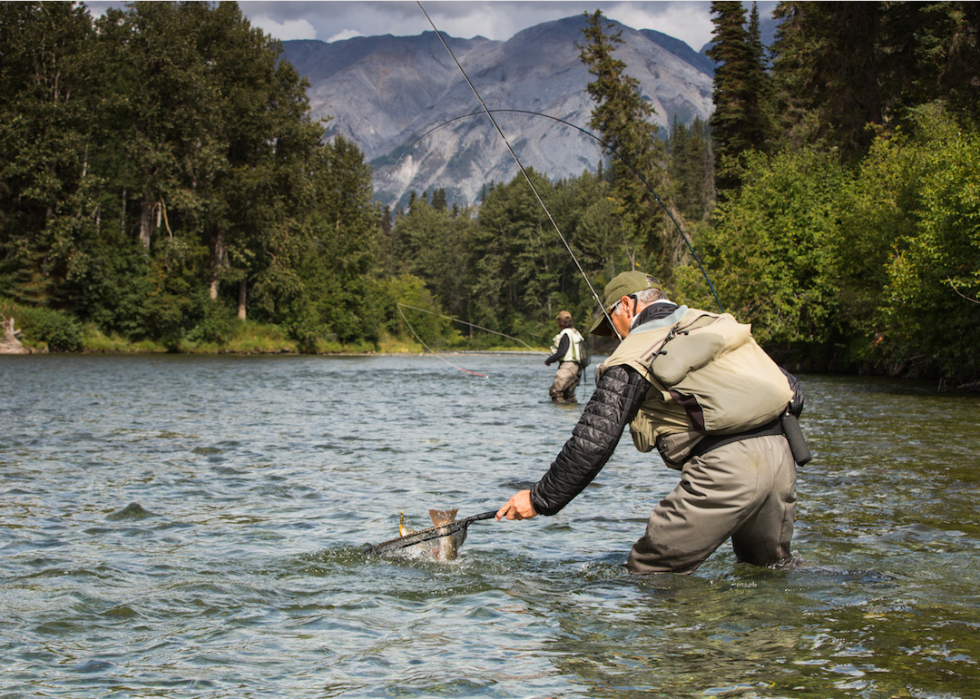
Canada: A traditional retirement
Canada strikes a balance between quality of life and cost of living, something that makes it one of the , according to a United Nations Human Development Report. For American retirees, Canada鈥檚 proximity to their home country, universal health care system, and (which any Canada resident is eligible for, even if they never worked in the country) are major draws. Those who move north have plenty of opportunities to enjoy outdoor activities, like hiking, camping, and skiing.
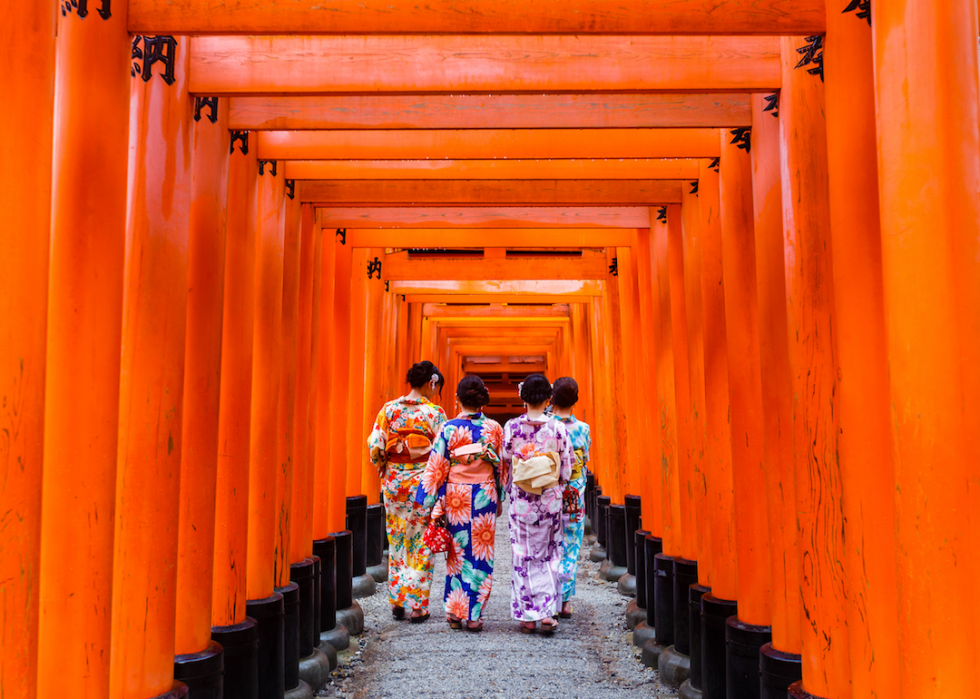
Japan: An unaffordable retirement option for many
Japan ranks among the , according to the World Population Review, which is not good news for those interested in retiring to the island nation. Enjoyment of the scenic beauty, rich cultural history, and fast-paced cities comes at a cost that . For those who can afford it, and who can wait through the visa process, learn Japanese with some fluency, and acclimate to the customs, retirement here could be enjoyable because of the great health care system and the country鈥檚 overall respect and reverence for elders.
Spain: A budget-friendly option in western Europe
While Spain is far from the most affordable destination on this list, it is . The Mediterranean climate, rich culture, impressive art scene, and overall safety are major draws for those looking to spend their retirement abroad. A standard visa doesn鈥檛 allow retirees to work in the country, but it does allow them to enter and exit as they please, meaning they can take advantage of Spain鈥檚 location and easily explore other parts of Europe.
Nicaragua: An enticing retiree benefit program
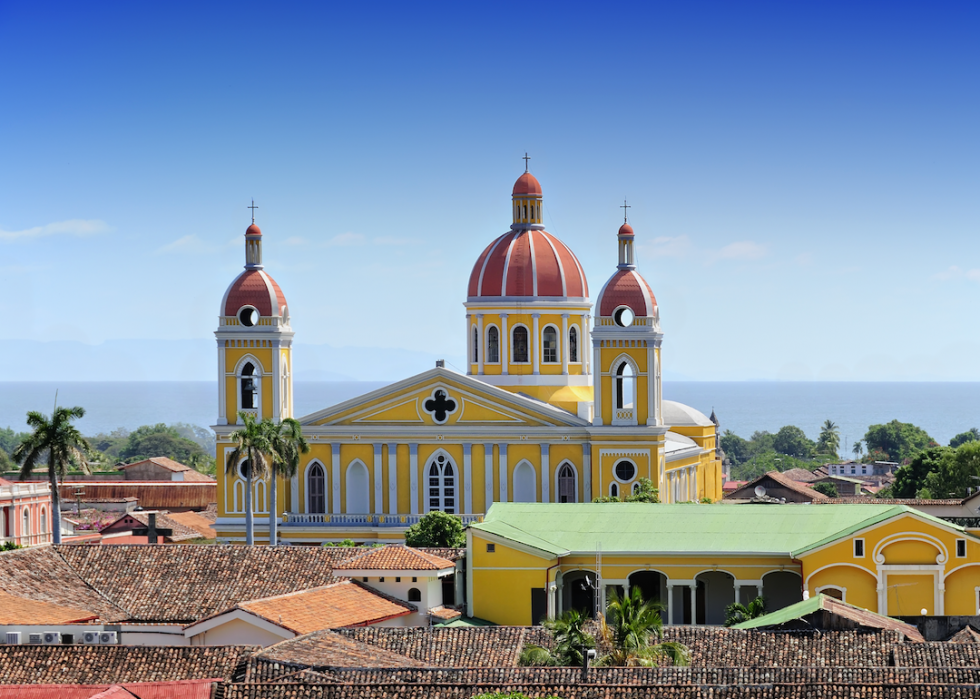
Nicaragua has a : The plan, intended to encourage foreign nationals to retire in the country, includes incentives like paying no taxes on out-of-country earnings, the ability to bring up to $20,000 of household goods duty-free, and the opportunity to open a local bank account, buy items on credit, and obtain a Nicaraguan phone plan. The country's low cost of living and the draw of the colonial, coastal towns, makes this one of the most attractive countries on the list for retirees.
You may also like:
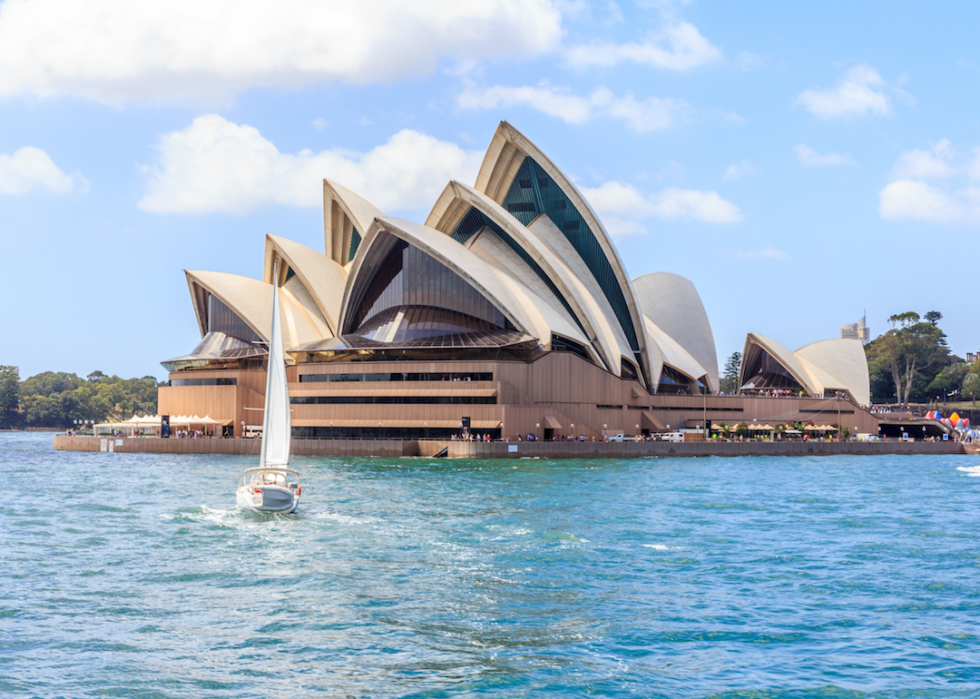
Colombia: A traveler鈥檚 hub
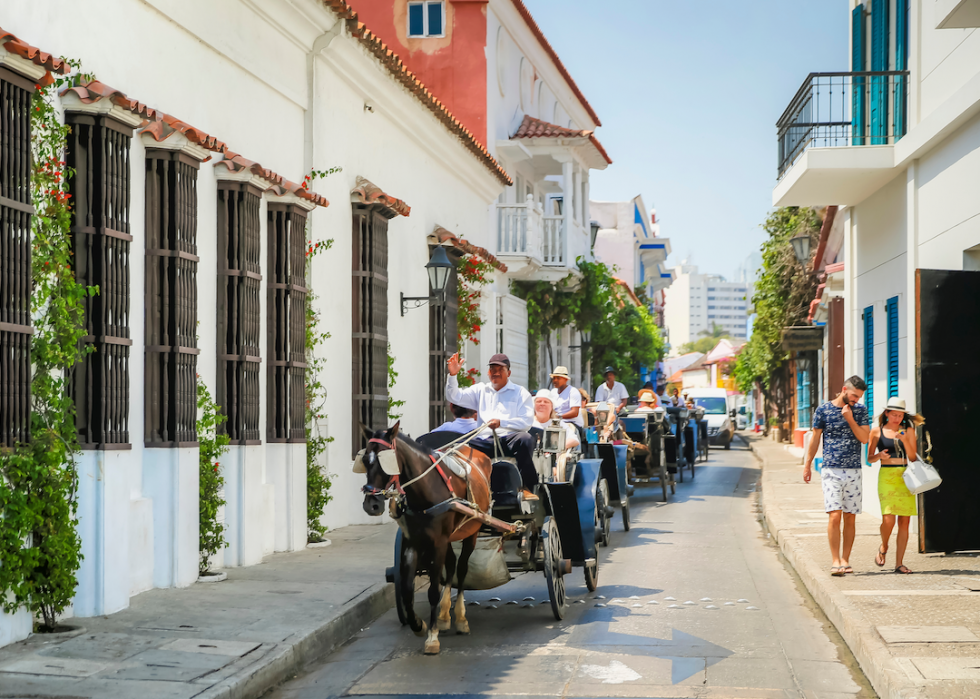
A mere 20 years ago, Colombia wasn鈥檛 making any 鈥渂est places to retire鈥 lists thanks to its high crime rate and corrupt government. These days, new safety policies, implemented in 2006, have made the country far safer, and the infrastructure has increased so dramatically that in 2015 the than those in the United States and Canada by the World Health Organization. A beautiful, diverse country, Colombia鈥檚 cost of living is between $1,000 and $2,000 a month, and its location makes travel within South America cheap and easy.
Panama: A tropical heaven
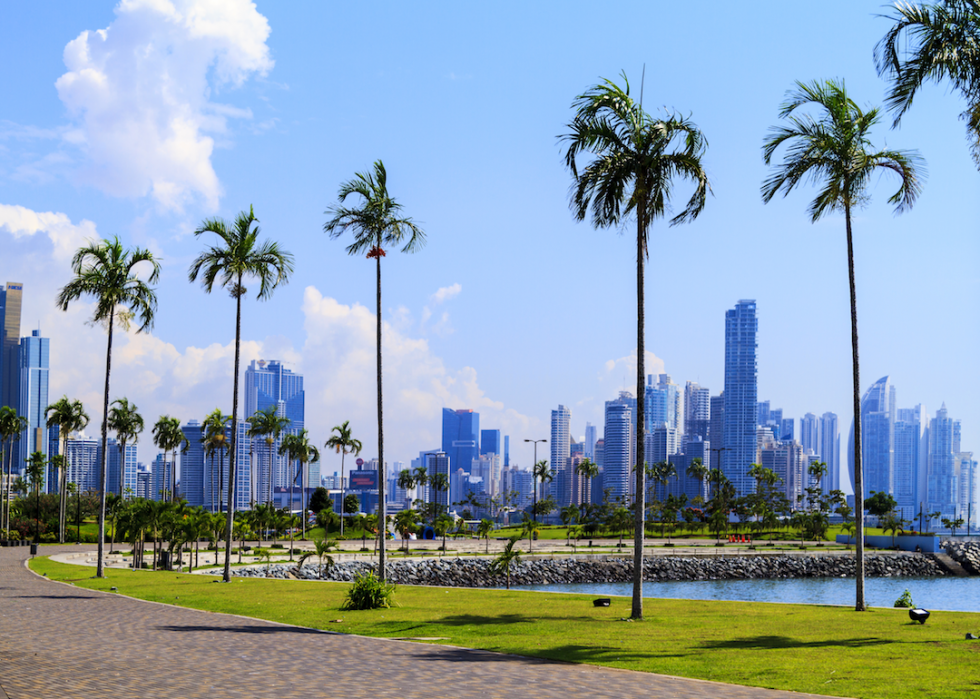
If you鈥檙e looking to retire somewhere tropical but not too far from home, . The developing country has many benefits (like excellent health care) at a much lower cost than in the United States. Savvy retirees can live well on $1,600 a month or less while still doing things like renting a nice home, visiting beach resorts, and playing golf. A large part of what makes retirement affordable in Panama is the resident retiree program, which offers discounts on everything from entertainment to medications and plane tickets for seniors who have established residency in the country.
Sweden: A relaxed and healthy country for retirement
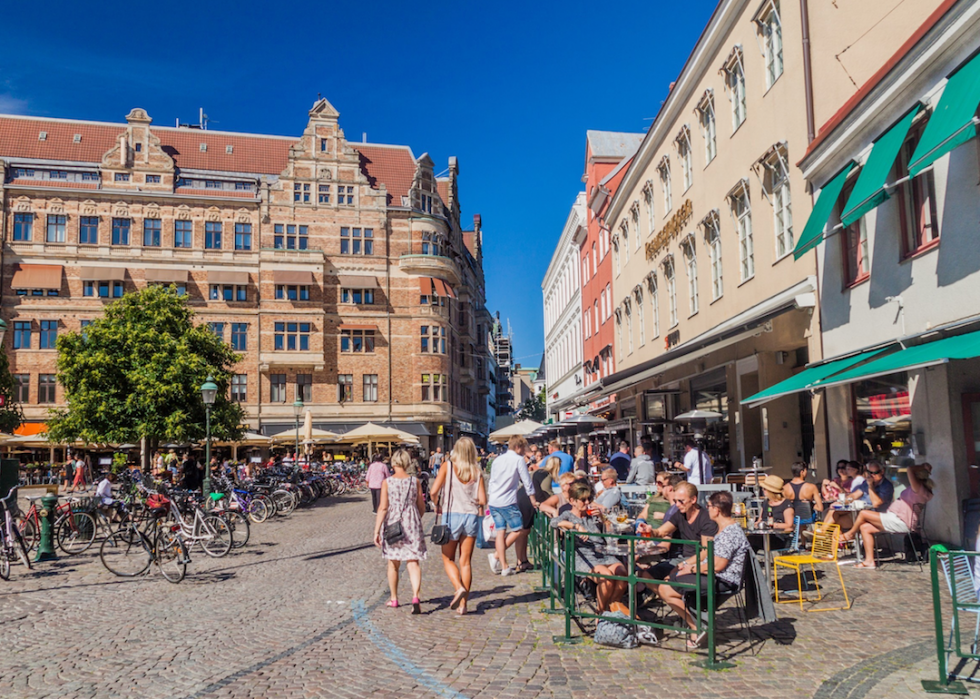
With one of the , Sweden might provide an attractive option for some retirees, especially when it comes to finding a community. Although the country鈥檚 population is on the older side, it doesn鈥檛 mean they鈥檙e idle鈥攊n fact, are hallmarks of life. According to Numbeo, the is slightly lower than in the United States, which would help retirees stretch their savings.
Chile: Amenities at a much lower cost
One thing many people seek in a retirement location is a place that provides first-class living at a lower cost. In that department, Chile delivers. With (drinkable water, reliable transportation, good health care, modern infrastructure), Chile isn鈥檛 the most affordable country in South America, but it certainly isn鈥檛 the most expensive, either. Also, and Americans don鈥檛 need a visa to enter the country.
Malaysia: 'Paradise on a budget'
Close to the equator, Malaysia is hot and humid for a large chunk of the year, which certainly isn't for everyone. But those who don't mind the weather can spend their golden years in a country that's been described as "." With plenty of unexplored wilderness in the highlands, gorgeous coastal communities, and bustling city life, there's a huge variety within the bounds of the country, and expats from all over the world have chosen to make Malaysia their home. American expats can apply for a ," a 10-year, multiple-entry visa that affords them tax breaks, making settling down in the already cheap country an extra attractive option.
You may also like:
Portugal: A slow-pace of life in the Algarve region
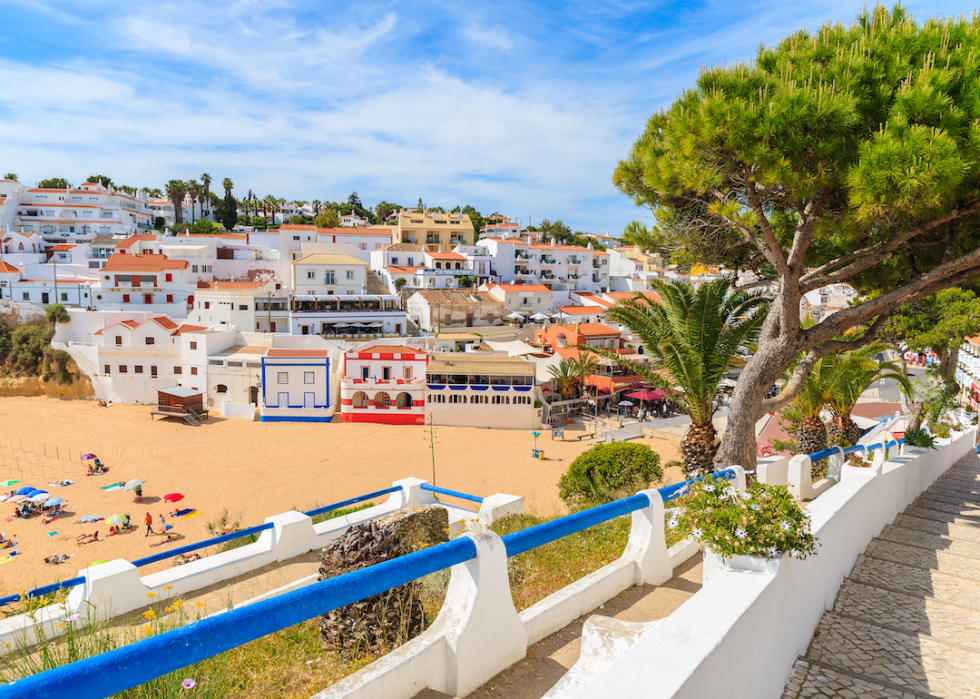
Portugal has become an increasingly in recent years thanks to favorable tax conditions for foreign retirees and the low cost of living in the Algarve region ($1,500 to $2,000 a month). While expat retirees won鈥檛 be able to claim a state pension in Portugal without having contributed to social security for at least 15 years, they鈥檒l be able to enjoy a slower pace of life along beautiful beaches and have easy access to a host of popular tourist destinations, like the granite boulder village of Monsanto. Finally, retirees who become residents of the country will have access to the free national health care service, the Servico Nacional de Saude.
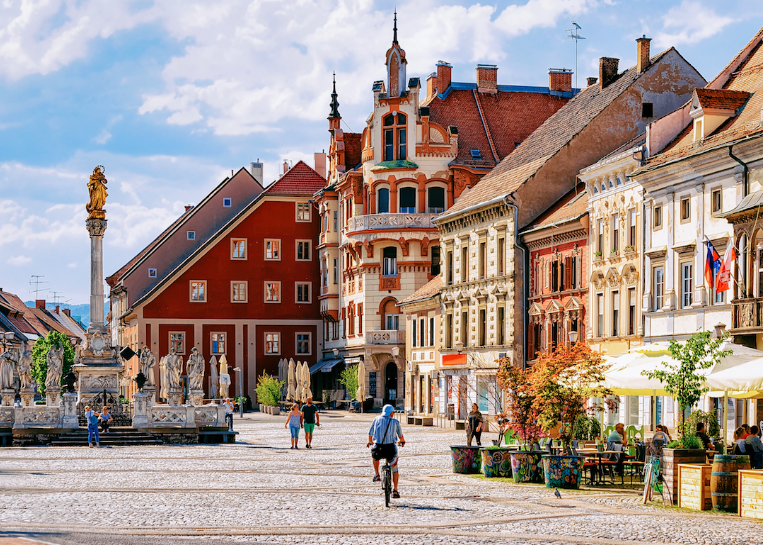
Slovenia: A hidden retirement gem
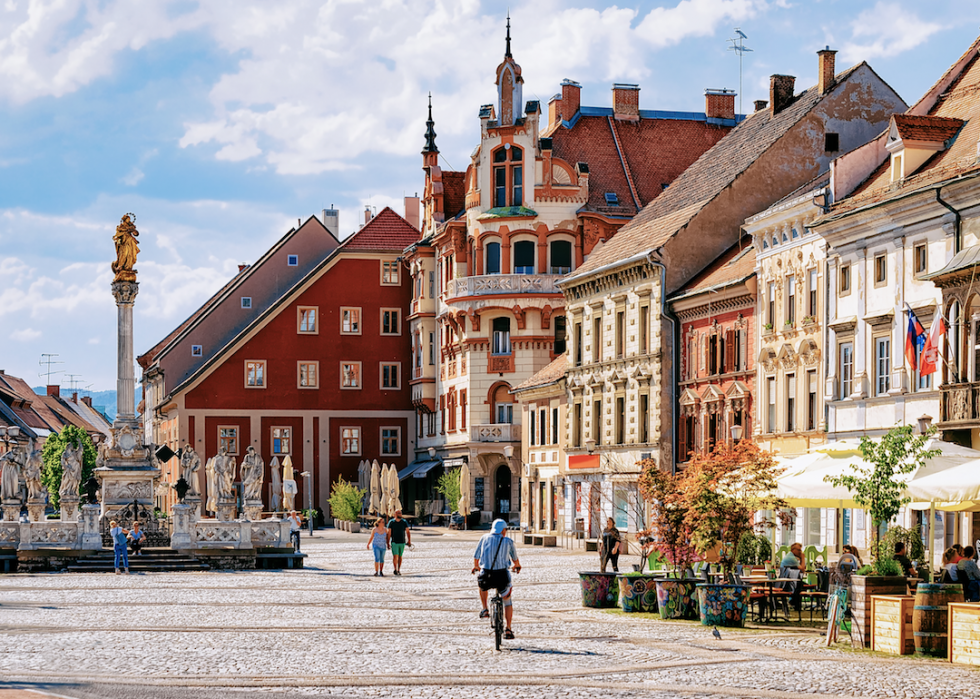
Nestled in central Europe, Slovenia is a small Slavic country that offers many activities for retirees. There are six golf courses, 50 ski areas, a wine region, three UNESCO World Heritage Sites, and numerous casinos all . A low crime rate and cost of living (a couple can live comfortably for $1,500 a month), as well as top-notch infrastructure, round out the benefits of retirement in this Old World country.
Malta: An overlooked retirement choice
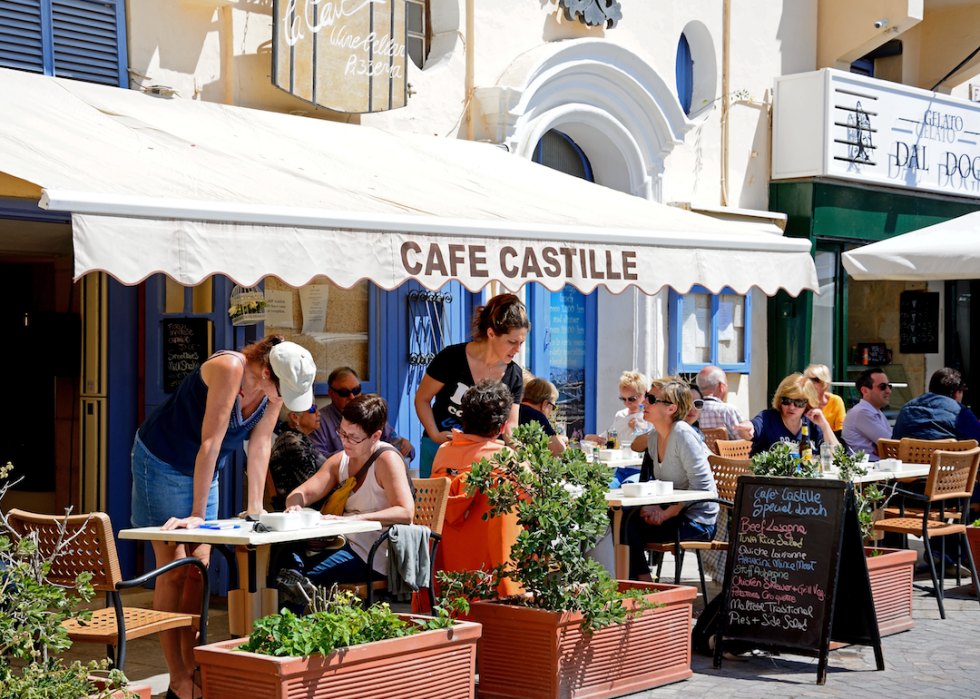
that鈥檚 often overlooked. The sunny, historic island country is a short flight from both mainland Europe and northern Africa. With an average of 265 sunny days a year, the country has been a since the 1960s. Retirees can partake of water sports like kayaking, canoeing, and yachting; because of the country鈥檚 warm climate, beaches are usable from early spring to late fall.
Thailand: A retirement for those looking to shake it up
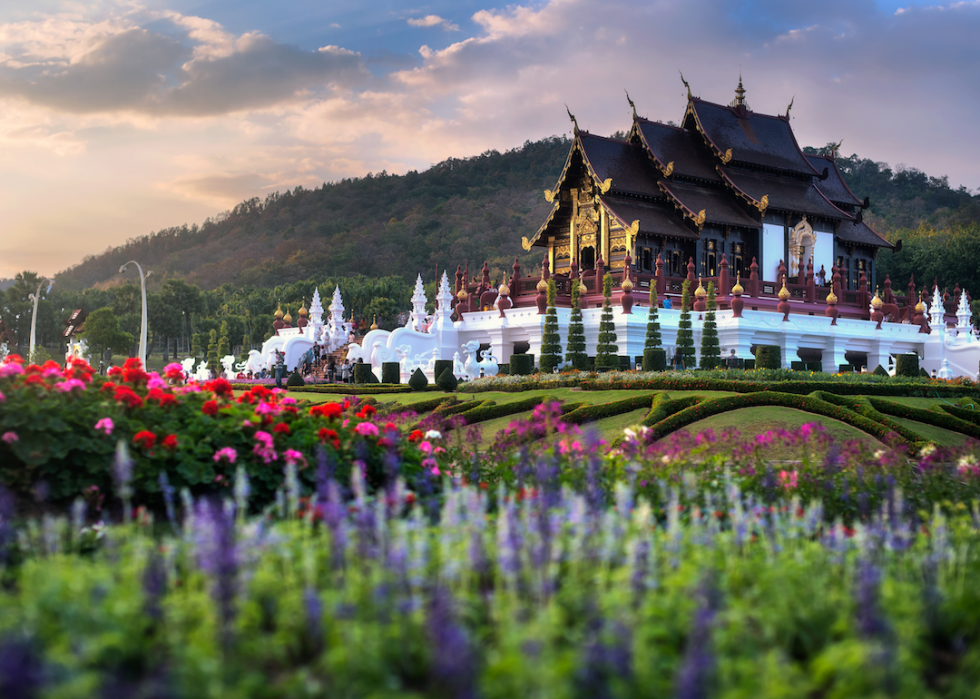
Retirement in Thailand , especially for American expats. The language, cultural customs, and abundance of wildlife in the tropical country are wildly different from what many are accustomed to. That being said, those looking to shake it up in retirement are sure to enjoy the country and its bustling cities鈥攅specially when they realize the cost of living in Thailand is about 30% to 40% cheaper than the cost of living in the United States.
Peru: A warm and welcoming retirement
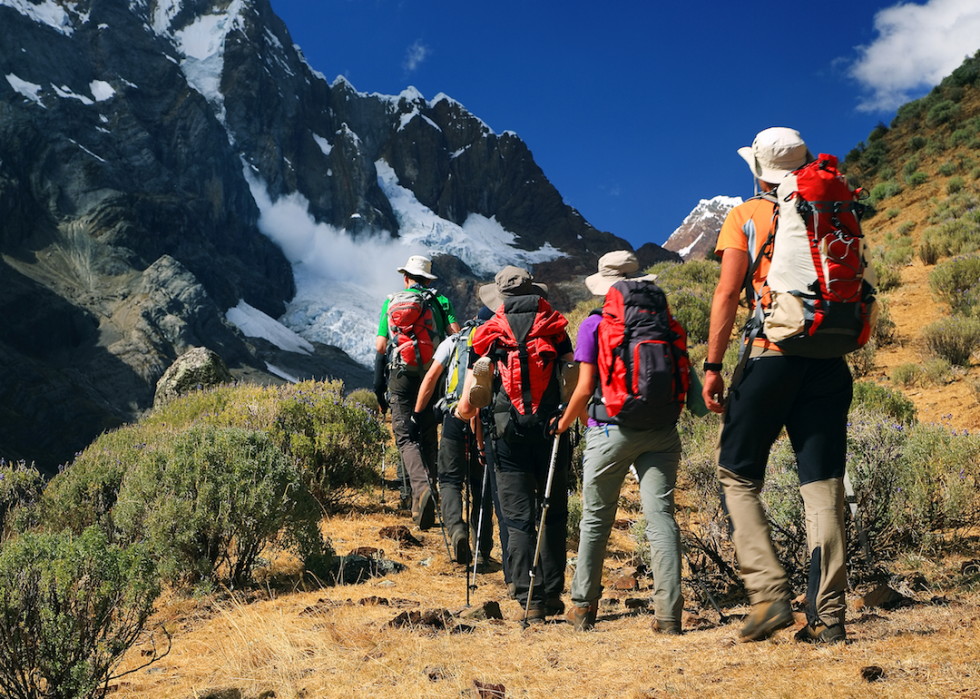
, Peru is a small but welcoming country. Peru has a tradition of warm hospitality toward foreigners, sharing traditions from indigenous cultures and world-renowned cuisine with those who settle in its colonial towns and modern metropolises. Obtaining a resident visa is relatively easy, and a couple can live on $1,500 or less a month, leaving plenty of financial power to explore undiscovered beaches, hike the Andes, and visit UNESCO World Heritage sites like Machu Picchu.
You may also like:
Australia: An expensive, but welcoming new home
After the in 2018, retiring in Australia became a more complicated affair for expats. Those who can wrangle a visa through other channels (like blood or marriage ties to the country) can enjoy mild climates, as well as an English-speaking, immigrant-welcoming culture. Life in Australia is similar to U.S. life, albeit so most retirees would find adjusting to their new home easy.
France: A cultural oasis
France is not a retirement destination for those looking to enjoy their golden years on a shoestring budget; the cost of living in the country is, on average, than that of the United States. Retirees who choose to live in major cities like Paris, Bordeaux, or Aix-en-Provence can enjoy an , with tons of free or low-cost activities. Locals may spend their spare time strolling through museums, whiling away an afternoon in a public park, or visiting a historical monument. There is no retiree visa system in France, but can be done easily.
Cambodia: The cheapest retirement destination in the world
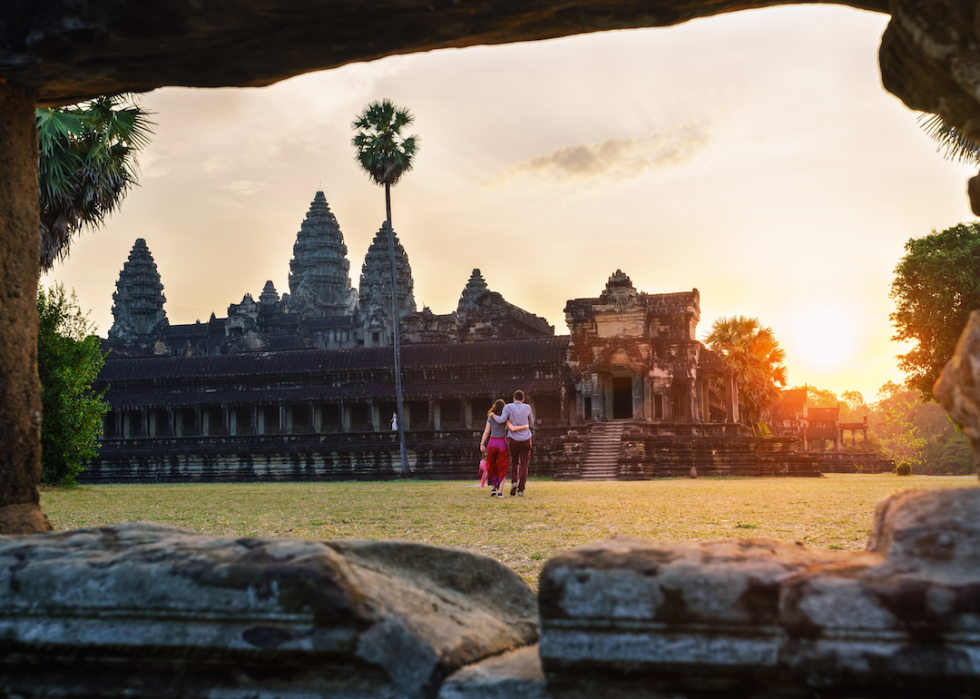
Located in Southeast Asia, Cambodia鈥檚 tropical climate, beautiful beaches, and stunning temples provide a powerful pull for retirees looking for a totally different experience as they enter the next stage of their lives. Even better, it all comes quite cheaply. In 2019, International Living ranked it the cheapest country for retirees for the fourth time. An , while a couple would only need $2,000 a month.
Italy: A varied retirement with a top health care system
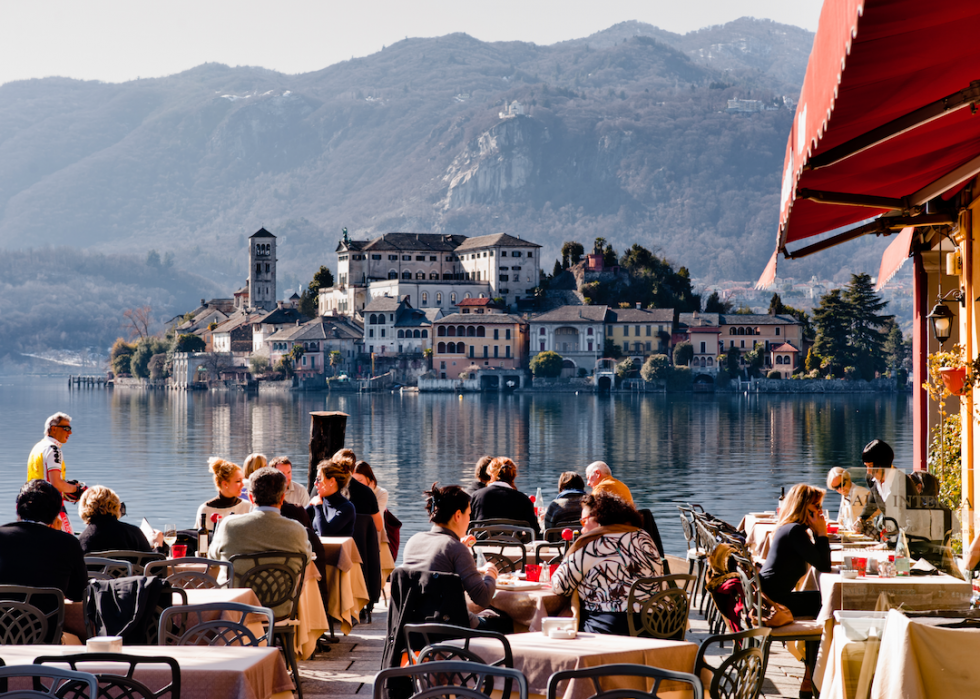
can look different depending on where you choose to go. For example, retirement in Milan or Rome can be prohibitively expensive but can provide the bustle and cultural richness of a major global city. Meanwhile, the countryside moves at a much slower pace so retirement comes at a more affordable price. Aside from an abundance of good wine and fresh pasta, one thing all retirees in the country can benefit from is the health care system, which has been by World Population Review.
Belize: An English-speaking party capital
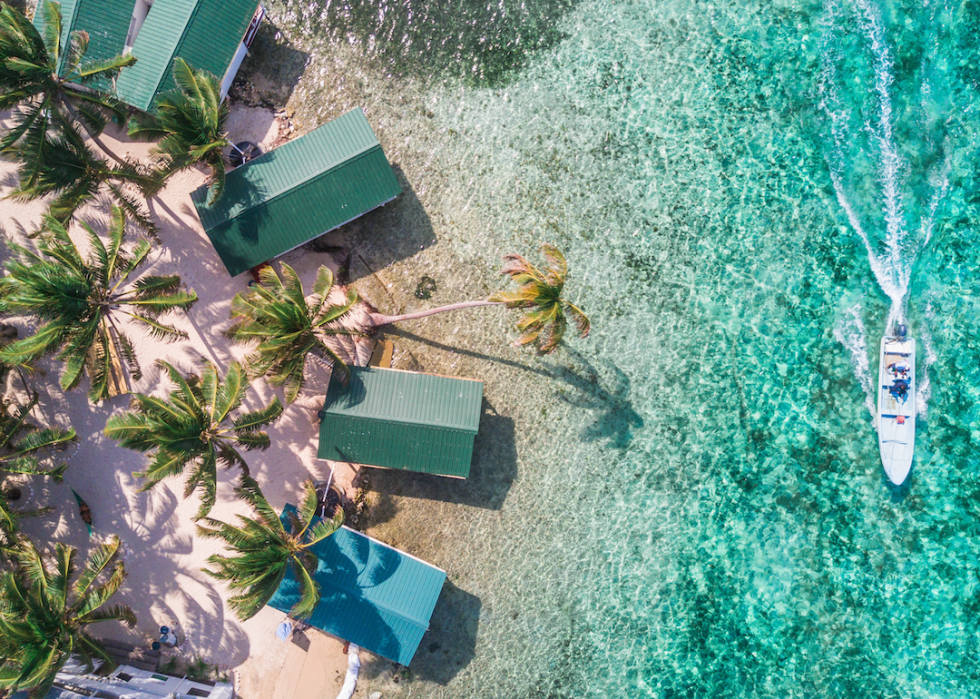
For those looking to live abroad without the hassle of learning a new language, Belize is a solid option. Formerly a British colony, , and the U.S. dollar is accepted as a form of currency. , its health care system isn't modern, and Western cultural offerings (like theater and opera) are limited. If you have serious health care needs or want a quiet place to retire, Belize likely would not be your first choice.
You may also like:
Czech Republic: The castle capital of the world
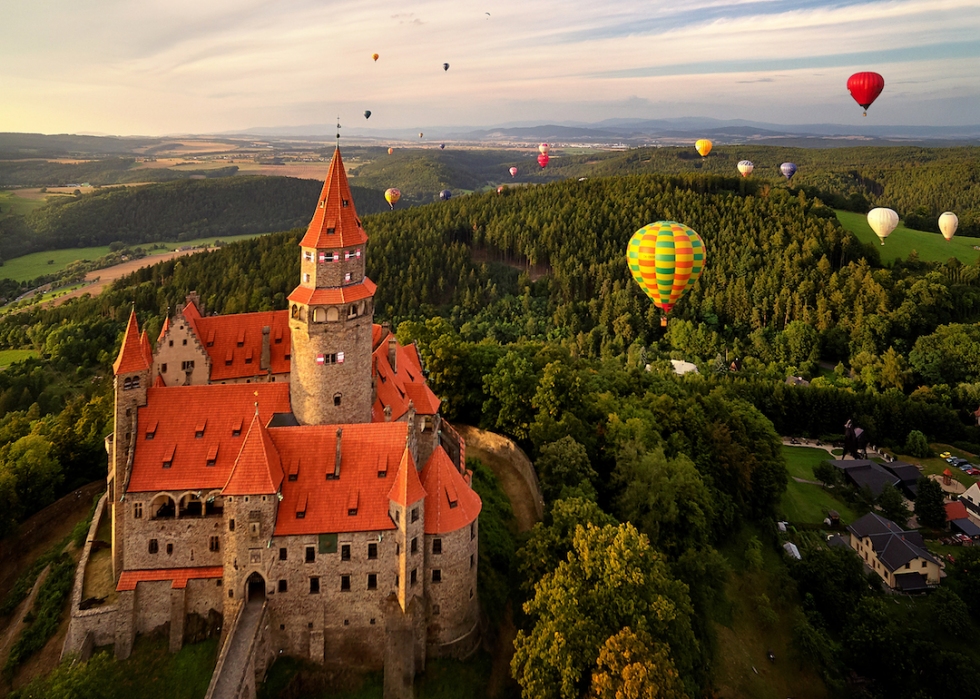
Individuals who鈥檇 like to own their own home (or castle) in retirement should consider moving to Prague, Czech Republic. in this melting pot of a country than they are in other popular areas of Europe. Retirees looking to enjoy this one-of-a-kind culture and its 2,000 castles, won鈥檛 be able to apply for a retirement visa since the country doesn鈥檛 have one, but are permitted in certain situations.
Uruguay: A laid-back, beachy retirement
that boasts miles of well-maintained beaches, Uruguay is a dream destination for those looking to slow down in retirement. The country boasts low crime rates and poverty levels, strong infrastructure, and a moderate climate that allows for plenty of outdoor activity. However, Uruguay is more expensive than other countries in South America, and retirees would need an average income of $2,000 a month to live comfortably in any of the country鈥檚 major cities.
India: A hard-to-obtain retirement
For those without , gaining the right to retire in the country can prove difficult. India has set up several barriers for non-Indian citizens, making tourist, employment, and business visas the only options for long-term, legal stays. However, if you can find your way around the legal hurdles, retirement in India can be a cheap option, with $1,000 a month allowing you to live comfortably.
Germany: A lot to offer for those entering their third act
A popular country for , people are drawn to the country鈥檚 spirit, modernism, and abundance of recreational activities, which include everything from hiking to spending an afternoon in a beer garden. Health care in the country is good, albeit expensive, and the overall cost of living is similar to that in the United States. Learning some German would be essential, especially if you choose to live outside major cities like Berlin.
New Zealand: A pricey, but beautiful retirement
New Zealand offers a for seniors 66 and older, which allows them to stay in the country for up to two years as long as they meet certain income requirements. Those who move to the country on this visa , after falling in love with New Zealand's natural beauty, opportunities for adventure, and commitment to leisure. Be warned, though鈥攁 substantial nest egg will be required to live here, as the .
You may also like:
Switzerland: An active, but expensive retirement
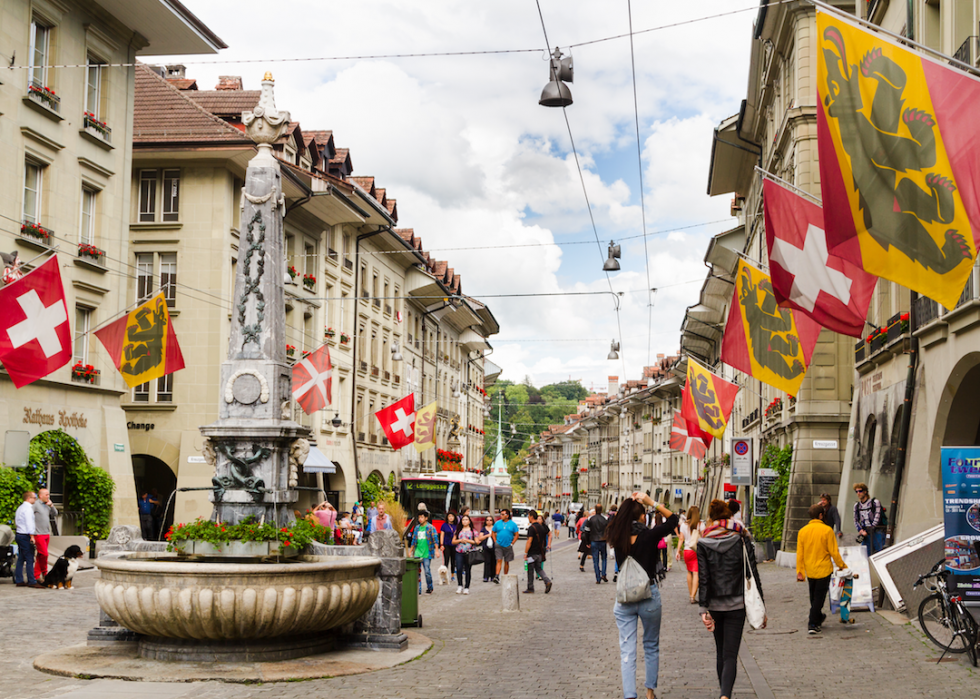
Switzerland is , making retirement here not a cheap option. However, those with the finances to fund a retirement here will enjoy low tax rates that allow them to keep more money in their pockets for adventures. Retirees in Switzerland may enjoy plenty of winter sports, from downhill skiing to snowshoeing, as well as beautiful hiking trails and boating adventures, and can feel comfortable knowing they鈥檙e doing it all in one of the safest countries in the world.
Iceland: Perfect for creatives and nature lovers
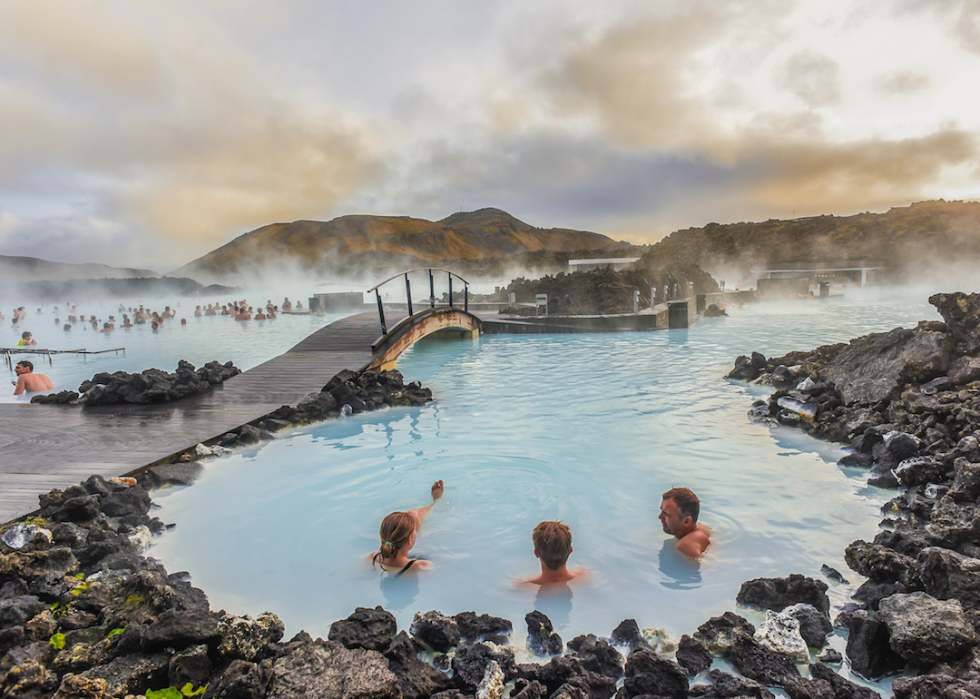
Ranked as one of the in which to live, one of the most peaceful countries in the world, and one of the cleanest countries in the world, Iceland makes an excellent retirement destination. The fair cost of living, low-cost doctor visits (averaging at $50 even for non-residents), and the abundance of national parks featuring jaw-dropping waterfalls and active volcanoes, are just some of the country鈥檚 biggest draws. The growing art scene also makes Iceland a choice destination for expat retirees looking to stay creative in this phase of their lives.
Bolivia: A snowbird destination
Sitting south of the equator, Bolivia鈥檚 seasons run in reverse, with summer falling between November and March. Because of this, the South American country would make a great option for retirees looking for somewhere to live during the colder months in the United States. makes it difficult for Americans to live there permanently, but snowbirds can certainly use a 90-day visitor visa to stay during U.S. winters while saving a bit of money thanks to . Just be aware that Bolivia is in South America, so hitting a beach during your time here won鈥檛 be an option.
Ireland: An ideal destination for homebodies
With an average of , Ireland is not a country for those who prefer sunny climates, but it might be a great fit for homebodies. Dublin is an expensive option for foreigners, with , but rural areas can be much more affordable. Those who choose to live in the countryside don鈥檛 need to worry about getting to major cities, either. Ireland offers free public transportation for all permanent residents over age 66.
Ecuador: A place to stretch your nest egg
While Ecuador might not have the tropical climate or Western culture of many of the other countries on this list, it does provide one thing many other places don't: a way to really stretch your nest egg. The cost of retirement in Ecuador is one of the lowest in the world, with an (the upper end of the average cost of living in the country caps out at $2,400 a month). The country also offers , from hiking in the Andes, to exploring the nature reserves on the Galapagos Islands, to exploring the rainforest.
You may also like:
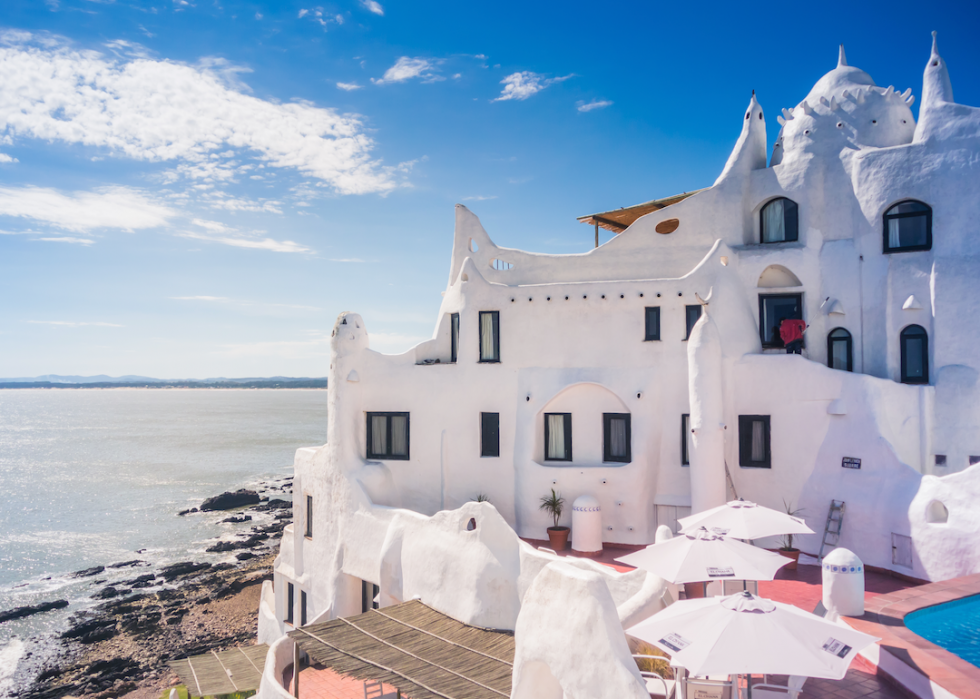
South Africa: Affordable living with natural beauty and arts
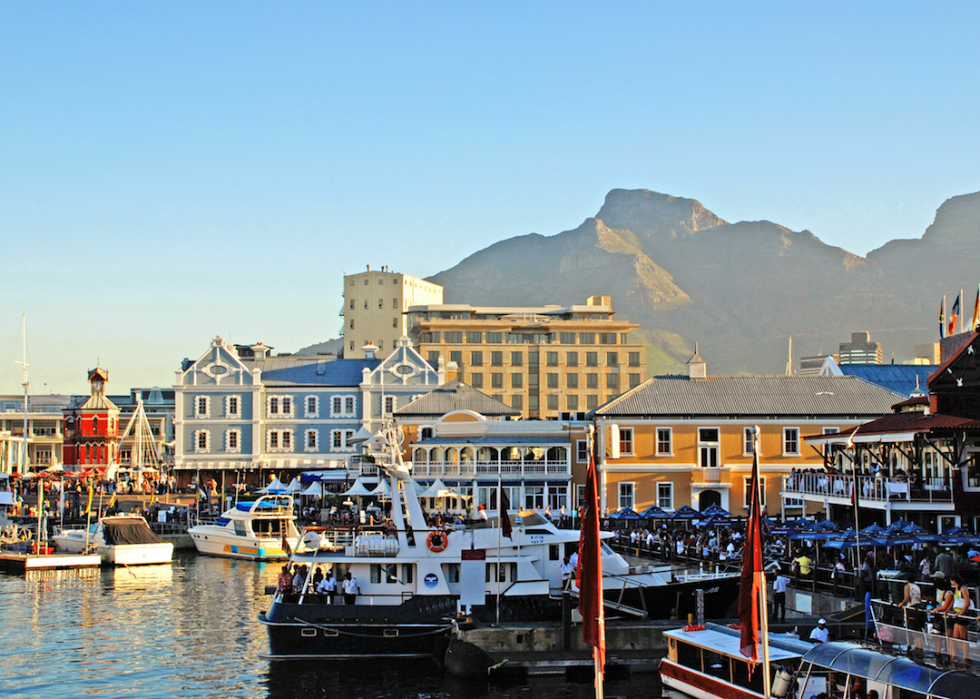
Cond茅 Nast Traveler ranked Cape Town, South Africa, as in 2019. Nestled between Table Mountain and the Atlantic Ocean, the 鈥淢other City鈥 offers all kinds of outdoor activities, as well as a burgeoning theater scene. According to Numbeo, the city鈥檚 cost of living is affordable, with , excluding rent.
Hungary: A wallet-friendly, culture-rich retirement
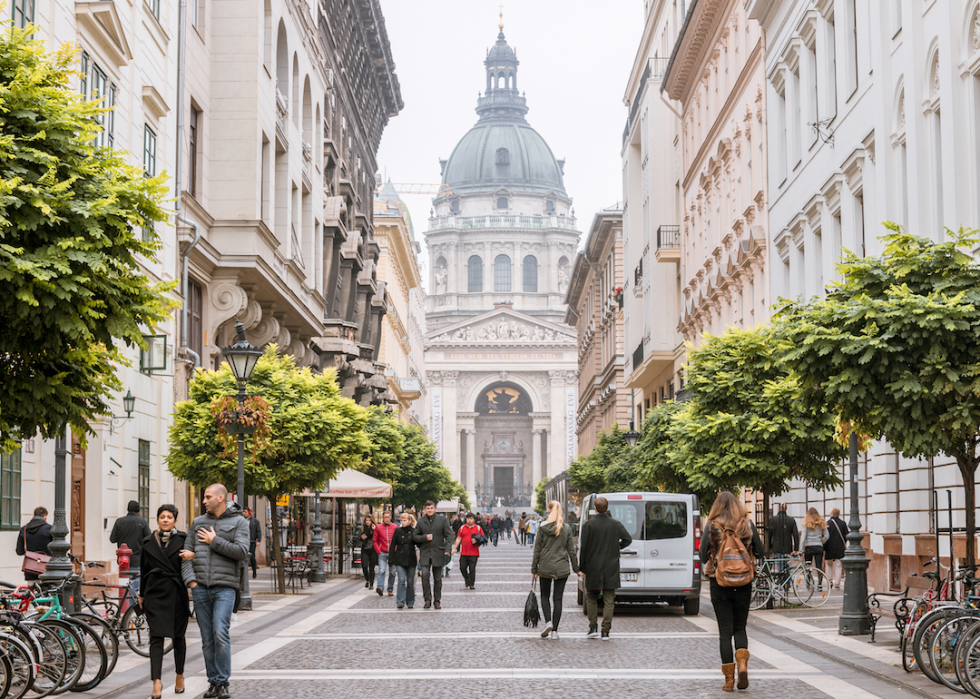
Another one of Cond茅 Nast Traveler鈥檚 most beautiful cities, . Public parks, museums, castles, restaurants, and nightlife add color to the capital city鈥檚 elegant backdrop and provide retirees with plenty of options to fill their time. While not the cheapest European city, Budapest is also far from the most expensive, costing retirees, on average, .
Poland: Old World charm-filled retirement
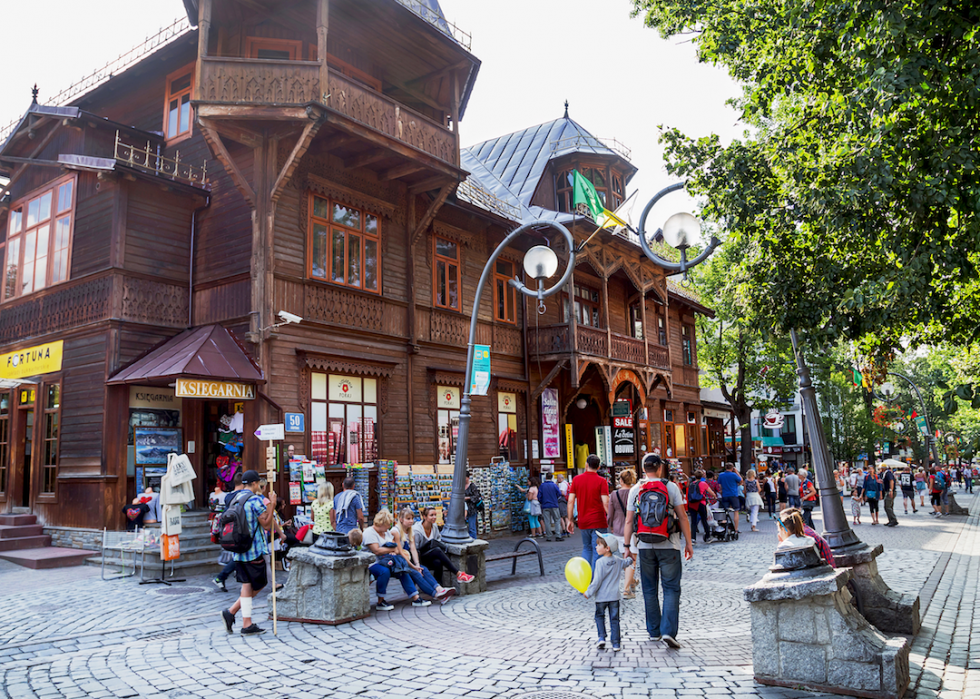
Poland doesn鈥檛 exactly have a calm political environment or history, but that doesn鈥檛 mean it wouldn鈥檛 make a great choice for retirees looking to wind down in a European country with Old World charm. The eastern European country is , and expats will have their choice of dense, castle-filled cities or quiet, idyllic villages. The food is delicious, the history is abundant, and the country鈥檚 public transportation will take you anywhere you want to go, so you likely won鈥檛 need a car.
Denmark: A happy, hygge retirement
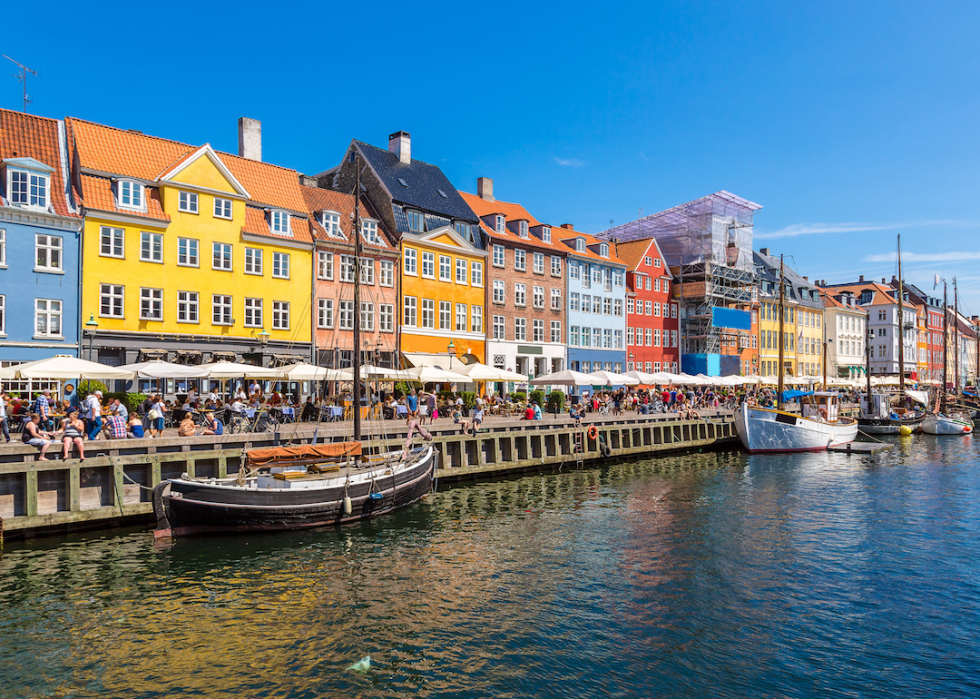
Copenhagen, Denmark, has grown from a small fishing village to a thriving global city since its founding in the mid-1100s. Home to some of the happiest and coziest people in the world, Copenhagen offers a high quality of life with an emphasis on physical health and community. The , but many find the culture worth the money as they settle into their post-work daily life.
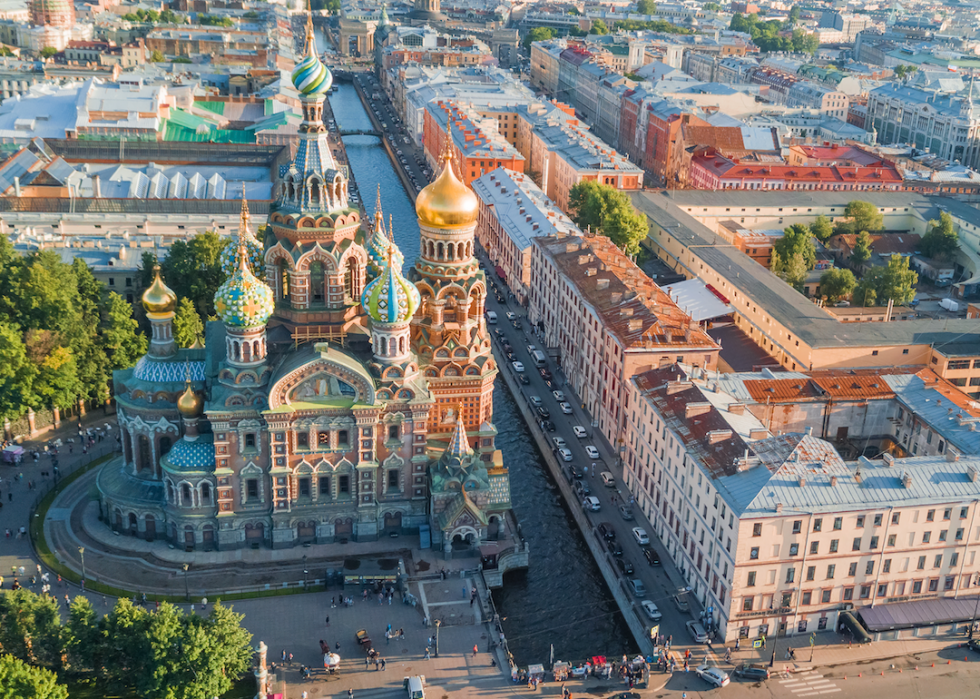
Russia: A community-focused retirement
The largest country in the world, imaginable, from the quiet countryside to the bustling hubbub of Moscow. The lifestyle options don't come cheap鈥攅xperts recommend a monthly budget of at least $3,000 to live comfortably鈥攁nd state-run health care is often slow and low quality. The country is family- and community-focused, is home to some of the greatest art in the world, and hosts a huge number of festivals year-round that provide a variety of free or low-cost entertainment.
You may also like:
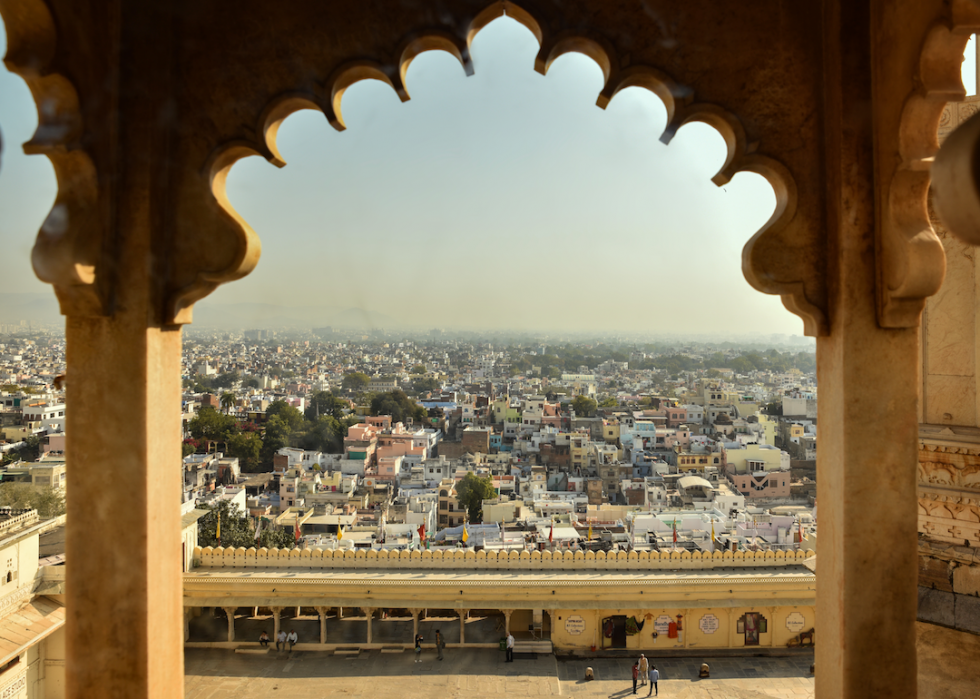
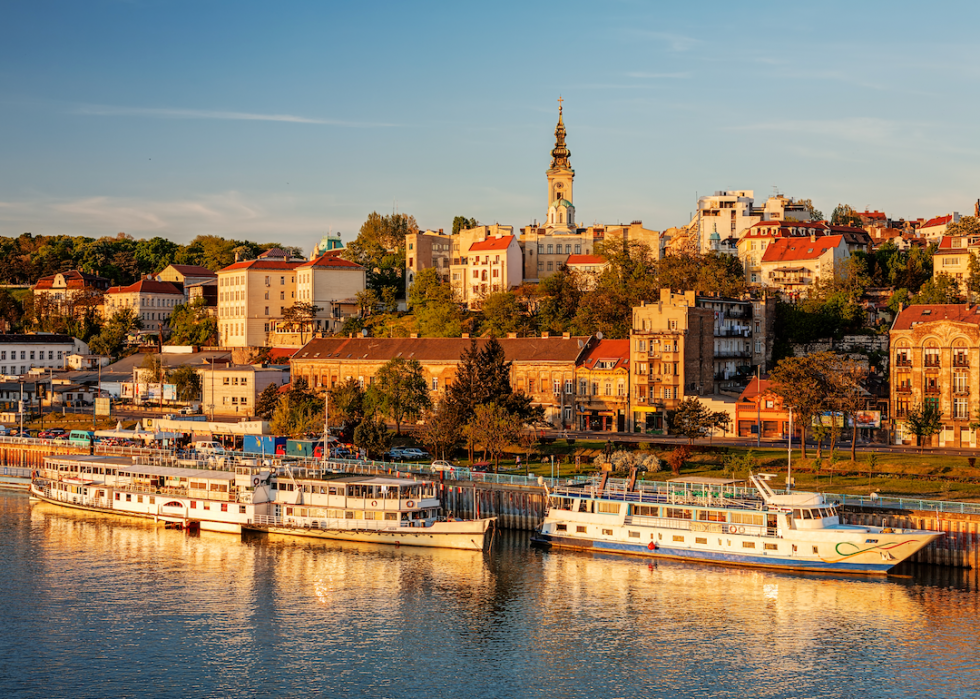
Serbia: Retire at the East-West crossroads
The t, Serbia is a small, landlocked country known for its enduring traditional culture and beautiful landscapes. , Serbia is still cheaper than many current EU members but has the same safety, security, and infrastructure standards as those countries. The country is affordable, growing, and community-oriented, making it a great choice for retirees looking to find a new home in Europe.
Morocco: An Old World retirement
Morocco鈥檚 culture is a mix of western Europe and northern Africa, giving the country a truly original feel. Much of the country still lives according to Old World traditions. For example, Morocco is and the country鈥檚 customs remain conservative. In fact, the vast majority of locals practice Islam, meaning holidays like Ramadan are celebrated by the entire country, and LGBTQ+ retirees may not find the country welcoming to their lifestyles. However, and varied landscapes (from mountains to deserts to beaches) are points in favor of retiring in the African country.
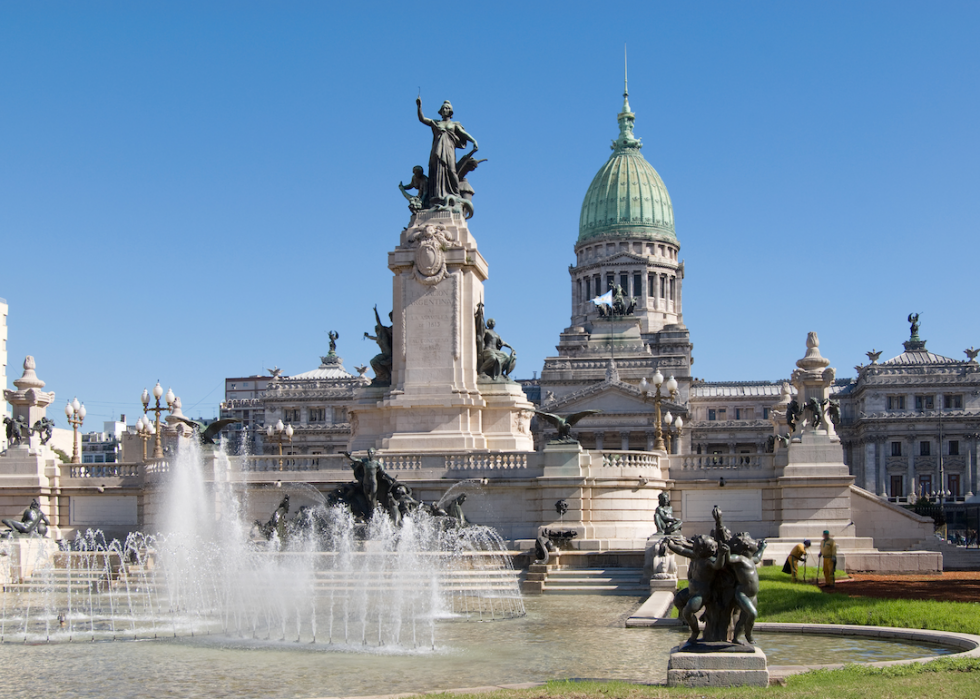
Argentina: 鈥淭he Paris of South America鈥
Buenos Aires, Argentina, is often described as as it is rich in history, culture, and art. English is widely spoken in the city, and the cost of living is low, making it easy to enjoy the bars, restaurants, and outdoor markets that dot the most vibrant districts. The country had been suffering through an economic downturn until 2015, and while it is now on the upswing it can still be difficult and expensive to obtain certain things.
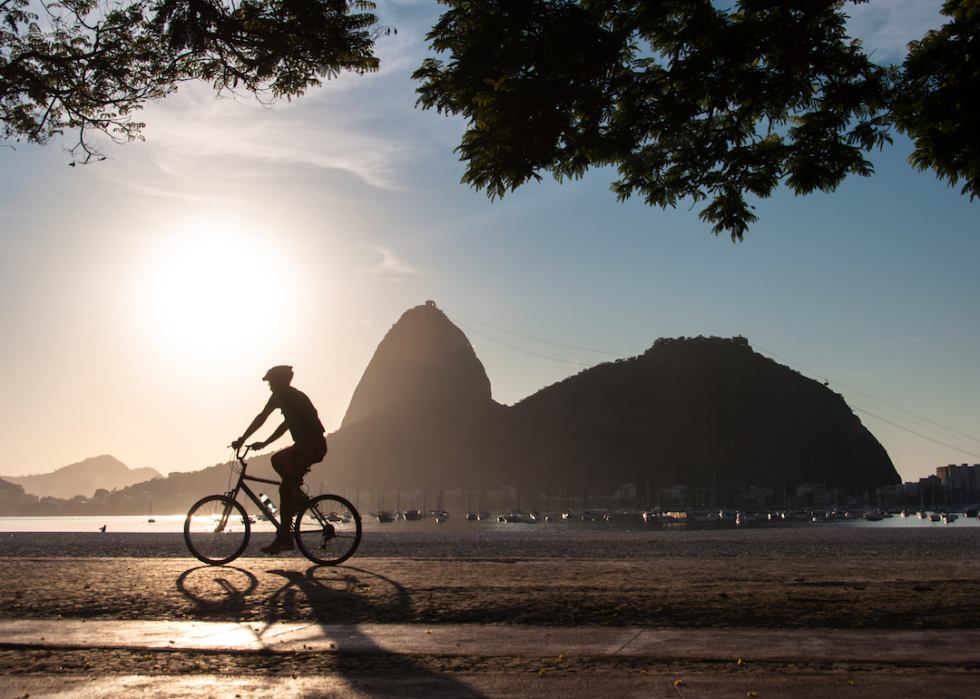
Brazil: A free-spirited retirement
The largest country in the southern hemisphere, Brazil is known for its free-spirited, laid-back culture, making it a great place for retirees who don鈥檛 take life too seriously. The average cost of living in the Portuguese-speaking country is , with fluctuations depending on where you choose to live. Crime rates are higher in Brazil than in the United States, although the . After obtaining a , new residents can begin enjoying the country鈥檚 5,000 miles of beaches, untouched rainforests, and outdoor-loving culture.
United Kingdom: Retire to the English countryside
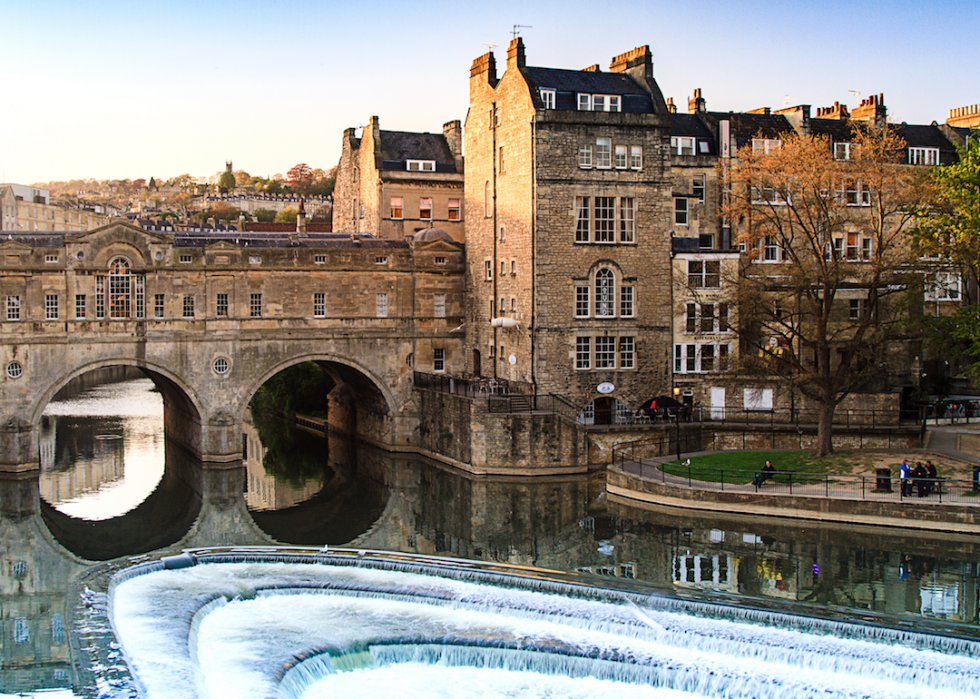
While the cost of retiring in London proper might be out of reach for the average retiree, places like Bath can provide the traditional English experience at a more affordable price. and offers an abundance of open, green spaces, while still allowing you to be relatively close to the culture and hubbub of the big city. One thing for retirees to consider before they move is how the U.K.'s current political situation () could affect their futures and cost of living.
You may also like:
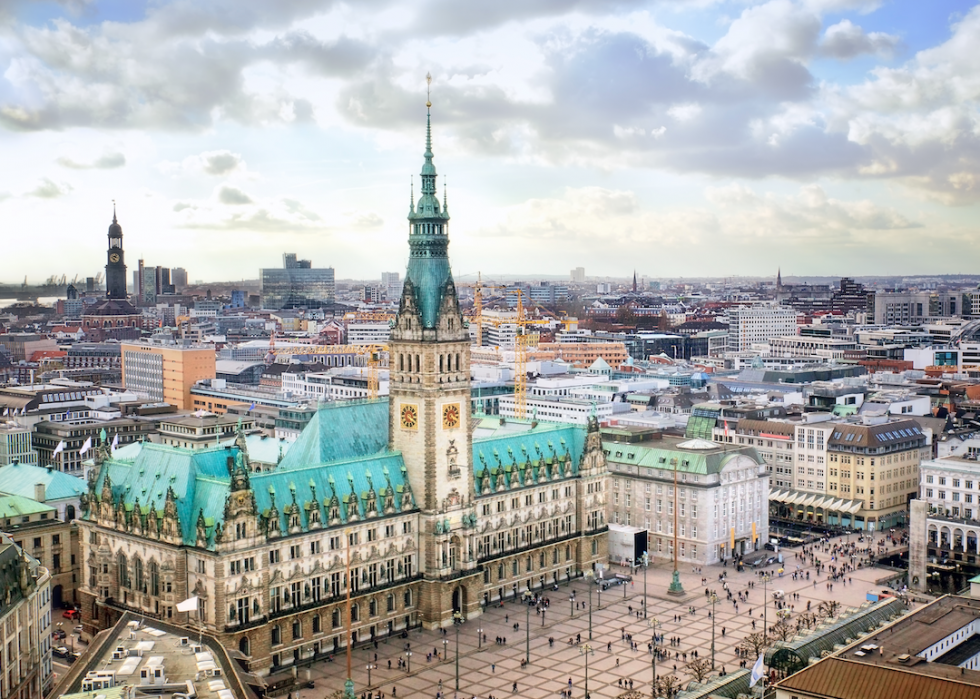
Sri Lanka: An adventure for the unadventurous
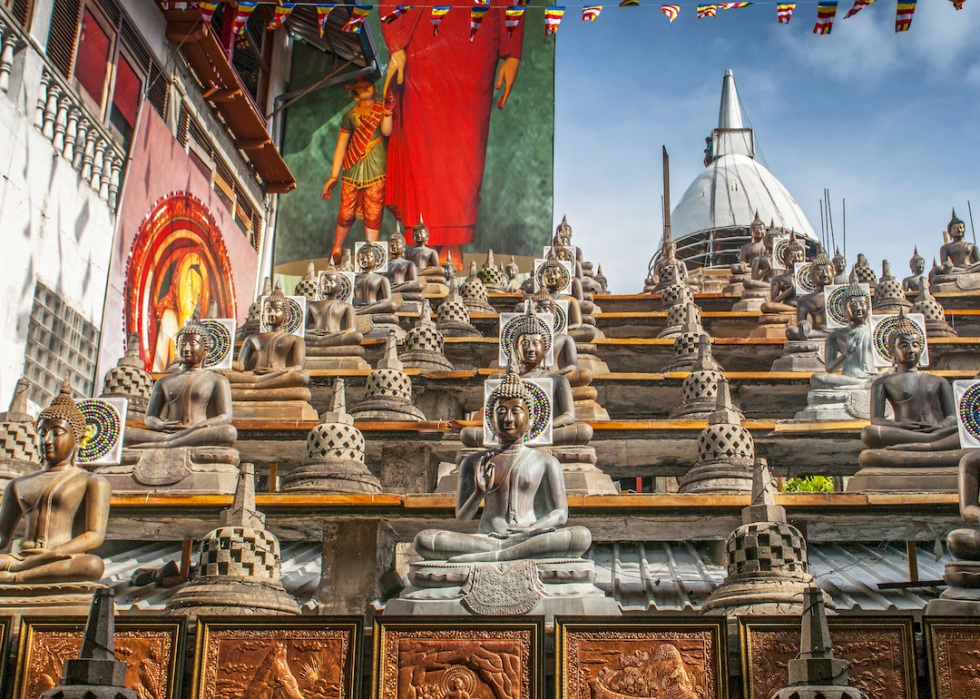
Sri Lanka is a great retirement location for those looking to take a small step outside their comfort zone. English is a requirement in the country鈥檚 school system, which will make communication easier elsewhere. The allows foreign national retirees to stay for two years and provides several other benefits. Retirees will find that day-to-day living is , so they will have the money for outdoor activities like swimming, sailing, and kayaking.
Taiwan: A unique choice in Asia
Taiwan provides retirees a mix of high-tech, hyperefficient, and ultra-traditional living. The independent state鈥檚 capital, Taipei, is safe, clean, and boasts a plethora of public amenities, like a rapid mass transit system that could appeal to retirees who don鈥檛 want to use a car. Taiwan is , like Hong Kong and Singapore, as well as .
South Korea: A cosmopolitan retirement
Seoul, South Korea, is home to over 10 million people, making it one of the . As a result, Seoul is not a particularly cheap place to live, and retirees who want to be comfortable should plan to spend between , but it does provide plenty to do. Outside city limits, plenty of retirees enjoy visiting the country鈥檚 natural hot springs, exploring eastern medicine, and .
Greece: Mild winters and rich history
Retirees can enjoy the hot summers and mild winters of Greece for . Obtaining residence in the country requires that you live there, so retirees seeking to make the country their permanent residence would first need to obtain a temporary visa. Once you鈥檙e a resident of the country, you can apply for local health care, which tends to be significantly cheaper than U.S. health insurance. In your downtime, you can take day trips to picturesque islands, visit historical landmarks like the Acropolis of Athens, or relax on a sandy beach.
Egypt: Retire to one of the oldest cultures in the world
When it comes to retirement in Egypt, With a large expat community and the fact that English is widely spoken, the city can provide a familiar home base for adventure-seeking retirees. It's important for transplants to have a basic grasp of Arabic and respect for the country's conservative Islamic customs, so Egypt would not be a great fit for those who want to live exactly as they did in the United States. The low cost of living and the opportunity to visit the major landmarks in one of the world's oldest cultures attract a significant number of foreign retirees each year.
You may also like:

Vietnam: A culturally immersive retirement
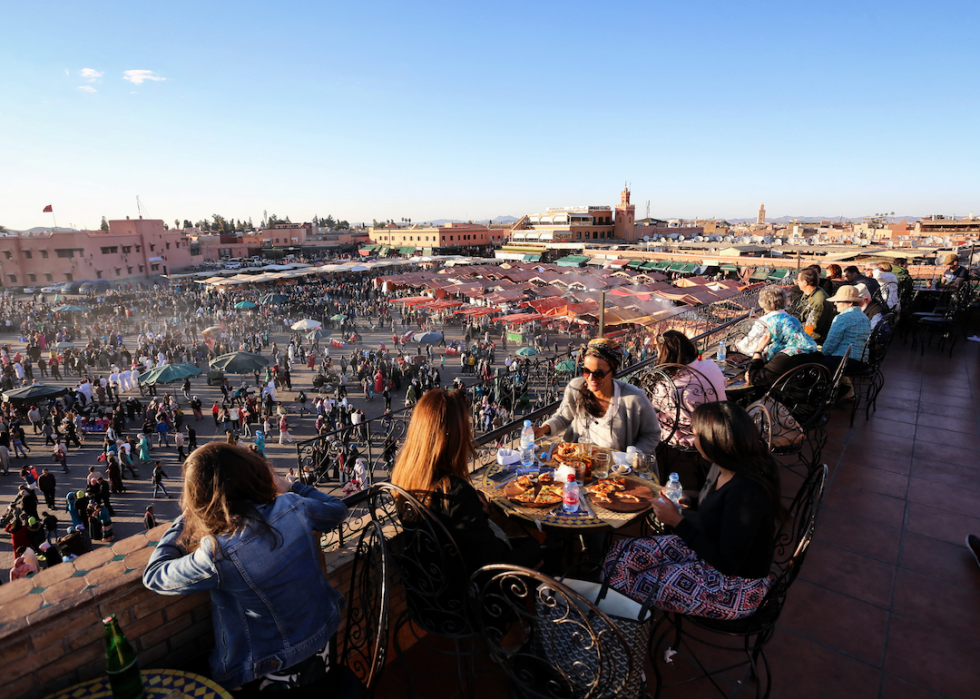
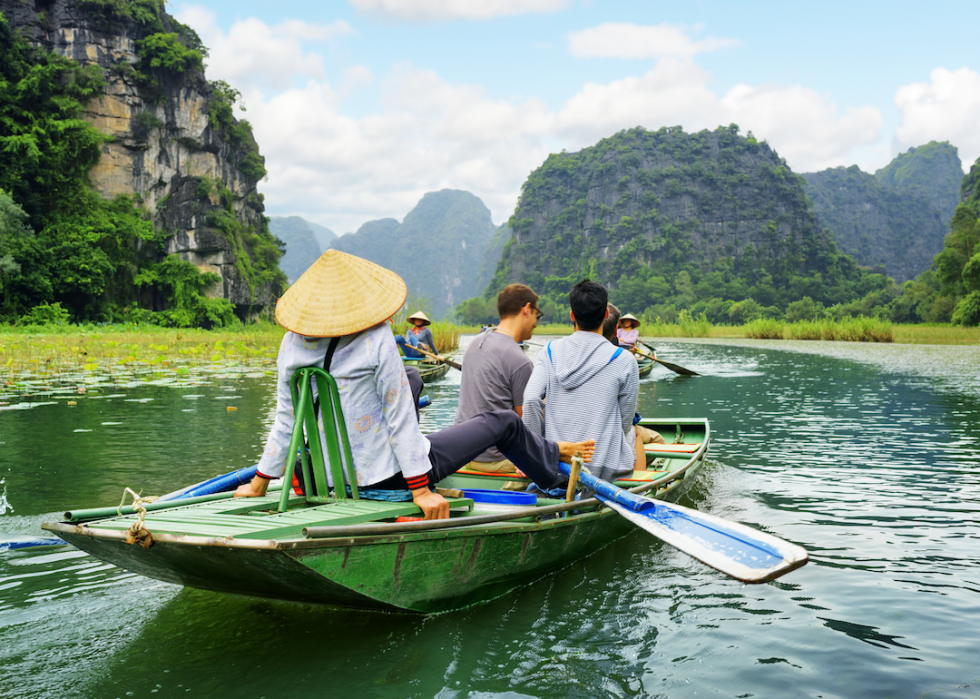
Vietnam is renowned for its beauty, cuisine, and cost of living that鈥檚 However, moving to the southeast Asian country isn鈥檛 for the faint of heart. English isn鈥檛 commonly spoken, Vietnamese can prove challenging to learn, pollution and overpopulation are rampant in major cities, and the quality of health care is well below the standard Americans are used to. In addition, the country doesn鈥檛 offer any long-term visa options for retirees, meaning they must find time between island hopping and temple wandering to renew visas every one to three months.
Dominican Republic: A permanent vacation
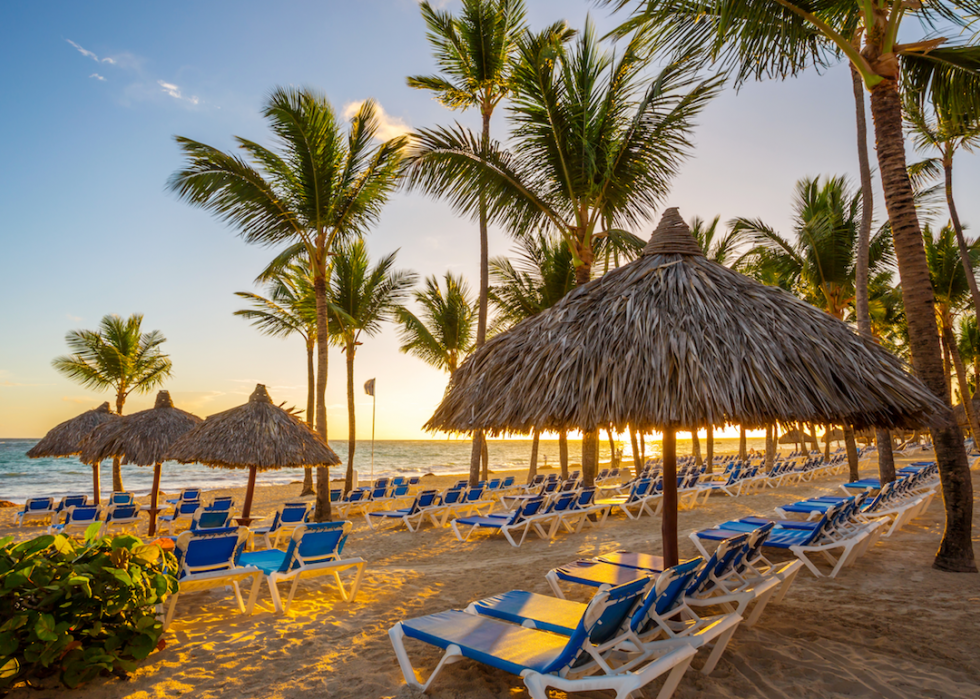
The Dominican Republic is for U.S. travelers. Those who want their retirement to feel like one, long holiday full of beach time and sunshine, may consider moving to the island, especially as the two-step residency process is relatively easy. Of course, there are downsides to the move鈥 and 鈥攂ut the substantially makes these inconveniences worth it for many.
Croatia: A bureaucratic nightmare, but a wine lover鈥檚 dream
Many Americans have , and the country鈥檚 current lack of an appropriate visa program, make it difficult to obtain the necessary approval to stay long term. On the other hand, the country offers a safe, affordable culture with great private health care, and a thriving food and wine scene for retirees who manage to find a way to remain in the country.
Austria: An alpine retirement
Located in central Europe, Austria鈥檚 culture is heavy with German influences. The in the country makes the cost of living unaffordable for many retirees, but the overall safety of the country and the strength of the health care system make the cost worth it for those who do choose to live here. Austria is the winter sports capital of Europe, so there are plenty of outdoor activities to keep you busy during the colder months, while museums, cultural events, and art can fill the summer months.
Mexico: The most popular retirement country for expats
Mexico consistently earns a spot on lists of the "." The country's high ranking might be because of its warm climate, the real estate developments built with U.S. retirees in mind, health care costs that are half of what you might expect to pay in the United States, or the low cost of living, which averages between $1,500 and $3,000 a month per couple. Millions of expat retirees enjoy beach time, bustling city life, and cosmopolitan cultural activities all over Mexico.
You may also like: