
This story originally appeared on REX MD and was produced and distributed in partnership with 麻豆原创 Studio.
10 effects testosterone has on your health
Historically, testosterone has been associated with masculinity. Someone having high levels of testosterone was shorthand for perceived higher levels of aggression, strength, and libido. However, testosterone plays a in the health and functioning of everyone: Testosterone plays just as important a part in ovarian function as it does in male reproductive development.
Having abnormally high levels of testosterone is, and most typically occurs in athletes who have taken steroids or hormones to boost their athleticism. Low levels of testosterone, however, is a of aging, with approximate percentages of males from 20% to 50% from the age of 60 to 80. Additionally, injuries, radiation-focused medical treatments, and changes to the pituitary gland can all cause testosterone levels to drop.
Transmasculine nonbinary people and transgender men to help masculinize their bodies. In addition to the other effects testosterone has on the body, trans individuals who supplement the hormone have a decreased risk of gender dysphoria, depression, and anxiety as the hormone replacement therapy (HRT) helps them feel more like themselves. Taking testosterone consistently will lead to facial and body hair growth, lowered vocal pitch, increased muscle to fat ratio, diminished or an end to menstruation, and other health conditions cisgender men experience.
Overall, testosterone levels vary widely from year to year, and even from hour to hour. This can affect a broad range of internal and external body functions. Testosterone manipulates everything from metabolism and weight, hair and skin quality, and concentration and mood. Over time, testosterone abnormalities can have serious effects on one's bones and heart.
compiled a list of 10 effects that testosterone has on your health, using research from scientific journals and health news publications. Read on to find out the detriments鈥攁nd occasional benefits鈥攐f having too much or too little testosterone flowing through your body.

Your likeliness to build muscle
Testosterone can significantly affect the body鈥檚 ability to gain or lose muscle due to the . Once testosterone is emitted throughout the body, it naturally binds to muscle cells, which triggers those cells to increase protein production. It also throughout the body, which stimulate tissue growth and growth hormones. This results in increased muscle mass. Consequently, low testosterone is , while high testosterone generally causes the opposite.

Behaviors, from competition to aggression
Variations of energy, mood, and confidence are all affected by testosterone levels. Although testosterone levels can cause a certain behavior, those levels can also increase after doing certain activities: For instance, participating in sexual or competitive activities testosterone levels. High testosterone levels may result in of aggression, irritability, and mood swings, as well as impaired decision-making abilities. Inversely, low testosterone can cause low confidence, listlessness, a lack of concentration, low energy, and depression. This is especially the case for transmasculine people and transgender men who can also experience gender dysphoria on top of the other symptoms associated with lower testosterone levels.
Notably, it is difficult to separate these behavioral phenomena from the multiple biological and environmental influences simultaneously at play, and so one should be cautious in attributing a behavioral change exclusively to testosterone levels.

Bone density
Testosterone鈥檚 effects on bone density are due to its interactions with bone marrow, during which it to produce red blood cells at higher rates. Low testosterone levels can weaken bone density, causing bones to be brittle and weak. This puts those with testosterone deficiencies at higher risks of fractures and breaks. Consequently, bone strength can sometimes through raising testosterone. For instance, someone suffering from osteoporosis may take testosterone replacements alongside other treatments.

Libido
Testosterone鈥檚 relationship to libido is a two-way street: while testosterone can affect sexual performance, . Low testosterone is associated with low libido and erectile dysfunction鈥攈owever, extended periods of sexual inactivity can also cause lowered testosterone. Higher levels of testosterone can increase libido, though (somewhat counterintuitively) also lower sperm counts. Changes in libido are not exclusive to men: women with testosterone deficiency can also suffer from low sexual desire. The effects of testosterone on libido levels in women becomes unclear . About reported an increase in sexual desire after beginning to supplement testosterone, while about 30% rarely or never felt sexual desire.
Hair growth
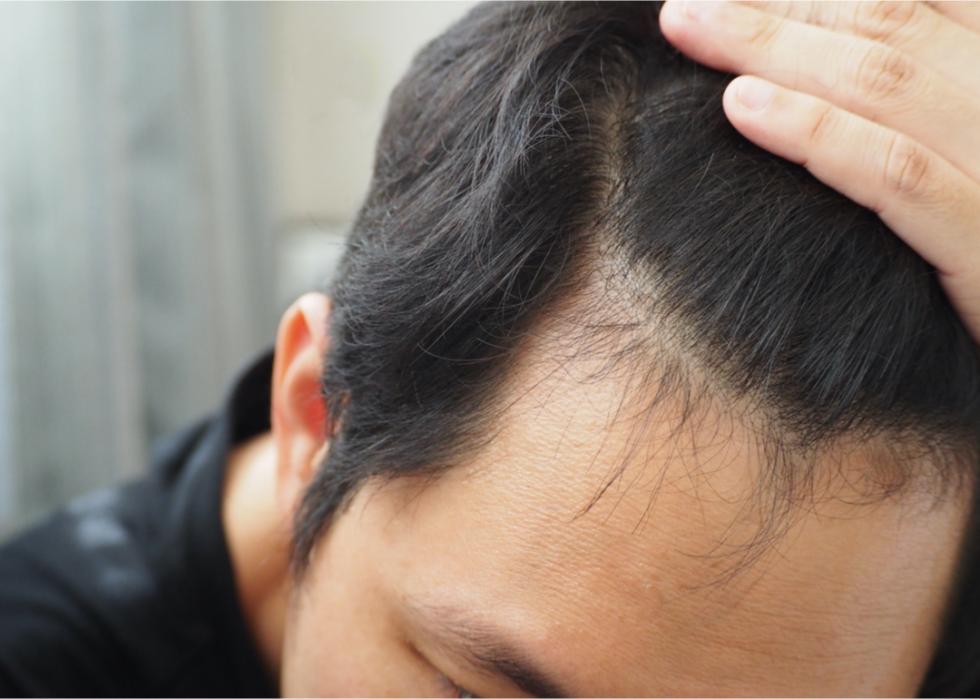
Testosterone initially affects hair growth via in the onset of reproductive development, causing hair to sprout on the face, underarms, and genitals of puberty-age males. In transmaculine people and transgender men on testosterone, the , leading to increased facial and body hair growth and increased risk of male-patterned baldness. Transfeminine people and transgender women on HRT, conversely, experience less facial and body hair growth and density due to increased estrogen levels, in addition to blocking the production of testosterone. Later in life, these effects continue to be noticeable. As men approach old age and their testosterone levels naturally fall, they may experience hair loss on both the head and body. Women who experience abnormally high testosterone levels may notice hair growing on their faces. This is of women with polycystic ovary syndrome (PCOS), which results in spiked testosterone levels.

How you burn fat
Metabolism can be sped up or slowed due to testosterone levels. Testosterone regulates metabolism, and a healthy testosterone balance to avoid burning too much or too little fat. Those with high testosterone levels weight gain, and trans individuals on HRT as well. This is due to a variety of factors that may not actually indicate an accumulation of fat, including fluid retention and increased muscle mass. Because testosterone , however, it may result in fat loss, as muscles increase one鈥檚 metabolic rate both at rest and during exercise.
Red blood cell production
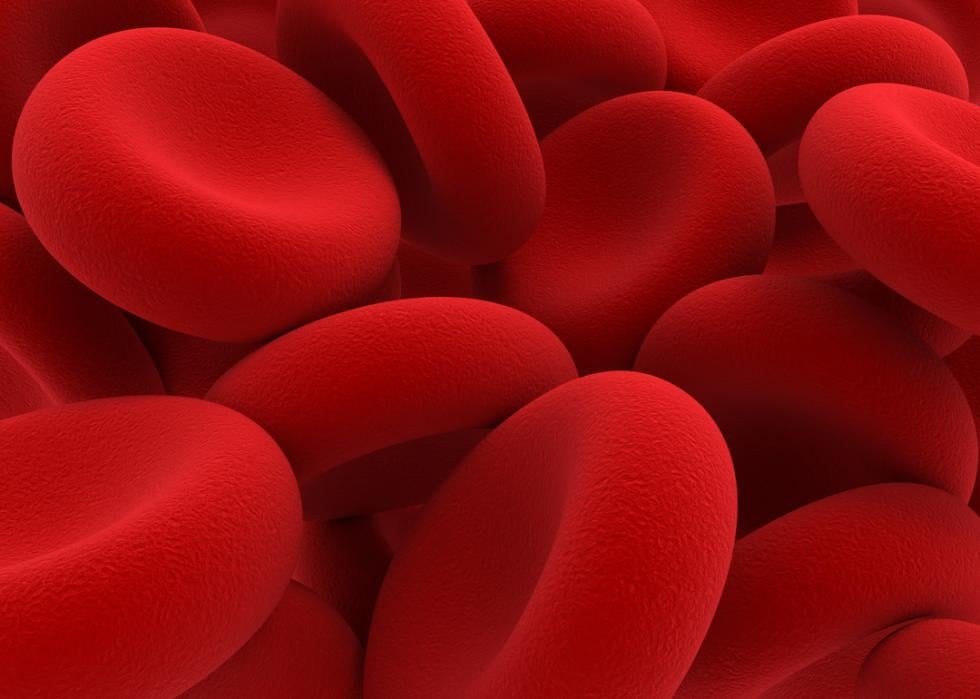
Generally, higher levels of testosterone causes more red blood cells to be produced. During , 60 60-year-old men received either testosterone treatments or placebos, with their resulting iron metabolism and red blood cell levels compared. Results indicated that increased testosterone levels spurred the production of red blood cells, with hemoglobin levels in treatment recipients increasing by 8%. Consequently, testosterone replacement therapy may have benefits for the heart, cholesterol, and blood pressure, though these effects . Results of HRT's impact on transgender individuals' cardiovascular health鈥攅ither blocking or increasing the production of testosterone鈥攊s also .

Skin conditions
Testosterone can cause skin to be quite reactive, depending on the level. Those with high levels of testosterone . In some cases, testosterone-deficient individuals may receive replacements via patches or creams, in which case testosterone鈥檚 direct application may result in irritated skin. Cisgender women with abnormally high levels of testosterone may develop dark patches of skin. In these cases, hormone-blocking diuretics Transmasculine people and trans men also face these health risks , and transfeminine people and trans women may also need to change up their when on HRT.

Reproductive system growth and development
Testosterone is to reproductive development in cisgender men. Testosterone levels begin to affect an embryo while it is still in-uterus, triggering the initial formation of male genitals. At the onset of puberty, levels of the hormone rise, causing the growth of the testicles and penis, and the production of sperm. Cisgender men with a testosterone deficiency around this age . Despite testosterone鈥檚 connotation as an indicator of masculinization, it also in female development. The right levels of estrogen and testosterone ensure that the ovaries function properly.
For trans individuals, before puberty can help them better understand their gender identity and if they would want to pursue HRT in the future. This will make transitioning easier later in life as they do not have to reverse the effects the body goes through during adolescence, namely to their reproductive systems. If a person decides to go through with HRT at any stage in life, decreasing testosterone will result in for transfeminine people and trans women; however, HRT does not block sperm count entirely, meaning trans people increasing estrogen . For transmaculine people and trans men, testosterone can end menstruation and similarly decrease fertility. Although, a found trans masculine people and trans men can stop supplementing testosterone for four months and see similar egg yields to cisgender women. For the sake of fertility, it is trans people either freeze their sperm or eggs to better guarantee the possibility of having their own children in the future.

Sleep patterns
Both irregularly high and low levels of testosterone can upset the . Inversely, regular, uninterrupted sleep is required to maintain healthy levels of testosterone in the body. Those with irregular levels of testosterone may be more vulnerable to sleep-related disorders. During , 17 men over 60 years old were observed after receiving regular injections of testosterone. Among other effects, it was found that the hormone disrupted sleep, resulting in spells of sleep apnea, disturbed breathing patterns, and fewer hours slept overall.