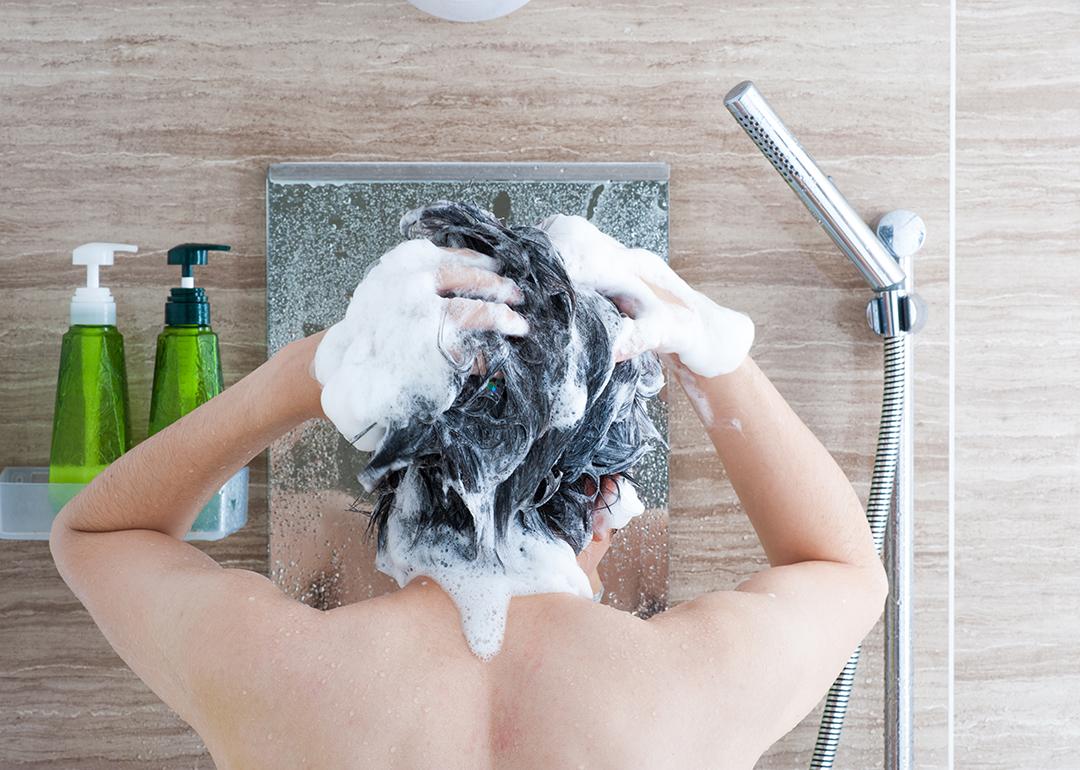
Shampoos for treating hair loss: Pros, cons, and do they work?
was produced by and reviewed and distributed by 麻豆原创.
Shampoos for treating hair loss: Pros, cons, and do they work?
Dihydrotestosterone, or DHT, is an androgen hormone produced by testosterone. High levels of can cause hair loss problems, including androgenetic alopecia, or AGA, and male pattern baldness, reports.
Prescription DHT shampoos like ketoconazole reduce DHT production by targeting the hormone cycle locally at new hair growth follicles.
Over-the-counter DHT shampoos aim to lower DHT levels, often using natural products that may reduce DHT, including saw palmetto and pumpkin seed oil. These shampoos may also use other hair-enhancing ingredients like biotin, keratin, and caffeine.
Studies indicate that prescription DHT shampoos are effective in treating hair loss, especially when combined with other hair loss treatments. There is limited research concerning natural DHT-lowering products.
The side effects of DHT shampoos are generally mild. They may include skin problems like itchy and dry skin.
People suffering from hair loss caused by androgenetic alopecia or telogen effluvium may find DHT useful in their treatment program, especially those in the earlier stages of hair loss, since DHT shampoos can't reverse hair loss. Men taking 5-alpha-reductase inhibitors or other hormonal hair loss medications may use DHT shampoos as part of their combination treatment.
What Is DHT, and How Does It Cause Hair Loss?
Dihydrotestosterone is a hormone. More specifically, it is a sex steroid that is produced in the gonads. As an "androgen" hormone, it plays like muscle mass, the development of body hair, and deepness of voice. In men, DHT is created when an enzyme called 5-alpha reductase, or 5-AR, converts testosterone into DHT in the prostate and testes. DHT attaches to the same sites as testosterone, but it is more potent and bonds for a longer period. DHT's role in hair growth is complicated. DHT is believed to attach to hair follicles through androgen receptors, and it is needed for most hair growth. Armpit hair, pubic hair, and other body hair will not grow without DHT. However, it has a negative effect on head hair growth. For unknown reasons, high levels of DHT trigger hair loss and thinning. It may be a major factor in , also called male-pattern baldness, although AGA is experienced by both men and women. , or AGA, is the most common cause of male hair loss. Hair loss is very common among men, affecting almost half of all men over the age of 50. Nearly 50 million men and approximately 30 million women in the U.S. suffer from AGA.
How Do Prescription DHT Shampoos Work?
Because high levels of androgen hormones can cause hair loss, prescription DHT shampoos like ketoconazole are "anti-androgenetic." They , as well as the formation of testosterone, which is converted to DHT. The shampoo targets these hormones locally, at the site of new growth hair follicles. The goal is to disrupt the hormone cycle causing thinning and baldness.
What Other Kinds of DHT Shampoos Are Available?
Many over-the-counter hair loss shampoos also target DHT, sometimes using natural ingredients that have shown promise in lowering DHT levels. Common natural ingredients used in over-the-counter DHT shampoos include , pygeum bark, and . Many of these over-the-counter hair loss shampoos may also feature other ingredients thought to revitalize and boost hair growth, such as biotin, caffeine, keratin, and rosemary oil.
Do DHT Shampoos Work?
There has been limited research on shampoos that include potentially DHT-limiting natural ingredients like saw palmetto in the treatment of male pattern baldness (androgenetic alopecia, or AGA), although indicate potential promise. Prescription DHT shampoos like ketoconazole, however, have been shown in studies to , especially when the condition was treated aggressively and persistently with the shampoo.
Prescription DHT shampoos like ketoconazole have also been shown to that lowers DHT levels, such as finasteride, a 5a-reductase inhibitor that blocks the enzyme that converts testosterone into DHT. There are some limitations in treating hair loss with DHT shampoos. Like other DHT-lowering medicines, the effects of these shampoos only last as long as you use them. If prescription shampoos are stopped, the symptoms will return. While DHT shampoos may be able to awaken active hair follicles that are somewhat dormant, follicles that are already inactive won't be affected.
Do DHT Shampoos Have Side Effects?
Most DHT shampoos, like ketoconazole, have minimal side effects. They may include the following:
- Skin blisters
- Texture changes to hair
- Itchy skin
- Skin irritation
- Skin dryness
If you experience more severe side effects after using DHT shampoo, such as hives or breathing trouble, you may be having an allergic reaction and should seek immediate medical care.
Who Is an Ideal Candidate for DHT Shampoos?
Men and women seeking treatment for a scalp fungal infection or dandruff may find DHT helpful. DHT shampoos may be used by both men and women to treat hair loss from androgenetic alopecia or telogen effluvium. Because DHT shampoos work to prevent hair loss and possibly rejuvenate dormant follicles, and do not reverse hair loss that's already occurred, those in the earlier stages of hair loss are ideal candidates. Men who are taking oral hormone prescriptions for hair loss, like finasteride, like ketoconazole as a combination therapy.