A timeline of COVID-19, from outbreak to 1 million dead Americans
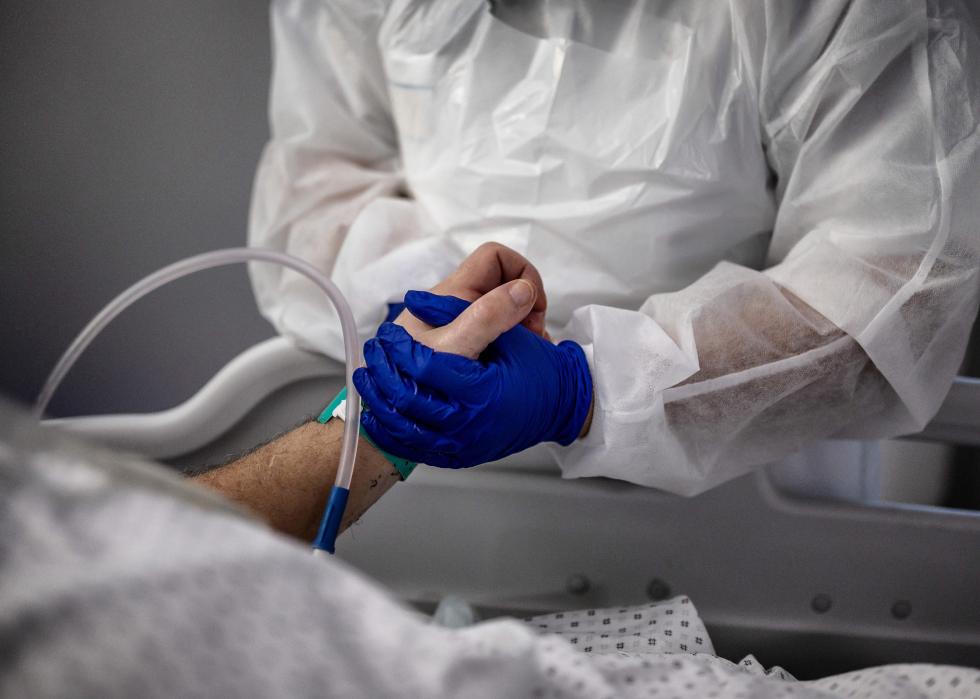
More than , a bleak milestone crossed May 4. (Due to differences in accounting, other trackers still showed the death toll in the U.S. to be slightly under 1 million as of May 13.) To date, COVID-19 has caused more than as of May 13, according to Johns Hopkins' Coronavirus Resource Center. It's hard to remember life before COVID-19鈥攂ut it was less than three years ago when a doctor in China sounded the alarm about a new respiratory virus. Since then, cases have been confirmed in nearly every country and on every continent in the world.
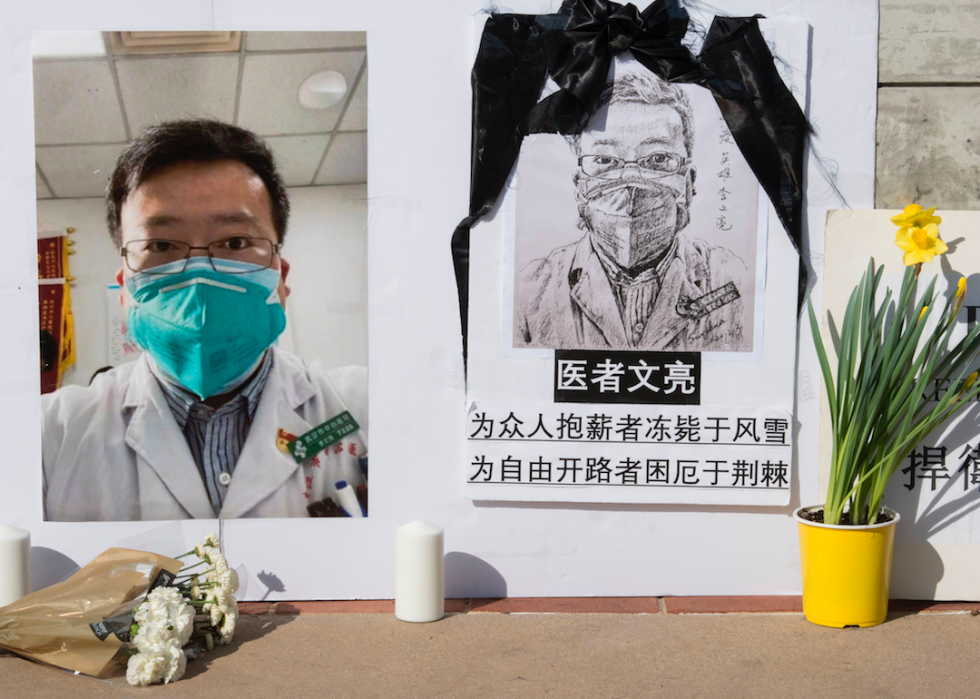
The story of how COVID-19 spread so far and so fast is a story of government secrecy, , polarizing politics, and a highly contagious virus. To better understand what has happened and what might follow, 麻豆原创 constructed a timeline of the COVID-19 pandemic from its first mention by Dr. Li Wenliang in Wuhan, China. Our timeline includes information from a range of sources including news outlets such as the New York Times and CNN, Johns Hopkins' Coronavirus Resource Center, the COVID Tracking Project, science articles, and releases from the World Health Organization (WHO).
Keep reading for more information about the COVID-19 pandemic and a better understanding of how a highly contagious virus became a global health crisis.
Dec. 30, 2019: Chinese doctor sounds the alarm
, a doctor working at Wuhan Central Hospital in Wuhan, China, sent out a text on Dec. 30 to a group of other doctors warning them to protect themselves against a new respiratory virus. Four days later, police summoned him and told him to sign a letter accusing him of false comments and disturbing the social order. on Feb. 7, 2020.
Jan. 4, 2020: WHO starts tracking illnesses in Wuhan
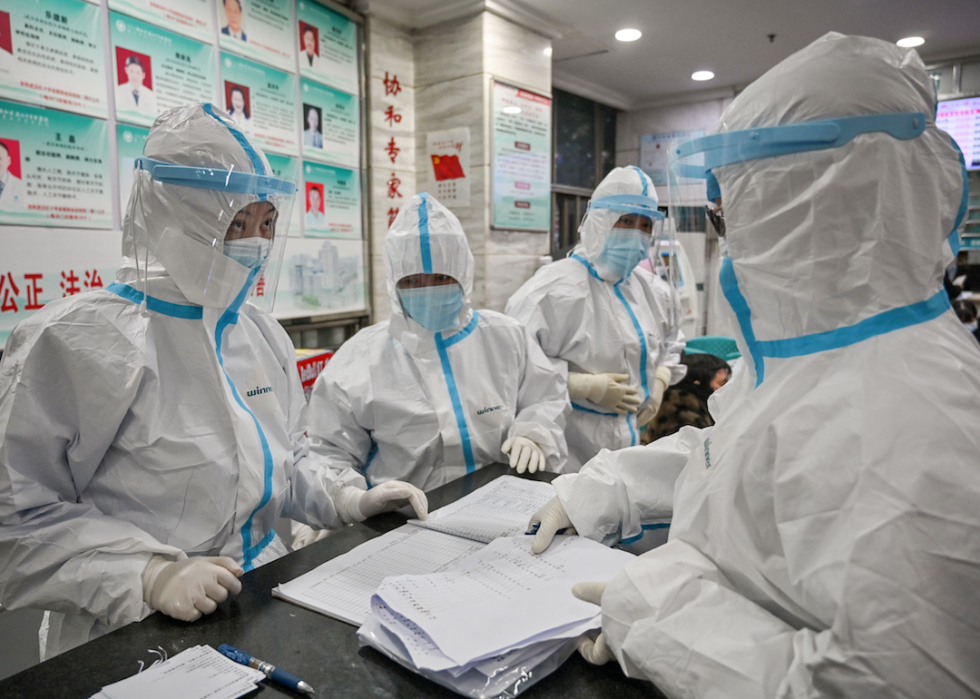
The on Jan. 4 that it would start actively tracking a mysterious group of pneumonia cases in Wuhan, China. The organization's China office was first notified of the illnesses on Dec. 31, 2019. By Jan. 5, the on those cases, reporting on the status of patients and the response of public health officials.
The from the virus was reported by the Chinese state media one week later on Jan. 11. The victim was a 61-year-old man who was a regular customer at the Huanan Seafood Wholesale Market and had underlying issues including 鈥渁bdominal tumors and chronic liver disease.
Jan. 13, 2020: Virus spreads to other countries
The first case outside of China was confirmed on Jan. 13, 2 . Within the week, in Japan, South Korea, and, on Jan. 20, the United States. The was in Washington State where a man in his 30s developed symptoms after a trip to Wuhan.
The Chinese government on Jan. 23 to prevent further spread of the virus.
Jan. 30, 2020: WHO declares a Public Health Emergency, Trump suspends entry from China
By Jan. 30, 9,800 people had been infected and around the world; the WHO declared the 2019-nCoV outbreak a The next day, the administration of President Donald Trump into the United States for anyone who had traveled to China in the past 14 days who wasn鈥檛 an American citizen, family of an American citizen, or a permanent resident.
Feb. 11, 2020: The disease gets a new name
In mid-February, the WHO gave the disease caused by the novel coronavirus a new name: It was chosen because it did not refer to a geographical area, animal, or group of people and because it was relatively easy to pronounce. The WHO wanted to "guard against the use of other names that might be inaccurate or stigmatizing."
Feb. 23, 2020: Italy's COVID-19 case numbers explode
The in Paris on Valentine鈥檚 Day. By Feb. 23, the number of in Italy had grown from five to more than 150. The Lombardy region in the northern part of the country was the hardest hit, and officials locked down 10 towns in the area, closing schools and canceling events. Within the next week, cases spiked across Europe, while Latin America reported its first case.
On Feb. 28, the first American .
March 11, 2020: WHO declares COVID-19 a global pandemic
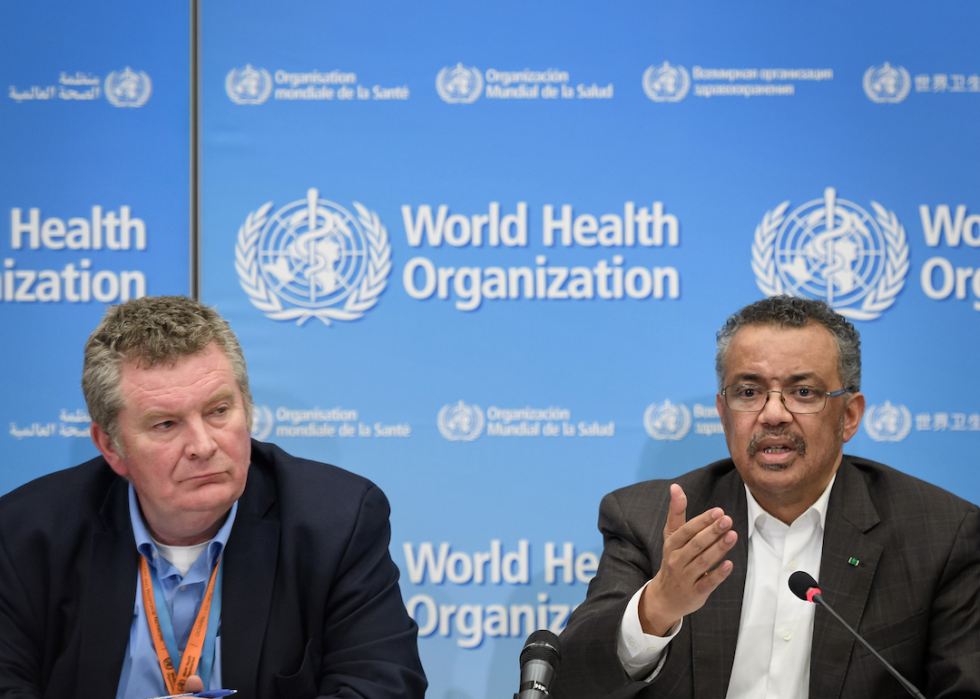
In response to the quick spread of COVID-19, the WHO declared the outbreak to be a . In a briefing, WHO director-general Tedros Ghebreyesus said, 鈥淲e have never before seen a pandemic sparked by a coronavirus.鈥
You may also like: From Wuhan to the White House: A timeline of the first year of COVID-19鈥檚 spread
March 13, 2020: Trump declares a national emergency
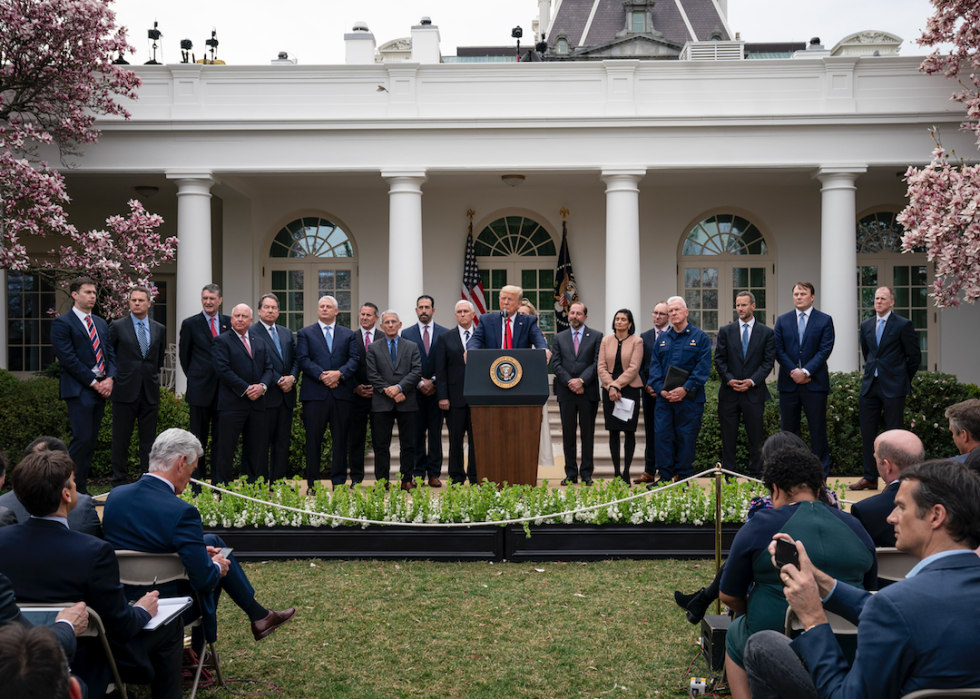
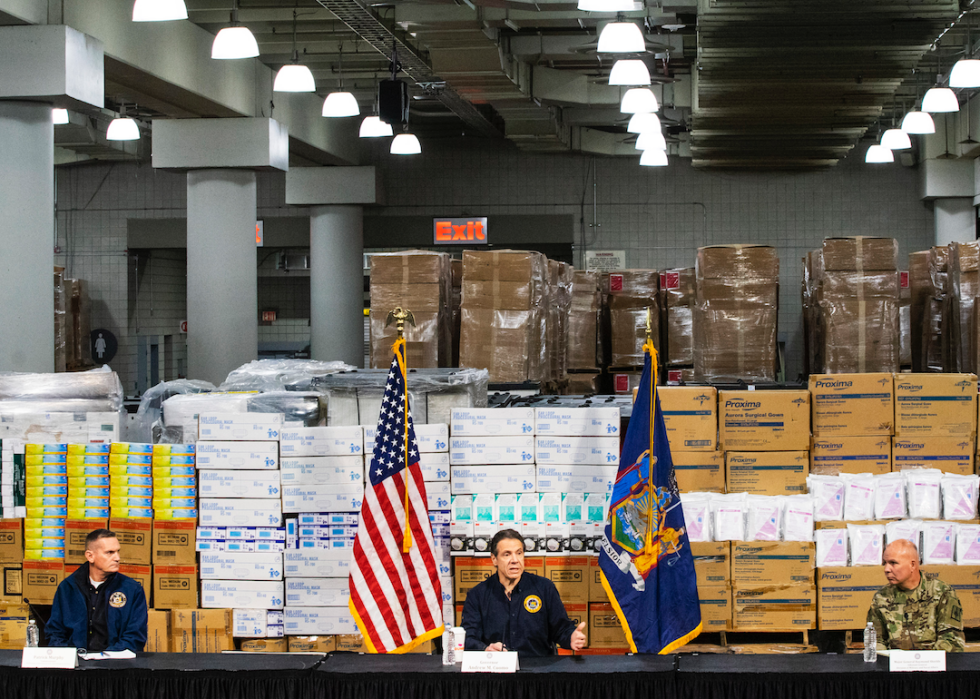
President Trump and said he would make $50 billion available to states and territories to fight COVID-19. By this time, the had passed 4,600 and there were 126,100 confirmed infections worldwide.
March 15, 2020: Europe shuts down
Some Western European countries began to in response to the virus鈥 quick spread. In Spain, which had the second-highest death rate in Europe after Italy, residents could only leave home to buy essential supplies or to work. In France, cafes, restaurants, bars, shops, and cinemas were closed.
March 24, 2020: Tokyo Summer Olympics postponed
Four days after confirmed deaths from , it was announced that the Tokyo Summer Olympics would be . It was the first time Olympic games were canceled since World War II.
March 25, 2020: US government announces $2 trillion aid plan
After negotiations, the White House and Congress came to an agreement on a plan to help businesses, workers, and the health care system. The plan passed the Senate in a unanimous 96-0 vote. Nearly three weeks after the White House approved the coronavirus stimulus bill, eligible U.S. residents began receiving their $1,200 stimulus check payments. This followed on the heels of , another aspect of the relief package to help the millions of Americans out of work.
March 26, 2020: Record unemployment filings in US
A in the United States filed for unemployment the week leading up to March 26. This was a rise of more than 3 million from the previous week, which saw unemployment claims from 281,000 people.
at 14.7%, the highest number ever recorded since data collection began in 1948.
You may also like: The unemployment rate the year you turned 16
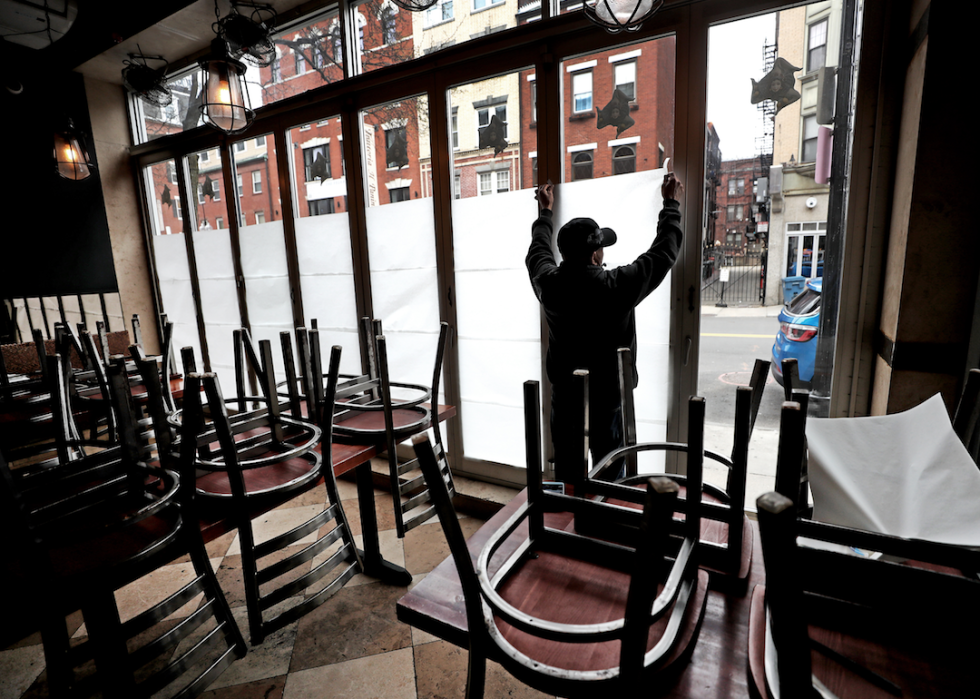
March 27, 2020: The majority of Americans are put under lockdown
In response to the country鈥檚 rapidly growing numbers, the local governments of the United States put the majority of the population under some kind of lockdown. Between Mar. 1 and May 31, 42 states and territories , which included 73% of U.S. counties, according to the Centers for Disease Control and Prevention.
April 2, 2020: More than 1 million confirmed cases worldwide
The number of global COVID-19 cases doubled over a week in early April and mark. At that point, the United States alone contained over 20% of those cases, and the disease had claimed the lives of more than 50,000 people around the world.
It took less than two weeks for the next 1 million COVID cases to be recorded.
April 5, 2020: First animal in US tests positive for the virus
A tiger at New York City鈥檚 Bronx Zoo after being exposed to a zookeeper who wasn鈥檛 showing any symptoms. Nadia, a 4-year-old Malayan tiger, was the first animal in the United States to test positive for the virus, and the first coronavirus case found in a tiger.
April 19, 2020: Nursing homes represent a disproportionate amount of COVID-19 deaths
Two months after the first coronavirus cases were found in a Seattle home, The New York Times revealed that in nursing or long-care homes, accounting for one-fifth of the virus鈥 death toll in America. Due to scarce resources and overcrowded facilities, many Americans most susceptible to catching the disease did not receive the proper health care and support that they need.
By May 2020, it was estimated that happened in nursing homes.
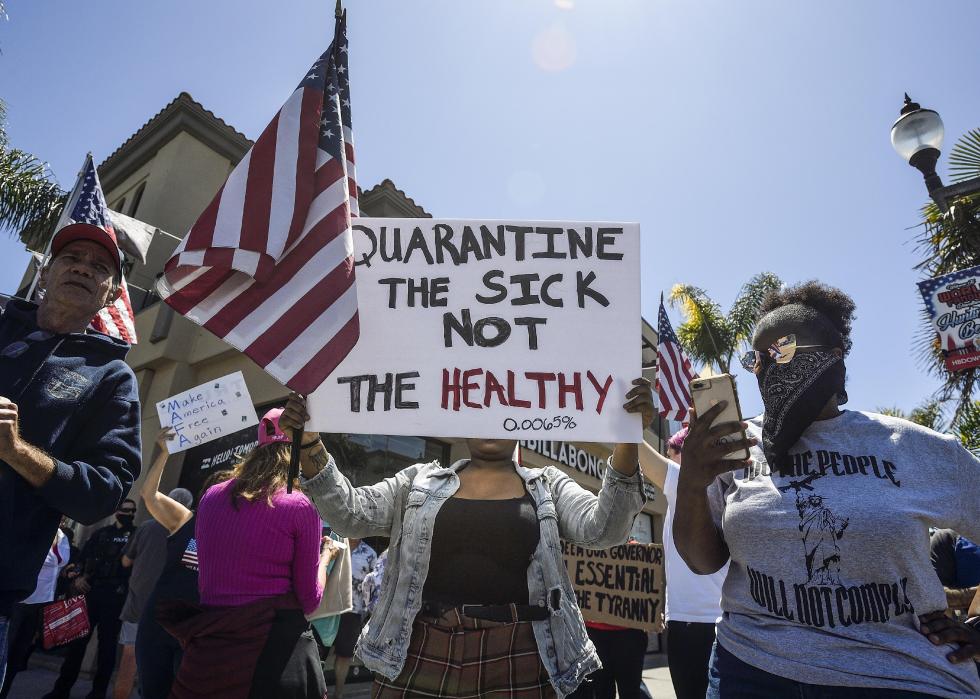
April 20, 2020: Protests to reopen the country erupt across America
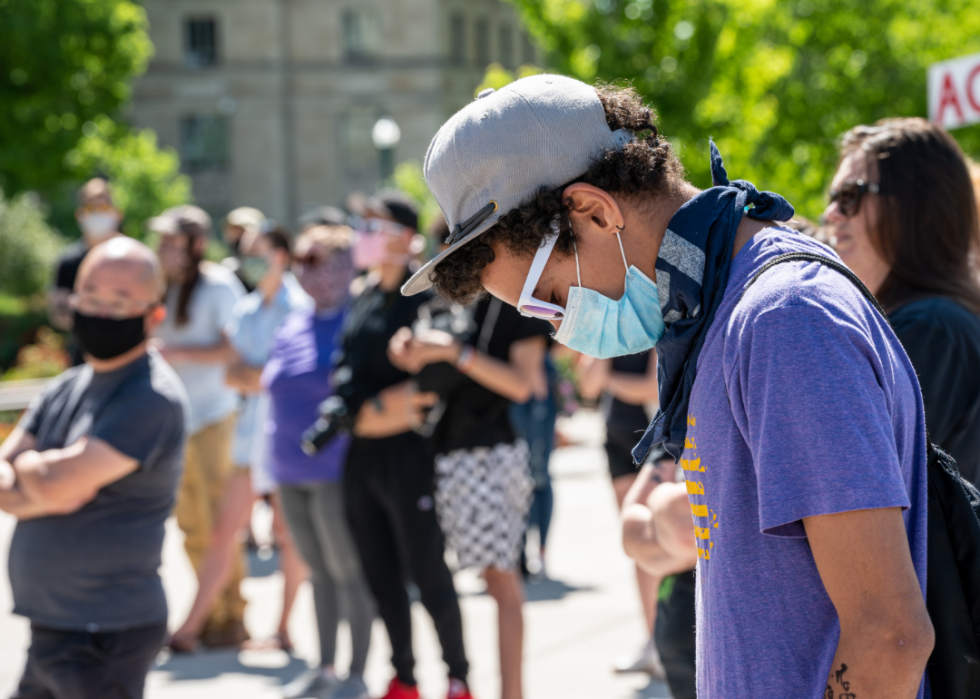
After being on lockdown for weeks, residents in many states to express their disapproval of the continuous stay-at-home orders. Protestors had different reasons behind their frustrations, but many were citing the negative economic consequences of closing most businesses. Others were tired of having their movement restricted by the government and public health officials.
April 23, 2020: President signs off on $484 billion small-business stimulus bill
President Donald Trump signed a $484 billion small-business stimulus bill; went toward the Paycheck Protection Program, providing loans for small businesses so they could keep paying their workers. Additional funding went to hospitals and coronavirus testing, as well as loans for farms and ranches.
July 23, 2020: US passes 4 million cases nationwide
As more states grappled with record-high numbers of new COVID-19 cases, the United States passed 4 million cases and 145,000 deaths nationwide in late July 2020, jumping from 3 million cases prior. President Trump also of portions of the Republican National Convention, planned for mid-August in Florida, due to COVID-19.
You may also like: Experts rank the best US presidents of all time
Aug. 26, 2020: Abbott antigen test approved
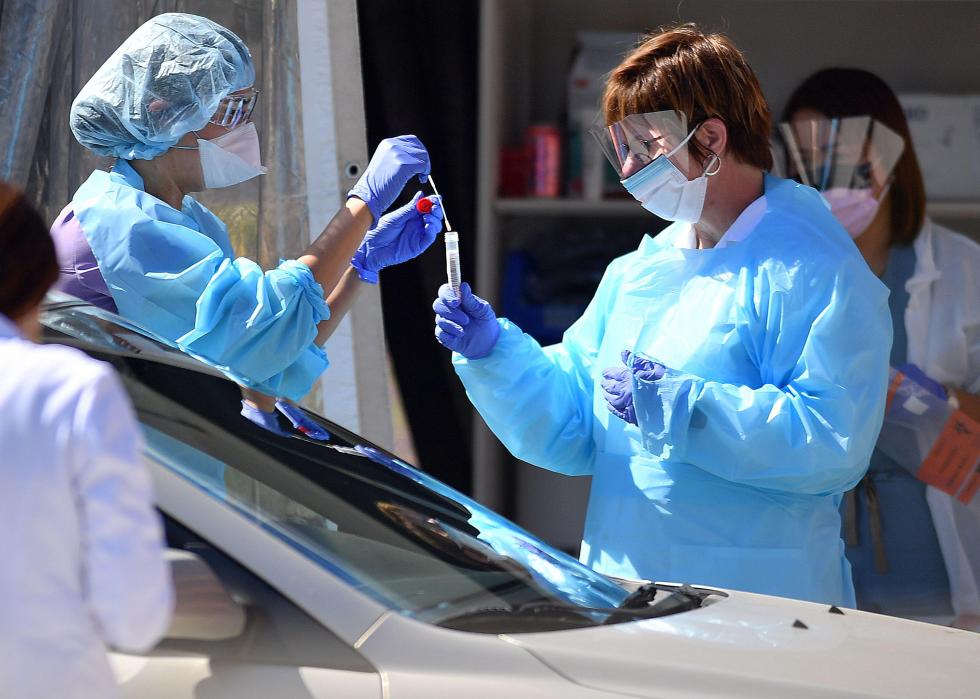
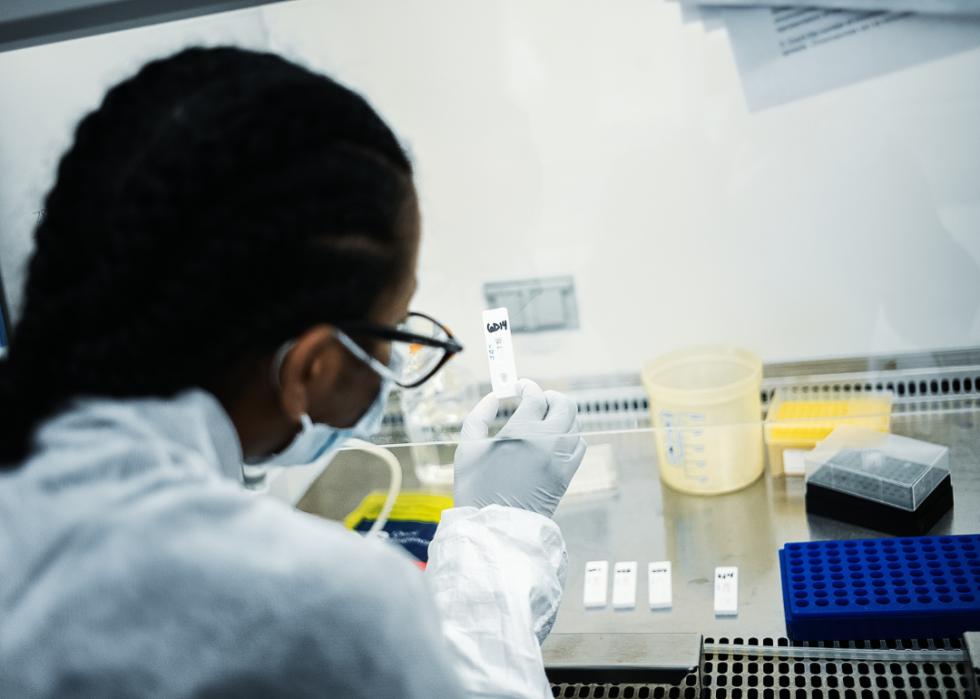
As Americans waited days鈥攁nd sometimes weeks鈥攆or the results of COVID-19 polymerase chain reaction (PCR) tests, some experts turned to antigen tests as a potential strategy for faster and cheaper mass testing. Antigen tests look for a specific piece of the coronavirus鈥 structure, rather than identifying its genetic material, which makes these tests quicker to run, but less precise, than PCR tests.
The Abbott Diagnostics antigen test from the Food & Drug Administration (FDA) in August. This test does not require any complex equipment and gets results in only 15 minutes. The Trump Administration , to be put to use as soon as Abbott could manufacture them.
Sept. 16, 2020: CDC releases vaccination playbook
Though some epidemiology experts called this timeline unlikely, the Trump Administration instructed state and local public health agencies to prepare for COVID-19 vaccine distribution in October or November. The provided logistical details about this potential release, from what supplies the CDC would send public health agencies to how vaccination data would be collected and reported.
Oct. 2, 2020: COVID-19 reaches the White House
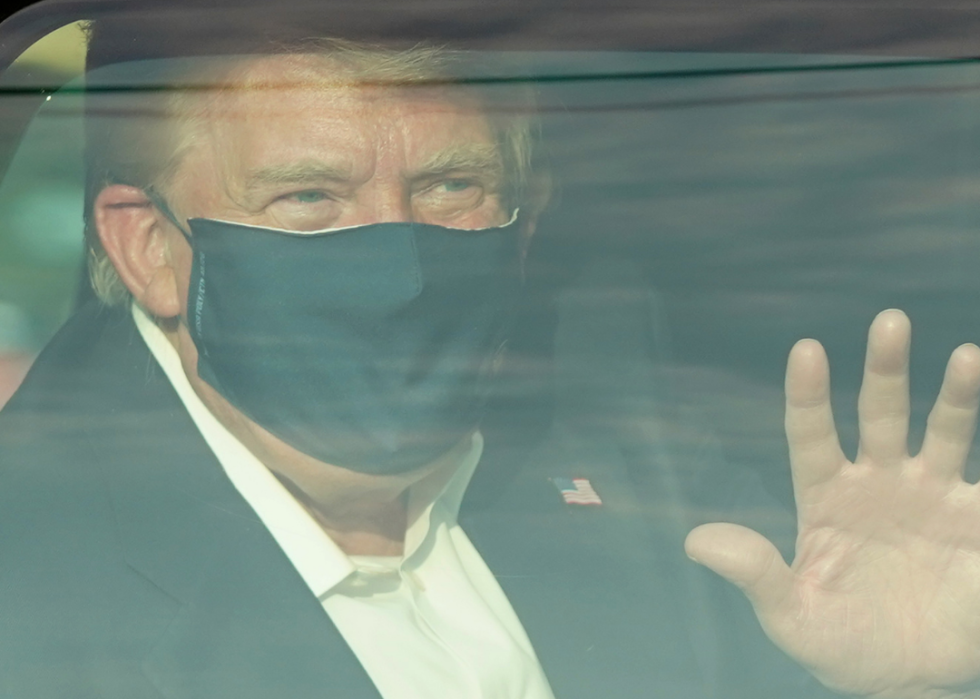
President Donald Trump announced on Oct. 2 that for COVID-19. That same day, Trump was admitted to Walter Reed National Military Medical Center, where he received the antiviral drug remdesivir and experimental COVID-19 treatments, including an antibody cocktail from the company Regeneron. He returned to the White House on Oct. 5, and on Oct. 10.
Meanwhile, the White House was linked to 38 other COVID-19 cases by Oct. 14, according to the , an independent visualization project compiling news reports on the outbreak. These cases included Trump Administration officials, high-profile politicians, and journalists in the White House press corps.
At the time Trump had COVID-19, the U.S. death toll had well surpassed 200,000 people.
Nov. 4, 2020: US passes 100,000 new cases in one day
On Nov. 4, state public health departments reported a total of 103,000 new COVID-19 cases鈥攁 national record for , according to the COVID Tracking Project. The nation continued to set records for the next three days, culminating in 128,000 new cases reported on Nov. 7. During the week of Nov. 1 to 7, approximately one in every 460 Americans was diagnosed with COVID-19.
Unlike previous COVID-19 outbreaks in the U.S., which were largely focused in one geographic region, this new surge of cases was reflected across the country.
Nov. 9, Nov. 16, 2020: Preliminary vaccine clinical trial data released
Pharmaceutical company Pfizer and its partner BioNTech announced on Nov. 9 that their in a large-scale clinical trial. The trial enrolled 44,000 participants, 94 of whom had been diagnosed with COVID-19 at the time that Pfizer conducted its preliminary analysis. The company's results showed that those who received the vaccine were 90% less likely to be diagnosed with the disease.
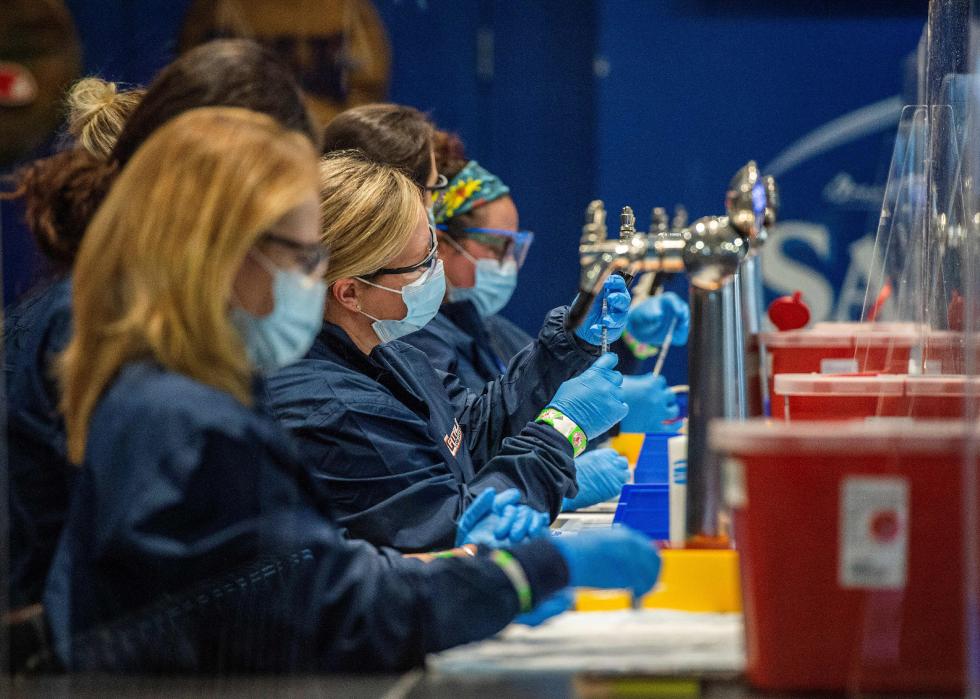
One week later, Moderna, the producer of another COVID-19 vaccine that uses similar technology to Pfizer's, announced its own preliminary results. In Moderna's trial, those who received this company's vaccine were with the disease. Both companies' results were considered to be very promising by public health experts who expected that a COVID-19 vaccine may only be 60% effective.
Dec. 8, 2020: Joe Biden announces 100-day plan to combat the pandemic
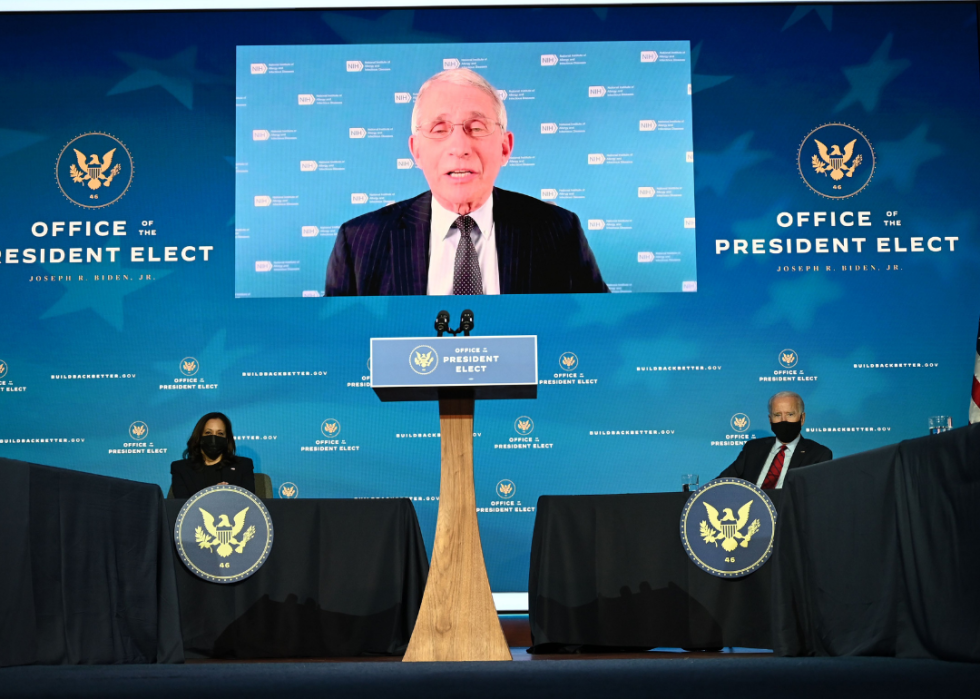
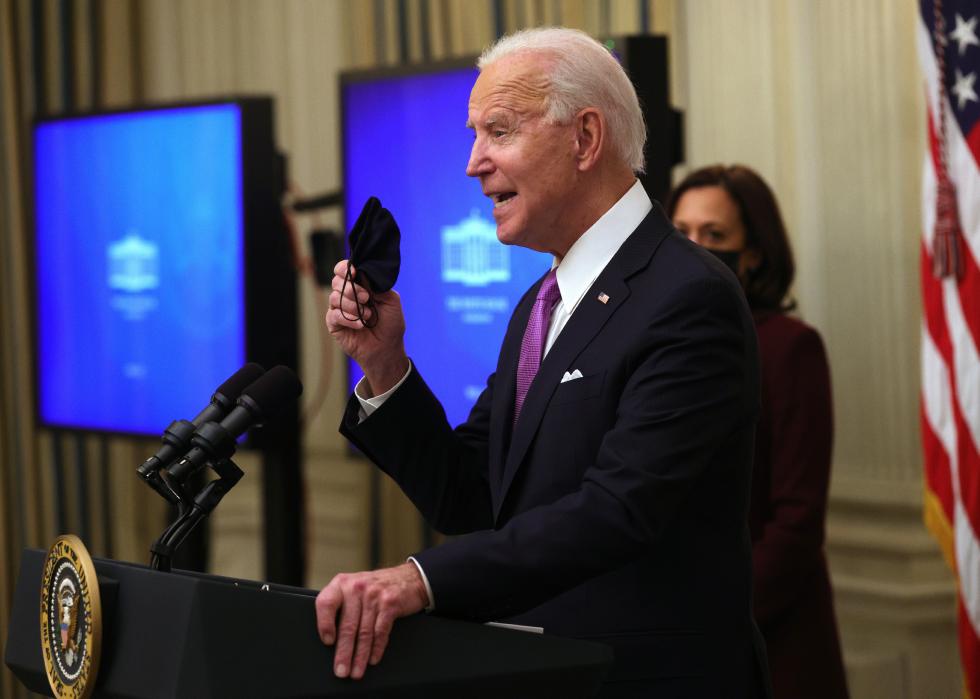
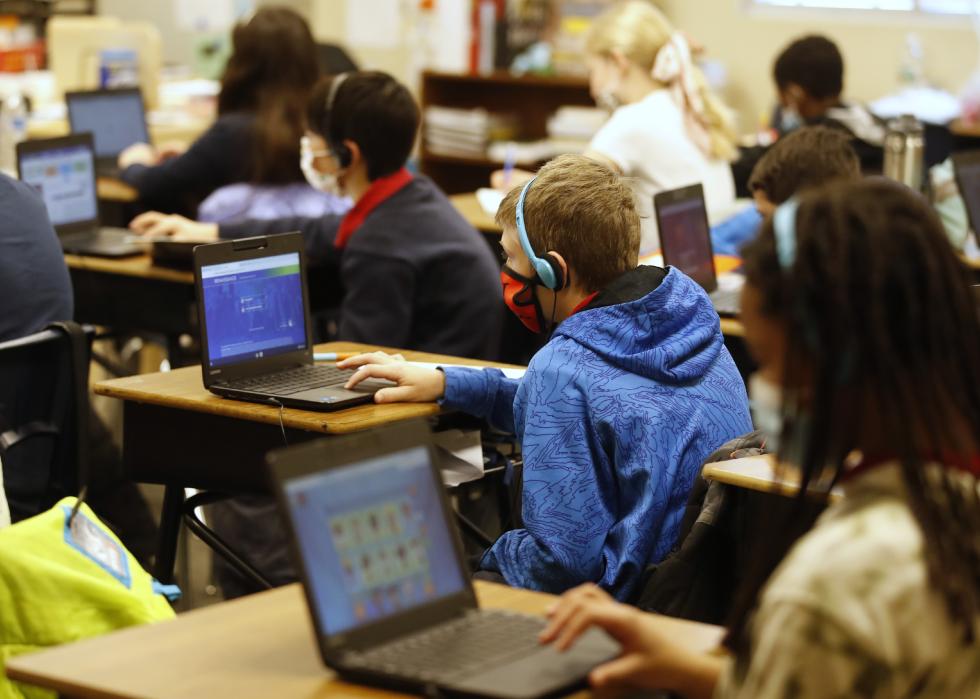
President-elect Joe Biden announced a upon entering office to tackle the COVID-19 crisis, focusing on masks, vaccinations, and reopening schools across the country. His plan included issuing a federal mask-wearing mandate and overseeing at least 100 million COVID-19 vaccinations during his first 100 days in office.
Dec. 11, 2020: FDA grants emergency authorization for Pfizer vaccine
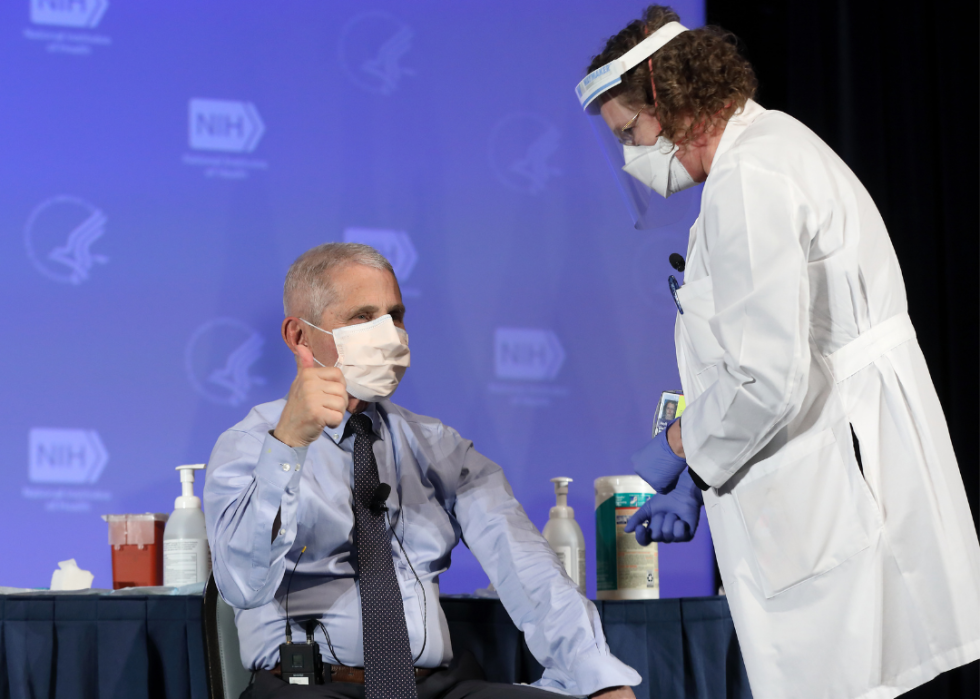
The FDA called a panel of outside experts to carefully consider all available scientific evidence and recommend whether the safety benefits of the new Pfizer-BioNTech vaccine outweighed the risks. On Dec. 10, that advisory panel met, discussed evidence, and voted to recommend that for all Americans aged 16 and over.
The next day, the FDA followed its committee's recommendation by officially . Moderna鈥檚 vaccine was up next.
Dec. 18: Emergency authorization for Moderna vaccine
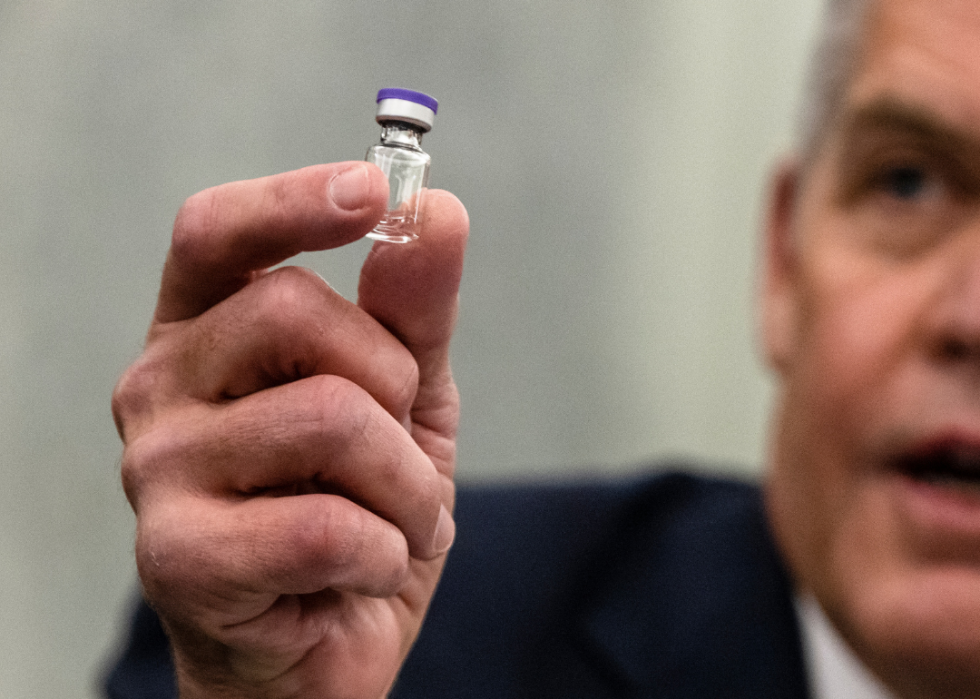
One week after the FDA granted Pfizer and BioNTech's COVID-19 vaccine Emergency Use Authorization, the agency granted authorization to Moderna's vaccine. Moderna's vaccine, like Pfizer's, uses 鈥攕pecially designed genetic material that triggers your body's immune system to prepare for an attack by the novel coronavirus without actually encountering the virus itself.
The two vaccines were both and appeared to reduce the risk of serious COVID-19 illness.
Dec. 27, 2020: Trump signs second stimulus package
Facing the prospect of another government shutdown, Trump signed the bill that Congress presented to him six days prior, which included federal funding for 2021 and another stimulus package for Americans. After initially opposing the bill and urging Congress to increase stimulus check payment amounts to $2,000, the president acquiesced and put into law a $900 billion stimulus package that would send $600 stimulus payments to eligible Americans, as well as add $300 to unemployment benefits and extend the benefits until March. The bill also for schools, transportation, vaccine distribution, rental relief, and additional funding for the Paycheck Protection Program.
Dec. 29, 2020: First B.1.1.7 case detected in the US
A , called the B.1.1.7 variant, was found in the U.K. in September of 2020. The variant had many similarities to the existing dominant coronavirus strain, and early research suggested that Pfizer and Moderna's vaccines should be effective in curbing illnesses it caused. However, the new variant was , making it a significant threat to the U.S. at a time when hospitals were already under strain with COVID-19 patients at an all-time high.
Jan. 19, 2021: US deaths reach 400,000 on Trump's last day
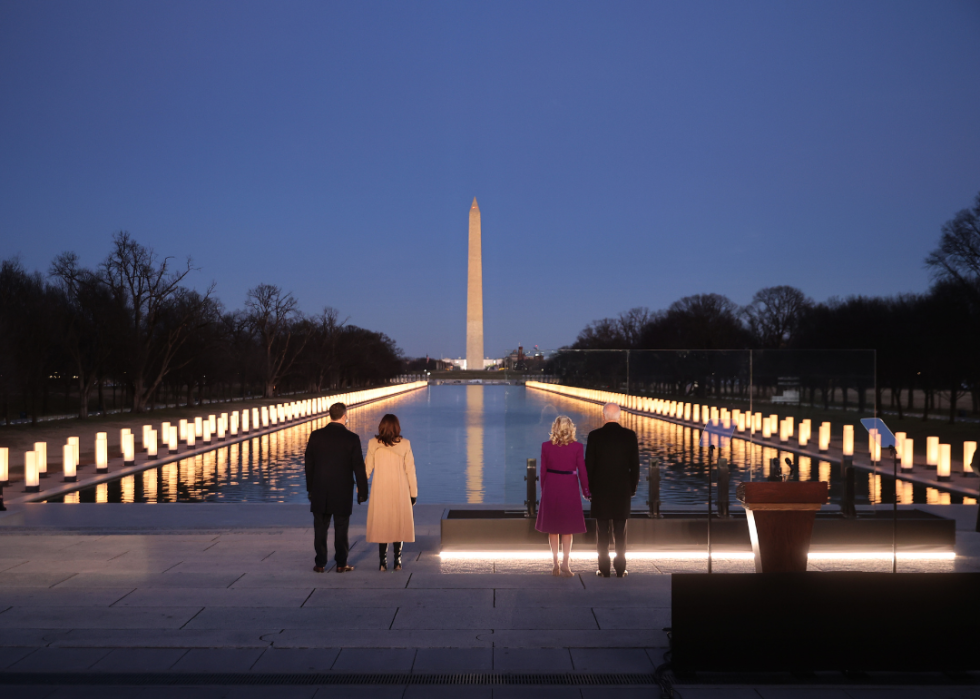
On President Trump's final full day in office, the death toll from the COVID-19 pandemic reached : more than the number of American casualties reported in World War II (and ). That evening, the deaths were memorialized with 400 lights placed at the Reflecting Pool outside the Lincoln Memorial. President-elect Joe Biden to remember the lost lives; his inauguration took place the next day.
Jan. 20-21, 2021: Biden takes office, issues executive orders
President Joe Biden wasted no time after his Jan. 20 inauguration ceremony. He signed in office, several of which related to the COVID-19 pandemic. He mandated masks and social distancing in federal buildings, set up a specific department to coordinate the federal response to the pandemic, rejoined the World Health Organization, and extended the moratoriums on foreclosures, evictions, and student loan payments.
Jan. 25, Jan. 28, 2021: New coronavirus variants from Brazil and South Africa reported in the US
Two new, more contagious variants of SARS-CoV-2 were detected in the United States in late January of 2021. The by way of a resident who had traveled to Brazil, while from South Africa had no history of travel to countries where the variant has been confirmed.
Jan. 29: Johnson & Johnson releases vaccine trial results
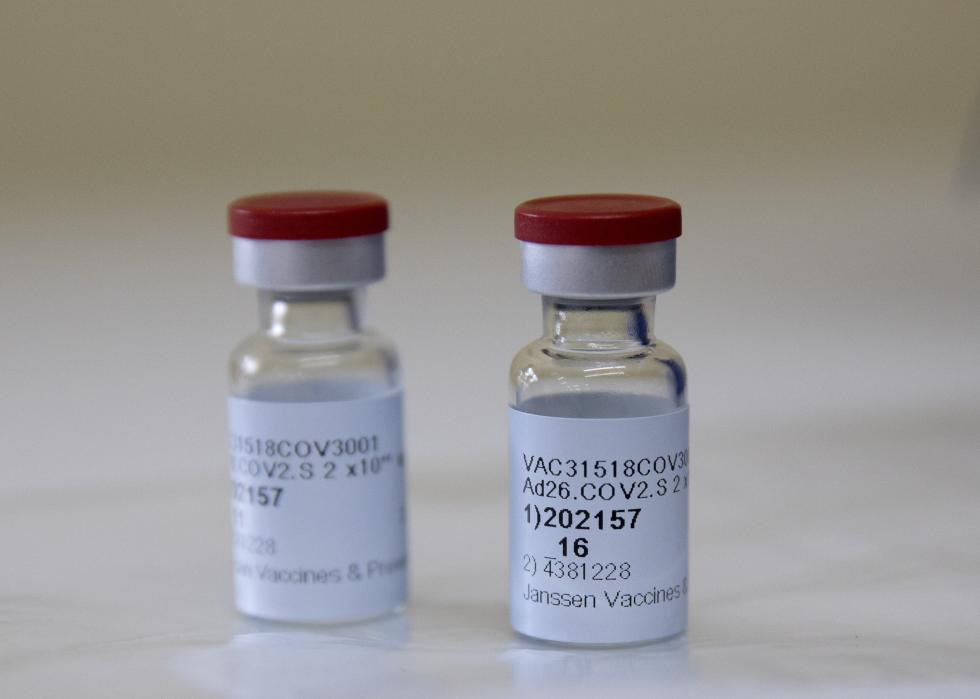
disappointed some experts with just a 66% effectiveness against moderate to severe COVID-19. These results varied by location, with effectiveness slightly higher in the U.S. (72%) and lower in Latin America (66%) and South Africa (57%). However, with only a single shot (as opposed to the Pfizer and Moderna vaccine's 2-shot series), the vaccine prevented serious disease progression鈥攈ospitalization or death鈥攚hich meant it could still find a place in the world鈥檚 overall pandemic response.
Feb. 1, 2021: More Americans vaccinated than tested positive
By the start of February 2021, in the U.S.鈥攎ore doses at the time than the number of people who had tested positive since the virus first reached the U.S. Just over 6 million people had already received both initial doses of their vaccinations by this date.
You may also like: History of vaccine mandates in the US
Feb. 9, 2021: WHO task force examines virus origins
The WHO task force investigating the origins of SARS-CoV-2 in China held a , announcing that they鈥檇 found no evidence that the virus jumped straight from bats to humans, or that it could have escaped from the virus lab in Wuhan. An intermediate carrier for the disease is currently the most likely hypothesis, though much more research is needed to confirm.
Feb. 12, 2021: CDC releases new guidance on school reopenings
Long-awaited guidance on school reopenings arrived on Feb. 12, 2021, when the CDC announced new, science-based strategies for determining . In general, the guidelines stated that depending on current community transmission rates, as long as they followed certain masking, social distancing, handwashing, cleaning, and contact tracing protocol.
You may also like: Here's how much K-12 enrollment dropped across the country in the 2020-21 school year
Feb. 21, 2021: 500,000 Americans dead from COVID-19
According to an NBC News tally, the U.S. reached a new milestone on Feb. 21: . Other trackers, such as Johns Hopkins and the CDC, hadn鈥檛 reached this milestone yet due to differences in accounting.
Feb. 27, 2021: Johnson & Johnson vaccine authorized by FDA
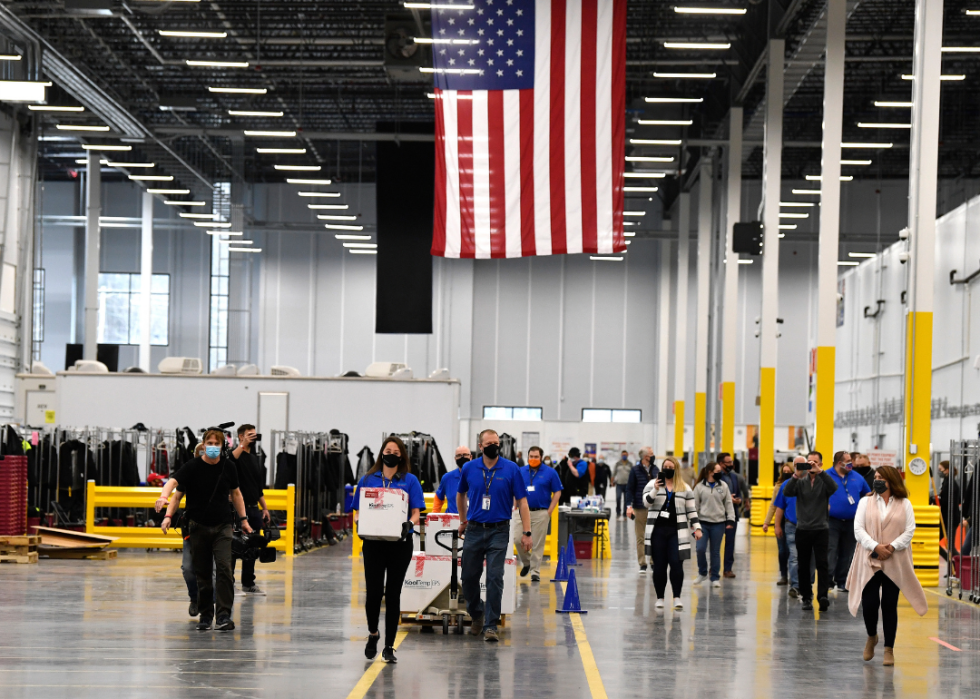
The U.S. added a third COVID-19 vaccine to its arsenal when the FDA gave Emergency Use Authorization to Johnson & Johnson. Nearly 鈥攖he first shown to prevent severe COVID-19 disease with a single dose鈥攚ere shipped out the next day, to be administered during the week of March 1.
March 2, 2021: States begin lifting mask restrictions, opening 100%
Multiple states in the first week of March related to COVID-19. Throughout the pandemic, some states including Alaska and Georgia resisted ever implementing statewide mask mandates.
June 1, 2021: The Delta variant becomes the dominant COVID-19 variant in the U.S.
The cites June 1 as the official date that the Delta variant became the most widespread, though some place the date later in the summer. The was believed to be nearly twice as contagious as the original alpha variant and more likely to hospitalize those who contract it, especially younger people. However, the original COVID-19 vaccines still proved relatively effective in preventing severe illness.
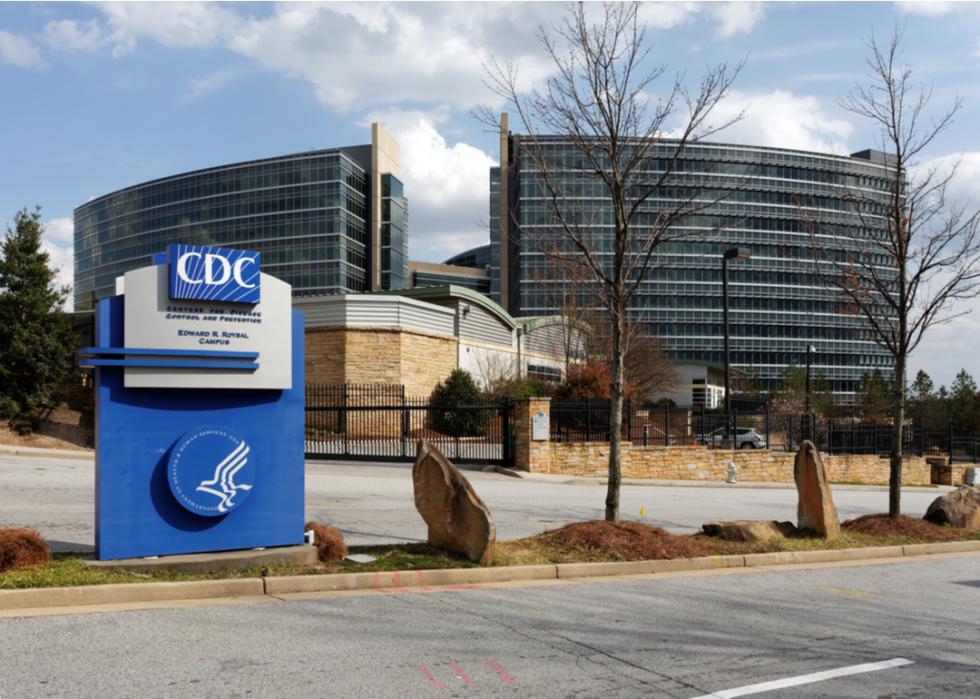
Aug. 18, 2021: The CDC announces a new Center for Forecasting and Outbreak Analytics
The received its initial funding via the American Rescue Plan and was 鈥渄esigned to advance the use of forecasting and outbreak analytics in public health decision making.鈥 It marked the U.S. federal government鈥檚 first public health forecasting center and was a step toward preventing future public health disasters like another pandemic.
October 2021: Global supply chain issues become a hot topic in anticipation of upcoming holidays
Though started almost immediately after the COVID-19 pandemic began, the onset of holiday shopping exacerbated already strained avenues. Everything from seemed to be missing from their usual places due to shipping backlogs, especially those products sent via cargo ship. Unfortunately, these issues have , causing the price of eggs to rise more than 50% and a baby formula shortage.
You may also like: Grocery items with the greatest price increase in April
Nov. 2, 2021: The CDC recommends that children aged 5-11 years receive the Pfizer pediatric vaccine against COVID-19
The decision made in the U.S. eligible for vaccination. It came as a relief to many parents who were apprehensive to send their children back to schools, where social distancing and mask rules were difficult to enforce or sometimes absent.
Nov. 29, 2021: The CDC recommends that anyone over 18 years old receive a booster six months after their final dose
Though this was not the CDC鈥檚 first recommendation that some people receive a COVID-19 vaccine booster, it was by far its . Previously, only those aged 65 and older or those who were immunocompromised were deemed eligible to receive a third dose of the vaccine. This decision stated that those over 18 who were fully vaccinated with either the Pfizer or Moderna COVID-19 vaccine 鈥渕ay鈥 get a booster and those over 50 鈥渟hould鈥 take advantage of the option.
Dec. 28, 2021: Omicron overtakes Delta as the dominant COVID-19 variant in the U.S.
Though the Omicron variant had been an issue in other countries, Delta remained the dominant variant in the U.S. until well into the winter. However, the two variants , with Delta still making up 77% of cases during the week ending on Dec. 18, but Omicron suddenly accounting for more than 58% of cases during the week ending on Dec. 25. Omicron is considered to be even more transmissible than Delta, but researchers believe it presents more mild symptoms.
January 2022: Record house-value growth reported during 2021
After nearly two years of living with the COVID-19 pandemic, the exodus from crowded urban areas to living spaces where individuals could enjoy more space both indoors and outdoors helped . The median sales price of a home increased 17%, the largest 1-year jump ever recorded. This resulted in typical homeowners gaining $50,000 worth in equity and typical homebuyers having to fork over the cash to buy property.
You may also like: How the housing market changed in 2021
Jan. 31, 2022: The FDA approves the Moderna COVID-19 vaccine to prevent COVID-19 in people age 18 and older
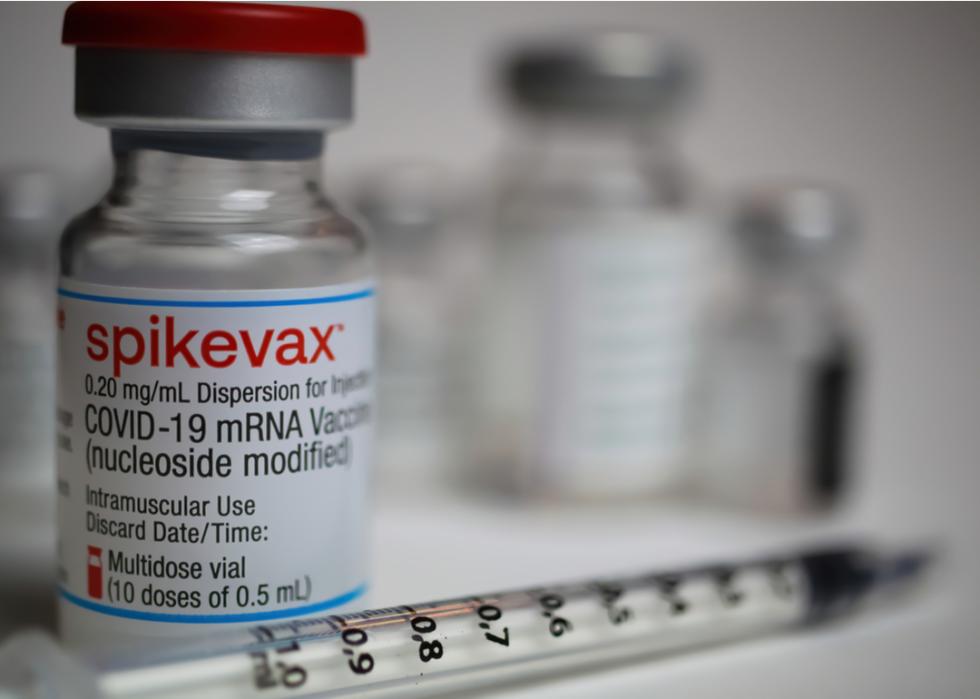
Though the , now called Spikevax, had previously received emergency approval from the FDA, its approval status was made official for use as a 2-dose series. The approval also allows Spikevax to be used as a third booster dose or as a 鈥渕ix-and-match鈥 dose with the Pfizer vaccine.
April 18, 2022: TSA declares it will no longer be enforcing mask mandates on airplanes
After a federal judge in Florida ruled that the Biden Administration鈥檚 , the mask mandate on airplanes was lifted. All major airlines quickly followed up on the ruling to make masks optional on their aircraft. The White House called the ruling 鈥渄isappointing鈥 and the CDC issued a statement continuing to recommend that passengers wear masks in indoor public transportation settings.
May 12, 2022: Biden marks 1 million COVID-19 deaths in the U.S.
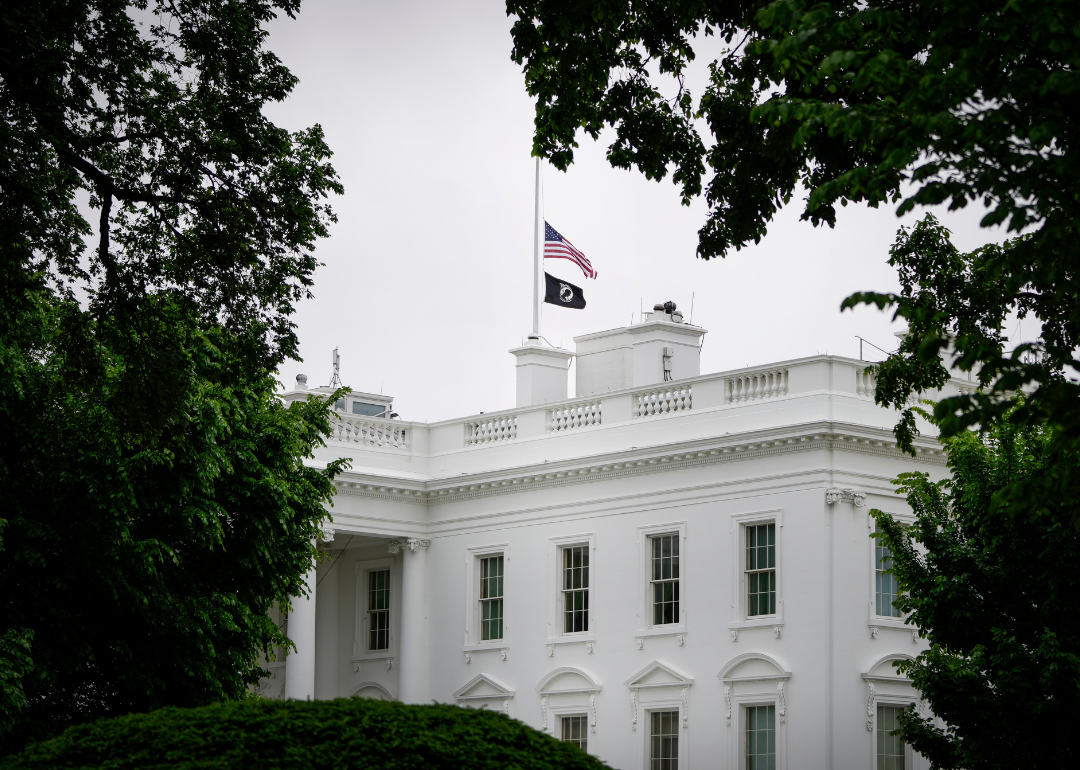
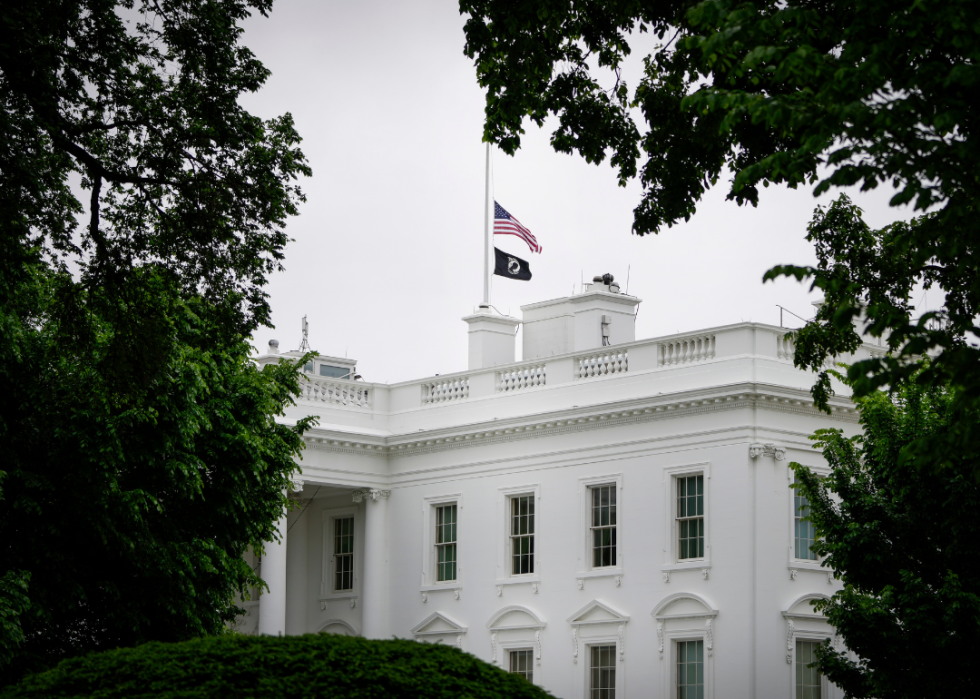
Though accounts vary as to when exactly the U.S. reached this grim milestone, May saw the country's one-millionth death. on May 12, commemorating the 鈥渋rreplaceable loss.鈥 He also ordered all flags at the White House and federal public buildings to be until sunset on May 16.
You may also like: 8 long-haul symptoms of COVID-19