30 things that were once illegal in America
When it comes to the rule of law, the United States has often been regarded as being relatively lenient. While some countries have such rules as or preventing women from being able to drive (), America prides itself on its tenets of freedom.
But the American laws of today have in part been a result of trial and error鈥攚hether through the establishment of new amendments or the abolishment of rulings that the government later felt were archaic. Many today might find it hard to imagine they were even written into law in the first place. Using a variety of sources, 麻豆原创 found 30 things that were once illegal in America. Some have been widely publicized or featured prominently in history books while others may be more surprising.
Alcohol
From 1920 to 1933, the United States government . Religious members of government hoped the 18th Amendment would promote temperance and believed its passing to be a moral victory. But the rise in bootleg spirits and a gang violence led to the repeal of the 18th鈥攁nd ratification of the 21st Amendment鈥�13 years later.
Interracial marriage
Interracial marriage and sex, known as miscegenation, since before the United States was established as a country. But in 1967, anti-miscegenation laws were deemed unconstitutional by the U.S. Supreme Court in the landmark Loving v. Virginia case. Today, marriages are more diverse than ever鈥�, nearly 17% of all U.S. newlyweds had a spouse of a different race or ethnicity.
Shopping on Sunday
Sunday laws, which are also known as , are laws which restrict activities on Sundays for religious reasons. They have been struck down and upheld all over the county since the 19th century. One of these to promote it as a day of rest. Though many counties opted out in this in the mid-1960s, it is still in effect in communities like .
Buying a 15.5-ounce beer
Before the 21st century, it was illegal for Floridians to buy any beers that were 15.5 ounces. "[a]ll malt beverages packaged in individual containers sold or offered for sale by vendors at retail in this state" to be "in individual containers containing only 8, 12, 16, or 32 ounces of such malt beverages." This was thought to be to either 鈥攚hose milliliter bottles didn't convert to whole numbers in the U.S.鈥攐r because it was easier for taxation. But this wording was erased in 2001.
Getting your fortune told
Several states used to have bans on fortune telling. In Nebraska, in which a man was charged with running an illegal fortune-telling business. The law was overturned after , but the law is still present in states such as Pennsylvania.
Birth control
Both married couples and single women were prohibited from using birth controlbefore 1965鈥攁nd in following years, it remained illegal in 26 states for unmarried women. The Supreme Court in Griswold v. Connecticut, and today "the pill" is used by each year; not to mention other hormonal and non-hormonal method).
Mocking someone for not agreeing to a duel
to get rid of some of Michigan's archaic, bizarre laws that were still in effect. One that was still on the books until 2015 was the in print against anyone who declines a duel challenge.
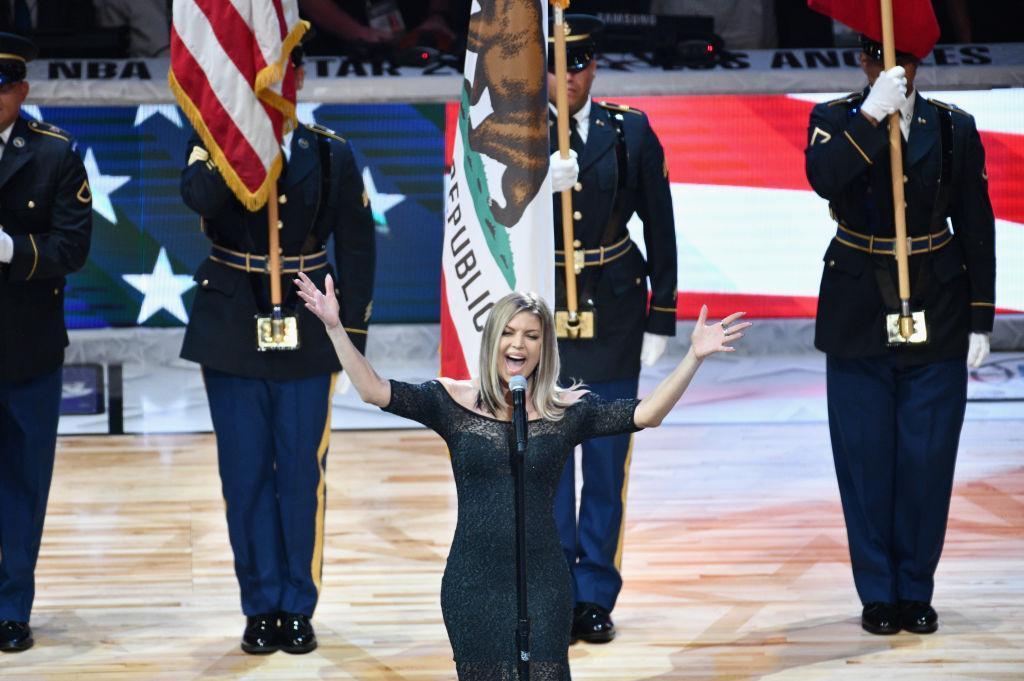
Dancing to the National Anthem
Another of these Michigan laws was that "The Star-Spangled Banner" " This was repealed in 2015.
Playing the National Anthem in public
Citizens also could not play the song in , including theaters, cinemas, and restaurants, without performing it in its entirety.
Putting your own spin on the National Anthem
Not only was dancing to the national anthem in Michigan illegal before 2015, but performing the song was as well.
Buying mini liquor bottles
Despite the fact that it's legal to drink from an open alcohol container in public in New Orleans, it was illegal in the state to buy or sell a 100 milliliter mini bottle of liquor until 2014.
Drinking on Election Day
In Kentucky, . whenever the polls were open for a general or primary election. This was because in the pre-Prohibition era, many parties and candidates would use alcohol as a way to buy votes. This law was .
Pinball
During World War II, the that was taking the focus away from fighting the war overseas. The game was banned in 1942, and more than . It wasn't until 1972 that the California Supreme Court ruled that the popular game was a skill-based game, not gambling, and the law was overturned.
Golfing on Sunday
New York's Blue Laws started to become less strict as the 20th century rolled on, was still regarded as a violation on Sundays until 1952.
Sunday football
It may be difficult to imagine a time in which football wasn't a precious weekend tradition. But in many states, , playing the beloved game on Sundays was outlawed until 1933.
Dancing
In New York, a "cabaret law" was used to ban dancing in an establishment that didn't possess a cabaret license鈥攚hich, , was possessed by fewer than 100 of the 26,000 bars and restaurants in the city. This law was ratified in 1926 as a means to shut down clubs in which black and white patrons danced together; it was .
Selling cold beer
In Oxford, Miss., . Afterward, however, , as many thought that selling warm or room temperature alcohol would deter drunk drivers by discouraging people from buying so much of it. In 2013, the city voted to strike down the law.
Integration
In 1896, set a precedent that said races were to be kept "separate but equal." But in , segregation between black and white people was deemed "inherently unequal" and the laws were overturned.
Assault weapons
During a 10-year period from 1994 to 2004, the Clinton administration banned the manufacture of certain semi-automatic firearms intended for civilian use that were defined as assault weapons or of "large capacity." This was called , but it hasn't been renewed since.
Chokeholds
Many cities around the country, including Los Angeles and New York City, banned chokeholds in 1980 after police caused a . This continued into the early 1990s, but then became mostly ignored until today. after police caused more deaths of men like Eric Garner, who was put into a police chokehold.
Witchcraft
The infamous outlawed any practice of witchcraft in the late 1600s, though technically the area was still a British Colony at the time. Although Americans have since stopped the practice of suspected witches at the stake, witchcraft wasn't recognized as a religion in government terms until the 1980s, in the case of Dettmer v. Landon.
Going to the circus on Sundays
The reach of the Blue Laws in New York State even , which wasn't allowed until the 1950s.
Voting as a woman
In the early 20th century, many women only had one goal in mind: to secure the right to vote. Most white men had enjoyed the privilege since the country was founded, and African-American men were allowed to vote in 1870 under the Fifteenth Amendment鈥攖hough they ; suffragettes campaigned for their voting rights until 1920 with the .
Voting under 21
Many American 18 year olds look forward to getting the right to vote, but before 1971, the voting age was 21. , was likely the result of backlash from the military draft for the Vietnam War, which included men from 18 to 21. "Old enough to fight, old enough to vote" was a main slogan for the movement. It was the quickest Amendment to be ratified.
Sexual acts outside procreation
In many states, well into the 20th century. In fact, the U.S. Supreme Court upheld sodomy laws in Bowers v. Hardwick in 1986. But as awareness of sexuality and the LGBTQ rights movement gained strides at the turn of the century, many states did away with these laws. Then, in 2003, the Supreme Court struck down sodomy laws in the 14 states that remained in Lawrence v. Texas.
Being a Communist
During the height of the in 1954, the U.S. government under President Dwight D. Eisenhower . When hostility began to die down in the 1960s, the Supreme Court worked to try to undo this legislation. Today, the Communist Party of the U.S. exists and puts forward candidates for elections.
Government employees doing crosswords
t barred government employees from accepting money for speeches or events. The law was oddly broad, however, and banned them from acts including writing crossword puzzles or ; the in 1995.
Toplessness
Before 1936, it was illegal for men to be topless鈥攖hey were on the beach. Until recently, women were banned from being topless in public, but because of sex discrimination laws and the growing women's rights movement, have allowed women what activists recognize as "topfreedom."
Adultery
Cheating on one's spouse was illegal in most states until the mid-1950s, but as of 2017, it still . Prosecutions, however, are few and far-between. Today, the Los Angeles Times that "somewhere between 19% and 23% of men, and 14% to 19% of women report being unfaithful at some point in their marriage."
Swearing in public
Despite America's pride when it comes to freedom of speech, some states have had laws against the use of foul language in public, arguing that it could lead to inciting violence. States' bans on the use of profanity have often been ruled unconstitutional鈥攍ike in was struck down in 2011. But the state of Virginia has still upheld its law against in public.