How to support your mental health after a natural disaster
How to support your mental health after a natural disaster
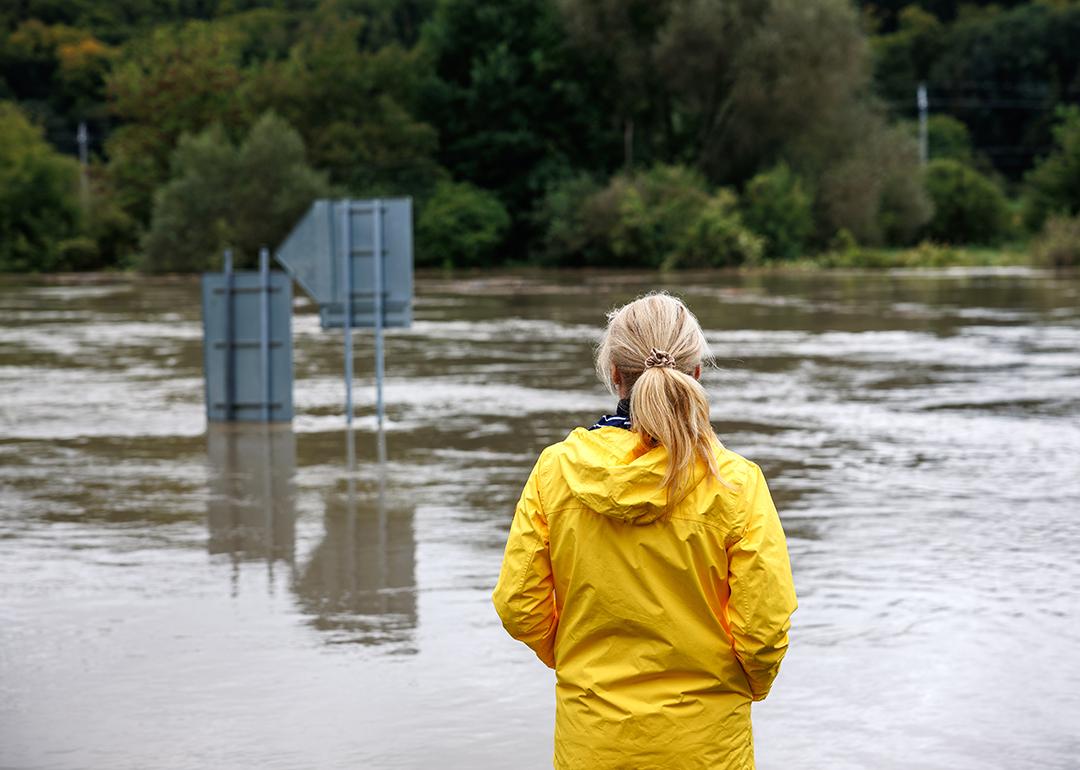
Natural disasters can create a devastating loss of property, community, and life. Floods, hurricanes, earthquakes, wildfires, tsunamis, and more can leave you feeling hopeless, scared, and like nothing will ever be the same.
For some people, these feelings will fade in time as they work to rebuild their lives. But for others, the trauma of natural disasters can have long-lasting effects. Fortunately, with the right support, healing is possible. shares several ways to strengthen your mental health after a natural disaster.
Key Takeaways
- Mental health concerns like anxiety, depression, and PTSD are common in the aftermath of natural disasters.
- For some people, these symptoms are temporary. But for others, surviving a natural disaster can have serious, long-term effects on their mental health.
- If you鈥檙e having trouble coping with the effects of a natural disaster, don鈥檛 hesitate to ask for help. A therapist can help you process your feelings, navigate grief, and learn new ways to manage stress in difficult times.
Effects of natural disasters on your mental health
Like other forms of trauma, natural disasters can create both short- and mental health challenges.
Short-term effects of natural disasters
- Increased
- Anger or
- Feelings of hopelessness or sadness
- Fatigue
- Appetite changes
- Feeling numb
- Social isolation
- Feeling like no one understands what you鈥檙e going through
- Unexplained physical aches and pains
- A loss of interest in activities you used to enjoy
In addition, people may develop symptoms of mental health concerns like , , and (PTSD) following a natural disaster. While depression and anxiety typically fade in the months after the event, PTSD persists for longer periods of time.
Long-term effects of natural disasters
- symptoms, like flashbacks, nightmares, sleep disturbance, acute anxiety, physical aches and pains, and more
- Persistent , , and (SUDs)
- Developmental and social delays in children
- Increased risk of , especially for those with a pre-existing mental health concern*
*A note on safety: If you鈥檙e having thoughts of harming yourself, don鈥檛 hesitate to ask for help. You can contact the by dialing 988 from any phone. Their counselors will provide confidential support and resources to help keep you safe.
It鈥檚 important to remember that surviving a natural disaster doesn鈥檛 automatically mean that you鈥檒l develop a mental health concern. However, you if you:
- Experience multiple natural disasters
- Have a history of mental health concerns
- Were previously exposed to other forms of trauma
- Live in a climate where you鈥檙e frequently exposed to high temperatures
- Don鈥檛 have a strong support network
- Were assigned female at birth
- Experienced extensive damage to your personal property
- Live in a community that doesn鈥檛 receive adequate post-disaster relief
- Experience lengthy delays in returning to a sense of normalcy
Ways to heal after a disaster
Millions of people can endure the exact same traumatic event. But that doesn鈥檛 mean that they鈥檒l all experience it in the same way. So remember, in the aftermath of a natural disaster, all reactions are valid. It鈥檚 OK if you respond differently than others in your community. What鈥檚 most important is that you honor your experiences and use the coping strategies that work for you.
You can use to help you navigate stress, anxiety, and other mental health challenges after an extreme weather event.
- Take care of your physical health. While it can be challenging, taking care of your body can help keep your mental health strong. Do your best to get enough , eat a , and make time for .
- Monitor your substance use. It might be tempting to use substances like drugs or alcohol to dull uncomfortable feelings during this time. But this can have the opposite effect and might make things feel worse. Also, pay attention to how much caffeine you鈥檙e drinking, as this can exacerbate anxiety.
- Manage your stress level. You might not be able to totally remove stress from your life right now, and that鈥檚 OK. Just try to do things that help you manage it in healthy ways: , go for a walk, do some stretching, or listen to your favorite music or podcast.
- Make time for fun. It may feel strange to think about having fun in the aftermath of a disaster. But finding small moments of joy might help you feel better. It could be something as simple as watching a funny video on your phone, playing a card game with your family, or reading a book with your child.
- Balance your news intake. When disaster strikes, it鈥檚 important to stay informed, especially if there may be other weather events. However, spending too much time absorbing negative information about the disaster can take a toll on your mood.
- Connect with others when you feel ready. Natural disasters can be devastating experiences. But they can also . Spending time with your friends, family, or neighbors, or volunteering for local relief efforts can help you feel less alone.
- Have patience with yourself. Recovering from a disaster can take months or years. Some days you might feel hopeful, and other days you might feel devastated. Have patience with yourself and practice as you heal, remembering that everyone has their own timeline.
- Ask for help. Whether it鈥檚 been a day, a week, a month, or a year or more since you experienced a natural disaster, it鈥檚 OK to ask for help. Therapists can provide short-term support for increased stress or ongoing care for serious trauma-related concerns like PTSD.
Clinician's take
鈥淭herapy helps people stay informed while setting boundaries on news consumption to prevent overwhelm. It鈥檚 okay to take breaks from the news to protect your peace and focus on what you can control,鈥� says Brandy Chalmers, LPC.
was produced by and reviewed and distributed by 麻豆原创.