Countries with the lowest income inequality
Income inequality, which refers to how uneven income is distributed among a population, is no small problem today: The United Nations says live in countries where this kind of inequality has risen. Still, some societies have become more equal than others, and to demonstrate this, used data from the to compile a list of 30 countries with the lowest income inequality. This measure is based on the lowest share of pre-tax income earned by the top 1% (i.e., the individuals in the top 1% earn a salary closest to what individuals would earn if there was "perfect income equality"), with ties broken by the share of income held by the bottom 50%.
To help put the share of pre-tax income earned by the top 1% and bottom 50% in perspective, we considered "perfect income equality," in which every individual adult would earn the same income. In a country with perfect income equality, for example, the top 1% would earn exactly 1% of all income, and the bottom 50% would earn exactly 50% of all income.
While many nations are getting closer to perfect income equality, none have achieved this yet. The United States, for instance, has a long way to go: It's the 52nd country with the most income inequality in the world based on this ranking. Even when income distribution appears relatively even, inequities of opportunity still abound and can ultimately impact economic circumstances in personal and collective ways.
Read on to see which countries have more equal societies, the factors that contribute to that outcome, and some of the disparities that still exist.
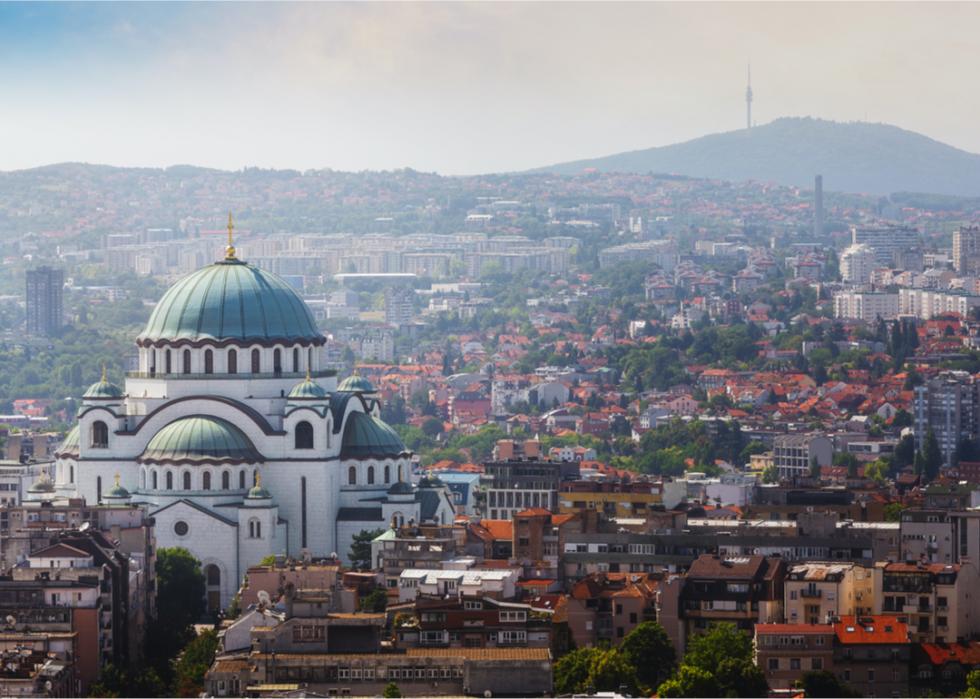
#30. Serbia
- Share of pre-tax income earned by the top 1%: 10.9%
--- 9.9% more than perfect income equality
- Share of pre-tax income earned by the bottom 50%: 17.8%
--- 32.3% less than perfect income equality
Unemployment is high in this Balkan country, and many who do work receive wages that are . So many Serbians leave the country to find better opportunities that the government has said it's Remittances from people who send money back home help reduce poverty rates and so can government benefits, but Serbians still faced the risk of poverty in 2020.
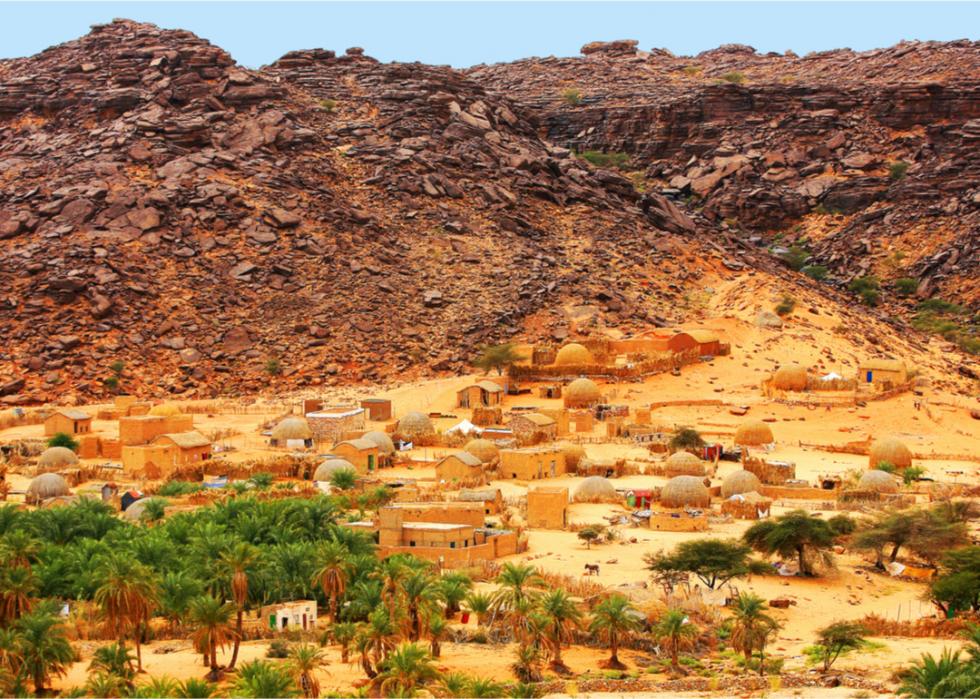
#29. Mauritania
- Share of pre-tax income earned by the top 1%: 10.8%
--- 9.8% more than perfect income equality
- Share of pre-tax income earned by the bottom 50%: 16.8%
--- 33.2% less than perfect income equality
Mauritania, a largely desert nation in West Africa, is . Most of the population relies on , but their economic circumstances are made all the more difficult by recurring droughts, political instability, and bad governance. (The country's former president was arrested in June 2021 while in office.) While social assistance spending is one of the highest in its region, .
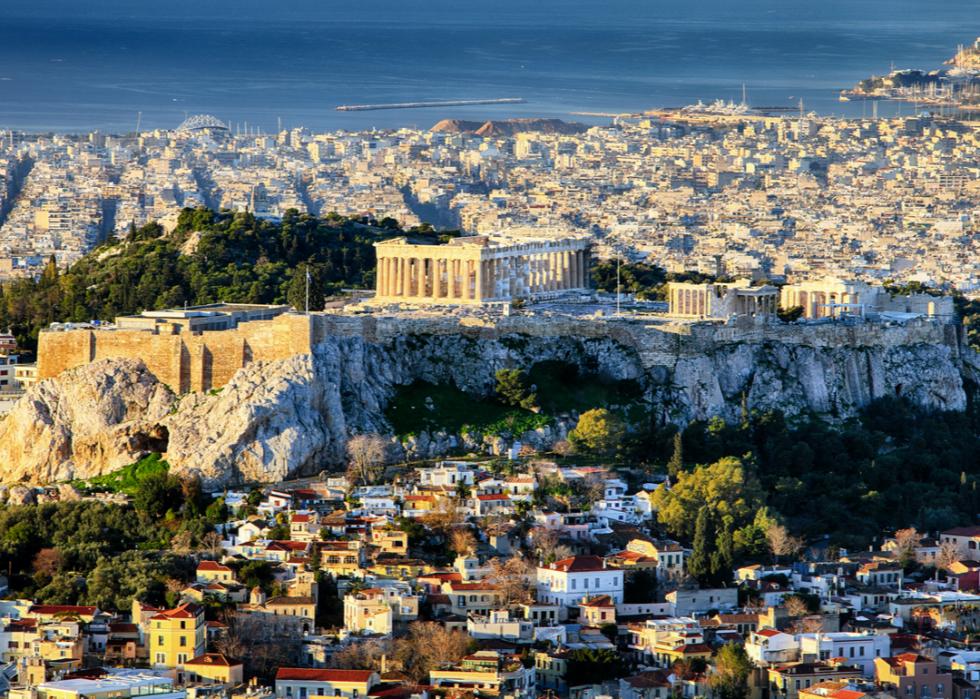
#28. Greece
- Share of pre-tax income earned by the top 1%: 10.7%
--- 9.7% more than perfect income equality
- Share of pre-tax income earned by the bottom 50%: 21.0%
--- 29.0% less than perfect income equality
Greece's reforms of its social welfare system, which benefit, have helped reduce income inequality. Nonetheless, Greece's poverty rate is , and women and households with children are among the most vulnerable. Even more, the country still has high unemployment, especially among the youth.
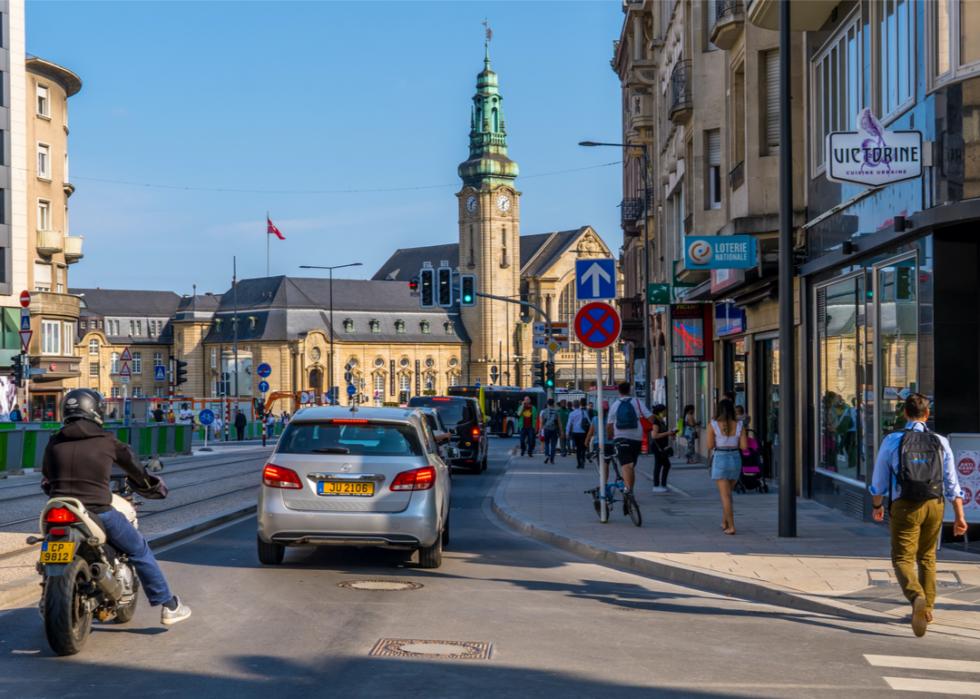
#27. Luxembourg
- Share of pre-tax income earned by the top 1%: 10.4%
--- 9.4% more than perfect income equality
- Share of pre-tax income earned by the bottom 50%: 20.2%
--- 29.8% less than perfect income equality
help close gaps in income and reduce poverty in this European country, which is the wealthiest nation in the world, based on the gross domestic product (GDP) per capita in 2021. A less desirable distinction is that Luxembourg has one of the . Non-EU employees are more likely to find themselves working but poor compared to natives.
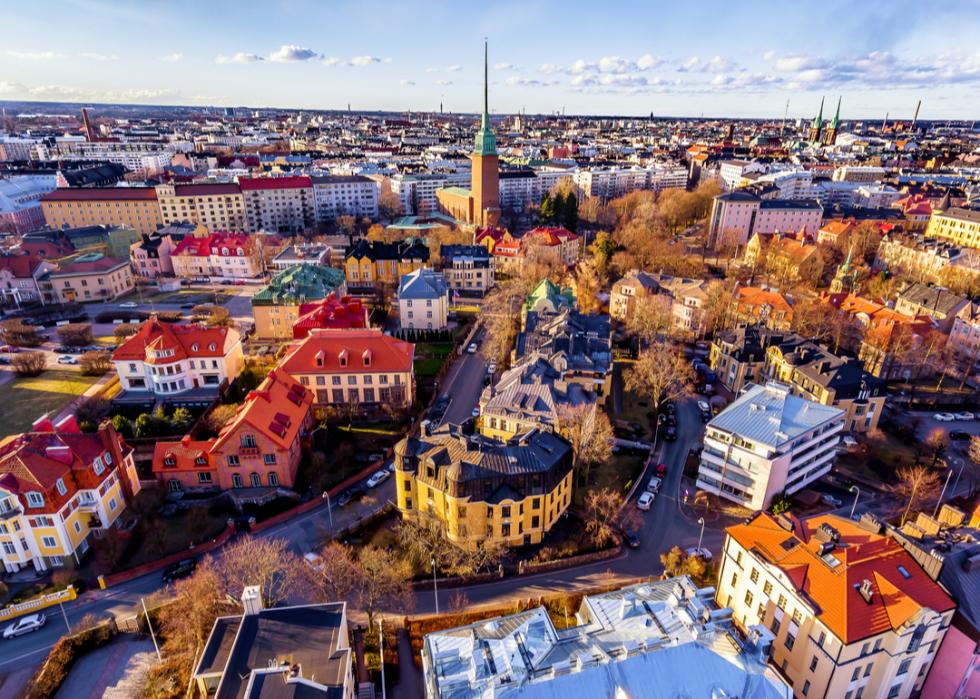
#26. Finland
- Share of pre-tax income earned by the top 1%: 10.3%
--- 9.3% more than perfect income equality
- Share of pre-tax income earned by the bottom 50%: 21.7%
--- 28.3% less than perfect income equality
The Nordic welfare state helps level incomes through a that includes benefits for unemployment, sickness, and disability. Still, not everything's egalitarian in the place that a UN initiative has consistently described in the world. "The general level of health and wellbeing of Finns has improved continuously," the , "but the distribution of health and wellbeing among the population is becoming increasingly unequal."
#25. Croatia
- Share of pre-tax income earned by the top 1%: 10.2%
--- 9.2% more than perfect income equality
- Share of pre-tax income earned by the bottom 50%: 18.4%
--- 31.6% less than perfect income equality
Croatia's economy in the European Union, and for a country that , the economic pain of the COVID-19 disruption has been collectively shared. of Croatian households reported an annual reduction in overall income in 2020. Social assistance programs in this country, where many of its citizens are seeking prosperity outside its borders.
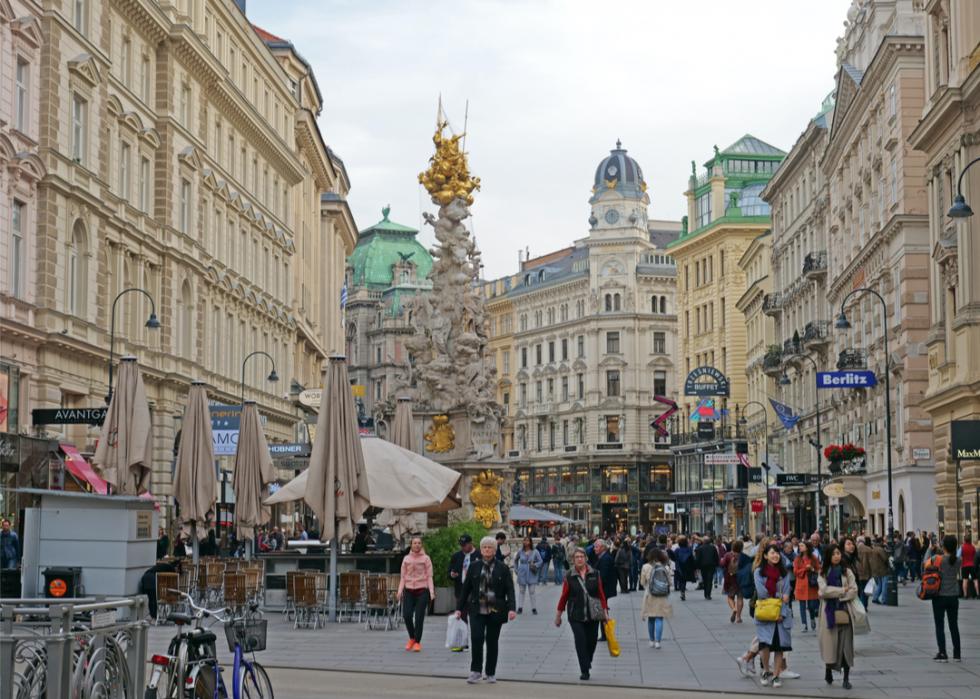
#24. Austria
- Share of pre-tax income earned by the top 1%: 10.1%
--- 9.1% more than perfect income equality
- Share of pre-tax income earned by the bottom 50%: 22.0%
--- 28.0% less than perfect income equality
Austria's in reducing income inequality, and the government offers free education, public transportation, and publicly funded health care. Though it's , poverty is still a scourge. More than men, and the as well.
#23. Czech Republic
- Share of pre-tax income earned by the top 1%: 10.0%
--- 9.0% more than perfect income equality
- Share of pre-tax income earned by the bottom 50%: 25.5%
--- 24.5% less than perfect income equality
The of this country, which also goes by the name , helps minimize income disparities. However, , and most of the afflicted are "roofless" due to a problem the country is actively addressing: indebtedness. There are also , and those who face a higher risk of poverty include people with disabilities and Roma communities.
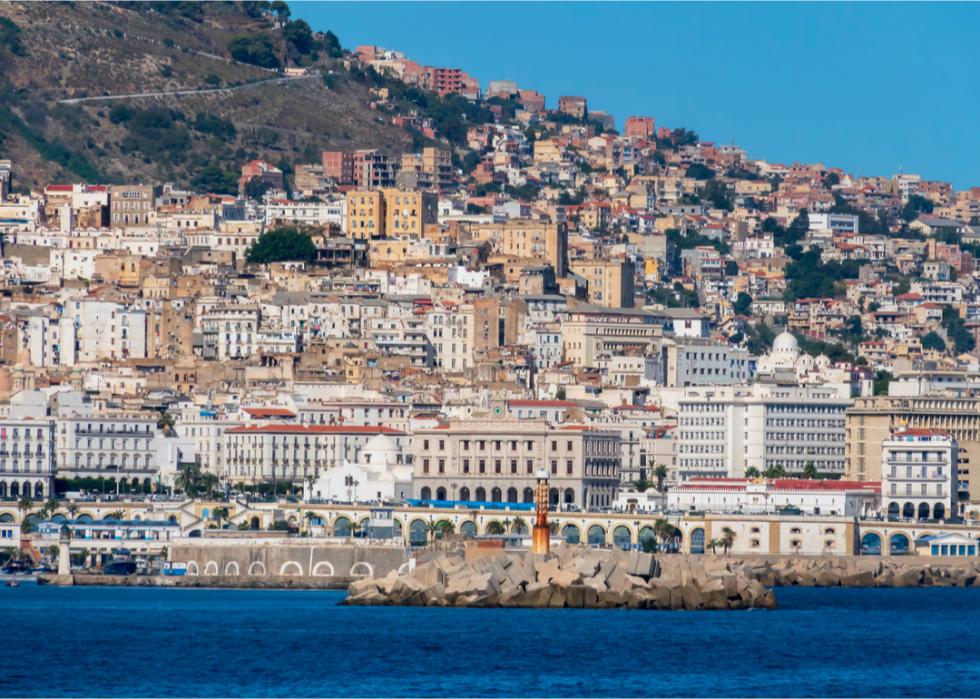
#22. Algeria
- Share of pre-tax income earned by the top 1%: 9.9%
--- 8.9% more than perfect income equality
- Share of pre-tax income earned by the bottom 50%: 19.0%
--- 31.0% less than perfect income equality
in this nation, which is rich in oil and gas. Reuters reports actually account for 60% of Algeria's state budget and 94% of total sales abroad. That lack of economic diversification is catastrophic when prices drop. Among the other challenges facing Algerians is a dismally .
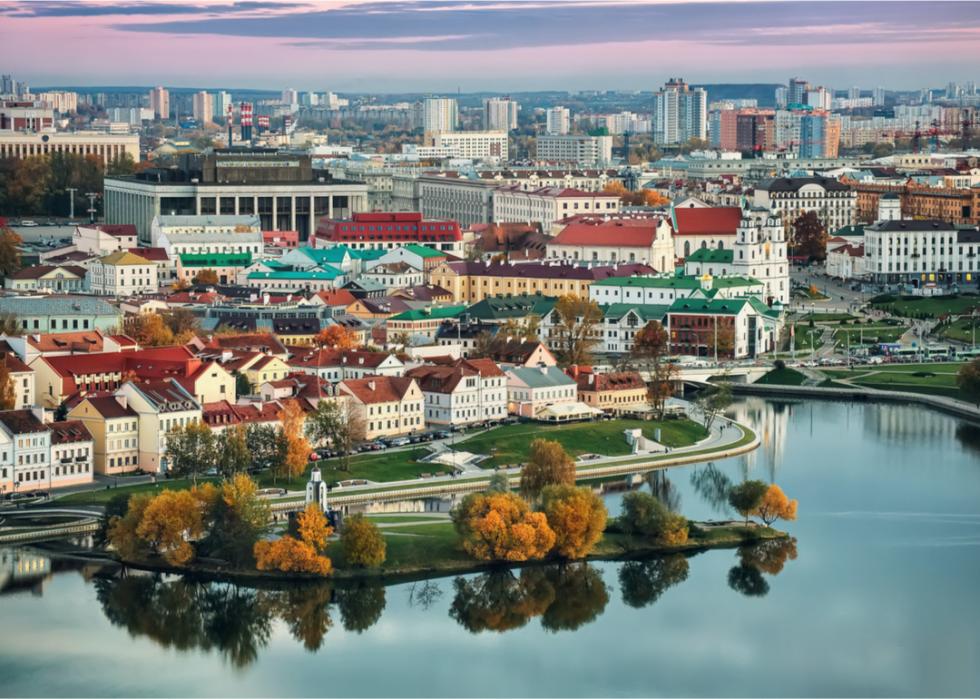
#21. Belarus
- Share of pre-tax income earned by the top 1%: 9.9%
--- 8.9% more than perfect income equality
- Share of pre-tax income earned by the bottom 50%: 22.5%
--- 27.5% less than perfect income equality
contain income inequality and poverty in this former Soviet republic. Another contributor: key sectors are . However, while the entire country experiences life under a repressive regime run by Alexander Lukashenko, who is often referred to as the there is an across Belarusian regions.
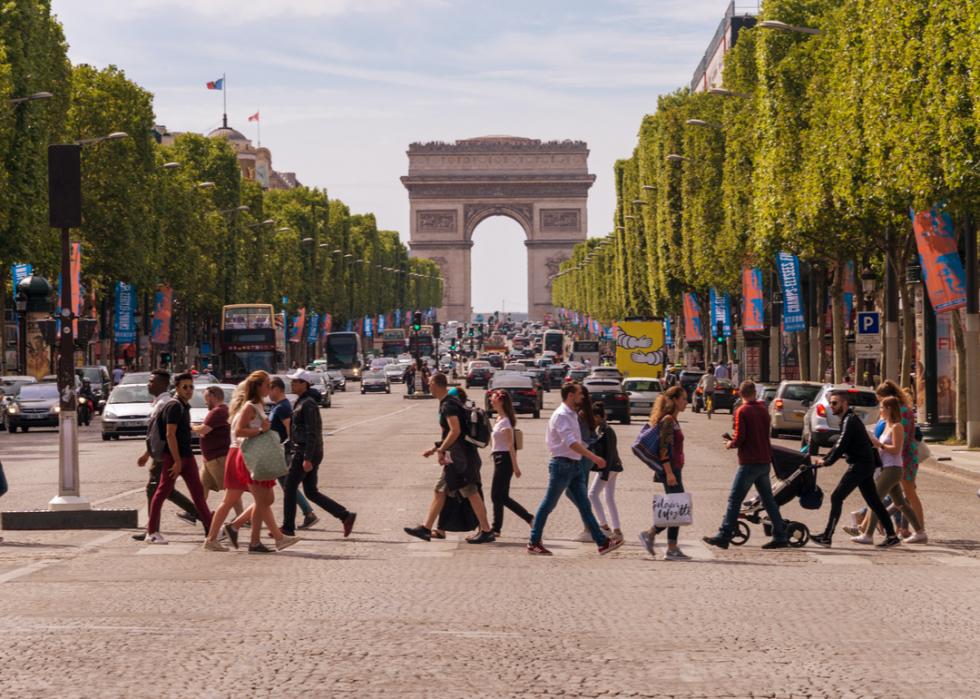
#20. France
- Share of pre-tax income earned by the top 1%: 9.9%
--- 8.9% more than perfect income equality
- Share of pre-tax income earned by the bottom 50%: 22.7%
--- 27.3% less than perfect income equality
help pay for that largely enable France to uphold the economic interpretation of its . Nonetheless, is a problem鈥攅specially for people with migrant backgrounds鈥攁nd financial frustrations were a root cause of .
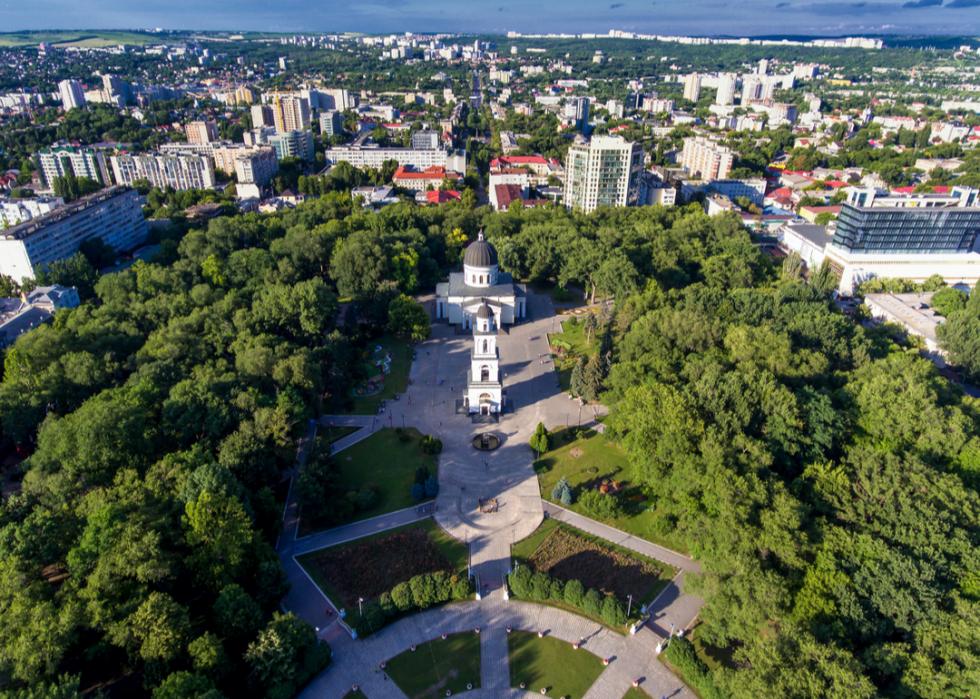
#19. Moldova
- Share of pre-tax income earned by the top 1%: 9.9%
--- 8.9% more than perfect income equality
- Share of pre-tax income earned by the bottom 50%: 18.2%
--- 31.8% less than perfect income equality
This former Soviet republic help many lower-income residents get by, but critics say and leaves families with multiple children vulnerable to poverty. Personal remittances from Moldovans who have sought work elsewhere also help those back home鈥攊n fact, remittances accounted for .
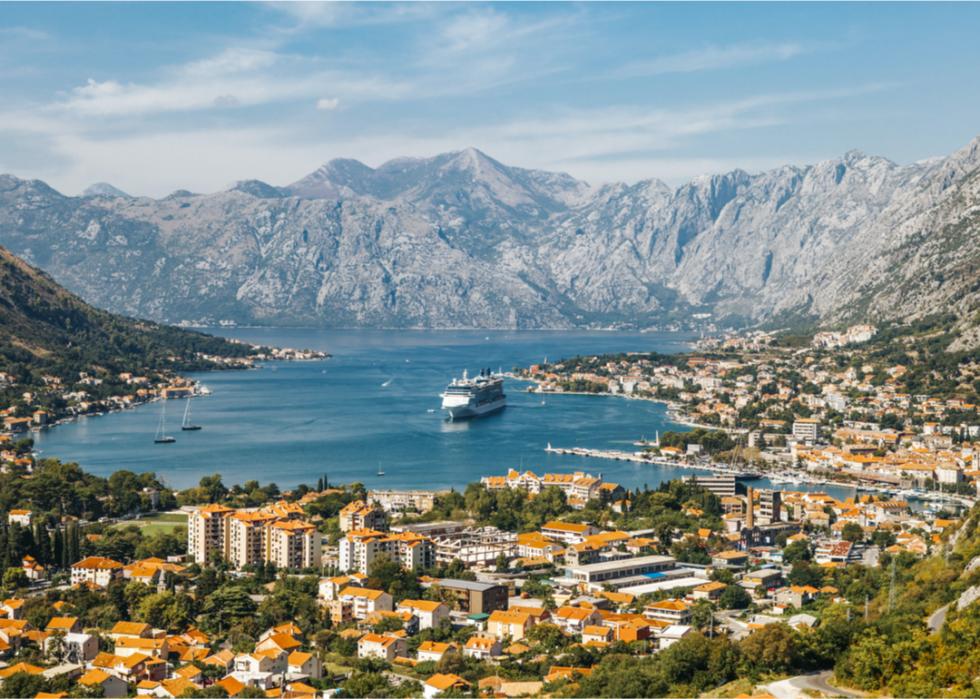
#18. Montenegro
- Share of pre-tax income earned by the top 1%: 9.8%
--- 8.8% more than perfect income equality
- Share of pre-tax income earned by the bottom 50%: 16.4%
--- 33.6% less than perfect income equality
Increases in in the public sector could be behind the income growth and poverty reduction in this country that gained its independence in 2006. Still, poverty remains a problem, especially for . In addition, the country's has a significantly higher risk of poverty than its central region, and the risk is also much higher for residents in .
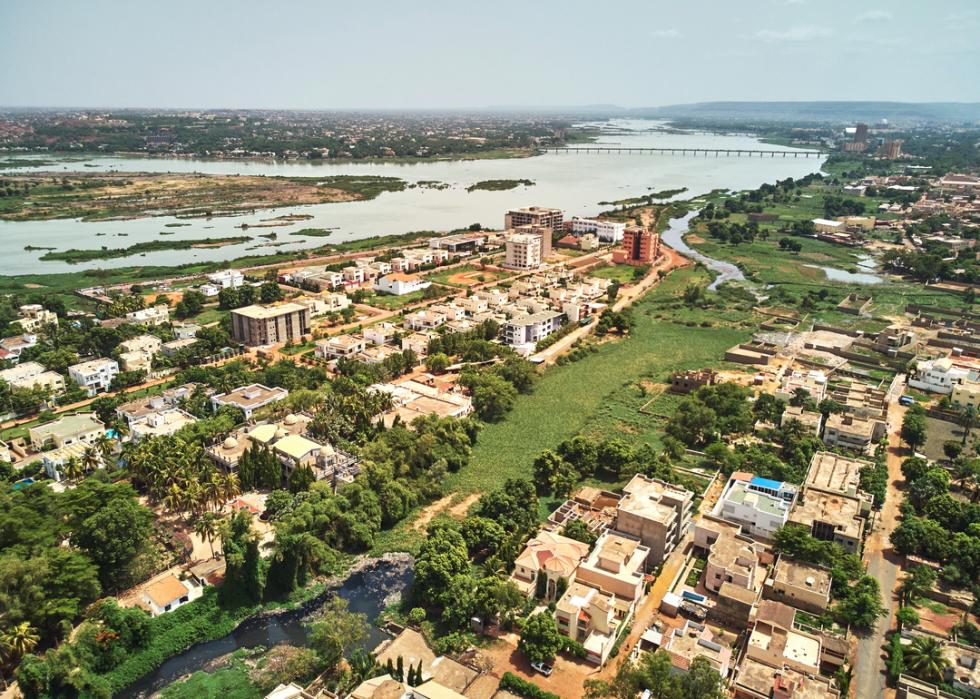
#17. Mali
- Share of pre-tax income earned by the top 1%: 9.7%
--- 8.7% more than perfect income equality
- Share of pre-tax income earned by the bottom 50%: 16.3%
--- 33.7% less than perfect income equality
Residents of this West African country live with political instability, a high poverty rate, and a largely dependent on . Most of Mali's poorest live in the densely populated rural areas in the south, and an estimated 78% of Malians are not covered by a . The income inequality that is present in the country largely exists in .
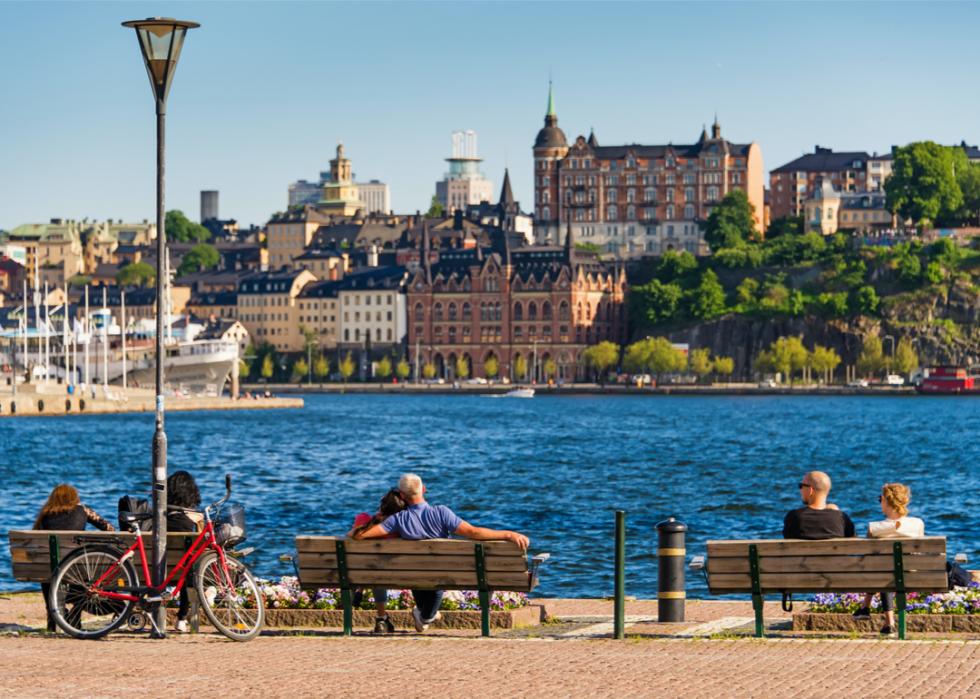
#16. Sweden
- Share of pre-tax income earned by the top 1%: 9.5%
--- 8.5% more than perfect income equality
- Share of pre-tax income earned by the bottom 50%: 24.3%
--- 25.7% less than perfect income equality
and are integral to creating economic balance in this Scandinavian country. Among the generous benefits are when a child is born or adopted and tax-subsidized health care. One aspect that can affect career mobility is the challenge of finding affordable housing in big cities; it especially .
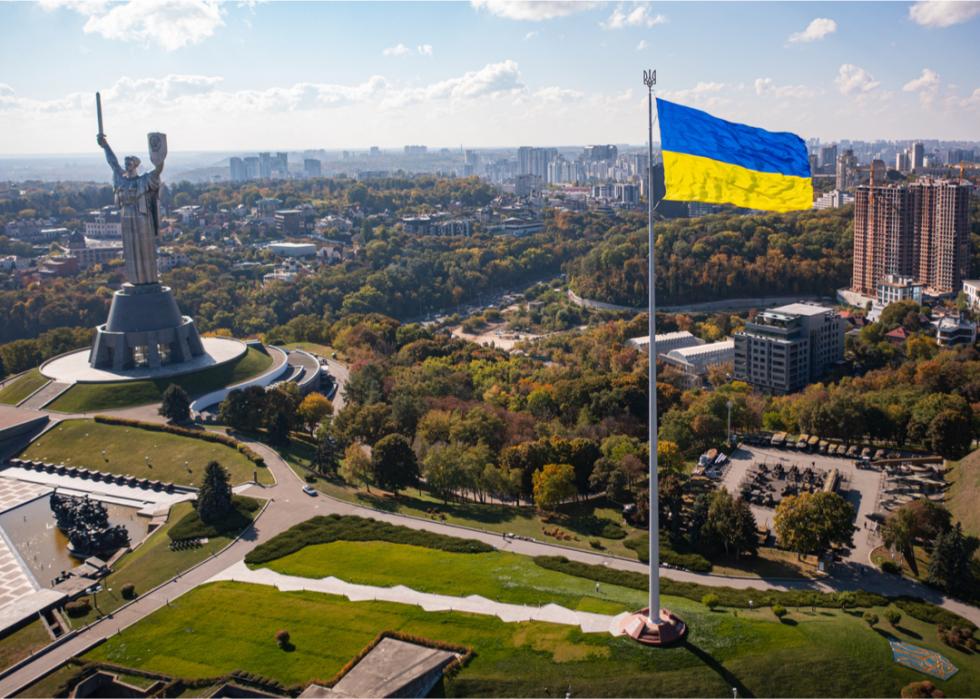
#15. Ukraine
- Share of pre-tax income earned by the top 1%: 9.5%
--- 8.5% more than perfect income equality
- Share of pre-tax income earned by the bottom 50%: 22.6%
--- 27.4% less than perfect income equality
Although this post-Soviet state is one of the world's top producers of grain crops like wheat, corn, and barley, it is among . Russian aggression creates challenges for the economy, and so does corruption. in 2020, outside of regulation and taxation. Meanwhile, Ukrainians can't rely on social protection, as the United Nations says, "Support to low income and vulnerable households is inadequate, difficult to access and remains fragmented."
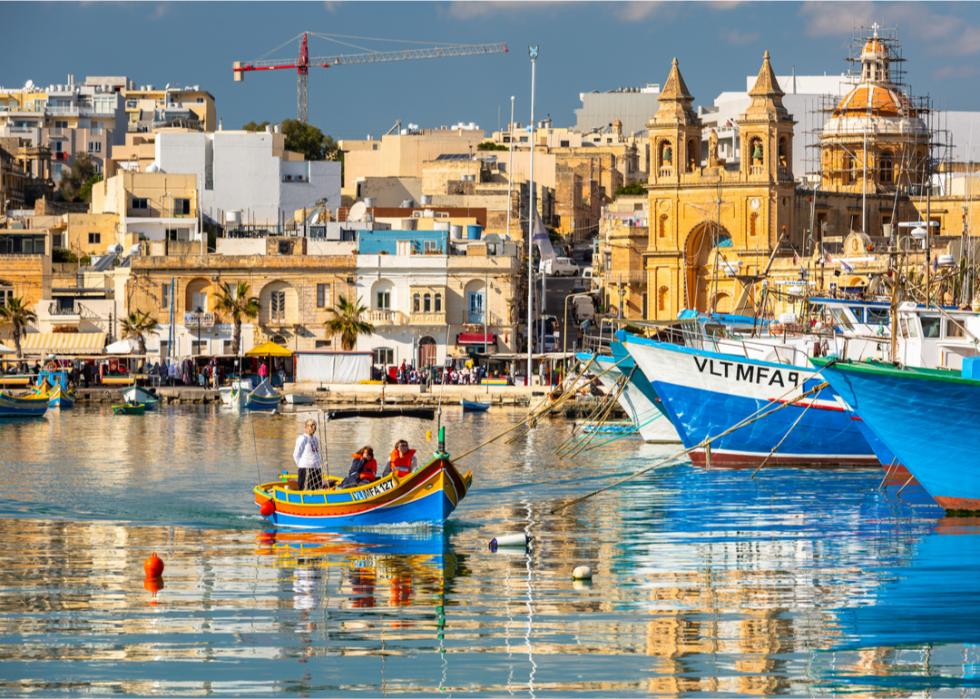
#14. Malta
- Share of pre-tax income earned by the top 1%: 9.4%
--- 8.4% more than perfect income equality
- Share of pre-tax income earned by the bottom 50%: 20.4%
--- 29.6% less than perfect income equality
The welfare system of the smallest country in the European Union mitigates inequality, and have helped reduce poverty. However, the island nation has .
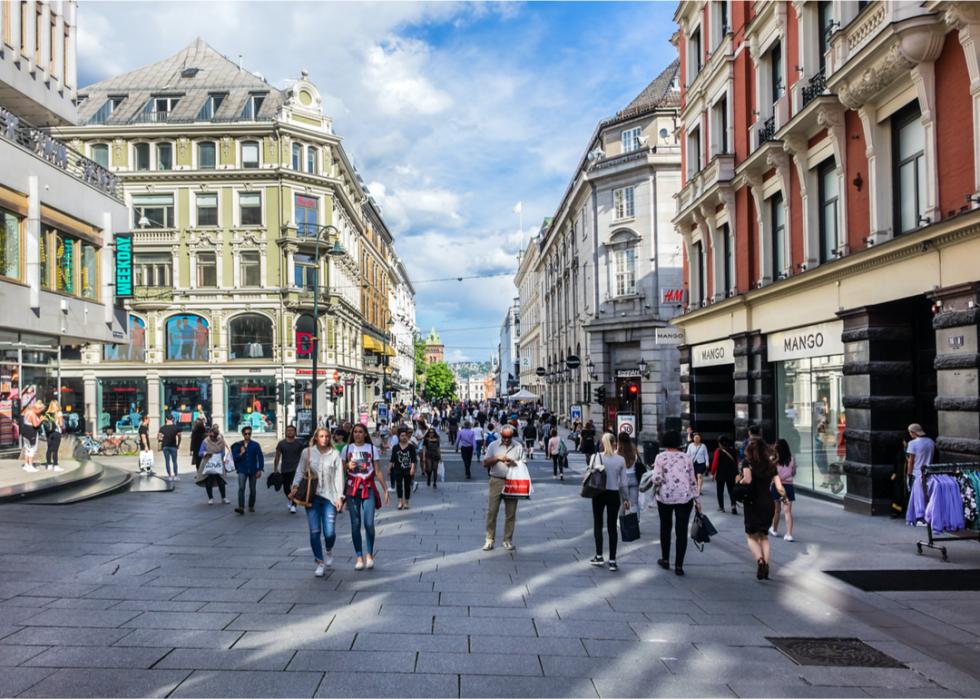
#13. Norway
- Share of pre-tax income earned by the top 1%: 9.3%
--- 8.3% more than perfect income equality
- Share of pre-tax income earned by the bottom 50%: 24.6%
--- 25.4% less than perfect income equality
in this Scandinavian welfare state. Policy proposals to stem the economic disparities that still exist in the recent national election. Poverty is , and immigrants are among the vulnerable.
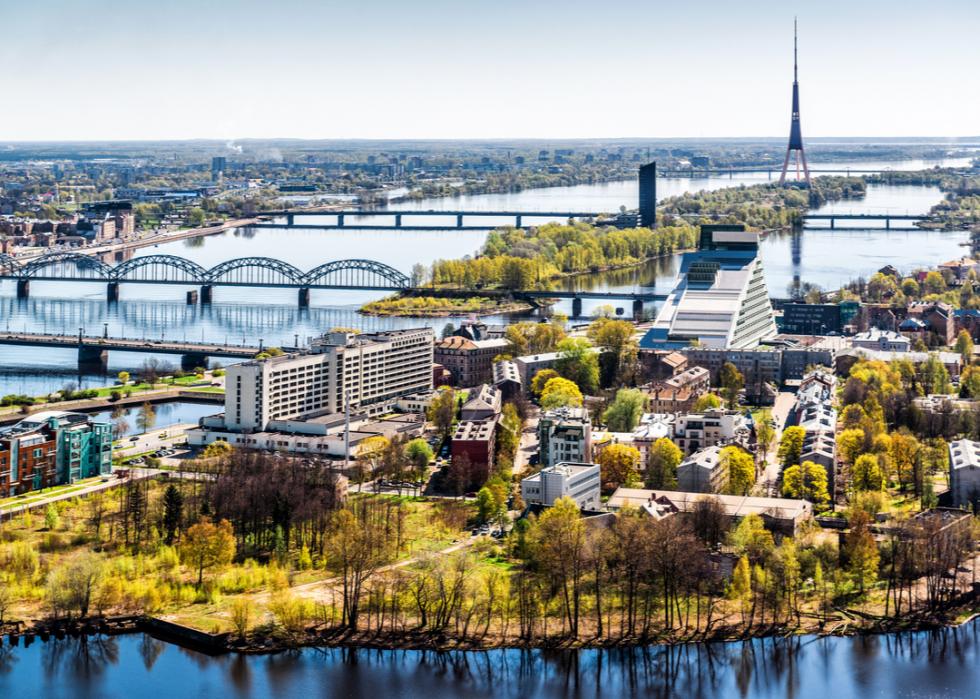
#12. Latvia
- Share of pre-tax income earned by the top 1%: 9.1%
--- 8.1% more than perfect income equality
- Share of pre-tax income earned by the bottom 50%: 18.0%
--- 32.0% less than perfect income equality
, including a , help redistribute income in this Baltic nation. However, Latvia still has one of the highest levels of and the most pensioners at risk of experiencing poverty. Critics say the tax system isn't progressive enough and the safety net needs to be strengthened.
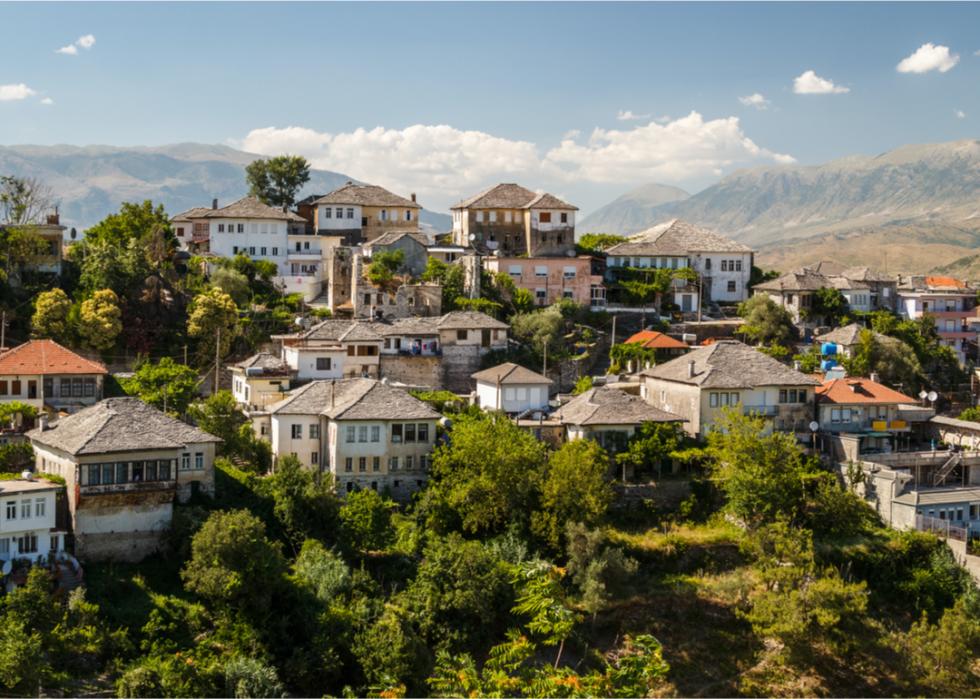
#11. Albania
- Share of pre-tax income earned by the top 1%: 9.0%
--- 8.0% more than perfect income equality
- Share of pre-tax income earned by the bottom 50%: 18.9%
--- 31.1% less than perfect income equality
Albania is . In fact, the World Bank estimates of this former communist country in 2021 lived in poverty. Fiscal policy, especially public spending on health and education, helps shrink income inequality.
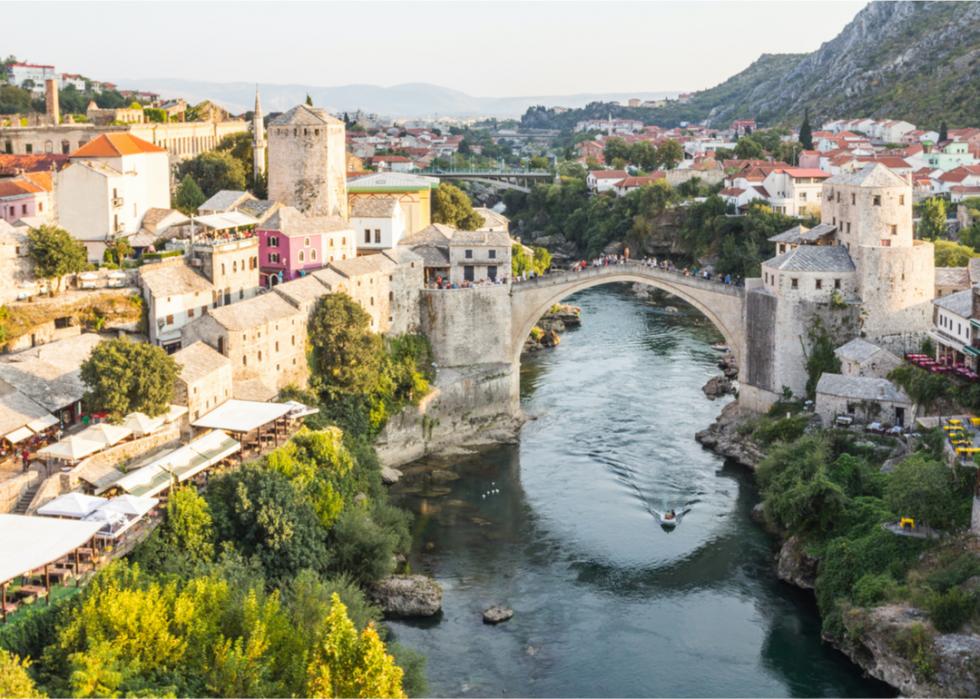
#10. Bosnia and Herzegovina
- Share of pre-tax income earned by the top 1%: 9.0%
--- 8.0% more than perfect income equality
- Share of pre-tax income earned by the bottom 50%: 18.2%
--- 31.8% less than perfect income equality
The troubles of this Balkan nation didn't disappear when its . Earned income was for fewer than 30% of households in 2019, according to the United Nations Development Programme, and pensions were the main source for another 30%. An helps mitigate inequality but doesn't always offer sufficient coverage for those who need the most help, and employment discrimination forces most of the Roma population to work in the shadow economy.
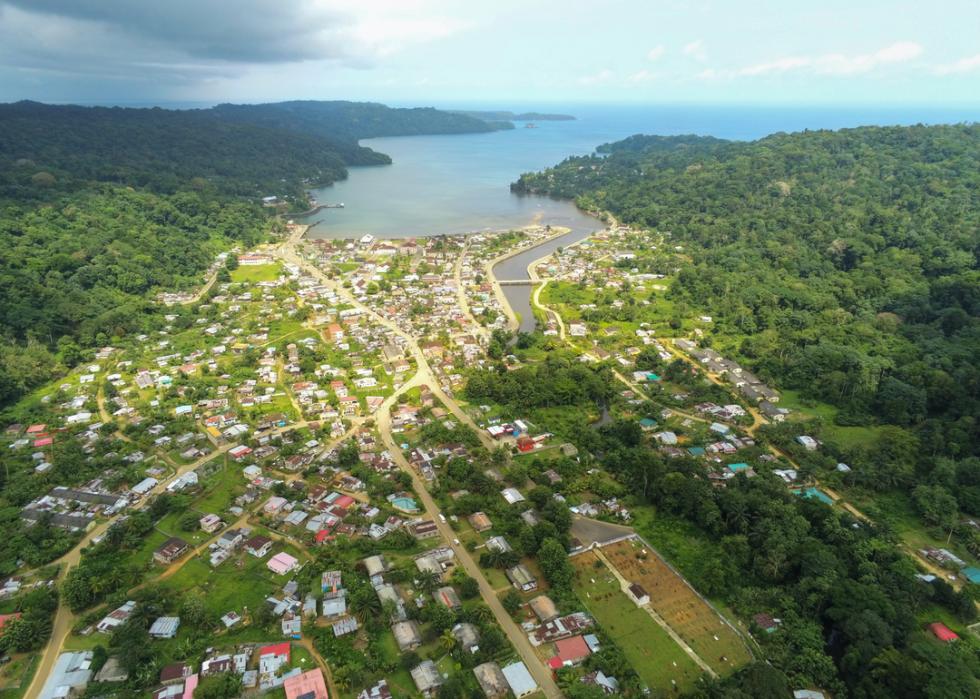
#9. Sao Tome and Principe
- Share of pre-tax income earned by the top 1%: 9.0%
--- 8.0% more than perfect income equality
- Share of pre-tax income earned by the bottom 50%: 17.5%
--- 32.5% less than perfect income equality
This Portuguese-speaking, small island nation off the west coast of Africa is to strengthen economic prosperity but remains among the in the world. An estimated 90% or more of its budget is financed by foreign donors including the World Bank and European Union. , according to the World Bank, and about one-third are even worse off, living on less than the international poverty line. Poverty is of the country.
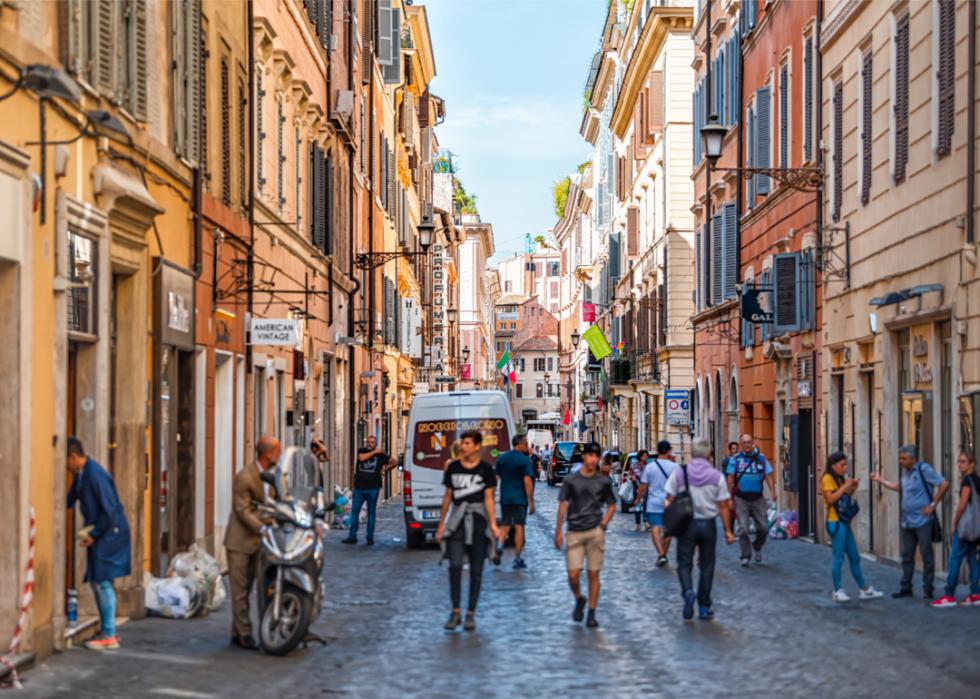
#8. Italy
- Share of pre-tax income earned by the top 1%: 8.9%
--- 7.9% more than perfect income equality
- Share of pre-tax income earned by the bottom 50%: 20.6%
--- 29.5% less than perfect income equality
Italy's helps control income inequality, though its levels are and have been . There are pronounced regional economic gaps as well, with . In addition, many Italian women ; if they succeed, they often get paid less than their male peers in the private sector.
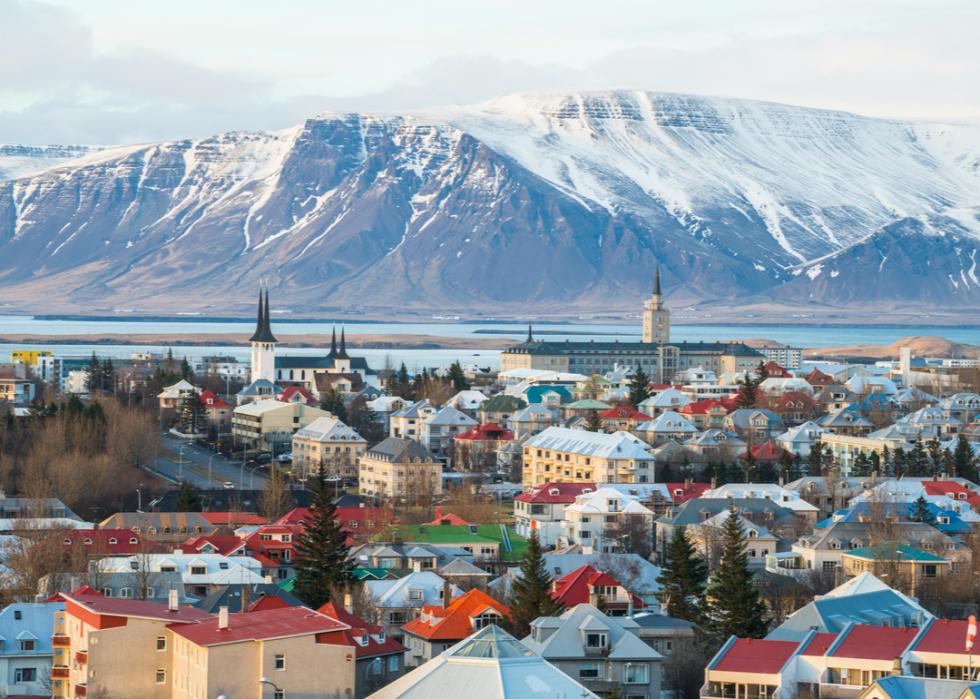
#7. Iceland
- Share of pre-tax income earned by the top 1%: 8.8%
--- 7.8% more than perfect income equality
- Share of pre-tax income earned by the bottom 50%: 25.0%
--- 25.0% less than perfect income equality
High labor force participation of men and women, a compressed wage distribution, and an effective social welfare system . Yet, even in this island nation that the World Economic Forum has consistently described , and that implemented a pioneering pay equity law in 2018, .
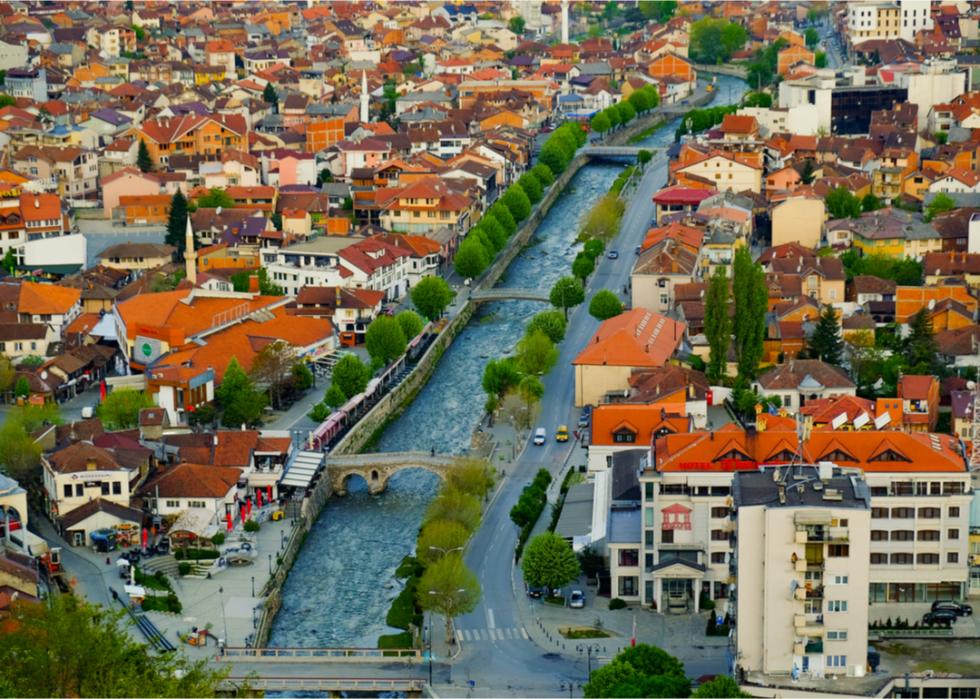
#6. Kosovo
- Share of pre-tax income earned by the top 1%: 8.7%
--- 7.7% more than perfect income equality
- Share of pre-tax income earned by the bottom 50%: 18.4%
--- 31.7% less than perfect income equality
Although the country that declared independence from Serbia in 2008 has seen in recent years, it's still in Europe. Among that are alive and well: corruption, political instability, a significant informal economy, high long-term unemployment, slow job creation, and widespread poverty that is more acute in rural areas.
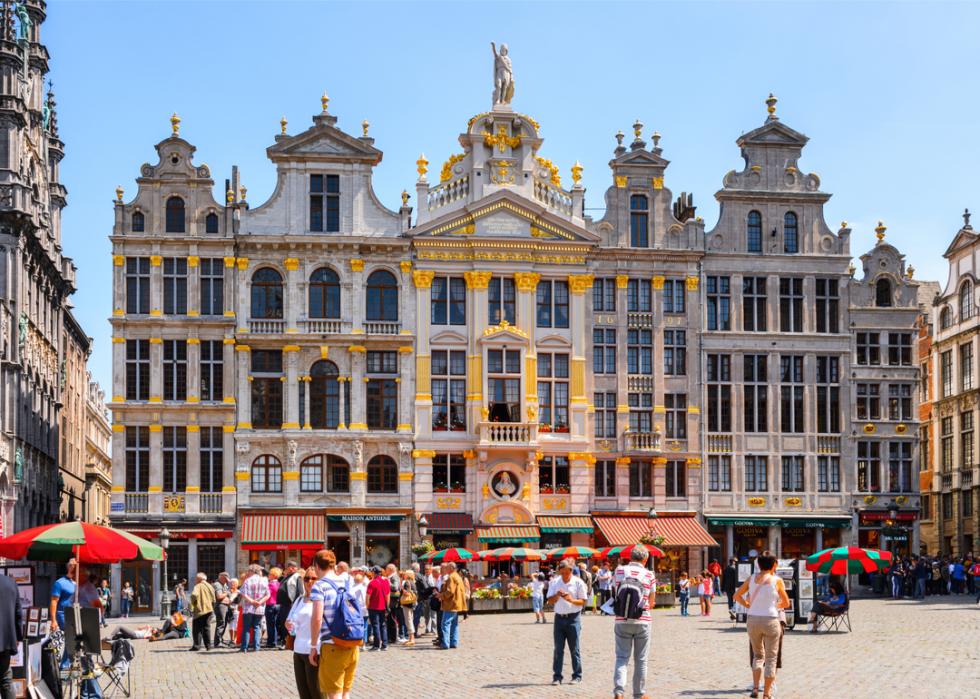
#5. Belgium
- Share of pre-tax income earned by the top 1%: 8.6%
--- 7.6% more than perfect income equality
- Share of pre-tax income earned by the bottom 50%: 20.4%
--- 29.6% less than perfect income equality
A strong tax and benefit system, as well as a middle class, help reduce inequality in this country, where . Still, the share of low-wage workers between 2014 and 2018. The poverty risk is higher for people with little education and those who aren't born in the European Union.
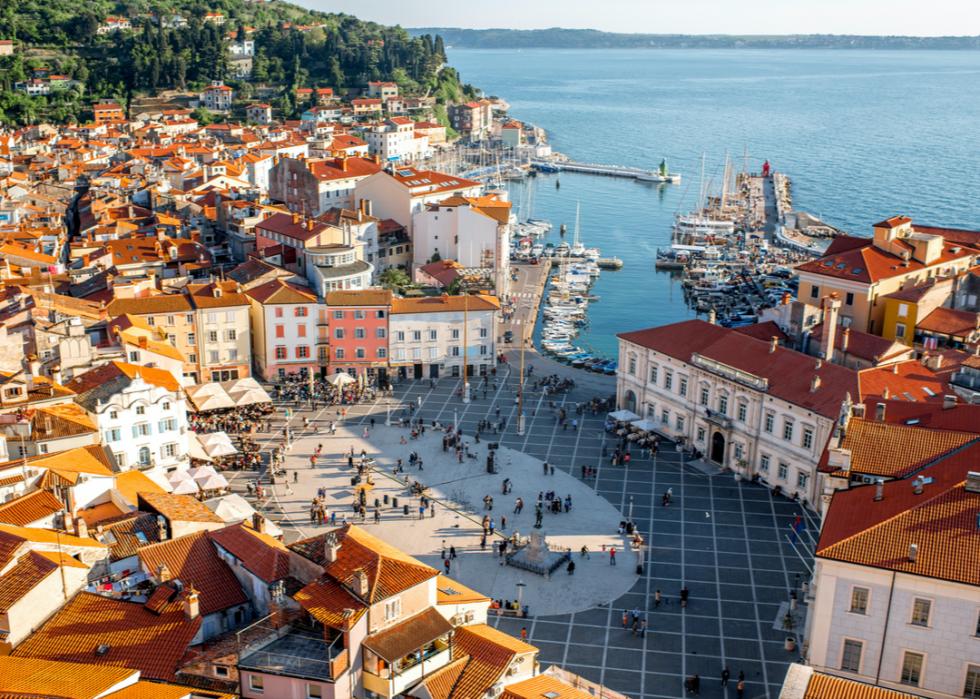
#4. Slovenia
- Share of pre-tax income earned by the top 1%: 8.0%
--- 7.0% more than perfect income equality
- Share of pre-tax income earned by the bottom 50%: 23.1%
--- 26.9% less than perfect income equality
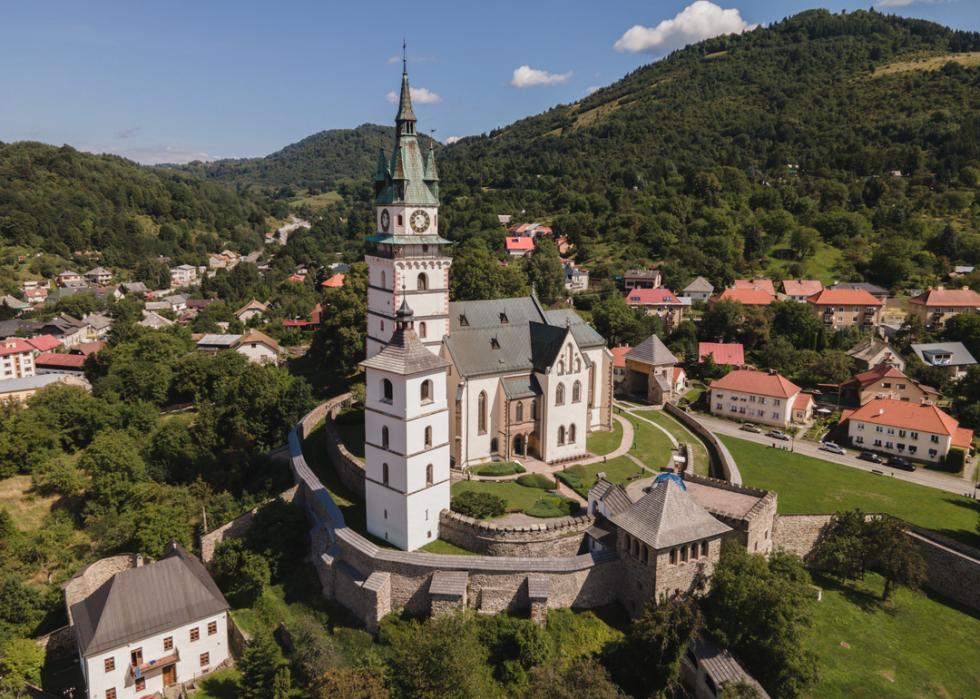
After gaining its independence from Yugoslavia in 1991, , Slovenia "institutionalized many rights of workers and created its own unique variety of capitalism which has ensured almost socialist levels of income inequality even today." Sickness and disability benefits , but women over 65 are among the most at risk.
#3. Slovakia
- Share of pre-tax income earned by the top 1%: 7.4%
--- 6.4% more than perfect income equality
- Share of pre-tax income earned by the bottom 50%: 24.4%
--- 25.6% less than perfect income equality
Slovakia's plays a big role in reducing its income inequality. While in this European Union country with a , it is .
#2. Netherlands
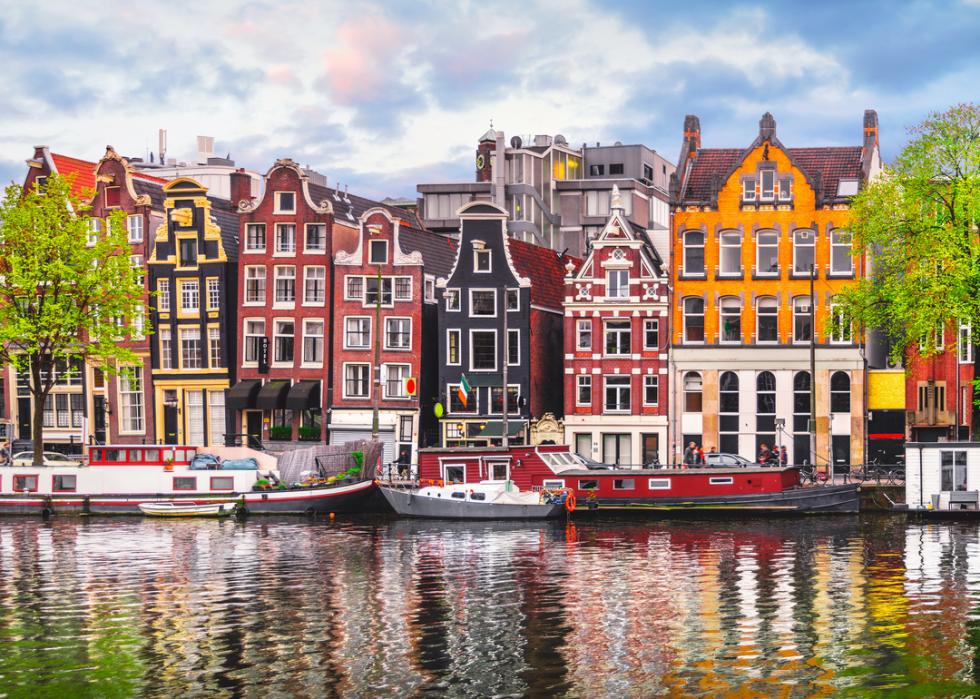
- Share of pre-tax income earned by the top 1%: 6.9%
--- 5.9% more than perfect income equality
- Share of pre-tax income earned by the bottom 50%: 22.5%
--- 27.5% less than perfect income equality
Income equality comes at a high cost for the Dutch, especially those who faced a . Yet, in addition to the , other mitigating factors that make the European nation more egalitarian include free public education, strong labor protection laws and universal health care. While poverty is low, are at higher risk.
#1. North Macedonia
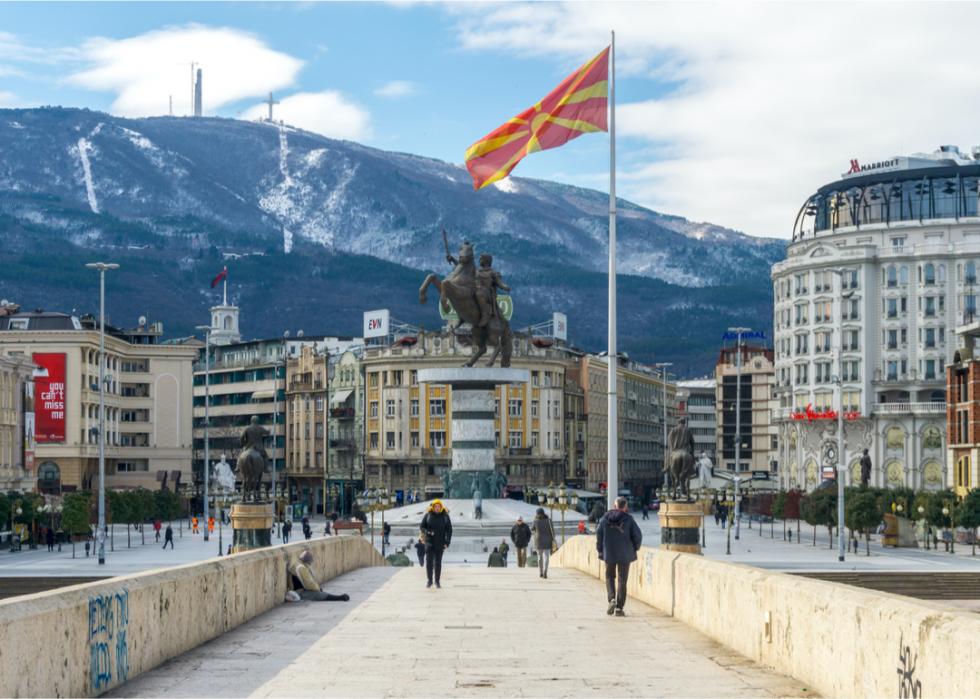
- Share of pre-tax income earned by the top 1%: 6.6%
--- 5.6% more than perfect income equality
- Share of pre-tax income earned by the bottom 50%: 20.9%
--- 29.1% less than perfect income equality
Social benefits are helping this developing Balkan country keep income inequality low. play a role as well. The country is believed to have a 鈥攖he kind of work that doesn't get reported or taxed鈥攁nd a of those who work in it. As in many other countries, including access to good jobs, health care, and education.