Biggest county in every state
Counties in the U.S. are used as administrative divisions to help states manage and organize land. Dividing states into counties also provides smoother relations between cities, townships, and the state itself. The size of these county divisions and their populations can vary widely from state to state, with some of the smallest counties containing the highest populations and vice versa.
Â鶹ԭ´´ looked at to find the largest county in each state by population. According to , the population estimates were determined by adding the population base, migration numbers, and births-minus-deaths total. The growth rate was determined by the difference between present and past population divided by the past population.
Using this data, Â鶹ԭ´´ explored what makes the most populous county in every state important, including the location's history and other factors that make the county a desirable place to live and work. Some counties are leftover delineations from an original settlement, and others were created or newer, emerging metropolitan centers. Read on to discover which of these governing entities hold the largest populations in their respective states.
RELATED:
Alabama: Jefferson County
2017 population estimate: 771,158
2010 census population: 741,096
Growth rate (since 2010): 4.06%
This county, named after President Thomas Jefferson, was established in 1819 and is home to the state’s largest city and industrial center—Birmingham. Throughout the industrial era, Birmingham and the surrounding era was known as the “Pittsburgh of the south,” and produced the south’s . This accelerated growth was made possible by a nonunionized industry that preyed upon freed slaves and impoverished immigrants.
The county played a major role in race relations during the Civil Rights era, and Birmingham was considered one of the most racially divided cities in the nation when the Birmingham campaign was launched in 1963. The campaign, led by Dr. Martin Luther King, Jr., used nonviolent direct action to enact change. The protests in Birmingham brought the nation’s attention to the plight of African Americans in the south and led directly to the .
Alaska: Anchorage Municipality
2017 population estimate: 294,356
2010 census population: 291,826
Growth rate (since 2010): 0.87%
Alaska is unique as one of only two states that uses boroughs instead of counties. Due to the isolated nature of the state’s population, not all of Alaska’s area is divided into boroughs. To better serve its citizens, the leadership of many boroughs is combined with its largest municipality, creating consolidated city-borough governments.
The city of Anchorage is home to more than half the state’s entire population, and the land mass it encompasses is larger than the smallest U.S. state, Rhode Island. It is for the U.S. and international businesses. Anchorage does not collect a sales tax, but cashes in on its status as a prime layover and refueling destination. Anchorage also collects a from hotel lodging taxes and car rental services.
Arizona: Maricopa County
2017 population estimate: 4,307,033
2010 census population: 3,817,117
Growth rate (since 2010): 12.83%
This county is named for the Native American tribe that calls this region home. The county is the fourth largest by population in the U.S. and is home to more people than 23 U.S. states. It is home to Phoenix, the state’s most populous metropolitan area. Phoenix is the only state capital with more than 1 million residents, making it the in the nation.
The area’s tourist bureau is one of the oldest in the nation. Due to its unique climate and geographical features, Frank Lloyd Wright built his winter home in Phoenix in 1937. His home and work in the area brought attention to and encouraged other notable architects to set up their businesses in Phoenix. Wright’s home, Taliesin West, is now home to the Frank Lloyd Wright School of Architecture.
Arkansas: Pulaski County
2017 population estimate: 393,956
2010 census population: 382,748
Growth rate (since 2010): 2.93%
Located in the geographic center of the state, Pulaski County serves as a major crossroads for national business and freight. Little Rock, the state’s capital, is located along the Arkansas river. The city was originally named by the early travelers and locals who used the along the bank as a landmark and river crossing site.
Today the metropolitan area is home of the headquarters of several important national businesses, including Rose Law Firm of the . The law firm, , employed Hillary Clinton as an associate when she and then-State Attorney General Bill Clinton entered into the questionable vacation real estate development deal.
California: Los Angeles County
2017 population estimate: 10,163,507
2010 census population: 9,818,605
Growth rate (since 2010): 3.51%
Home to the city of Los Angeles, this county is notably one of the largest non-state level entities in the nation and hosts a population larger than 41 individual U.S. states. The county is considered and is home to over a quarter of California's citizens. The region is home to the headquarters of all six major film studios, including Walt Disney studios. The county contains the notable coastal communities of Venice Beach and Long Beach as well as acclaimed mountain and desert areas to the east.
Colorado: Denver County
2017 population estimate: 704,621
2010 census population: 600,158
Growth rate (since 2010): 17.41%
Officially a united city and county municipality, Denver is often called the Mile High City, since its official recorded altitude is exactly 5,280 feet above sea-level. The region is located along the South Platte River and was in 1858. At the time considered part of the Kansas territory, the settlement was named after James W. Denver, the then-Kansas territory governor, in hopes the city would be given the status of county seat. Ironically, by the time the city was named, Denver had already resigned as governor.
The small organized mining town provided access to the neighboring Rocky Mountains, which were rumored to contain tons of valuable gold ore. By 1860, the Colorado Gold Rush was on, and the was established to turn the recovered gold ore into coins. Due to its prime location as a gateway to the Rockies, the area has become a popular outdoor sporting hub that welcomes many tourists and outdoor enthusiasts worldwide.
Connecticut: Fairfield County
2017 population estimate: 949,921
2010 census population: 916,829
Growth rate (since 2010): 3.61%
As the Connecticut county closest to nearby New York City, this region is the most populous in the state and contains the metropolitan areas of Bridgeport, Stamford, Norwalk, and Danbury. Unlike other states, the eight counties of Connecticut serve no other purpose besides subdividing the physical land. There are no county governments or county seats in the state, though there are a few government buildings sporting the Fairfield County name.
The county experienced swift economic development during World War I, as the county was home to a large munitions industry at the time. The development of interstate roads and affordability of single family cars after World War II allowed for more reliable commuting to New York City, further solidifying Fairfield as a prime place to live for the up-and-coming suburban middle class. The city of Fairfield was home to the headquarters of General Electric company from 1974 until 2017 and is considered one of the . The city is also among the to live in the U.S.
Delaware: New Castle County
2017 population estimate: 559,793
2010 census population: 538,479
Growth rate (since 2010): 3.96%
Although the smallest in land area of the three Delaware counties, New Castle contains over 60% of the state’s population and contains the county seat of Wilmington. Originally organized and named Fort Christina by the Swedish, the land was turned over to the British by the Treaty of Westminster in 1674 and renamed New Castle after the English town of the same name. This county and the two others in Delaware follow another British tradition of subdividing their counties into , which refers to the traditional land area needed to support 100 agrarian families.
Due to clever regulatory changes enacted by Wilmington’s governor in the early 1980s, the city became a national hub for credit card banks. Today the area is home to some of the world’s largest credit card banks and associated banking services including Bank of America, Barclays Bank of Delaware, and Chase Card Services. The city of Wilmington is also the home of DuPont, which got its start in the area as a gunpowder manufacturer in 1802 and is now one of the .
Florida: Miami-Dade County
2017 population estimate: 2,751,796
2010 census population: 2,496,435
Growth rate (since 2010): 10.23%
Originally called Dade County, this most southern county in the U.S. lies only six feet above sea level. The name was changed to Miami-Dade in 1997 to reflect the international recognition of the area’s largest city. Over 50% of the county’s population are foreign-born, with most citing a Central or South American country as their place of birth. Nearly 64% of the residents list Spanish as their native language. The prominent metropolis of Miami is home to a bustling international port and banking sector, many national sports teams, and several universities.
Miami boasts the third tallest skyline in the world and is the world’s busiest port for . Reflecting this, one of the primary industries in the area is tourism and service-related jobs. Although a cosmopolitan, culturally diverse, and upscale city on the surface, Miami has two different sides. According to the U.S. Census Bureau in 2004, Miami was considered the third poorest city in the country and was considered by some to be one of .
Georgia: Fulton County
2017 population estimate: 1,041,423
2010 census population: 920,581
Growth rate (since 2010): 13.13%
Although the city of Atlanta straddles the boundaries of two counties, 90% of the Atlanta metropolitan area lies within Fulton County and acts as the county seat. Atlanta is the and is home to many historically black colleges and universities. By the 1970s, African-Americans made up most of the Atlanta population—a trend that continues to this day.
Although much of Atlanta's historic architecture was burned by Gen. William Tecumseh Sherman during the Civil War, the city was never considered traditionally southern in its styling due to its establishment as an outpost for a northern-based railroad company. In 1996, the city hosted the Summer Olympics, further increasing its status as a cosmopolitan city. Today, the city is considered a landmark southern city and a bustling international hub due to its highly educated employable workforce.
Hawaii: Honolulu County
2017 population estimate: 988,650
2010 census population: 953,207
Growth rate (since 2010): 3.72%
Honolulu County, previously O’ahu County, includes the city of Honolulu, the entirety of the island of Oahu, and several minor outlying islands in the Pacific Ocean. The county is home to over 70% of the population of Hawaii. The city of Honolulu, a word meaning “sheltered port,” has been the capital of the Hawaiian islands since 1845 and received international attention during the bombing of Pearl Harbor.
Hawaii officially , and with statehood came the swift involvement of American companies and transportation industries. Today, the primary income sector of the county is tourism and trade, with international banking firms and consulates holding offices in downtown Honolulu. The U.S. military still relies heavily on Hawaii for strategic influence in the Pacific Ocean and Oceania. With tons of remarkable natural features, Honolulu is a favorite destination spot for outdoor and watersports enthusiasts. It’s also home to the .
Idaho: Ada County
2017 population estimate: 456,849
2010 census population: 392,365
Growth rate (since 2010): 16.43%
Boise, the capital and largest metropolitan area in Idaho, falls within the bounds of Ada County. Boise is home to several food and agriculture companies including Albertson’s Corporation and Simplot Company, the primary supplier of frozen french fries to McDonald’s franchises. Simplot came under much scrutiny in recent years for the introduction of a and for a checkered reputation of environmental compliance. Many financial publications laud Boise for its quality of life. The city was named in the nation by Forbes earlier this year.
Illinois: Cook County
2017 population estimate: 5,211,263
2010 census population: 5,194,675
Growth rate (since 2010): 0.32%
Cook County follows Los Angeles County as the second most populous county in the nation. Its county seat is Chicago, the third most populous city in the U.S. The city of Chicago is the second most visited in the nation following New York City, with 55 million tourists annually. The area established itself as an agricultural trade hub early on. In fact, the word Chicago derives for the native Miami-Illinois tribe word for the ramps, or wild garlic.
Chicago’s economy is considered one of the , with no particular sector commanding over 14% of employment in the metropolitan area. It is home to the , which began as a means for farmers to ensure forward contracts and payments for agricultural commodities. Today the Chicago Board of Trade is one of the world’s oldest and largest futures and options exchanges.
Indiana: Marion County
2017 population estimate: 950,082
2010 census population: 903,393
Growth rate (since 2010): 5.17%
Marion County is is home to the largest metropolitan area and state capital, Indianapolis, and began its climb in growth when the capital was moved there in 1825. The city of Indianapolis is well known for hosting the Indianapolis 500—the world’s largest single day sporting event and the region’s largest economic draw, in tourism spending in the area.
The region’s main industries focus on insurance, real estate, and financial services followed by pharmaceutical and auto parts manufacturing. During its industrial heyday, Indianapolis rivaled Detroit as a prominent automobile hub and was home to over 50 auto manufacturers. Although much of the industry has moved overseas or to Mexico, in the region, churning out high-quality airplane engines and parts.
Iowa: Polk County
2017 population estimate: 686,483
2010 census population: 602,095
Growth rate (since 2010): 14.02%
Established in 1846 and named after then-President James Polk, this county in Iowa is home to its largest metropolitan area and state capital—Des Moines. Des Moines holds the headquarters of many insurance institutions and more recently, an emerging data and tech sector. The city is the home of the legendary Iowa State Fair, one of the largest and best known state fairs in the nation which draws over 1 million visitors and exhibitors.
At the fair, visitors can view the , a life-size cow carved out of butter that has been reproduced as a famous state fair exhibit since 1911. The area is also politically important during the presidential election season. Polk County is usually the first stop for any presidential candidate as the state is the of the presidential primary season.
Kansas: Johnson County
2017 population estimate: 591,178
2010 census population: 544,179
Growth rate (since 2010): 8.64%
Lying along the routes to the Oregon, California, and Santa Fe Trails, this county was a common stopover point for many travelers on their way out West. Due to the organized removal and expulsion of Native Americans from their traditional lands, this county became home to members of the Shawnee and Osage nations.
The area was fraught with tension during the Civil War during a time called as abolitionists and pro-slavery advocates fought to establish the newly proposed state of Kansas as either a slave or free state. Wild Bill Hickok owned a ranch in the county and was a constable of Monticello Township for some time, ending his tenure when he was involved in a near-deadly encounter with a bear.
Kentucky: Jefferson County
2017 population estimate: 771,158
2010 census population: 741,096
Growth rate (since 2010): 4.06%
Originally established as Jefferson County, Virginia, in 1780, this county was eventually delineated as part of the new state of Kentucky, which was admitted to the union in 1792. Due to a city-county merger in 2003, the county seat of Louisville and county administration are one and the same. The city began as a stopping point along the Ohio river where a set of tumultuous waterfalls and rapids made traversing slow and treacherous. During the Civil War, the city was a hot spot of activity, as it was a popular crossing point for escaped slaves into the free state of Indiana.
Louisville first hosted what would come to be known as the to showcase the state’s ability to produce world-class horses. Today, the event is considered the “most exciting two minutes in sports” and draws in over $200 million in gambling wagers on race day. Louisville has retained its transport and shipping routes and is the seventh-largest inland port in the nation.
Due to its prime location, it is also home to major manufacturing enterprises including factories for General Electric and Ford. The most notable export of the county is bourbon whiskey, and the region is home to some of the highest regarded American whiskey producers in the nation. Downtown Louisville is home to the , which showcases micro-distillers producing within the Louisville metro area.
Louisiana: East Baton Rouge Parish
2017 population estimate: 446,268
2010 census population: 440,171
Growth rate (since 2010): 1.39%
Louisiana is the only state in the nation that calls its sub-state level of organization a “parish,” a holdover from its French and Spanish colonial days when systems of organization were based around the Roman Catholic Church. East Baton Rouge Parish lies along the Mississippi River and is the most populous in the state. Its parish seat is also the state capital—Baton Rouge, which holds the record for the tallest capitol building in the nation.
The area began as a prominent trade port, military fort, and agricultural trade center. The city was a key strategic point during the Civil War and later the reconstruction of the south. Today, the parish’s main economic focus is the petrochemical and transportation industries. along this massive inland port. The ExxonMobil oil refinery complex is the fourth largest in the nation and the 12th largest in the world. Baton Rouge is home to the , Louisiana State University, and maintains a bustling medical research sector.
Maine: Cumberland County
2017 population estimate: 332,546
2010 census population: 319,431
Growth rate (since 2010): 4.11%
This county, named for King George II’s son the Duke of Cumberland, was established in 1760 and contains the state’s largest city and county seat—Portland. Originally called the Machigonne or “great neck” by native locals, the area was a prime harbor for European settlers. This storied shipping and trade location grew as an early port for Canada during violent winters and as a key railway transfer spot. A somewhat affluent town, the area has fast access to Boston to the south and for coastal vacationers, artists, and outdoors enthusiasts.
Maryland: Montgomery County
2017 population estimate: 1,058,810
2010 census population: 971,777
Growth rate (since 2010): 8.96%
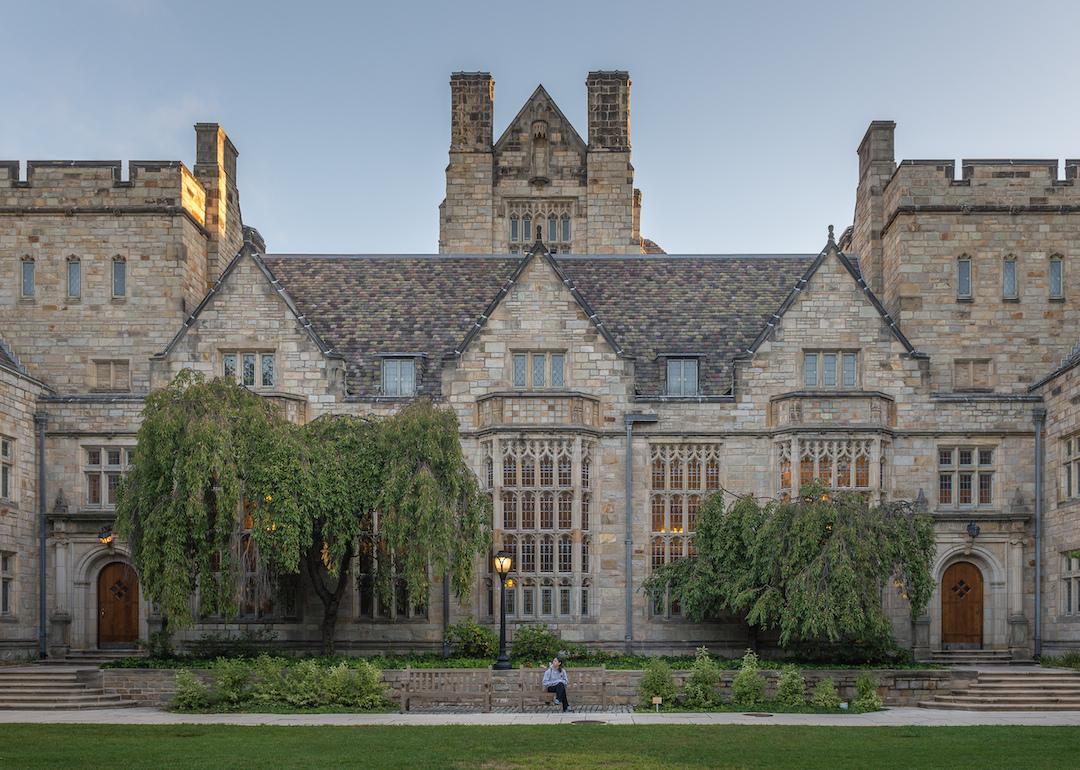
Named for a key player in the American Revolutionary War, this county is designated as one of the most educated and affluent in the U.S. It lies within the Washington, D.C. metro area and is the state's most populous county. It contains the metro areas of Rockville, Germantown, and Georgetown among others that lie along the Potomac River. Montgomery county is home to several influential artists and thinkers including Spike Jonze, journalist Connie Chung, and comedian Lewis Black. It is also the final resting place of and his wife Zelda.
Massachusetts: Middlesex County
2017 population estimate: 1,602,947
2010 census population: 1,503,085
Growth rate (since 2010): 6.64%
Middlesex County is home to the historic and notable city centers of Concord, Cambridge, and Charlestown. This region has a deep historic past with the nation’s colonization, founding, and development. It is also the site of buildings and structures. Although still a physical and statistical organization, the county governance system was formally abolished by Massachusetts in the late 1990s for more township or metropolitan area-based organization. It is the most populous county in Massachusetts and New England.
The county seat of Cambridge is home to Harvard University and Massachusetts Institute of Technology (MIT), two of the city’s largest employers. in downtown Cambridge has been called “the most innovative square mile on the planet” and is the residence of many successful startups and brands incubating there.
Michigan: Wayne County
2017 population estimate: 1,753,616
2010 census population: 1,820,584
Growth rate (since 2010): -3.68%
This county founded in 1796 holds its seat in the region’s largest metropolitan area—Detroit. The Detroit metropolitan area is best known as the heart of the American automotive industry and holds the headquarters for General Motors, Ford, and Chrysler. The city was dealt a serious economic punch in the 1970s when a series of gas crises made foreign-made cars more appealing to Americans.
As racial tensions and issues with de-unionization increased, the city’s population dwindled and urban decay set in. Incentivized by tax breaks and inexpensive overhead, several independent technology startups have set their sights on Detroit and the city is . It is home to several national-level sports teams and is a notable influence of music, art, and pop culture. Known as the Motor City, or Motown, the nickname was used to describe the unique style of music that originated there. The town is also credited as being the and several styles of contemporary rap, hip-hop, and jazz.
Minnesota: Hennepin County
2017 population estimate: 1,252,024
2010 census population: 1,152,425
Growth rate (since 2010): 8.64%
Named in honor of a 17th-century explorer, Hennepin County’s seat is Minneapolis, the most populous metropolitan area in the state. The area went through turbulent times following the Great Depression that led to a drop in population, but the city is now a large economic center once again. Minneapolis is home to the headquarters of Target, U.S. Bancorp, and is the site of and innovative efforts. The county is also home to several culturally significant people including Prince, Bob Dylan, evangelist Billy Graham, and cartoonist Charles Schulz, among others.
Mississippi: Hinds County
2017 population estimate: 239,497
2010 census population: 245,285
Growth rate (since 2010): -2.36%
Hinds County has its beginnings as a rural cotton-producing agricultural center. Its county seat is the state capital of Jackson. The area was the scene of turbulent racial violence before, after, and during the Civil War. Between 1877 and 1950, the county recorded 22 lynchings, the highest number of any county in any state.
Jackson sits atop the , which is the source of the significant natural gas deposits found nearby that paved the way for the city’s expansion from a strictly agrarian economy. The area is still deeply tied to agriculture and food production, and several publicly traded food companies are based there. The area’s tumultuous past led rise to some of the most iconic styles of American music. runs through this region, and the foundation is dedicated to the preservation and promotion of this unique music style.
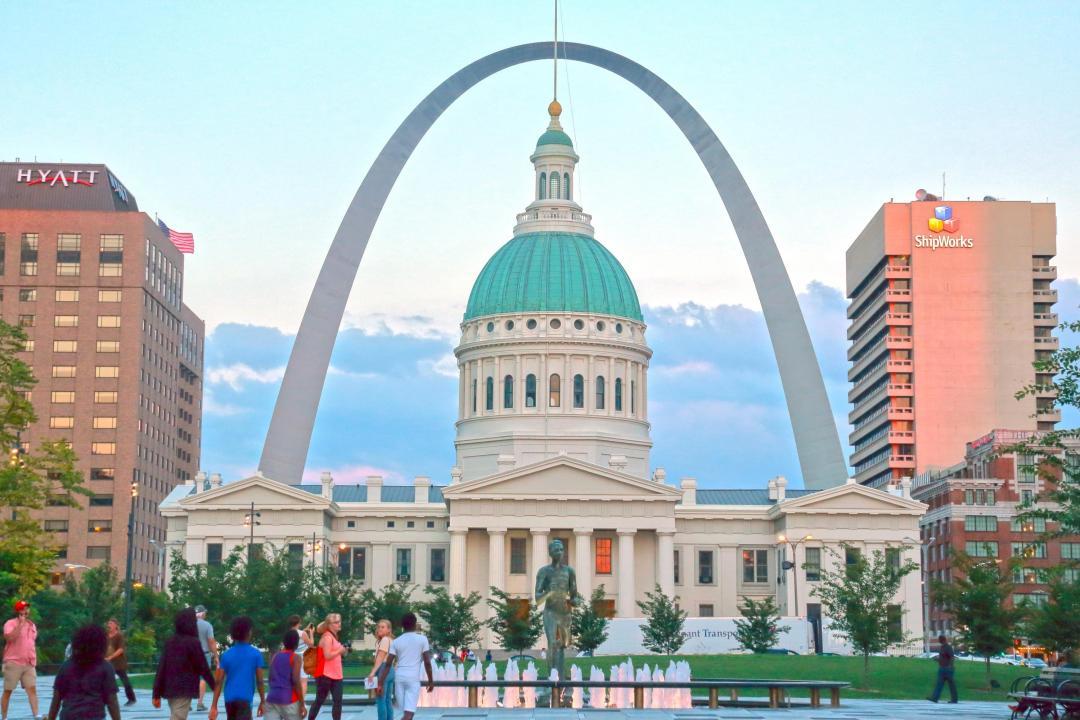
Missouri: St. Louis County
2017 population estimate: 996,726
2010 census population: 998,954
Growth rate (since 2010): -0.22%
The county seat of St. Louis County may be Clayton, but the reason this county is the most populous in Missouri is due to its adjacency to the independent city of St. Louis. The city split from county governance in the 1870s due to issues of underrepresentation in county government and over-taxation.
The city began as a French trading post along the Mississippi River. The area became a doorway to the West and was the launch and return port of the . Anheuser-Busch opened in St. Louis in 1860, and is still headquartered and producing its world famous Budweiser there. Although St. Louis is its own major metropolitan city, the vast majority of people working there live in the suburbs in St. Louis County.
Montana: Yellowstone County
2017 population estimate: 158,980
2010 census population: 147,972
Growth rate (since 2010): 7.44%
Named for the large sandstone formations found nearby, this county is in southern central Montana and contains the metropolitan area of Billings, the largest city in the state. The city owes its existence and gets its name from the once-president of the Northern Pacific Railway, Frederick Billings. It is indeed an important crossroads in an otherwise formidable and wild area.
The city is the trade, commerce, retail, and entertainment center for a wide region and contains more hotel rooms than any area within five neighboring states. Billings is a popular home choice for growing families, and is the hometown of popular cultural icons, artists, and adventurers including Calamity Jane, Charles Lindbergh, and Arlo Guthrie.
Nebraska: Douglas County
2017 population estimate: 561,620
2010 census population: 517,110
Growth rate (since 2010): 8.61%
Located alongside the Missouri River where eastern Nebraska meets Iowa, Douglas County’s central population resides in Omaha, the state’s largest metropolitan area. As a newly minted far-west town in 1854, Omaha was host to many trade and commerce operations. The railroads arrived quickly and ranchers used the large prairies adjacent to the river to grow and raise grain and cattle.
Its status as a notable trade location continues to this day with several major Fortune 500 companies headquartered there, including venture capital firm Berkshire Hathaway and the investment and insurance firm Mutual of Omaha. Omaha has been the setting for some of the most “American” of inventions, including Duncan Hines cake mix, the predecessor to ConAgra Foods, the bobby pin, , and the TV dinner, which was developed by Omaha’s Swanson Food Company. Fred Astaire, author Nicholas Sparks, Marlon Brando, and President Gerald Ford have called or still call Omaha home.
Nevada: Clark County
2017 population estimate: 2,204,079
2010 census population: 1,951,269
Growth rate (since 2010): 12.96%
Clark County is home to the fabulous Las Vegas. The area is known as a top-rated destination for entertainment, tourism, hospitality, and business, pulling visitors from across the globe. Gaming was , but gambling is not the only draw to the city: Top performers from have graced the stages of Vegas over the decades, and international celebrity chefs to open up their next best restaurant.
The nearby Nellis Air Force Base was once the location of some of the first atomic bomb tests in the nation . Today it is the base is home to the .
New Hampshire: New Hampshire
2017 population estimate: 1,342,795
2010 census population: 1,316,470
Growth rate (since 2010): 2%
Hillsborough County contains the two county seats and most populous cities in the state—Manchester and Nashua. The area was first established along the Merrimack River as a milling and manufacturing town. The in the area made it a prime destination for French-Canadian immigrants.
Although the region slipped into decline in the years following World War II, the area is beginning to bounce back with small-scale startups and businesses due to its , affordable property, and manageable distance from other important New England hubs.
New Jersey: Bergen County
2017 population estimate: 948,406
2010 census population: 905,116
Growth rate (since 2010): 4.78%
As the nearest county to New York City, this area provides vital services and living quarters to those that service the massive city across the Hudson River. Originally inhabited by the Lenape Nation, Europeans first made settlement in the area in the early 1600s. The seat of the county is Hackensack and is often considered an inner suburb of New York City.
It has as an important shipping port with records from the Dutch East India Company dating as far back as the 1630s. Today, the area is still key in providing lodging to those that commute to New York City and is home to a diverse populace. Due to its proximity to the big city, the county is considered one of the most affluent in the U.S., with household income averaging over $80,000.
New Mexico: Bernalillo County
2017 population estimate: 676,773
2010 census population: 662,564
Growth rate (since 2010): 2.14%
As one of the original seven Mexico partidos of the territory, this county’s boundaries were established when the state of New Mexico was formed in 1852. Its county seat and the state’s most populous town, Albuquerque, was a primary trade stop for gem miners and ranchers during the late 1800s. The city climbed to fame with the discovery of .
When the railways arrived, even more traders and tourists arrived to the town. By the 1920s, in the area since the dry desert air was thought to cure the symptoms of tuberculosis. Nearby Kirtland Air Force Base and the later incorporated were the host sites for several tests and developments during the atomic age, further cementing the importance of Bernalillo County and Albuquerque. Annually, the city hosts the largest hot air balloon convention in the world, the .
New York: Kings County
2017 population estimate: 2,648,771
2010 census population: 2,504,700
Growth rate (since 2010): 5.75%
Although Kings County is the official designation of the region, the area of the county itself is completely filled by the most popular borough in New York City—Brooklyn. Although officially considered part of the larger New York City, the borough of Brooklyn still maintains a distinct cultural and ethnic identity. The county is home to the in the United States, with nearly 1 in 4 Brooklyn residents citing Jewish as their ethnic or religious identity.
As a major part of the New York metropolitan area, the city is the hometown of many important people, including Woody Allen, Mel Brooks, Aaron Copeland, Larry David, and several more. Although considered a “rough” neighborhood throughout the late 1980s to early 2000s, the area has seen a renaissance as a prime location for up-and-coming young professionals seeking somewhat affordable housing with access to downtown New York City.
North Carolina: Mecklenburg County
2017 population estimate: 1,076,837
2010 census population: 919,628
Growth rate (since 2010): 17.09%
Formed in 1762, this county presumably signed its own declaration of independence from Britain in May of 1775, making it the first piece of the 13 colonies to demand independence. Its county seat is Charlotte, the largest city in North Carolina. The nation’s second largest banking institution, Bank of America, is based there. The area also holds the nation’s second-largest Coca-Cola bottler and including the headquarters for Lowes, Food Lion, Rack Room Shoes, and Meineke Car Care.
The city continues to grow as a freight transportation hub and is also developing as a prime spot for renewable energy education, trade, and research. The city is home to several professional-level sports teams and several universities and colleges. Charlotte is an important hub in the motorsports industry and claims the NASCAR Hall of Fame and the as two of its most visited tourism and entertainment attractions.
North Dakota: North Dakota
2017 population estimate: 755,393
2010 census population: 672,591
Growth rate (since 2010): 12.31%
Cass County was established during the days of the original Dakota territory and was organized as an original county in 1873 at a meeting in the established county seat, Fargo. The county lies on the eastern side of the state and borders the Red River, and the region is known for its harsh, snowy winters and long, humid summers, .
Cass County does indeed suffer some of the harshest winters of any state in the nation, with the coldest month of January holding an average daily temperature of 9.3 degrees Fahrenheit (-12.6 degrees Celsius). The city rose to pop-culture fame with the set near the city. However, none of the film was actually filmed in the town.
Ohio: Franklin County
2017 population estimate: 1,291,981
2010 census population: 1,163,414
Growth rate (since 2010): 11.05%
This county contains the county seat, state capital, and college town of Columbus, Ohio. It’s home to one of the largest universities in the U.S., the Ohio State University. The city has a diverse economic sector focused on business, banking, education, and health. Nationwide Insurance, Wendy’s, Safelite Glass, White Castle, and Red Roof Inn are based there as well as several private research, investment, and banking firms. Often cited as , the city boasts an educated and diverse populace and is considered in the nation.
Oklahoma: Oklahoma County
2017 population estimate: 787,958
2010 census population: 718,633
Growth rate (since 2010): 9.65%
Oklahoma County was established in 1890 originally as “County Two” of the seven counties delineated during the organization of the large, wild area called the “unassigned lands.” The city itself was established during the land rush organized by the U.S. government to encourage further western settlement. The city contains in the world, and the oil and gas production sector remains the number one employer in the region.
Oklahoma City rose to cultural prominence as a popular stopping point along the original Route 66. With the development of the interstate system after the end of World War II, Oklahoma City solidified itself as an important city for travelers. Several corporations hold offices or headquarters there, including many important energy and telecommunications companies. Nearby Tinker Air Force Base is the home site of the Federal Aviation Administration.
Oregon: Multnomah County
2017 population estimate: 807,555
2010 census population: 735,334
Growth rate (since 2010): 9.82%
This county, named after the native Chinook word for the nearby river and falls system, contains the county seat and the state’s most populated city of Portland. The area was originally mapped by the Lewis and Clark Expedition on their search to find a practical route to the Pacific after the Louisiana Purchase. The area, originally referred to as “the clearing” or “stumptown” due to the number of cleared timber stumps, was settled in the mid-1800s by pioneers traveling on the Oregon Trail.
The city was officially organized and named by co-founder Francis Pettygrove when he and co-founder Asa Lovejoy employed a coin toss to decide between the names their two hometowns—Boston, Massachusetts and Portland, Maine. During the 1960s, the area attracted a new type of cultural misfit—the hippie. Encouraged by the movements in San Francisco, many social activists moved to the area and established business, groups, and a subculture still associated with the area today.
By the end of the 1990s, an emerging technology sector had emerged in the area. Economic situations continued to improve, drawing in an even larger educated population. Between 2001 and 2012, the , more than any other city in the nation. The area is popular among environmentally conscious, active, and usually liberal-leaning citizens. The city has limits placed on building and expansion, meaning housing costs continue to rise and rival other major metropolitan areas in the nation. Employment is high, and nearby clothing and food production companies include Nike, Keens, Adidas, Dr. Martens, Columbia Footwear, Pacific, and more. The area is known for its high quality of beer and coffee production.
Pennsylvania: Philadelphia County
2017 population estimate: 1,580,863
2010 census population: 1,526,006
Growth rate (since 2010): 3.59%
William Penn established the city of Philadelphia, meaning “brotherly love” to convey his Quaker ideals of tolerance and acceptance. Although originally a much larger area, the county of Philadelphia was consolidated to mirror the city and better meet the needs of its growing urban population. Philly is the sixth largest city in the United States.
The city is diverse, though it struggles economically. The largest employers in the area are governmental organizations followed by the several large corporations headquartered there, including ComCast, PepBoys, Urban Outfitters, and some health and biotechnology firms. Due to its diverse and long history, the area has developed a specific accent, considered by many linguists to be the .
Rhode Island: Providence County
2017 population estimate: 637,357
2010 census population: 626,667
Growth rate (since 2010): 1.71%
Providence County contains the state’s most populous city center, Providence. Counties in Rhode Island handle no governmental administration and instead serve as geographic boundaries for services administered by the cities or the state itself. The city was named by founder and exiled Reform Baptist theologian in 1636. It was a religious colony until it realized its potential as an economic and manufacturing center in the 19th century. As one of the first cities to industrialize in the U.S., the area was known for its textile, silverware, and jewelry production.
Today, the city is the third most populous in New England and has rebranded itself as a creative, education, and service hub. Several prestigious universities reside there including Brown, Johnson & Wales, and Providence College. The area’s major hospitals and medical research institutions also employ a hefty portion of the populace. As a prominent college town, the area is diverse and has one of the LGBTQ+ communities in the northeast.
South Carolina: Greenville County
2017 population estimate: 506,837
2010 census population: 451,225
Growth rate (since 2010): 12.32%
This county’s seat is Greenville, the third-largest metropolitan area in South Carolina. However, the county is also the #1 fastest growing in the state. The county of Greenville is home to the state’s largest school district. The town, located along the Reedy River, grew with railroad trade and textile manufacturing after official incorporation in 1869.
The area was a training camp during World War I, which brought even more industry and growth. However, it was dealt a heavy blow to its manufacturing sector during the Great Depression. The city began growing again with the establishment of universities nearby and transitioned to a more machining and automobile-centered focus. The area hosts offices and plants for Honeywell, Michelin, General Electric, and Clemson University’s .
South Dakota: Minnehaha County
2017 population estimate: 188,616
2010 census population: 169,468
Growth rate (since 2010): 11.3%
Derived from the Sioux word for “rushing water” or “waterfall,” Minnehaha County holds the state’s largest population center and its county seat, Sioux Falls. A military outpost was established there in the mid-1800s, and the arrival of the railroads ushered in a growth boom towards the end of the 19th century. Ranching, stockyards, and the military base were the basis for the traditional economy of early Minnehaha County.
As the interstate system expanded and systems for trade and communication grew, the area was less competitive in agriculture. Therefore, the county diversified itself with its taxing and banking laws to attract large banks to open operations there. its center of operations to Sioux Falls and First Premier Bank soon followed. The city still holds onto its agricultural roots and is home to Smithfield Foods. The area is also highly competitive in the health care and health research fields with the largest employers being Sanford Health and Avera Health. Due to its relatively low cost of living and high earning potential, Sioux Falls is often named one of the best cities to start a small business, begin a new career, or to create a tech start up and is American cities.
Tennessee: Shelby County
2017 population estimate: 936,961
2010 census population: 927,644
Growth rate (since 2010): 1%
This county in the southwest corner of the state rests alongside the Mississippi River and is home to the important inland port and cultural center of Memphis, the second largest city in the state. The area is home to the largest African American population in Tennessee. The city played a major role in the Civil Rights Movement, and is the location where Dr. Martin Luther King Jr. was assassinated—the site of which is now the .
The long and diverse past of Memphis eventually led to its rise as an important music and arts hub, producing new genres and styles of music ranging from soul, blues, jazz, and rock 'n‘ roll to rap, gospel, and country music. The city and its studios promoted many recognizable talents to the national scene in the 1950s and 1960s including Elvis Presley, Aretha Franklin, Otis Redding, Johnny Cash, and many others.
Texas: Harris County
2017 population estimate: 4,652,980
2010 census population: 4,092,459
Growth rate (since 2010): 13.7%
This county is the third most populous in the United States and contains Texas' largest and most populous city, Houston. Houston was named after Sam Houston who was the president of the Republic of Texas and won the territory’s independence from Mexico. After World War II, the region focused almost entirely on logistics, shipping, and shipbuilding. This infrastructure near the port alongside the area’s robust university system made the area a prime choice for the government’s new “manned spaceflight laboratory.”
The laboratory was later renamed for several important space programs in the latter half of the 20th century. Today, the of the region is the energy and natural gas sector. The area is home to several publicly traded energy companies, including Phillips 66, ConocoPhillips, Halliburton, and others. The city has an international draw for visitors and hosts many conferences, conventions, concerts, and sporting events.
Utah: Salt Lake County
2017 population estimate: 1,135,649
2010 census population: 1,029,655
Growth rate (since 2010): 10.29%
Initially contained by the proposed Mormon state of Deseret, this county’s history begins with the arrival of Mormon pioneers fleeing religious persecution in the east. Established by leader Brigham Young, the area was named for the large, salt lake to the west of the settlement. Using extensive irrigation techniques, the city flourished as a new, Mormon settlement and attracted thousands of settlers after its founding in 1847.
Although the city’s growth flagged during the 1960s and 1970s, the 2002 Winter Olympic Games brought renewed construction and growth to the area. Today, the city is , and relies heavily on the nearby military installations as an economic force alongside some mining. The , just outside of Salt Lake City is the largest man-made excavation in the world and has produced more copper than any other mine in history.
Vermont: Chittenden County
2017 population estimate: 162,372
2010 census population: 156,545
Growth rate (since 2010): 3.72%
Named after the first governor of the state Thomas Chittenden, this county holds over a quarter of the entire population of Vermont. It contains the major metropolitan area of Burlington, which lies less than 100 miles south of Canada’s second largest city, Montreal. In 2015, the city of Burlington became the first city in the U.S. to . Burlington, which lies along the shores of Lake Champlain, is home to the University of Vermont and the University of Vermont Health System—the two largest employers in the area.
Traditionally the lake provided trade opportunities and connected goods to the railroad, making it an important port of entry. The opened for business in Burlington in 1978, and its headquarters remain in the town to this day. The company is known for its interesting and rotating flavors as well as its “Vermonster,” a 20-scoop ice cream sundae dished up at Ben & Jerry’s “scoop shops” around the nation.
Virginia: Fairfax County
2017 population estimate: 1,148,433
2010 census population: 1,081,726
Growth rate (since 2010): 6.17%
Fairfax County, located adjacent to Washington D.C., along the Potomac River, is . Although its seat is the city of Fairfax, due to the Commonwealth of Virginia law, the city itself is not included in the county. Inhabitants of Fairfax County are also fairly wealthy. It was the first county ever to reach a median household income of six figures. The area also has the second-highest median household income of any county in the country—second only to its neighbor Loudoun County.
The area is the hub of several national intelligence agencies including the CIA and the National Reconnaissance Office. Fairfax also contains Fort Belvoir, the region’s largest government employer that focuses on defense and defense technology systems. Today, the area has a The is the nation’s largest suburban business district, with office space nearly matching the square footage of Lower Manhattan. Although heavily tech-driven, several other companies hold their headquarters there including Volkswagen Group of America, Hilton Worldwide, Capital One, and Sallie Mae.
Washington: King County
2017 population estimate: 2,188,649
2010 census population: 1,931,249
Growth rate (since 2010): 13.33%
Originally named after a slave dealer, this county was officially dedicated to the name of Dr. Martin Luther King Jr. in 2005. Today, the county’s crest contains Dr. King’s likeness. The county seat and largest metropolitan area in the entire Pacific Northwest is Seattle. About two-thirds of King County’s populace resides in and around the Seattle suburbs. The city and county rest alongside the Puget Sound, an incredibly important waterway for trade and commerce with Asia. The port in Seattle is the fourth-largest container port in North America, and Seattle is the northernmost American city in the continental United States. Seattle continues to be the fastest growing major city in the nation, increasing by 3% annually.
The diverse and growing city has fostered many influential movements in pop culture over the years and was the producer of a new music style developed in the '90’s called grunge. It was the stomping grounds of many legendary alternative and grunge bands, including Nirvana, Pearl Jam, Foo Fighters, Modest Mouse, Soundgarden, Alice in Chains, and more. Iconoclasm runs in its veins, as Jimi Hendrix is also a hometown boy. The music continues to this day with bands like Death Cab for Cutie, Fleet Foxes, Band of Horses, and more claiming roots in Seattle.
West Virginia: Kanawha County
2017 population estimate: 183,293
2010 census population: 193,063
Growth rate (since 2010): -5.06%
Originally part of Virginia, this county was established in 1789 and takes its name from the local Native American tribe that resided along the river of the same name. The county contains the seat and state capital of Charleston, which is located at the confluence of the Elk and Kanawha Rivers. The area was logistically important during the Revolutionary and Civil Wars, but transitioned to salt mining when a large salt dome deposit was found nearby. The area grew substantially during the period of industrialization, as railroads paved the way for the growing coal and natural gas industries.
New industries were attracted to the region’s power including chemical, glass, timber, and steel production centers. During World War II, the was opened in this county. The interstate highway project made a nexus of three major interstate thoroughfares in Charleston, leading to more tourism and economic growth. The area is still economically driven by the energy industries, with the largest employers being Mountaineer Gas Company and Appalachian Power.
Wisconsin: Milwaukee County
2017 population estimate: 952,085
2010 census population: 947,735
Growth rate (since 2010): 0.46%
This county contains the state’s most populous metropolitan area of the same name, Milwaukee. The county is actually 80% water and the third smallest county by land area. The city is home to several German-styled like Miller and Leinenkugel. The area rose economically by machining, transportation, and stockyard industries.
Heavy machinery, metal production, and fabrication were the main economic draws during the era of industry, and still are the main employers today. Harley-Davidson, Master Lock, Rockwell Automation, and Joy Global are based there. The city is home to the Milwaukee Brewers baseball team and its citizens are known to be strong Green Bay supporters. was born in Milwaukee county, as was Liberace.
Wyoming: Laramie County
2017 population estimate: 98,327
2010 census population: 91,738
Growth rate (since 2010): 7.18%
Laramie County holds the honor of being the least populated “most populous” county in the United States. The state capital, Cheyenne, is the county seat. Originally established in 1867 as one of the first counties in the Dakota territory, its size shrunk when several other counties were carved out of it. Cheyenne made its name in transportation and ranching, though the city is currently making a name for itself in renewable energy and conservation.
The city on the high plains is naturally windy, so Cheyenne is capitalizing on the wind energy potential around it by and educating new turbine engineers at Laramie Community College. The area’s innovative Parks and Recreation department has installed over 37 miles of greenways and trails around the city. Due to its available energy and low rent cost, several data centers have moved to the area, including one owned by Microsoft. is the largest outdoor rodeo in the country and showcases world-class events over a 10-day period at the end of July.