This story originally appeared on TruckInfo.net and was produced and distributed in partnership with Âé¶¹Ô´´ Studio.
States where road conditions are deteriorating fastest
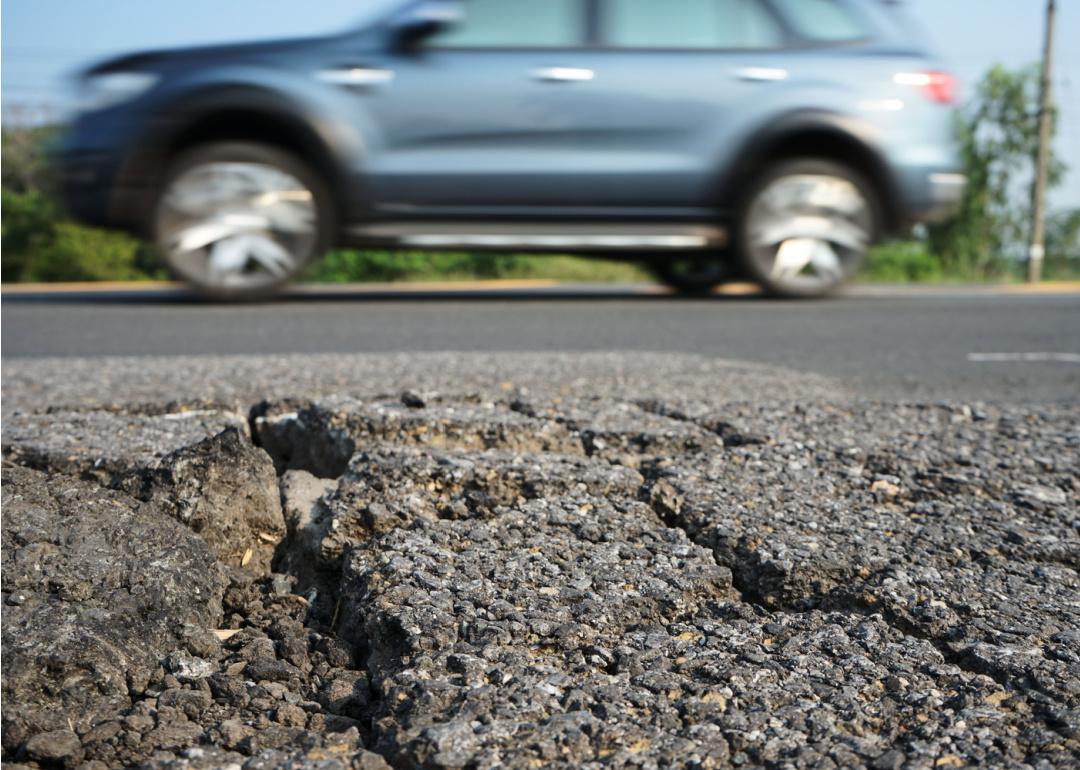
The United States boasts an impressive interstate network of—but underlying that reputation is, according to the American Society of Civil Engineers. On average, the society estimates, American motorists spend a collective $130 billion on extra vehicle repairs and fuel costs as a result of driving on poor-quality .
In 2000, were considered acceptable to drive on, according to federal standards, which look at how rough or smooth a road surface is based on how much vibration a car's suspension has to absorb while driving on it. By 2020, a smaller share—81%—of U.S. roads were rated acceptable.
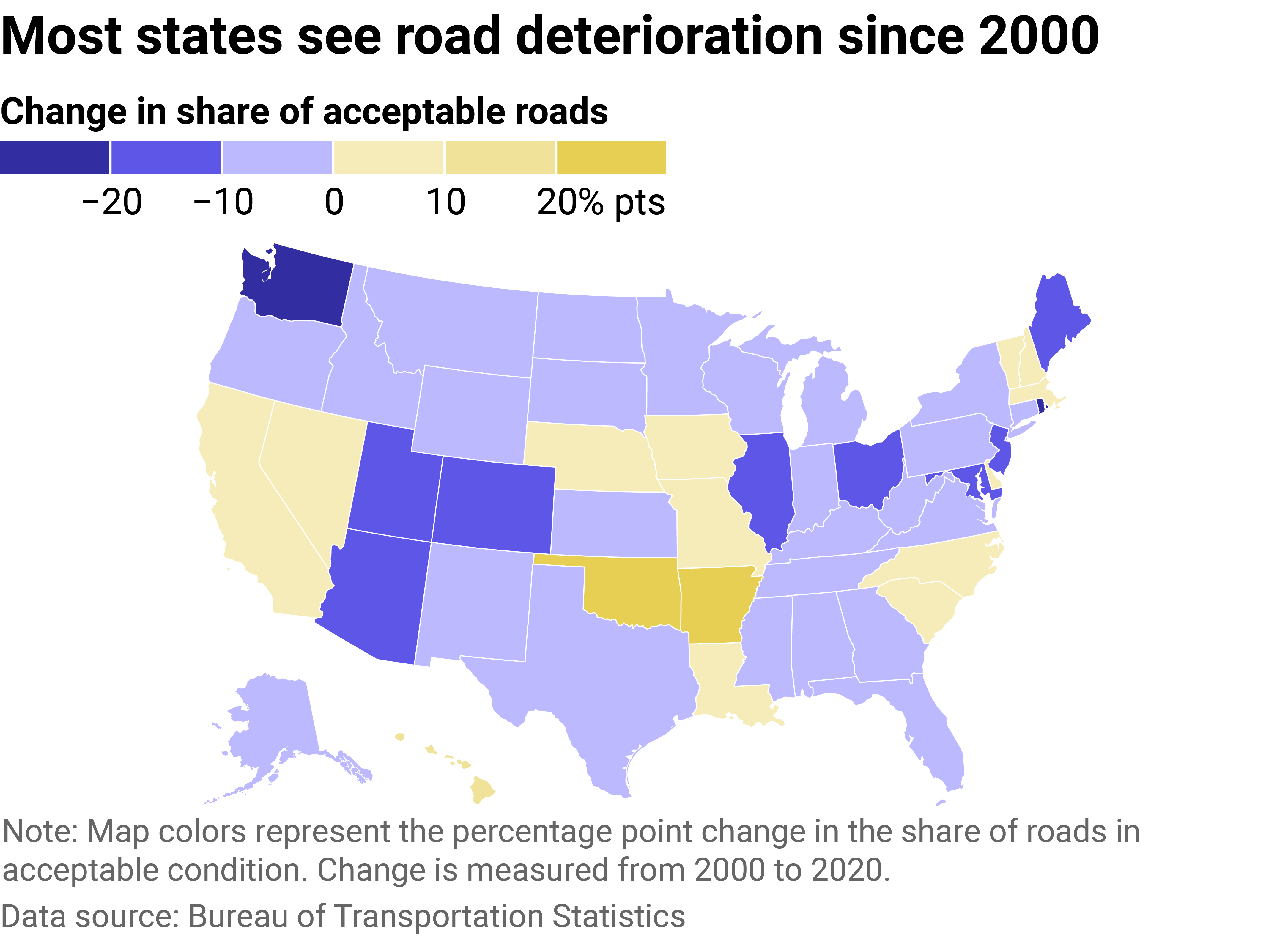
used data to map and rank U.S. states by the change in the share of roads that were in acceptable condition over the past two decades. Road condition is determined by the, which measures deviations from pavement surfaces significant enough to affect driving. Roads with IRI values below 170 are considered to be in acceptable condition, while anything above 170 is considered poor condition. Data represents the percentage point change from 2000 to 2020.
Fewer roads are in acceptable condition in 2020
At first glance, the change in the share of roads in acceptable condition over the past two decades does not appear to be a significant downgrade. However, the nationwide change can be misleading because while some states have improved their road infrastructure, some states have seen a massive decrease in road quality.
States like Rhode Island and Washington have seen over 20% of their roads degrade into poor condition. Other states, including Arkansas and Oklahoma, have conversely seen significant improvements in the quality of their roadways, and are planning to invest more by implementing and. California, which has seen road conditions improve, depends on higher-than-average.
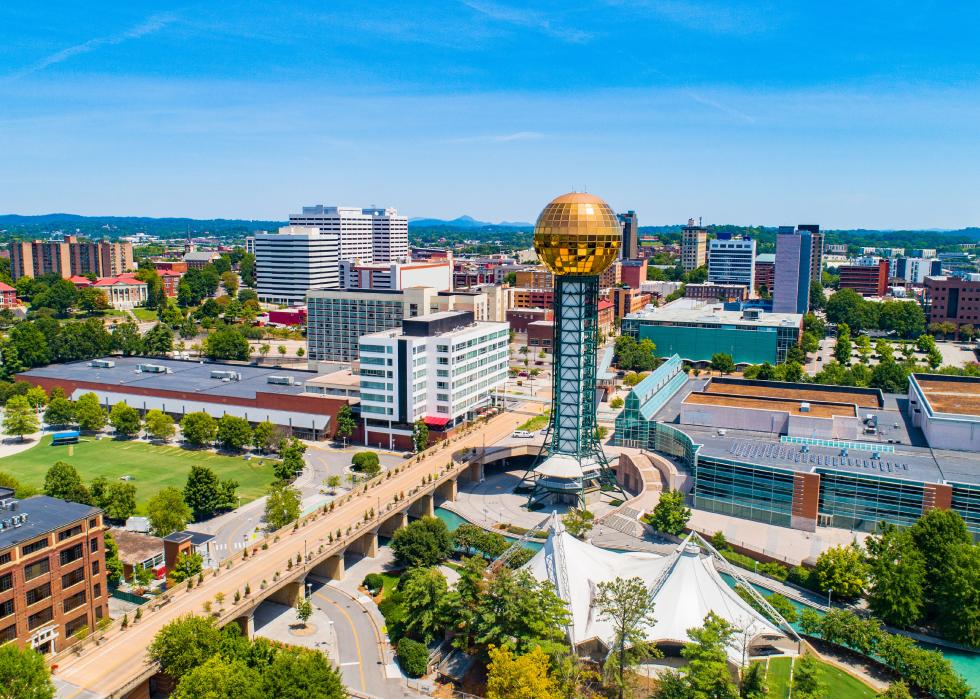
#51. Arkansas
- Share of roads in acceptable condition, 2020: 92.0%
- Change from 2000: +26.8 percentage points
Road conditions have improved the most in Arkansas from 2000 to 2020. Exactly 92% of roads are in acceptable condition, a huge increase from 65.21% in 2000. In 2020, Arkansas voters passed an amendment to the state constitution that mandated, an initiative designed to produce approximately $290 million in revenue each year.

#50. Oklahoma
- Share of roads in acceptable condition, 2020: 93.7%
- Change from 2000: +25.5 percentage points
Oklahoma has had the second-greatest improvement in road conditions of all states. In 2000, 68.2% of roads were in acceptable condition. That percentage has since surged to 93.65% in 2020. The Oklahoma Department of Transportation is currently one year into an eight-year effort to spend $8 billion on highways.
#49. Hawaii
- Share of roads in acceptable condition, 2020: 60.0%
- Change from 2000: +10.0 percentage points
While only 60% of the roads in Hawaii were in acceptable condition in 2020, the state actually saw a 10 percentage point improvement from 2000. Despite the conditions of roads in the state, Hawaii has the fourth lowest car crash fatality rate in the nation due in part to having the and (9,972) compared to other states.
#48. California
- Share of roads in acceptable condition, 2020: 67.0%
- Change from 2000: +9.7 percentage points
California roadways have undergone significant improvement in recent decades. In 2000, just 57.35% of roads were in acceptable condition; in 2020, 67% were considered acceptable. This may come as no surprise given the fact that which goes exclusively toward highway repair and maintenance.
#47. South Carolina
- Share of roads in acceptable condition, 2020: 91.5%
- Change from 2000: +9.1 percentage points
South Carolina has made major strides in road condition improvement since 2000, when 82.41% of roadways were in acceptable condition. In 2020, that number was 91.51%. The state has established to fund local road and infrastructure projects.
#46. Vermont
- Share of roads in acceptable condition, 2020: 80.7%
- Change from 2000: +8.6 percentage points
In 2000, 72.1% of roads in Vermont were in acceptable condition. In 2020, that number hovered just above 80%. The state expects to receive $704.8 million under the Bipartisan Infrastructure Law to invest in roads and related infrastructure projects.
#45. Delaware
- Share of roads in acceptable condition, 2020: 83.7%
- Change from 2000: +6.2 percentage points
Just under 84% of the roads in Delaware are in acceptable condition, an improvement from 77.5% in 2000. The stateis due to receive $1.4 billion over the next five years under the Bipartisan Infrastructure Law.
#44. Massachusetts
- Share of roads in acceptable condition, 2020: 72.5%
- Change from 2000: +5.8 percentage points
Only 66.61% of roads were in acceptable condition in 2000 in Massachusetts, a percentage that increased to 72.45% as of 2020. Though that's still a lot of poor-quality roads, per capita of any state at 4.9 deaths per 100,000 people.
#43. Nebraska
- Share of roads in acceptable condition, 2020: 92.9%
- Change from 2000: +5.7 percentage points
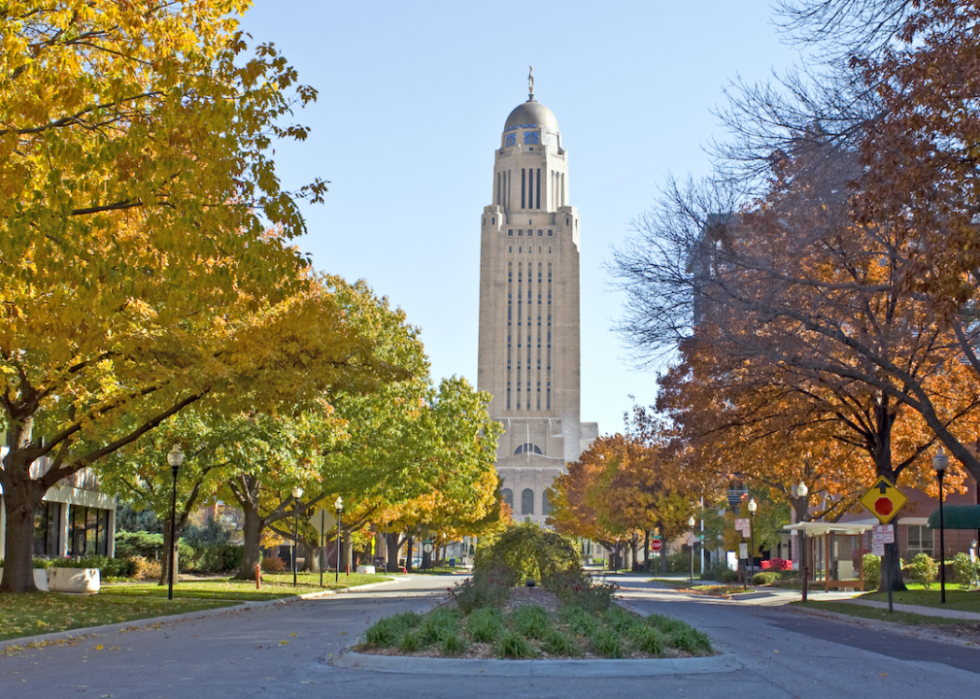
The share of roads in Nebraska in acceptable condition has increased from 87.23% in 2000 to 92.9% in 2020. This improvement may be attributable to the fact that than any other state, according to a U.S. News & World Report analysis of Census Bureau data.
#42. Iowa
- Share of roads in acceptable condition, 2020: 91.1%
- Change from 2000: +5.4 percentage points
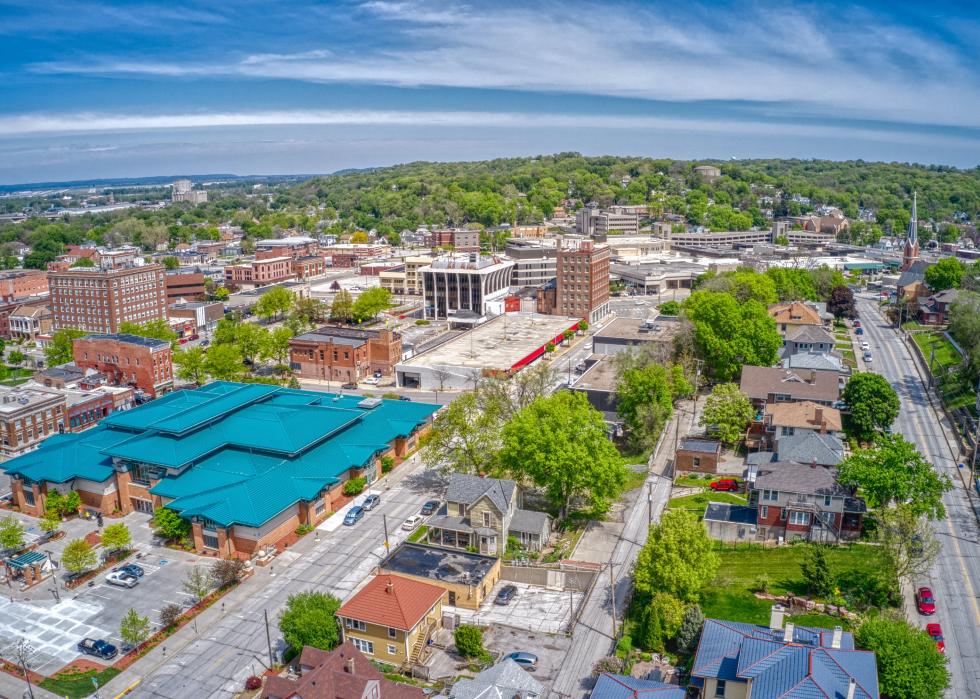
Iowa has made significant improvements to its road system: Its share of roads in acceptable condition increased from 85.7% in 2000 to 91.09% in 2020. The Hawkeye State is looking to do even better, and , including smoothing pavement and improving road markings.
#41. Nevada
- Share of roads in acceptable condition, 2020: 85.7%
- Change from 2000: +4.2 percentage points
The home of Las Vegas is also home to improving road conditions—in 2000, 81.43% of roads were in acceptable condition. This has increased by over 4 percentage points to 85.66% in 2020. Through the Biden administration's Bipartisan Infrastructure Law,.
#40. North Carolina
- Share of roads in acceptable condition, 2020: 89.5%
- Change from 2000: +3.1 percentage points
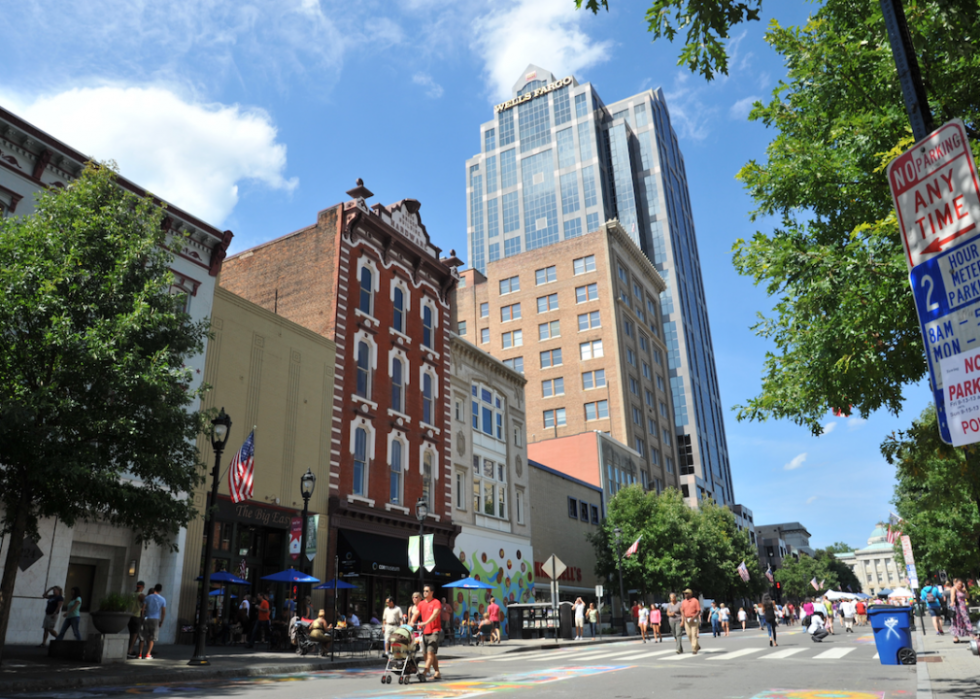
The road conditions in North Carolina have improved from 86.46% acceptable in 2000 to 89.51% acceptable in 2020. The state mostly uses its 38.5-cent-per-gallon gas tax to fund road construction, though the state legislature recently also sent to the transportation department for road repair and construction.
#39. Missouri
- Share of roads in acceptable condition, 2020: 75.6%
- Change from 2000: +2.4 percentage points
Missouri roads have also improved slightly in condition since 2000, when 73.2% of roads were considered to be in acceptable condition. That percentage is now 75.64%. However, the state still ranked sixth for people to their cars.
#38. Louisiana
- Share of roads in acceptable condition, 2020: 77.0%
- Change from 2000: +1.1 percentage points
Roadways in Louisiana have improved slightly over the past 20 years. In 2000, just under 76% of roadways were in acceptable condition. Today, just over 77% of roads meet that criterion. In an effort to make further improvements, to pay for road maintenance and construction.
#37. New Hampshire
- Share of roads in acceptable condition, 2020: 82.4%
- Change from 2000: +0.1 percentage points
The quality of roads in New Hampshire is roughly the same as it was two decades ago, when 82.32% were in acceptable condition. Now, 82.39% are considered suitable for driving. Under the state's constitution,any excess revenue related to motor vehicles , used exclusively for the maintenance and repair of highways.
#36. South Dakota
- Share of roads in acceptable condition, 2020: 86.3%
- Change from 2000: -0.5 percentage points
Little has changed in the conditions of roadways in South Dakota since 2000, when 86.76% were in acceptable condition. Today, that percentage is 86.25%. However, —the age at which a bridge typically needs significant repairs or replacement.
#35. West Virginia
- Share of roads in acceptable condition, 2020: 68.7%
- Change from 2000: -1.3 percentage points
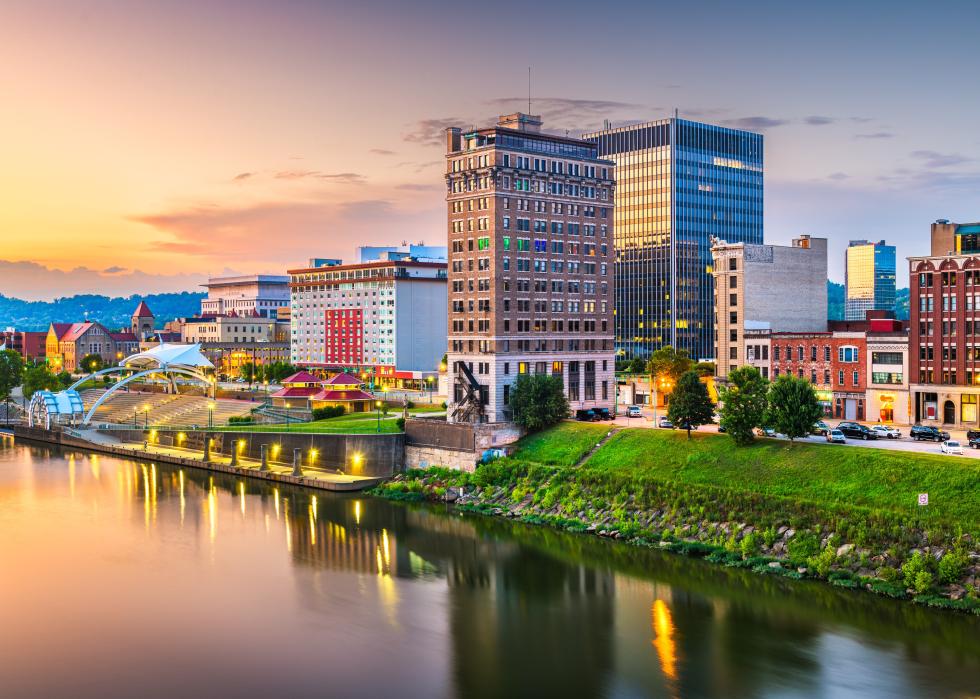
Road conditions have only slightly degraded in West Virginia over the past 20 years: 69.95% of roads were in acceptable condition in 2000, and 68.65% are as of 2020. The West Virginia Department of Transportation established the in 2017, aiming to fund approximately $2.8 billion of roadwork in the state over the coming years.
#34. Oregon
- Share of roads in acceptable condition, 2020: 88.6%
- Change from 2000: -1.6 percentage points
Just over 90% of the roads in Oregon were in acceptable condition 20 years ago; now, that share is 88.57%. According to the Oregon Department of Transportation, the state receives about from the Federal Highway Administration, in addition to state funds raised through sources like the lottery and cigarette taxes.
#33. Tennessee
- Share of roads in acceptable condition, 2020: 94.6%
- Change from 2000: -1.7 percentage points
About 94.6% of roads in Tennessee are in acceptable condition, down from 96.32% in 2000. The Volunteer State spends a than all other states except Nebraska.
#32. Mississippi
- Share of roads in acceptable condition, 2020: 73.9%
- Change from 2000: -1.9 percentage points
Just over three-quarters of roads in Mississippi were in acceptable condition in 2000; now, 73.8% are. The state also has the. The Mississippi Department of Transportation from the state legislature.
#31. Pennsylvania
- Share of roads in acceptable condition, 2020: 72.4%
- Change from 2000: -2.0 percentage points
In 2000, 74.3% of Pennsylvania's roads were in acceptable condition compared to 72.35% in 2020. This smaller decline compared to other states may be due in part to the state having the which helps fund roadwork and repair.
#30. Minnesota
- Share of roads in acceptable condition, 2020: 90.7%
- Change from 2000: -2.2 percentage points
Minnesota drivers enjoy over 90% of roads in acceptable condition, though this is down from 92.84% in 2000. is on roadways. That includes money from its gas tax of 28.5 cents per gallon.
#29. Idaho
- Share of roads in acceptable condition, 2020: 90.2%
- Change from 2000: -2.2 percentage points
As of 2020, 90.2% of roads in Idaho are in acceptable condition—a slight downgrade from 92.43% in 2000. The state is set to receive more than $855 million for roads, bridges, safety projects, and more from the Biden administration's Bipartisan Infrastructure Law.
#28. Kentucky
- Share of roads in acceptable condition, 2020: 92.6%
- Change from 2000: -2.3 percentage points
The state has gone from nearly 95% of roads in acceptable condition in 2000 to 92.59% in 2020. The state government expects to receive more than under the Biden administration's Bipartisan Infrastructure Law.
#27. New Mexico
- Share of roads in acceptable condition, 2020: 66.0%
- Change from 2000: -3.6 percentage points
Just 65.96% of roads in New Mexico are in acceptable condition, down from 69.56% in 2000. This results in, according to TRIP. Like many states, its road repair funds depend in part on gas taxes, which are . The state legislature has debated and in recent years.
#26. Indiana
- Share of roads in acceptable condition, 2020: 81.8%
- Change from 2000: -3.7 percentage points
Roadway conditions have gotten slightly worse over two decades in Indiana. About 82% of roads are in good condition as of 2020, down from 85.42% in 2000. In 2017, the state legislature passed a plan to boost spending on local roads by.
#25. Wyoming
- Share of roads in acceptable condition, 2020: 94.3%
- Change from 2000: -4.4 percentage points
Wyoming's roadways have deteriorated only slightly over the past 20 years. In 2000, 98.71% of roads were in acceptable condition; in 2020, that number dropped to 94.27%. Despite having relatively well-kept roads, Wyoming has the second-highest number of fatal car accidents per capita with a death rate of 22 deaths per 100,000 people, according to an analysis of federal data.
#24. Alaska
- Share of roads in acceptable condition, 2020: 80.9%
- Change from 2000: -4.6 percentage points
Just over 80% of roadways in Alaska are in acceptable condition, down from 85.46% at the turn of the century. Driving on deteriorated roads costs each Alaskan motorist , according to the TRIP. The organization also estimates that poor road conditions contribute to approximately one out of every three fatal vehicle crashes in the state.
#23. North Dakota
- Share of roads in acceptable condition, 2020: 94.1%
- Change from 2000: -4.8 percentage points
North Dakota once had close to 99% of its roads in acceptable condition, but now that percentage has dropped to 94.13%. According to the North Dakota Department of Transportation, the state spends an estimated to maintain the state highway system's 8,600 miles of road. And that doesn't include in the state.
#22. Michigan
- Share of roads in acceptable condition, 2020: 78.6%
- Change from 2000: -5.2 percentage points
Just under 84% of roads in Michigan were in acceptable condition in 2000, a share that dropped to 78.61% in 2020. The state is currently pursuing across the state, bringing the total miles of road repaired to nearly 20,000 since 2019.
#21. Texas
- Share of roads in acceptable condition, 2020: 77.6%
- Change from 2000: -5.4 percentage points
Roads in the Lone Star State have deteriorated in the past 20 years—in 2000, just under 83% of roads were in acceptable condition while 77.6% were in 2020. In response to unsafe driving and incidents, the Texas legislature passed House Bill 1885 in June, which during inclement weather, construction, or because the road itself is in bad shape.
#20. Virginia
- Share of roads in acceptable condition, 2020: 86.8%
- Change from 2000: -6.1 percentage points
Nearly 93% of roads in Virginia were in acceptable driving condition in 2000; now, 86.78% are. However, for the cost-effectiveness and condition of its highway system according to the Reason Foundation's 2023 Annual Highway Report.
#19. Georgia
- Share of roads in acceptable condition, 2020: 92.8%
- Change from 2000: -7.0 percentage points
Georgia had one of the highest rates of roads in acceptable condition in 2000 at 99.86%. Twenty years later, that has dropped to just under 93%. According to TRIP, on vehicle maintenance costs and fuel consumption as a result of driving on poorly maintained Georgia roads.
#18. Wisconsin
- Share of roads in acceptable condition, 2020: 74.8%
- Change from 2000: -7.9 percentage points
About three out of every four road miles in Wisconsin are in acceptable condition, compared to 82.65% in 2020. Under the Biden administration's Bipartisan Infrastructure Law, the state will receive $2.4 billion in support of the repair and maintenance of roads, public transit, bridges, and more.
#17. District of Columbia
- Share of roads in acceptable condition, 2020: 8.6%
- Change from 2000: -8.3 percentage points
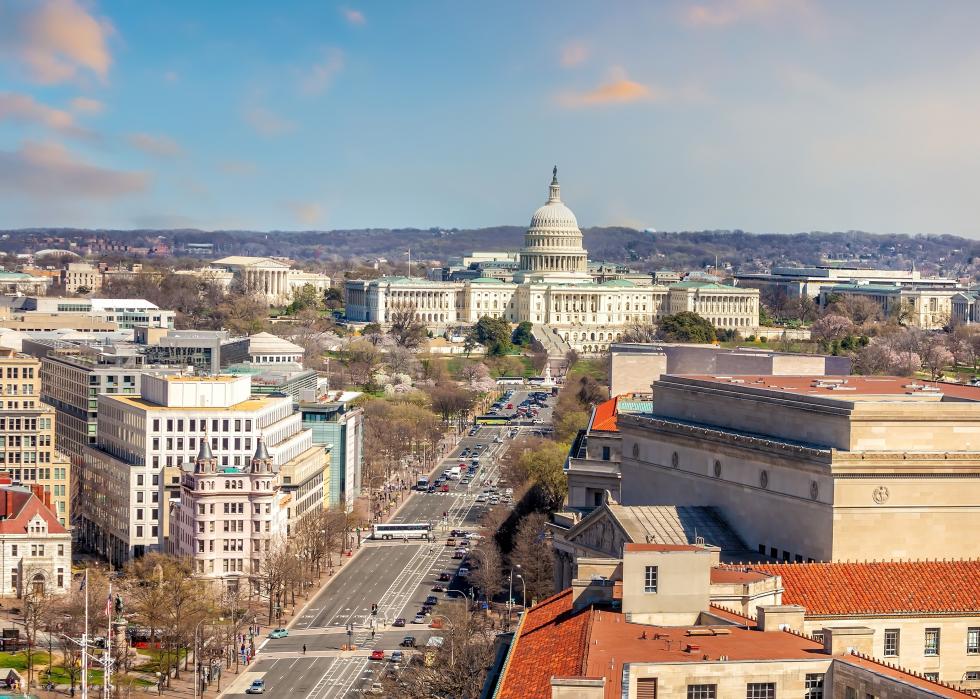
The nation's capital has some of the least acceptable driving conditions in the country. In 2000, just 16.95% of roads were in acceptable condition; now, less than 9% are. The District Department of Transportation aims to
#16. Alabama
- Share of roads in acceptable condition, 2020: 90.9%
- Change from 2000: -8.6 percentage points
Most roads in Alabama are in acceptable condition at 90.86%, but that percentage was just under 100% 20 years ago. Still, the state has the second-smoothest roads in America according to a MoneyGeek analysis of federal data. Under the Biden administration's Bipartisan Infrastructure Law, for highway and bridge repair.
#15. New York
- Share of roads in acceptable condition, 2020: 74.0%
- Change from 2000: -8.9 percentage points
Just under 83% of New York roads were in acceptable condition in 2000, but that percentage has since dropped to 73.97%. Luckily for residents, . The state spends approximately, including road repair and maintenance.
#14. Connecticut
- Share of roads in acceptable condition, 2020: 67.0%
- Change from 2000: -9.5 percentage points
Just are considered to be in good condition. Meanwhile, just 67.02% are in acceptable condition—a downgrade from 76.55% 20 years ago. Under the Biden administration's infrastructure plan, Connecticut expects to receive $1.6 billion to support the repair and maintenance of roads and bridges.
#13. Montana
- Share of roads in acceptable condition, 2020: 87.3%
- Change from 2000: -9.6 percentage points
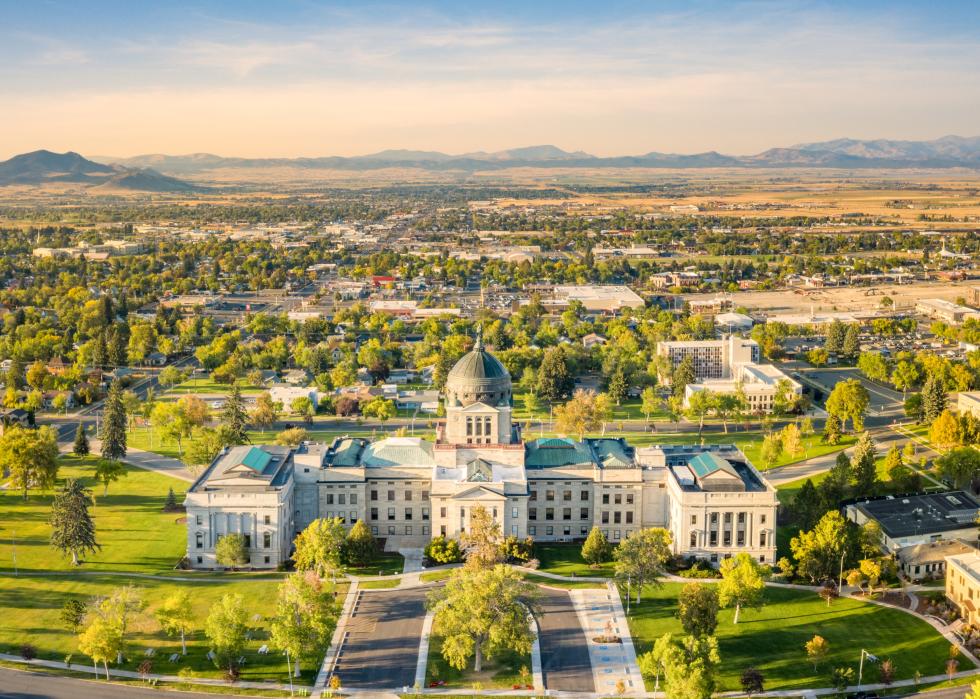
The share of roads in acceptable driving condition in Montana dropped from 96.88% to 87.31% from 2000 to 2020. The state is on the tail end of a six-year progressive motor fuel tax increase,, which aimed to supplement funding for transportation initiatives in the state.
#12. Florida
- Share of roads in acceptable condition, 2020: 87.7%
- Change from 2000: -9.7 percentage points
Twenty years ago, 97.36% of roads in Florida were in acceptable condition. Today, that percentage is 87.66%. Despite these stats, in the Reason Foundation's Annual Highway Report due to its cost-effectiveness.
#11. Kansas
- Share of roads in acceptable condition, 2020: 88.6%
- Change from 2000: -10.0 percentage points
Over 98% of roads in Kansas were in acceptable condition 20 years ago, but that percentage has since dropped to 88.57%. Driving on roads in unacceptable conditions costs Kansas residents , according to TRIP.
#10. Illinois
- Share of roads in acceptable condition, 2020: 80.2%
- Change from 2000: -10.5 percentage points
In 2000, over 90% of the roads in Illinois were rated as being in acceptable condition. By 2020, that share had dropped by about 10 percentage points. , ranking 39th nationally for total disbursements per mile.
#9. New Jersey
- Share of roads in acceptable condition, 2020: 55.2%
- Change from 2000: -11.2 percentage points
Current-day New Jersey has one of the lowest percentages of roads in acceptable condition at 55.16%, though it was 66.34% in 2000. The Reason Foundation's, which ranks the states according to the condition and cost-effectiveness of state-controlled highways, ranked New Jersey last for overall highway performance.
#8. Maine
- Share of roads in acceptable condition, 2020: 79.3%
- Change from 2000: -11.8 percentage points
The roads in Maine withstand per year. In 2000, 91% of roadways in the state were in acceptable condition, but in 2020 that dropped to 79.29%. A 2021 report by TRIP estimated that in wasted fuel, lost time, and additional car maintenance.
#7. Ohio
- Share of roads in acceptable condition, 2020: 83.7%
- Change from 2000: -12.4 percentage points
Ohio once boasted over 96% of roads in acceptable condition, but that amount has since dropped to 83.69% as of 2020., resulting in an estimated average of $887 extra in vehicle maintenance costs for Cleveland-based drivers.
#6. Colorado
- Share of roads in acceptable condition, 2020: 78.1%
- Change from 2000: -12.5 percentage points
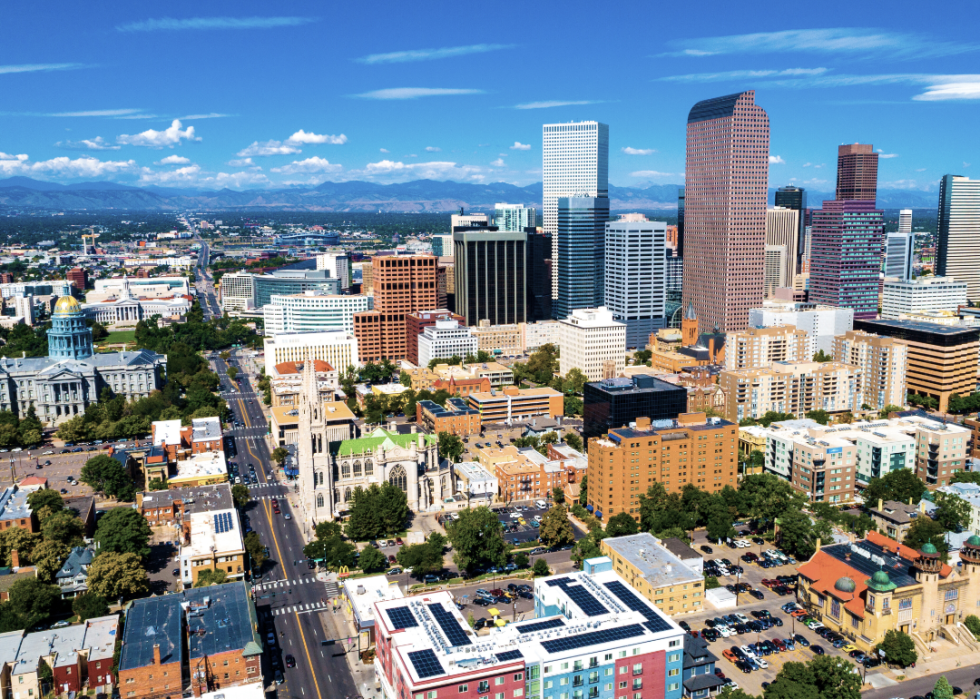
Over 90% of Colorado roads were in acceptable condition 20 years ago, but today that percentage is 78.12%. The state's Department of Transportation cites challenges in receiving sufficient funding—. Today, that amount has dropped to about $81 per person.
#5. Utah
- Share of roads in acceptable condition, 2020: 80.0%
- Change from 2000: -13.9 percentage points
While 93.81% of roads were in acceptable condition in 2000, just under 80% remain so today in the state of Utah. On the other hand,the state ranked in a 2022 assessment by the Federal Highway Administration.
#4. Maryland
- Share of roads in acceptable condition, 2020: 72.3%
- Change from 2000: -16.5 percentage points
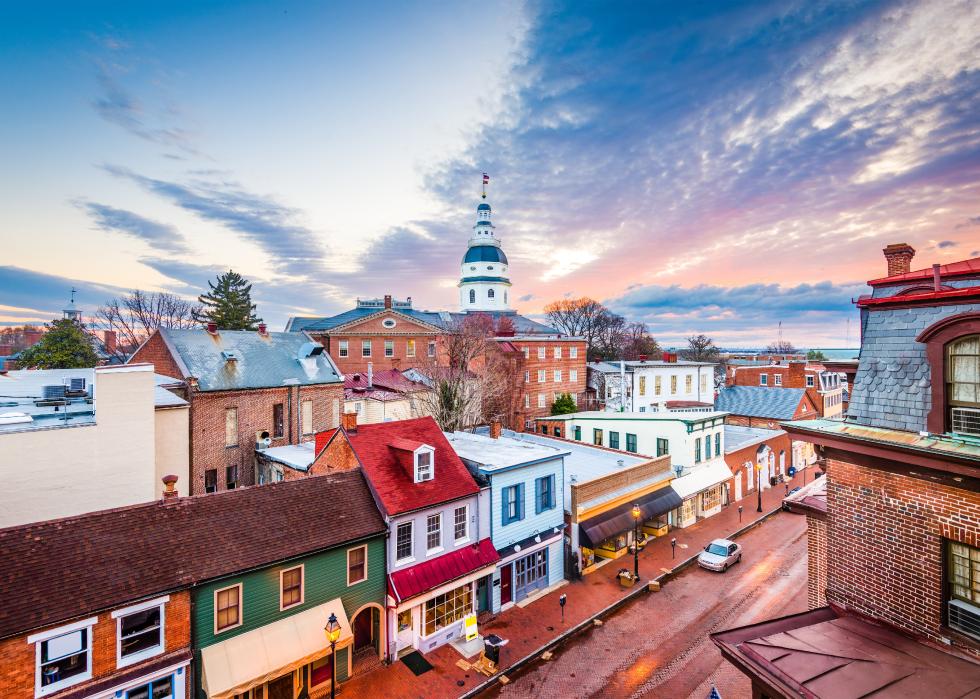
When it comes to the roadways in Maryland, 72.28% are in good condition—down from 88.76% in 2000. The state also ranked second in urban interstate highway traffic congestion in a 2021 TRIP report showing.
#3. Arizona
- Share of roads in acceptable condition, 2020: 77.5%
- Change from 2000: -19.9 percentage points
The percentage of roads in Arizona in good condition has dropped from 97.33% to 77.46% over the course of 20 years. As of November 2022, approximately 132 bridges and more than 3,193 highway miles in Arizona were in poor condition. The state is set to receive about $5.3 billion from the Bipartisan Infrastructure Law for highway and bridge projects.
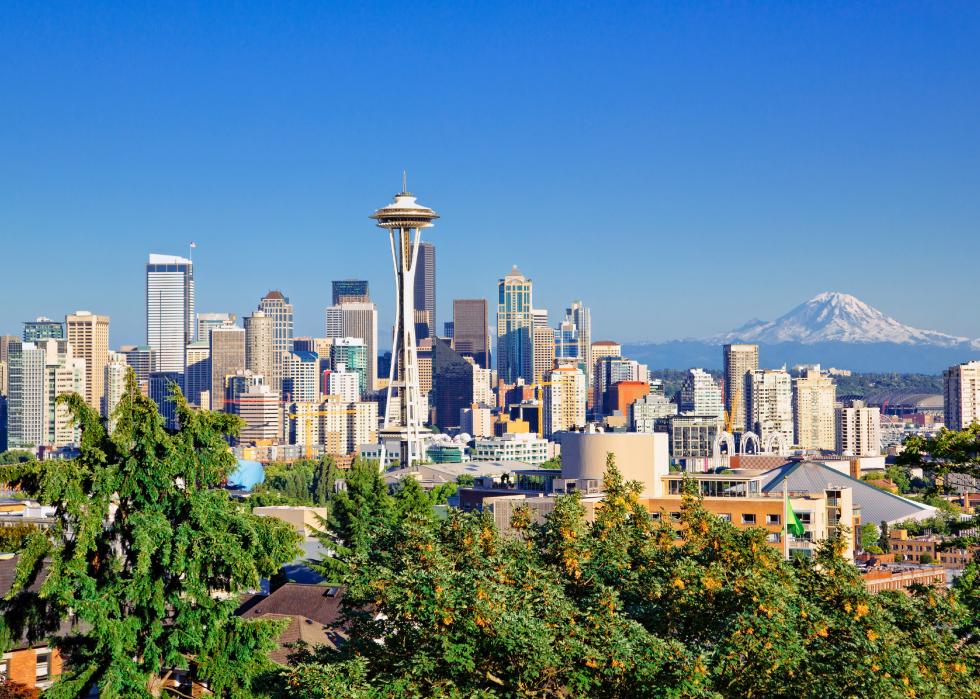
#2. Washington
- Share of roads in acceptable condition, 2020: 71.5%
- Change from 2000: -26.5 percentage points
In 2000, just over 98% of roads in Washington were in good condition. Twenty years later, that percentage dropped to 71.53%. Under the Biden administration's infrastructure law, Washington state is expected to receive $5.3 billion in total by 2027 to support the repair and improvement of the state's roads and bridges.
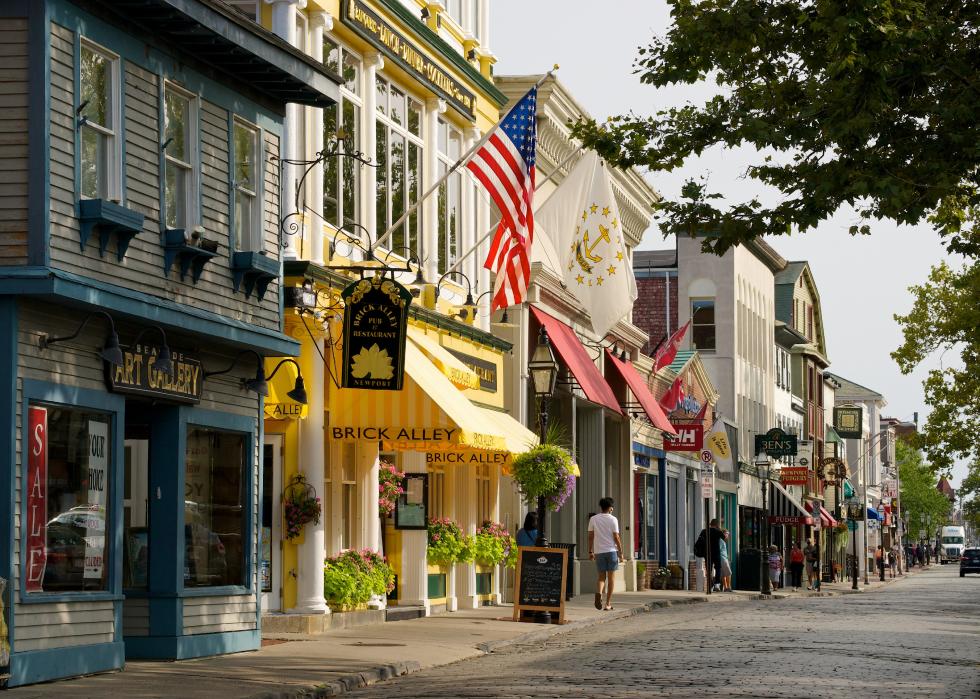
#1. Rhode Island
- Share of roads in acceptable condition, 2020: 51.9%
- Change from 2000: -33.3 percentage points
The percentage of roads in acceptable condition dropped from 85.18% in 2000 to just 51.93% in 2020. This makes Rhode Island the state with the worst road conditions in the nation. The state's Department of Transportation iscurrently seven years into fulfilling a , which includes road repair.

Data reporting by Paxtyn Merten. Story editing by Jeff Inglis. Copy editing by Tim Bruns.