Which living costs are rising and falling the most in Canada?
Which living costs are rising and falling the most in Canada?
Last year certainly had its ups and downs鈥攏amely, rising prices and decreased job prospects for the unemployed. Financial memories from 2025 may well impact Canadian household budgets in 2026, but it鈥檚 not all doom and gloom.
Some costs surprisingly went down last year, according to the Canadian Consumer Price Index, while others had people digging deeper into their pockets to stay afloat, reports.
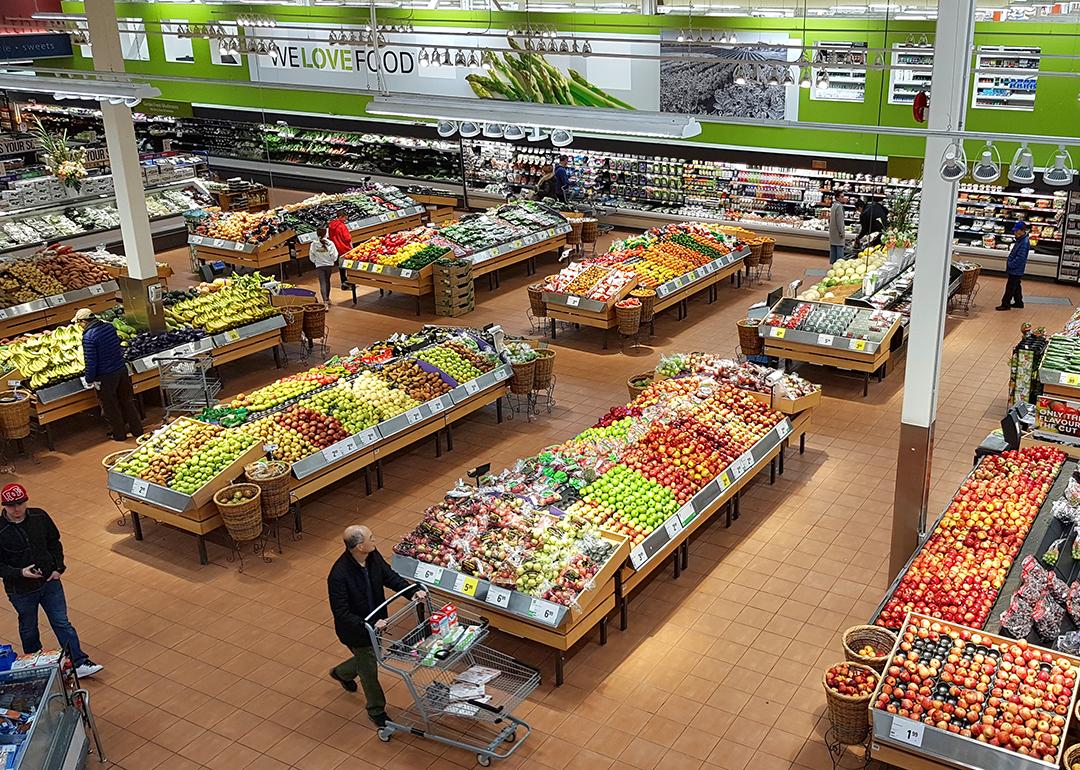
Food prices rose more than every other cost category last year
Grocery shoppers were among last year鈥檚 biggest losers, with rising food prices pressuring everyone to tighten their belts鈥攁 reality that doesn鈥檛 appear poised to change.
, the reasons for price hikes range from unfavorable weather conditions affecting agriculture to U.S. tariff-related cost increases and labor shortages brought on by shifting immigration policies.
Not all food items have been equally hit, however. Beef, coffee, nuts, fruit juices and chocolate , as have alcohol and tobacco products. On the other hand, butter, margarine, wheat flour, olive oil and some berries have dropped below their January 2025 price levels ().
Tips for cutting down food costs
- Pay attention to the label. Shop by weight, not by price, to get the most for your dollar and avoid losing money to sneaky product reductions (鈥渟hrinkflation鈥�).
- Go generic. Often, generic brands use many of the same ingredients as their big-name counterparts, but you鈥檒l pay less for the taste.
- Split the bill. Consider going in with friends and family to buy large quantities of meat wholesale. The upfront cost is higher, but the long-term savings may be worth it.
- 鈥淲aste not.鈥� Apps like Flashfood and Too Good To Go make it easy to get your hands on discounted unsold or nearly-expired food from nearby retailers.
Rising clothing and footwear costs are hitting consumers below the belt
Statistics Canada reports that clothing and footwear costs went up just under 4% between January and November of last year.
, Andrew Barclay, an analyst for the agency, attributes the jump to trade war tensions between the U.S. and certain Asian countries that have become major clothing manufacturing hubs.
In fact, went viral on social media last year after claiming that many luxury items are actually made in China and sold abroad at an incredibly high markup.
It鈥檚 not entirely clear which high-end brands the claim applies to. What is clear is that international economic and political conflicts can place an invisible tax on luxury goods, which predictably affects items from China, the world鈥檚 leading textile exporter (based on ), as well as Bangladesh, Vietnam, Turkey, India and other key exporters.
It remains to be seen how the fashion industry will fare as the trade war continues to play out. In the meantime, by maximizing the lifespan of your wardrobe as much as possible.
Tips for cutting down clothing and footwear costs
- Shop off-season. Stores are eager to get rid of winter items when spring is right around the corner (and vice versa), so plan to hit the stores right before the seasons change around January/February and July/August.
- Participate in clothing swaps. Exchanging fashion items with people you know is a great way to cycle out clothing that doesn鈥檛 work for you and freshen up your look.
- Stay loyal. Look for opportunities to score occasional discounts or freebies by joining free loyalty programs wherever you shop regularly.
- Make it last. Having valuable shoes or jackets repaired might be less expensive than buying items brand new. If you鈥檙e really crafty, you may want to learn how to cut and resew old pieces together to create new looks.
Drivers are paying less at the pump
Canadian consumers may be losing at the grocery stores and malls, but they鈥檙e winning on the road. Gas, energy and transportation were the only cost categories that had declined by late 2025.
Gas prices decreased at an especially steep rate (-10.73%) between January and November 2025. Oversupply and the elimination of the Canadian federal carbon tax in April are behind the change, .
Seasonal factors also contribute to lower prices, as many people cut down on discretionary travel during cold months. Plus, gas is less expensive to produce in the winter than in the summer. This is because it contains more butane, which is relatively cheap and makes fuel ignite more easily in low temperatures.
significantly over the past year. Among the reasons for this are oversupply and economic pessimism in the first half of 2025, which reduced demand for crude oil.
Here鈥檚 to hoping the trend towards affordability at the pump carries over into even more cost categories this year.
Tips for cutting down gas and transportation costs
- Make the most of your mileage. Rapidly accelerating, excessive braking and driving at high speeds will burn gas faster, so practice calm, steady driving habits. Keeping your tires inflated, offloading unnecessary gear and using cruise control on flat roads can also improve your mileage.
- Fill up strategically. Apps like GasBuddy and Waze can help you find the cheapest gas prices in your area. Avoid filling up during rush hour, weekends or holidays when prices are often higher.
- Seal up your home. Cut down heating costs by closing up air leaks around the windows and doors of your home. Use energy-efficient appliances, and consider getting a smart thermostat to auto-adjust the temperature as the seasons change.
- Cut down your driving. Ride-sharing apps, public transportation and motorized bikes can shave down the cost of running and maintaining an automobile.
Saving money is more important than ever, but so is making money and boosting your income. Look at ways to and to get ahead in the upcoming year.
was produced by and reviewed and distributed by 麻豆原创.