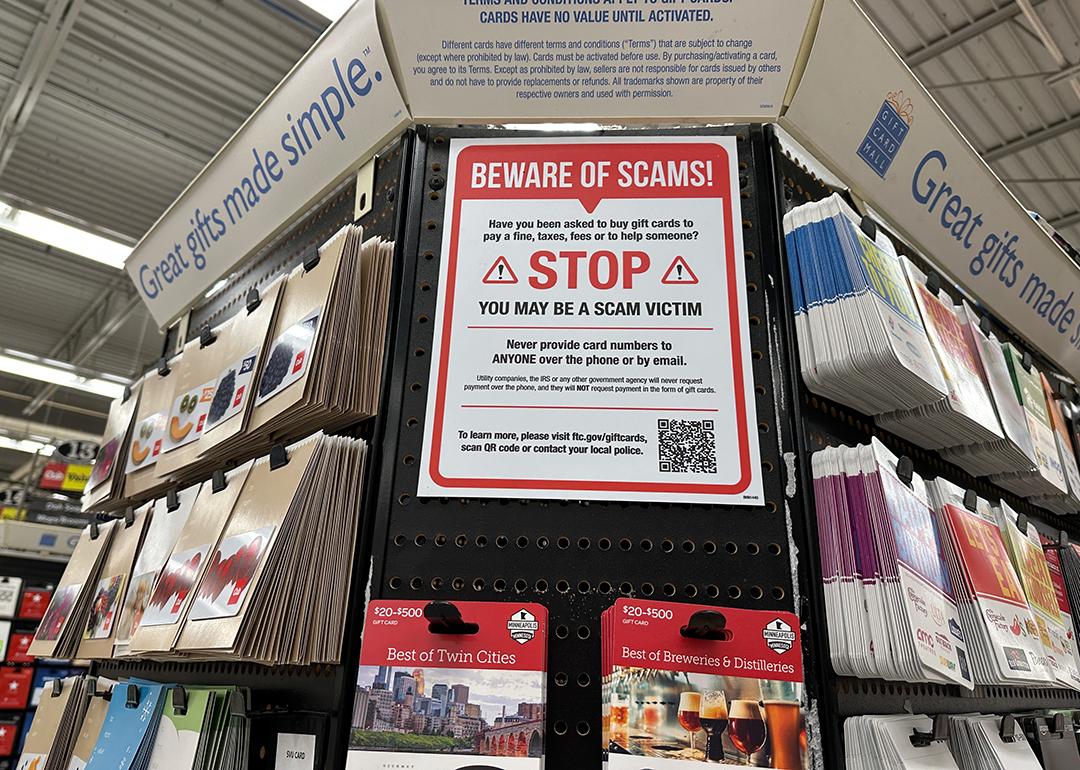
Inside America鈥檚 top 7 rising fraud hotspots
Inside America鈥檚 top 7 rising fraud hotspots
Fraud, scams, hoaxes鈥攈owever you want to label such malfeasance, it鈥檚 been around since humans became social creatures. What鈥檚 new, however, is scammers' ability to reach large numbers of potential victims with personalized messages that are optimized to build trust (and steal information).
Scammers largely owe this newfound capability to technological advancements, like the rise of generative artificial intelligence (AI) models and tools. The internet itself has already given fraudsters a boost in efficiency. However, that things aren鈥檛 slowing down as time goes on. The number of fraud and identity theft reports increased by 1,861% between 2001 and 2024 alone.
The rise of technology-based scams has allowed fraud to proliferate in many U.S. metropolitan areas. Below, takes a look at the areas most affected by the rise in fraud, according to recent metrics from the Federal Trade Commission鈥檚 (FTC鈥檚) Consumer Sentinel Network Data Book.
What Does Fraud Look Like?
Before analyzing the hotspots where fraud is most likely to occur, we first have to define what 鈥渇raud鈥� actually means and looks like.
Today, fraud involves a lot more than simple deception. It overwhelmingly occurs through digital channels, and it can target victims from multiple angles: threats to privacy, identity theft, financial theft, and even romance scams hide behind unidentified names or numbers.
A common tactic scammers use is phishing, which involves sending messages purporting to be from financial institutions or other trusted organizations to potential victims. The emails seek personally identifiable information (PII) that could allow fraudsters to impersonate victims and, crucially, obtain money or other assets.
The content of scammers鈥� messages varies; some may claim to offer 鈥渆xciting鈥� investment opportunities and ask victims for their bank account information. Other times, victims may be offered 鈥渓ucrative鈥� jobs that require Social Security numbers. Job scams alone cost Americans an estimated , a fivefold increase from 2020 ($91 billion).
Overall, the Federal Trade Commission (FTC) logged $12.5 billion in fraud losses throughout 2024. An equally sobering fact is that of Americans in a Pew Research survey reported encountering some form of online fraud or scam.
7 Rising Fraud Hotspots Across the U.S.
Almost every U.S. metropolitan area saw a greater number of fraud reports in 2024 compared to 2023. Some experienced steep increases, though. Many of the worst offenders are located in the growing Sun Belt.
1. Baton Rouge, Louisiana
Although the Baton Rouge metro area in Louisiana has seen relatively modest growth over the past few years, the increase in fraud reports has been striking. The area avoided the top-50 fraud list in 2023 but ranked #23 in 2024, with 1,830 reports per 100,000 residents.
2. Orlando, Florida
This central Florida area, home to the internationally renowned Walt Disney World, is not the most magical place on earth for many of its residents. The fraud reporting rate per 100,000 residents rose from 1,602 to 2,330 in 2024, one of the largest increases logged by the FTC.
3. North Port-Bradenton-Sarasota, Florida
You don鈥檛 have to travel far for the next metro, which sits just south of Tampa and St. Petersburg. Residents noted 19,410 instances of fraud in 2024, good for 2,244 per 100,000 residents. That鈥檚 a sharp increase from the rate of 1,555 in 2023.
4. Miami, Florida
Fraud was already prevalent in South Florida in 2023, but the rate skyrocketed during 2024. Miami鈥檚 people reported 2,793 instances of fraud per 100,000 residents, which placed first among all U.S. metros in 2024. The rate in 2023 was a relatively modest 1,775, which still ranked fourth nationwide.
5. Charleston-North Charleston, South Carolina
This coastal metro saw a huge jump in fraud reports between January 2024 and January 2025. The total number (17,509 from 9,721) nearly doubled year to year.
6. East Stroudsburg, Pennsylvania
One of the smallest metros on the top-50 list, East Stroudsburg ranked 45th in the U.S. fraud rate in 2023 but jumped to 12th in 2024. Reports per 100,000 residents increased from 1,219 to 1,986.
7. Odessa, Texas
An even smaller metro than East Stroudsburg, Odessa in western Texas recorded 1,901 fraud incidents per 100,000 residents in 2024, for a total of 3,332 reports. The rate in 2023 was a modest 1,203.
Why Is Fraud on the Rise?
The increased adoption of AI technologies is a major reason for the recent rise in fraud. Scammers can now automate many of their tasks, allowing them to contact a substantial number of potential victims in a short time period. Deepfakes, which are incredibly detailed AI-derived videos designed to show people falsely doing or saying something, have also contributed.
Another important component of rising fraud is the proliferation of Bitcoin and other cryptocurrencies. The decentralization and lack of robust regulations make the cryptocurrency market an especially lucrative scene for scammers.
Generally, though, fraud is simply a numbers game. The more online accounts a person has, the more channels fraudsters can use to reach potential victims. That鈥檚 why younger people actually experience online fraud at a greater rate than older adults.
Protecting Yourself From Fraud
Enough of the doom and gloom鈥攜ou have a number of tactics and tools to protect yourself against online malicious actors.
- Perhaps the most important piece of advice is to avoid sharing personally identifiable information and sensitive data (such as passwords and bank account details) over the internet, even with legitimate-looking entities.
- If you get a message from a friend or loved one asking for money, make a phone call to confirm the request. Out-of-character messages should be viewed with a healthy amount of suspicion.
- Although AI and other digital tools make it easier for scammers to avoid misspellings, multiple typos in official-looking emails often signal potential fraud.
- Be careful about what you post on social media. Information about your family, pets, or past can sometimes help scammers answer security questions for your online accounts.
- A reliable can help you , names and email addresses to verify identities if a stranger contacts you.
- Implement a reliable spam filter on your email account to flag suspicious messages.
While these strategies offer good protection against fraudsters and scammers, there鈥檚 really no substitute for vigilance and healthy skepticism while using the internet. If something doesn鈥檛 seem right, follow your gut, and don鈥檛 hesitate to about suspicious messages or interactions.
was produced by and reviewed and distributed by 麻豆原创.