COVID-19 is the latest example of zoonosis鈥攈ere are 30 other diseases animals transmit to humans
As COVID-19 spreads across the globe, the rapidly growing number of cases is alarming鈥攍argely because many are stymied by its origins. : a disease or infection that is transmitted to humans from animals.
COVID-19 is the name of the . The exact origins of COVID-19 are not yet clearly understood, but the first outbreak of cases have been associated with a , China. It is thought that this particular coronavirus originated in bats who then infected the live animals sold in the market. The leap from animal to human was thought to have occurred because of humans' close exposure to the animals in the market; but which exact animals were the source, and whether humans inhaled, ingested, or simply touched animal byproducts to become infected, is still unknown.
used the site and other public health resources to compile a list of 30 other diseases that are also transmitted by animals to humans. These illnesses range from diseases to infections and may cause a variety of symptoms, from vomiting and hallucinations to external rashes and sores. Though some are spread widely through the contamination of other surfaces by an animal's bodily fluids, some can only be contracted through direct contact with a specific animal.
Once humans are infected, they may be able to spread it from person to person鈥攁s is the case with Ebola, giardiasis, and ringworm鈥攐r it may only be contracted directly from animals鈥攁s with Lyme disease, Rocky Mountain spotted fever, and many other diseases. The ability for humans to transmit disease to one another after it is initially introduced from animals has historically been a dividing line between zoonosis cases that remain relatively uncommon, and those that have progressed into widespread national health concern鈥攅ven pandemics like the one we are experiencing today.
Read on to learn about some of the most notable animal-transmitted diseases, where they are found, and what can be done to treat them.
You may also like:
Anthrax
Those who inhale anthrax bacteria from infected animals can experience shortness of breath, sweats, extreme fatigue, and body aches. Exposure is so uncommon among the general public, however, that in the U.S. the to those who have an increased risk of exposure鈥攕uch as veterinarians, farmers, livestock handlers, and laboratory workers.
Avian flu
Wild aquatic birds and domestic poultry can spread this flu through their bodily fluids, including their saliva and feces. If a human accidentally inhales the virus, they may become infected, although this is uncommon. include conjunctivitis, fever, pneumonia, and even seizures.
Brucellosis
Cows, goats, and sheeps can pass on brucellosis bacteria into their milk. If that milk is left unpasteurized, humans who consume the ensuing dairy products can come down with fever, sweats, fatigue, and malaise. Some of those .
Campylobacteriosis
There are a variety of ways that humans can contract campylobacteriosis, including by eating undercooked or infected meat, seafood, produce, or other foods; by coming into contact with infected animals; or by drinking tainted water. Infected humans may experience fever, diarrhea, and stomach cramps, but will usually recover on their own after one week. The disease infects about
Cat-scratch disease
True to its name, cat-scratch disease spreads to humans when infected cats lick, bite, or scratch a person and break their skin. Infected persons may , as well as fever, reduced appetite, and fatigue. The disease can be prevented by washing scratches with soap and water immediately after they are inflicted.
Cysticercosis
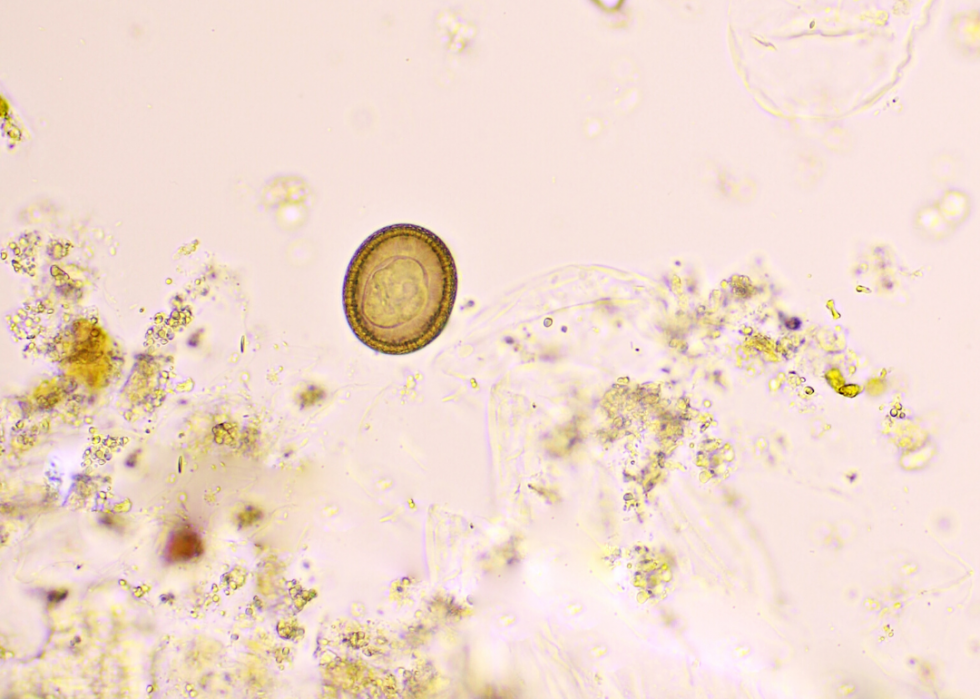
Tapeworm eggs can 鈥攚hich are then spread to humans when they unknowingly swallow the eggs via contaminated food or hand-to-mouth contact. Symptoms of cysticercosis depend on where the ensuing cysts develop: Cysts in the eyes often cause blurred vision, while cysts in the brain or spinal cord can cause seizure, headaches, and trouble with balance.
Dengue
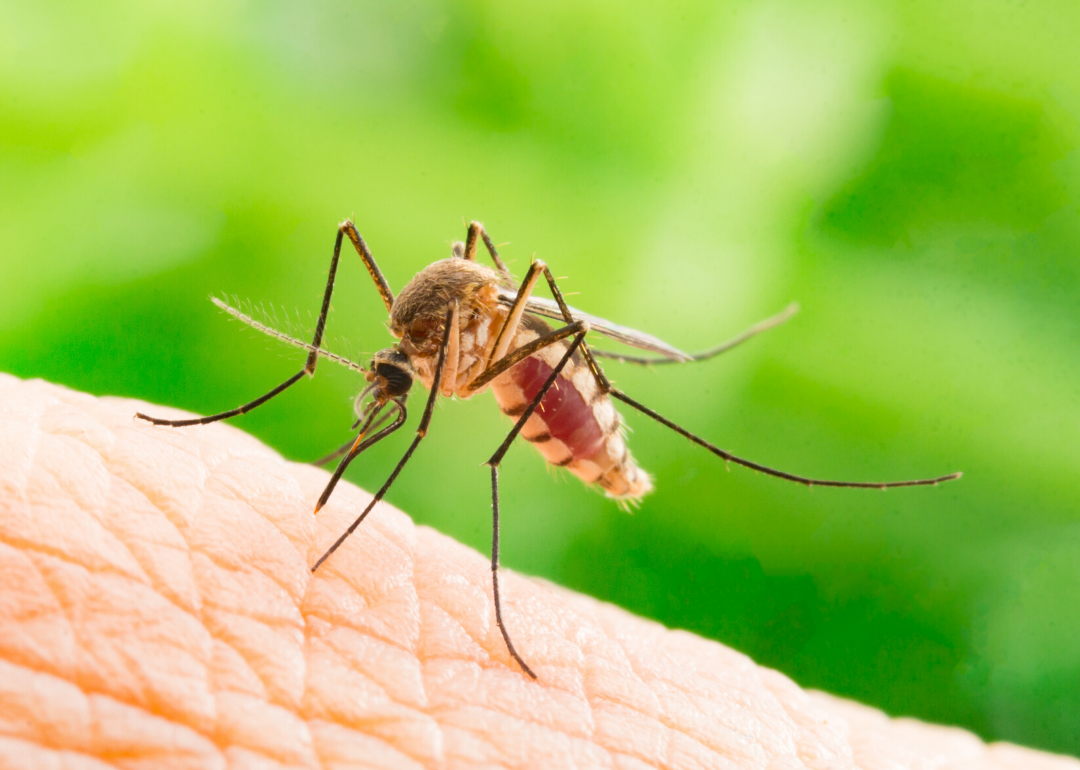
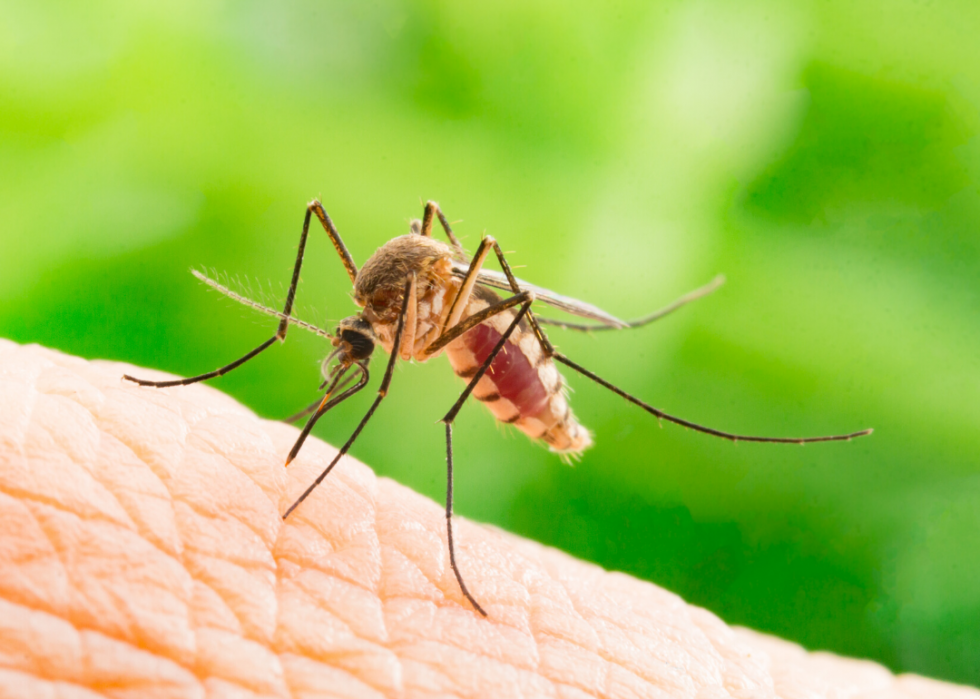
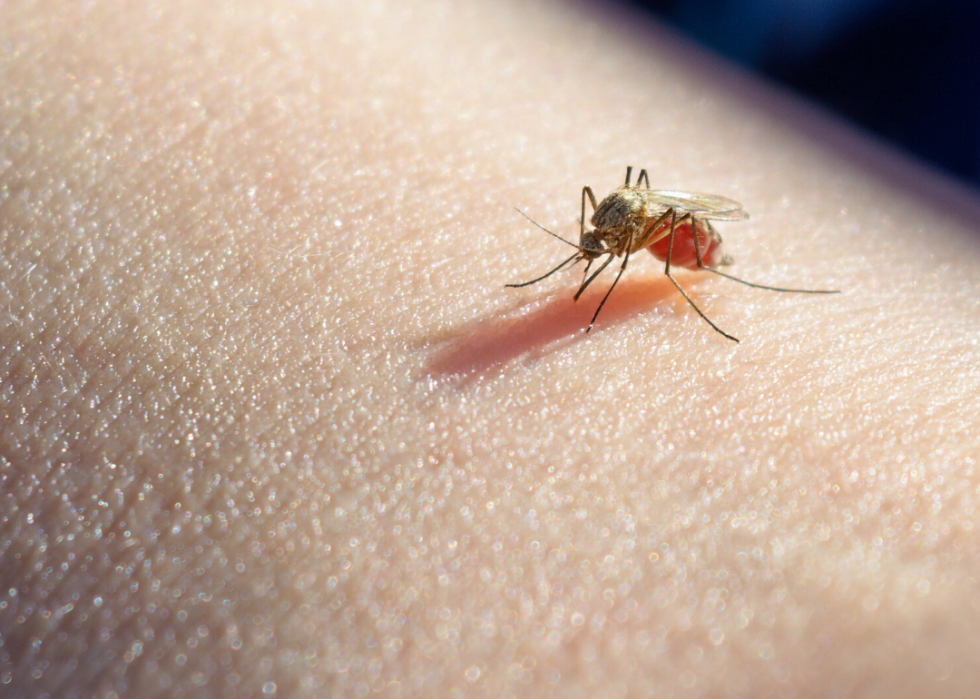
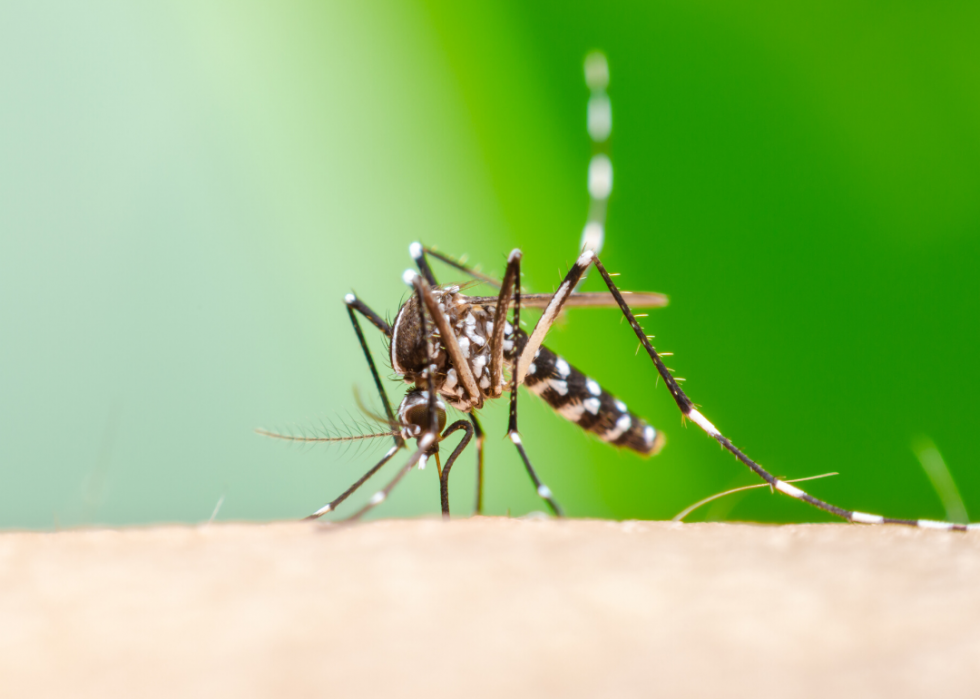
Similar to Zika and chikungunya, dengue is Infected persons may experience fever coupled with nausea, vomiting, aching, or rash. These symptoms usually last up to a week, after which most infected persons will usually recover on their own鈥攁 welcome aspect of the virus, considering that there is currently no specific medication for the treatment of dengue.
Dog and cat flea tapeworm
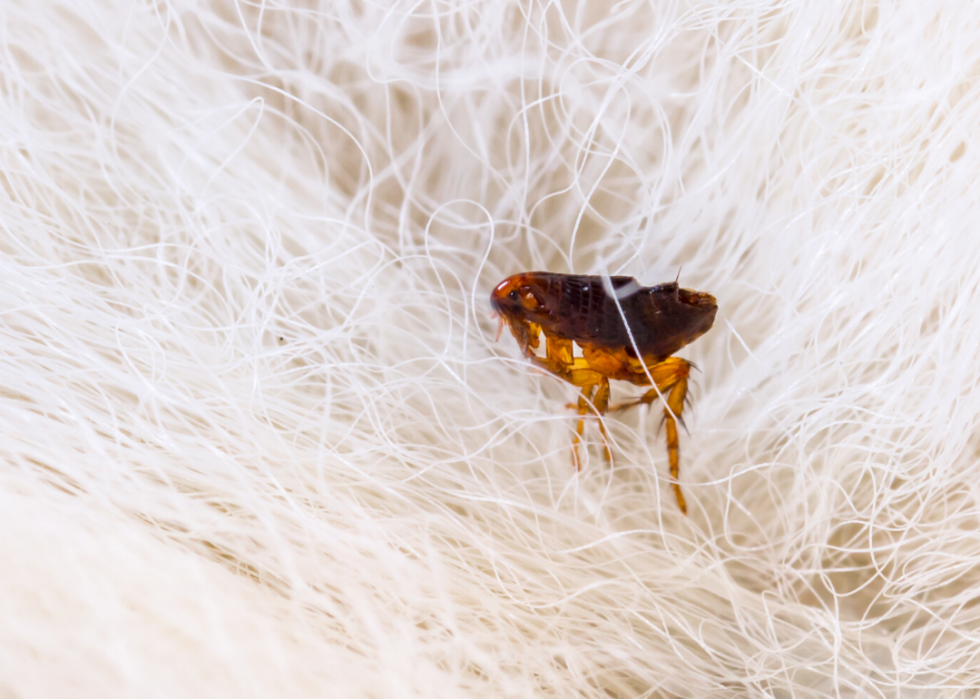
Because of the unusual way that dog and cat flea tapeworm is transmitted to humans, . Transmission occurs when humans accidentally swallow a flea that is carrying tapeworm larvae; accordingly, most who become infected are young children. Treatment is easily accomplished through the drug praziquantel, which dissolves the tapeworm internally.
E. coli infection
E. coli is ., with human infection most often occurring from eating undercooked beef or unpasteurized dairy. Animals that are able to pass E. coli to humans directly through their feces include cows, goats, sheep, and deer. Infected humans may experience diarrhea, fever, nausea, and vomiting.
Ebola
Though Ebola is rare in the U.S.鈥攃ases are largely concentrated in sub-Saharan Africa鈥攊t is often deadly. The virus is transmitted through direct contact with an infected bat or primate. The U.S. Food and Drug Administration rVSV-ZEBOV ("Ervebo"), which protects against the Zaire ebolavirus species of Ebola.
Encephalitis
Encephalitis is a wide-ranging disease in both symptoms and transmission. It can cause anything from no symptoms, to mild flu-like symptoms, to seizures and confused senses in humans. It can be passed to humans through mosquitos, ticks, or鈥.鈥攖hrough the bite of a rabies-infected animal.
Giardiasis
Giardiasis begins in the feces of infected animals, and from there can . Humans who then swallow the bacteria will often endure diarrhea, stomach pains, and dehydration.
Hantavirus
There is a range of hantaviruses, each of which is spread through a specific rodent. In the U.S., the most prominent is the Sin Nombre virus, which is spread through the urine, feces, saliva, and bite of the deer mouse. Though hantavirus became concerning enough to fall under national surveillance in the 1990s, as of 2018, , usually with fewer than four cases per state.
Leptospirosis
Many wild and domestic animals alike can transmit leptospirosis to humans, including cattle, pigs, horses, dogs, and rodents. Their infected urine can contaminate water, soil, and food, all of which then pose high risk of exposure to humans. People who fall ill with the disease may experience fever, chills, jaundice, and rash, all of which are .
Lyme disease
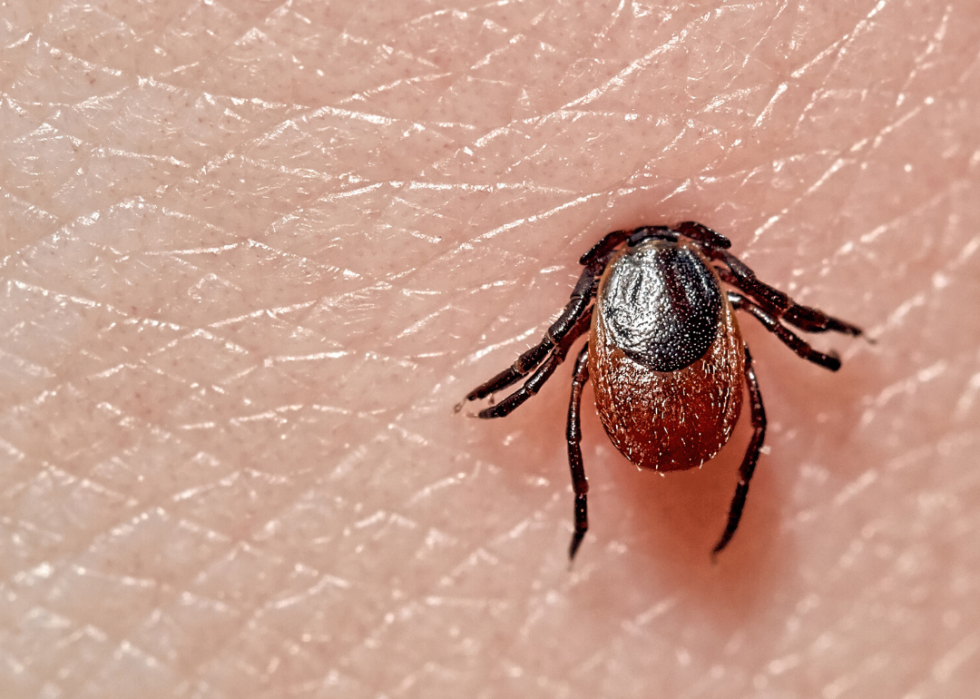
The ".," Lyme disease is transmitted through tick bites. Symptoms include a distinct skin rash and extreme fatigue. Though often effectively treated with antibiotics within the first stages of infection, if left untreated, more serious symptoms can affect the joints and nervous system.
Lymphocytic choriomeningitis
An estimated 5% of common house mice鈥Mus musculus鈥throughout the U.S. carry lymphocytic choriomeningitis, transmitting it to humans through their infected urine, feces, saliva, or nests. Because the disease , it is not known how prevalent cases are in the U.S.
Creutzfeldt-Jakob disease (Mad cow)
Though humans cannot contract mad cow disease itself, they can fall ill to the similar Creutzfeldt-Jakob disease, which is most commonly spread to humans through ingesting contaminated meat. A fatal brain disorder with no known cure, CJD is quite serious; fortunately, however, it is also extremely rare, with
Orf virus
Orf virus is a poxvirus, in the same family as monkeypox and the now extinct smallpox. It鈥檚 typically , which develop sores around their lips and muzzle when they are infected. The infection can spread to humans who bottle-feed, shear, pet, or are bitten by infected sheep or goats.
Plague
Though most will recognize the plague as responsible for killing millions of Europeans during the Middle Ages, the disease is nowhere near as prevalent today, with cases generally confined to the rural western U.S., Africa, and Asia. It is usually transmitted via the bites of infected rodent fleas. in treatment.
Rabies
Common across the U.S., rabies is spread to humans through the bites or scratches of an infected animal: most commonly, bats, raccoons, skunks, and foxes. Early symptoms include fever, headache, and itching. If the infection is not treated early on, it can progress into delirium, hallucinations, and insomnia, by which time the
Rat-bite fever
Rat-bite fever is spread to humans who are bitten or scratched by rodents carrying the disease, or through contact with surfaces or materials contaminated with an infected rodent鈥檚 feces, urine, or saliva. Symptoms often include fever, vomiting, and muscle pain. Similarly to rabies, rat-bite fever is easily treatable with antibiotics soon after infection, but .
Ringworm
Named for the , ringworm is transmitted to people by dogs, cats, cows, goats, pigs, horses, and many other animals. Humans who touch objects or surfaces contaminated with bacteria may become infected. Though the disease is common in the U.S., it is also easily treatable through ointments and creams.
Rocky Mountain spotted fever
Rocky Mountain spotted fever causes fever, headaches, and rash in humans who are bitten by infected ticks. It is one of the 鈥鈥: reported cases increased .
Salmonella
Salmonella is most commonly spread through eating contaminated or undercooked food, but humans can also contract the disease from , including reptiles, amphibians, poultry, birds, rodents, and mammals. Symptoms of the disease include diarrhea, vomiting, and fever.
SARS
SARS (severe acute respiratory syndrome) is another coronavirus like COVID-19, thought to to humans through bat-infected animals. Though 2003 saw a widespread SARS outbreak, since anywhere across the globe.
Swine flu
Humans who contract swine flu after direct contact with infected pigs may experience lethargy, reduced appetite, fever, and a cough. Historically, only one person in the U.S. was infected with swine flu every one or two years, but . The notable 2009 H1N1 pandemic was caused by a mix of swine, avian, and human influenza resulting in a new virus.
Bovine tuberculosis
Bovine tuberculosis originates in cattle, and is to humans through the consumption of unpasteurized dairy products and inhaling bacteria during close contact with animals. Illness often consists of a prolonged, severe cough accompanied by chest pain and possibly coughing up blood.
Tularemia
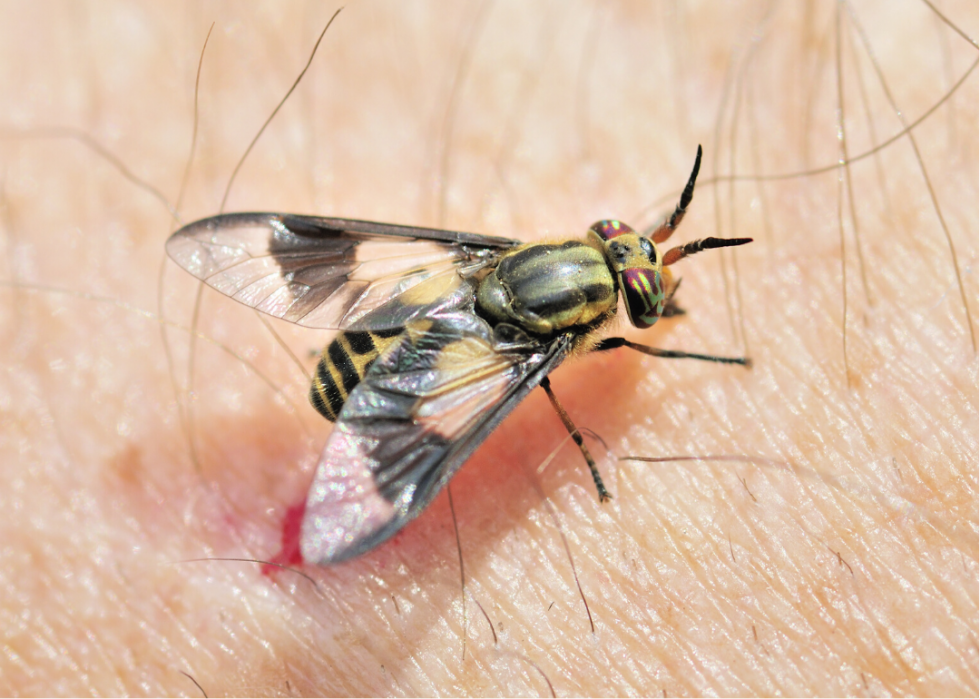
Tularemia is transmitted to humans in a variety of ways, including through tick and deer fly bites; swallowing contaminated water; and skin-to-skin contact with infected animals. All variations of the disease cause a high fever, while . Ulceroglandular tularemia, for instance, causes skin ulcers and swollen lymph glands, while pneumonic tularemia causes coughing, chest pain, and difficulty breathing.
West Nile virus
Unfortunately, there are no vaccines or medications to tackle West Nile virus infections in humans; fortunately, however, most who contract the disease feel no symptoms. About 1 in 150 persons who are infected with West Nile virus鈥攚hich is transmitted through mosquito bites鈥攄evelop serious illness. In 2018, , of which 1,658 were neuroinvasive.
Zoonotic hookworm
People who detect itchy, raised red tracks on their feet or lower legs may have contracted zoonotic hookworm, which is transmitted by walking barefoot on Fortunately, the hookworm rarely survives more than six weeks in an infected host, who will usually require no medical treatment.