What to know about getting the flu vaccine this year

Written by:
October 13, 2021
BRYAN R. SMITH/AFP // Getty Images

What to know about getting the flu vaccine this year

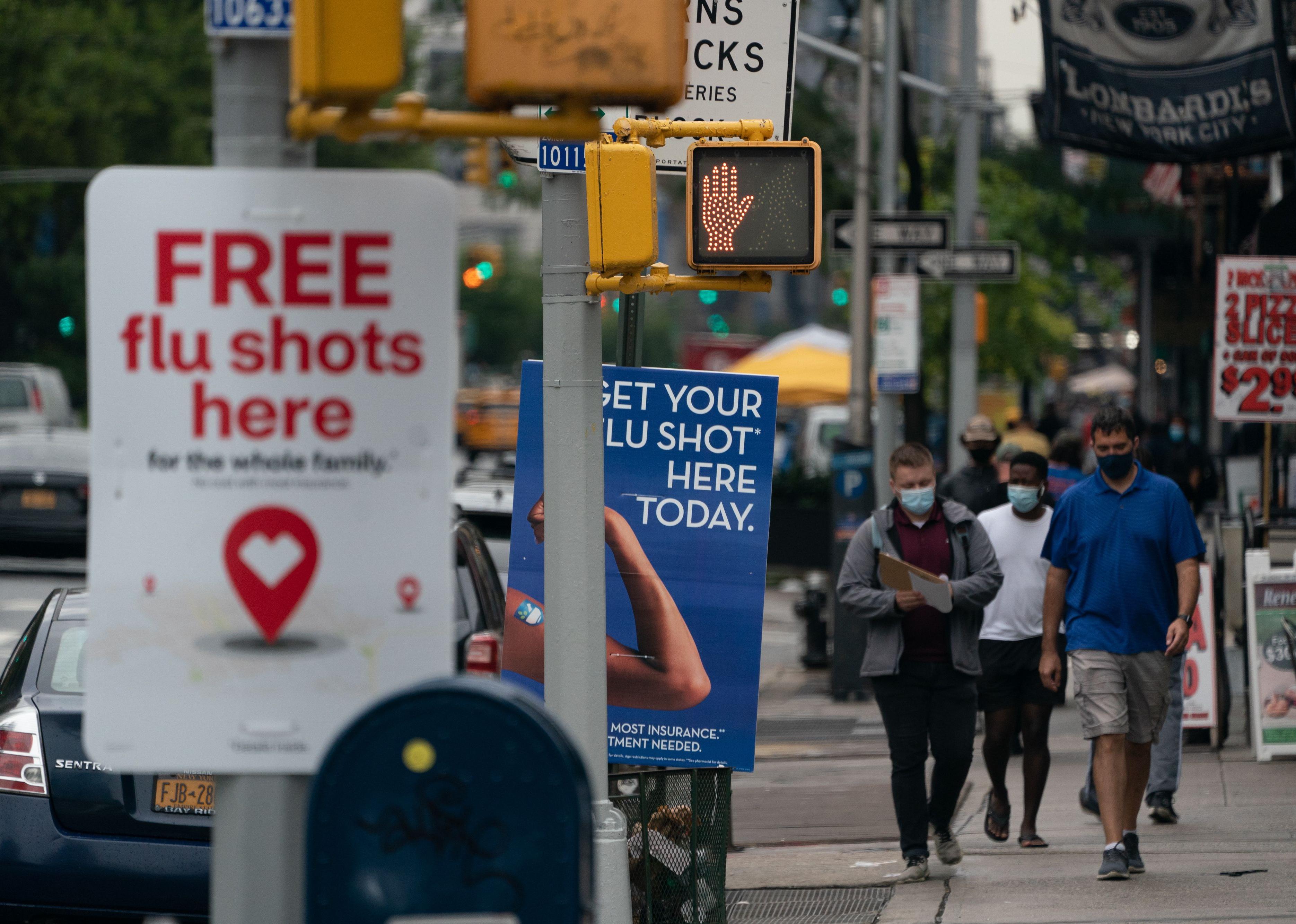
This year, COVID-19 vaccines have been the subject of everything from presidential speeches to . Experts are saying that COVID-19 vaccination is especially important as the U.S. heads into the holiday season, when cold weather will intersect with family gatherings across the country. But the novel coronavirus isn't the only respiratory disease that may hit the country this winter.

Winter also marks the peak of flu season in the Northern Hemisphere. While the flu is not often at the forefront of most Americans' minds, it does take a heavy toll on the country. The disease has killed between 12,000 and 52,000 people a year between 2010 and 2020, (CDC). Millions more people become infected with the flu, and hundreds of thousands require hospitalizations.

In 2021, many public health experts are concerned that the flu season could be particularly hard on the U.S. Last year's flu season was unusually mild, largely thanks to widespread mask-wearing, social distancing, reduced travel, and other COVID-19 precautions. But this year, as restrictions have been lifted across the country, the flu could pack a harder punch. Americans' immune systems may have forgotten how to protect against the flu because many of us weren't exposed last year, , author of Your Local Epidemiologist.

麻豆原创 compiled a list of 10 key facts for this year's flu season from the CDC, the Association for Health Care Journalists, and other scientific and news sources. Read on to learn when to get your flu shot, who is eligible, and more.

You may also like: Answers to 25 common COVID-19 vaccine questions

1 / 10
Syda Productions // Shutterstock

Flu shots do not protect against COVID-19

COVID-19 and the flu share , such as fatigue, fever, and cough, so it may feel logical to think that a flu shot might provide some defense against COVID-19鈥攐r vice versa. Indeed, , some of which have , suggest that people who get their flu shots might be less likely to have a COVID-19 case. But the correlation requires further research, as it鈥檚 possible that the same people who receive their flu shots are also more likely to rigorously follow COVID-19 safety protocols.

The flu and COVID-19 are caused by very different viruses, with very different biological structures. As a result, health experts recommend that Americans receive both a flu shot for protection against the flu and a COVID-19 shot for protection against COVID-19.

2 / 10
Lindsey Nicholson/Universal Images Group // Getty Images

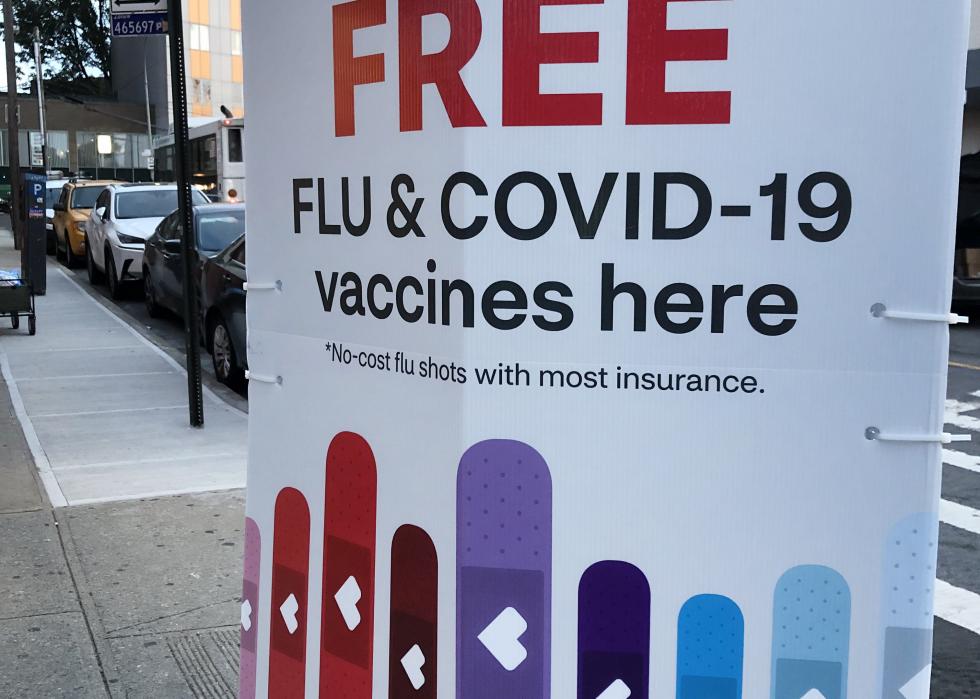
You can get your flu and COVID-19 shots at the same time

Though COVID-19 and the flu require two different vaccines, Americans are able to get their shots for both diseases in one doctor鈥檚 visit or one trip to the pharmacy. Other vaccines are often administered at the same time鈥攅specially for kids getting their routine childhood immunizations鈥攁nd this practice or potential side effects, the CDC says. Common pharmacies like Walgreens are making it easy for people to get , including those adults who are eligible for a Pfizer booster shot.

3 / 10
Joe Raedle // Getty Images

This year's flu shots protect against 4 different flu viruses

All of the vaccines that scientists have developed for the 2021鈥2022 flu season are quadrivalent, meaning they protect against at once. These include two virus strains from the 鈥渋nfluenza A鈥 family and two from the 鈥渋nfluenza B鈥 family. By incorporating multiple strains into one vaccine, scientists are providing broader protection to people who get immunized.

4 / 10
Rawpixel.com // Shutterstock

Children older than 6 months should get flu shots

The CDC recommends that gets a flu shot, and considers young children (between 6 months and 4 years old) to be 鈥渉igh priority鈥 in vaccine distribution. While parents of young children wait for the Food and Drug Administration to determine authorization for child-size doses of Pfizer鈥檚 COVID-19 vaccine, they can still take their kids to get flu shots.

5 / 10
Ringo Chiu // Shutterstock

Experts are concerned about a flu and COVID-19 'twindemic'

Many health experts are specifically encouraging flu vaccination this fall. If the flu and COVID-19 spread widely at the same time, the U.S. may face a twin pandemic, or "twindemic." A "twindemic" could be because the flu and COVID-19 share some common symptoms鈥攎aking them difficult to distinguish without testing鈥攁nd require similar equipment for severely ill patients, such as ventilators.

6 / 10
Jennifer M. Mason // Shutterstock

Last year's flu season was unusually mild

Though experts worried about a 鈥渢windemic鈥 last fall and winter as well, the 2020鈥2021 flu season proved to be quite mild, with . This was a 鈥減leasant surprise,鈥 Dr. William Schaffner, medical director of the National Foundation for Infectious Diseases, told the Association for Health Care Journalists. Like other experts, Dr. Schaffner , social distancing, and other COVID-19 precautions, which stalled respiratory disease spread at a broader level. This winter, with restrictions lifted and many Americans vaccinated against COVID-19, the flu season may be much more intense.

7 / 10
Naeblys // Shutterstock

Flu shots contain inactivated flu viruses

The most common flu vaccine鈥攁dministered as a shot in the arm鈥攃ontains a that has been inactivated, meaning it won鈥檛 cause the flu. Another type of flu vaccine contains a live but weakened influenza virus. Both of these virus types differ from the COVID-19 vaccines currently on the market in the U.S., but , such as the Sinovac and Sinopharm vaccines produced in China, are inactivated virus vaccines.

8 / 10
Canva

Flu and COVID-19 shots have similar side effects

Similarly to COVID-19 vaccines, the most common side effect for a flu shot is a sore arm. The flu shot shouldn鈥檛 this year, reports Julia Craven at Slate, but people may be more likely to notice that side effect because of their experiences with COVID-19 shots. Craven also wrote that the flu shots鈥 inclusion of four different flu virus strains does not impact side effects.

9 / 10
Lea Suzuki/The San Francisco Chronicle // Getty Images

Get your shot by the end of October

The is in September or October, and you should aim to receive that shot by the end of October, the CDC says. The agency recommends that older adults should get vaccinated in the fall, not in July or August, because the vaccine鈥檚 effectiveness may decrease over time. If you don鈥檛 get your shot by the end of October, though, you can still get vaccinated later and have protection against the flu through the remainder of the disease鈥檚 season.

10 / 10
Canva

Flu shots are especially important if you're traveling

If you're traveling internationally or visiting more vulnerable relatives for the holiday season, a flu shot may be an . The CDC recommends getting your vaccination at least two weeks before your trip, because鈥攍ike with the COVID-19 vaccines鈥攊t takes about two weeks for your immune system to develop protection against the virus.  


Trending Now