LNG Canada exceeds estimated 2024 global record for burned gas
An LNG facility in Western Canada burned more gas in 2025 than any other export facility on record in 2024, raising concerns about Canada’s claim that it’s producing the cleanest LNG in the world.
Burning excess methane gas, or flaring, is a normal safety procedure at liquefaction facilities. It releases greenhouse gases like carbon dioxide as well as emitting dangerous pollutants such as sulfur dioxide and small particulate matter, which affect human health. The LNG Canada facility in British Columbia flared 350 million cubic metres of gas in 2025, according to figures submitted to the provincial regulator and analyzed by The Narwhal in partnership with U.K.-based journalism organization Point Source. That means Canada’s first major LNG facility is one of the highest sources of LNG flaring emissions globally, reports.
Key Takeaways
- LNG Canada burned 350 million cubic metres of gas in 2025, more than the estimated highest source of LNG flaring emissions in the world in 2024.
- The high levels of flaring call into question environmental claims made about the facility, which government officials have repeatedly said produces the cleanest LNG in the world.
- Ongoing problems at the plant, which hopes to double production by building a second phase, could persist for three to five years.
The flaring volumes reported by LNG Canada to the regulator are around 50% higher than estimates for the world’s most polluting LNG export terminals in 2024, according to data that was used as the basis for the World Bank’s most recent .
The data was published by the Earth Observation Group at the , a research team that specializes in producing nighttime satellite imagery to track gas flaring.
According to the group’s estimates, Nigeria’s Bonny Island LNG terminal was the highest-flaring facility of 2024. It burned an estimated 234.4 million cubic metres of gas, closely followed by the Arzew-Bethioua terminal in Algeria, which burned 233 million cubic metres.
Global flaring data from LNG facilities operating in 2025 have not yet been published, but the Canadian facility will be among the world’s top sources of flaring at LNG terminals, according to Mikhail Zhizhin, a researcher at the Payne Institute for Public Policy in Colorado. Zhizhin was instrumental in the development of technology to monitor gas flaring from space.
“If the flaring data that has been supplied by LNG Canada to the regulator is accurate, it puts the facility amongst the highest flaring LNG facilities in the world,” Zhizhin said in an interview.
In an , LNG Canada attributed the flaring to the facility being at an early phase and said it will be infrequent during normal operations.
The high volume of flaring from the $40-billion Canada-based facility raises new questions about — and concerns about what it could mean for the
According to government data, LNG Canada flared a minimum of 127,900 cubic metres of gas every day in 2025, with the daily average being much higher: almost one million cubic metres. The worst month for flaring was June 2025, when the facility burned almost 110 million cubic metres. The data show 3,648 million cubic metres of gas were sent to LNG Canada last year, meaning almost 10% of all gas transported to the terminal was burned off without being used for power or exported.
“This is definitely high,” Christopher Doleman, an LNG and gas specialist at the U.S.-based Institute for Energy Economics and Financial Analysis, said. “Proponents may argue that it is regular during commissioning, but the several instances of unplanned flaring by the company suggest that this is out of the ordinary.”
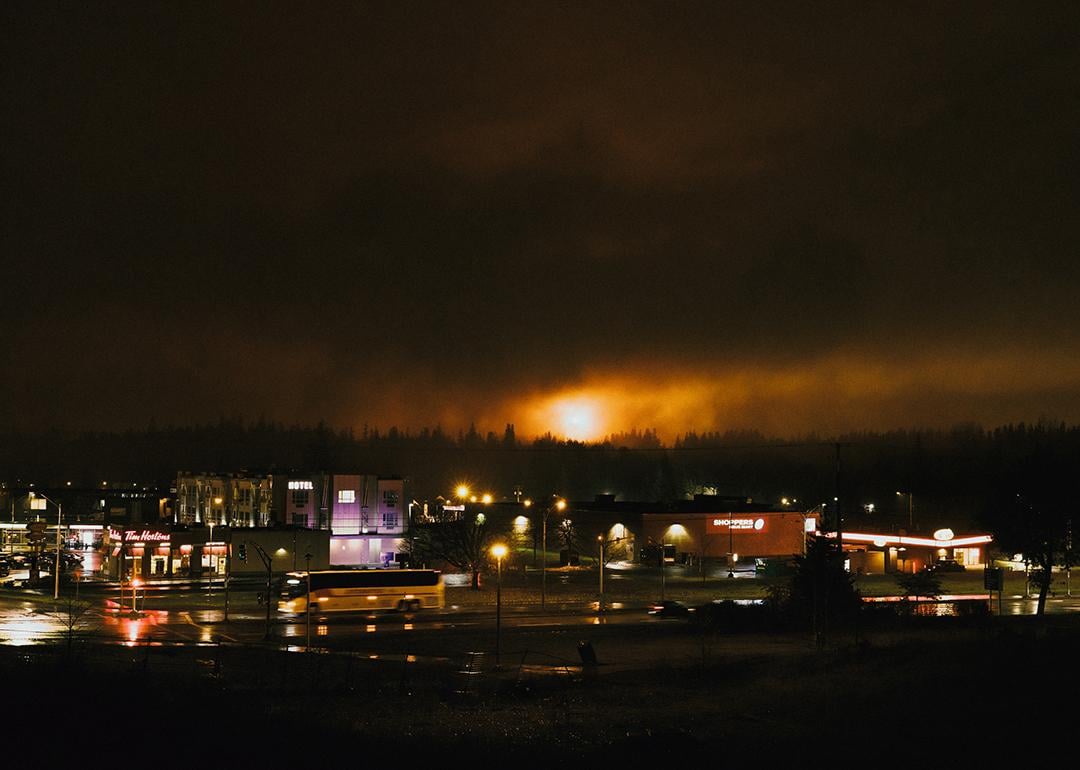
Some of those unplanned flaring events included , roughly the size of London’s Big Ben, along with plumes of black smoke settling over the community.
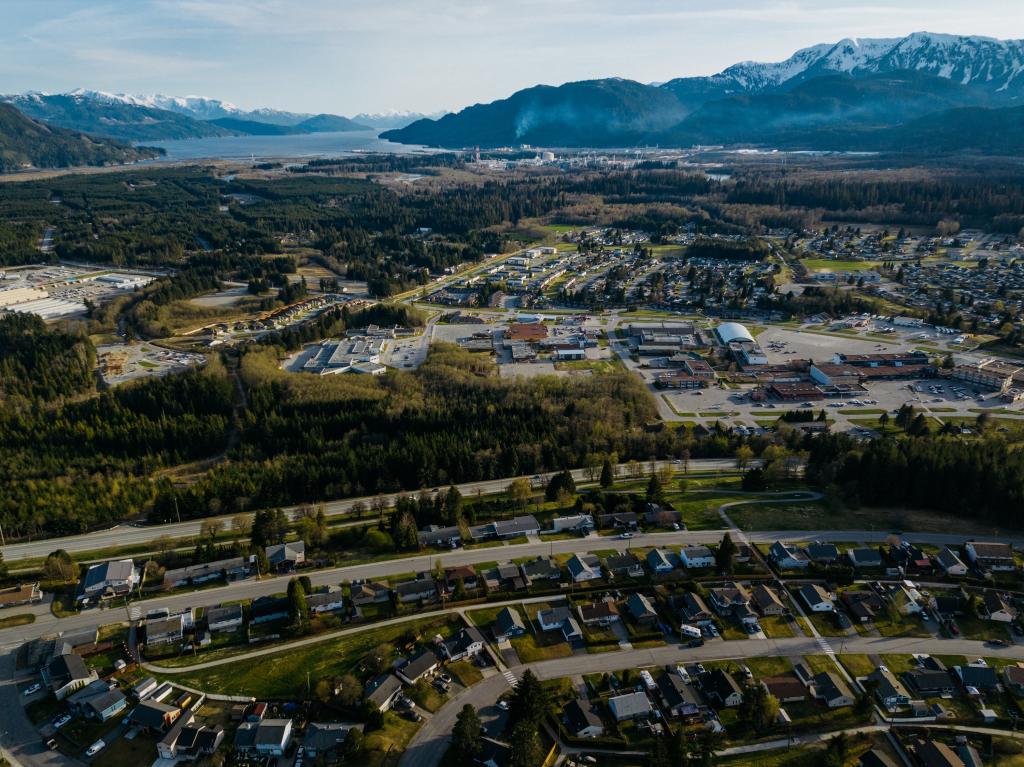
The export plant sent its first shipment of LNG overseas on June 30, 2025.
Flaring at LNG Canada has consistently exceeded allowable amounts permitted by the provincial government. According to the regulator, LNG Canada — owned by Royal Dutch Shell, Petronas, Korea Gas, PetroChina and Mitsubishi — has been flaring at levels that are “not consistent” with government permits, meaning the facility has been breaking provincial regulations for several months.
In January, The Narwhal revealed an “integrity issue” with the facility’s flaring equipment, which resulted in LNG Canada burning significantly more gas than expected — and it could take three to five years to fix. The issue was identified shortly after the LNG plant started testing its equipment in late 2024, but the government regulator did not learn about the problem until April 2025.
Company officials have since met with local politicians but have failed to provide the public with details of .
LNG Canada declined to answer this question, though the spokesperson said “we continue to tune the equipment to real-world conditions.”
“In normal operations at LNG Canada, flaring will be related to infrequent activities such as maintenance, planned turnarounds and facility upsets,” the spokesperson wrote.
‘Completely untrue’: experts question environmental claims about Canadian LNG
Analysts believe the high flaring levels at LNG Canada raise serious questions about environmental claims that have been made about the facility.
Last summer, the premier of British Columbia, David Eby, gas processed at the Kitimat terminal is the “lowest-carbon LNG in the world.”
Discussing why energy-importing countries would benefit from purchasing fuel processed at the facility, he said: “They should be using Canadian LNG that’s produced ethically, that promotes environmental protection, as well as high-quality labour standards and safety standards.”
Shell CEO Wael Sawan similarly last year that LNG Canada would be “one of the lowest carbon projects anywhere in the world.”
Speaking in India in March, Prime Minister Mark Carney : “Canada is well-positioned to contribute as a reliable supplier of the world’s lowest-carbon, responsibly-produced LNG from our West Coast.”
Eby declined an interview request and did not respond to questions about the current state of the facility. Shell did not respond to questions. Carney also declined an interview request and referred questions to the federal Energy Ministry, which did not respond by publication time.
Doleman said the new information calls these environmental claims into question.
“This flaring data undermines the claims that are being made about the facility producing low-carbon LNG,” he said in an interview. “Statements that have been made by officials saying that the LNG is the cleanest in the world now seem to be completely untrue.”
LNG Canada said high levels of flaring are normal during the start-up phase of a project of this type. The spokesperson said air quality data recorded in Kitimat show levels of nitrogen dioxide and sulfur dioxide remained “consistently low” in 2025.
“LNG Canada continues to prioritize the safety of its people, the community and its assets, to support safe and responsible operations,” the spokesperson wrote.
There is significant uncertainty about the true volumes of global gas flaring due to the difficulty of measuring emissions via satellite. Recent research by the Colorado School of Mines has suggested the true levels of flaring from the world’s LNG facilities may be significantly higher than previously estimated, Zhizhin said.
The fact that LNG Canada flared a significant volume of gas every single day in 2025 is unusual, according to researchers. A published last September found LNG terminals in a start-up phase have a 90 per cent chance of flaring less than six days a year and only a 10% chance of flaring for as many as 255 days in a single year.
Laura Minet, lead author of the paper and head of the Clean Air Lab at the University of Victoria, in British Columbia, explained “the probabilities are based on what has been happening in other facilities around the world between 2012 and 2022.” She said the frequency of flaring at LNG Canada does not appear to be typical, especially compared to LNG facilities that have moved from commissioning into regular operations. But, she said, because companies around the world aren’t required to track how much gas is flared, getting accurate data can be challenging.
“The fact that LNG Canada is saying the technical issue is going to take three years to fix is concerning,” Minet added. “It raises questions over what is getting prioritized and where the likely environmental and health impacts from this pollution fit into those priorities.”
Doleman agreed.
“The operators and project proponents should tell people why this plant is flaring so much and tell them exactly how they are going to address this issue,” he said.
LNG markets subject to instability as U.S.-Israel war on Iran continues
The ongoing global energy crisis in the wake of the U.S.-Israel attacks on Iran in late February has seen the price of LNG more than for some importers and led to windfall profits for some exporters.
A second phase of the LNG Canada project, which would double output from the plant, was and placed on a list of projects deemed to be of national importance. The consortium of companies behind the facility is in the expansion.
The U.S. is currently the world’s largest LNG exporter, followed by Australia and Qatar. Geopolitical instability caused by the war in the Middle East — which saw in March — could influence importing countries like South Korea and Japan as they balance energy needs.
However, the current wave of high prices could have lasting impacts on demand for LNG as importing nations look to cheaper alternatives, Doleman said. Recently, a planned LNG import terminal in China was , which reallocated its investments to the development of domestic gas reserves. In New Zealand, plans for an import terminal are as the country’s government weighs the financial risks.
“The current high price environment is killing long-term demand for LNG around the world and it is going to be interesting to see how things pan out for the [Canadian] facility over the coming years,” Doleman said.
This investigation is a collaboration between The Narwhal and , a U.K.-based investigative journalism organization.
was produced by and reviewed and distributed by Â鶹ԭ´´.