Bikeable neighborhoods in not-so-bike-friendly cities
This story originally appeared on Velotric and was produced and distributed in partnership with 麻豆原创 Studio.
Bikeable neighborhoods in not-so-bike-friendly cities
COVID-19 restrictions, which kept workers and students alike at home and severely hampered mobility for those dependent on public transit, prompted many Americans to dust off the bicycles in their garages or as a way of getting out of their homes, exercising, and reducing stress levels while adhering to social distancing guidances. Others took up walking as a means of exercise and exploration. This resulted in people discovering鈥攊n ways they perhaps had never realized before鈥攋ust how bikeable and walkable their neighborhoods really were.
Despite inner-city infrastructure development traditionally adopting a mixture of public transportation and vehicle-use roadways, many cities have begun to prioritize dedicated bicycle lanes and safety measures to offer better mobility options and quality of life. Cycling infrastructure investments to of bike-lane networks in cities like Austin, Texas; New Orleans; and Portland, Oregon, have grown exponentially in recent years. The League of American Bicyclists found that, since 2005, there has been a nationwide in bike commuters, and the cities where bike commuting has risen the most鈥擲eattle, Washington D.C., and the aforementioned Portland and New Orleans being just a few examples鈥攁re also among those cities making the greatest investments in growing and securing their bike networks.
Of course, within any given city, some areas are more bike-friendly than others.
drew on data from to rank U.S. neighborhoods that are far more bikeable than the cities they're part of might suggest. The analysis was limited to 10 U.S. cities and to avoid duplicates, only the highest-scoring neighborhood from a city was included. Walk and transit scores relative to these neighborhoods and their cities are also included. The accounted for several factors, among them the preponderance of bike lanes and road connectivity as well as the existence of hills and other topographic features.
Some patterns emerged: Most are old neighborhoods. Several are on the National Register of Historic Places. A few are very close to university campuses, where many students rely on bikes for transportation, and most are near鈥攐r simply are鈥攄owntown. In all cases, the following bike havens are rich in culture and rife with things to do and sights to see, all easily accessible on two wheels.
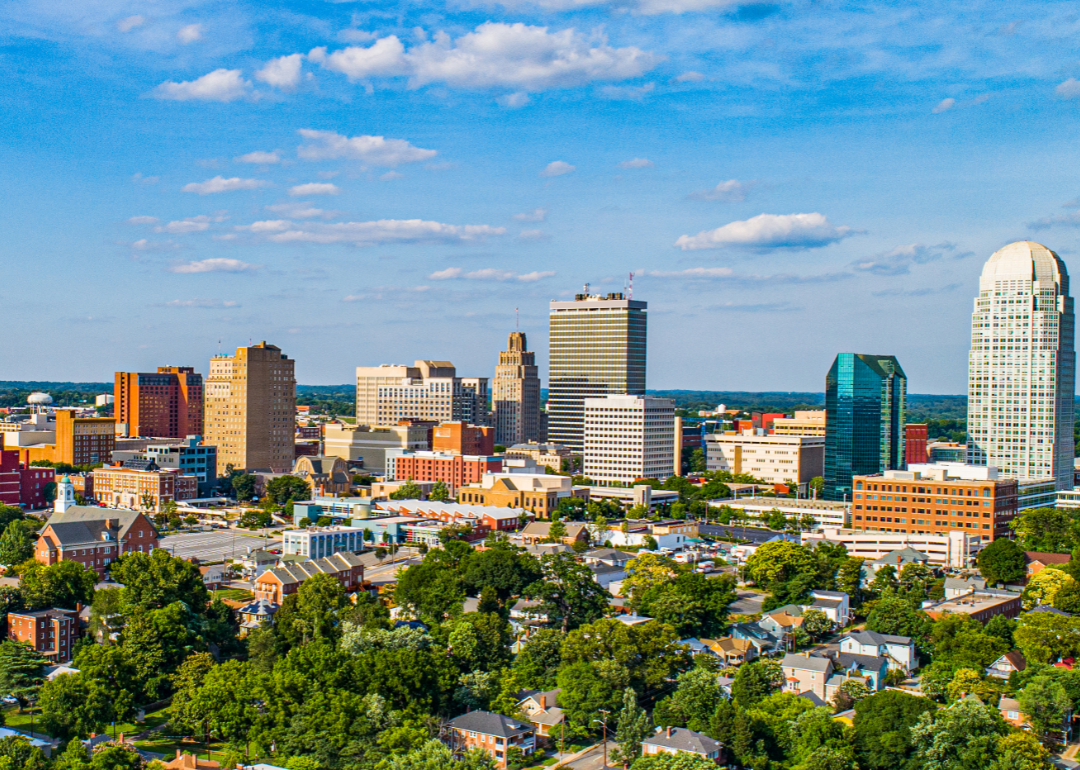
#10. Downtown (Winston-Salem, North Carolina)
- Neighborhood bike score: 73 (43.8 points greater than Winston-Salem)
- Neighborhood walk score: 79 (56.5 points greater)
- Neighborhood transit score: Not available
While not as big as San Diego, Winston-Salem鈥攈ome to several colleges and universities鈥攊s a large enough city as a whole that most residents prefer to have cars, and car commuting is the norm. However, the downtown neighborhood has by adding bike racks in public places and onto public transportation, adding bike lanes to streets, and improving nonstreet routes鈥攍ike the popular 鈥攃alled greenways. Visitors who would like to explore the city on two wheels can rent a bike through the city's bike share program, which has located throughout the downtown area. Old Salem's historic streets, myriad shops and restaurants, museums, and even the Black Mountain Chocolate Bar are all accessible by bike.
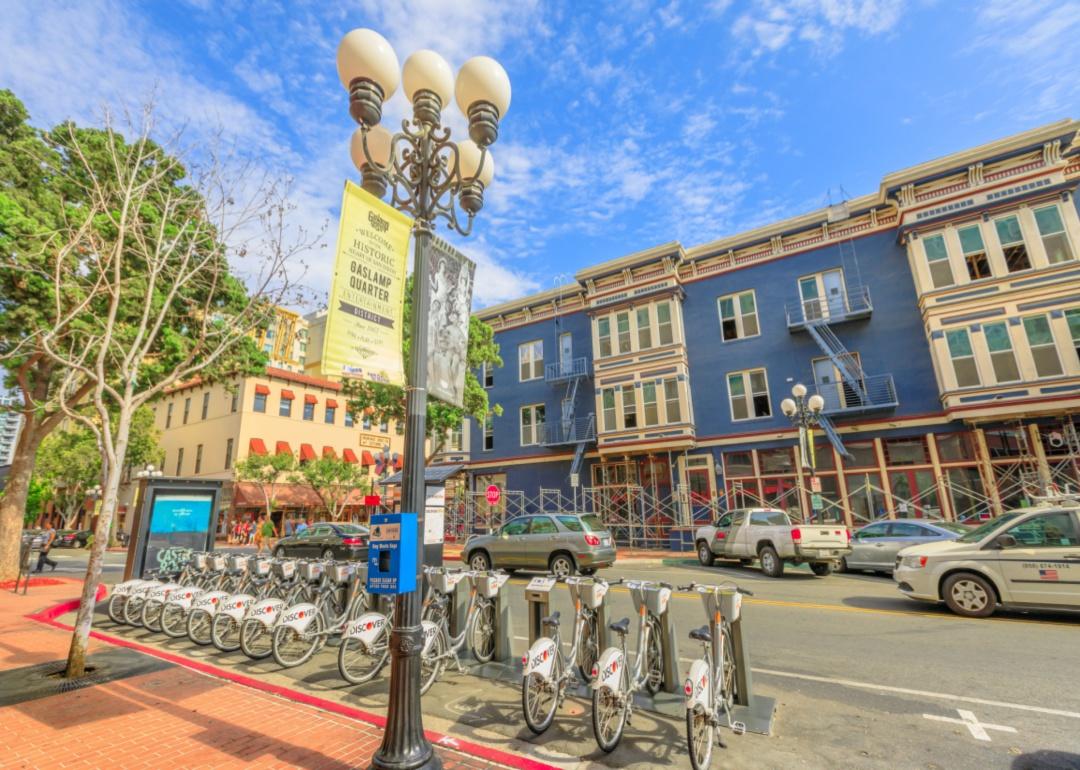
#9. Gaslamp (San Diego, California)
- Neighborhood bike score: 87 (44 points greater than San Diego)
- Neighborhood walk score: 97 (43.7 points greater)
- Neighborhood transit score: 81 (43.7 points greater)
San Diego calls to mind surfers pedaling to the beach on cruiser bikes, but this beach city is also a big city鈥揂merica's at nearly 1.4 million鈥攁nd not as bike-friendly as you might think. Fortunately, the , in the very heart of San Diego, is an exception. For $20, you can for four hours to explore the Quarter; another $10 gets you one all day. You can also and cruise the 6 miles north along the waterfront . Many of the beautifully restored 19th-century Victorians in the historic district have been turned into lively restaurants and other businesses. The neighborhood serves as a shopping and dining destination by day and a hotel and nightlife district lit by鈥攜es鈥攇as lamps after dark.
#8. Cabbagetown (Atlanta, Georgia)
- Neighborhood bike score: 87 (45.3 points greater than Atlanta)
- Neighborhood walk score: 83 (35.3 points greater)
- Neighborhood transit score: 61 (17.3 points greater)
Whether Cabbagetown from the cabbages residents who once lived there grew in their yards or the time a cabbage truck reportedly spilled its load on a street corner, the neighborhood doesn't deserve the goofy name. The historic district east of downtown Atlanta has much to offer today. A lively art scene has taken hold, fueled by the conversion of a sprawling 19th-century cotton mill into 鈥攓uite possibly the largest collection of residential artists' lofts in America. Street art adorns walls leading to the , which connects the district with the Inman Park neighborhood. Restaurants in the district, notably the popular , serve up plenty of cuisine choices and evening entertainment. The neighborhood can easily be toured on two wheels; bike and e-bike rentals are available at the located nearby.

#7. Fairmount (Fort Worth, Texas)
- Neighborhood bike score: 84 (45.4 points greater than Fort Worth)
- Neighborhood walk score: 67 (32.1 points greater)
- Neighborhood transit score: 41 (19.4 points greater)
It's not always easy living in a National Historic District because of the placed on homeowners wanting to remodel, but the owners of historic homes in Fort Worth's take great pride in them. In fact, pride of ownership runs so deep in Fairmount that is an honor that neighbors covet. Located 2 miles south of downtown, the district features dozens of in architectural styles that range from Prairie-style and Dutch Revival to Craftsman and Queen Anne. The quiet district is , unlike many car-centric Texas cities. It's also quite affordable鈥攖he median home price is , steep by Fort Worth standards but a steal for admirers of historic homes. More than 4 in 5 homes in the district were built before 1940, making it one of the most concentratedly historic U.S. neighborhoods.
#6. College Park (Raleigh, North Carolina)
- Neighborhood bike score: 85 (45.7 points greater than Raleigh)
- Neighborhood walk score: 60 (28.7 points greater)
- Neighborhood transit score: 47 (17.6 points greater)
Raleigh's neighborhood (sometimes called East College Park) is named for the 105-acre campus, which straddles its border. Saint Augustine's is a historically Black private Christian college that opened just after the Civil War to train newly emancipated African American teachers. The neighborhood is somewhat pricey ( median home price) and getting pricier ( year over year). Recent street and sidewalk paving in the district make it even more bike- and pedestrian-friendly than in the past. A on East Jones Street leads cyclists to downtown Raleigh, only a few blocks away, or riders can follow any number of greenway paths or country road that tour the city.
#5. Third Ward (Charlotte, North Carolina)
- Neighborhood bike score: 77 (45.7 points greater than Charlotte)
- Neighborhood walk score: 72 (45.6 points greater)
- Neighborhood transit score: 67 (39.6 points greater)
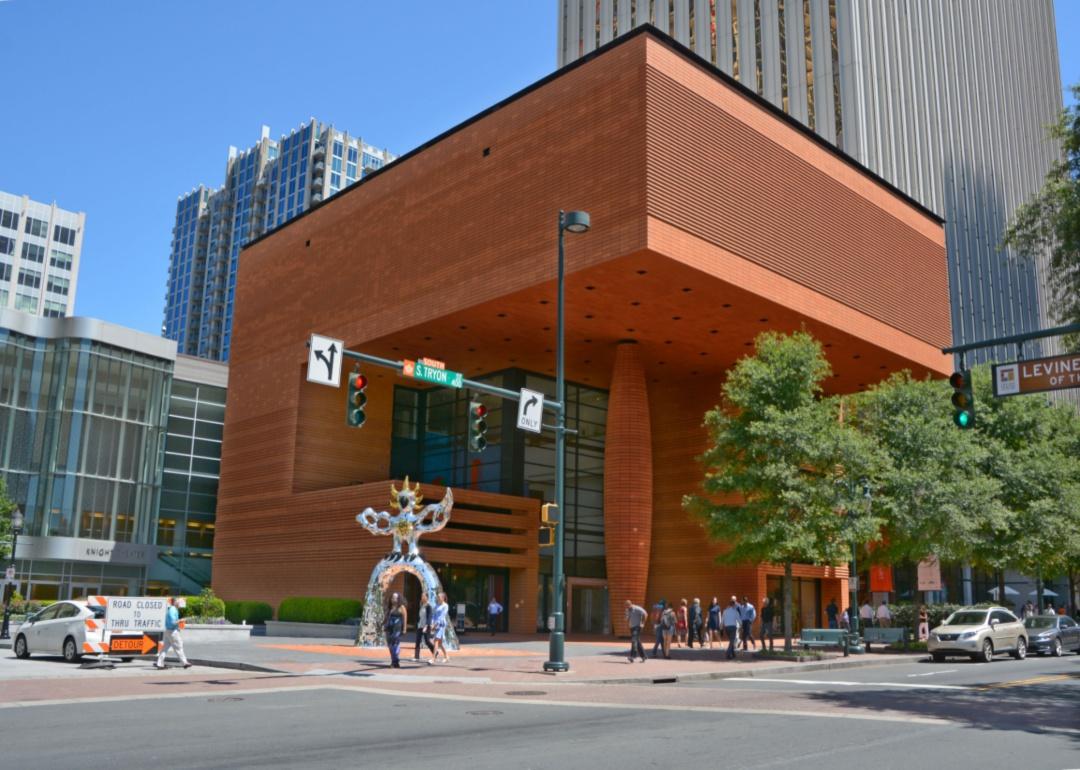
The average home price of $281,000 in Charlotte's Third Ward is certainly reasonable when you consider it has enough going for it to earn an A+ grade and rank #6 among 163 Charlotte neighborhoods, . About 4 in 5 residents have a college degree, and the average household income is just over $93,000. Located just northeast of downtown Charlotte, the district encompasses one of the city's largest public parks, . Walking paths meander through the park, and the path leads walkers and cyclists downtown. Restaurants serving everything from Irish to Turkish fare, as well as two museums ( and ), give residents and visitors plenty to eat and admire.
#4. Old West Durham (Durham, North Carolina)
- Neighborhood bike score: 85 (47.4 points greater than Durham)
- Neighborhood walk score: 80 (49.7 points greater)
- Neighborhood transit score: 51 (23.5 points greater)
The welcoming message fronting the website says it all: "Our neighborhood remains a collection of quiet, tree-lined streets where the front porch is still used for visiting with neighbors." That can be said of many neighborhoods, especially in the South, but not so much in tech hubs like Durham. The city's top bike shop, , is found in this historic neighborhood and rents hybrid and mountain bikes and e-bikes on which riders can explore the nearby Duke University campus or head south for 22 miles on the multi-use . Or you can stick to the Old West neighborhood, whose motto is: "Diversity, Harmony, Community."
#3. Downtown (Indianapolis, Indiana)
- Neighborhood bike score: 91 (48.2 points greater than Indianapolis)
- Neighborhood walk score: 81 (50 points greater)
- Neighborhood transit score: 59 (34.1 points greater)
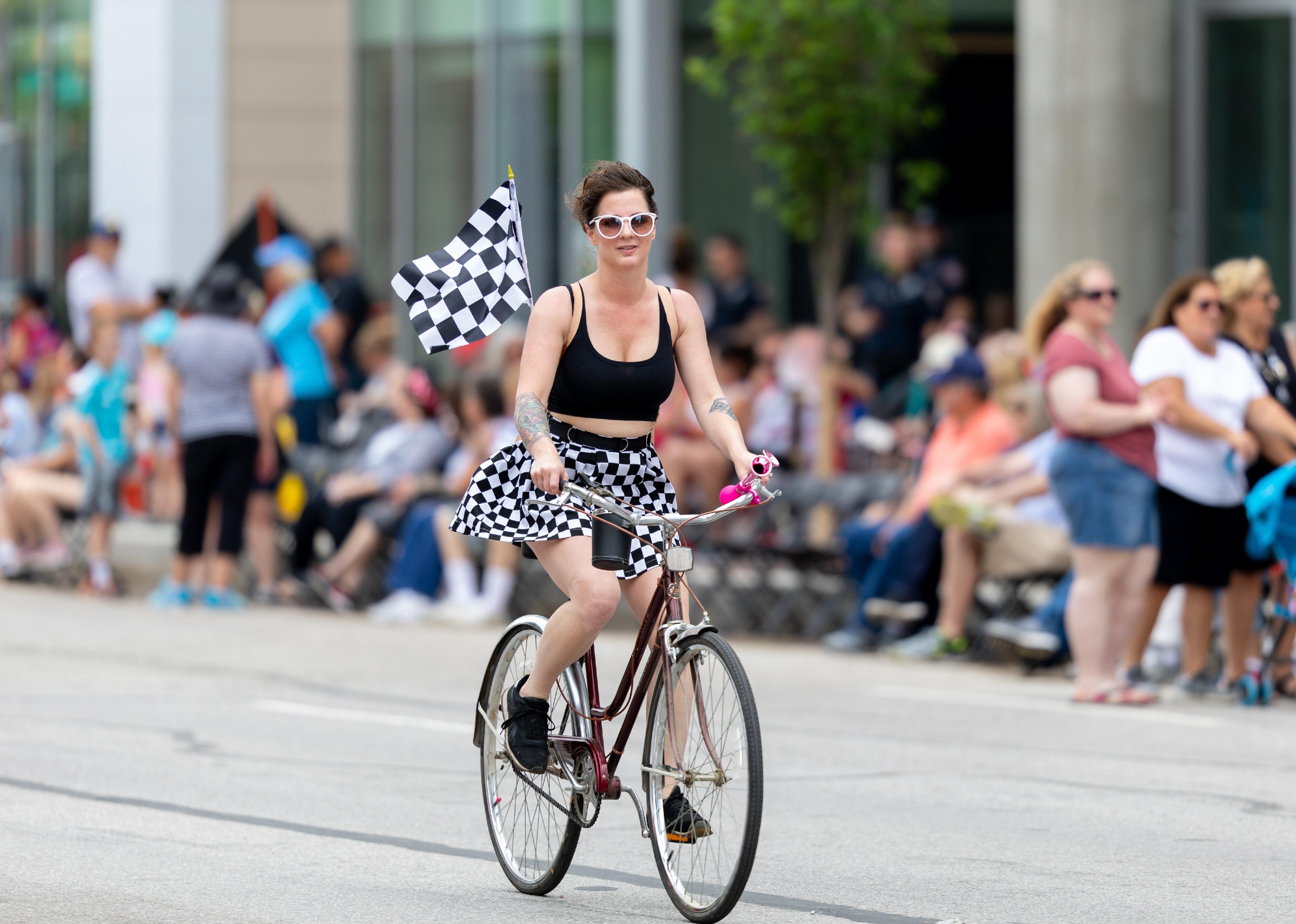
Downtown areas are usually not very bikeable, but downtown Indianapolis is an exception. has been a leader among U.S. city-based organizations in promoting downtown housing to ensure a safe and lively urban core鈥攁nd the that prove it's working: over 25,000 downtown residents (including many students), a 97% occupancy rate, median home prices that have soared to $431,000 (single-family homes) and $317,000 (condos), and a crime rate that has dropped for three consecutive years.
If that's not enough to show why it's so attractive to residents and visiting out-of-towners, there are also 440 restaurants and bars, 8,500 hotel rooms, and for outdoor lovers, more than 340 acres of green space. Bike-share rides and Lime scooters are available throughout the downtown area. Residents and visitors can stop by one of the 50 or rent an e-bike or hybrid bike at to follow the .
#2. Necko (Columbus, Ohio)
- Neighborhood bike score: 96 (48.3 points greater than Columbus)
- Neighborhood walk score: 71 (29.8 points greater)
- Neighborhood transit score: 52 (21.8 points greater)
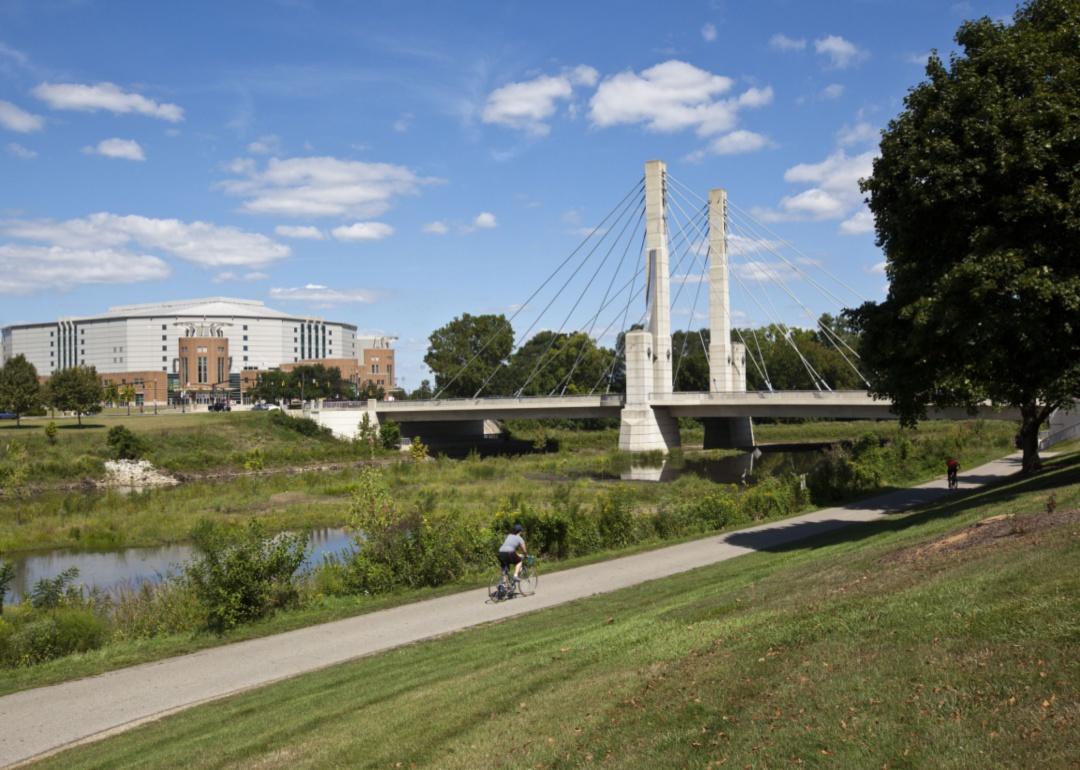
Columbus is best known as a university town, and the Necko neighborhood is right next to and its 61,000-strong on-campus student body. No wonder then that are students. The presence of all those students contributes to making it more bikeable, walkable, and generally safer than most Columbus neighborhoods. Its proximity to the campus more than a third of residents to walk to work or school, and the neighborhood's number of bike commuters is in the 96th percentile. The best way to check out the area is to rent a (only $2.25 per ride or $8 per day) from one of the Necko district's Neil Avenue CoGo stations.
#1. Columbia Heights (Lexington-Fayette, Kentucky)
- Neighborhood bike score: 96 (50.3 points greater than Lexington-Fayette)
- Neighborhood walk score: 87 (52.7 points greater)
- Neighborhood transit score: 76 (49.4 points greater)
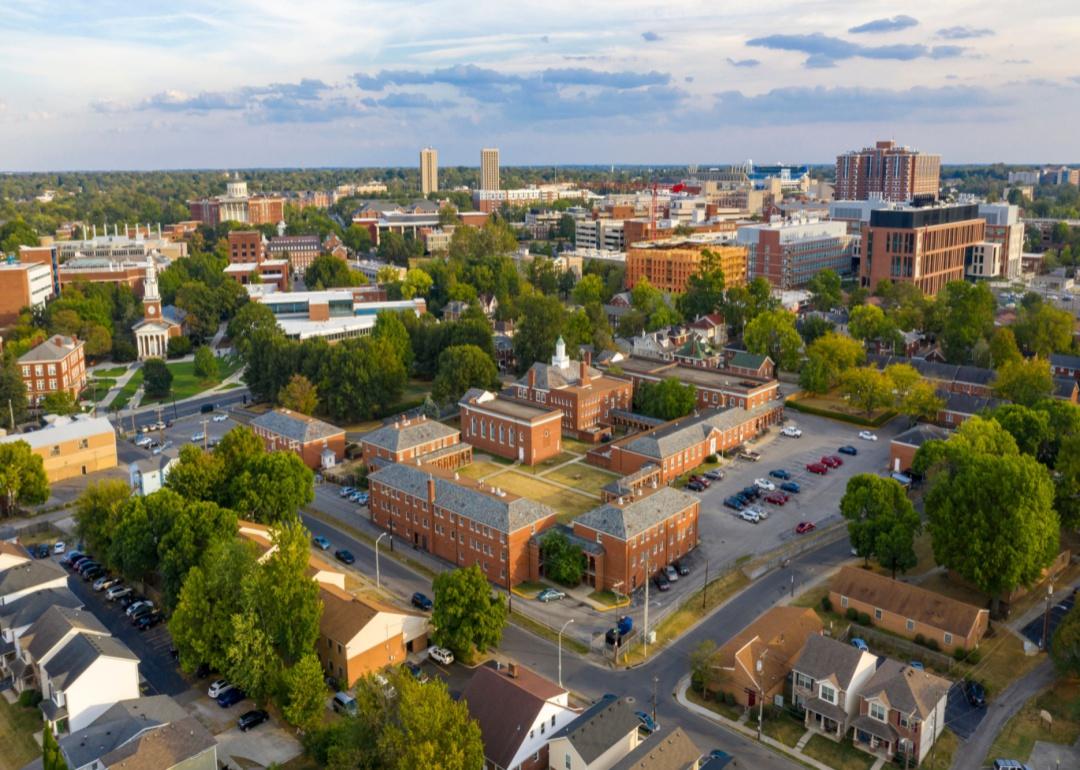
The University of Kentucky is right next to the Columbia Heights neighborhood, and Woodland Park (the in Lexington) is only a block away. Home prices in the neighborhood average around and a of 12,400 residents per square mile keeps the Heights bustling for residents, students, and visitors alike. More than a third of the neighborhood's residents are students, many of whom bike to campus, and even nonstudents can take advantage of the cultural offerings at the university. Anyone seeking evidence that this is a close-knit community need look no further than the by the Columbia Heights Neighborhood, which assured residents that a missing dog was alive and well and safely in the hands of Animal Control awaiting a reunion with its owner.